Furry myths
Why your dog wags its tail at you: The truth behind the common myth

For years, we’ve been told that one dog year equals seven human years, that dogs see only in black and white, and that a wagging tail always means a happy dog. We’ve heard these "facts" so often that they hardly seem worth questioning. But many of these things simply aren’t true. From which colors they can see to how they age, swim, and communicate, science has given us a very different picture. Here are 10 famous dog myths and the real explanation behind them.
1 One human year equals seven dog years
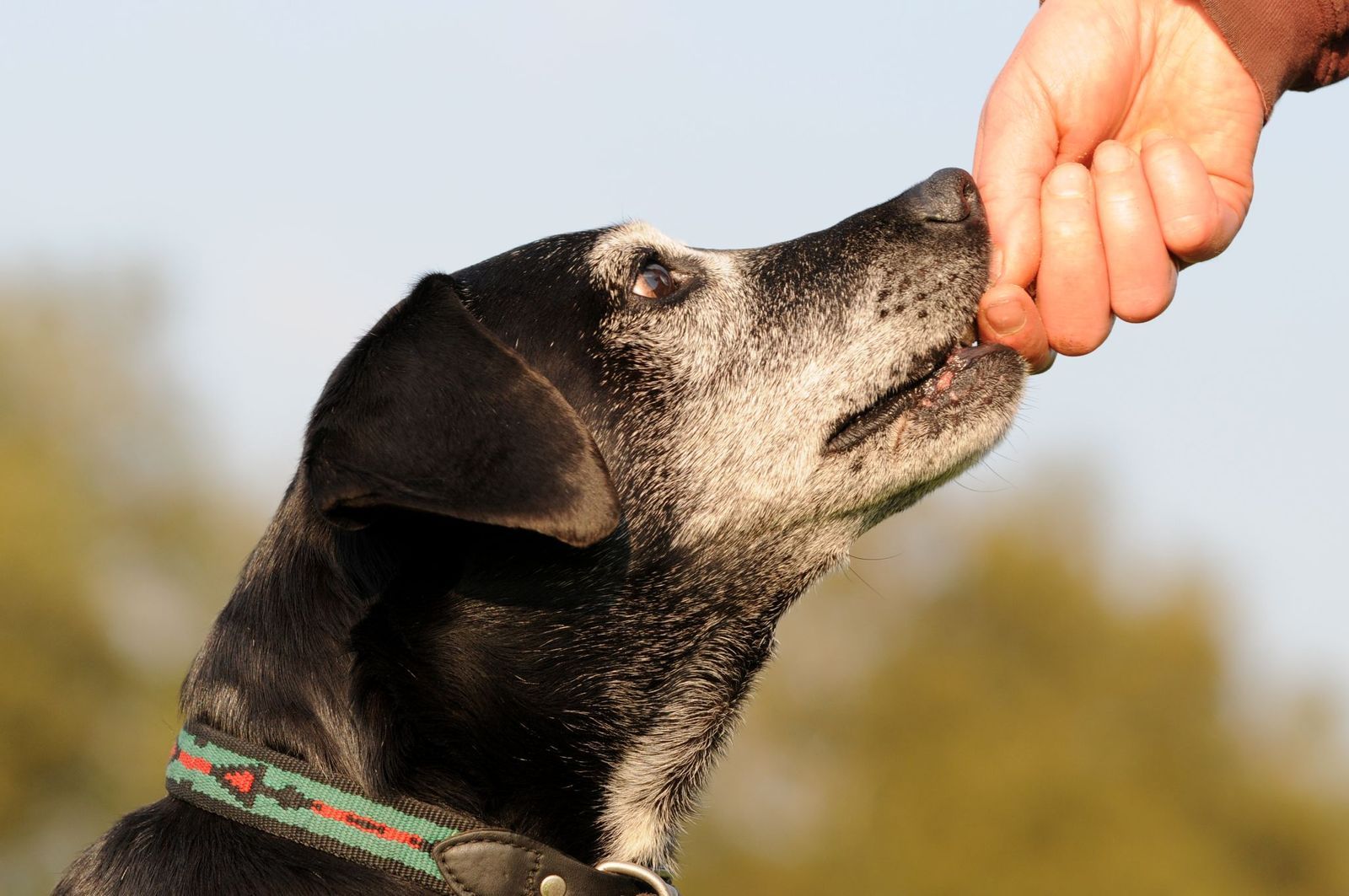
Have you ever multiplied your dog’s age by 7 to figure out how old they would be in human years? Many of us have, but this popular rule isn’t actually accurate.
The idea that one human year equals seven dog years is an oversimplification . In reality, dogs age much faster during their first two years. A one-year-old dog is biologically similar to a 15-year-old human, while a two-year-old dog is comparable to a 24-year-old human. After that, the rate of aging depends mostly on the dog’s size and breed. Smaller dogs generally age more slowly, while larger and giant breeds age faster. The myth may come from the aging pattern of large dogs over 50 pounds. After age two, they add roughly 6 to 7 human years for every calendar year. However, medium breeds (20–50 pounds) add about 5 years, while small breeds (under 20 pounds) add about 4 years per calendar year.
2 A wagging tail always means a happy dog
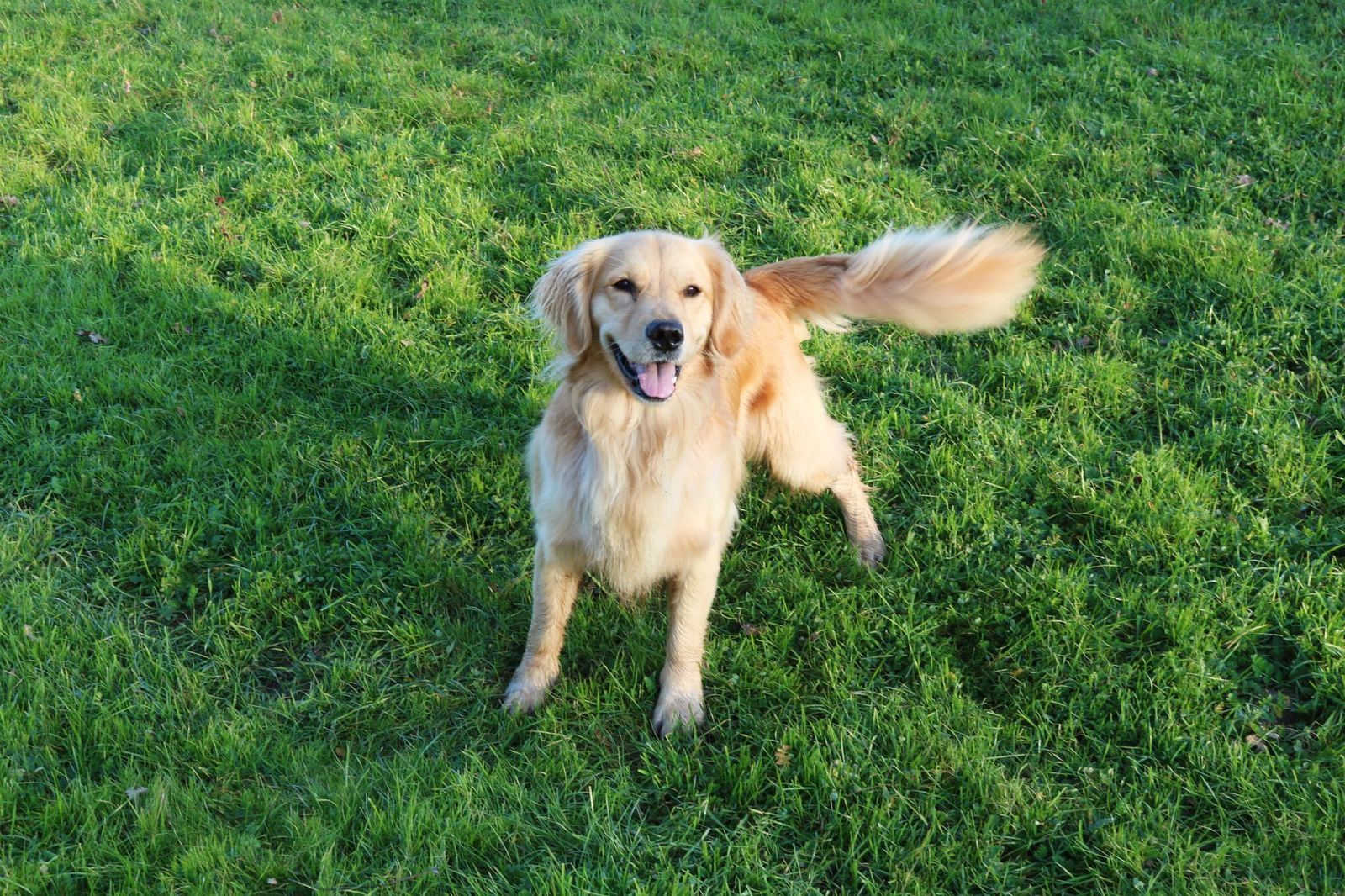
A wagging tail isn’t always a sign of joy. Biology researchers have found that it can signal excitement, fear, anxiety, frustration, or even aggression.
To understand what a dog is feeling, look at its whole body, not just its tail. For example, an intense stare or ears pinned back may indicate that a dog feels uncomfortable or angry. On the other hand, a relaxed, open mouth usually suggests a positive mood, unlike a tense, closed mouth or bared teeth. A famous 2013 study published in Current Biology also found that the direction of a dog’s tail wag can reveal something about its emotions. When a dog experiences something positive, the left side of its brain becomes more active, and its tail tends to wag to the right . When it encounters something stressful or threatening, the right side of its brain becomes more active, and its tail tends to wag to the left.
3 Dogs see only in black and white
If you’ve ever worried that your dog sees the world only in black and white, we have good news: that’s not quite true.
Although dogs were once believed to see only shades of black, white, and gray, their vision is actually closer to blue, yellow, and gray. That’s because dogs are dichromatic, meaning they have two types of color-detecting cone cells in their eyes, compared with three in humans. To dogs, red and green appear faded or brownish-gray, while blue and yellow stand out more clearly. In other words, their color vision is similar to that of a person with red-green color blindness. In addition, dogs also have more rod cells in their retinas, giving them better night vision than humans and making them much better at detecting fast movement.
4 A dry or warm nose means a sick dog

For years, we’ve believed a dog’s warm, dry nose is a sure sign of illness, but that’s not always the case.
A dog’s nose isn’t just an indicator of health; it’s also one of its main tools for exploring and understanding the world. Its temperature and moisture levels can change throughout the day depending on activity, age, or even a nap. Dry air, wind, sunlight, or sitting near a heat source can also dry out a healthy nose. Instead of evaluating your dog’s health by its nose alone, it’s better to pay attention to its overall behavior and other symptoms. A dry nose may warrant a vet visit if it’s accompanied by sudden inactivity, loss of appetite, vomiting, or diarrhea, or if the nose is cracked, bleeding, or producing thick discharge.
5 You can’t teach an old dog new tricks
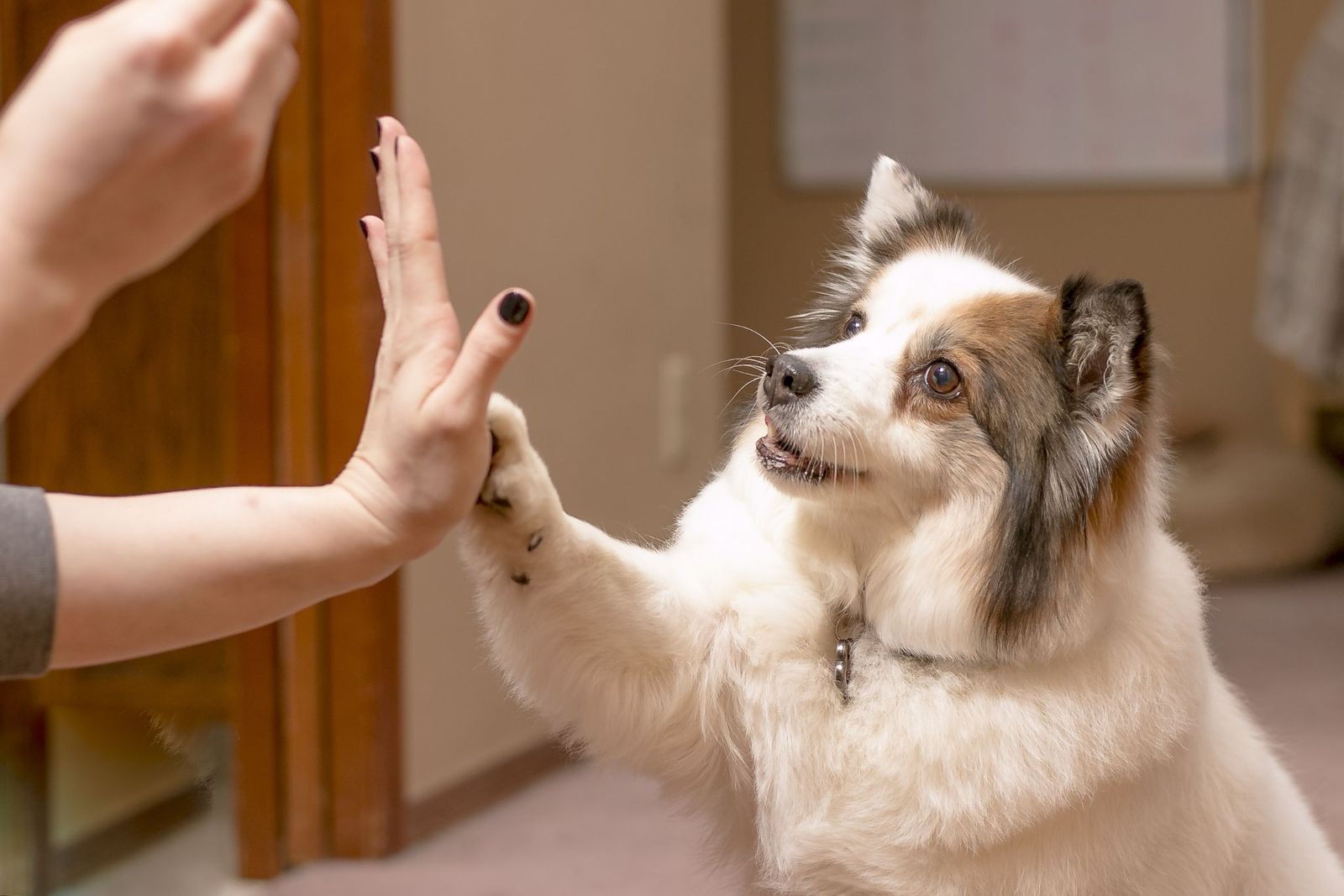
As it turns out, the old saying "You can’t teach an old dog new tricks" may actually apply more to humans than to dogs.
There’s no scientific basis for the idea that older dogs can’t learn. They can learn new behaviors and commands at any age, from puppyhood through their senior years. In fact, older dogs often concentrate and listen better than puppies, who can be energetic and easily distracted. While changing long-established habits may take more patience, training can be good for their health, too. It provides important mental stimulation, helping fight boredom and supporting cognitive health as they age.
6 Dogs act out of guilt or spite

Have you ever caught your dog looking guilty after breaking something and being scolded? You’re not alone, but that expression may not mean what you think.
Dogs don’t necessarily understand that they’ve done something wrong or feel "guilty" about it. The lowered head, flattened ears, tucked tail, slinking posture, or wide-eyed look are more likely a response to your angry tone or body language. And if you scold your dog long after the incident, they may not understand what they’re being punished for. That "guilty" look is more likely a sign of fear, stress, or submission than remorse.
7 Dogs eat grass only when they are sick
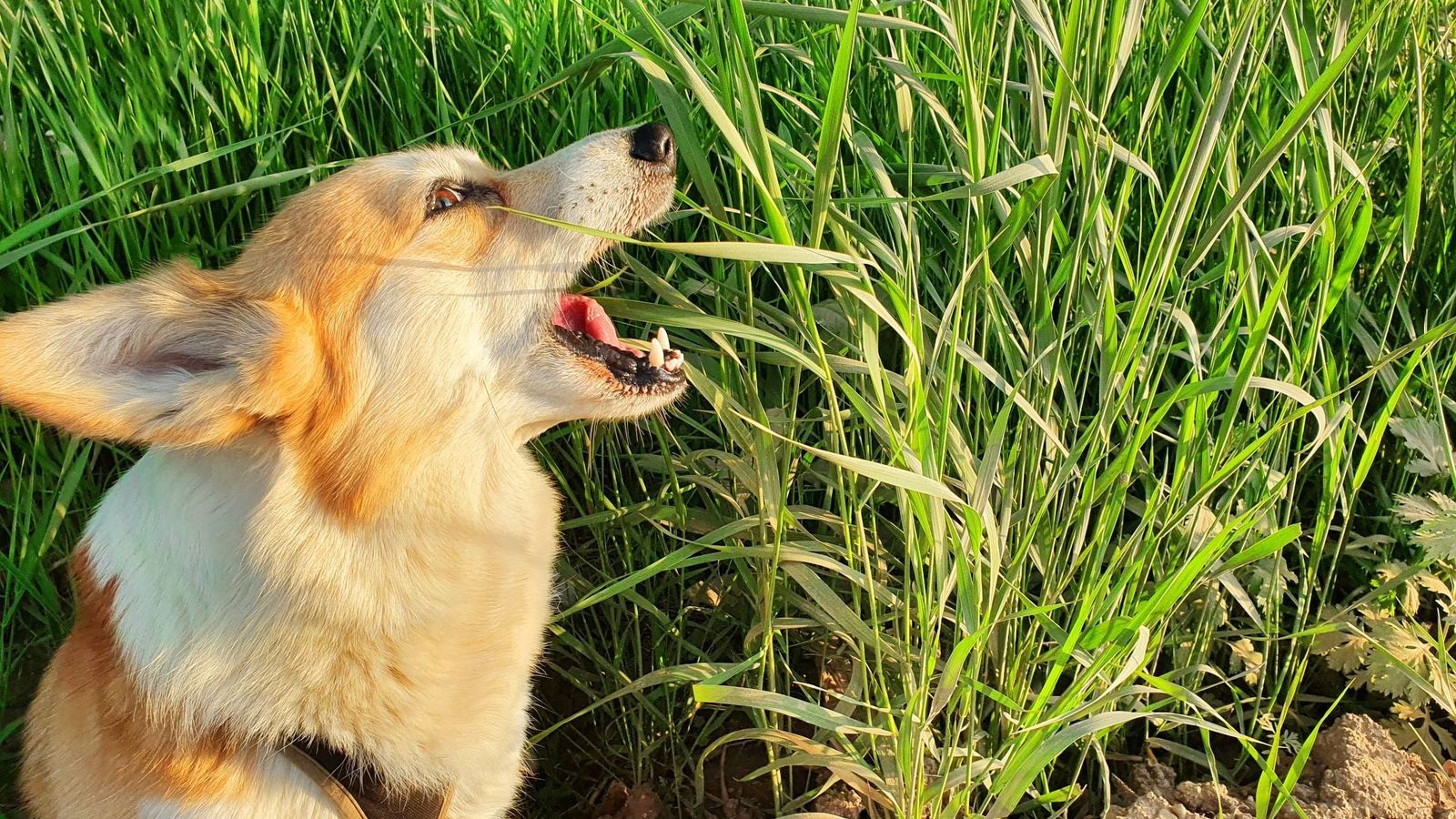
When we see a dog eating grass, someone usually remarks, "He must have an upset stomach." But is that really why dogs eat grass?
Not necessarily. The idea that dogs only eat grass to purge themselves is mostly a myth. Many dogs eat grass because they like the taste (especially after it rains) or simply because they’re bored. Studies show that fewer than 25% of dogs vomit after eating grass, and only about 10% appear sick beforehand. Still, if your dog eats grass constantly or vomits afterward, it may be time for a vet visit.
8 Showing their belly means they want a belly rub
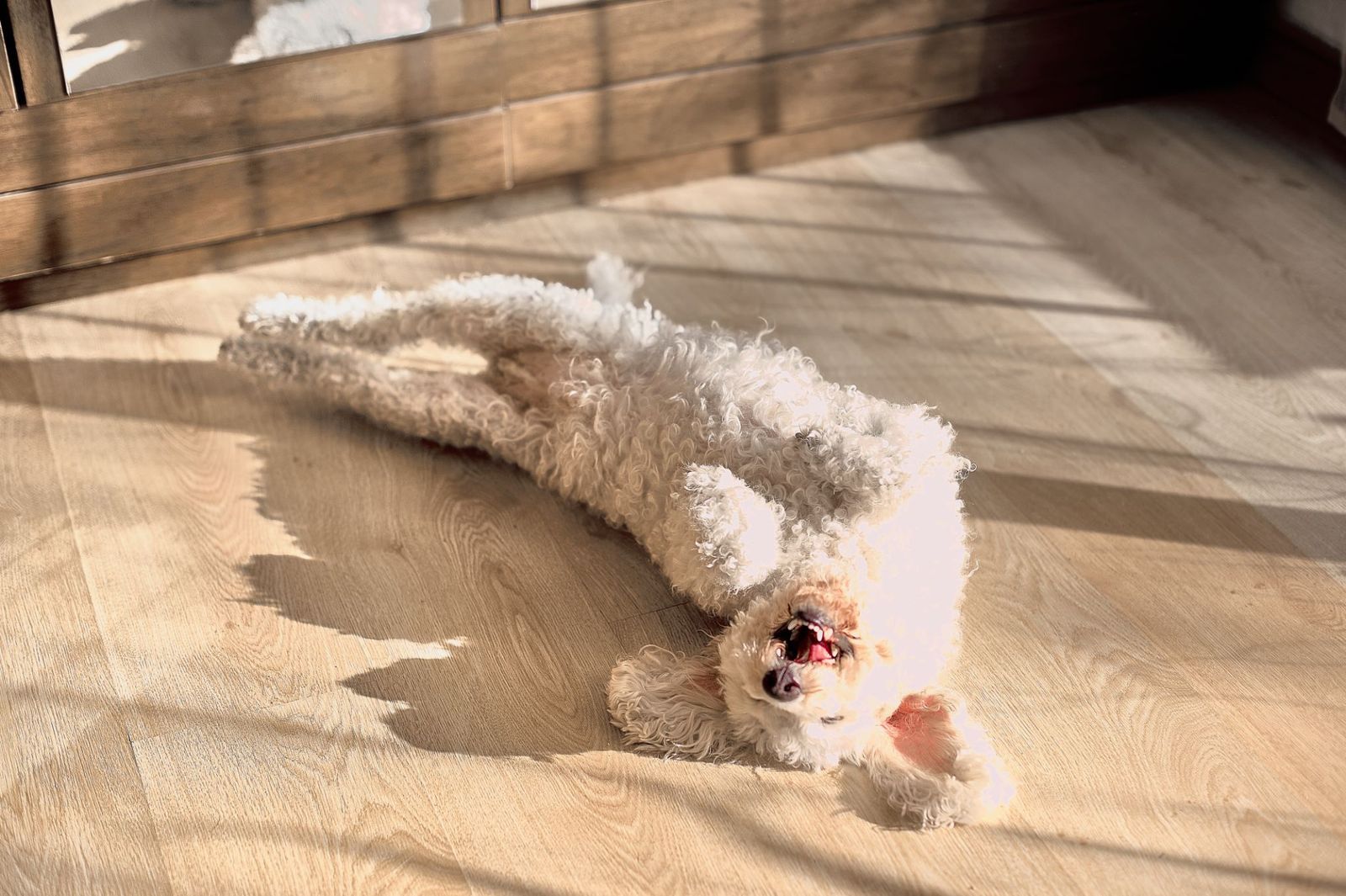
It’s almost instinctive: when a dog rolls onto its back, we automatically reach out to pet it. But be careful; this isn’t always an invitation for cuddles.
This posture can also be a sign of submission, indicating the dog feels vulnerable, anxious, or afraid. The position may help ease tension when it feels uncomfortable around another animal or person. It can even be a sign that the dog feels threatened and needs some space. So how can you tell the difference? If your furry friend is relaxed, it may roll onto its back with an open mouth, a loose body, its tongue hanging out, or a wagging tail. But if its tail is tucked, ears are pinned back, or it avoids eye contact, it may be feeling fearful or uncomfortable.
9 Dogs are natural swimmers

Almost all dogs will instinctively paddle when placed in water, but that doesn’t mean they can actually swim well.
A dog’s ability to stay afloat and move through water depends on its body shape, breed, and overall health. Some breeds were developed for water retrieval, fishing, or rescue work and have physical advantages such as webbed paws, water-resistant coats, powerful legs, and longer snouts. Labrador Retrievers, Golden Retrievers, Newfoundlands, Portuguese Water Dogs, and Irish Water Spaniels are all strong swimmers. On the other hand, dogs with long, heavy bodies and short legs, like Dachshunds and Basset Hounds, often struggle to stay afloat. Flat-faced breeds such as Bulldogs, Pugs, and French Bulldogs can also have trouble breathing while swimming, causing them to tire quickly. When in doubt, always keep an eye on your dog around a pool or deep water.
10 You should shave your dog in the summer
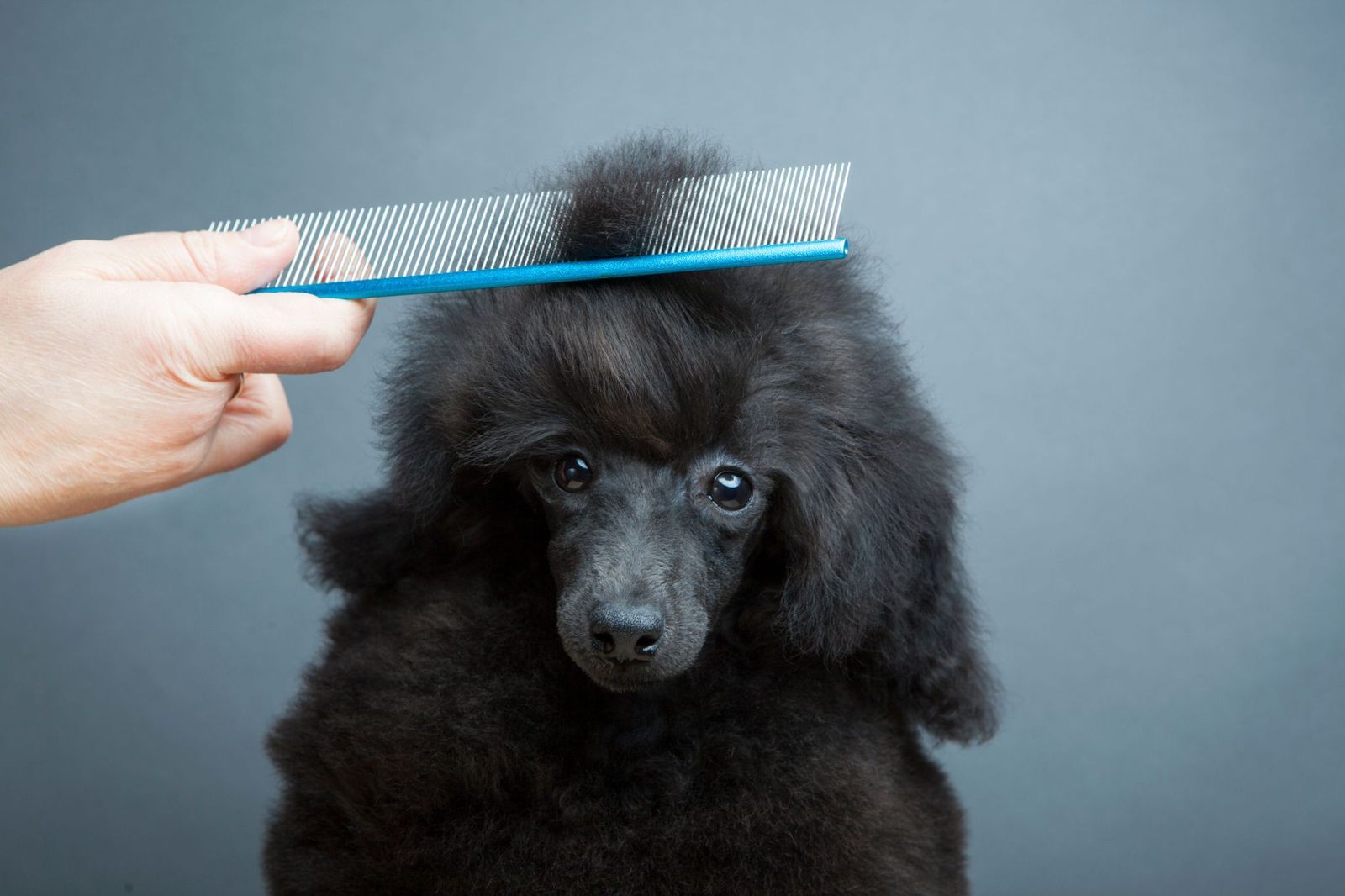
We all feel the heat in summer, but that doesn’t mean your dog needs to be shaved to stay cool.
A dog’s coat doesn’t work like a sweater that simply makes them hotter. In fact, it’s a natural defense that helps protect them from cold, heat, and sunburn. Shaving can actually interfere with that protection and make it harder for some dogs to regulate their body temperature. So how can you help your dog handle the heat? Make sure they have plenty of fresh water and cool, shaded places to rest, and brush them regularly to remove loose, excess fur. If necessary, a light trim may help, but shaving the coat completely isn’t the answer.