Wild brain facts
Prepare to have your mind blown by your own mind

Sometimes we blame our brains for forgetting where we put our keys; then we credit them with Shakespeare and the moon landing, and most of us assume we're using them wrong half the time: too much doomscrolling, not enough crossword puzzles. Truth is, your brain runs the whole show 24/7, and it's stranger than you'd think . For starters, it burns about 20% of your body's energy despite weighing next to nothing, and somehow it can't even feel pain. Let's dig into 10 things your brain does that might just blow your mind.
1 Your brain can power a tiny LED

Your brain constantly buzzes with electrical activity, generating 20 watts more or less , enough juice to light up a small LED bulb. Neurons fire off electrical signals nonstop, communicating faster than any text message ever could. It's wild to think you're essentially a walking battery.
2 Multitasking is basically a myth

What feels like multitasking is really your brain rapidly switching between tasks, not truly doing two things at once . Each switch costs you a split second and a bit of focus, which is why texting while "half-watching" a show means you're missing more than you think. Researchers call this "task-switching," and it turns out doing one thing at a time is usually faster in the end.
3 Your brain eats up 20% of your energy
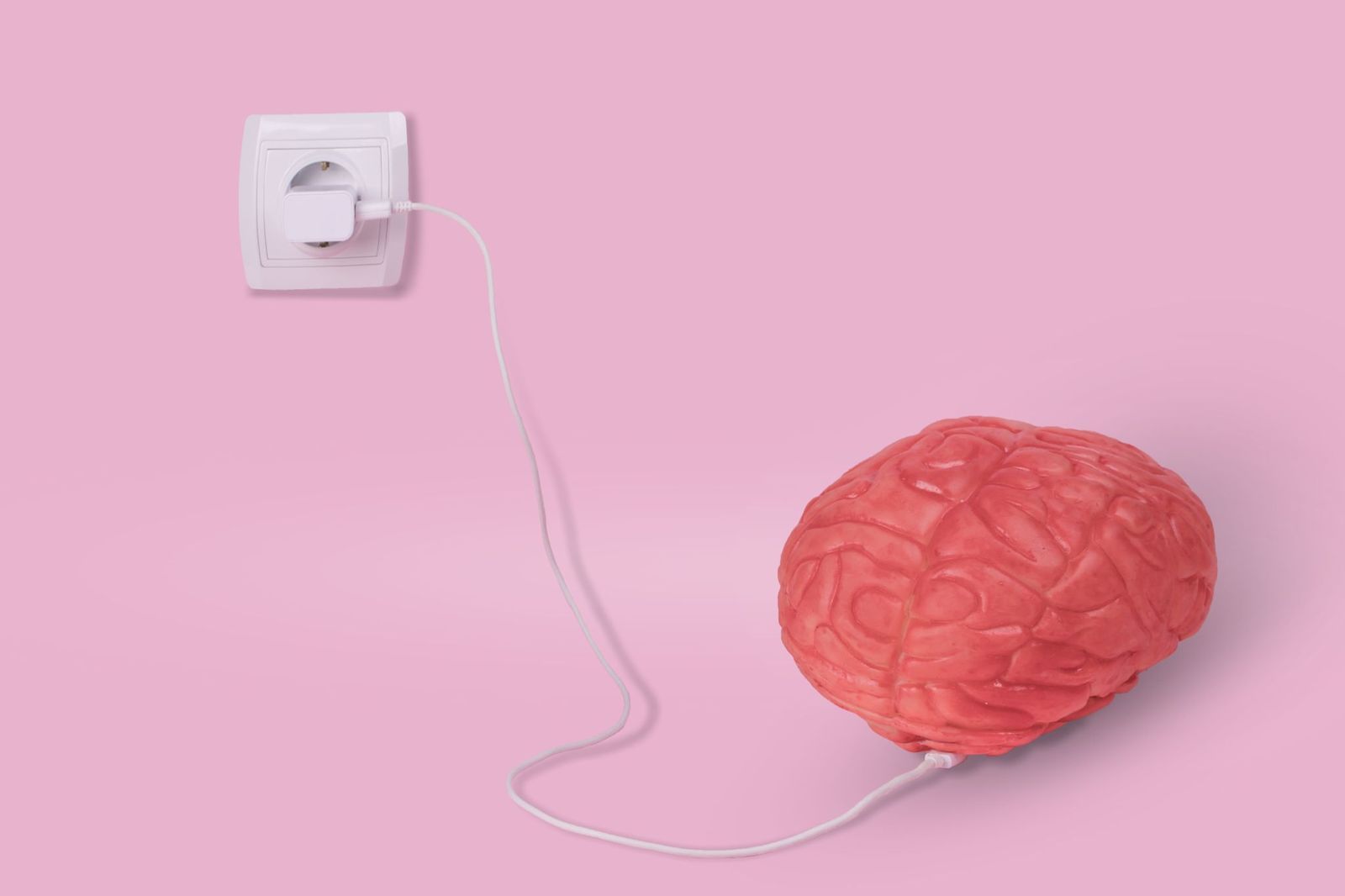
Even though your brain only makes up about 2% of your total body weight, it demands a whopping 20% of your daily energy budget. That's like a small appliance in your house pulling the same power as your fridge, oven, and washing machine combined . This is why skipping breakfast can leave you foggy; your brain needs steady fuel.
Did you know sitting still and thinking hard burns real calories? Technically, overthinking is a workout.
4 Your brain can't feel pain
Your brain interprets every ache, sting, and pinch in your body, yet it has zero pain receptors of its own. That's exactly why neurosurgeons can operate on a fully awake patient's brain without them feeling a thing , as long as the scalp is numbed first. It's a strange twist of biology: the organ in charge of pain is itself completely numb.
5 Your brain is mostly water
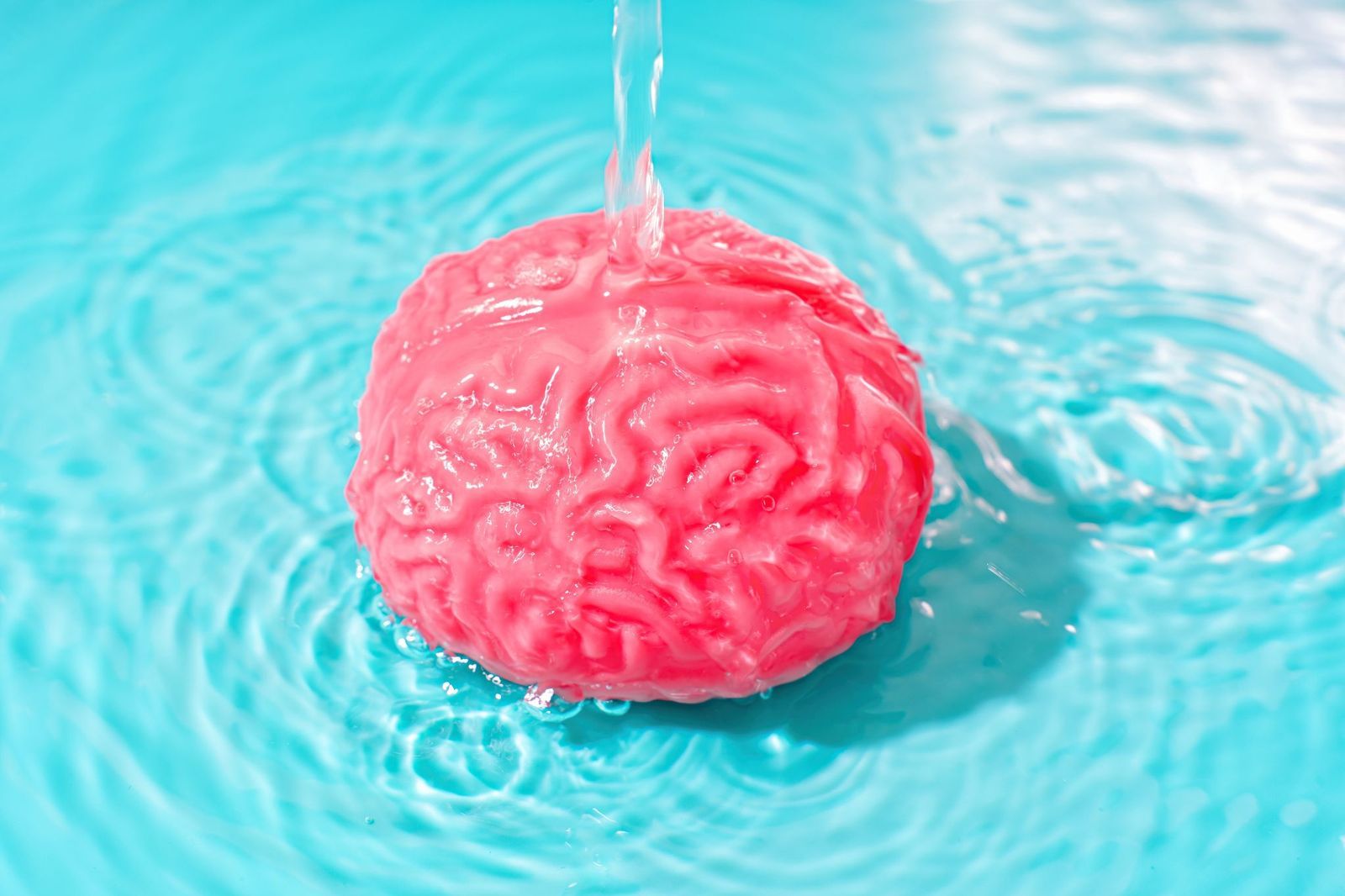
About 73% of your brain is water, which explains why staying hydrated matters so much for clear thinking . Even mild dehydration, losing just 1-2% of your body's water, can mess with focus and memory. Doctors have long noted that dehydration headaches feel like your brain is "shrinking" slightly, and in a way, it kind of is.
6 Short-term memory holds about 7 items

Back in 1956, psychologist George Miller proposed that our short-term memory typically juggles about 7 items, give or take two. That's why phone numbers were traditionally seven digits : any longer, and folks started forgetting them. It's also why grocery lists over seven items always seem to need a trip back for that one forgotten thing.
7 Your brain keeps developing until 25
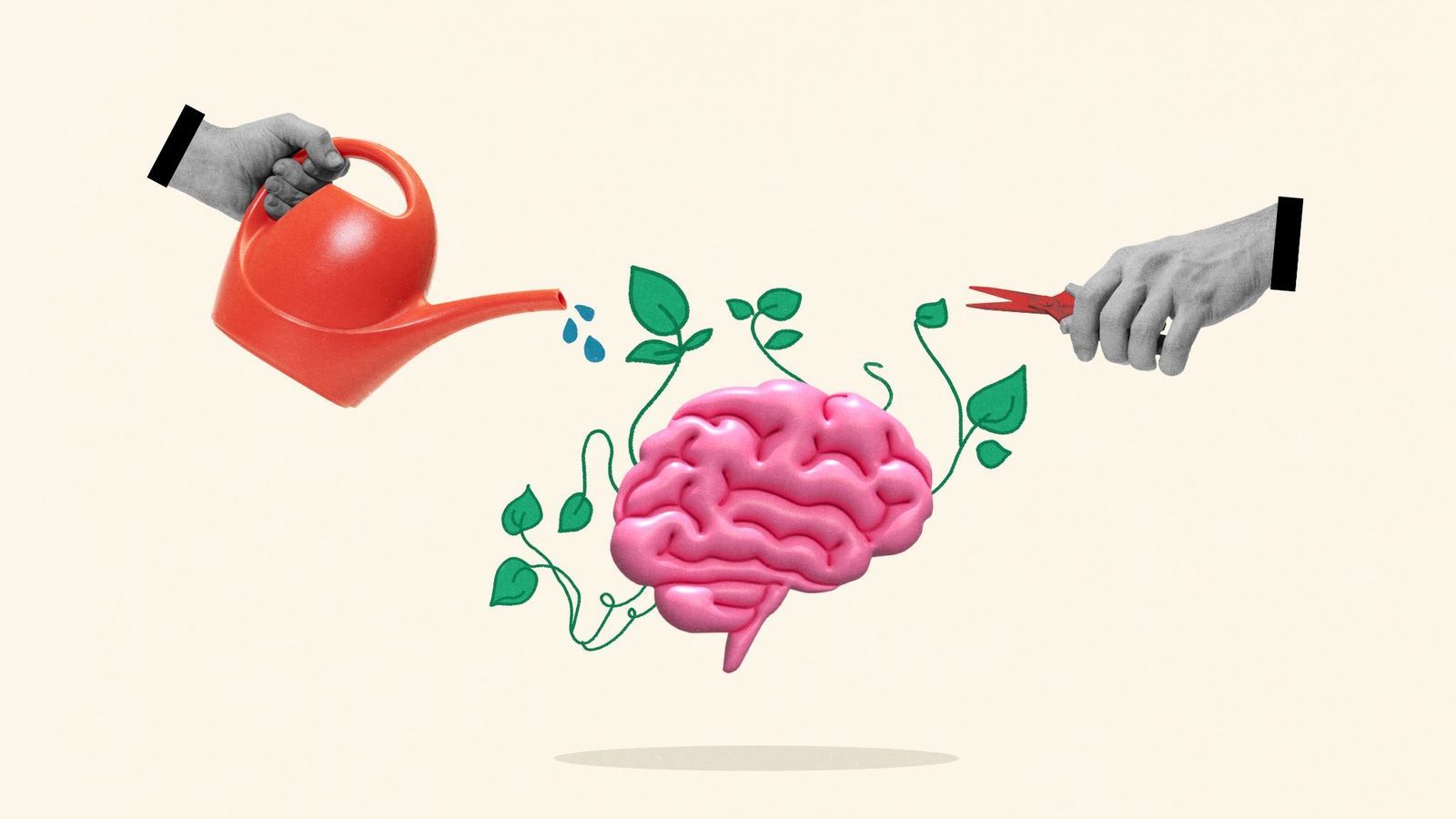
Contrary to the old belief that brain development stops in childhood, scientists now know the brain, especially the prefrontal cortex responsible for judgment and planning , isn't fully mature until around age 25. That explains a lot about the questionable decisions of your twenties.
8 Brain signals travel up to 268 mph

Information zips through your nervous system at speeds up to 268 miles per hour, faster than a Formula 1 race car . That's how you can yank your hand off a hot stove before you've even consciously registered the burn. Reflexes like that are pure brain-to-muscle speed.
9 Your brain's busier asleep than you'd guess

During certain sleep stages, especially REM sleep, your brain can be more active than it is during some routine daytime tasks. It's working overtime processing memories, emotions, and information from your day . That "busy brain" feeling before bed isn't just anxiety: your mind really does have work to do.
10 You've got about 86 billion neurons
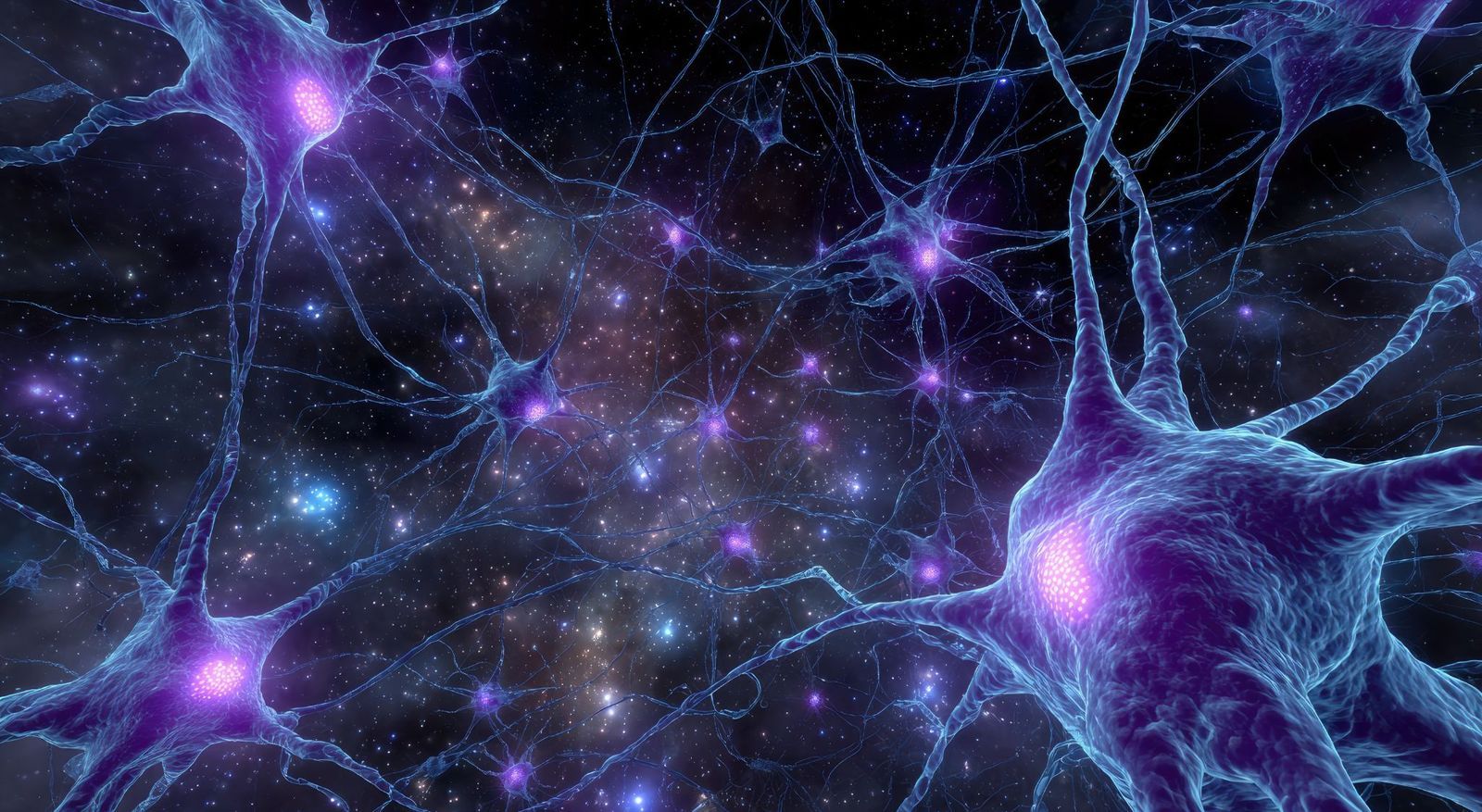
Your brain contains roughly 86 billion neurons, each connected to thousands of others, forming a network more complex than any computer humans have built . Scientists only settled on this more precise number around 2009, after decades of rougher estimates. It's staggering to think that every memory, joke, and grudge you hold lives somewhere in that vast web.
And here's a bonus: déjà vu is thought to be just a brief hiccup in that system, a memory-processing glitch that makes something new feel oddly familiar.