Trivial causes, strong conflicts
10 bizarre wars in human history

Despite personal opinions about war and armed conflicts, we can agree that some wars throughout history are the result of serious international issues. Some conflicts, however, have started thanks to events that can only be described as bizarre , and while some of them have concluded with little to no casualties, others have caused the loss of hundreds of lives. Let us look at 10 bizarre wars in human history.
1 The Emu War (1932)
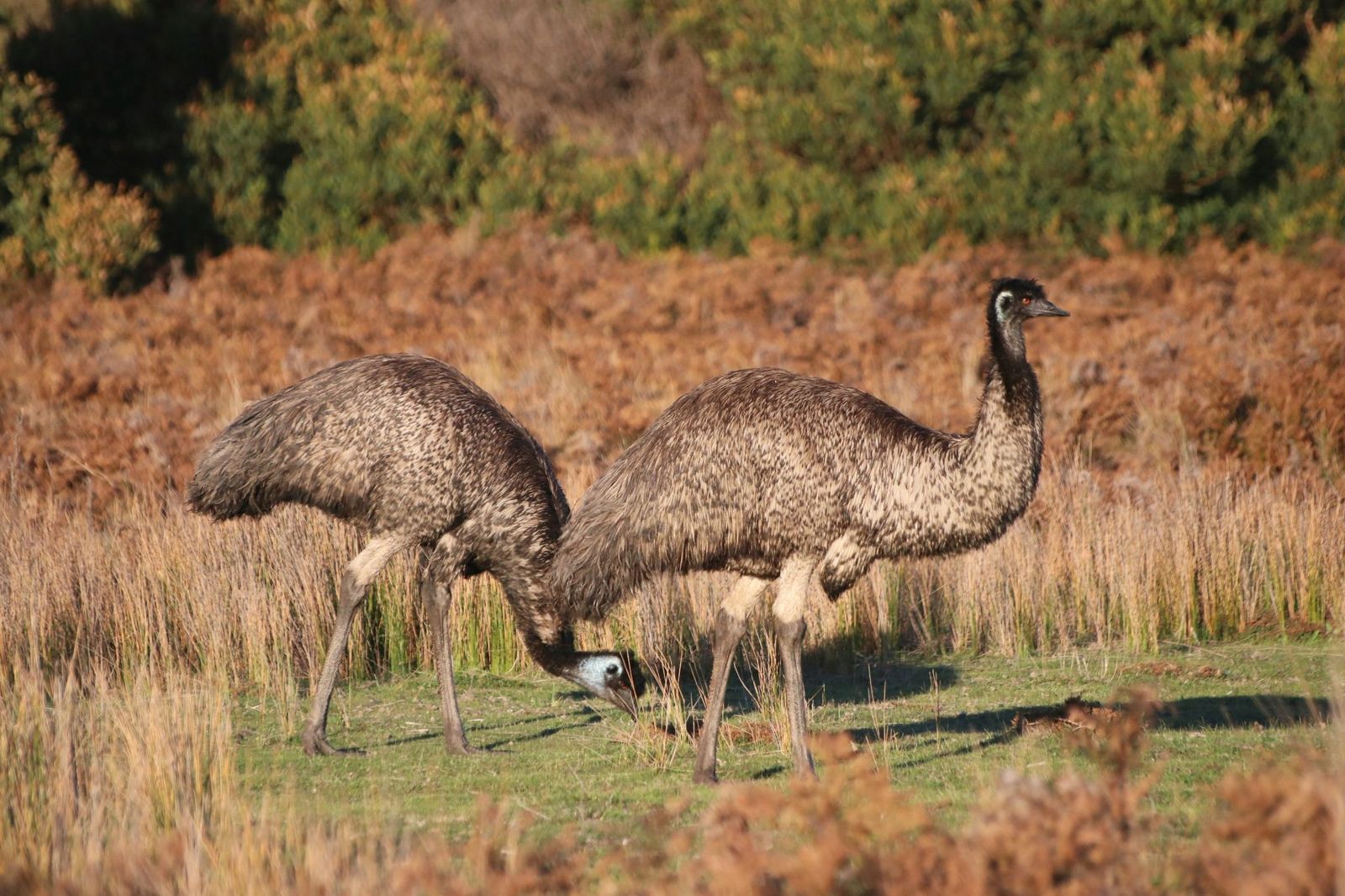
In 1932, the Australian government decided to wage war not against another state, but against nearly 20,000 emus that had migrated from inland Australia towards Campion, an agricultural area near the coast, trampling crops and fences on their way. The resulting chaos and money loss led farmers to request military assistance, and the government sent a team of the Royal Australian Artillery, armed with machine guns, but the emus proved to be elusive and hard to hunt. After weeks of "fighting", less than a thousand birds had been killed, and the Australian army was forced to retire.
2 The Pig War (1859)

Can a pig spark a 13-year-long conflict? The answer is yes, if the pig belongs to a UK citizen on San Juan Island (current Washington state), a territory that was disputed after the 1846 Oregon Ttreaty, and that same pig constantly tramples the potatoes of an American farmer. After the farmer shot the pig, the compensation offered was not to the liking of the pig owner, and the matter escalated to involve the UK and US militaries , prompting a years-long military standoff. The matter was in the end resolved through international mediation, which awarded the territory to the U.S., with the pig as the only life lost.
3 The Pastry War (1838–1839)

In the 19th century, France and Mexico found themselves at war, and a pastry shop was the trigger of the conflict. In 1838, a French pastry chef by the name of Monsieur Remontel claimed that Mexican soldiers had ransacked his shop near Mexico City during a disturbance. The Mexican government refused to compensate him, so he appealed to the French government, which took advantage of the matter to claim debts unpaid by the Mexican state and set a naval blockade of ports on the Gulf coast. A year later, Mexico agreed to pay for damages, and a peace treaty was signed.
4 The Three Hundred and Thirty-Five Years' War (1651–1986)
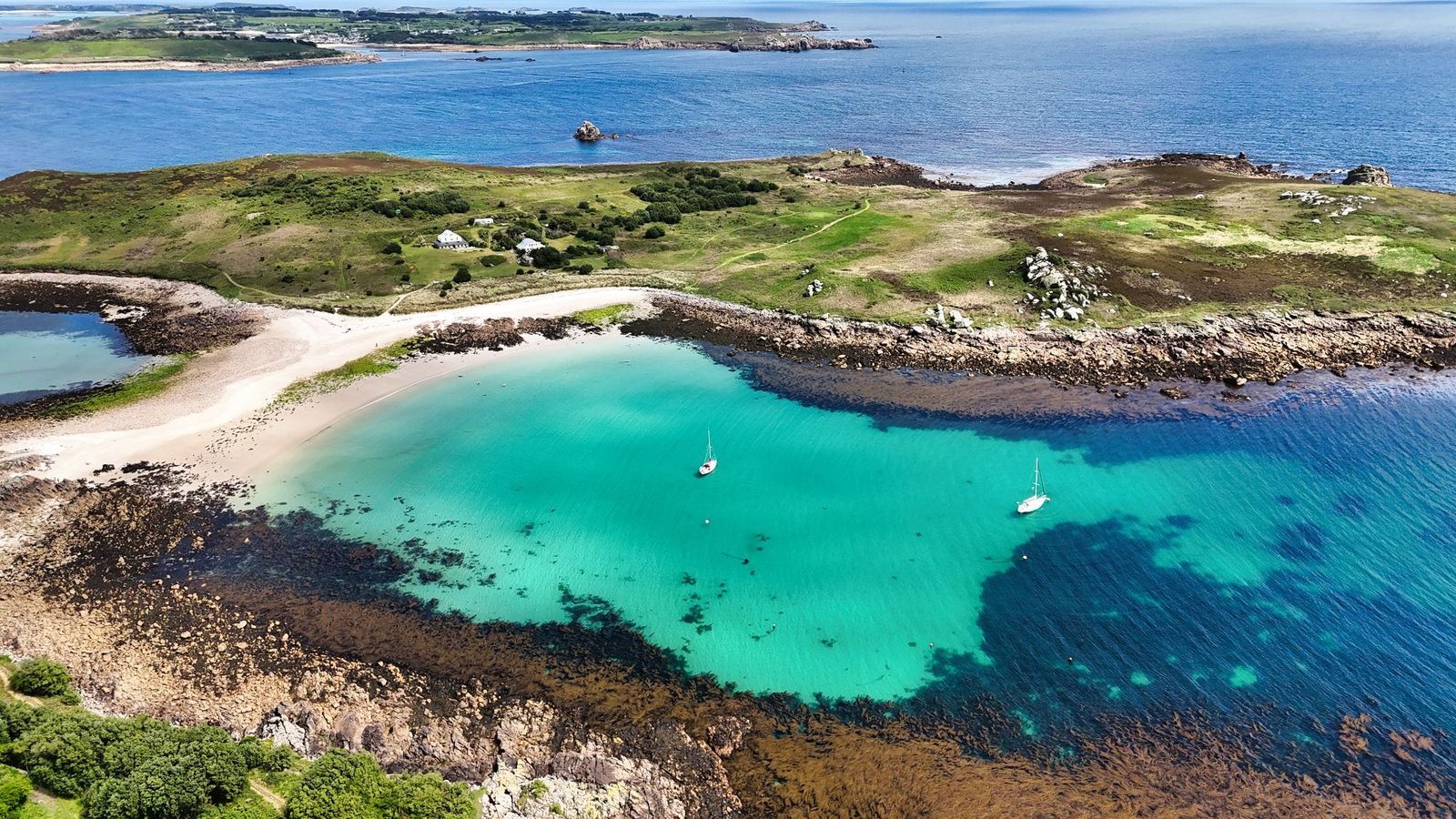
During the English Civil War, an English naval fleet loyal to the King, from their stronghold in the Isles of Scilly, raided several Dutch merchant ships and refused to pay compensation. In response, the Dutch decided to declare war on the Isles of Scilly, but the loyalist fleet was defeated by English Parliament forces before the Dutch were able to attack. With the enemy gone, the Dutch were unable to formally conclude the war, and the conflict remained active, although unattended, for more than three centuries. In 1985, a British historian contacted the Dutch ambassador, who visited the Isles of Scilly and signed a peace treaty, ending a 335-year war without a single shot fired.
5 The War of the Bucket (1325)

Although this Italian conflict between the cities of Bologna and Modena was indeed bizarre in its beginning, it sadly led to hundreds of lives lost. The two cities belonged to different political factions, the Guelphs (backing the Pope) and Ghibellines (loyal to the Holy Roman Emperor). Legend states that the conflict started when Modena soldiers sneaked into Bologna and stole a wooden bucket, which led to an attack by the Bologna army . Although some historians dispute this origin story, the confrontation resulted in over 2,000 casualties, and the bucket is still exhibited in Modena’s city hall.
6 The football war/The 100-hour war (1969)

Despite what the name of this war suggests, football (or soccer) was not the cause but the trigger to this short but deadly conflict between Honduras and El Salvador. Among wider tensions caused by displacement and land reforms in the two countries, the conflict sparked during a tense 1970 FIFA World Cup qualifying match won by El Salvador , which led to riots and the Salvadoran army invading Honduras. After 4 days of combat and with 2,000 to 4,000 estimated casualties (most of them civilians), a ceasefire was negotiated by the Organization of American States, but relations between the two countries remained tense and fragile for decades.
7 The Lijar War (1883-1983)
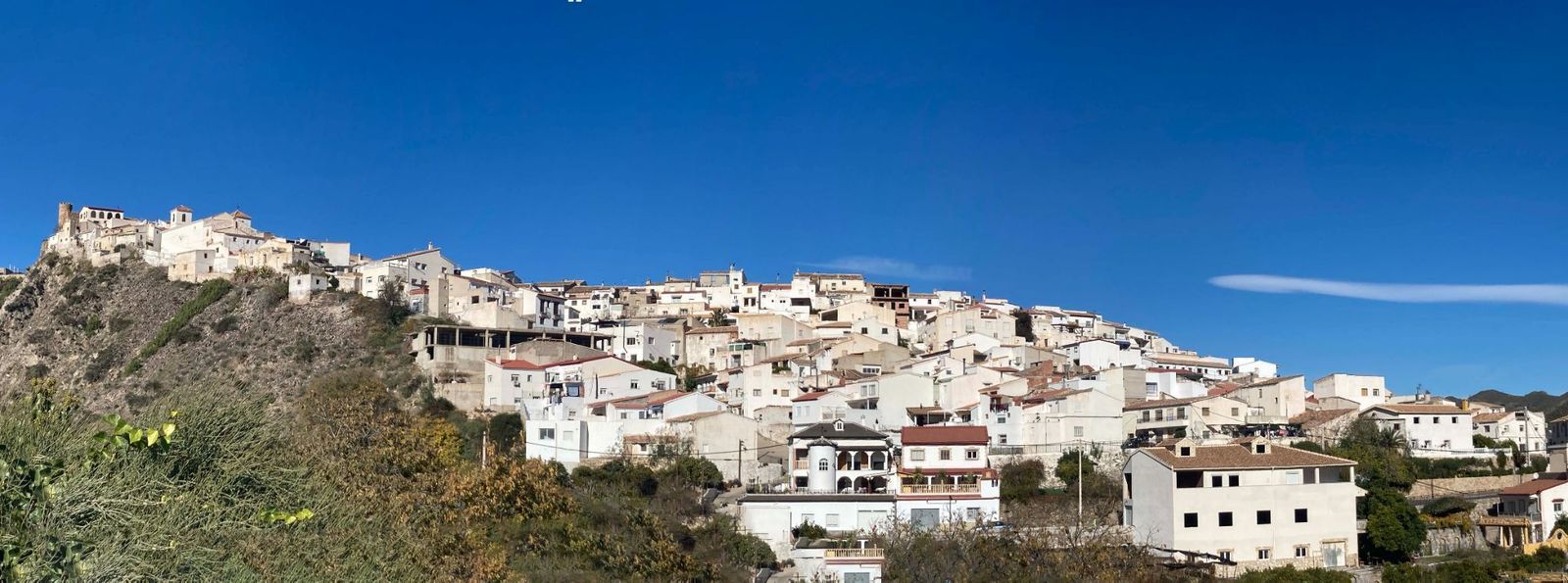
In 1883, King Alfonso XII of Spain was booed by Parisian crowds during a state visit to France. While the French and Spanish states overlooked the event, the mayor of Lijar, a small Spanish mountain village, considered the affront sufficient cause to declare war on France . The French government was never made aware of the declaration of war, so the conflict remained active for a century. Finally, a peace treaty between Lijar and France was signed in 1983.
8 The Nika Revolt (532)
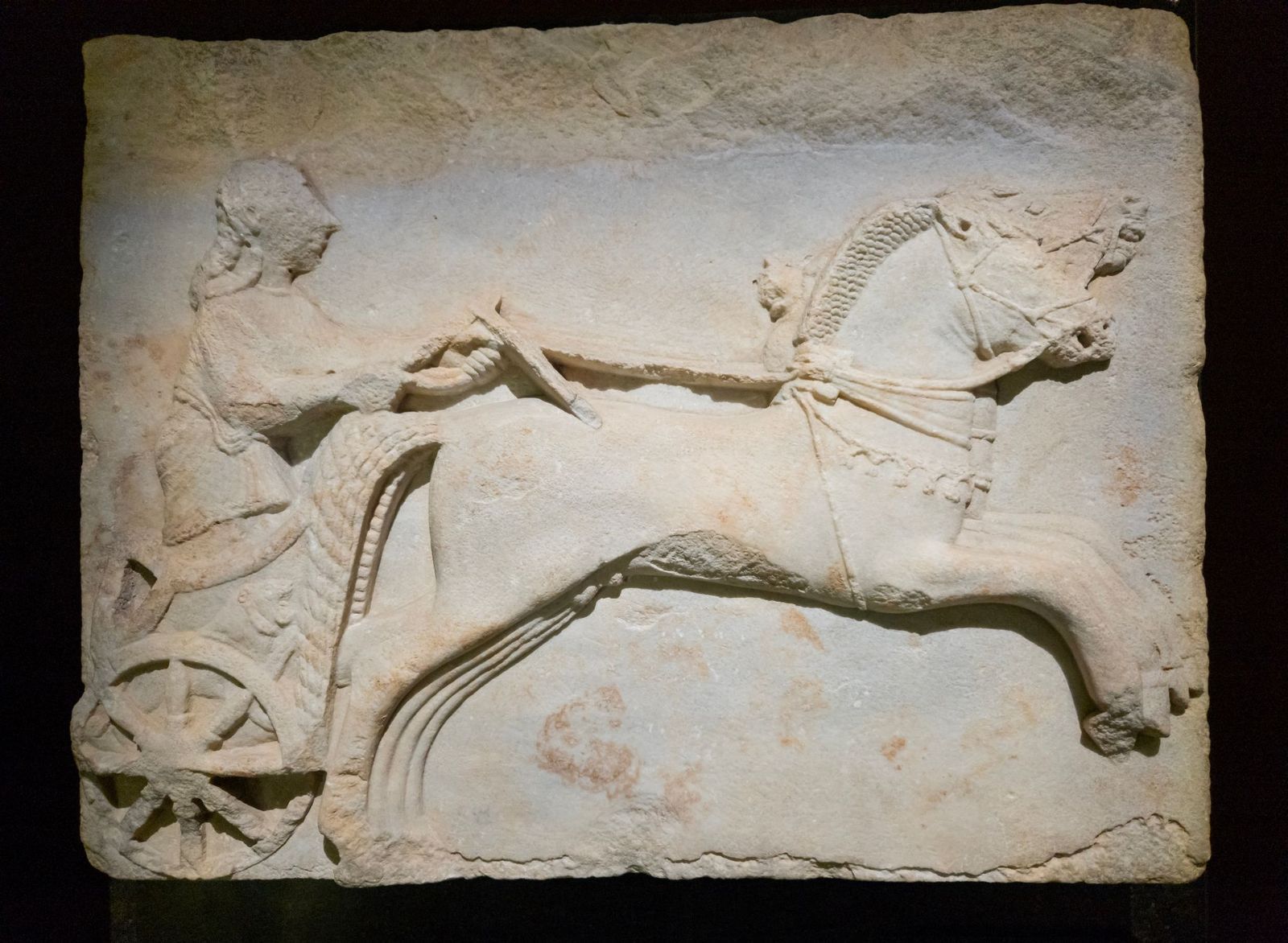
Would you believe that a week-long revolt with thousands of casualties and half of an imperial capital city burned down started because of chariot races? This happened in 532 in Constantinople, at the heart of the Byzantine Empire, where supporters of rival chariot teams, the Blues and the Greens, had been sentenced to death after a series of riots, with Emperor Justinian I ignoring the popular plea for mercy. Outraged by state corruption and high taxes, the rival factions joined forces and threatened to depose the emperor at the cry of " Nika! " ("Conquer!"), going on a rampage and setting fire to the city. The conflict ended after the emperor ordered his generals to massacre the rioters, with an estimated 30,000 lives lost.
9 The Whisky War (1973 – 2022)
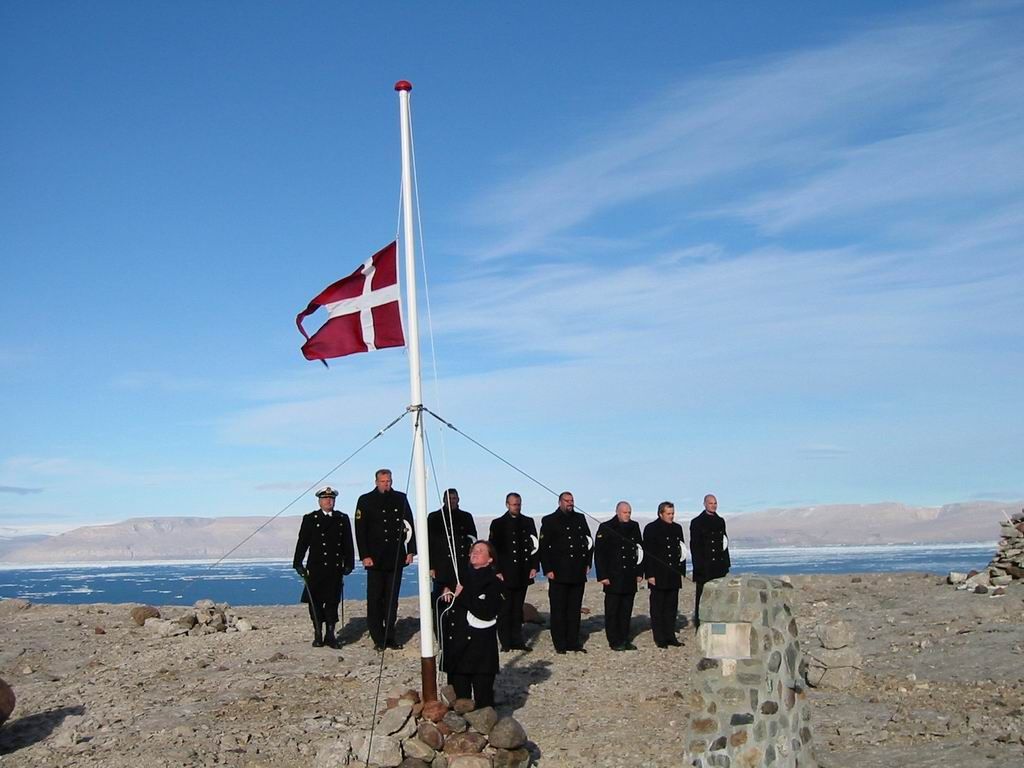
Both Denmark and Canada are reputed to be extremely polite and well-mannered, so one can only expect a war between these countries to be also extremely polite. The Whisky War was a 49-year long territorial dispute over Hans Island, located between Canada and Denmark, and the mode of combat chosen by both sides involved not weapons, but flags and bottles of alcohol . Beginning in 1984, each side took turns visiting the island to replace the enemy flag with their own, with Canadians leaving a bottle of whiskey and Denmark a bottle of schnapps or akavit for the other side, often accompanied by humorous notes. In 2022, the "conflict" was resolved by both countries splitting the island in half.
10 The immovable ladder (1728-present day)
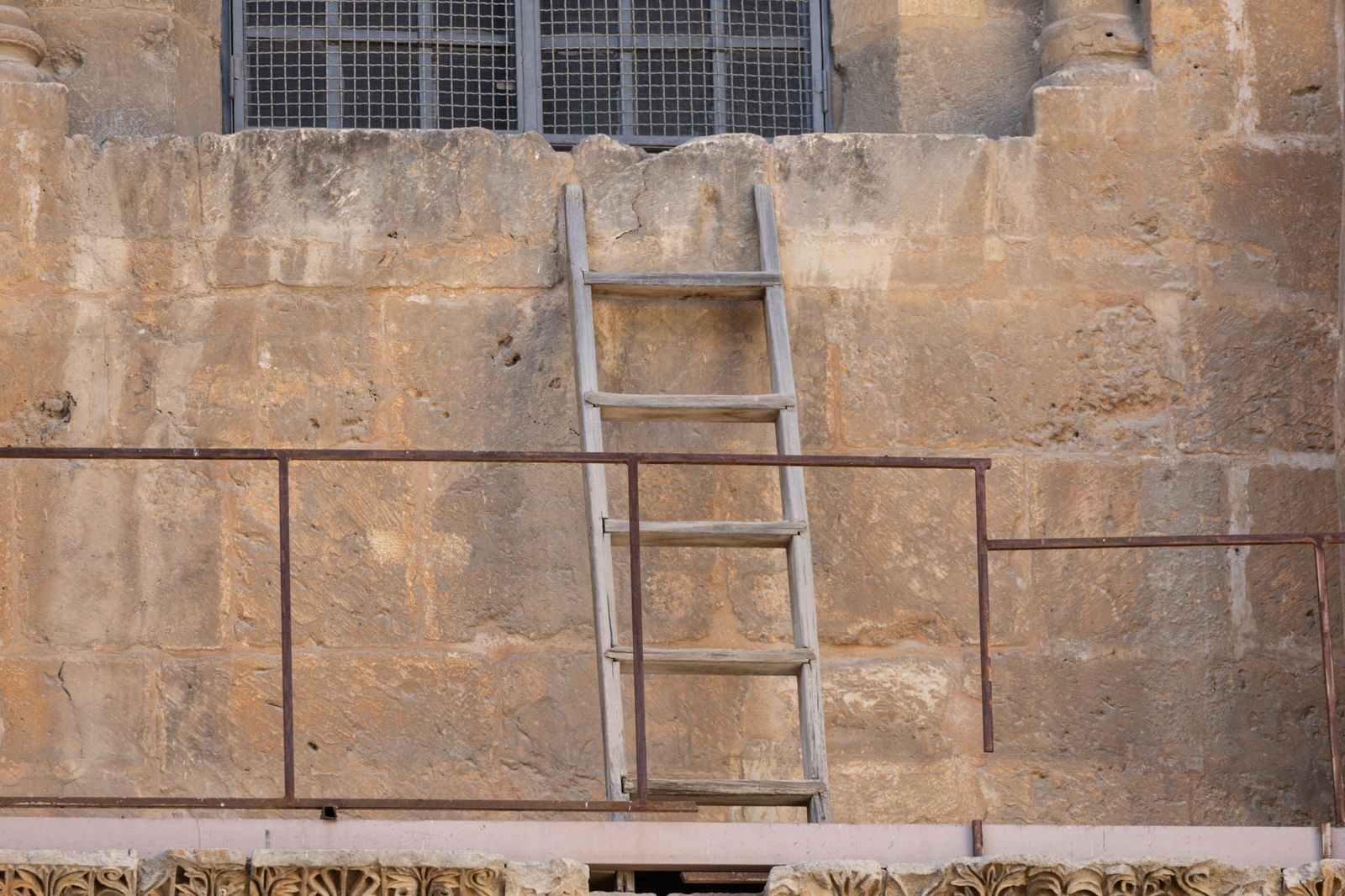
Although not an active conflict, a wooden ladder in Jerusalem has been a potential trigger for war since 1728. The Church of the Holy Sepulchre is shared by six different Christian denominations: Greek Orthodox, Armenian Apostolic, Roman Catholic, Coptic Orthodox, Syriac Orthodox, and Ethiopian Orthodox, and any changes have to be agreed upon by all six, including moving or removing any element on site. The ladder in question was placed against a window ledge by Armenian monks, and the parties involved have never agreed to remove it, so it has been left in place for nearly 300 years, as it is believed that its removal might start a conflict.