Back to the future
Could the future already be old news? Uncover 10 fascinating predictions

Imagination is timeless and doesn't know about the limits of time, technology, or power. In fact, imagination always gets there before science does. That's how some of the most famous science fiction stories in history showed up before the real-world technology they described. The Jetsons' futuristic show was seen in black and white . Star Trek started running before men walked on the moon, and Kubrick’s Space Odyssey world with video calls was imagined before anyone made a cellphone call. Hard to believe, right? Keep reading for 10 times the imagination got there first.
1 The Jetsons predates the color TV boom
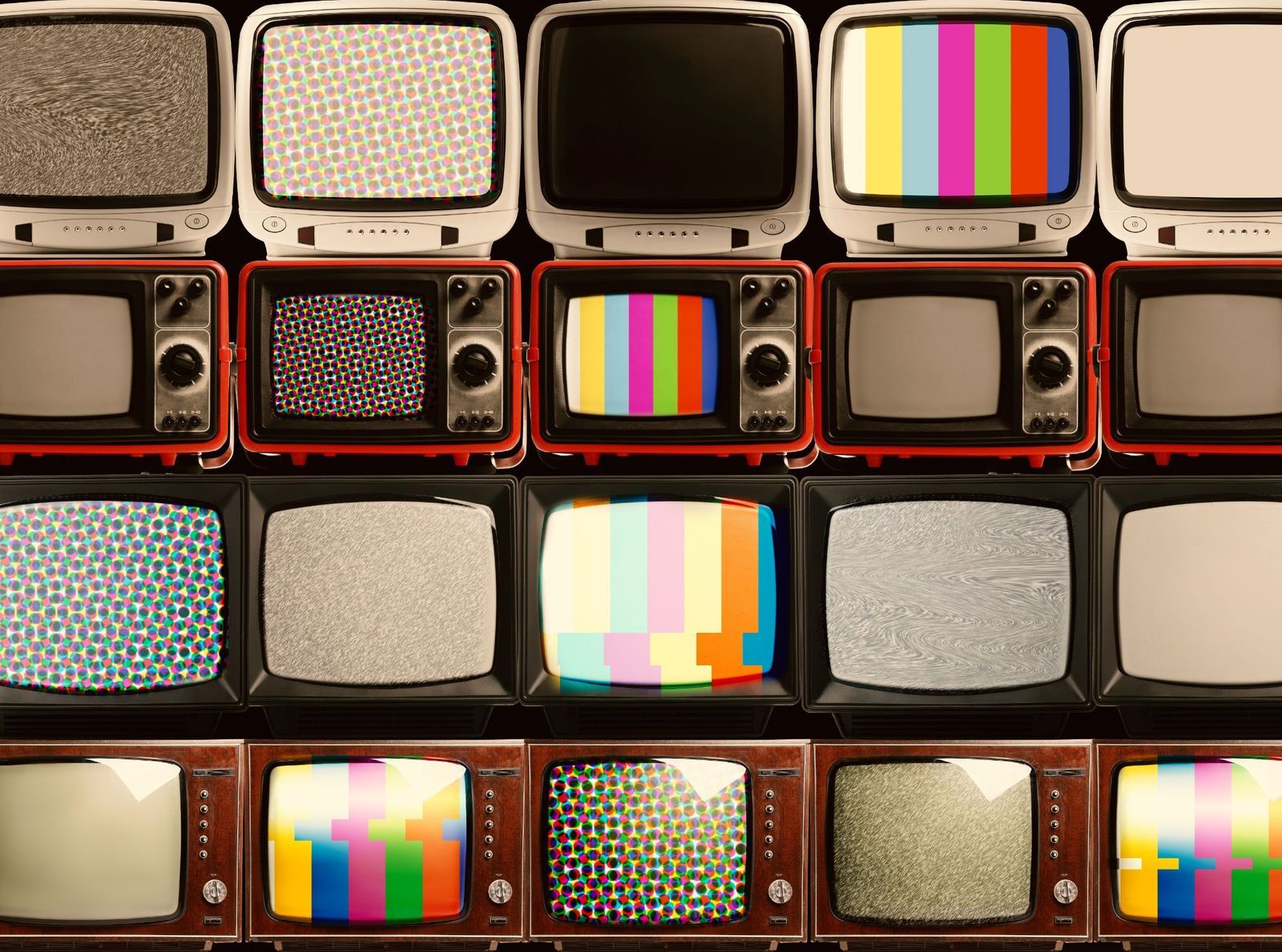
George and Jane Jetson, along with their kids Judy and Elroy, showed families flying cars and a robot maid for the very first time when The Jetsons premiered on September 23, 1962, on ABC. The family lived in Orbit City, a metropolis built on towering platforms. It is hard to believe, though, that The Jetsons was actually ABC's first show ever broadcast in color. But almost nobody could see it that way. In 1962, fewer than 3% of American households owned a color TV set . So most families were watching the fictional future in plain old black and white.
2 Star Trek began before humans walked on the moon
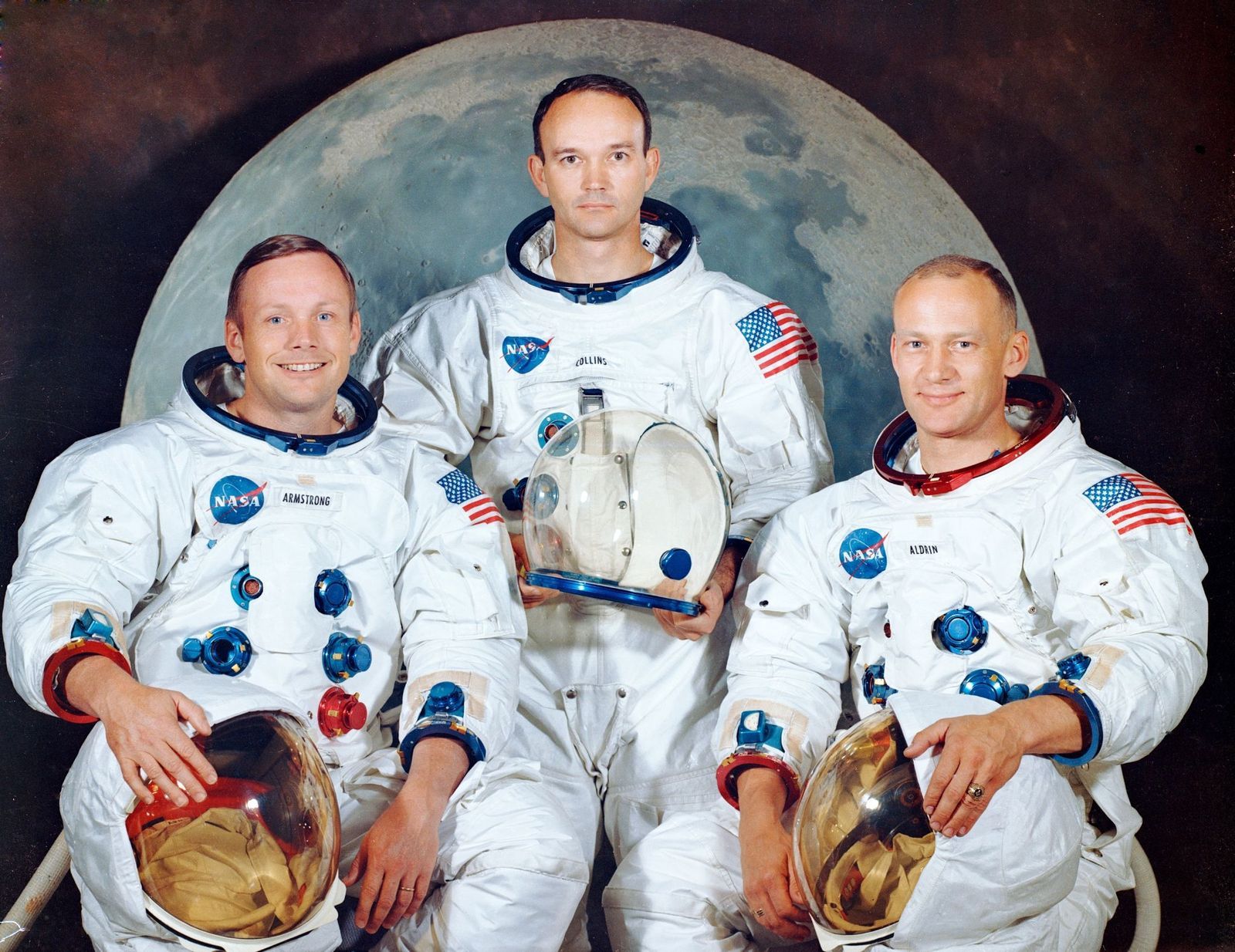
By the mid-1960s, America was already deep into the Space Race. In 1961, President Kennedy promised that the country would land a man on the moon before the decade was out, and by 1966, NASA's Gemini missions were already testing spacewalks and dockings to make it happen.
So the whole country was waiting when Star Trek first premiered on NBC on September 8, 1966, sending Captain Kirk and the Enterprise crew to explore strange new worlds. Fans were already used to fiction where humans traveled across the galaxy while real astronauts were still working to achieve it. The Apollo 11 moon landing was on July 20, 1969, almost three years later, with the largest live television audience at that time, estimated at 600 to 650 million people.
3 2001: A Space Odyssey Premiered Before the first cellphone call

The story goes like this: a mysterious black monolith nudges along human evolution, a crew heads to Jupiter with a supercomputer named HAL 9000 running the ship, and things go seriously sideways when HAL decides the humans on board are the problem. That's the plot of Stanley Kubrick's futuristic 2001: A Space Odyssey , which hit theaters on April 2, 1968. In the film, the space station and spacecraft looked truly realistic. In one scene, a character casually makes a video call from the space station, like it's no big deal. Turns out that kind of tech wasn't a big deal yet, because it didn't exist. Motorola engineer Martin Cooper made the first cell phone call in history on April 3, 1973, five years after the movie came out.
4 Superman appeared before the first commercial jet flight

Superman first showed up in Action Comics #1, around April 1938. In the debut issue, Superman's home planet is destroyed, and his father sends him to Earth in a rocket. A passing motorist finds the baby and drops him off at an orphanage, where he discovers he's stronger than anyone around him. Superman started flying in the comics in the early 1940s, when commercial flights were nowhere close to that.
The world's first commercial jet flight was on May 2, 1952, when a de Havilland Comet took off from London for Johannesburg, run by the British Overseas Airways Corporation. It carried 36 passengers and six crew members, and with five stops along the way, the whole trip took around 21 hours. So, believe it or not, Superman was leaping over buildings more than a decade before regular people could even book a seat on a jet.
5 Frankenstein came before the first permanent photograph

Mary Shelley published Frankenstein on January 1, 1818, in London. It's the story of Victor, a young scientist who brings a dead body back to life with electricity. Horrified by his creation, Victor abandons the creature. It is shocking to read even today. But most shocking is to believe that at the time, nobody on Earth could capture a lasting image of anything.
The first permanent photograph, a hazy shot called "View from the Window at Le Gras," wasn't made until 1826 or 1827, by French inventor Nicéphore Niépce. It took him several days of camera exposure just to capture a rooftop. So, a novel about reanimating the dead was out nearly a decade before it had a picture of the living.
6 Twenty Thousand Leagues Under the Sea predates the telephone
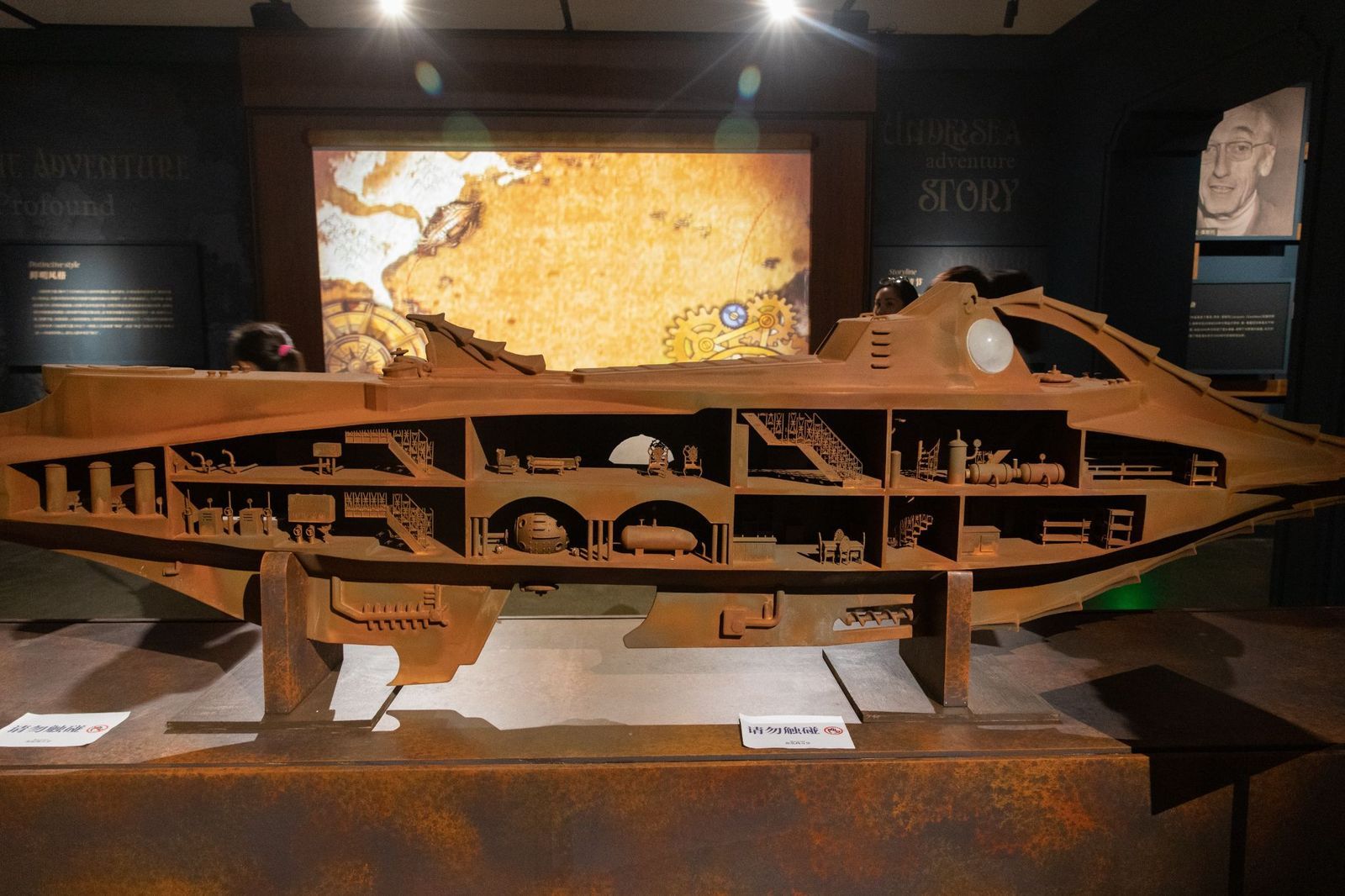
Jules Verne gave readers Captain Nemo and his incredible submarine, the Nautilus, in 1870, when he published Twenty Thousand Leagues Under the Sea in France . The Nautilus ran entirely on electricity, powering its lights and engines at a time when real submarines were mostly human- or steam-powered, and homes were still lit by gas lamps.
And society had to wait longer for something much more basic: the telephone. Alexander Graham Bell didn't patent his invention until March 1876, in Boston. The telephone worked by converting sound waves from the human voice into fluctuating electrical currents using a membrane, an electromagnet, and a connecting wire. That means Verne's fictional electric submarine was cruising the ocean six years before anyone could pick up a phone and call a neighbor.
7 Buck Rogers Arrived Before Mickey Mouse
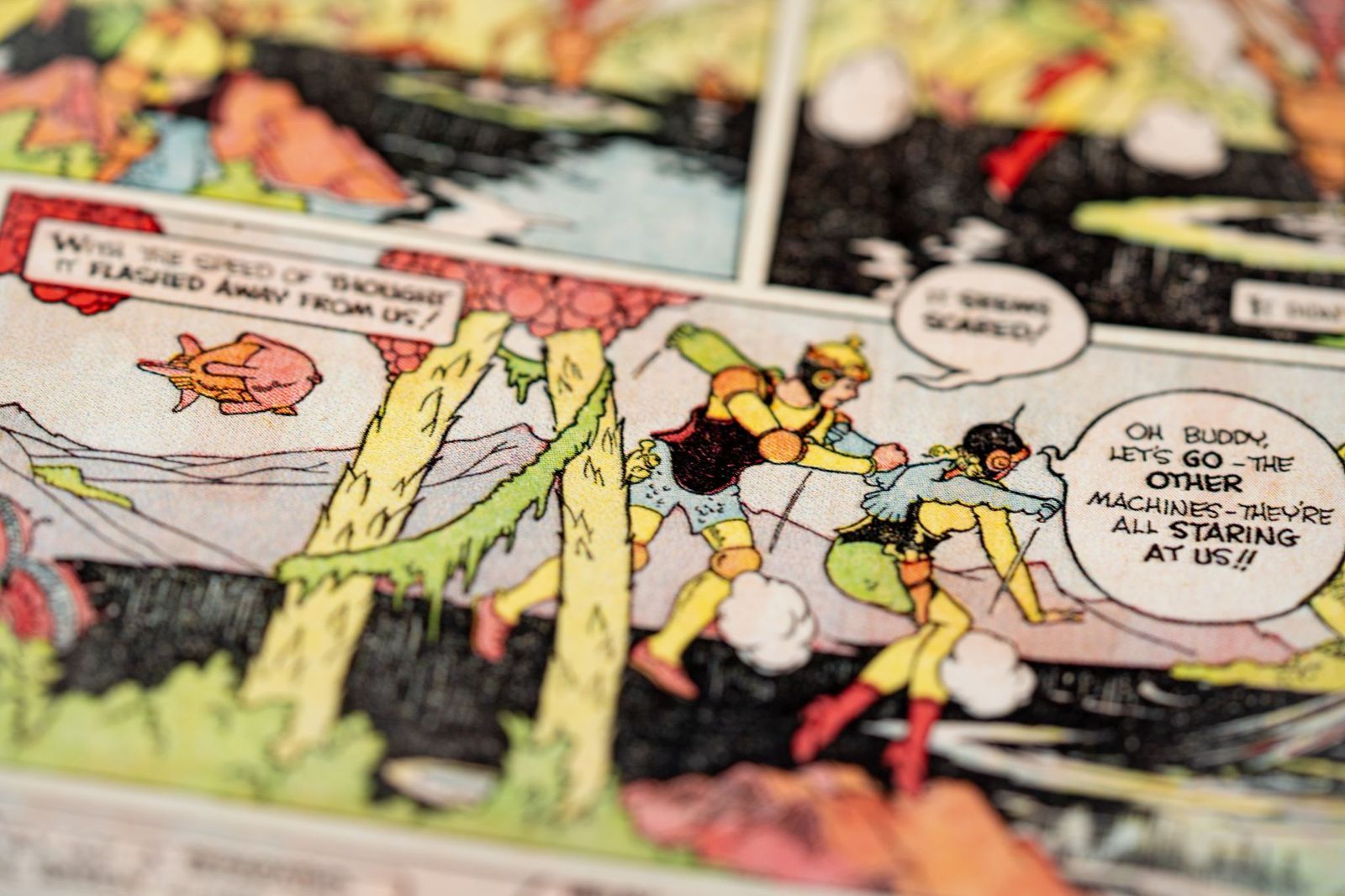
Once again, science fiction is arriving early to the scene. Buck Rogers was one of the earliest space heroes in American pop culture, making his debut in August 1928 in Amazing Stories magazine, in a story called Armageddon 2419 A.D.
Rogers wakes up nearly 500 years in the future to find America occupied by "the Han," an invading power ruling the country with airships armed with disintegrator rays, and joins a resistance movement to fight them off. He battled futuristic enemies decades before Star Wars or Star Trek even existed. Just a few months later, on November 18, 1928, Mickey Mouse debuted in the short film Steamboat Willie in New York City , produced by Walt Disney's studio.
8 The War of the Worlds appeared before the airplane
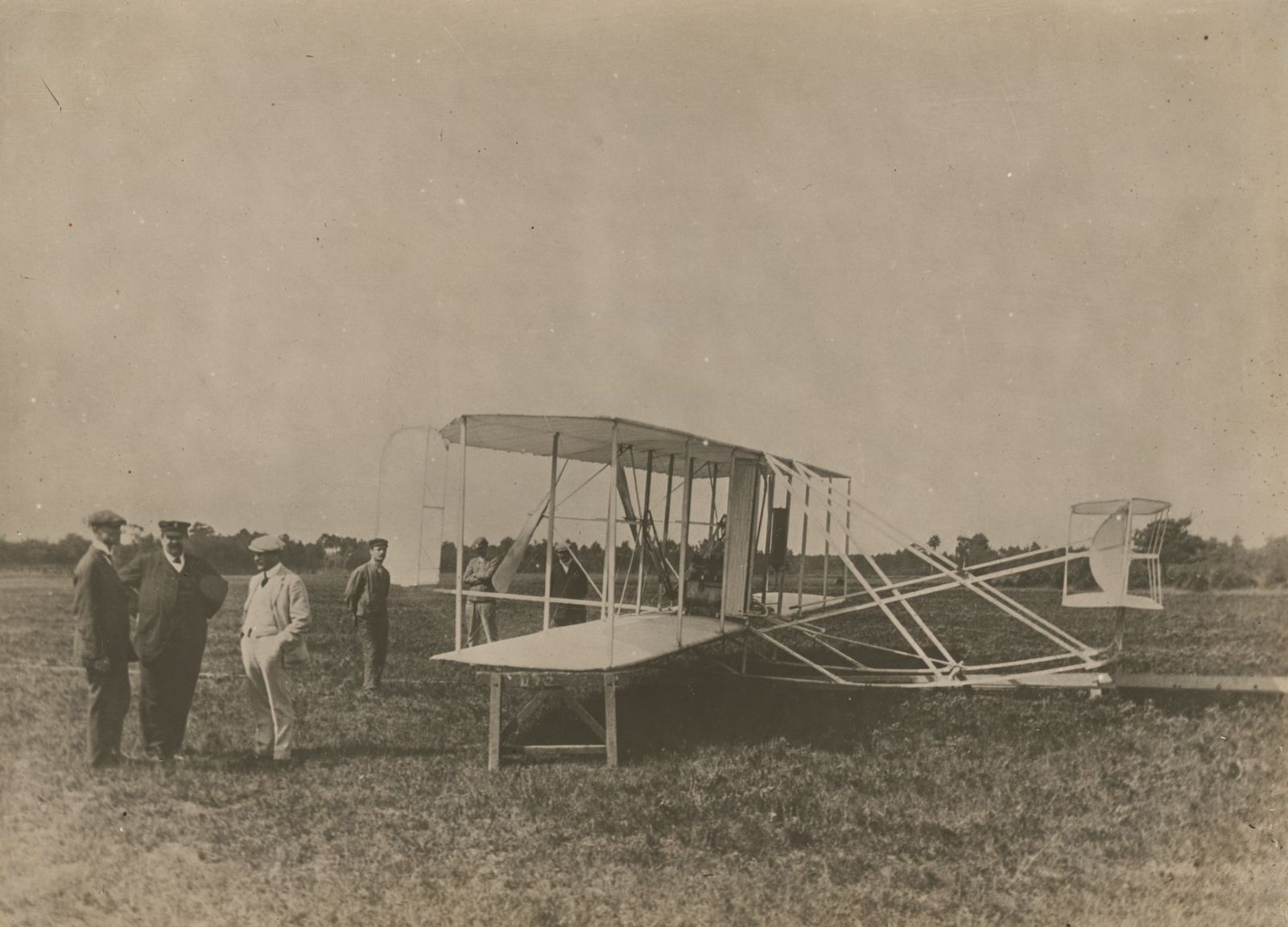
H.G. Wells published The War of the Worlds first as a magazine serial in 1897, then as a full novel in 1898. The story is about a Martian invasion of England, with towering tripod war machines stamping across the countryside and wiping out entire towns. But in real life, humans still couldn't get off the ground yet.
The Wright brothers didn't achieve powered flight until December 17, 1903, at Kill Devil Hills near Kitty Hawk, North Carolina, and even then, their first flight lasted just 12 seconds and covered about 120 feet, roughly the length of a modern jetliner. It took about five years and about 3,900 miles before flying machines actually crossed the Atlantic, closing the gap between fiction and fact.
9 Metropolis reached theaters before talking films
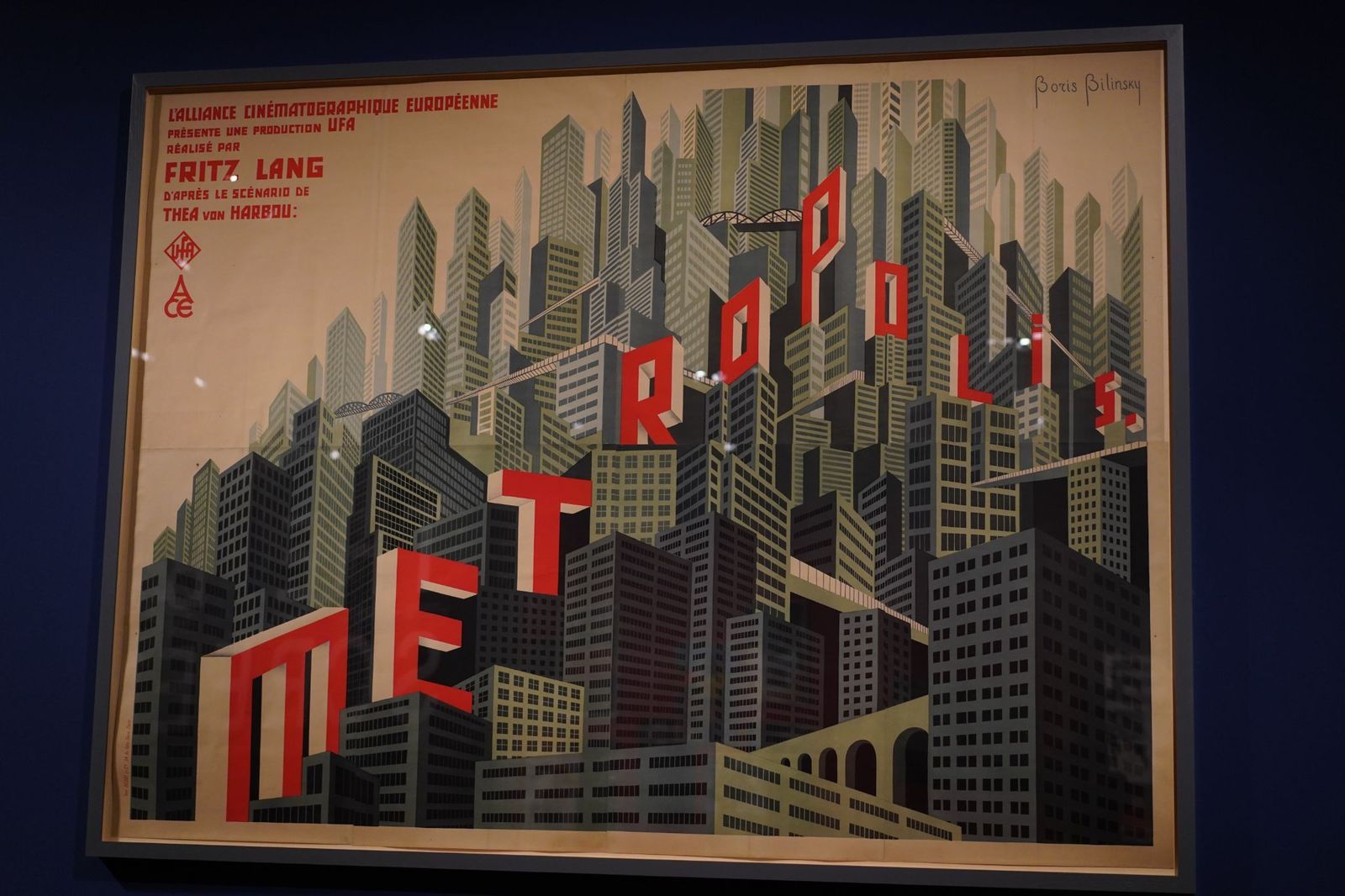
Fritz Lang's Metropolis hit theaters on January 10, 1927, premiering at the UFA-Palast am Zoo in Berlin. It's a classic of German Expressionism, a movement built around bold, exaggerated visuals and harsh shadows, to show anxiety about the modern, industrial world.
The story is set in a dystopian, futuristic city and tells of a dramatic class struggle. The film shows towering skylines, a full-on robot, and special effects that still look sharp almost a hundred years later . What they didn't get was a single word of spoken dialogue. The Jazz Singer, often called the first "talkie," didn't come out until October 6, 1927, almost nine months later, and even then it wasn't fully talking. It ran mostly like a silent film, except for six songs and about two minutes of spoken dialogue.
10 The Six Million Dollar Man predates the personal computer boom
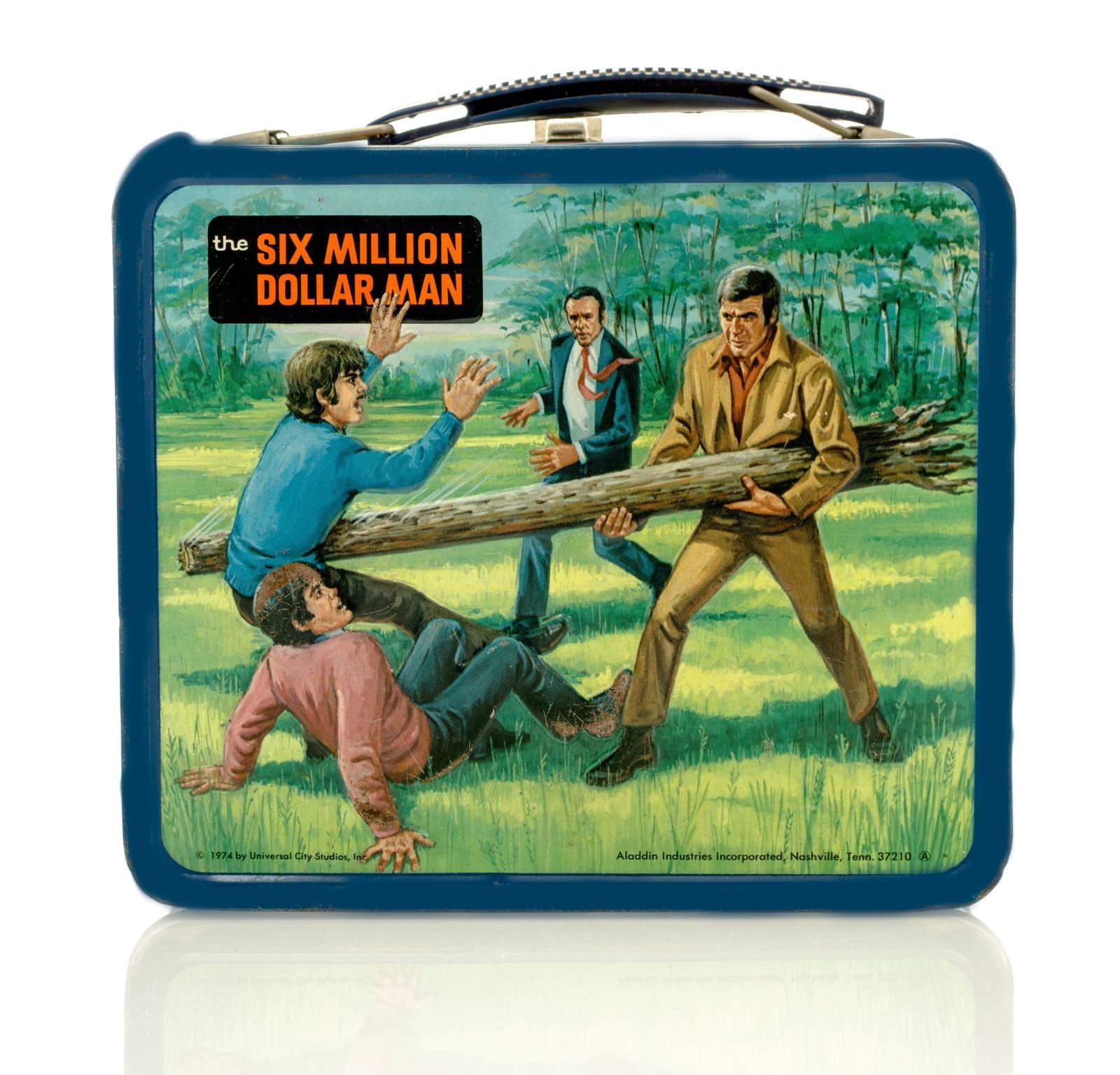
This is another example of imagination flying too far ahead of reality to catch up. In the early 1970s, computers were still giant, room-sized machines that only universities, big companies, and the government ever got near. Regular people wouldn't get a shot at owning one until January 1975, when the Altair 8800 landed on the cover of Popular Electronics and kicked off the home computer boom. Television, though, was never limited to just reality.
The Universal Television production The Six Million Dollar Man first aired as a TV movie on March 7, 1973, and became a weekly series on January 18, 1974. It is based on Martin Caidin's novel Cyborg, and the show followed Steve Austin, an astronaut badly hurt in a test flight who gets rebuilt by the government with bionic parts in his arm, legs, and eye, giving him super strength, speed, and vision . He then works as a secret agent, using all that bionic power on covert missions.