Clever ideas for everyday issues
Chances are, you will adopt at least one of these 10 easy home hacks
Some of the most useful home improvements don't require tools, a trip to the hardware store, or even an afternoon watching tutorials. They are tiny changes to things you already do, often involving appliances you've used for years. From changing a fan's direction to putting a lid on a pot, these simple habits can save energy, improve performance, or prevent bigger problems, at almost no cost. Did you know any of these?
1 Reverse your ceiling fan

That switch on your ceiling fan isn't just there for repairs. In summer, the blades should generally rotate counterclockwise, pushing air downward and creating a cooling breeze. The U.S. Department of Energy says this wind-chill effect can let you raise the thermostat by about 4°F without reducing comfort.
When winter arrives, reverse the fan to clockwise and run it slowly . The gentler updraft helps move warm air that has collected near the ceiling back into the room. But always remember this: fans cool people rather than rooms, so leaving one running in an empty room wastes energy.
2 Clean accessible refrigerator coils
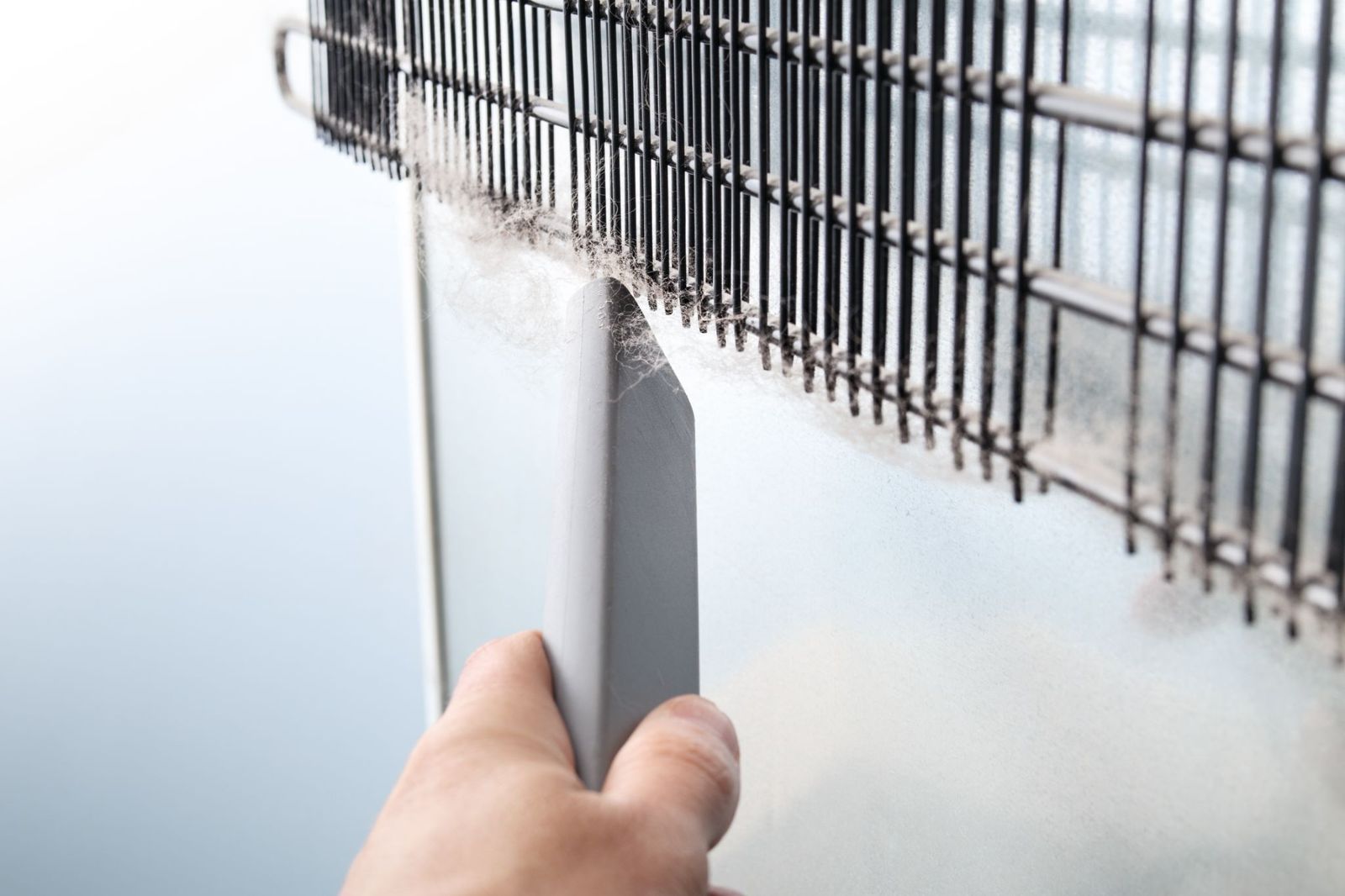
Your refrigerator has to get rid of the heat it removes from your food, and condenser coils help it do that. On refrigerators with accessible coils that require cleaning, accumulated dust can interfere with that process . ENERGY STAR, the voluntary labelling program administered jointly by the Department of Energy and the Environmental Protection Agency, particularly recommends keeping the coils clean on older models.
Before reaching for the vacuum, check your refrigerator's manual. Modern designs vary, and some coils aren't intended for routine homeowner cleaning. If yours are accessible and the manufacturer recommends it, removing dust is a remarkably simple maintenance task for an appliance that runs 24 hours a day.
3 Stop pre-rinsing your dishes
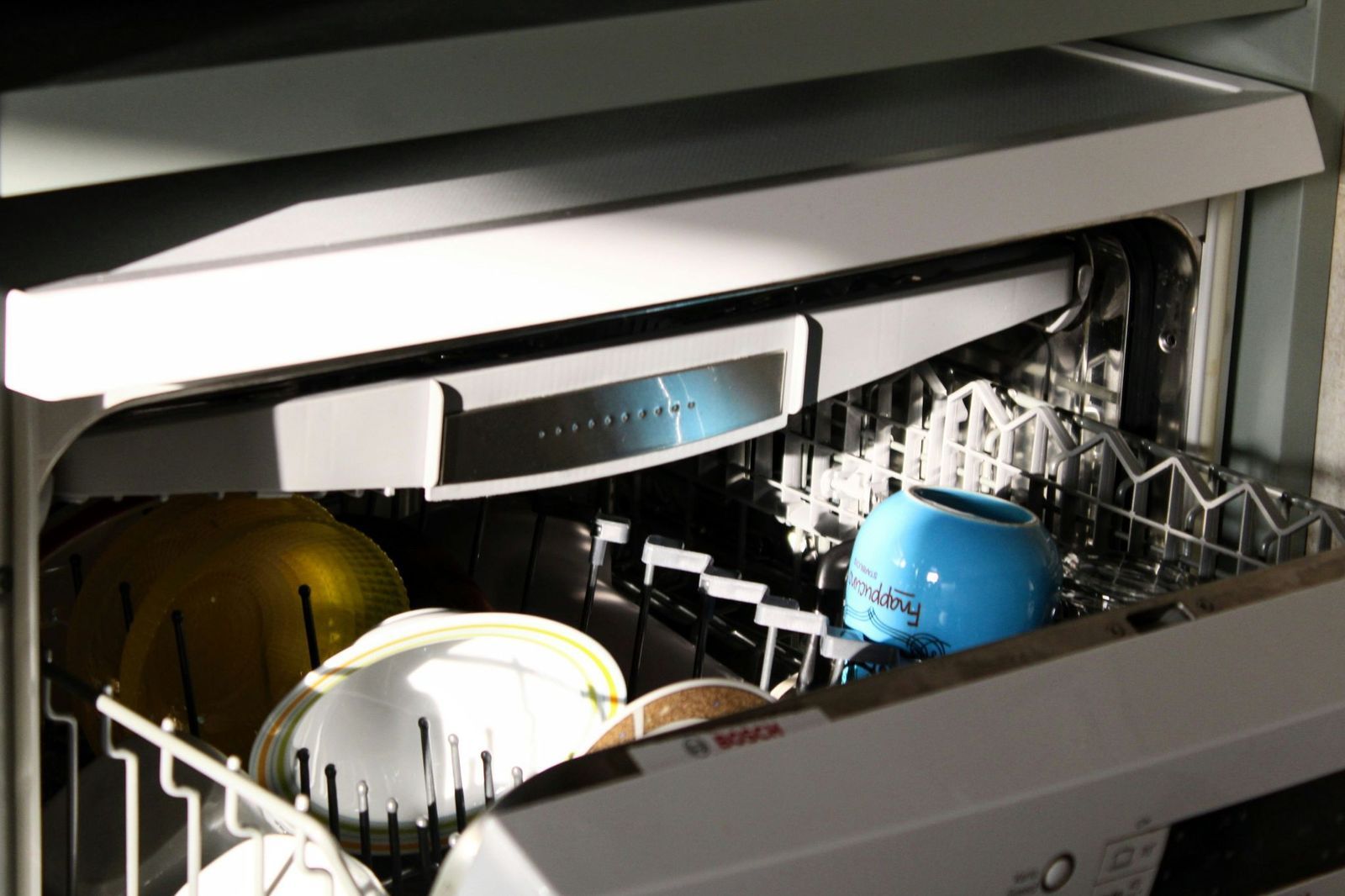
If you carefully rinse every plate before loading the dishwasher, you may be doing unnecessary work. ENERGY STAR recommends scraping food from dishes rather than rinsing them. Modern dishwashers and detergents are designed to handle the actual washing themselves .
That means the old rinse-under-the-faucet routine can simply use extra water and energy before the dishwasher even begins. Remove bones, scraps, and other large pieces, load the machine properly, and let it earn its keep . Sometimes the easiest household hack is discovering that one of your chores wasn't needed.
4 Turn off heated drying
Your dishwasher doesn't necessarily need to finish every load with extra heat. ENERGY STAR recommends using a no-heat drying option when available , while the Department of Energy also suggests choosing an air-dry setting to reduce the energy consumed during drying .
Dishes may take longer to dry completely, and some items may retain droplets, but the tradeoff requires almost no effort. Look for a button labeled "air dry," "no heat," or a similar setting on your machine.
5 Clean your dishwasher filter
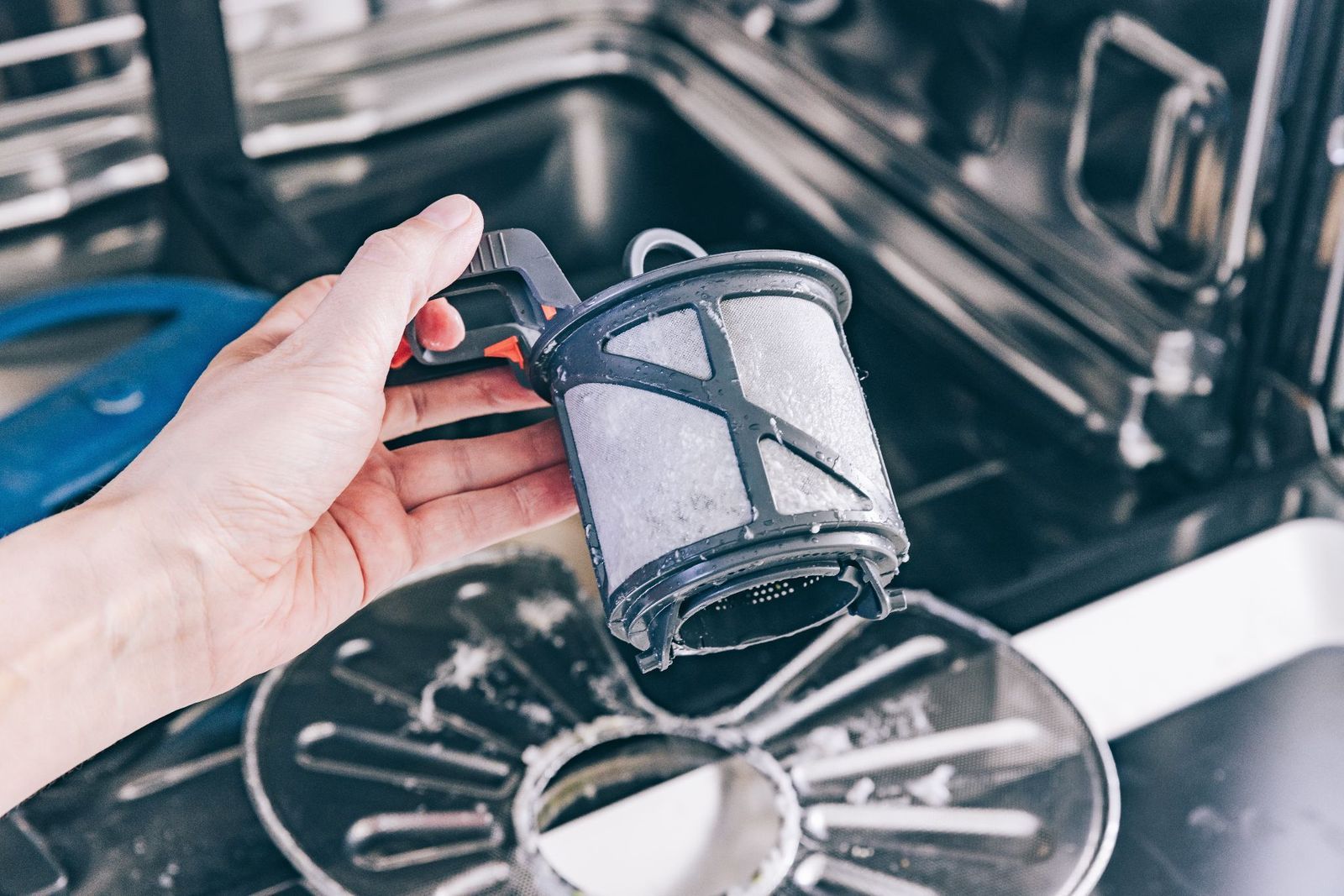
When dishes start emerging gritty or the dishwasher develops an unpleasant smell, don't immediately blame the machine. Many dishwashers have removable filters that trap food particles . If that material builds up, cleaning performance can suffer, and debris may end up where you least want it.
How often should you clean it? There isn't one answer for every dishwasher. Manufacturer recommendations can vary greatly depending on the model, usage, and whether dishes are scraped first. Check your manual, locate the filter if your machine has one, and follow its cleaning schedule.
6 Clean your refrigerator gasket
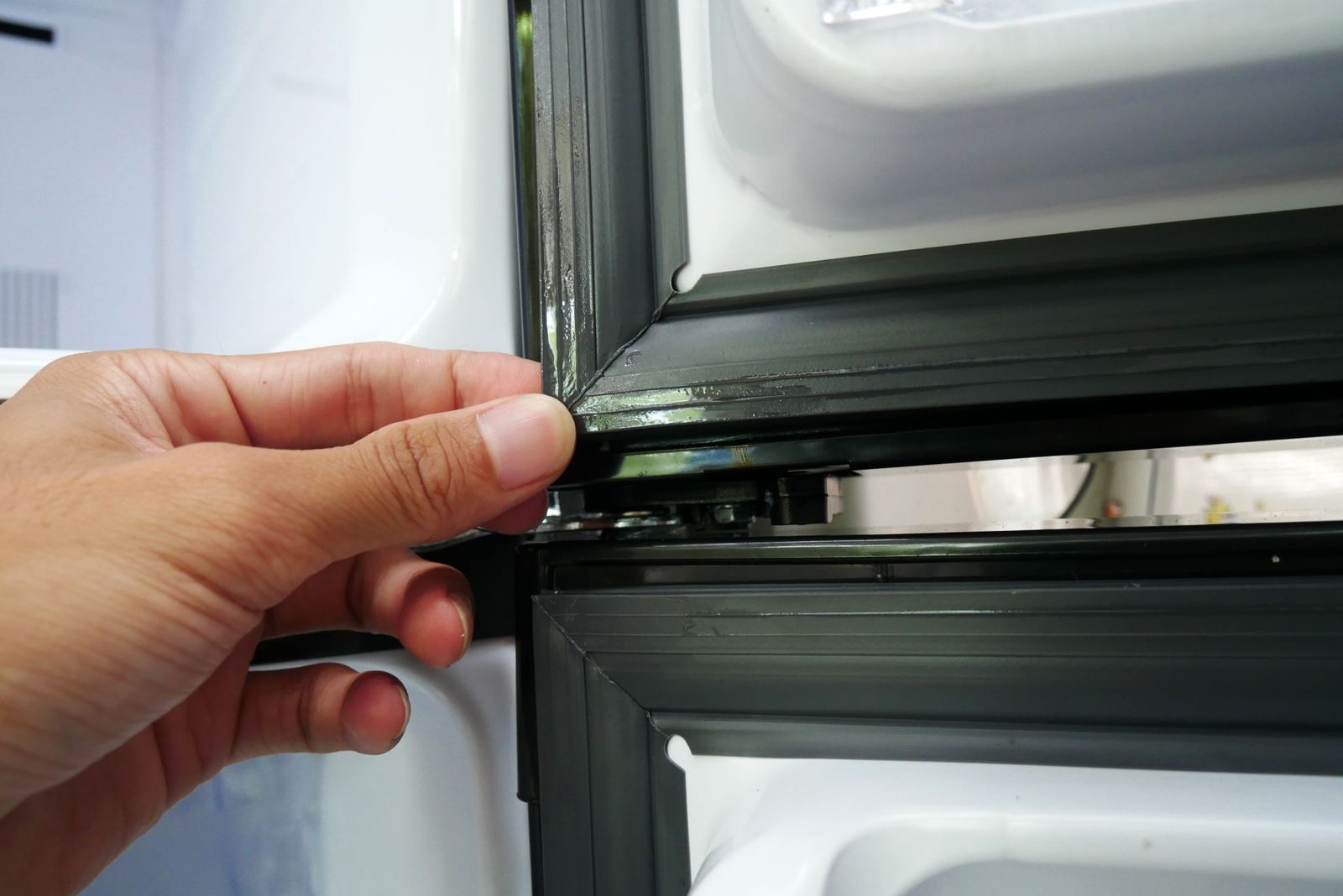
The flexible strip around your refrigerator door has a surprisingly important job. The gasket creates the seal that keeps cold air inside. Dirt and food residue can collect around it, so extension experts recommend cleaning the gasket with mild soapy water and keeping it in good condition .
There's also an old-fashioned test for a questionable seal. Close the refrigerator door on a dollar bill or piece of paper and gently pull. If it slides out very easily, the gasket may no longer be sealing properly. A tiny strip of rubber can make a big difference to an appliance that never stops working.
7 Don’t forget hidden dryer lint
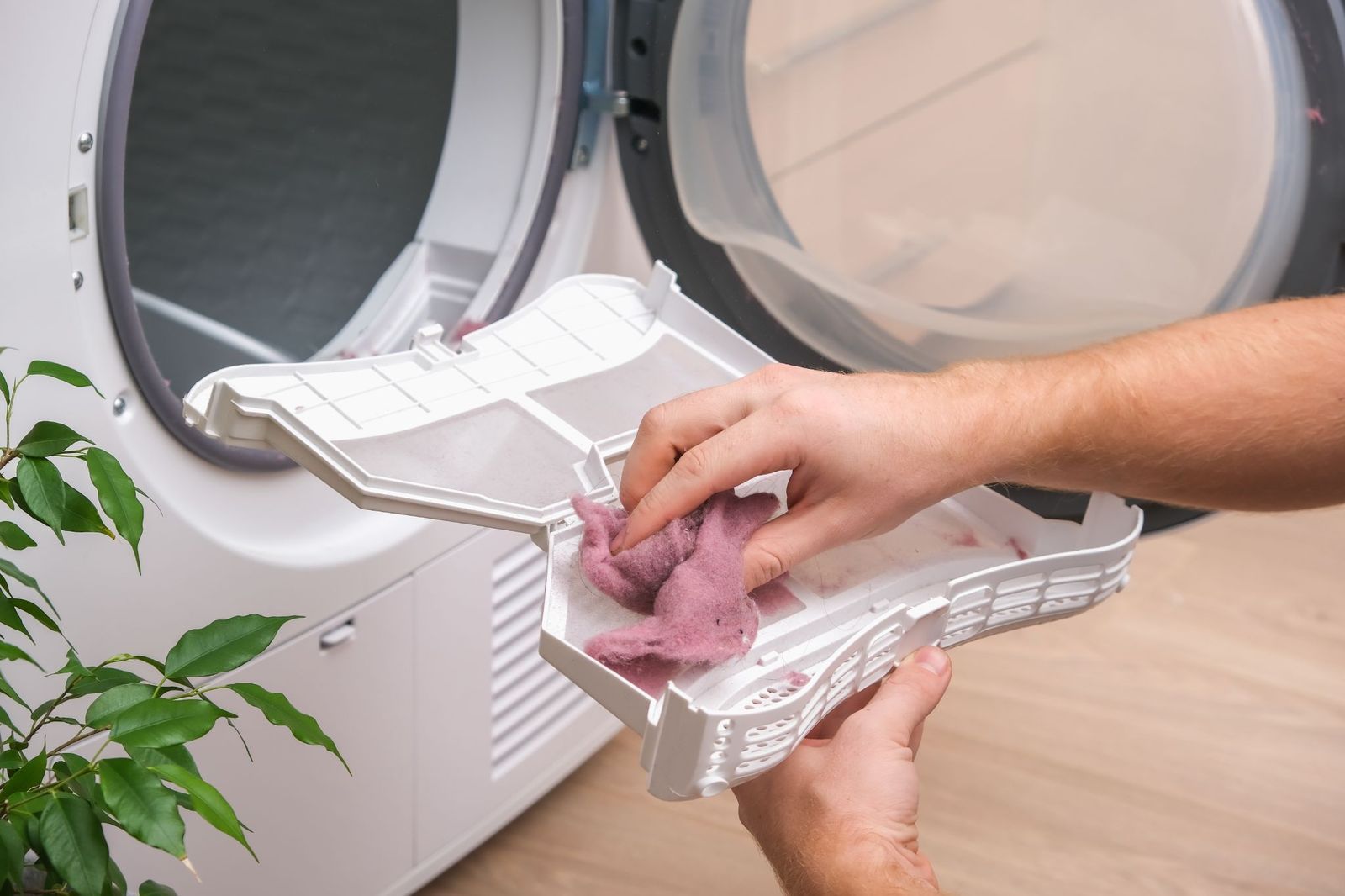
Cleaning the lint screen is only part of dryer maintenance. Lint can also accumulate around the machine and in its exhaust system, where you can't easily see it. The U.S. Fire Administration recommends cleaning the lint filter every time you use the dryer and having the vent ductwork cleaned annually .
This hack matters for more than tidiness. Lint buildup is a fire hazard , which makes those hidden areas far more important than the dust under an average appliance. Keep the space around the dryer clean, pay attention to its vent, and don't assume an empty lint screen means the whole system is clear.
8 Put baking soda in the fridge
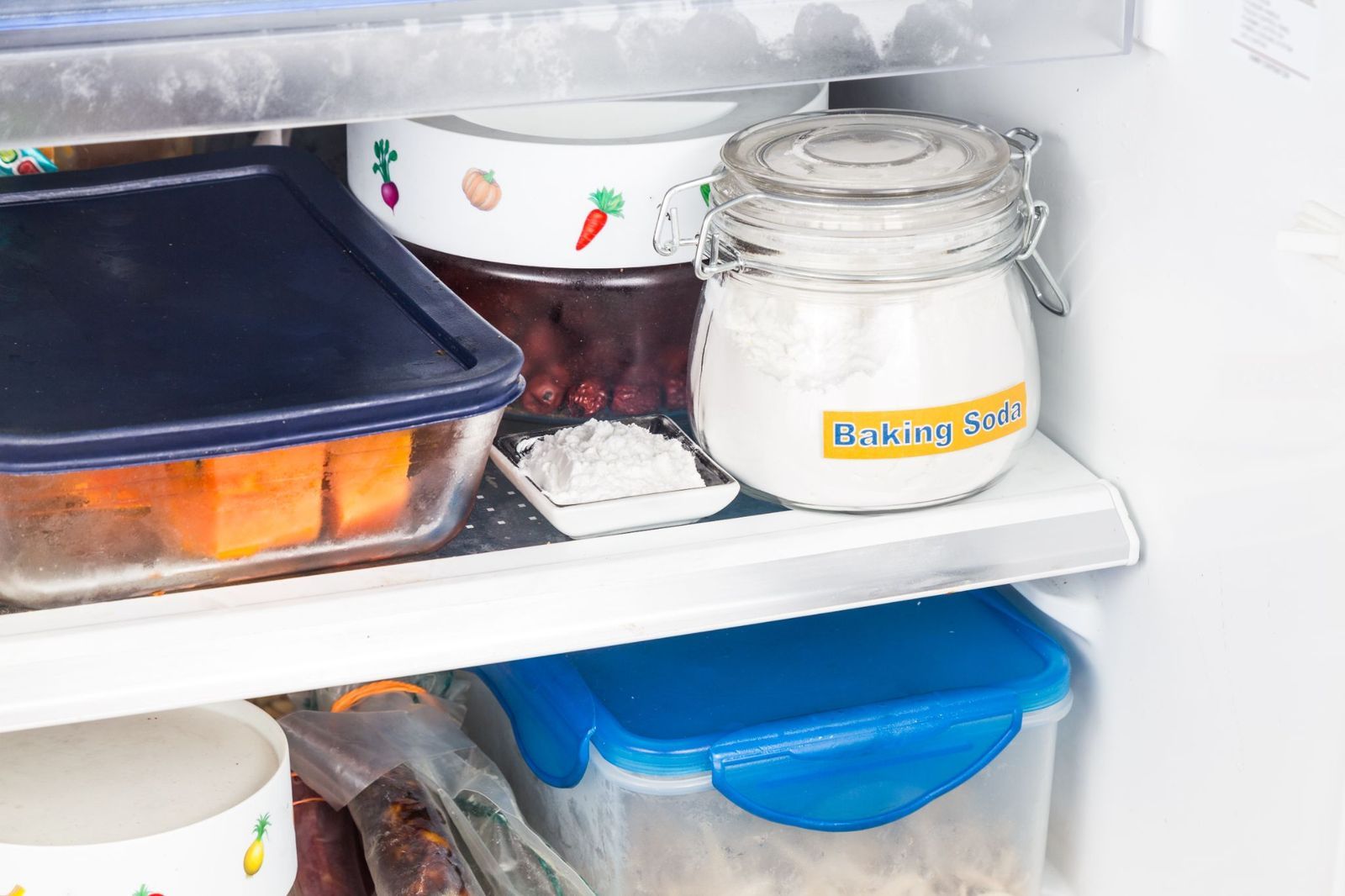
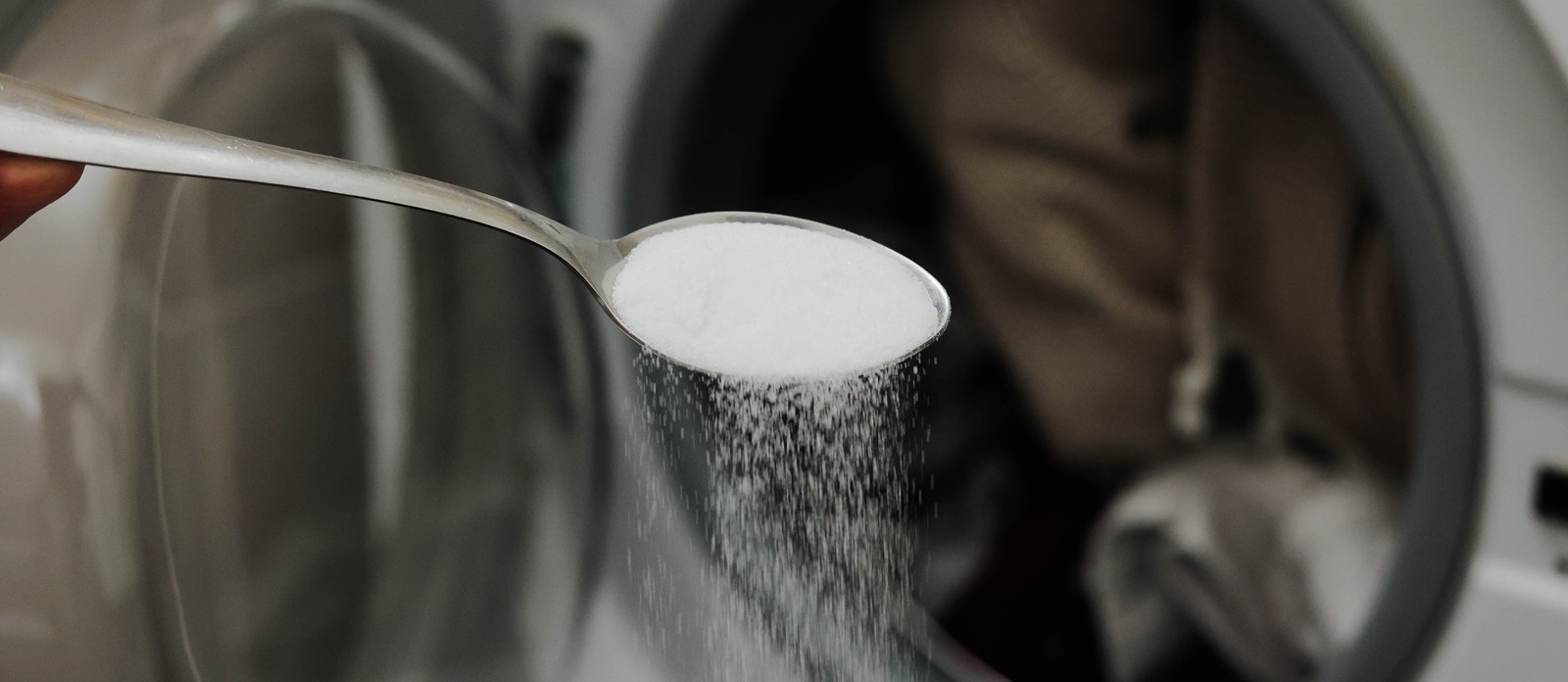
That familiar open box of baking soda hiding behind the milk isn't merely an old family tradition. Penn State Extension recommends placing an open box on a refrigerator shelf to help keep the interior smelling fresh , and appliance manufacturers also suggest it for lingering food odors.
Of course, baking soda isn't a substitute for cleaning. A mysterious smell may mean there's a spill hiding under a drawer or forgotten food that needs to go. Deal with the source first, then let the baking soda help with remaining odors. Sometimes Grandma's low-tech solution really does deserve to survive.
9 Put a lid on your pot
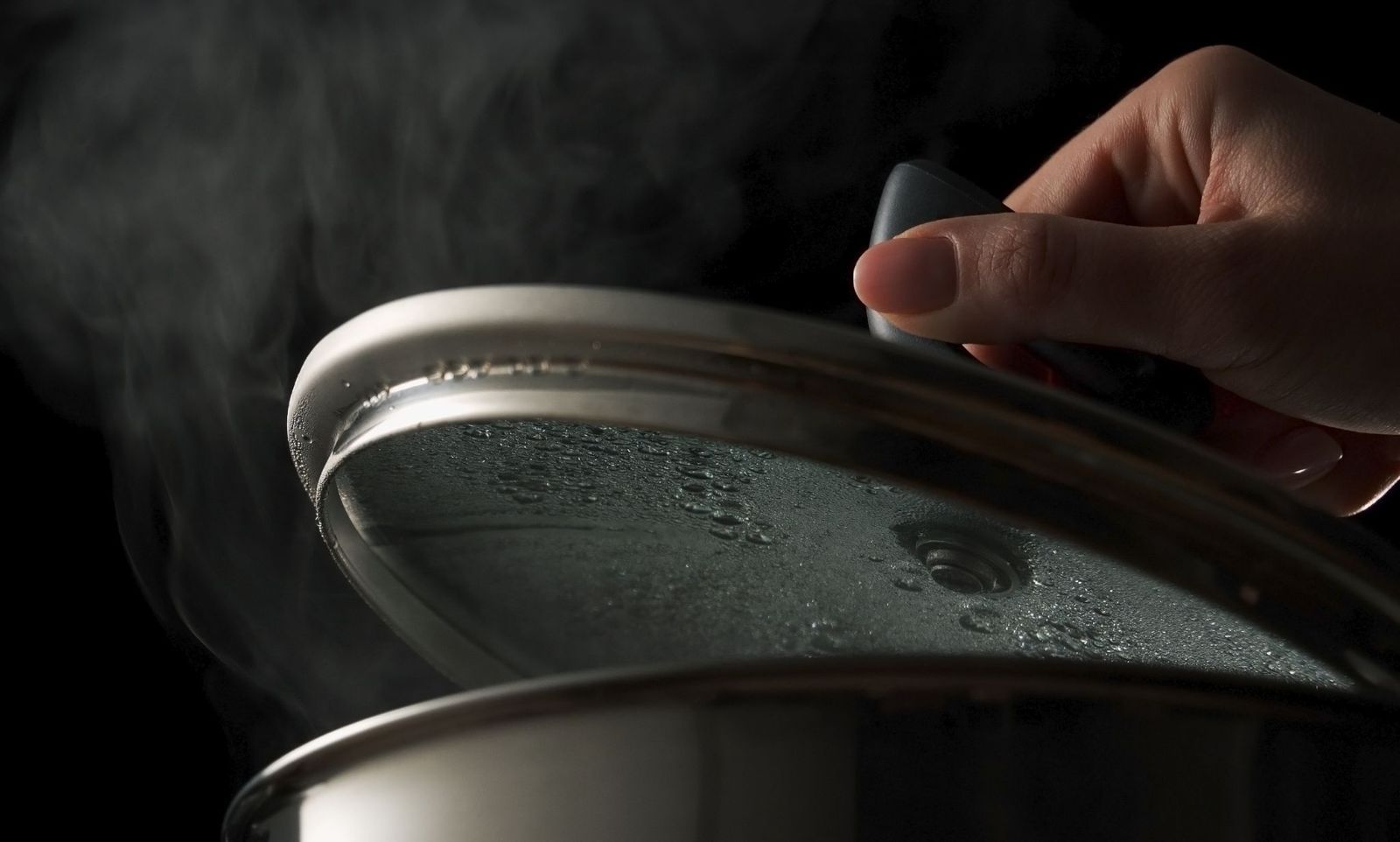
A pot without a lid continually releases heat and steam into the kitchen. Cover it, and more of that heat stays where you actually need it . Energy-saving programs recommend cooking with lids because retaining heat can reduce cooking and boiling times.
It's especially useful when bringing water to a boil, and it requires no special equipment beyond the lid that probably came with the pot. Once boiling begins, you may also be able to lower the heat while maintaining the temperature you need. The simplest energy-saving kitchen gadget may already be in your cabinet.
10 Clean oven spills before they bake on

An oven spill that's easy to remove today can become a stubborn black patch after being heated repeatedly. Once the oven has cooled to a safe temperature, wiping up fresh spills helps prevent them from turning into baked-on residue that demands much more work later .
For stubborn messes, baking soda can help here too, while manufacturers recommend baking-soda-and-water pastes for some baked-on residue. The real trick, however, is timing: don't give today's lasagna spill five more baking cycles to become permanent.