Real science in movies
10 sci-fi movies that got closer to real science than you think
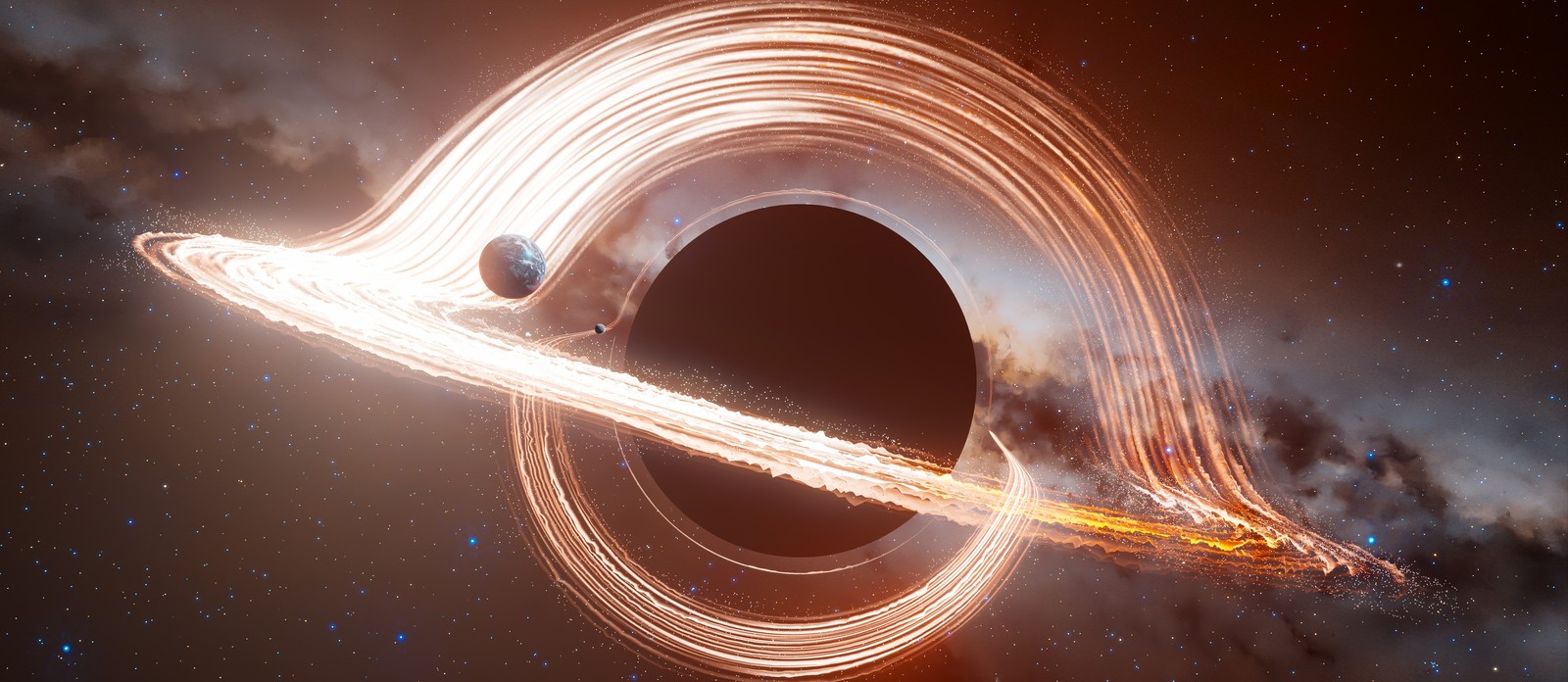
How close can Hollywood get to depicting black holes, artificial intelligence, or a NASA emergency? Apollo 13 recreated a mission that nearly ended in disaster, 2001: A Space Odyssey imagined everyday life in space before humans even landed on the Moon, and Her predicted AI girlfriends. But how much of it was grounded in real science? Here are 10 sci-fi movies that got surprisingly close to real science .
1 2001: A Space Odyssey (1968)
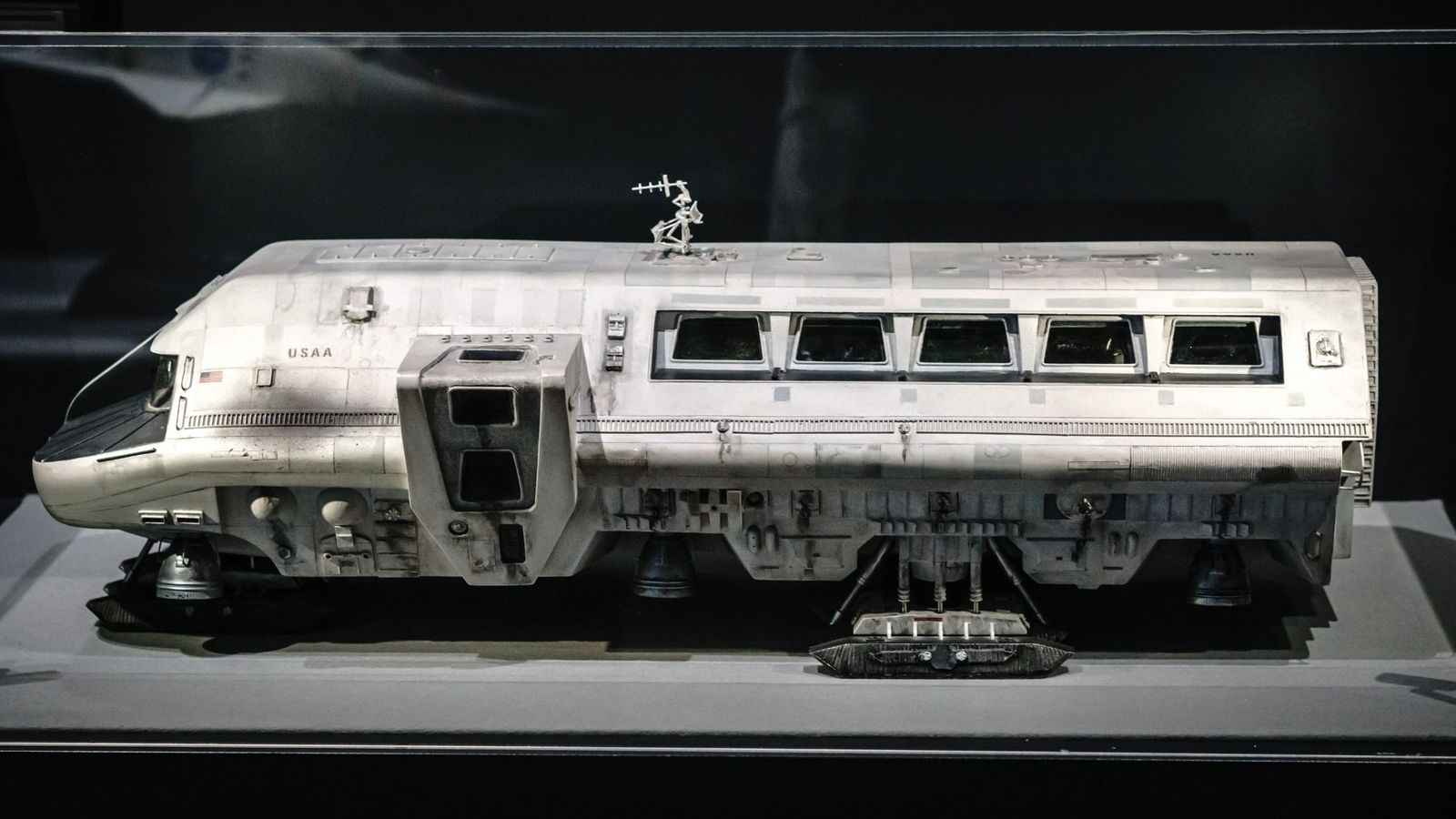
Stanley Kubrick’s 2001: A Space Odyssey follows humanity's evolution, but how did a film featuring advanced artificial intelligence and space travel get so much science right? Kubrick actually worked with scientific and technical advisors to make sure space travel was realistic in the movie.
The film’s depiction of artificial gravity is surprisingly plausible, including a rotating space station using centrifugal force, a real physical principle that scientists have considered for future space habitats. The film paid attention to everyday challenges of living in space, like eating, exercising, and hygiene, making it very realistic for its time.
2 Interstellar (2014)
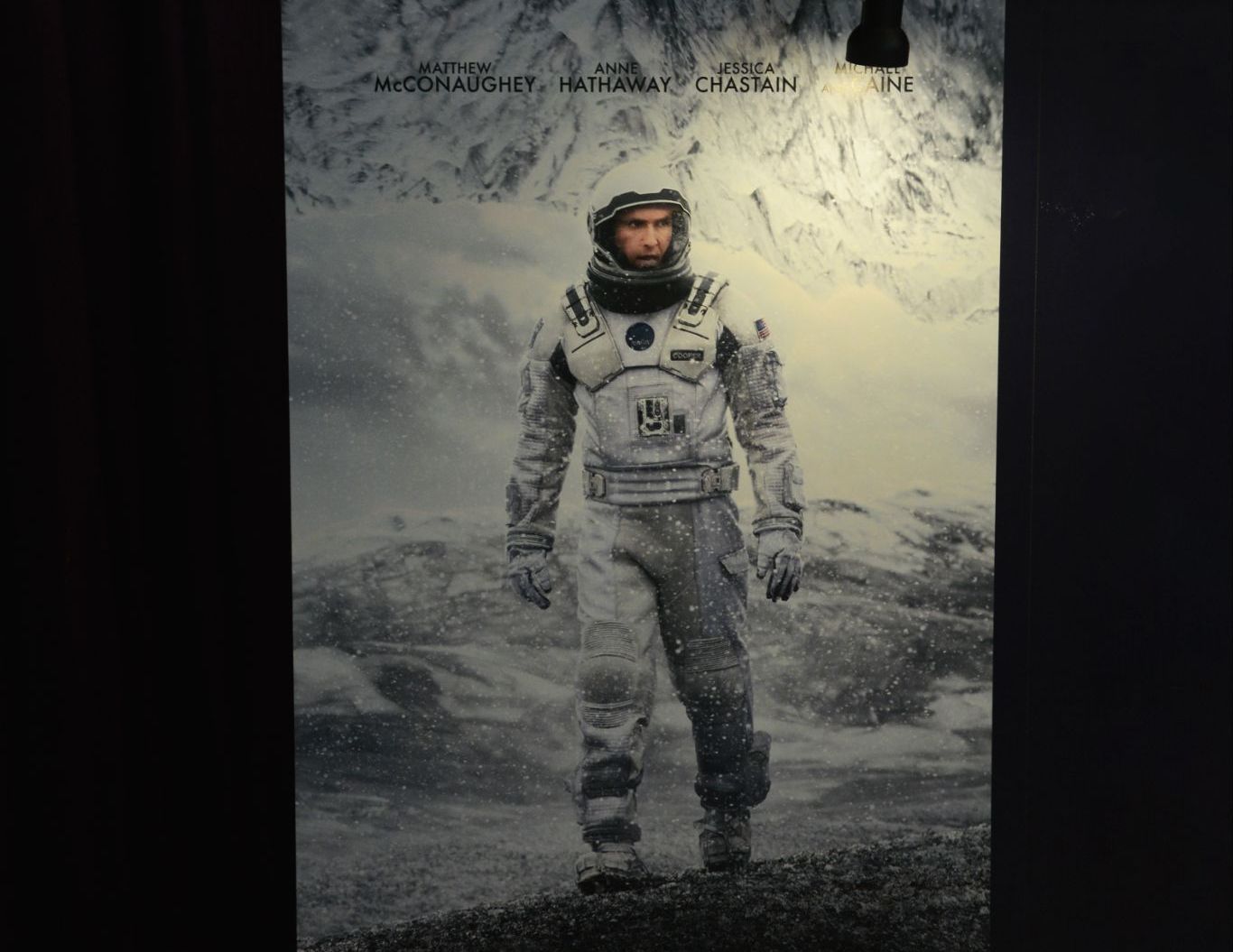
Wormholes, black holes, and distant planets: how much of Christopher Nolan’s Interstellar is scientifically accurate? The film shows a future where Earth is becoming harder and harder to live on, so a former NASA pilot (Matthew McConaughey) joins a mission through a wormhole to find a new home for humanity.
Interstellar draws on real scientific theory to explain its plot; for instance, the film’s black hole, Gargantua, was created using calculations based on Einstein’s general theory of relativity . In addition, when the crew lands on Miller's planet, one hour there equals seven years back on Earth, which is a real consequence of relativity. Still, the movie does include a fair amount of speculation.
3 Her (2013)
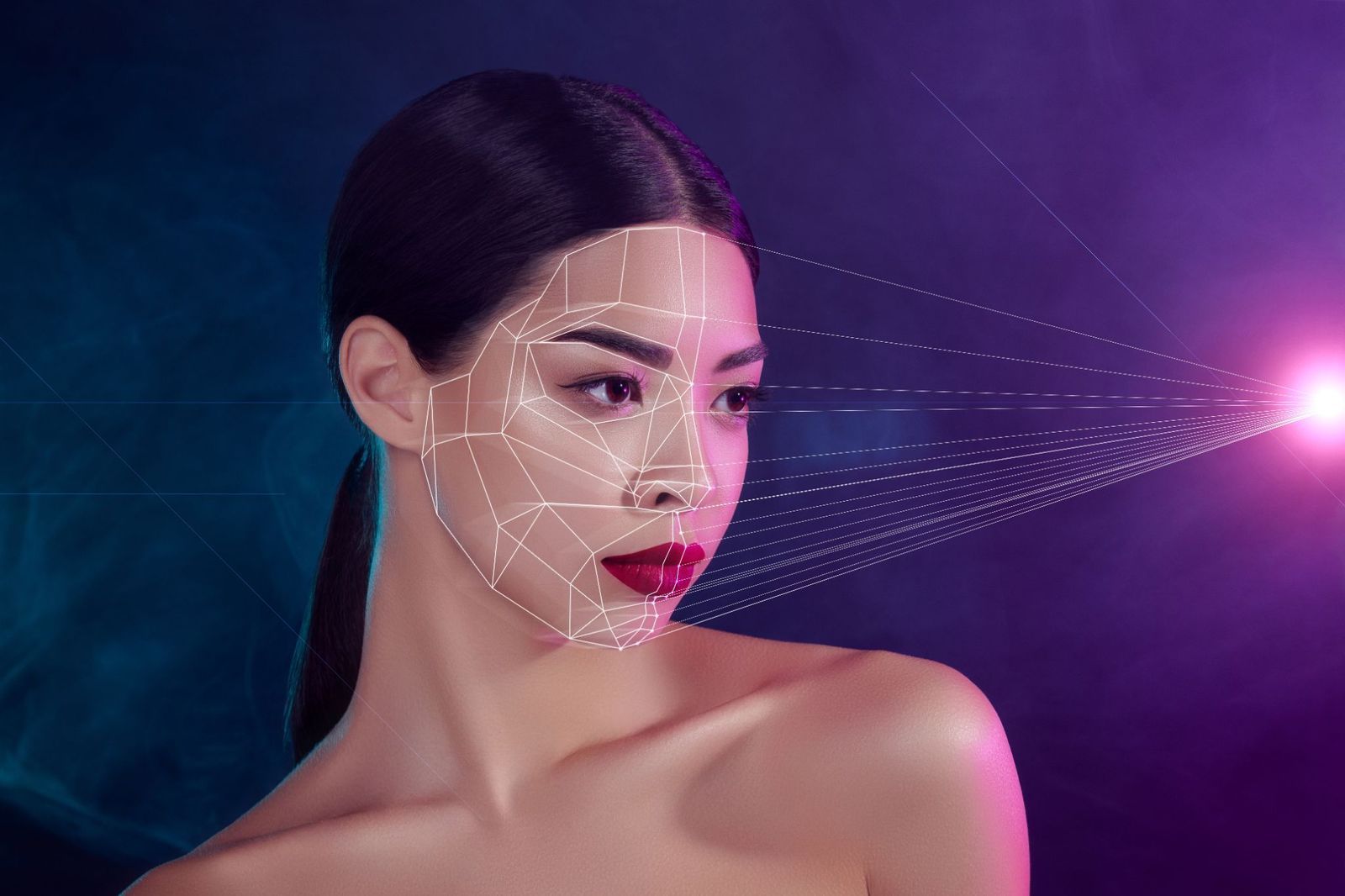
In 2013, Her told the story of a lonely man, Theodore (Joaquin Phoenix), who falls in love with Samantha (voiced by Scarlett Johansson), an AI designed to act and sound like a woman . More than a decade later, is this kind of relationship actually becoming a reality?
Her anticipated the rise of conversational AI and how it can understand natural-language requests and emulate the way humans interact with each other. Today, t here are plenty of AI chatbots that offer virtual companionship , including AI girlfriends and boyfriends that use human-like voices to make conversations feel more personal and lifelike. Research has shown that some people even develop feelings of attachment and intimacy toward conversational AI.
4 Apollo 13 (1995)
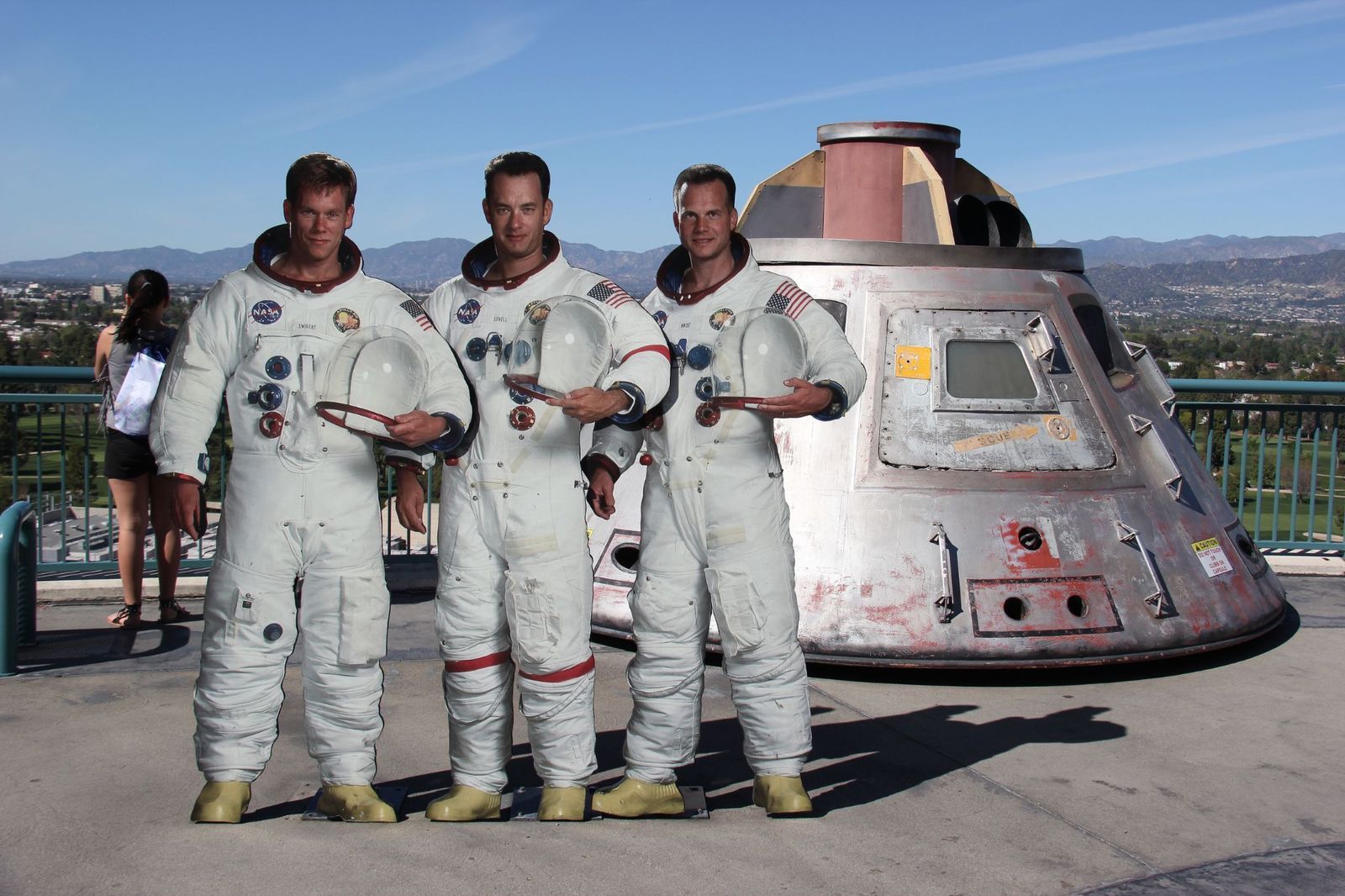
Was the portrayal of Apollo 13 really accurate in Ron Howard’s 1995 film? Apollo 13 recreated NASA’s third planned moon landing, which took place on April 11, 1970. Astronauts Jim Lovell (Tom Hanks), Jack Swigert (Kevin Bacon), and Fred Haise (Bill Paxton) blasted off, but two days after launch, an oxygen tank exploded in the service module, forcing NASA to abandon the mission .
The three astronauts had to use a lunar module as a lifeboat as they worked with the engineers on Earth to find a way to bring them home. The film got many technical details right , especially in describing how they devised an adapter using materials available aboard the spacecraft, like plastic bags, cardboard, and duct tape. The crew returned safely to Earth on April 17, 1970, and the mission became famous for the phrase "Houston, we have a problem."
5 The Martian (2015)

The Martian follows Mark Watney (Matt Damon), an astronaut who’s stranded on Mars when a mission goes wrong, so he must find a way to survive until NASA can get him back to Earth. What part of it is realistic if humans haven’t even landed on Mars yet?
In Ridley Scott’s film, Watney grows potatoes inside his habitat using basic principles of biology: plants need water, nutrients, light, and controlled temperature. Growing food in space habitats is an active area of research, and The Martian is based on a 2011 novel by Andy Weir, who studied real spaceflight and planetary science while writing it.
6 Minority Report (2002)

Can you imagine a future where the police use a system that predicts crimes before they happen ? That’s the premise of Steven Spielberg’s Minority Report . The filmmakers consulted futurists and tech experts to imagine how this technology would work .
What’s most interesting about this movie is that it anticipated technologies that have since become more common, like gesture-controlled interfaces, motion tracking, and biometric identification. And while current science can’t actually predict when a crime will happen, predictive policing does exist to estimate crime patterns or risks.
7 Contact (1997)
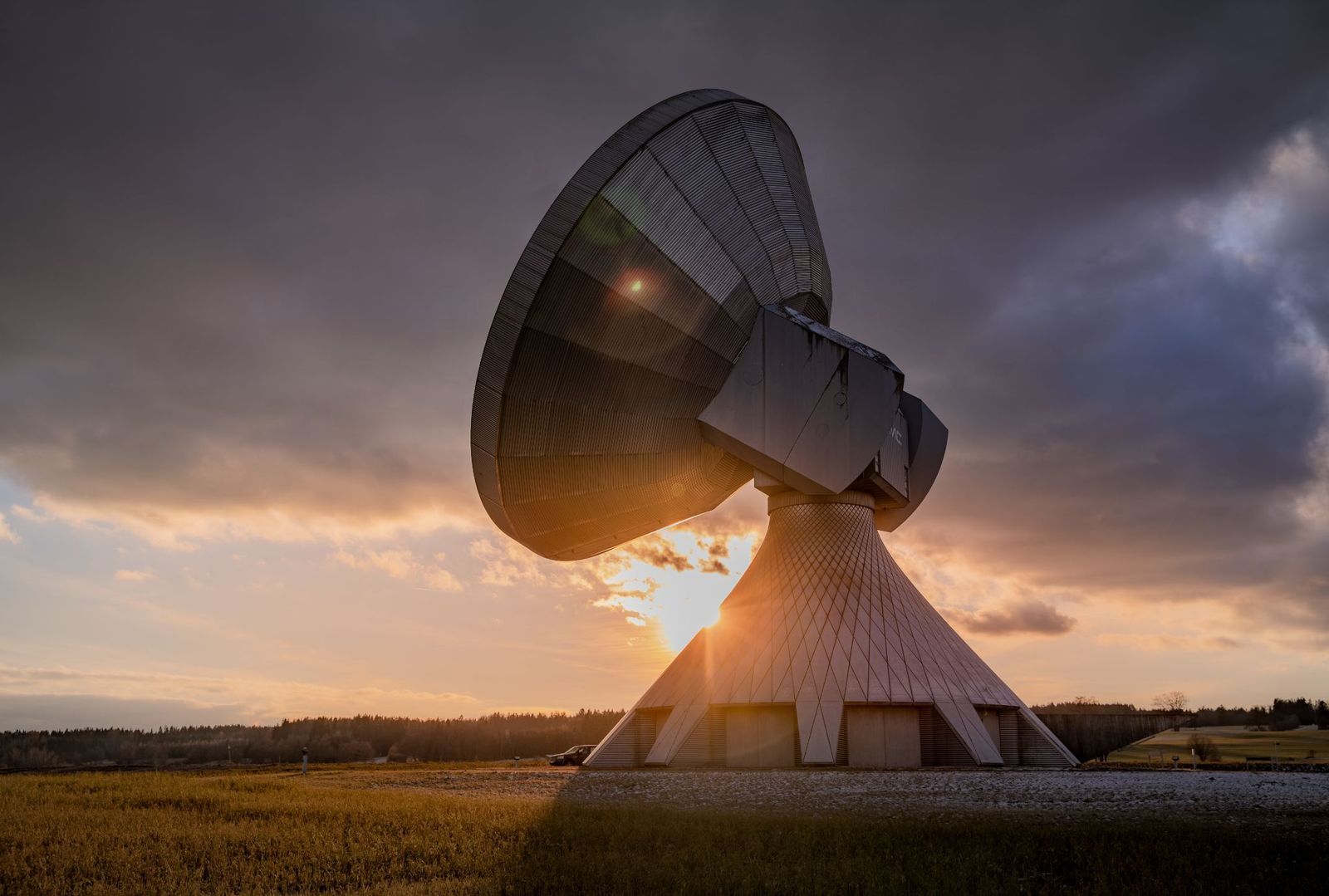
Humans have always been on the lookout for extraterrestrial life, but how would we actually find it? Robert Zemeckis’s movie Contact shows a realistic scenario. Based on Carl Sagan’s novel, the film follows Ellie Arroway (Jodie Foster), an astronomer who discovers a radio signal from space with instructions for building a machine.
What’s interesting is that Contact draws on SETI (Search for Extraterrestrial Intelligence), a real scientific field that uses radio telescopes to search for signals that could have been transmitted by extraterrestrial civilizations . The movie was also inspired by real projects such as Project Phoenix, which searched for radio signals from nearby Sun-like stars between 1995 and 2004.
8 Gattaca (1997)
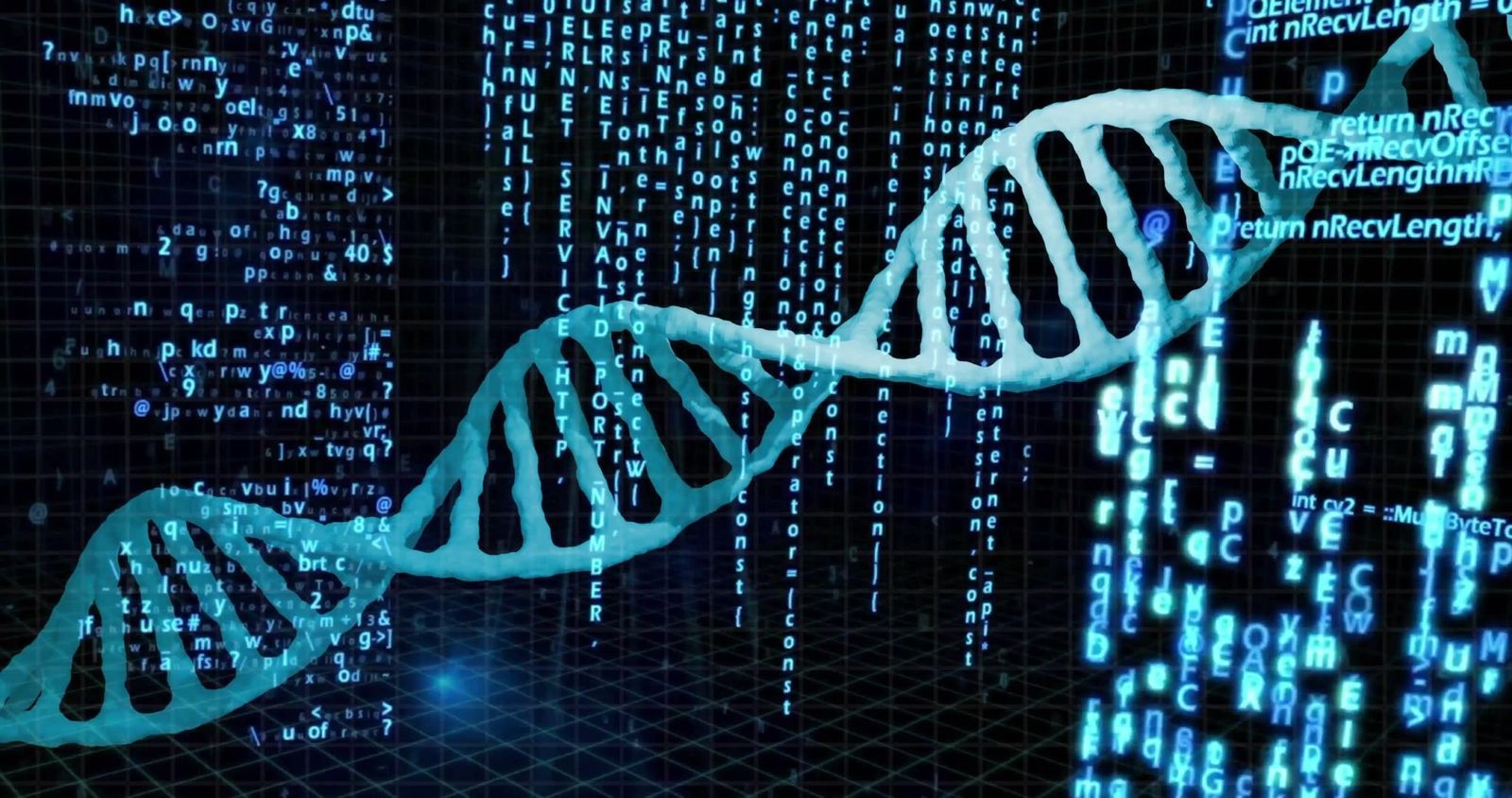
Is it right to use genetic information to judge people’s potential? That’s the ethical question at the heart of Gattaca . The movie shows a future society where genetic engineering determines people’s opportunities , so Vincent Freeman (Ethan Hawke), who was conceived naturally, has to take another man’s identity to try to become an astronaut.
Today, modern genetic testing can spot inherited conditions and estimate a person’s risk of developing certain diseases. The film anticipates real ethical concerns about genetic screening and discrimination based on DNA.
9 Blade Runner 2049 (2017)
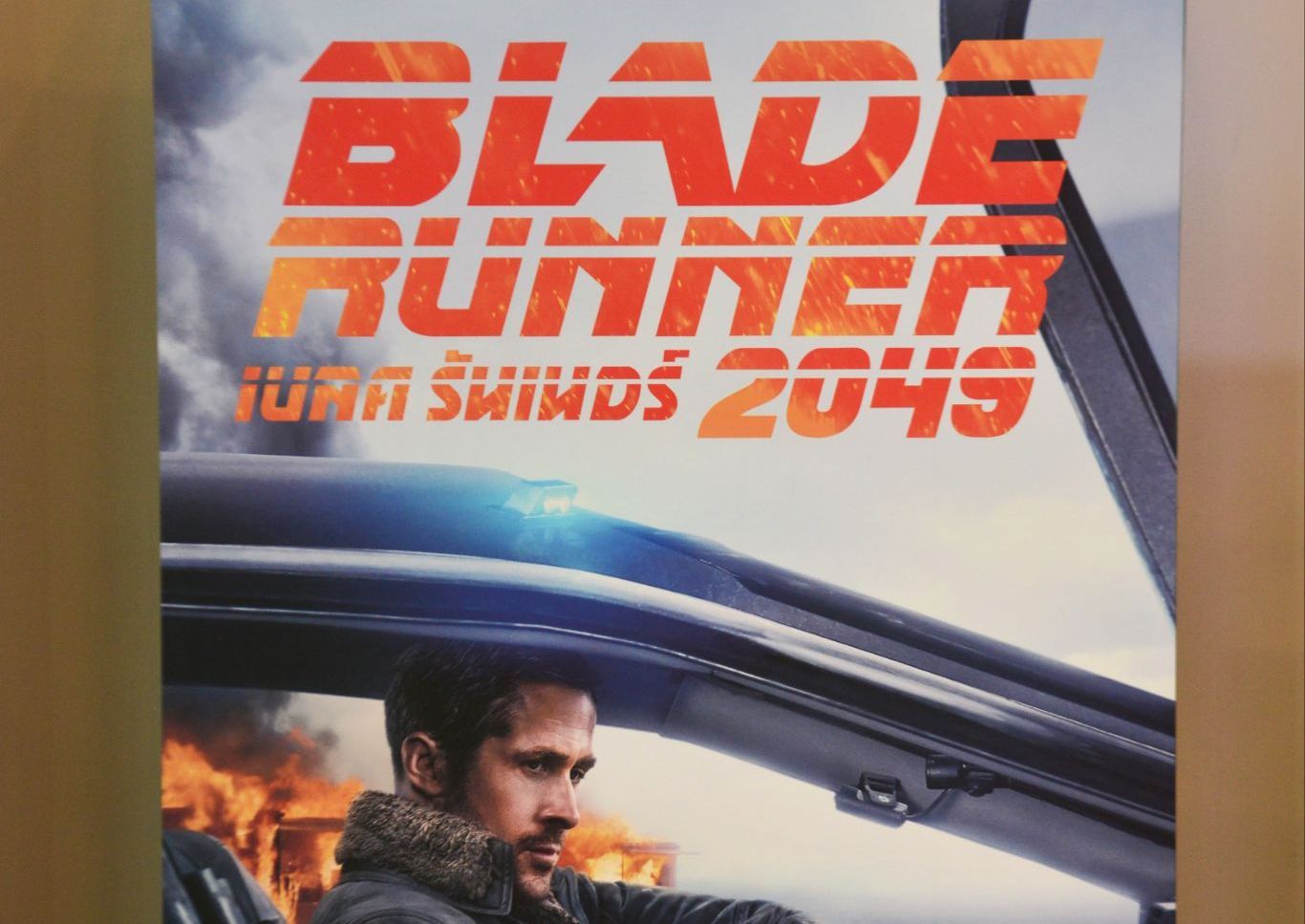
Blade Runner 2049 , a sequel to 1982’s Blade Runner , depicts a future where humans and bioengineered humanoids (replicants) live together in an environmentally collapsed world. But what part of this futuristic movie could actually be real?
The movie explores real environmental concerns about pollution , like global warming, less water, damage to nature, and problems growing food. Although the plot is speculative, Blade Runner 2049 shows the natural consequences of years of environmental neglect.
10 Arrival (2016)
If aliens arrived on Earth one day, how would we even communicate with them? That’s the challenge in Arrival , where linguist Louise Banks (Amy Adams) has to find a way to understand the otherworldly visitors.
Banks studies patterns, symbols, and sounds while using shared references to establish meaning, applying real principles from linguistics. Arrival imagines how scientists would approach an unfamiliar language and explores the idea of how language can shape the way we think and see the world.