Beautiful Minds
Who was the first person to win the Nobel Prize twice?

Throughout history, there've been individuals who challenged what was thought possible. Their achievements changed science, medicine, transportation, and everyday life in ways that their contemporaries couldn’t imagine. They saw further than others could, and found new ways to tackle problems through ingenuity and determination. Let's take a look at the lives and accomplishments of 10 of history’s most visionary inventors, scientists, and thinkers.
1 Isaac Newton
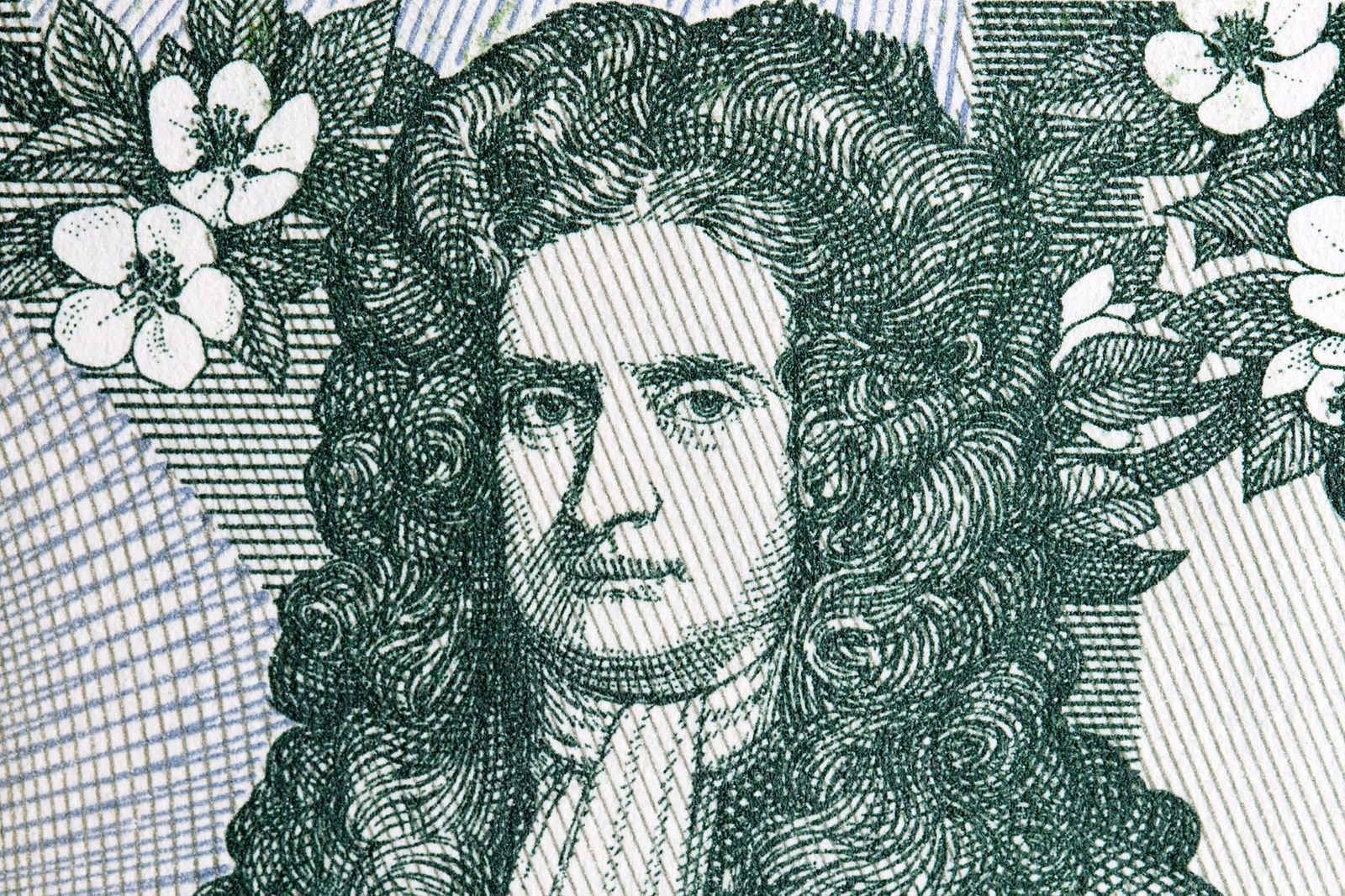
Few people have shaped our understanding of the physical world as much as Sir Isaac Newton. Born in Woolsthorpe, England, in 1643, he made critical contributions to physics, classical mechanics, calculus, optics, and the scientific method ; many of them before turning 30.
In his Principia , first published in 1687, he formulated the laws of motion and universal gravitation , demonstrating that the motion of objects on Earth and that of celestial bodies could be explained by the same principles. His work became the foundation of modern physics and formed the dominant scientific viewpoint until it was superseded by Einstein's theory of relativity in the 1900s. He also discovered that a dispersive prism separates white light into the different colors of the spectrum , and published his observations in Opticks (1704).
Newton was president of the Royal Society from 1703 to 1727, and he was knighted by Queen Anne of England in 1705 for his scientific contributions.
2 Michael Faraday
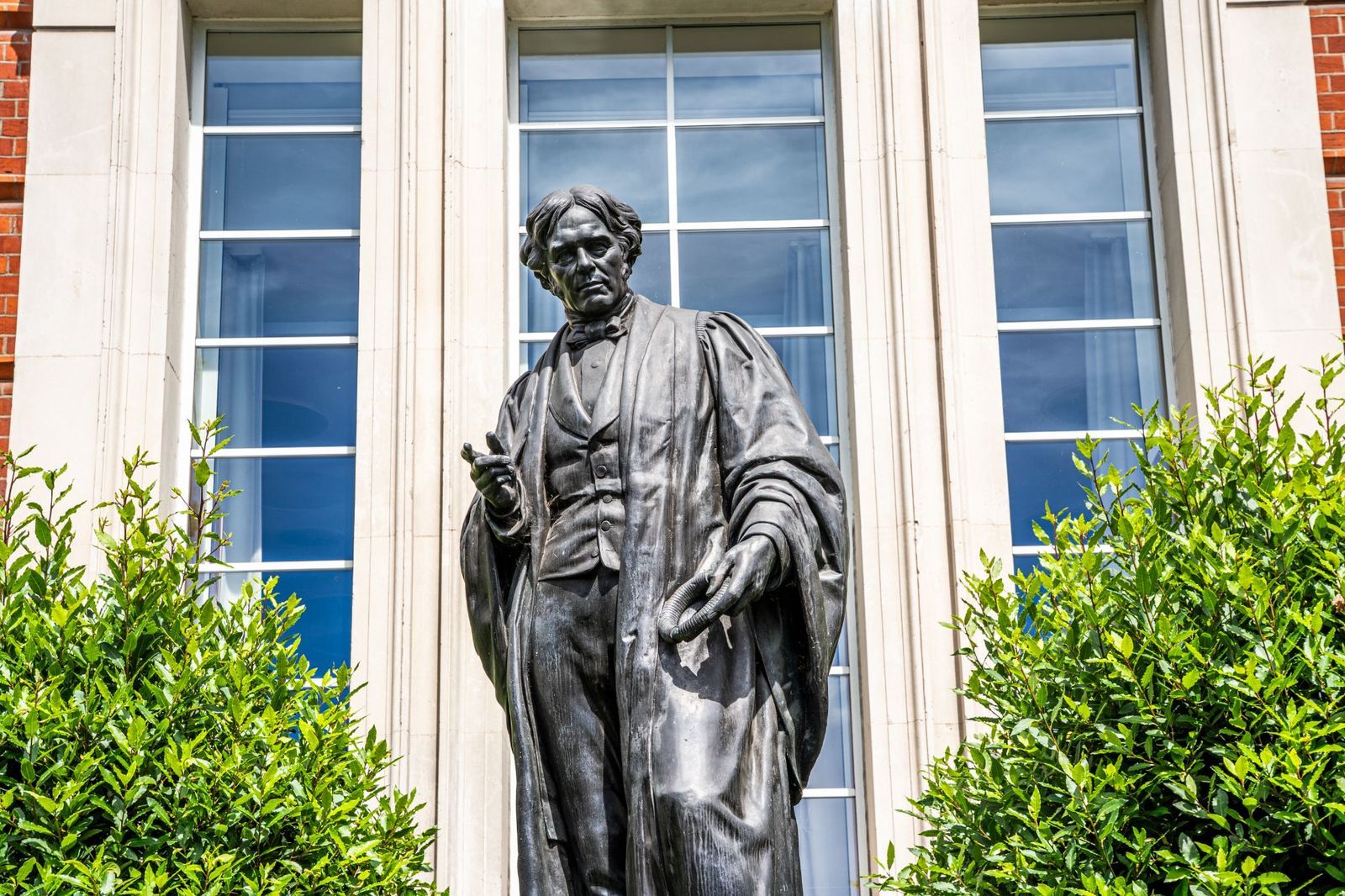
Born in 1791 in London, Michael Faraday grew up with limited resources and received very little formal education in his early years. At age 14, he became an apprentice to a local bookbinder and bookseller, and during that time he nourished an interest in science. By age 20, he was attending lectures by eminent English scientists, and he eventually secured work at the British Royal Institution.
In 1831, Faraday demonstrated how a changing magnetic field can produce an electric field, a relation that was modeled mathematically by James Clerk Maxwell as Faraday's Law in the early 1860s. This principle made modern generators and transformers possible.
Faraday's accomplishments, and his inspirational story as a self-made man , make him one of the most influential scientists in history; so much so that Albert Einstein kept a portrait of Faraday on his study wall.
3 Albert Einstein
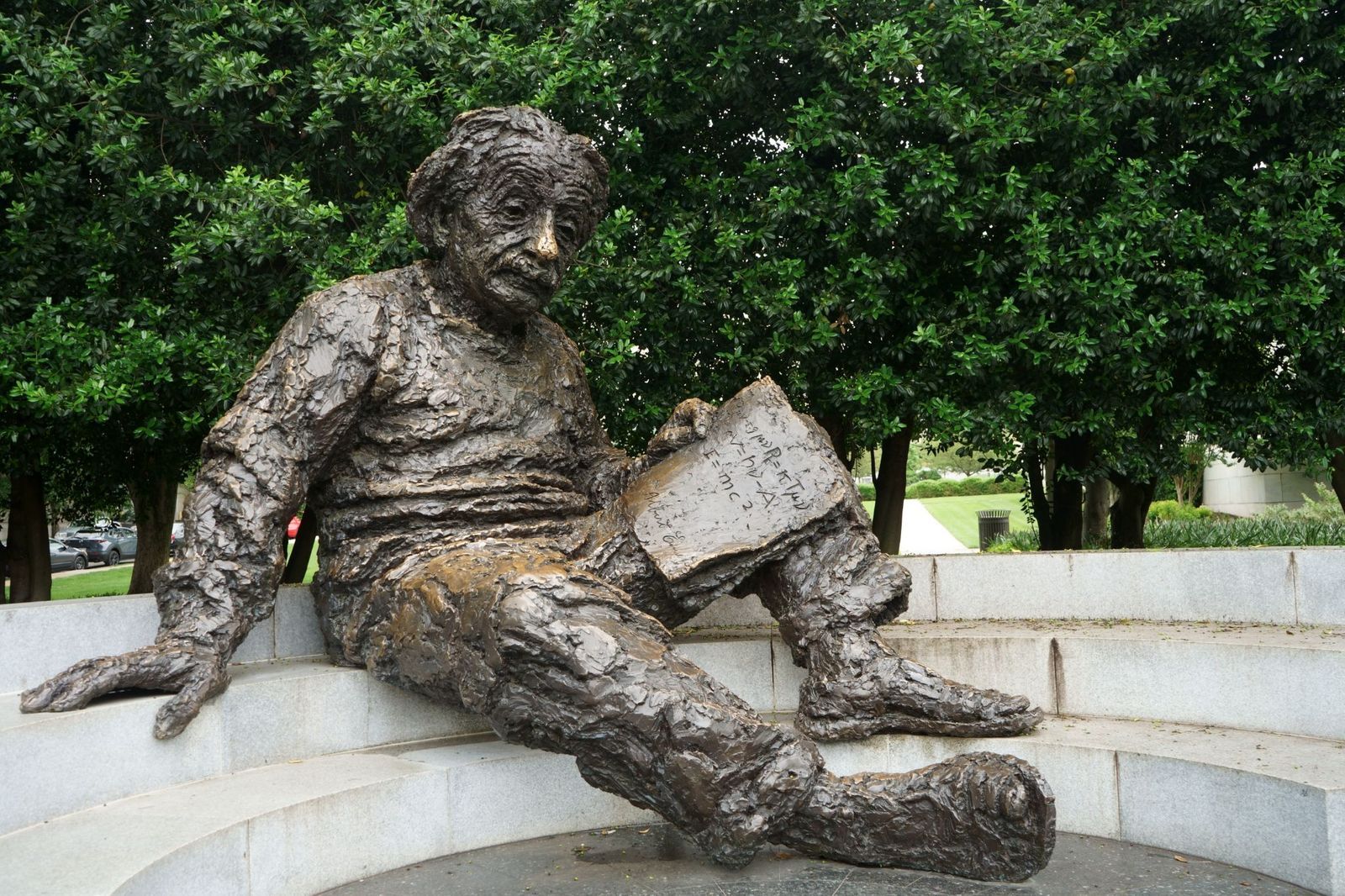
Born in Ulm, Germany, in 1879, Albert Einstein revolutionized physics in 1905, when he published four groundbreaking papers: one on the photoelectric effect (for which he won the Nobel Prize), one explaining Brownian motion , one introducing his theory of special relativity , and one developing the principle of mass-energy equivalence , expressed in the famous equation E=mc^2.
Adding to his special theory of relativity, Einstein published his general theory of relativity in 1915. Relativity transformed the scientific understanding of physics and astronomy during the 20th century, superseding Newtonian mechanics after over 200 years.
To escape Nazi persecution, Einstein, who was Jewish, renounced his German citizenship in 1933 and migrated to the United States, where he became a professor at the Institute for Advanced Study in Princeton, New Jersey. He achieved US citizenship in 1940.
4 Marie Curie
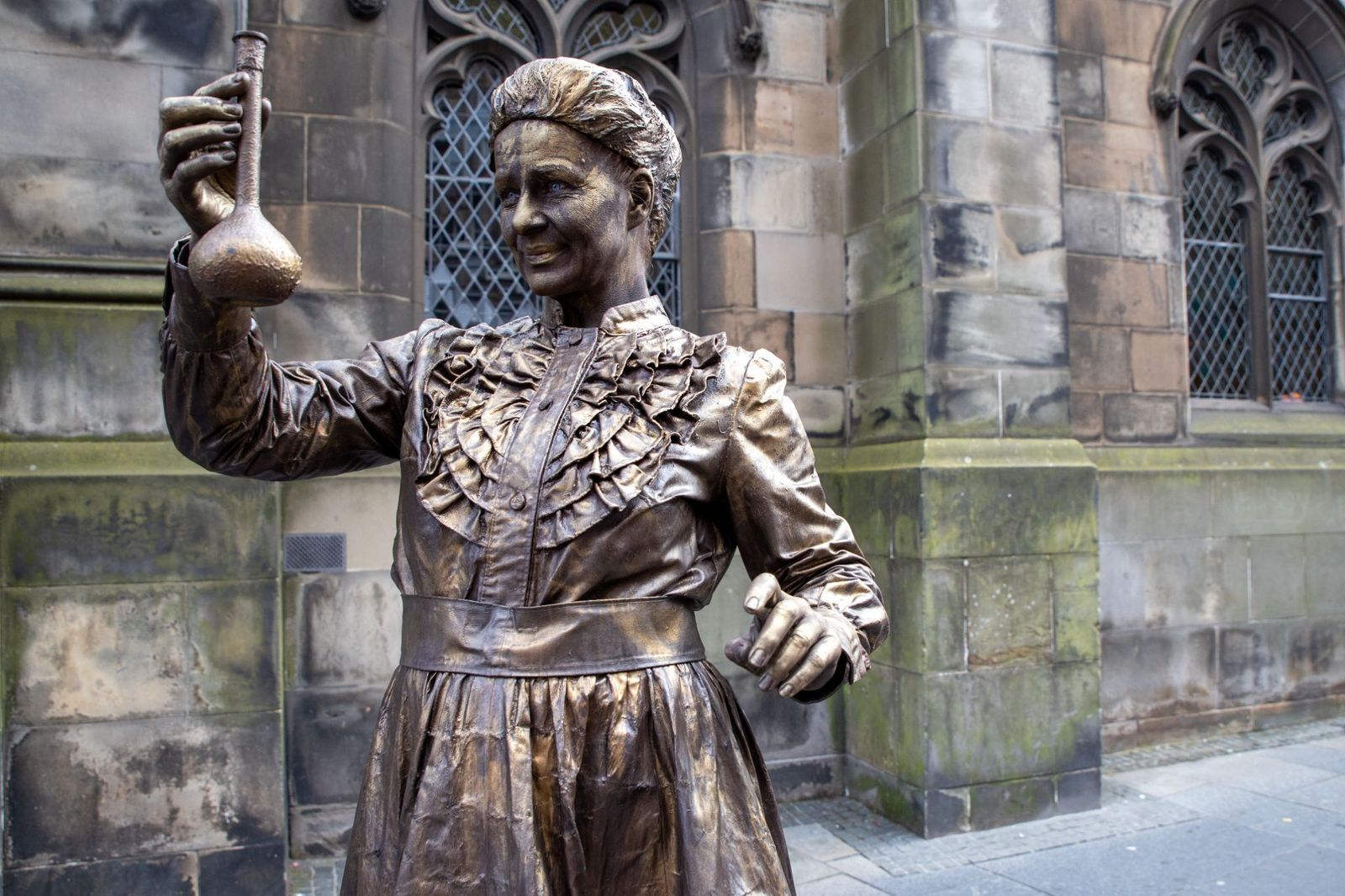
Marie Curie was born in Warsaw, Poland, in 1867. In her homeland, she had to pursue scientific studies clandestinely , and in 1891 she migrated to Paris to earn higher degrees. In 1895, she married fellow scientist Pierre Curie and became a naturalized French citizen
Working with her husband, Curie investigated the radiation emitted by uranium , earning a shared Nobel Prize in Physics in 1903. After the death of her spouse in 1906, she continued her research on radioactivity and won the 1911 Nobel Prize in Chemistry for the discovery of two new elements, radium and polonium .
Curie was the first woman to win a Nobel Prize, the first person to win it twice, and the first and so far only person to win it in two different academic fields.
5 Thomas Edison
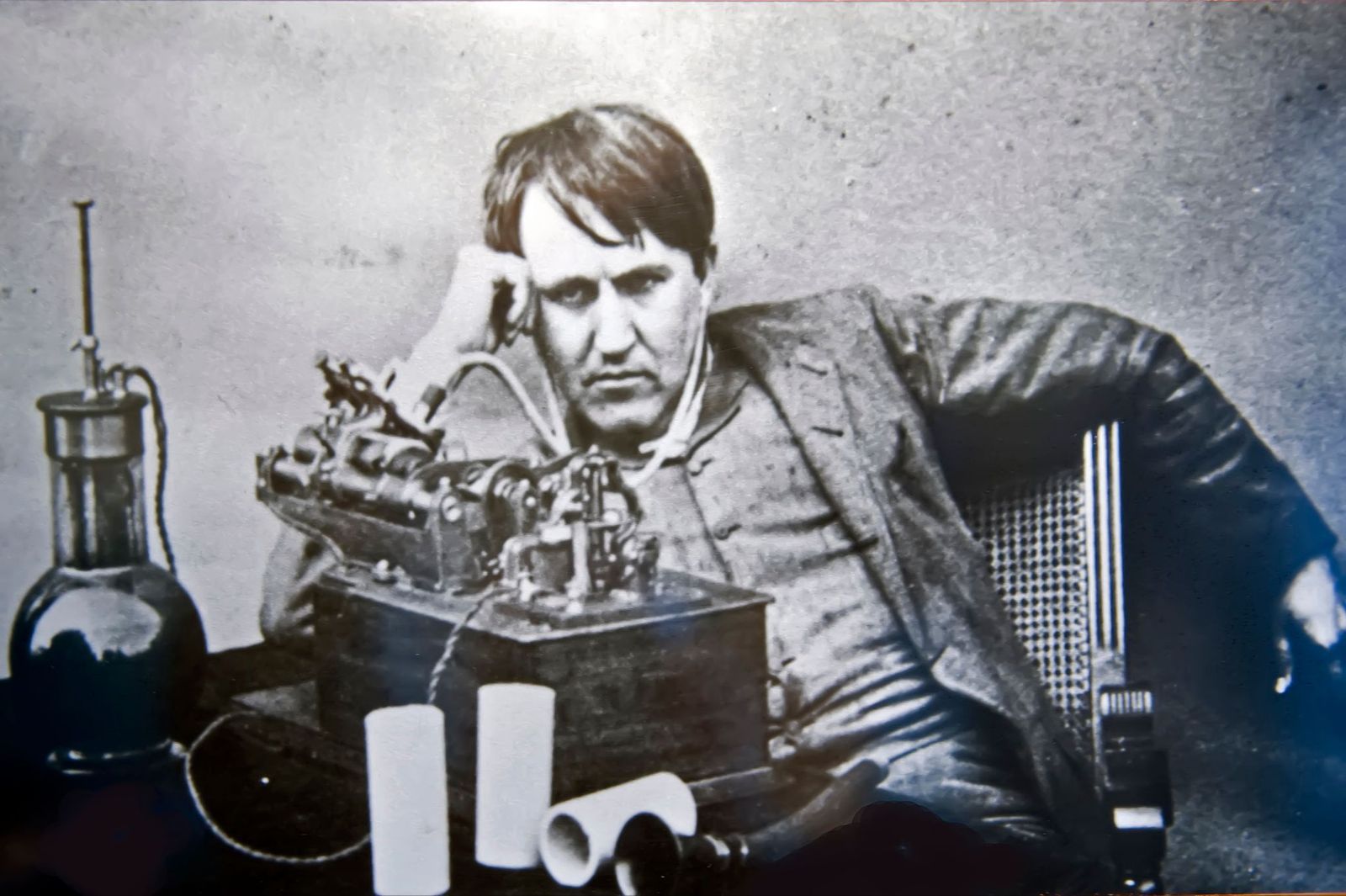
One of America's most prolific and well-known inventors , Thomas Edison was born in Ohio in 1847. Despite receiving little formal education and learning mostly through books, he went on to patent over a thousand inventions, many of them developed in his industrial research laboratory in Menlo Park, New Jersey.
Among his accomplishments, he is best known for his work on the incandescent light bulb, electric power distribution, the phonograph, and motion picture technology. He was also a successful entrepreneur: the merger of his Edison General Electric company with its main competitor, the Thomson-Houston Electric Company, resulted in the creation of the General Electric conglomerate.
Edison's influence was sometimes unexpected and indirect: his monopoly over key motion picture patents led to many independent filmmakers fleeing to Southern California, inadvertently founding the Hollywood film industry.
6 Nikola Tesla
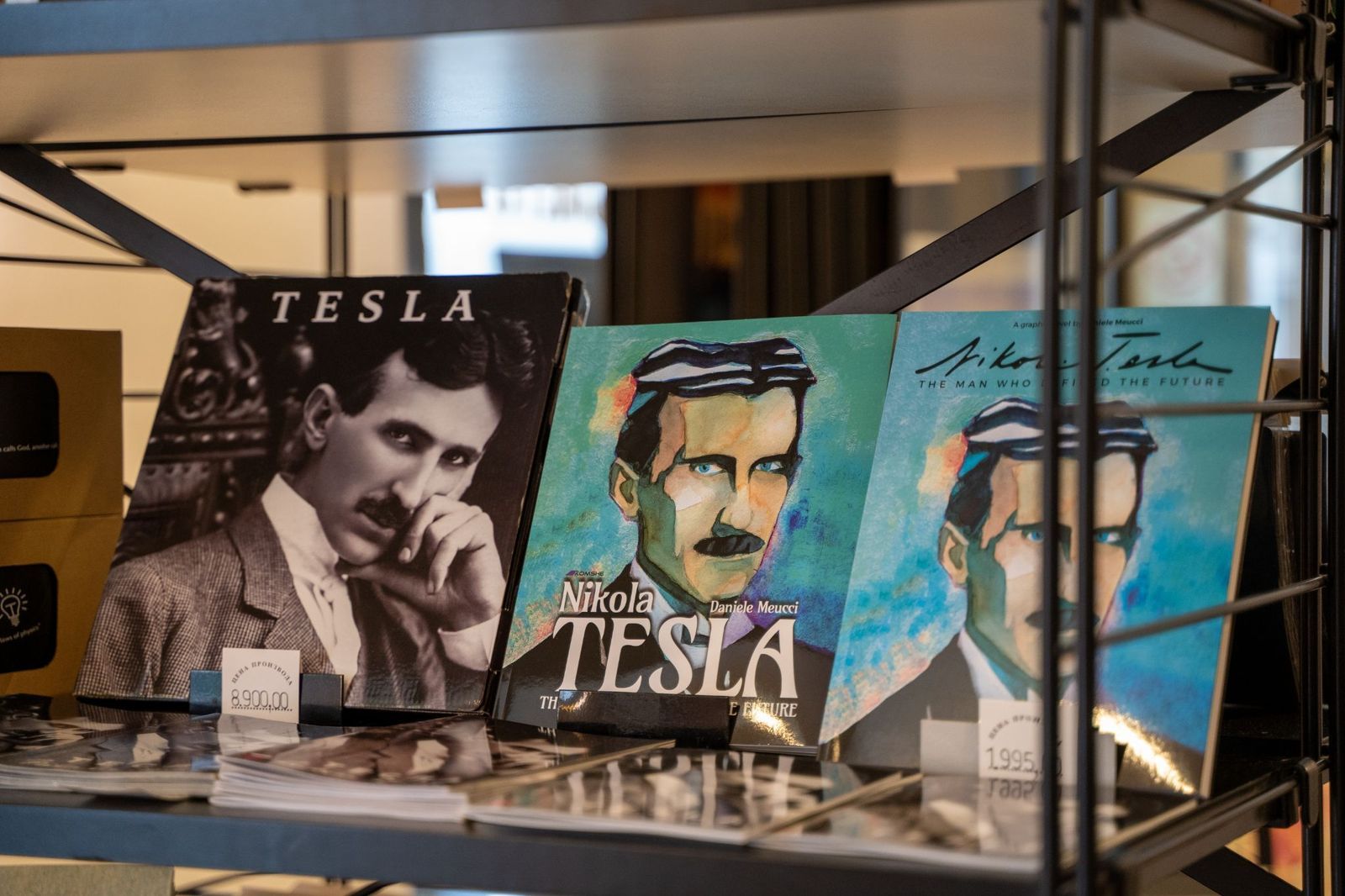
Nikola Tesla was born in 1856 in the Austro-Hungarian Empire, in what is now Croatia. He studied physics and engineering at the Graz University of Technology, but dropped out before receiving a degree. During the early 1880s, he worked at Continental Edison, a French company that manufactured and marketed electrical equipment based on Thomas Edison's patents, and when he migrated to the United States in 1884, he worked for a short time at the Edison Machine Works in New York City.
Tesla is best known for his part in the War of the Currents, in which he and George Westinghouse advocated for Alternating Current, while Thomas Edison advocated for Direct Current. He was an inventive showman who used high-voltage demonstrations to captivate audiences and secure financial backing. His work on AC motors and power transmission made the distribution of electricity over long distances practical, contributing to the electrical infrastructure used around the world today.
7 Louis Pasteur
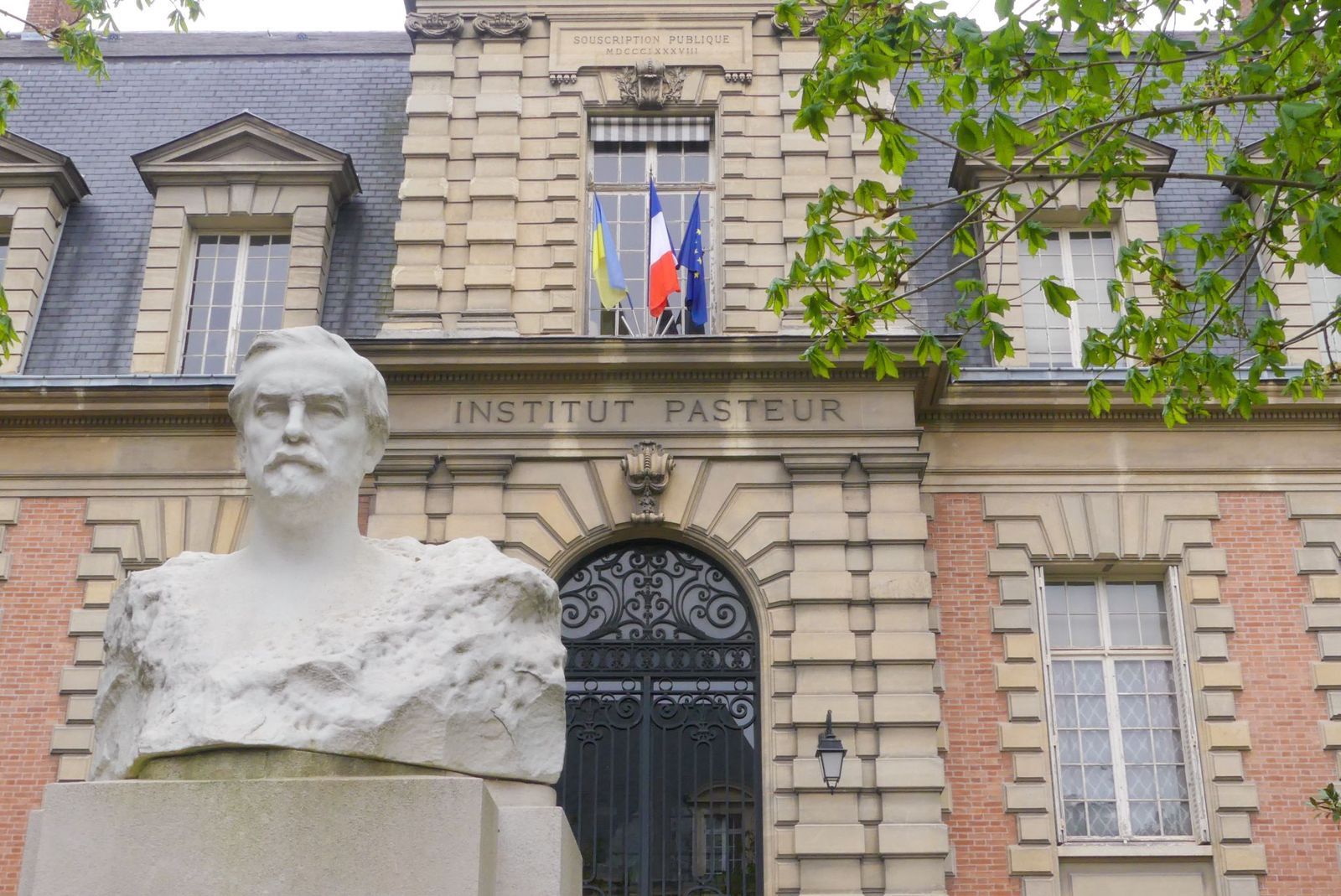
Born in France in 1822, Louis Pasteur lived in a time when the dominant theory was that organisms arose from non-living matter through spontaneous generation. He demonstrated in the late 1850s that, while microorganisms developed in open flasks with direct access to air, they never did in sealed and sterilized flasks. His experiments helped establish the germ theory of diseases , transforming medicine, food safety, and public health.
His accomplishments include discoveries in the fields of vaccination, fermentation, and the development of pasteurization, which is still widely used today in food processing.
8 Alexander Fleming
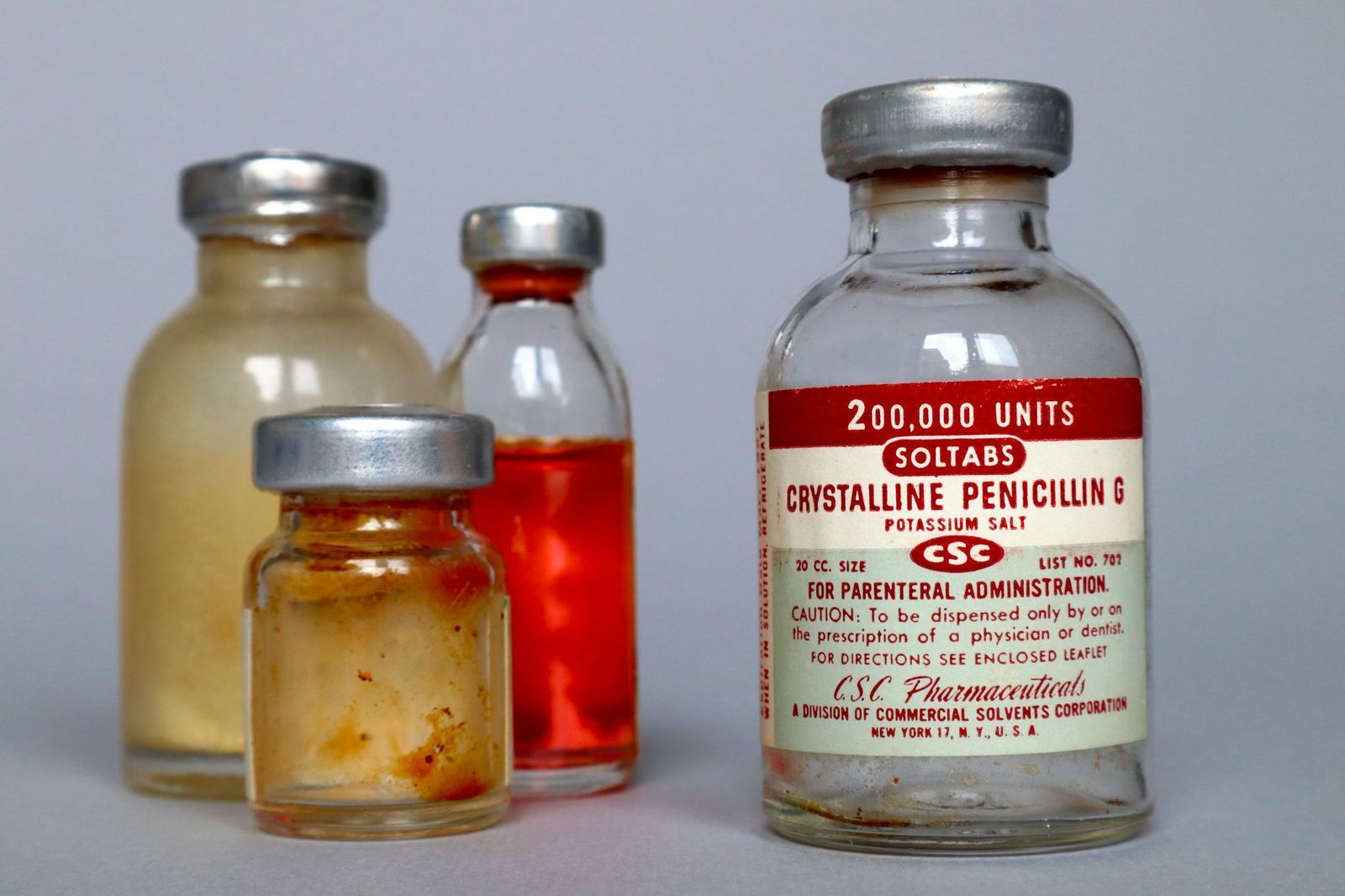
Alexander Fleming was born in Scotland in 1881. At the age of 20, encouraged by one of his older brothers, he enrolled at St Mary's Hospital Medical School to become a physician.
In 1928, Fleming entered his laboratory to find that one of his bacterial cultures of Staphylococcus aureus had been contaminated with mold, specifically with Penicillium rubens . He observed that the colonies of bacteria surrounding the fungus had been destroyed and thus, by accident, he revolutionized modern medicine by discovering a powerful antibiotic.
Fleming grew the mold, fermented it, and tested the effectiveness of the broth in different organisms. He demonstrated that it affected a wide variety of pathogens, including those that cause scarlet fever, pneumonia, and meningitis. Tired of calling his discovery "mold juice," he named it penicillin , after the fungus he produced it from.
9 The Wright Brothers
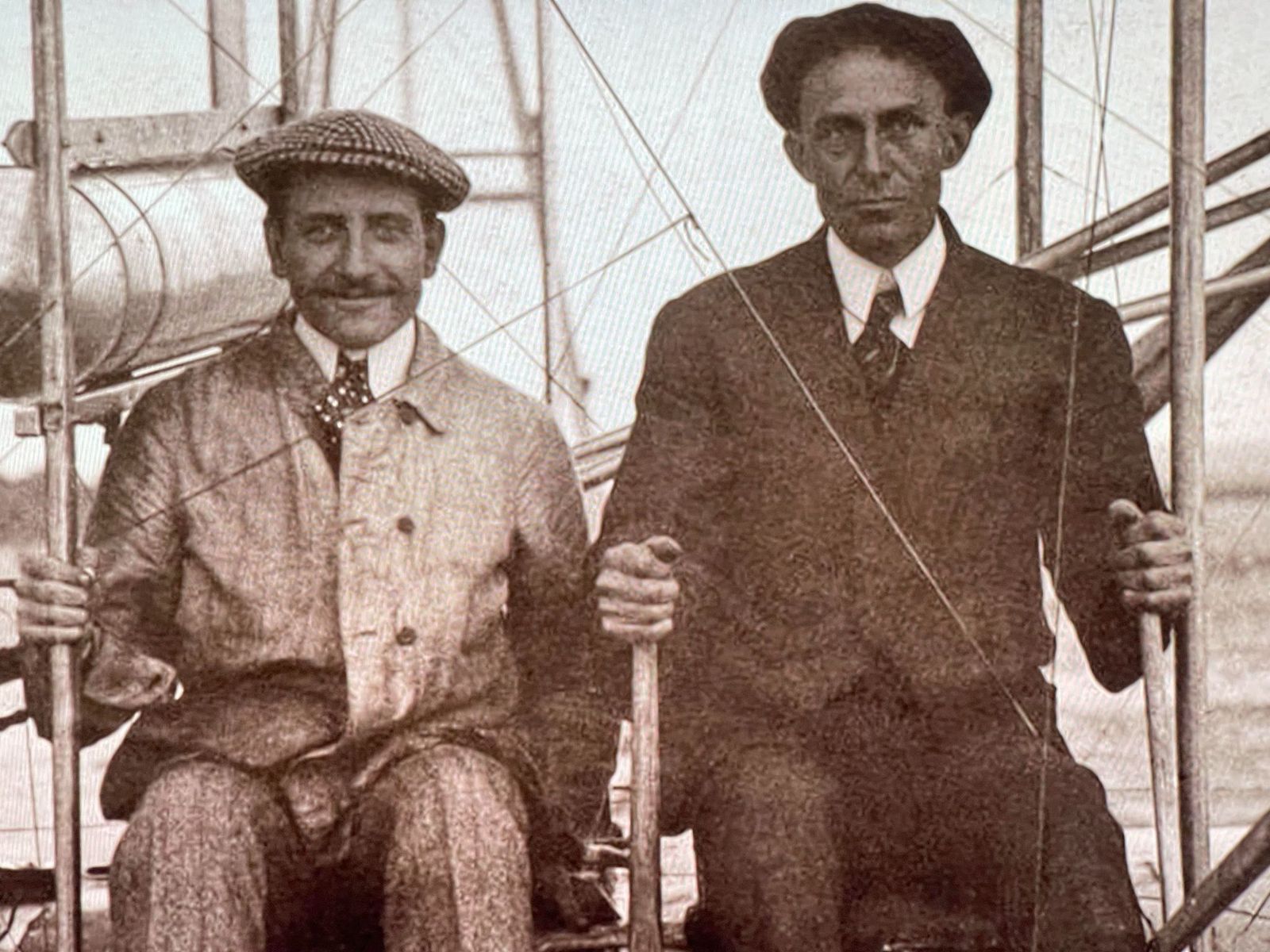
Wilbur and Orville Wright, born in 1867 and 1871, spent their early childhood moving frequently (their father was a bishop), before finally settling in Dayton, Ohio, in 1884.
Capitalizing on the bicycle craze of the 1890s, the brothers opened a sales and repair shop and eventually began manufacturing their own brand, and they were successful enough to fund their growing interest in flight.
After several glider experiments, Wilbur and Orville Wright achieved the first powered, controlled flight of a heavier-than-air aircraft in December 1903 near Kitty Hawk, North Carolina. Their development of a three-axis control system made powered flight possible and remains standard on airplanes today.
10 Alexander Graham Bell
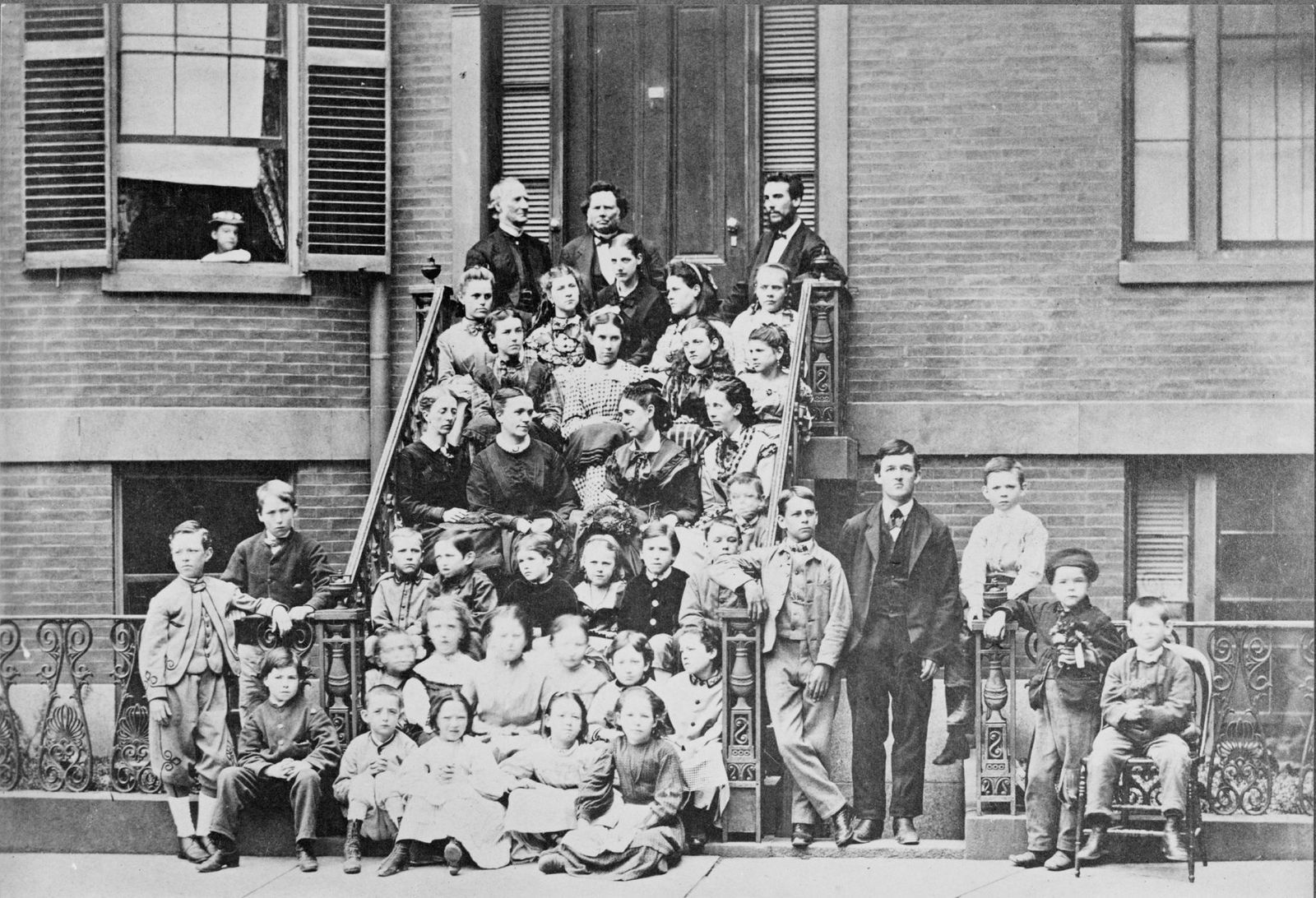
Born in Edinburgh, Scotland, in 1847, Alexander Graham Bell devoted much of his early career to teaching deaf students and studying the mechanisms of hearing, elocution, and speech. Both his mother and wife were deaf, which greatly influenced his life's work.
Bell's research on hearing and speech led him to experiment with hearing aid devices. In 1876, he was awarded the first US patent for the telephone , a device capable of transmitting recognizable speech electrically over a wired connection.