Made the cut
Benjamin Franklin personally founded this Ivy League school

The eight Ivy League schools go beyond their rigorous academic standards and competitive admissions process. They have also built a fascinating history of traditions, symbols, rivalries, and unusual stories. From Harvard's centuries-old campus to Yale's secret societies and Princeton's famous tiger, each university has its own traditions that have become part of American culture.
1 Harvard: America’s oldest university
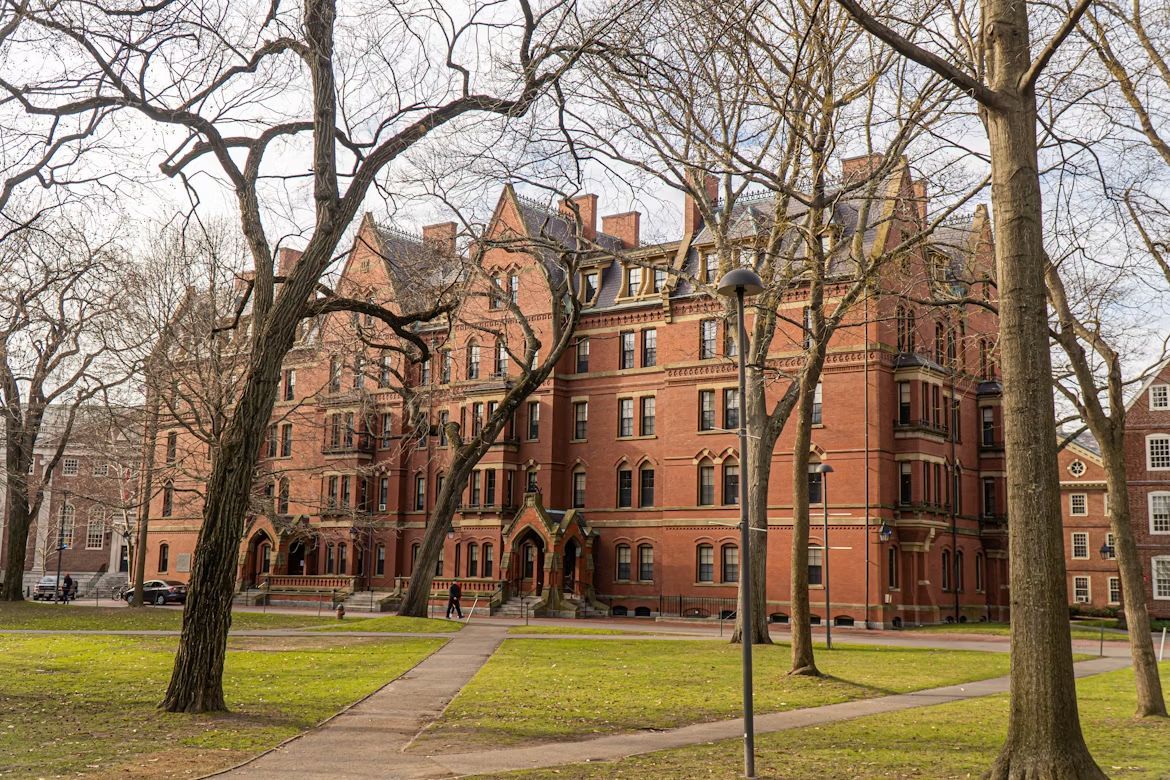
Founded in 1636, Harvard is the oldest university in the United States and the most recognizable name in higher education around the world. Located in Cambridge, Massachusetts, its name has become associated with prestige, power, and elite networking, attracting students who go on to shape politics, business, science, literature, and the arts.
Harvard's alumni list reads almost like a who's who of American history and culture. Eight U.S. presidents, including John F. Kennedy, Franklin D. Roosevelt, and Barack Obama, attended Harvard, as did writers such as T.S. Eliot and Norman Mailer, Microsoft co-founder Bill Gates, and Facebook co-founder Mark Zuckerberg. And then there is the famous John Harvard statue: visitors still rub its left foot for good luck, a habit that has made the bronze sculpture one of the university's most recognizable landmarks.
2 Yale: Prestige, tradition, and secret societies
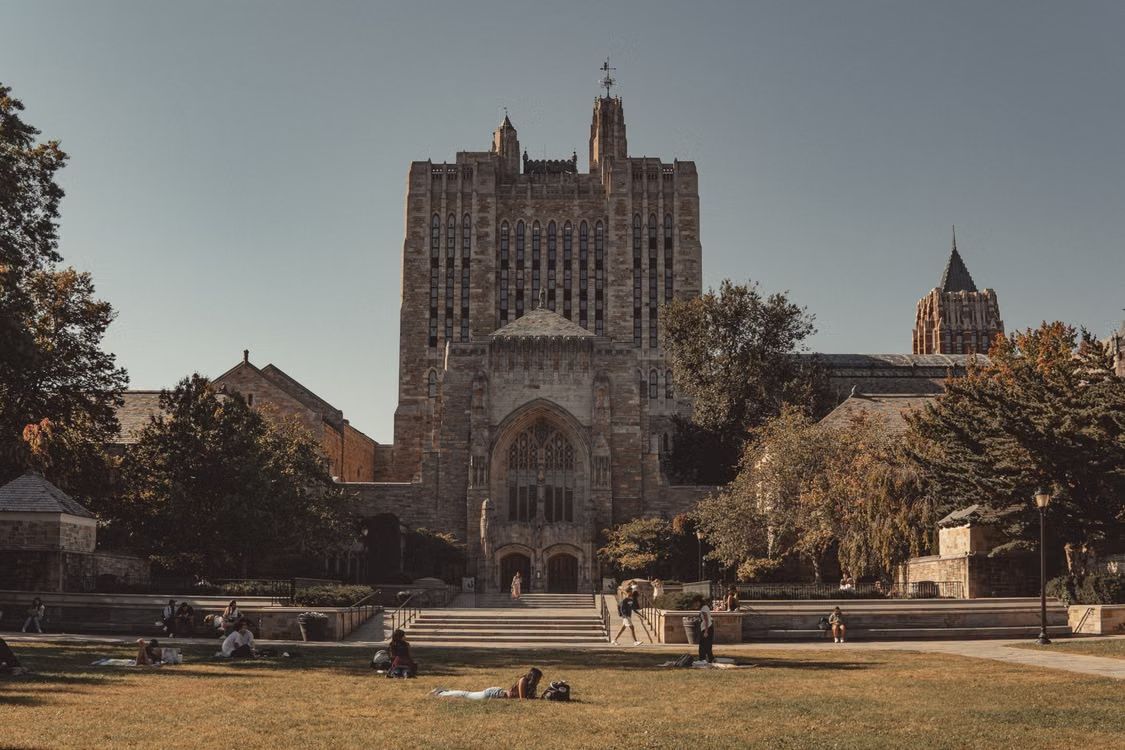
Located in New Haven, Connecticut, Yale has built a global reputation for academic excellence since its founding in 1701. The university is particularly known for its top-ranked programs in law and the humanities, attracting students interested in fields such as literature, history, political science, and the arts.
One of Yale's most intriguing traditions is its network of secret societies , selective student groups whose members meet privately and keep much of their activities and traditions confidential. The best-known, Skull and Bones, was founded in 1832 and holds its meetings in a stone building nicknamed the "Tomb." Other societies include Scroll and Key and Wolf's Head. Yale has also produced generations of prominent alumni, from presidents George H.W. Bush and George W. Bush to actress Meryl Streep and writer J.D. Salinger.
3 Princeton: A historic university with a tiger mascot
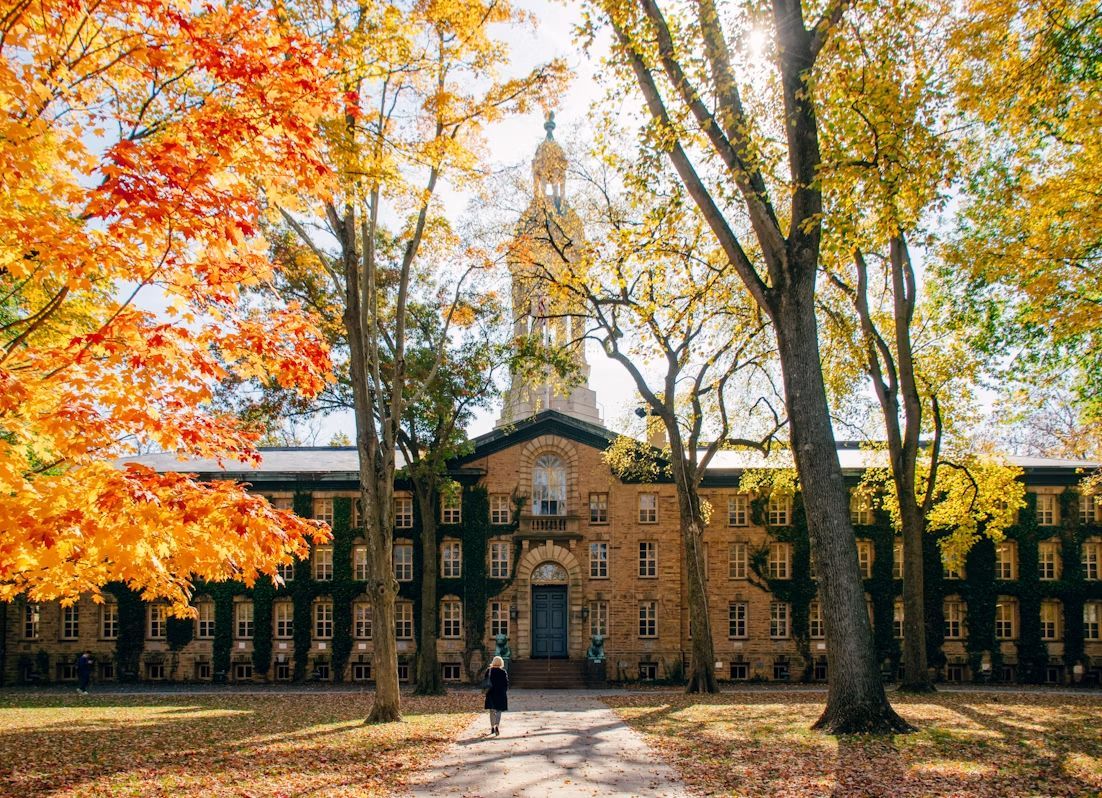
Princeton University was founded in 1746 and was originally established in Elizabeth, New Jersey; it moved to its current home in Princeton in 1756, where its historic campus has become one of the most recognizable in American higher education. Princeton is especially known for its strong undergraduate education, frequently ranking as the No. 1 National University in the United States.
The school's tiger tradition dates to the late 19th century, when orange and black became associated with Princeton athletics and the animal began appearing in student cheers and publications. The university has produced plenty of famous ‘’tigers’’ as well, including President Woodrow Wilson, First Lady Michelle Obama, actor James Stewart, and Amazon founder Jeff Bezos. Today, tiger statues and orange-and-black colors remain part of campus life.
4 Columbia: The Ivy League university in New York City
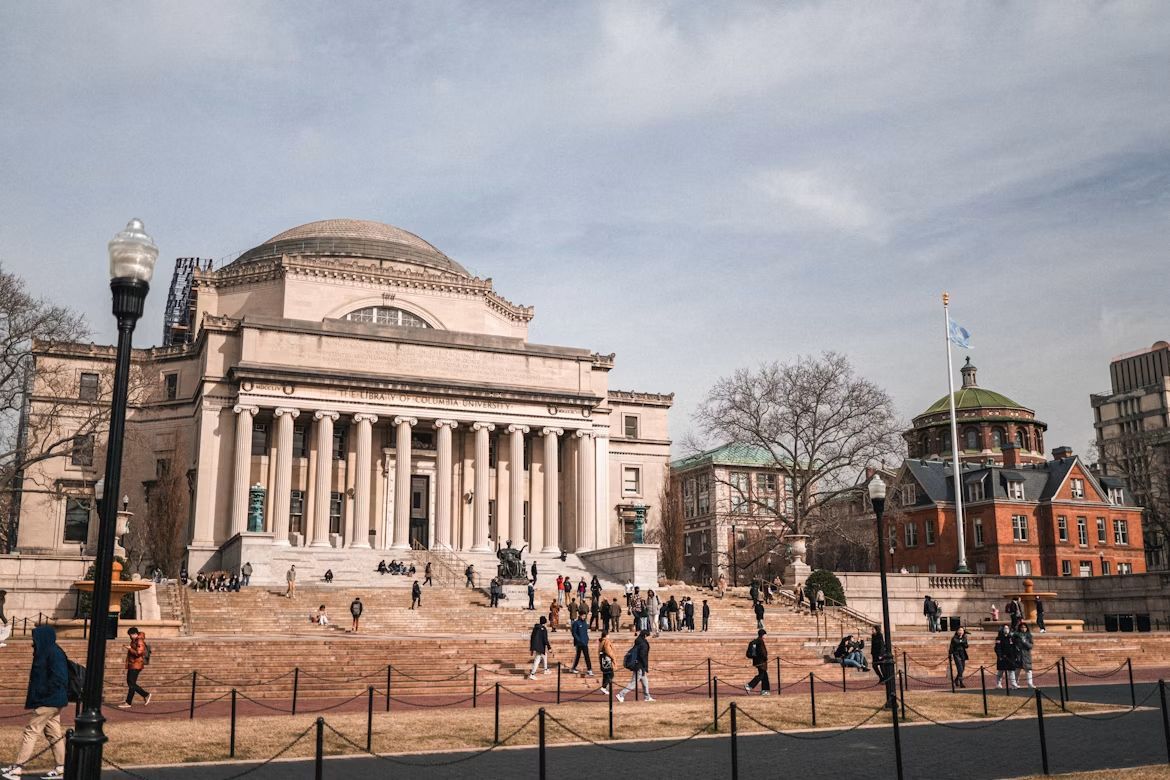
Founded in 1754 as King's College, Columbia University is the only Ivy League school in New York City. It began with just eight students in a schoolhouse near Trinity Church in lower Manhattan before moving to its current campus in Morningside Heights. Today, Columbia is especially known for its influence in journalism, literature, law, business, and medicine, with professional schools such as Columbia Law School and Columbia Business School.
Its connection to journalism and literature is particularly strong: Columbia administers and awards the annual Pulitzer Prizes , one of the most prestigious honors in American journalism and the arts. Its notable alumni include Warren Buffett, Alexander Hamilton, and actress Kate McKinnon.
5 Brown: The Ivy League school with an open curriculum
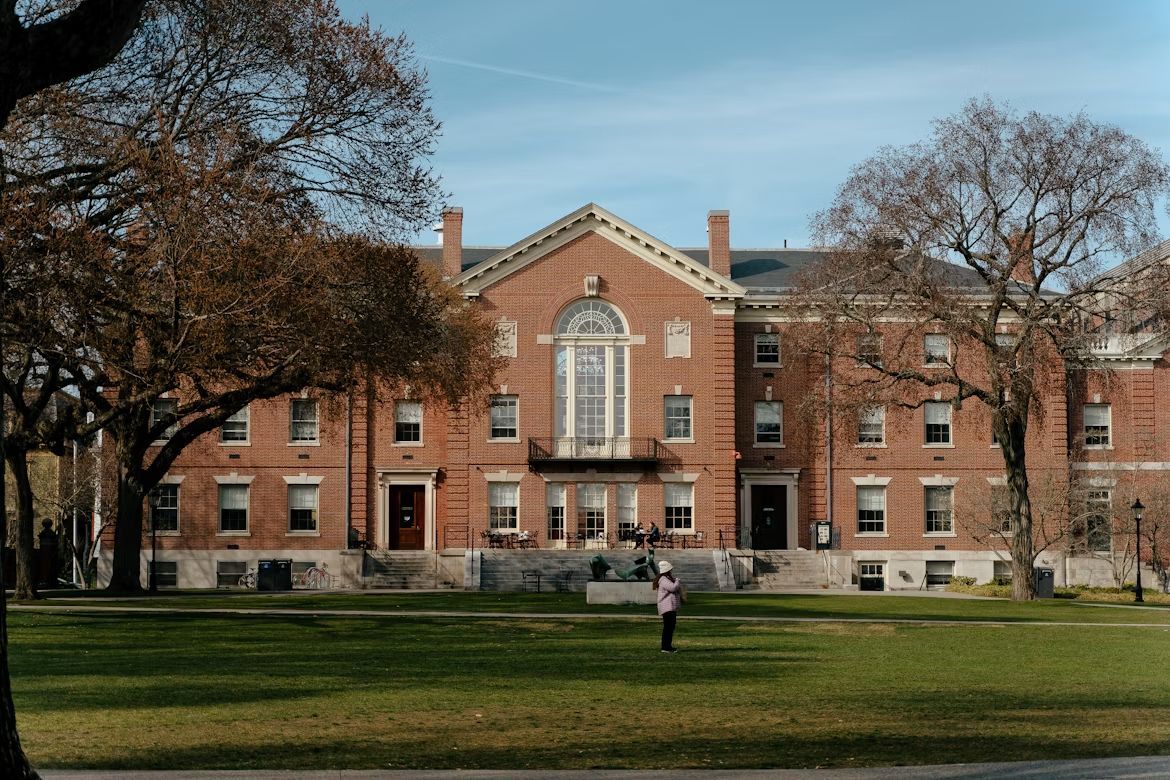
Brown University dates back to 1764, when it was founded in Warren, Rhode Island, before moving to Providence in 1770. At a time when many American colleges were affiliated with specific Christian denominations, Brown took a more open approach, welcoming students regardless of their religious beliefs. Today, Brown is known for its innovative undergraduate education and its emphasis on giving students more control over what they study.
That philosophy is most visible in the Open Curriculum, adopted in 1969. Unlike most universities, Brown does not require undergraduates to complete a traditional set of general education courses, allowing them to build a more personalized course of study. The approach has become one of Brown's defining traditions and has been followed by notable alumni including Emma Watson, John F. Kennedy Jr., and CNN founder Ted Turner.
6 Dartmouth: The smallest Ivy League school
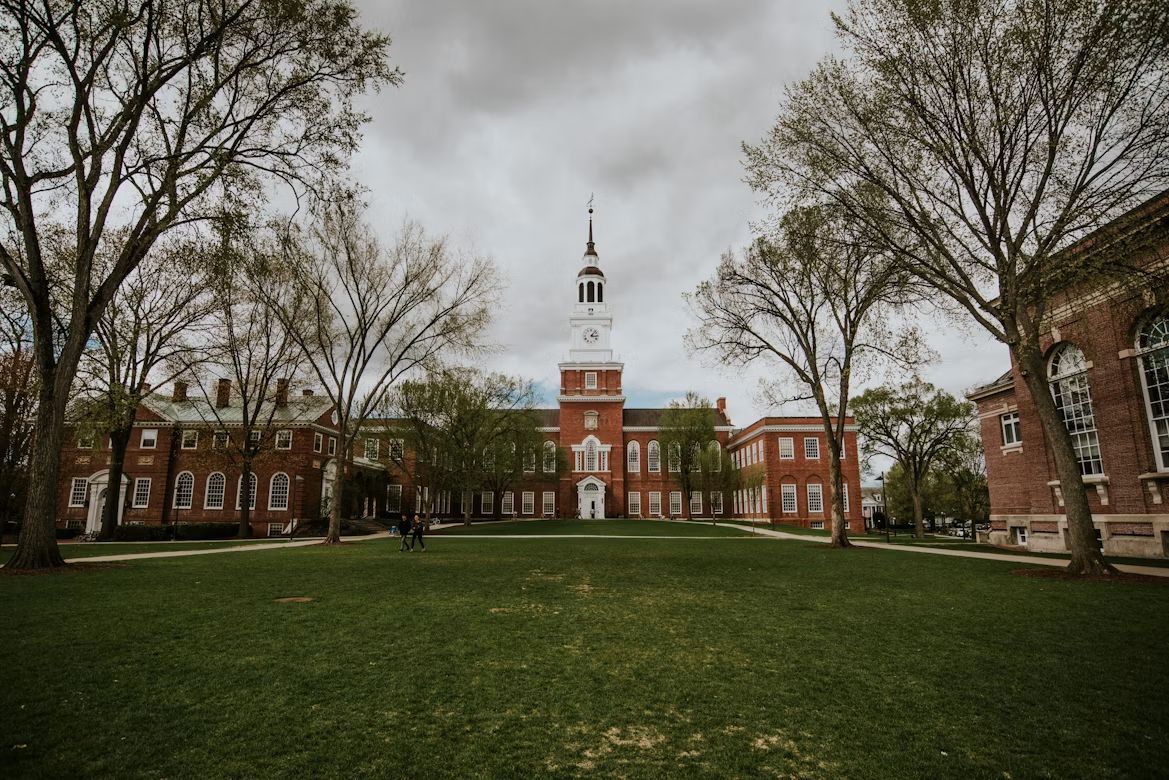
Dartmouth College is the smallest of the eight Ivy League schools. Founded in 1769, the university's campus is in Hanover, New Hampshire, along the Connecticut River, giving it a setting quite different from that of Ivy League schools in cities such as New York and Philadelphia. Dartmouth is particularly known for its strong undergraduate focus, close-knit community, and connection to the outdoors.
That outdoor spirit is reflected in traditions such as the Dartmouth Outing Club, founded in 1909, and the college's famous Winter Carnival. Dartmouth also played a role in an important Supreme Court case: Dartmouth College v. Woodward in 1819 helped establish protections for private institutions from state interference. Its notable alumni include statesman Daniel Webster, who argued the case before the Court, and former Treasury Secretary Timothy Geithner.
7 Cornell: The Ivy League school that dared to be different
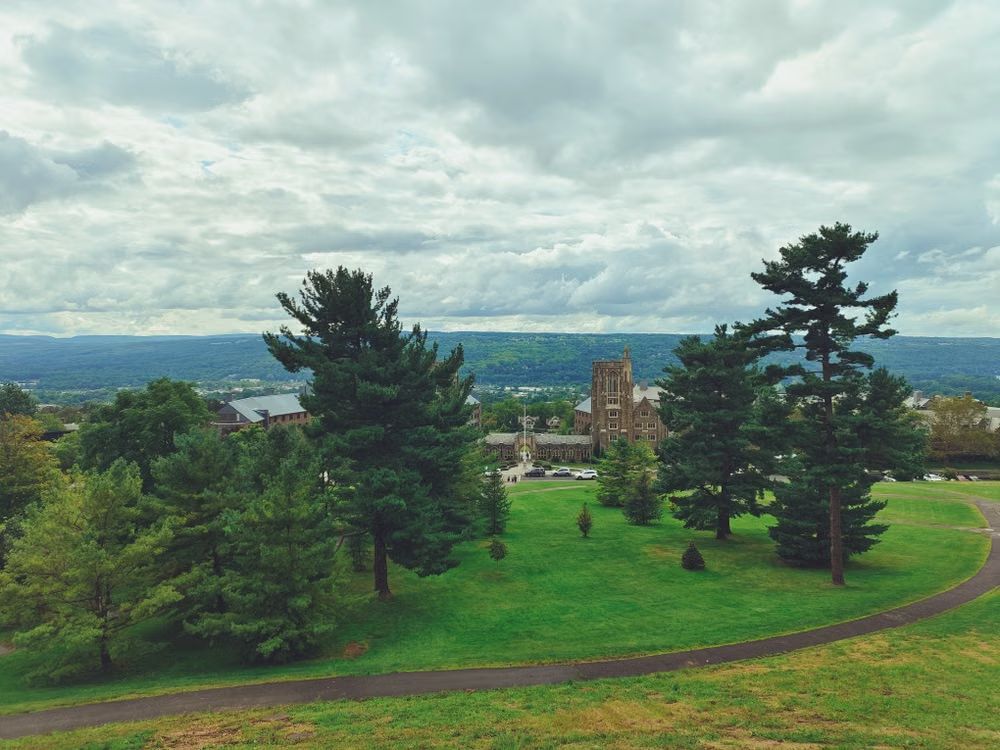
Cornell University was founded in 1865 by businessman Ezra Cornell and educator Andrew Dickson White. Located in Ithaca, New York, Cornell is now known for programs ranging from engineering and agriculture to business, hotel administration, and the arts.
Cornell's unusual breadth is part of what makes it stand out among the Ivies. Its founder envisioned a university where students could pursue "any study," bringing together fields that were rarely offered under one roof at the time. Cornell has also produced notable alumni including writer E.B. White, Supreme Court Justice Ruth Bader Ginsburg, author Toni Morrison, scientist Bill Nye, and physicist Richard Feynman.
8 University of Pennsylvania: Benjamin Franklin's university
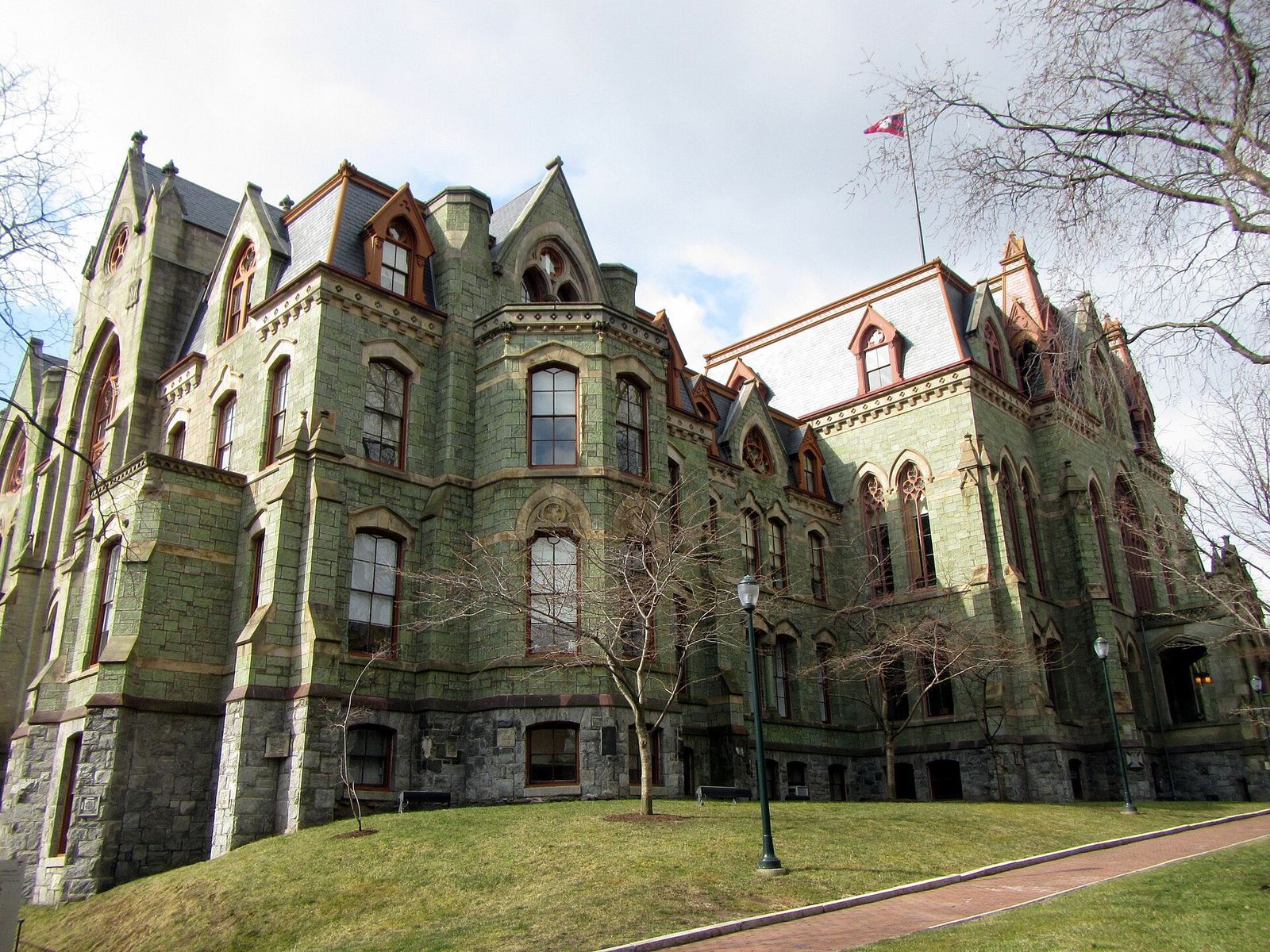
Benjamin Franklin founded the University of Pennsylvania, known as Penn , in 1740, envisioning a school that would prepare students for practical life. Today, Penn is an Ivy League research university best known for the world-renowned Wharton School and the Perelman School of Medicine, which grew from the first medical school in the American colonies.
Franklin's practical approach left a lasting mark on the university. Penn established its medical school in 1765, while Wharton, founded in 1881, became the first collegiate business school in the United States . Its notable alumni include President Donald Trump, Elon Musk, Warren Buffett, and singer John Legend, while Wharton remains one of the most recognizable names in business education.
9 Why are they called the Ivy League?

The name Ivy League combines the ivy-covered buildings of these historic colleges with a nickname from college football. Many of the schools' old brick and stone buildings are covered in climbing ivy plants. In 1933, New York Herald Tribune sportswriter Stanley Woodward called a group of older Northeastern universities "ivy colleges," and "Ivy League" appeared in print by 1935.
The schools signed the Ivy Group Agreement in 1945 to regulate football and formed the Ivy League as an official NCAA conference in 1954. The name eventually came to represent not only college athletics, but also the schools' academic prestige, selective admissions, and long histories.
10 The great Ivy League rivalries
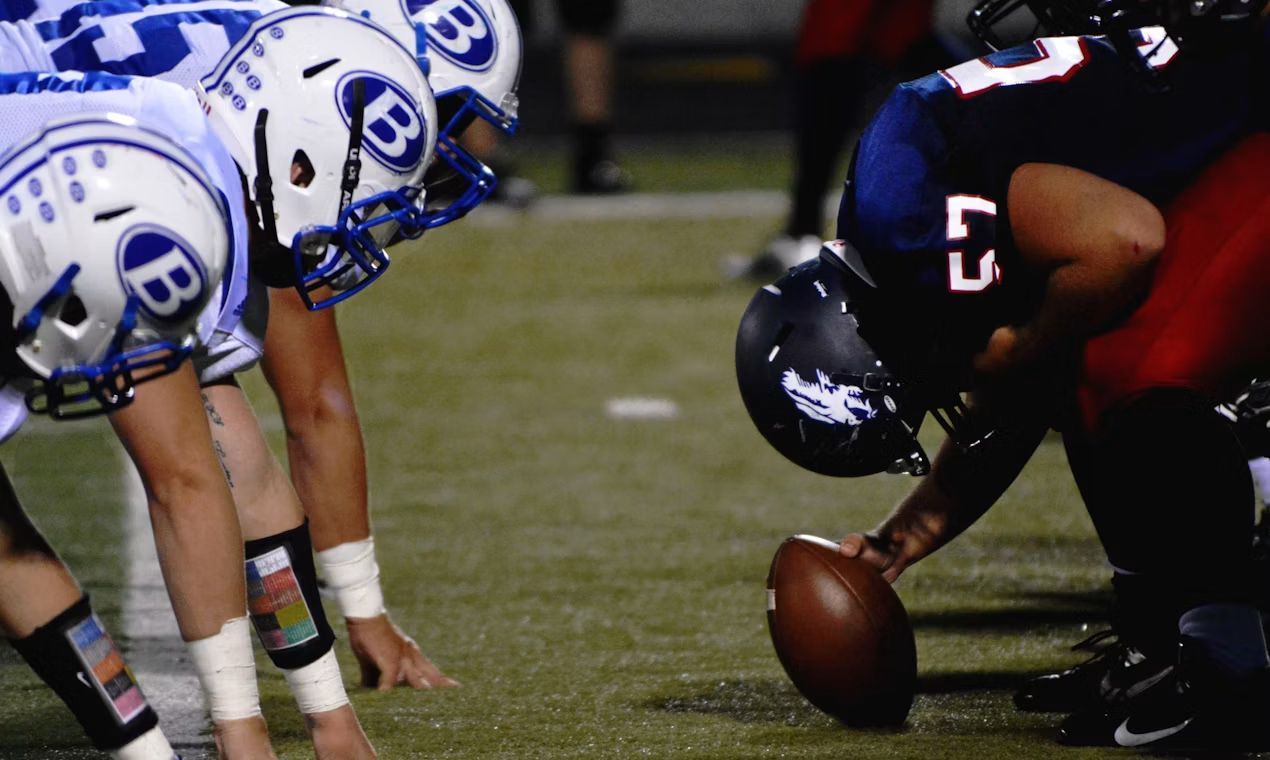
Competition has always been part of Ivy League life, with some matchups dating back more than a century. The most famous is Harvard-Yale, whose football rivalry began in 1875 and is known simply as "The Game." Princeton-Yale is another historic football rivalry, while Cornell and Dartmouth have developed a particularly strong tradition in men's ice hockey.
These rivalries have become traditions that extend well beyond the games themselves. Alumni return to campus, students wear school colors, and generations of fans pass down songs, rituals, and stories surrounding the matchups. For universities with such long histories, the rivalries are one way old traditions remain part of campus life today.