Nature’s genius
What a wonderful world: Amazing nature facts
The world is full of little wonders hiding in plain sight. A forest can share warnings beneath our feet, a tiny frog can survive being frozen, and dolphins can call each other by their own special whistles. The more we learn about nature, the more there is to admire. These fascinating facts offer a glimpse at just how remarkable life on Earth can be. And once you discover what is happening all around us, the world feels a little more wonderful.
1 Trees have a hidden network
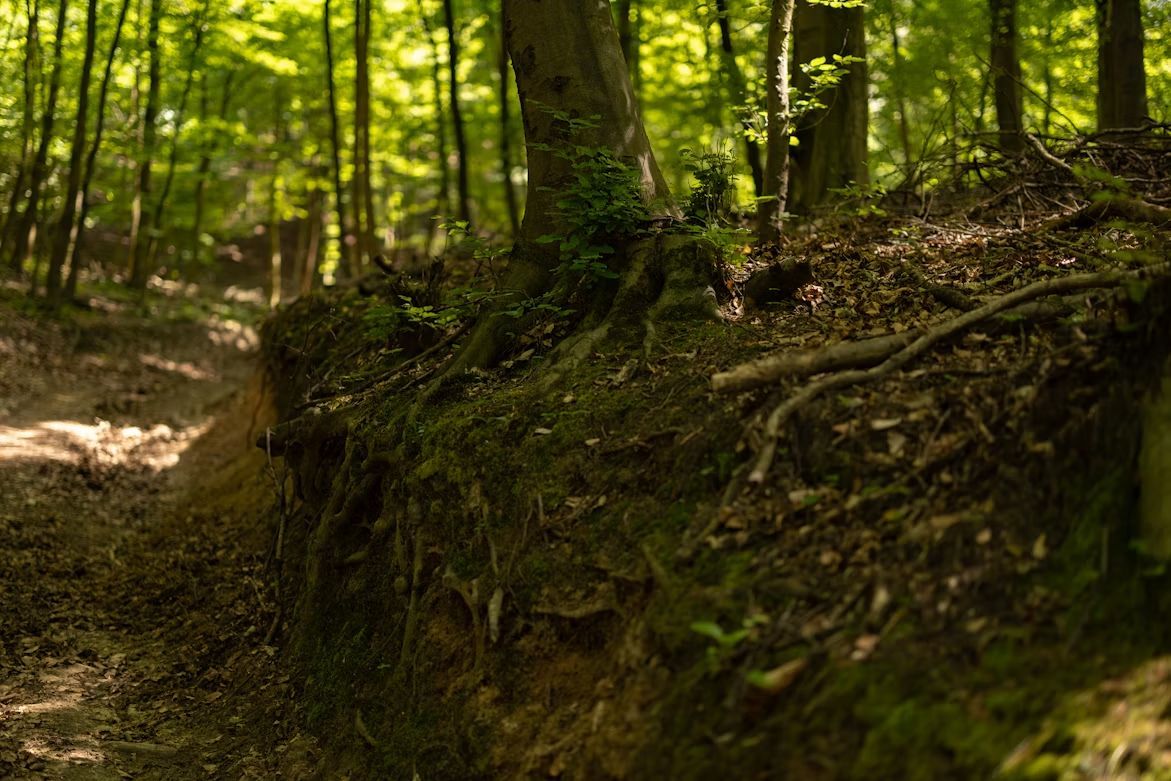
A forest may look peaceful above ground, but beneath the soil, trees can be connected by networks of fungi. These underground partnerships, often called mycorrhizal networks, link plant roots and can allow resources and chemical signals to move between plants.
When a tree is attacked by insects or otherwise stressed, research suggests that signals can sometimes travel through these networks and influence nearby plants . It is not quite a forest "conversation" in the human sense, but the hidden connections show that trees are far more interconnected than they appear.
2 Dolphins have signature "names" for one another
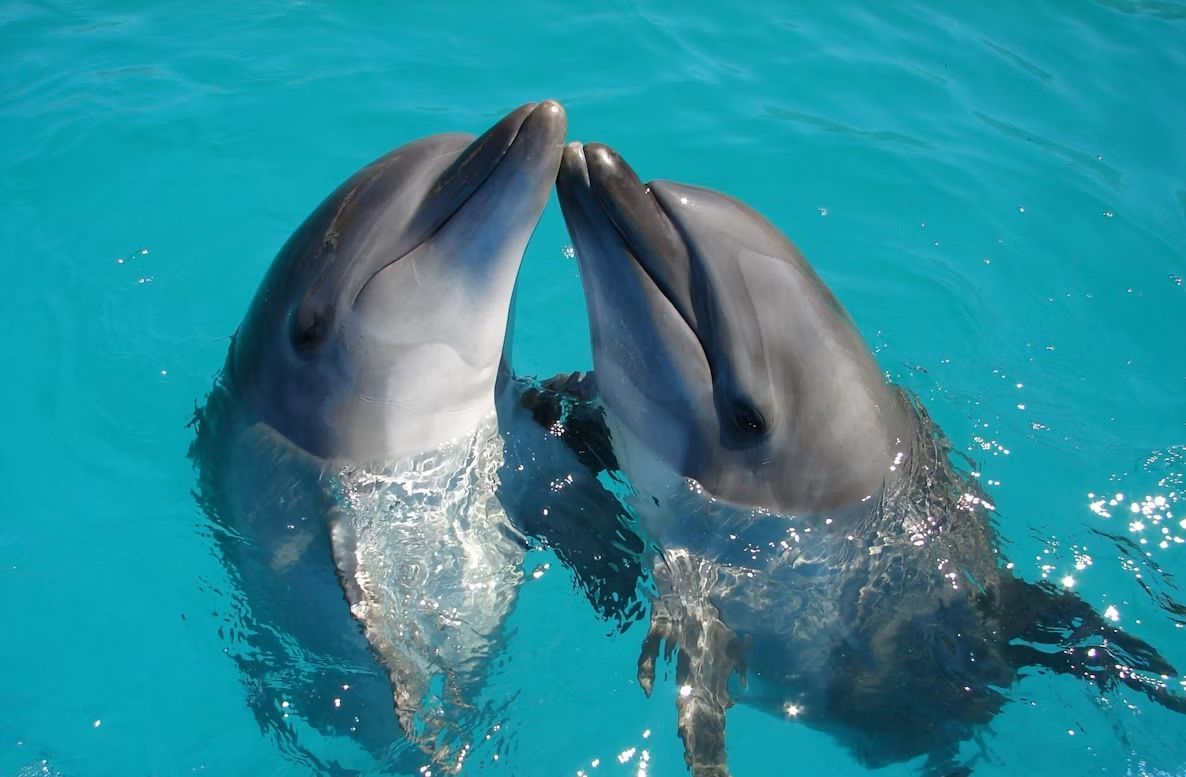
Dolphins have a surprisingly sophisticated way of identifying individuals. Each bottlenose dolphin develops a distinctive signature whistle, and other dolphins can use these whistles to recognize and address particular individuals .
Scientists have compared these sounds to names, although the system is not the same as human language. Even so, the ability to identify one another with unique vocal signals is another indication of the complex social lives of these highly intelligent marine mammals.
3 Bees communicate through dance
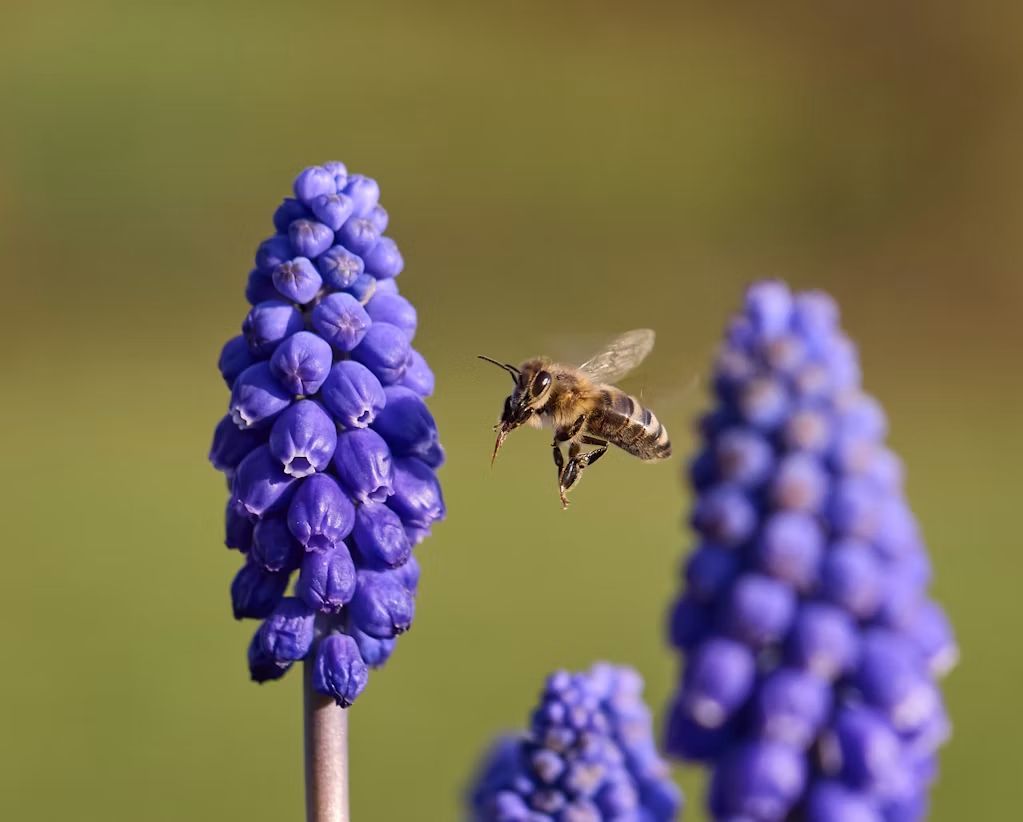
A honeybee can give its hive mates directions without saying a word. When a worker bee finds a good source of food, it can perform a distinctive movement known as the waggle dance, using the direction and duration of the dance to communicate information about the food's location.
The dance is especially impressive because it conveys both direction and distance relative to the sun. Other bees can interpret these movements and then fly out to search for the flowers or other food source. For such a tiny insect, it is an astonishingly sophisticated communication system.
4 Crows can remember human faces
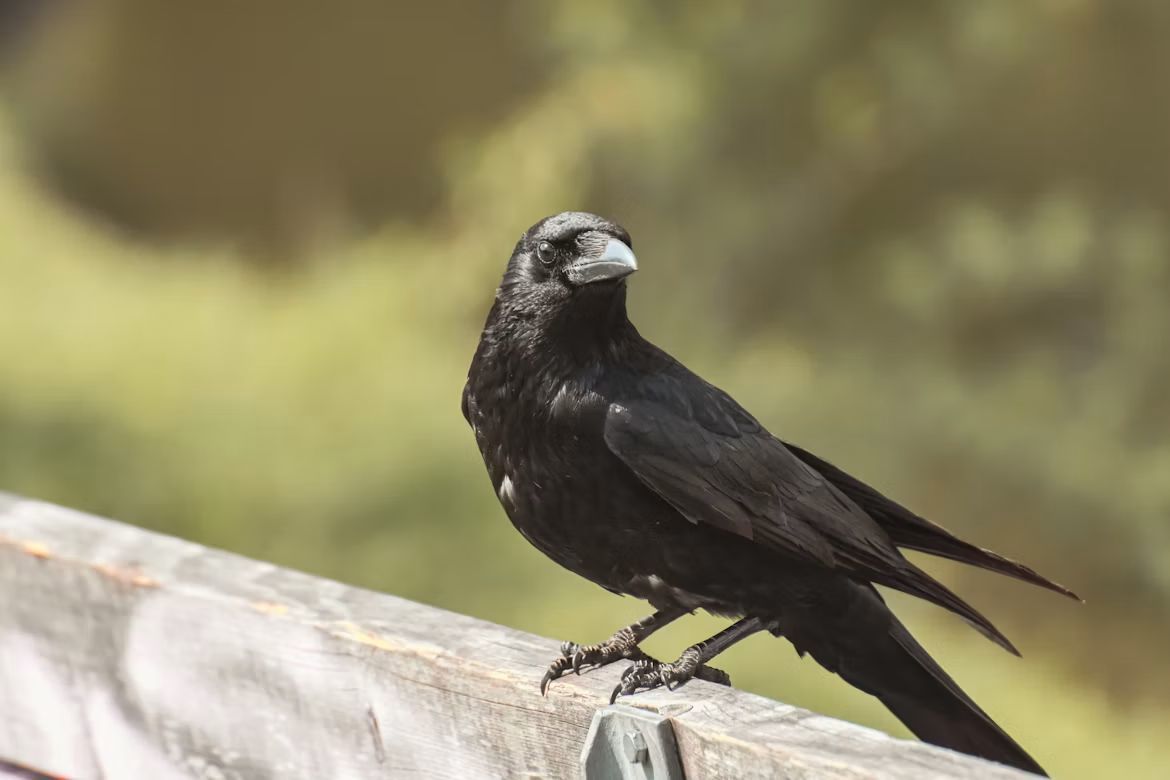
A crow may remember a human face long after an encounter is over. Studies have found that crows can recognize and remember individual human faces, particularly faces associated with a negative experience.
Their remarkable memory can last for years, and crows have been observed reacting differently to people they recognize. For a bird with such a sharp memory, a familiar face may be much harder to forget than you might think.
5 Elephants remember their own
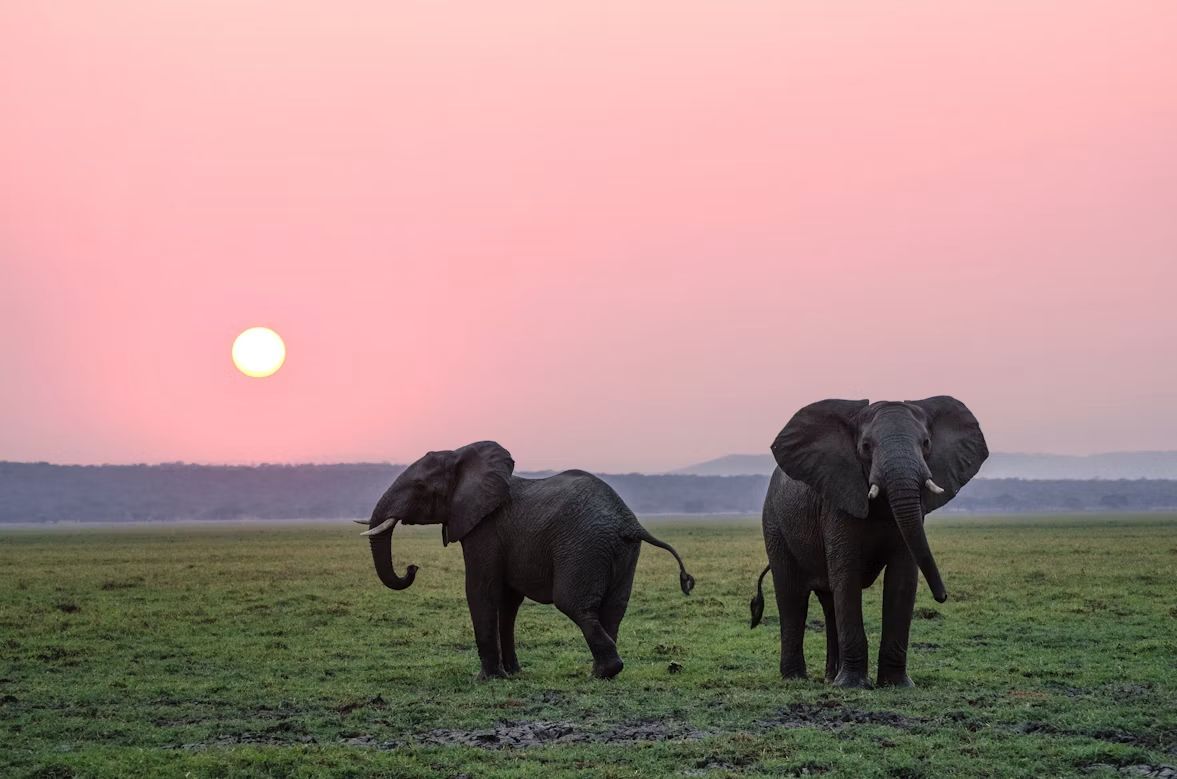
Elephants appear to show unusual interest in the bodies and bones of other elephants. Researchers and observers have documented elephants approaching, touching, smelling, and sometimes remaining near the remains of a dead elephant, even long after its death.
Scientists continue to study what this behavior means. It may involve curiosity, recognition, or a response to the loss of a member of their group. Whatever the explanation, these encounters are among the most moving examples of complex behavior observed in the animal kingdom.
6 Ants can build cities underground
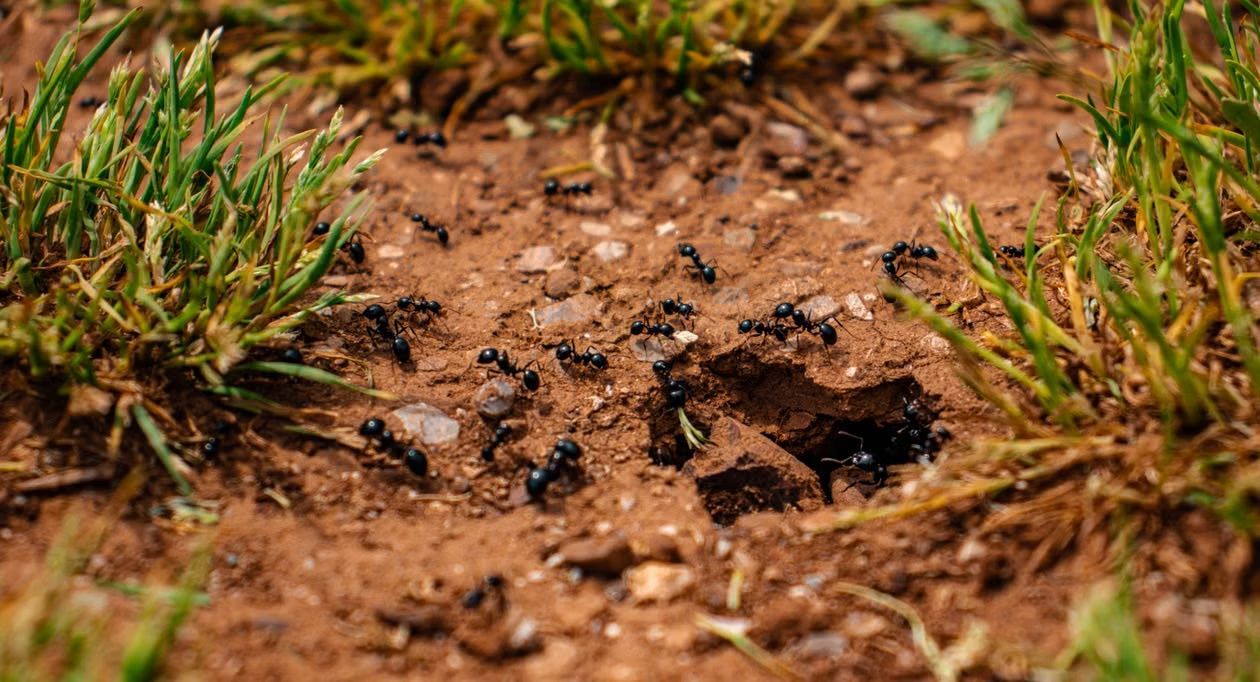
Look beneath an anthill, and you may find something far more elaborate than a simple hole in the ground. Some ant colonies construct extensive underground networks containing tunnels, chambers, nurseries, food-storage areas, and pathways connecting different parts of the colony.
These structures can be created by thousands or even millions of tiny workers, each following simple rules rather than a central blueprint. Together, they produce complex underground communities that function almost like miniature cities.
7 Some frogs can freeze solid and survive
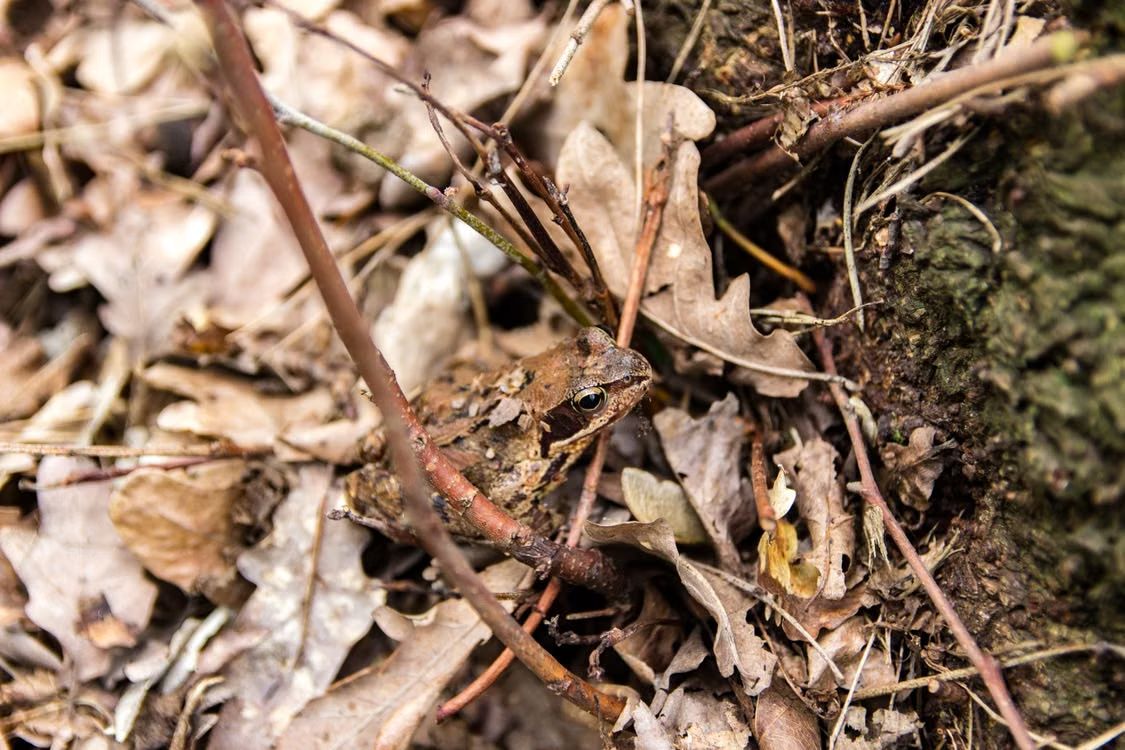
For some frogs, winter means doing something that sounds impossible: freezing. The wood frog, found across parts of North America, can survive when much of its body freezes during the coldest months.
Its heart can stop, breathing can cease, and ice can form in parts of its body. Special substances such as glucose help protect its cells from the damage that freezing would normally cause. When temperatures rise, the frog thaws and its body gradually starts functioning again. Again, an extraordinary survival strategy hidden in one of nature's smallest creatures.
8 Octopuses may dream, too
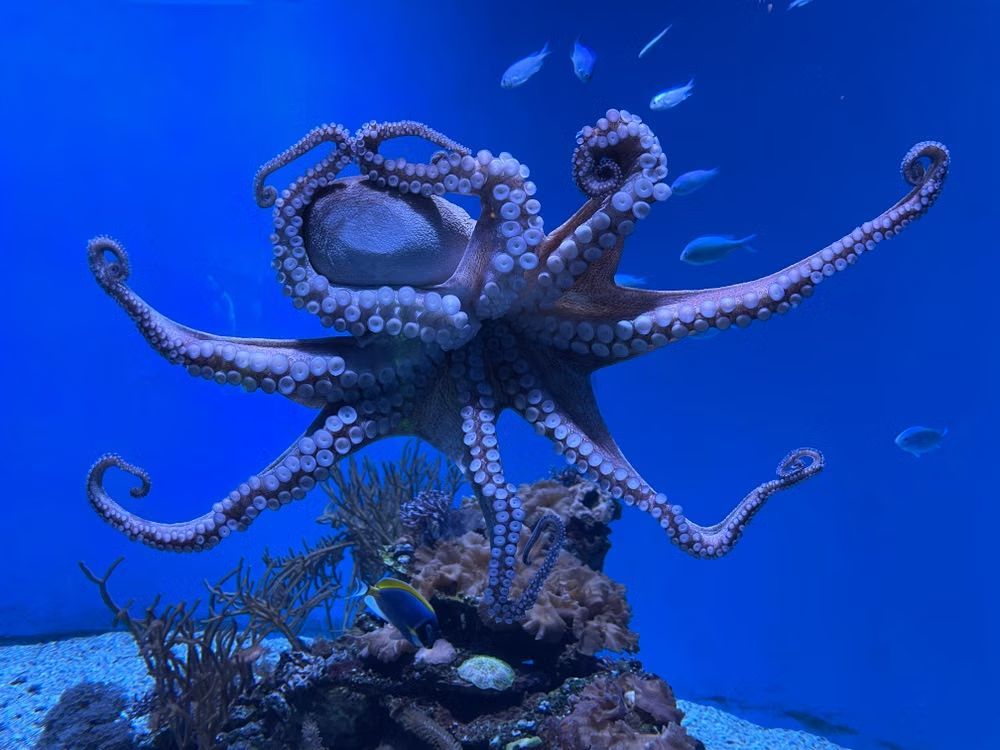
An octopus doesn't just curl up and switch off when it sleeps. During a phase known as active sleep, scientists have observed changes in its skin color and patterns, along with movements of its eyes, arms, and body. The behavior resembles a phase of sleep associated with dreaming in humans.
Researchers are still cautious about saying that octopuses definitely dream because, of course, they cannot tell us what they experience. But their unusual sleep behavior raises the intriguing possibility that these intelligent creatures may have something resembling dreams of their own.
9 A cat's purr may be healing

A cat's purr is more than a comforting sound. Domestic cats generally purr at frequencies around 25 to 150 hertz, a range that overlaps with frequencies studied for their possible effects on bones, muscles, and other tissues.
That has led to plenty of interest in whether purring could have a biological benefit for cats themselves. Scientists have not established that a cat's purr actually heals injuries, so the idea should not be treated as proven medicine. Still, the possibility adds another intriguing dimension to one of the most familiar sounds in the animal world.
10 Life returns after the flames
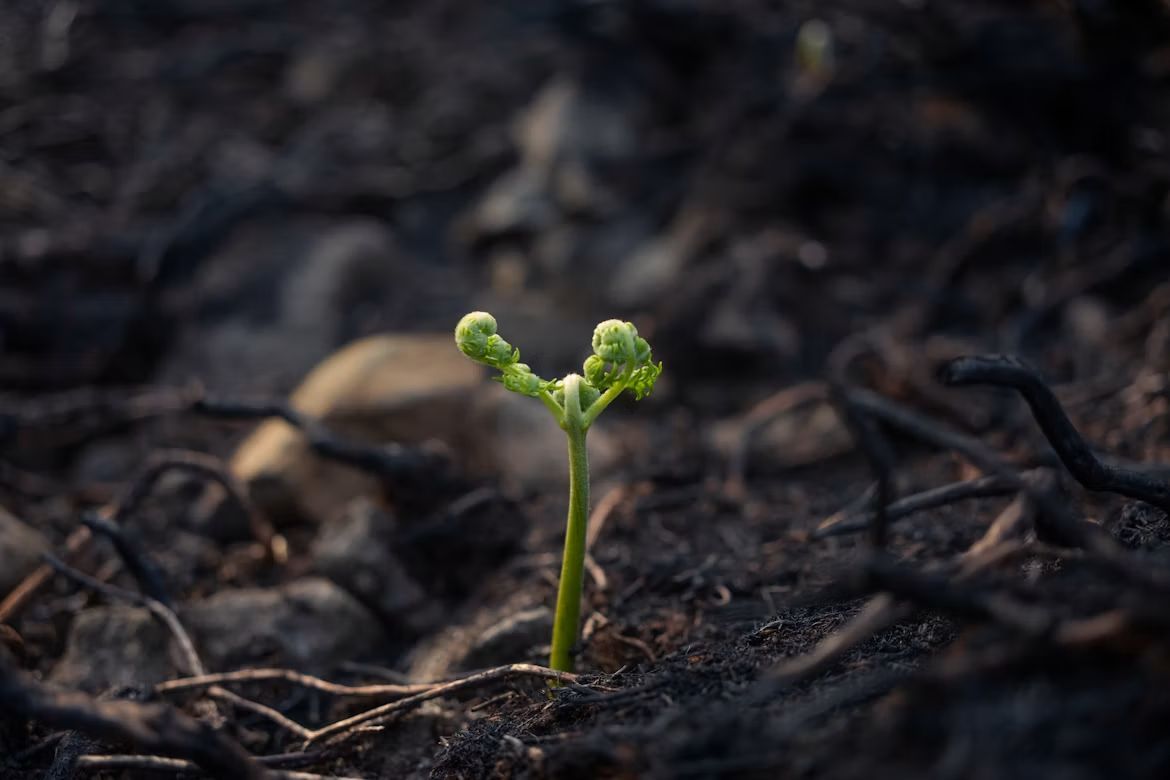
A landscape after a wildfire can look almost lifeless, but recovery may begin sooner than it seems. Some plants are specially adapted to fire, with seeds that remain dormant in the soil until heat, smoke, or other conditions trigger them to germinate.
As new growth appears, wildflowers can add unexpected bursts of color to a blackened landscape. Their return is more than beautiful: it can be an early sign that the ecosystem is beginning the long process of regeneration.