What a wonderful world
When nature breaks its own rules: 10 phenomena explained
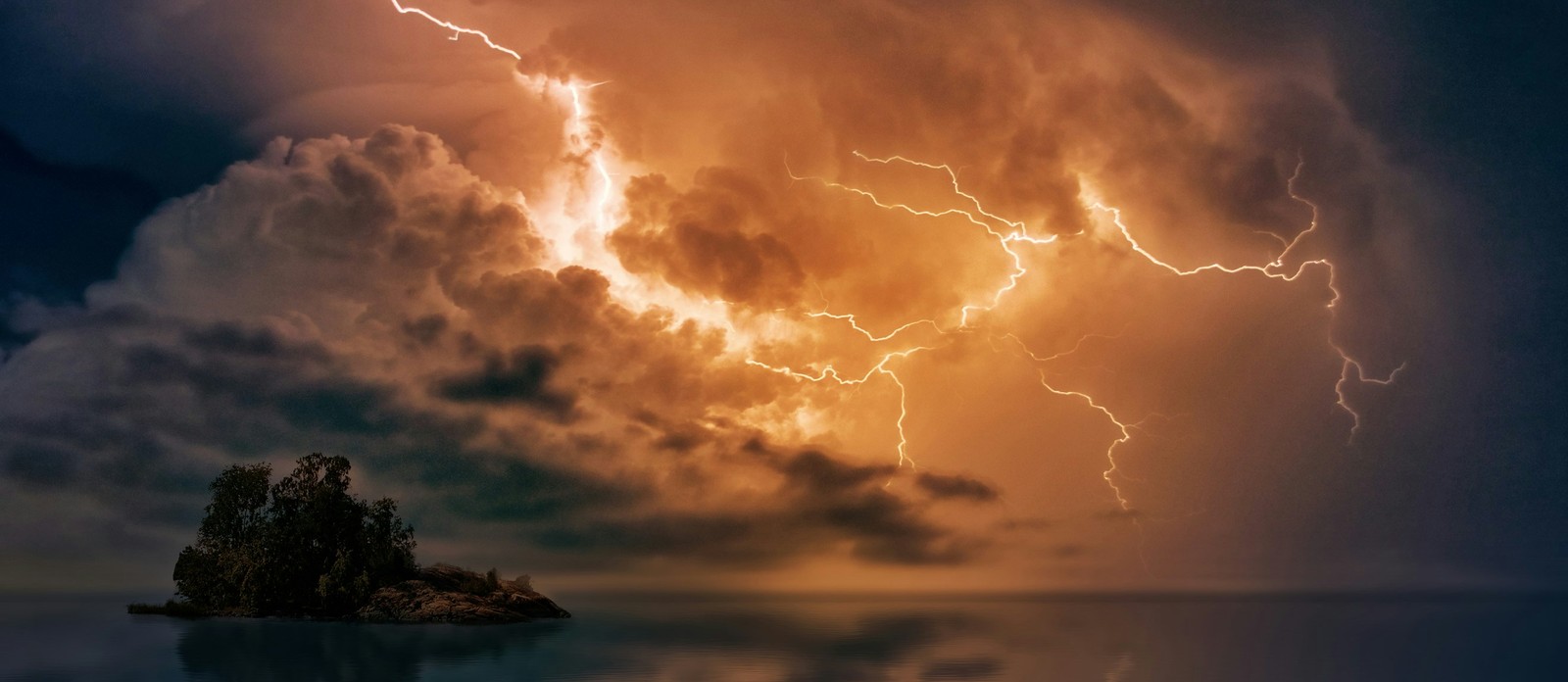
Nature sometimes looks like it's breaking its own rules : the sky flashes without warning, geysers sprout out of nowhere, and rocks appear to move by themselves. These phenomena are spectacular enough to seem almost supernatural, but believe it or not, there is a physical process behind every one of them . Here are some of the most fascinating natural phenomena on Earth, along with the science that explains them.
1 Why do storms create lightning?
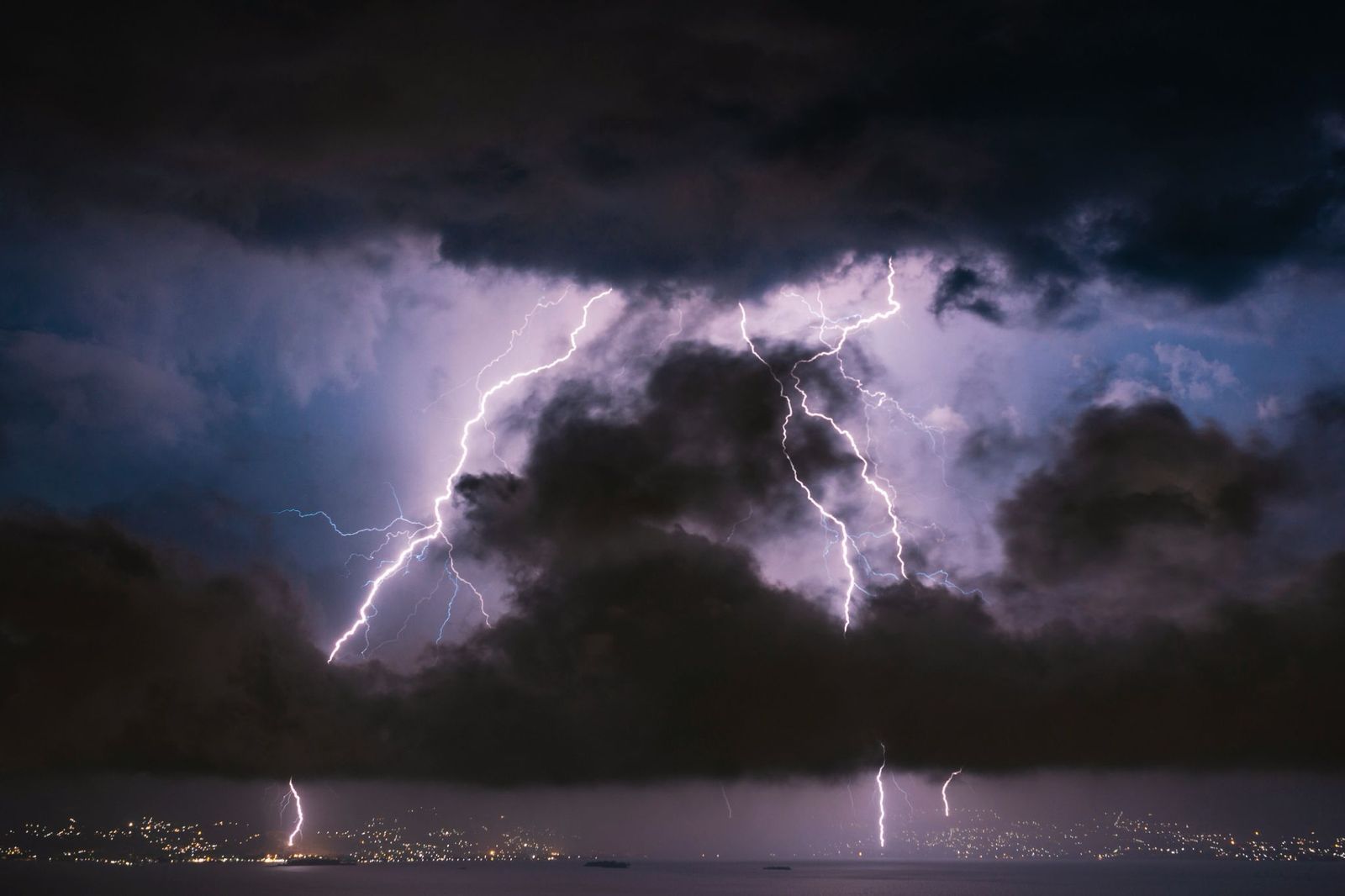
According to the National Oceanic and Atmospheric Administration, lightning begins as static charges caused by the turbulent winds inside rain clouds. Water droplets get caught in the updraft, lifted to colder heights, where they freeze and fall back down again. Where the falling particles of ice meet the rising water droplets, electrons are stripped off due to friction, and a static charge is created.
When the strength of the charge is large enough, it finds the closest and easiest path to discharge : often between clouds or within a cloud, but sometimes from the clouds to the ground. That's a lightning strike.
2 What causes thunder?
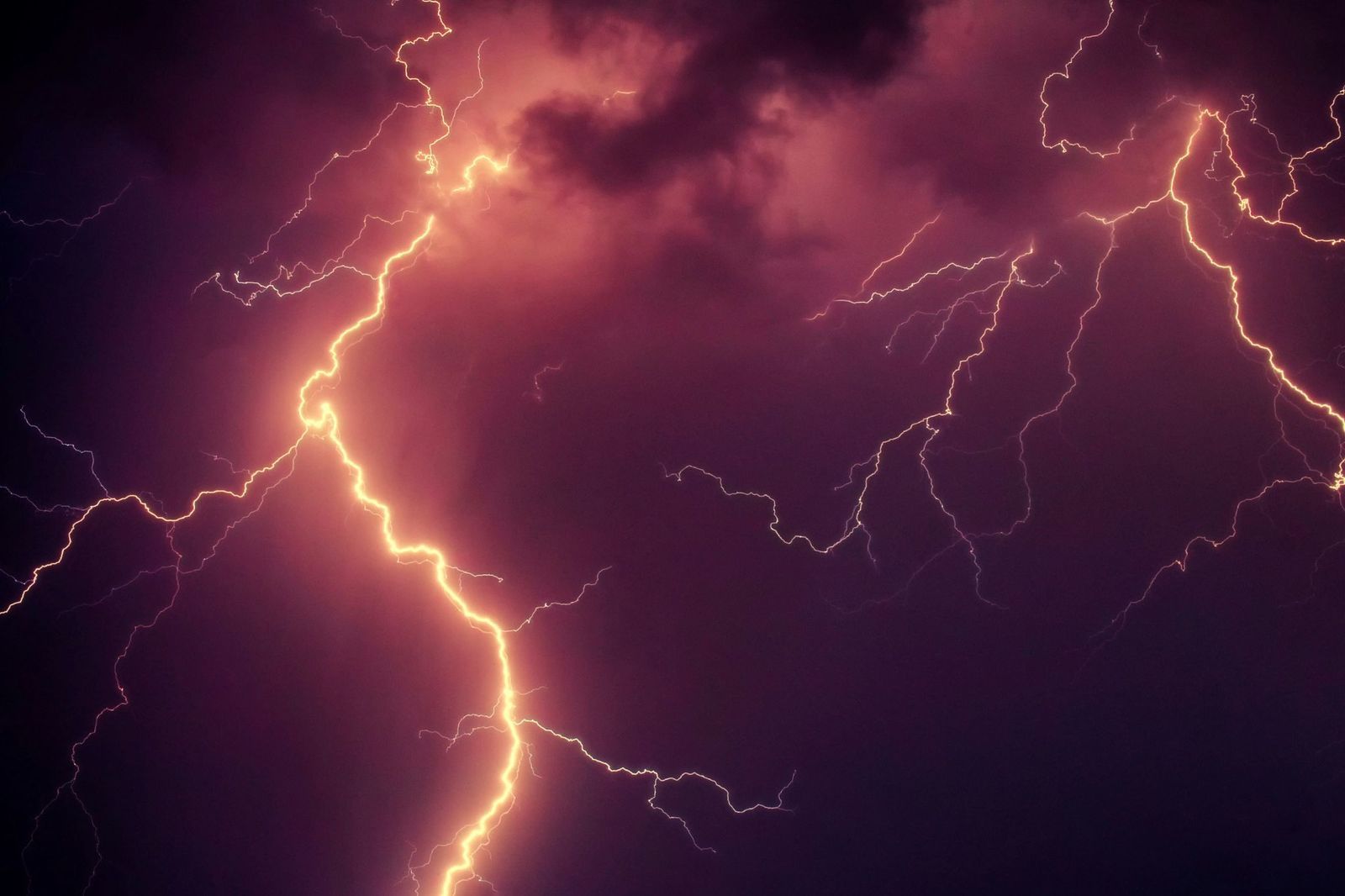
Thunder is the sound produced by lightning. A lightning bolt heats the air around it to temperatures of roughly 50,000 degrees Fahrenheit—about five times hotter than the surface of the sun . Those extreme temperatures cause the air to expand explosively, creating a powerful shockwave that travels outward through the atmosphere as sound.
Because light travels through the air much faster than sound, thunder always comes about five seconds after lightning for every mile of distance between you and the lightning bolt.
3 Why do volcanoes erupt?
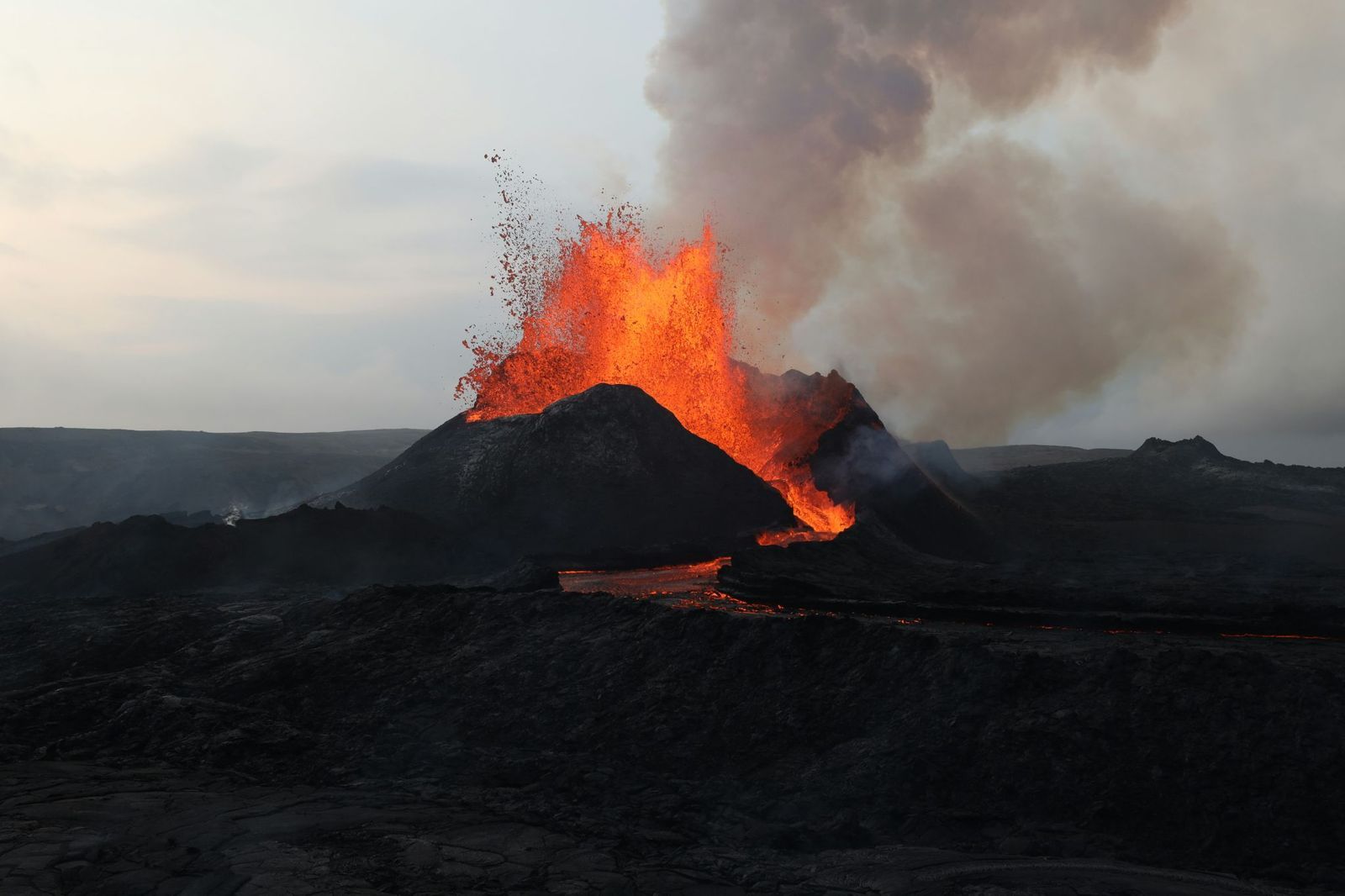
Deep underground, the temperature and pressure are so immense that they can melt rock. This molten rock (called magma) collects in large pools called magma chambers and, because it's less dense than the solid rock surrounding it, it pushes itself upward. Trapped gases, such as water vapor and carbon dioxide, also expand as the temperature rises, creating a tremendous amount of pressure that forces the magma upward.
If enough pressure accumulates, the magma can burst through the surface as lava, ash, rock fragments, and gases. Some eruptions are relatively gentle, while others can be explosive and destructive .
4 Why do the Northern Lights appear?
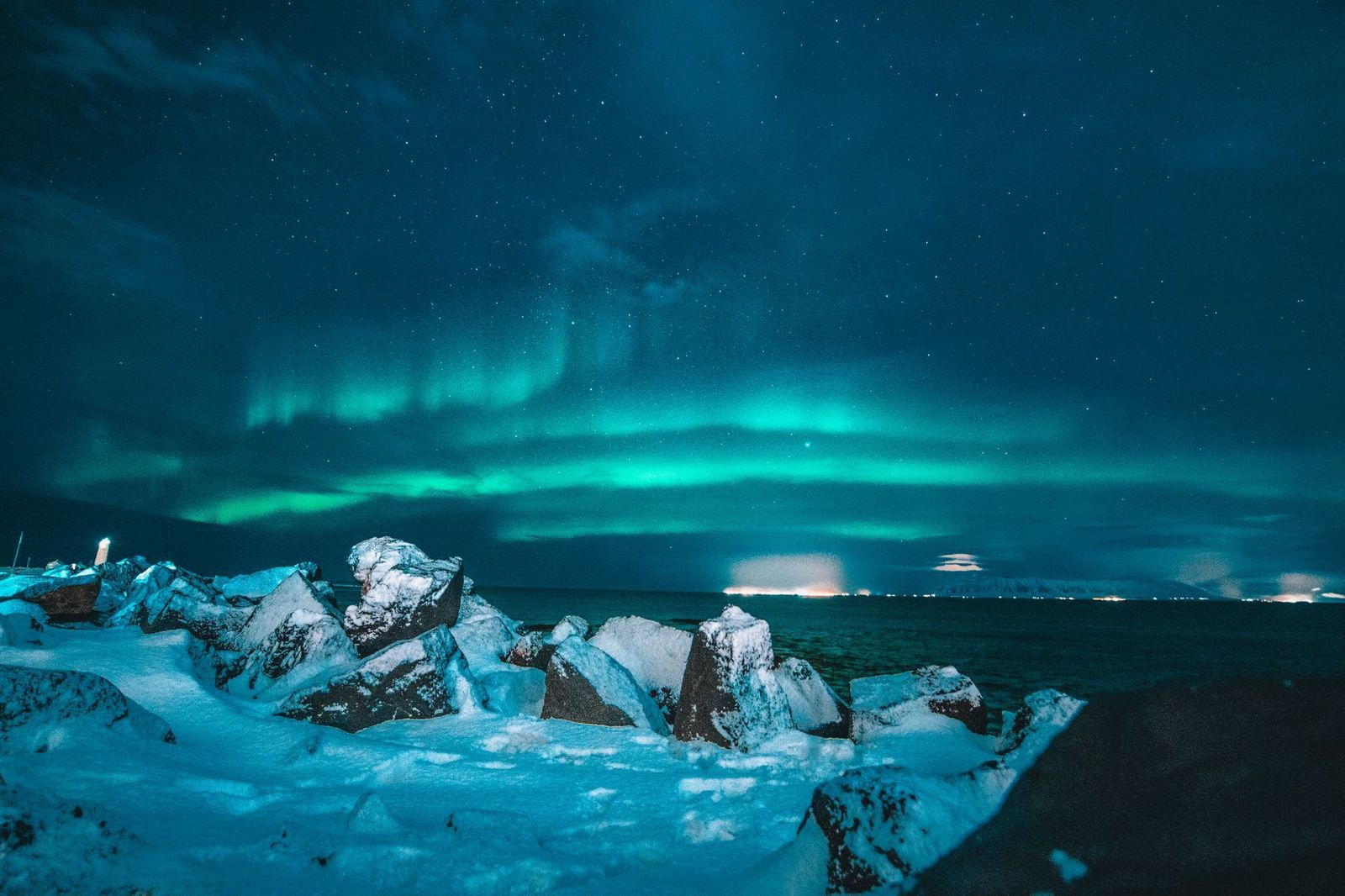
The Northern Lights, also known as the Aurora Borealis, happen when a stream of charged particles from the Sun (colloquially known as the solar wind ) interacts with Earth's atmosphere.
Earth's magnetic field guides solar wind particles toward the polar regions. There, they collide with gases in the atmosphere, and the energy from that interaction is released as light. Oxygen can produce red and green colors, while nitrogen contributes blue and purple shades.
In the South Pole, the equivalent phenomenon is called Aurora Australis or Southern Lights.
5 How do Death Valley's sailing stones sail?
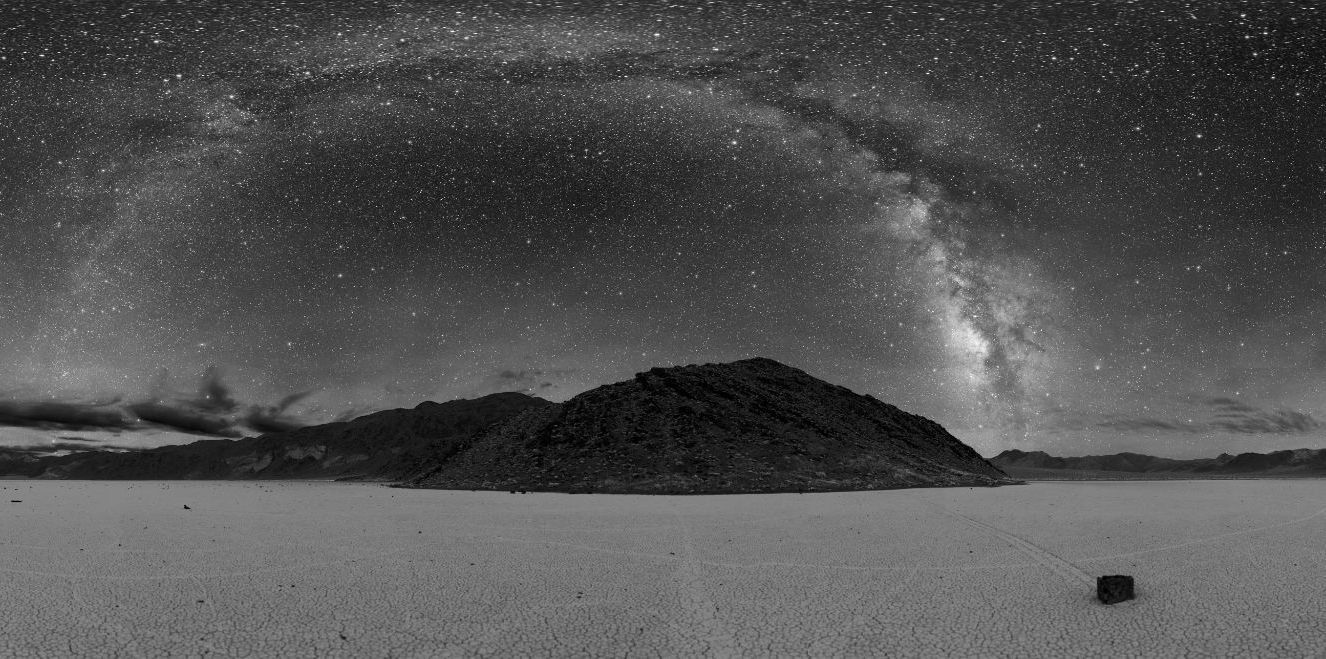
At Racetrack Playa in Death Valley, California, stones can famously be seen with long trails behind them, as though they had slowly dragged themselves across the desert floor. For decades, the movement of the sailing stones was a certified mystery.
Scientists eventually discovered the specific combination of conditions that causes the rocks to move. After rain or snow, a shallow layer of water forms on the playa. During cold weather, that water freezes into thin sheets of ice. When the sun rises and the ice begins breaking apart, wind can push large floating panels of ice across the wet surface. The ice can push rocks along with it, leaving trails behind as the ground dries.
6 How do geysers work?
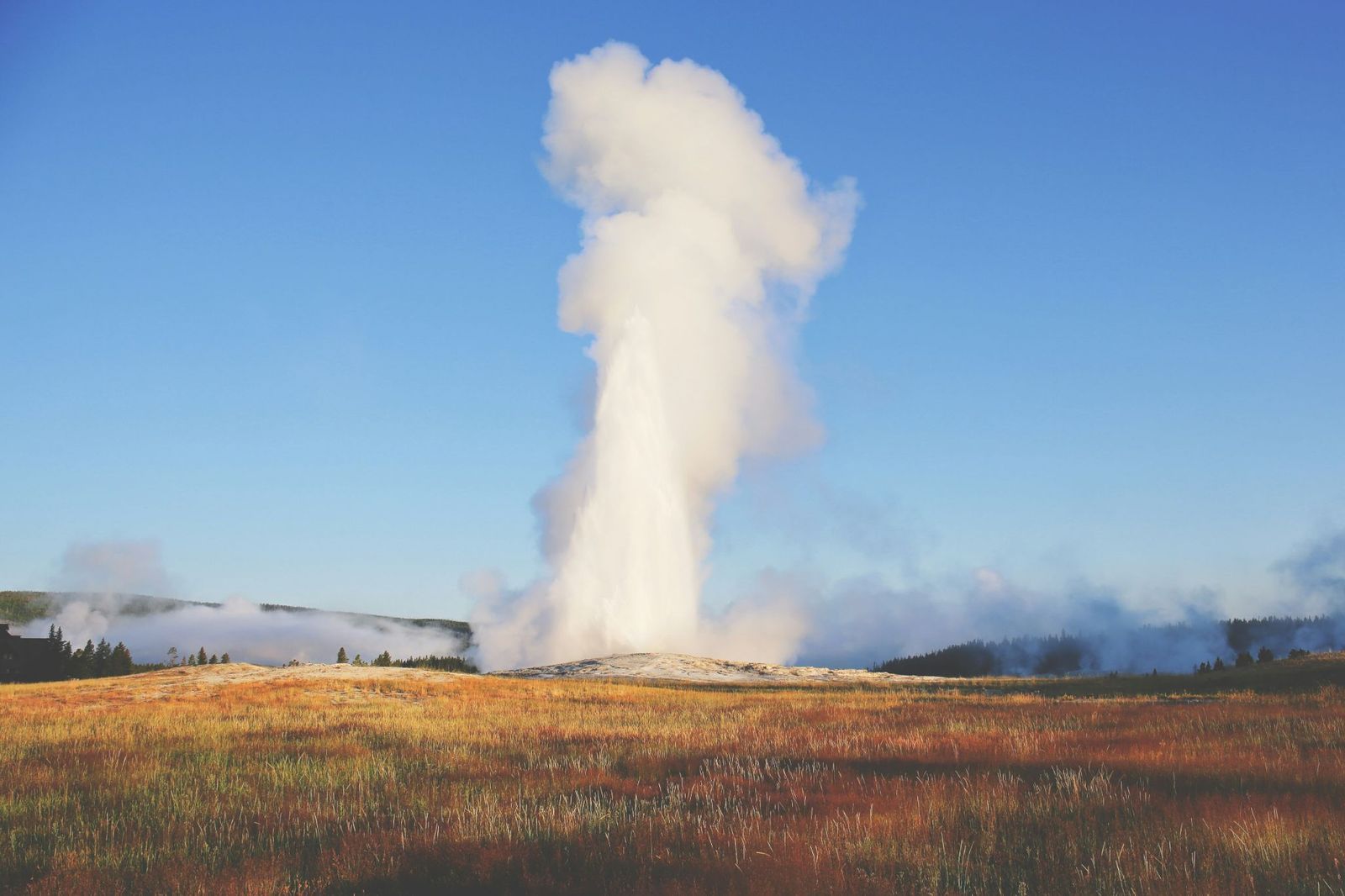
If you've ever visited Yellowstone and seen Old Faithful erupting, you know that geysers are one of nature's most spectacular sights to behold . They begin when underground water seeps into cracks and cavities deep beneath Earth's surface, where it's heated by geothermal heat.
The enormous underground pressure prevents the water from boiling even though it's extremely hot, creating a precarious balance. When that balance is disturbed, the water rapidly boils and turns into expanding steam that forces the water upward and out of the ground through narrow passages.
Once the pressure is released, the cycle can begin anew as the underground system fills again with water.
7 Why do tides rise and fall?

As incredible as it sounds, ocean tides are primarily caused by the gravitational pull of the Moon . Its gravity pulls on Earth's oceans, creating a bulge of water on the side facing the Moon, as water retreats from other areas. As the Earth rotates, different coastlines move through these zones of higher and lower water, producing the familiar cycle of high and low tides.
The exact timing and height of tides can vary greatly from place to place because coastlines, ocean basins, underwater geography, and local weather all influence how the water moves, but the Moon's gravitational pull is still the main factor when explaining how tides work.
8 Can there be seas without a coastline?
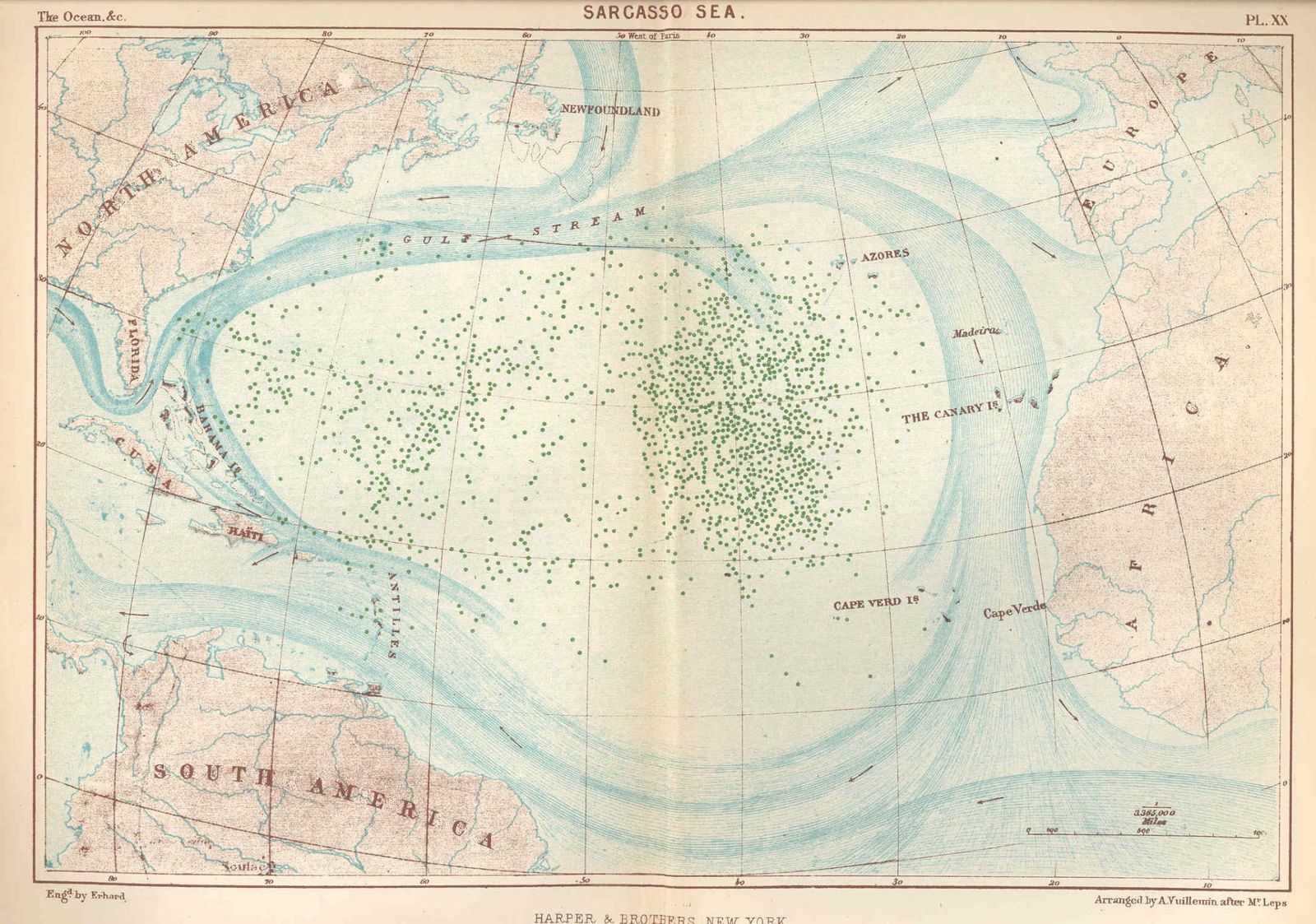
The Sargasso Sea is a vast region of the North Atlantic that sits within a system of currents that creates a giant rotating circulation called the North Atlantic subtropical gyre. Because there is no land boundary around it, the Sargasso Sea is sometimes described as the world's only sea without a coastline. In truth, it's only one of many regions of similar characteristics , but the Sargasso Sea is the only one that's officially named .
The Sargasso Sea is particularly famous because of its eerily calm waters, which led to many legends among sailors, and for the golden-brown seaweed that floats on its surface, called Sargassum .
9 Can lightning strike twice?
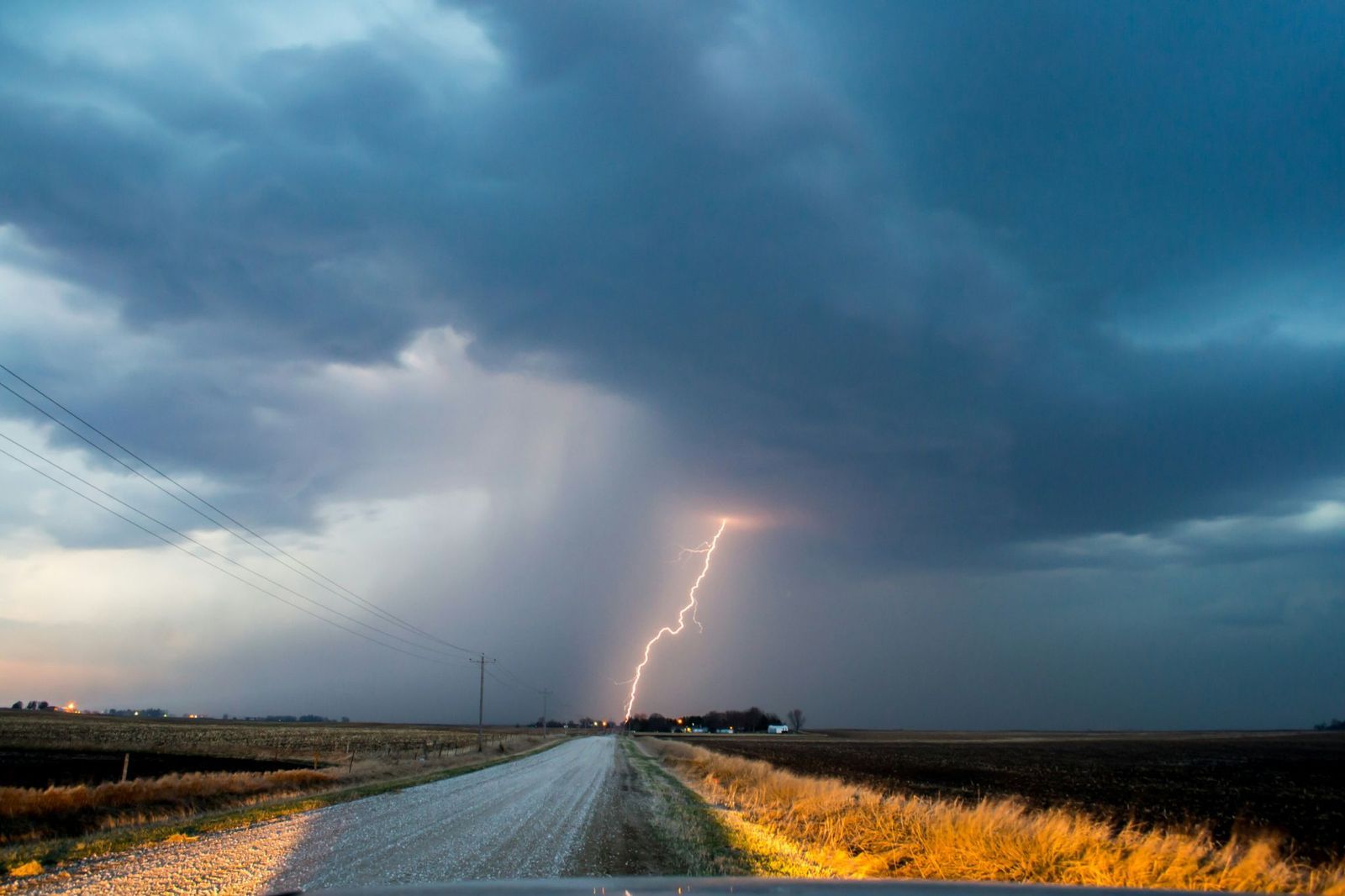
There is a popular saying which states that lightning never strikes the same place twice. In reality, this is far from true , as lightning does in fact have a tendency to strike the same place repeatedly. The Empire State Building, for example, has historically been struck numerous times.
Lightning follows paths where electrical conditions make a discharge easier. Tall buildings, towers, and mountain peaks are closer to the electrically charged storm clouds and can provide favorable routes for strikes. Moreover, a single lightning flash is usually made of multiple discharges occurring in rapid succession. This is the reason why lightning bolts appear to flicker, especially when looked at through a high-speed camera.
10 Why do sinkholes suddenly appear?
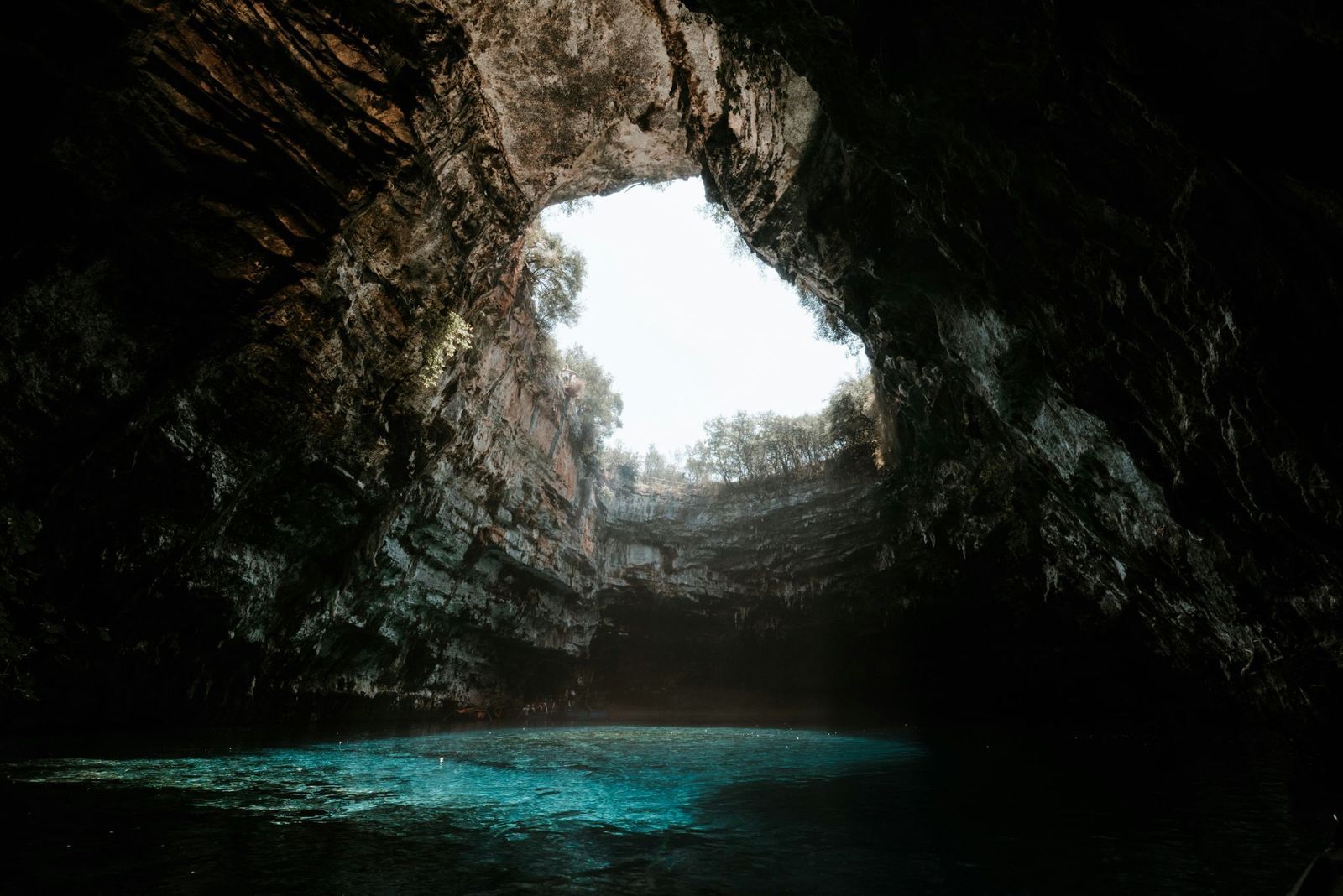
When a sinkhole appears seemingly out of nowhere overnight, it is in fact due to an underground process that took years (maybe even centuries) to reach that point.
Sinkholes are especially common in areas where the underlying rock is soluble, such as limestone or gypsum. Rainwater can seep into the ground and dissolve that rock, sometimes producing gases that increase the pressure and accelerate the reaction. The surface can remain supported above the empty space for some time until the cavity becomes too large or some disturbance causes the structure to collapse. When the supporting material gives way, a sinkhole appears.