Female leadership
From pharaohs to empresses: 10 women rulers in history
Just by opening a history book, we can see that the overwhelming majority of rulers and kings across the centuries have been men. Despite women repeatedly proving their talent for politics, diplomacy, and leadership, inheritance laws, societal prejudices, and cultural traditions have favored men as leaders. But once in a while, those same rules and traditions played out in favor of a woman, giving her the chance to show what the "fairer sex" can do if given the opportunity. Here are 10 women who ruled empires and kingdoms on their own right.
1 Hatshepsut (c. 1505–1458 BC)
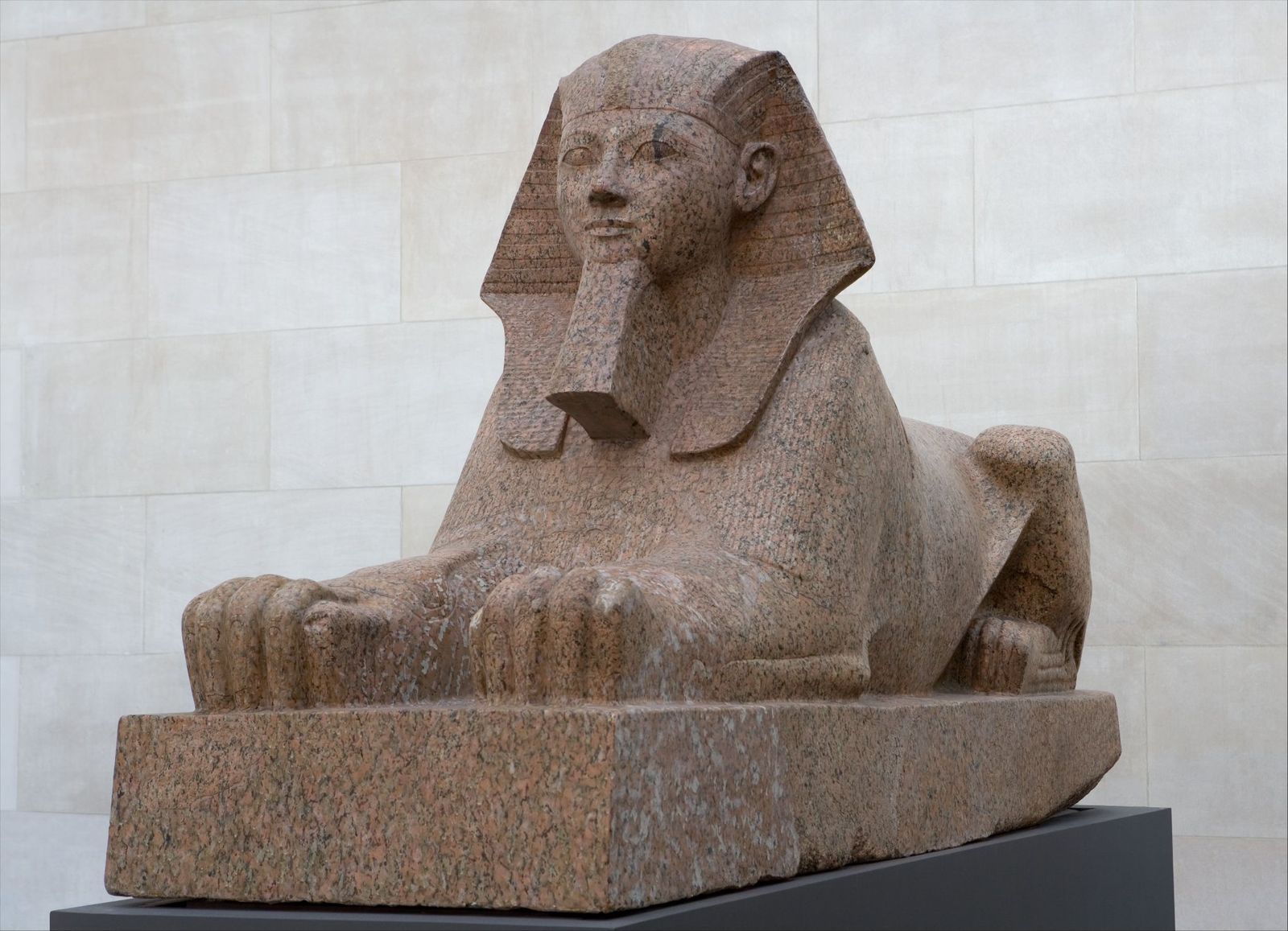
For ancient Egyptians, the role of the pharaoh transcended politics. The ruler was mainly responsible for maintaining the balance and order of the cosmos, which made preserving the royal line a necessity. This meant that circumstances sometimes demanded a woman to fulfil the role, as with Hatshepsut, the sixth pharaoh of the Eighteenth Dynasty.
Born as the daughter of Thutmose I and married to her half-brother Thutmose II, Hatshepsut was declared regent upon her husband’s death, as her stepson was an infant. A few years later, she assumed the position of Pharaoh, which led her to adopt and to be represented with masculine traits and clothing . During her 21 years of reign, Hatshepsut established extensive trade routes, prioritized domestic prosperity and peace instead of military achievements, and commissioned massive buildings that still stand to this day. Although the following pharaohs made great efforts to erase Hatshepsut from Egypt’s memory, she is considered one of the great rulers in ancient history.
2 Isabella I of Castile (1451-1504 AD)
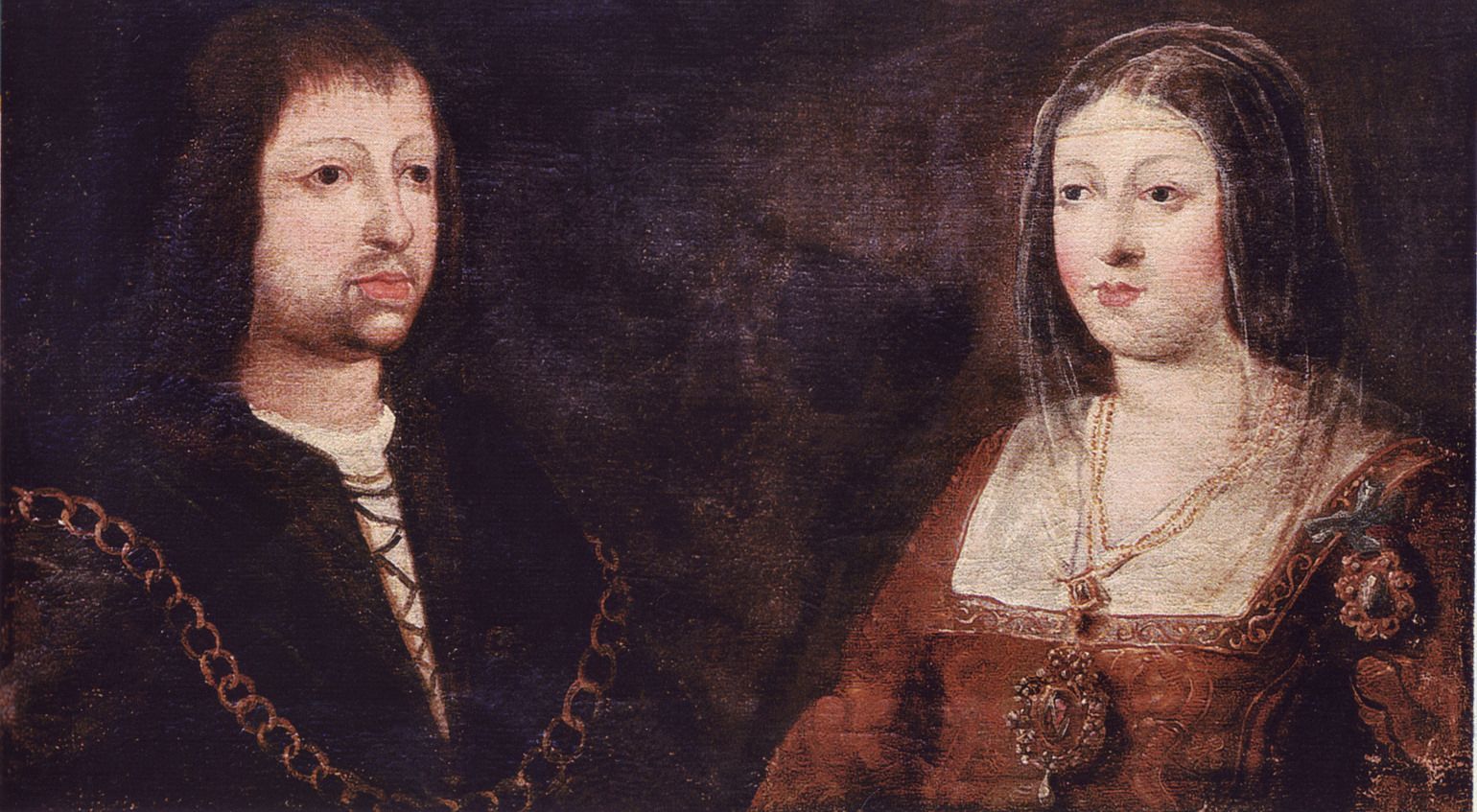
Isabella I of Castile is often remembered for her role in Christopher Columbus’ expeditions, but her history as a ruler started way before that. Born second in line to the Castilian throne, she was thrown into a succession war after the passing of her half-brother, Henry IV. While the late king had a daughter, she was widely believed to be illegitimate. Isabella, married to the heir of Aragon, a neighboring kingdom, was proclaimed queen regnant without her husband , signaling that, although her marriage would join the two biggest Spanish kingdoms, she would rule her lands on her own right and without her husband’s interference.
After settling the succession war, Isabella became deeply involved in the ruling of Castile, going as far as leading her army on horseback while pregnant to quell rebellions and uprisings . She was also known for allocating time every week for the common people to take up their grievances with her and her husband, and she also undertook a legal reform to make the kingdom’s laws more efficient. Under her command, Castilian linguists drafted the first Castilian grammar (the first modern work of this kind for European vernacular languages), which led to Castilian (now, the Spanish language) becoming the language of the Spanish Empire.
3 Wu Zetian (624-705 AD)
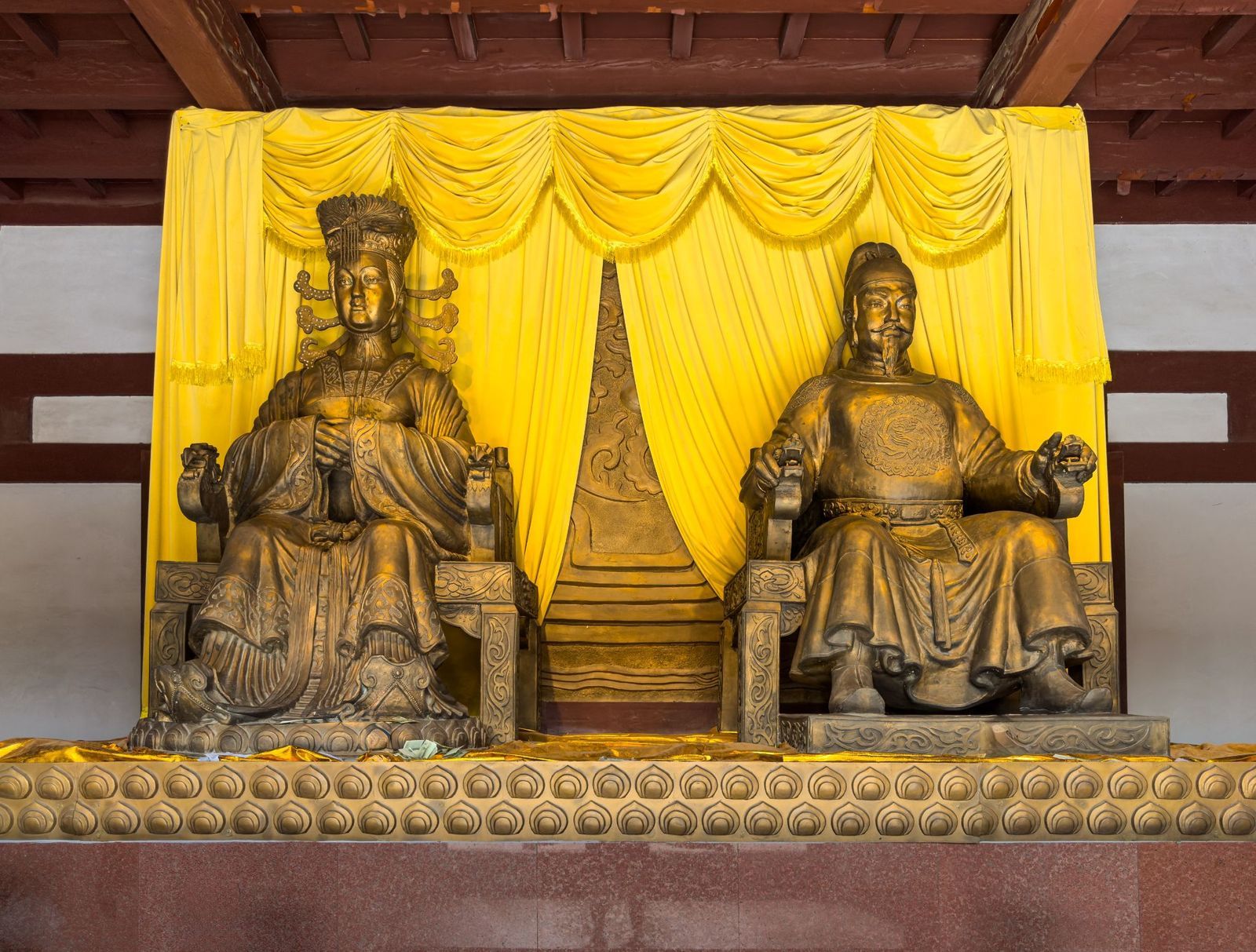
Across its 21 centuries as an empire, China has seen its share of powerful and influential women, but Wu Zetian stands out for achieving something none of the other did: ruling in her own name. Born in a wealthy family with some minor connections to the Imperial court, Wu Zetian was, from a young age, encouraged to read and educate herself in various topics, which was not common at the time. She entered the Imperial palace at 14 years old as a concubine to the Emperor, and kept her position after he died and was succeeded by his son, rising through the ranks until becoming Empress and ruling alongside her husband, who was in poor health.
After her husband’s passing, Wu Zetian became regent first, but eventually declared herself Emperor, establishing the Zhou Dynasty. In the 45 years of her reign, first as a de facto ruler and then as empress, she reformed the court system to allow commoners to access government office (which had until then been controlled by the nobility), lowered taxes, carried out an agricultural reform, promoted the arts, and focused on securing China’s borders. Forced to step down at 81 years old, she passed a few months later.
4 Cleopatra VII (70-30 BC)
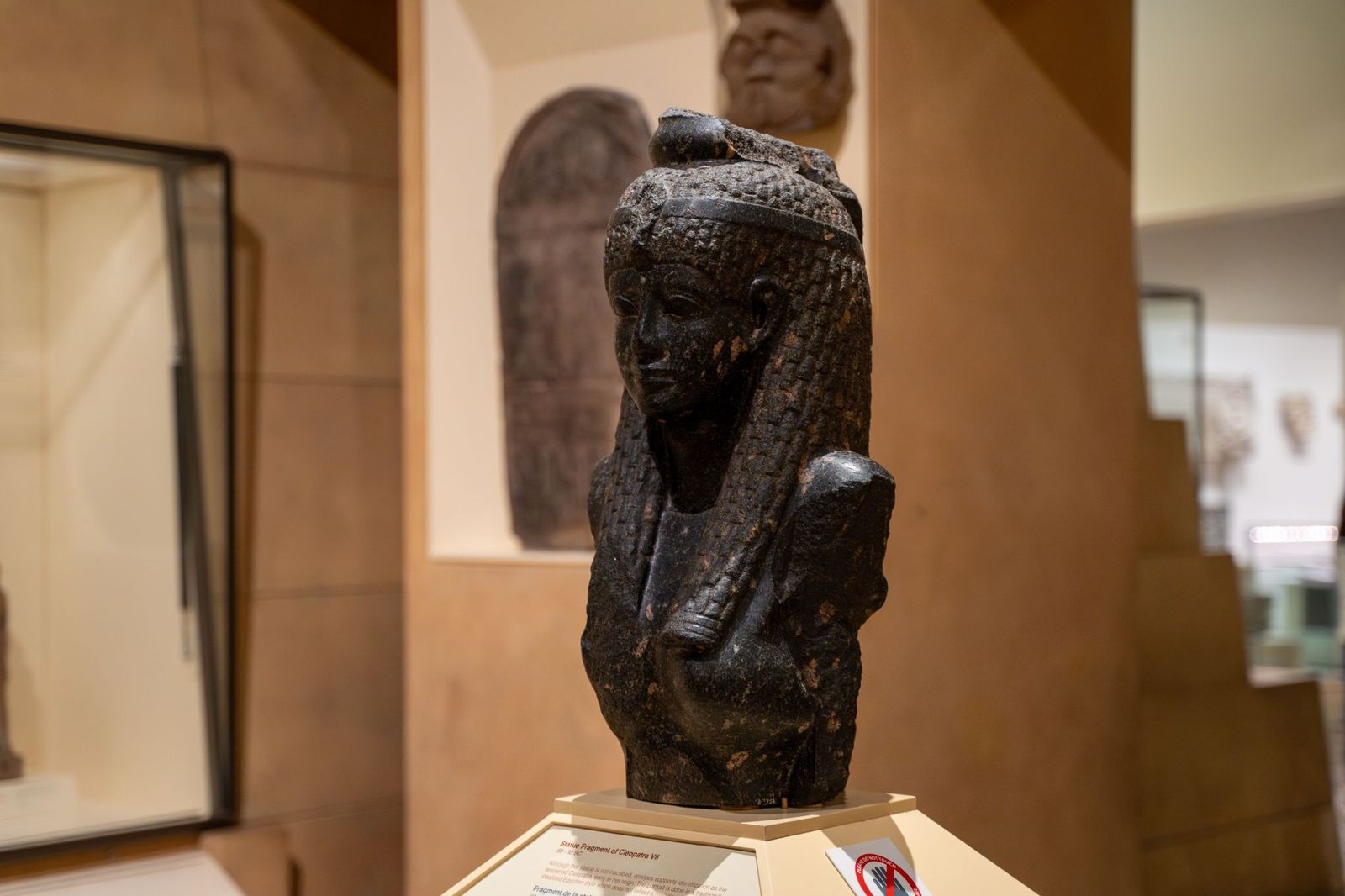
Although mainly remembered by some as a lover of Mark Antony, Cleopatra VII Thea Philopator is considered a formidable Pharaoh. The last ruler of the Ptolemaic kingdom, descendants of one of Alexander the Great’s generals, Cleopatra was the only pharaoh of her dynasty to learn Egyptian (her native language was Greek) in order to align herself with her subjects and their traditions.
Cleopatra ascended to the throne as co-ruler with her brother Ptolemy, but disagreements soon led to a civil war, where she emerged as the victor . Proficient in many languages and a talented diplomat, she focused on tackling internal corruption, strengthening trade, stabilizing agriculture, and promoting arts and science. While Cleopatra’s relationship with Marc Anthony existed, historians believe that it was mainly motivated by a desire to protect Egypt’s sovereignty against a rising Roman Empire, which ultimately ended in her defeat at the hands of Octavian and her suicide to avoid being taken captive.
5 Catherine the Great (1729-1796 AD)
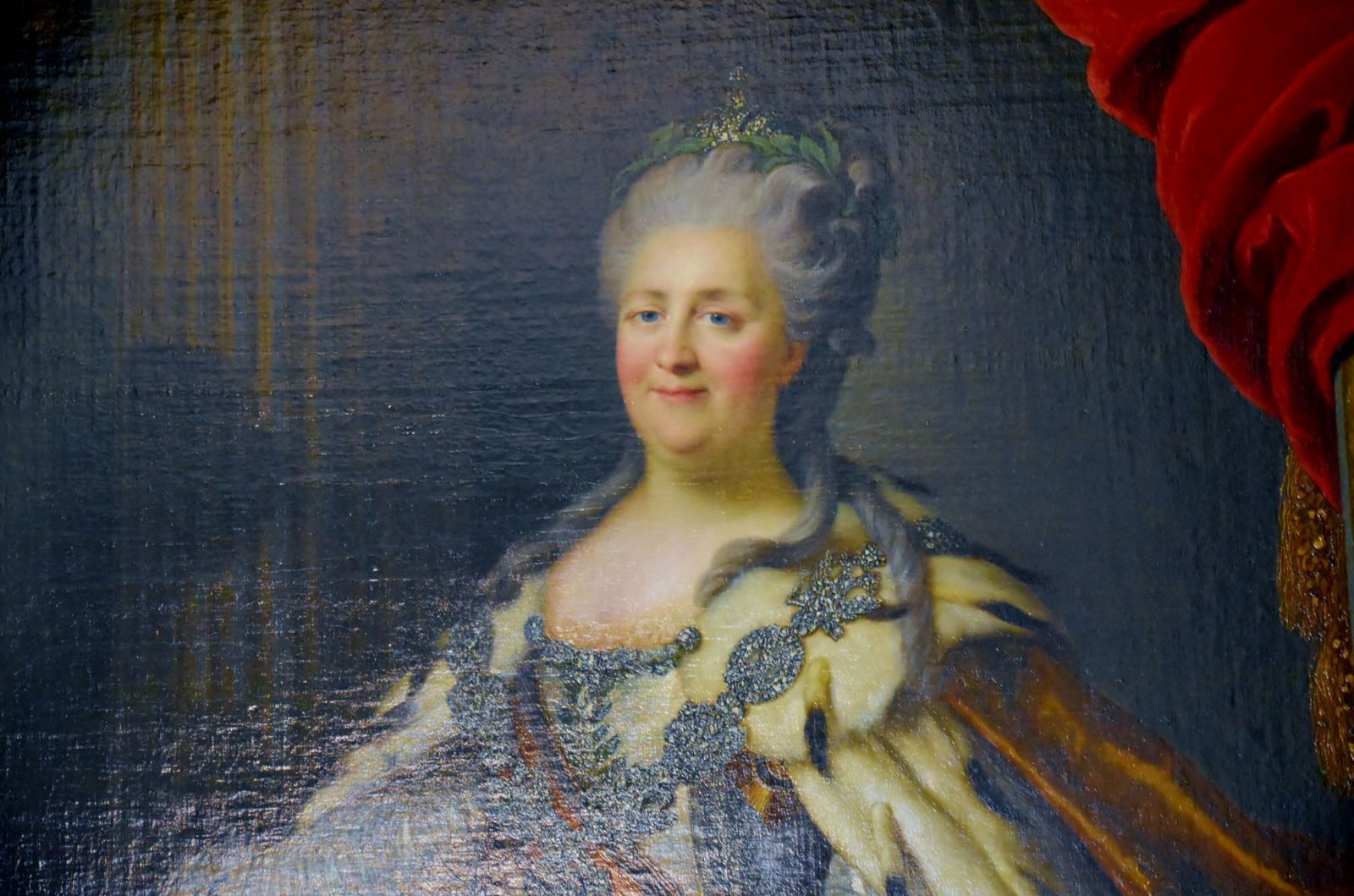
It might seem ironic that one of Russia’s greatest rulers was not Russian, but Catherine II of Russia is nicknamed "the Great" for a reason. Born in Prussia as Sophie Auguste Friederike von Anhalt-Zerbst, she changed her name to Catherine after marrying Peter, the heir to the Russian throne, and converting to Eastern Orthodoxy. Catherine involved herself in court affairs and in Russian culture, making alliances with groups opposed to her husband , which allowed her to overthrow him only six months after he ascended the throne.
As Empress, Catherine set out to reform Russia according to the principles of the Enlightenment, reforming the legal code, instituting schools for girls, and promoting public health, although she conceded on maintaining serfdom to keep nobility on her side, and was known to brutally repress rebellions. A controversial figure, Catherine II was nonetheless a driving force in Russia’s modernization.
6 Boudica (c. 60 AD)
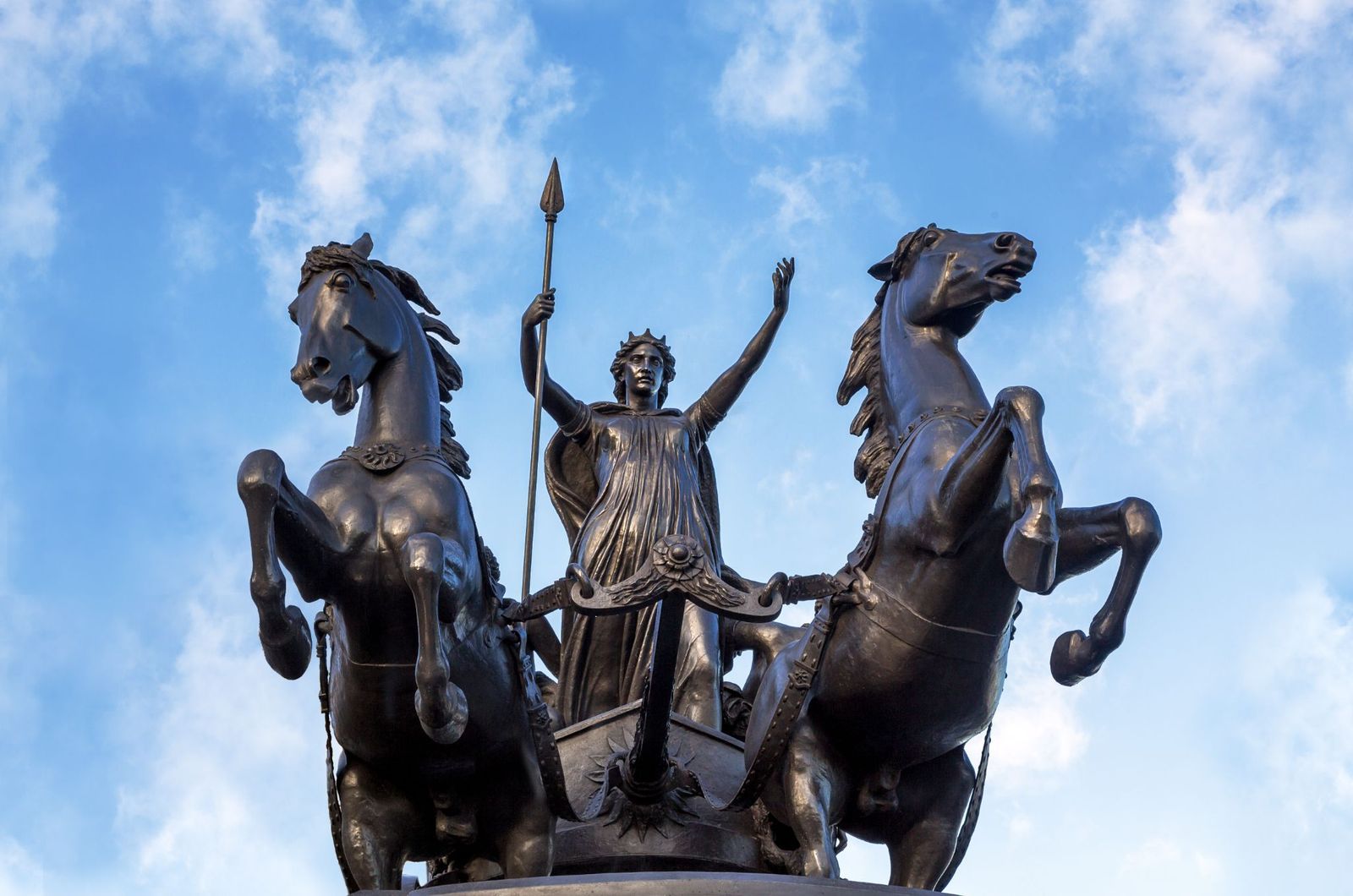
Remembered as a symbol of rebellion and independence of the early Britons, Queen Boudica is a British national heroine, despite her story ending in defeat. As co-ruler of the Iceni tribe alongside her husband, Prasutagus, Boudica was allied with the Roman Empire. In an effort to protect his family and his land, Prasutagus left his kingdom to his wife and daughters, but also to the Roman emperor. After his death, the land was annexed by the Romans, and Boudica and her daughters were imprisoned and assaulted.
Around the year 60 AD, Boudica led the Iceni and other tribes to rebel against Roman domination, destroying Roman settlements in their way. In the final confrontation between the British tribes and the Roman armies, Roman governor Suetonius managed to defeat Boudica, but to the cost of thousands of men. Boudica died soon after (historians still discuss whether by suicide or from an illness), but she forever remained a symbol of resistance against tyranny.
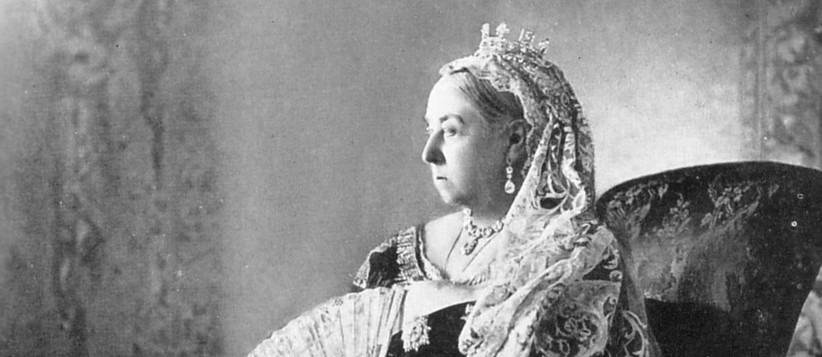
7 Queen Victoria (1819-1901 AD)
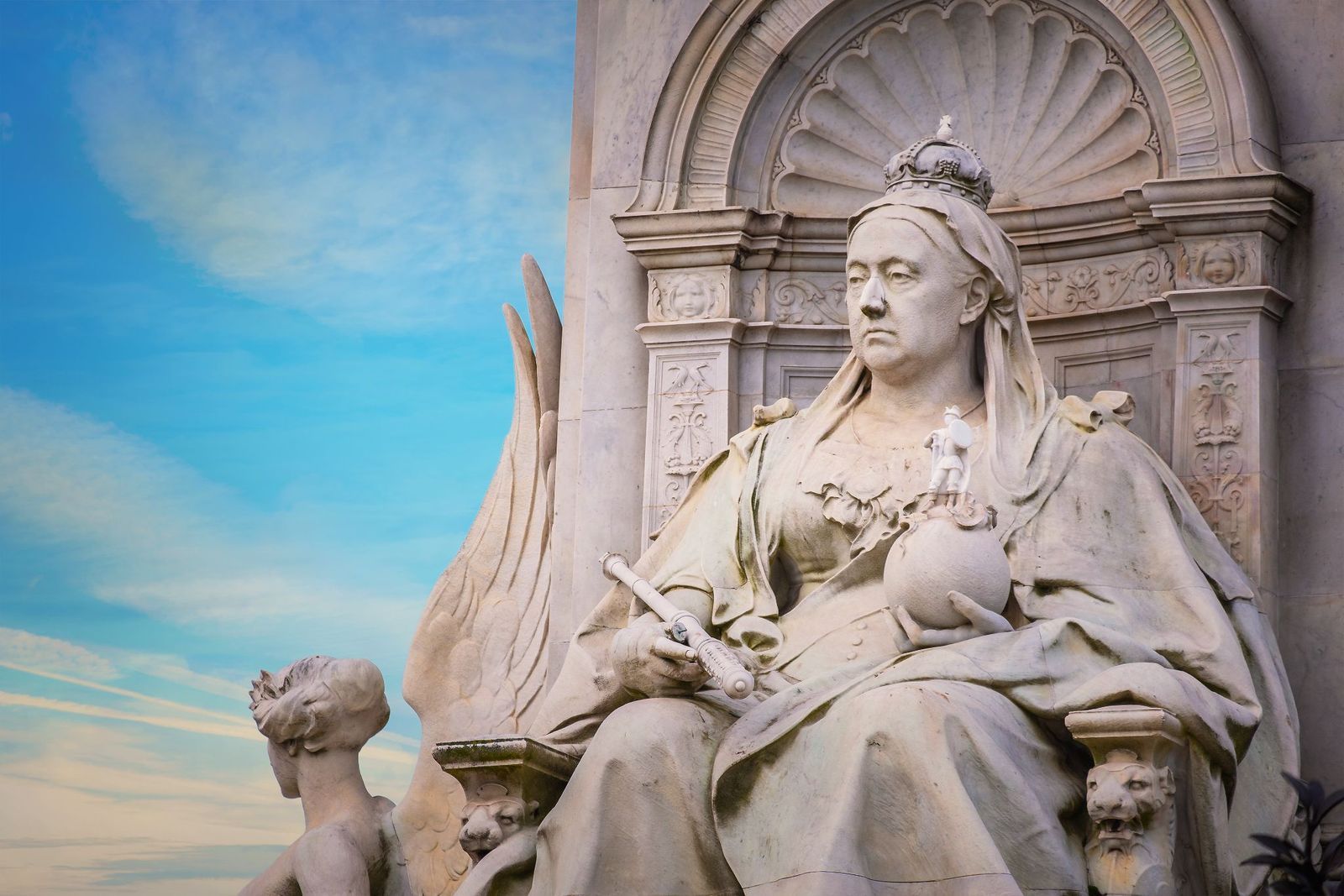
One of the longest-reigning British monarchs, Queen Victoria’s reign is associated with an age of prosperity, flourishing of the arts and sciences, and expansion of the British Empire. However, this prosperous reign might not have existed if not for the strength of character of an isolated young girl. Born fifth in line to the throne, she quickly became the prospective heir when her uncles died without legitimate children, and her mother and secretary raised her under a strict, highly controlling system.
Despite constant monitoring and control, t he young Victoria developed a stubborn, strong character and broke free from her mother’s rule as soon as she ascended the throne at 18 years old. Relying on seasoned ministers, and later, on her husband, to make up for her lack of experience, she greatly expanded the influence and power of the British Empire.
8 Maria Theresa I of Austria (1717-1780 AD)
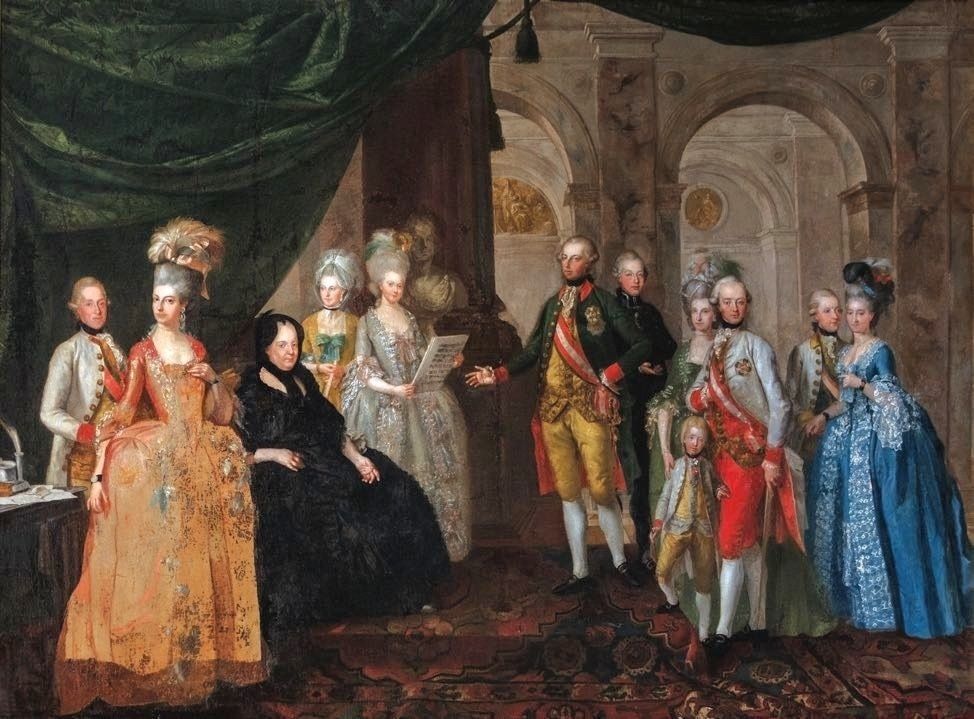
The only female ruler of the Habsburg dynasty, Maria Theresa of Austria not only secured her position as Empress consort of the Holy Roman Empire by outsmarting and outplaying her rivals, ministers, and even her husband, but she also managed to transform an impoverished, fractured state into a modern power. Although she was the only child of the Holy Roman Emperor, she was unable to be elected to the throne on account of being a woman. To bypass this rule, she made her husband co-ruler of her lands (although only in name), which allowed him to be elected to the position.
Once the succession was settled (although with the loss of some lands to her rival, Frederick II of Prussia), Maria Theresa devoted her efforts to rebuilding the finances and military of her territories (which included Austria, Hungary, Croatia, Bohemia, Transylvania, and many other lands) through taxing the nobility and wealthy landowners, and unifying the laws of the different lands to centralize power. A fierce promoter of education, arts, and sciences, Maria Theresa remained in power until her death, even when his eldest son became Holy Roman Emperor and co-ruler of the Austrian Empire.
9 Lakshmibai (c. 1835-1858 AD)
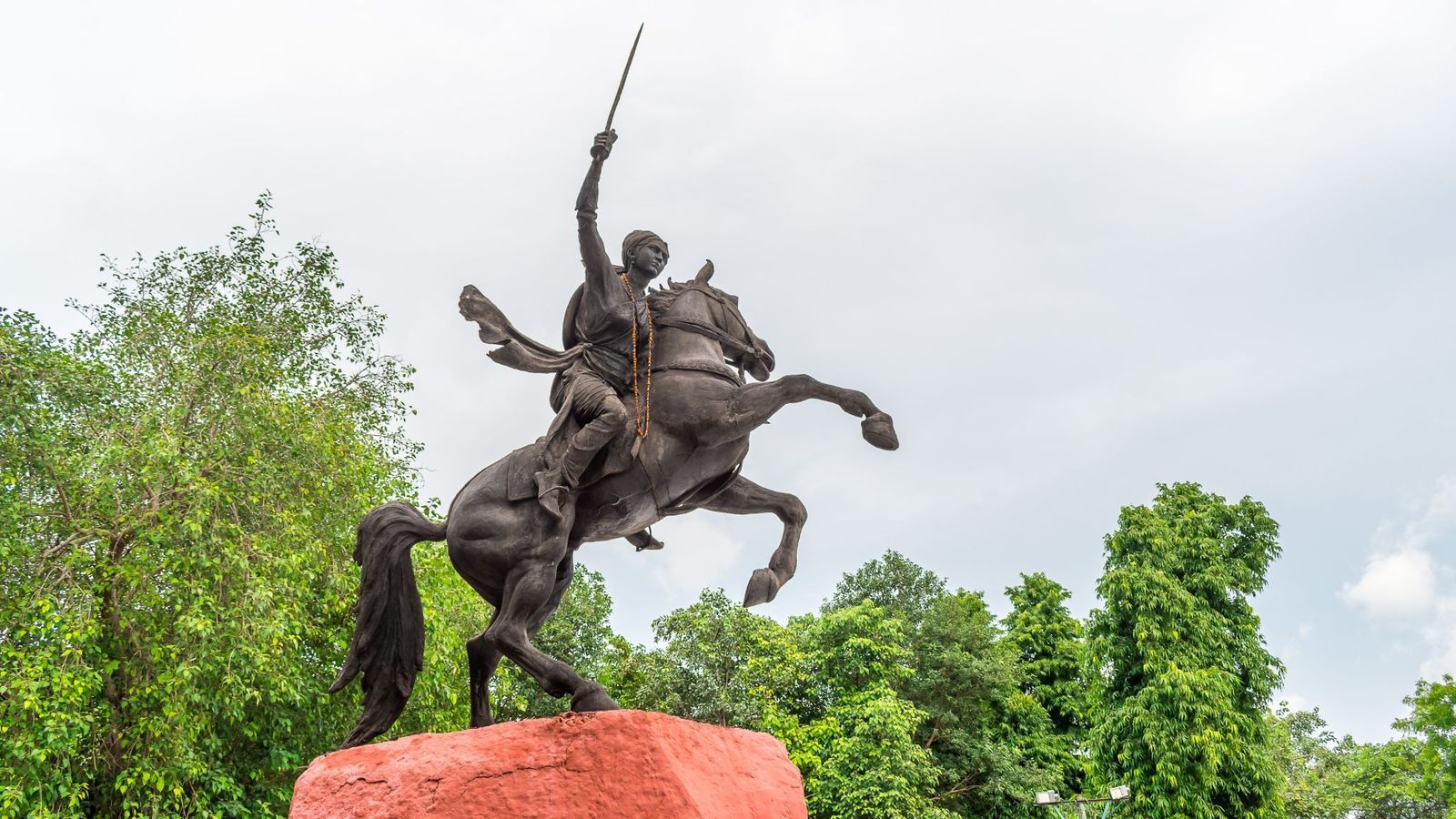
Although Lakshmibai, Rani of Jhansi, was never officially a ruler on her own right, she assumed the leadership of the Jhansi state and was one of the main figures of the resistance against British colonial occupation. Married to Maharaja Gangadhar Rao of Jhansi, she was known to defy social rules by receiving military training in archery, horsemanship, and martial arts, and by appearing in public without covering her face. Widowed at a young age without children, she adopted a young relative as heir and ruled as regent.
Despite Indian customs allowing the adoption of heirs, the British Empire had the policy of annexing any territory where the ruler died childless, and Jhansi was no exception. After trying and failing to evade annexation through diplomatic means, Lakshmibai took advantage of the hostilities between the locals and the British to assume control of Jhansi. Sieged by British forces, she bravely resisted for two weeks before escaping with her son on horseback and joining other rebel forces . A few months later, Lakshmibai died in battle charging against British soldiers, becoming an enduring symbol of Indian pride and resistance against the invaders.
10 Liliʻuokalani (1838-1917 AD)
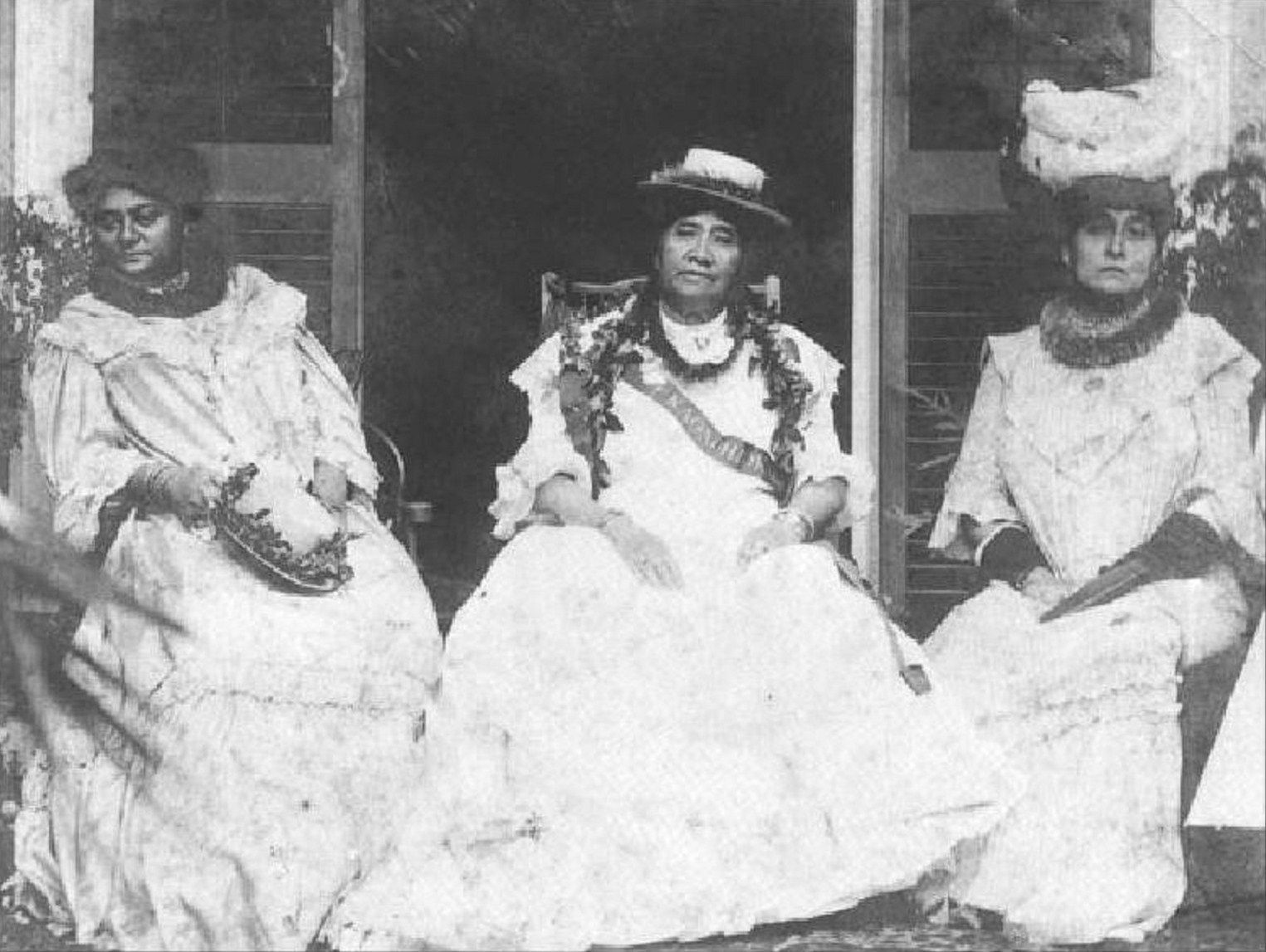
The last monarch and only queen regnant of the Hawaiian Kingdom didn’t have a long reign (merely two years), but it left a deep mark on Hawaii’s history. Ascending the throne in 1891 after her brother's death, Liliʻuokalani tried to reform the Hawaiian constitution, which a coalition of foreign businessmen had imposed , to restore the power of the Hawaiian monarch and the people.
The new constitution prompted the opposing businessmen (mostly American, but also European) to stage a coup with the help of the American military and to depose Liliʻuokalani, seeking the annexation of Hawaii by the U.S. After a series of peace talks with President Grover Cleveland and a loyalist uprising, Liliʻuokalani was pressured to abdicate in exchange for the release of several of her subjects, who had been sentenced to death . She remained in Hawaii until her death, continuing to fight against Hawaiian annexation.