The more you know
Technically, there are only 46 states in America
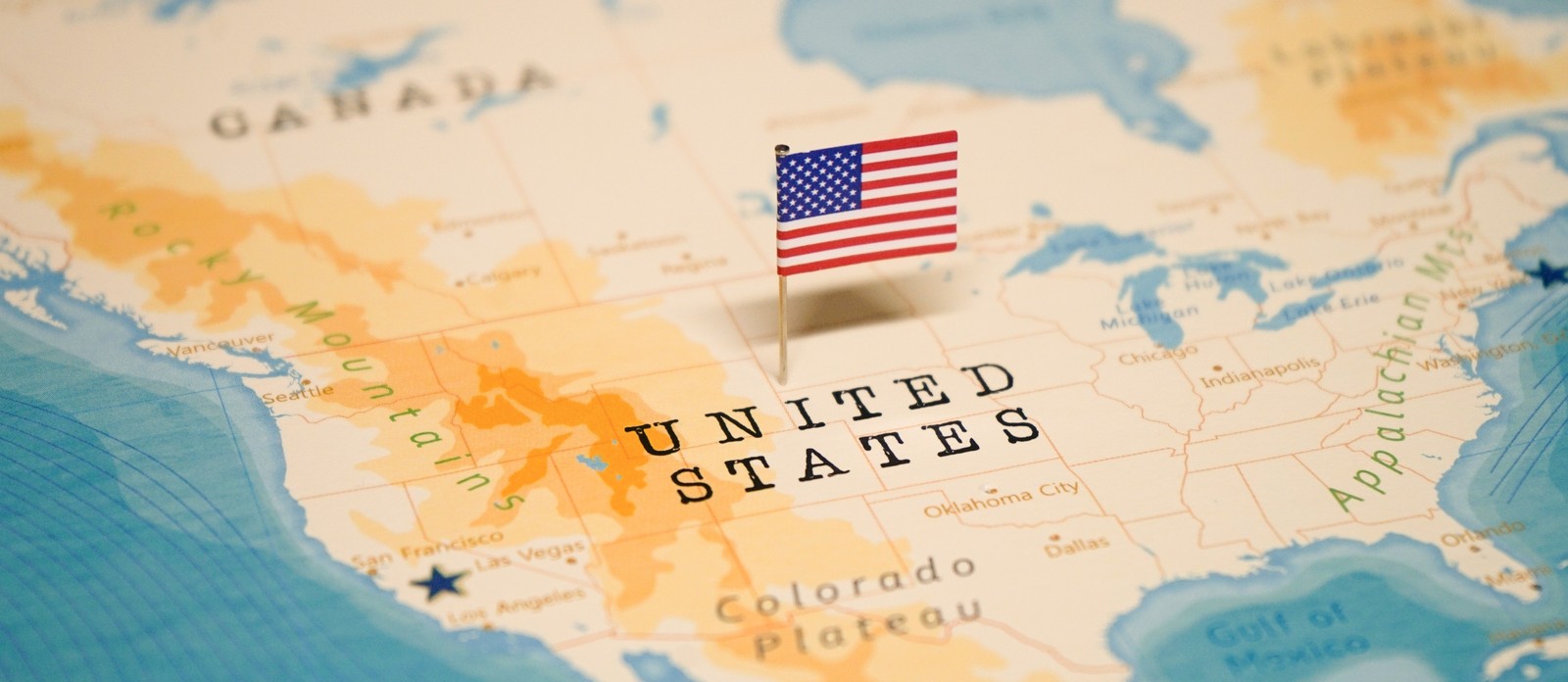
There’s a list of American trivia that we all know by heart, such as New York City being the most populous city, or the stars and stripes representing the current states and the original colonies. But some interesting facts are less well-known. How many states does America actually have? Why are elections held in November? The inhabitants of which part of the continental U.S. have less representation in Congress? Here are 10 facts about America that might surprise you.
1 There are only 46 states in America
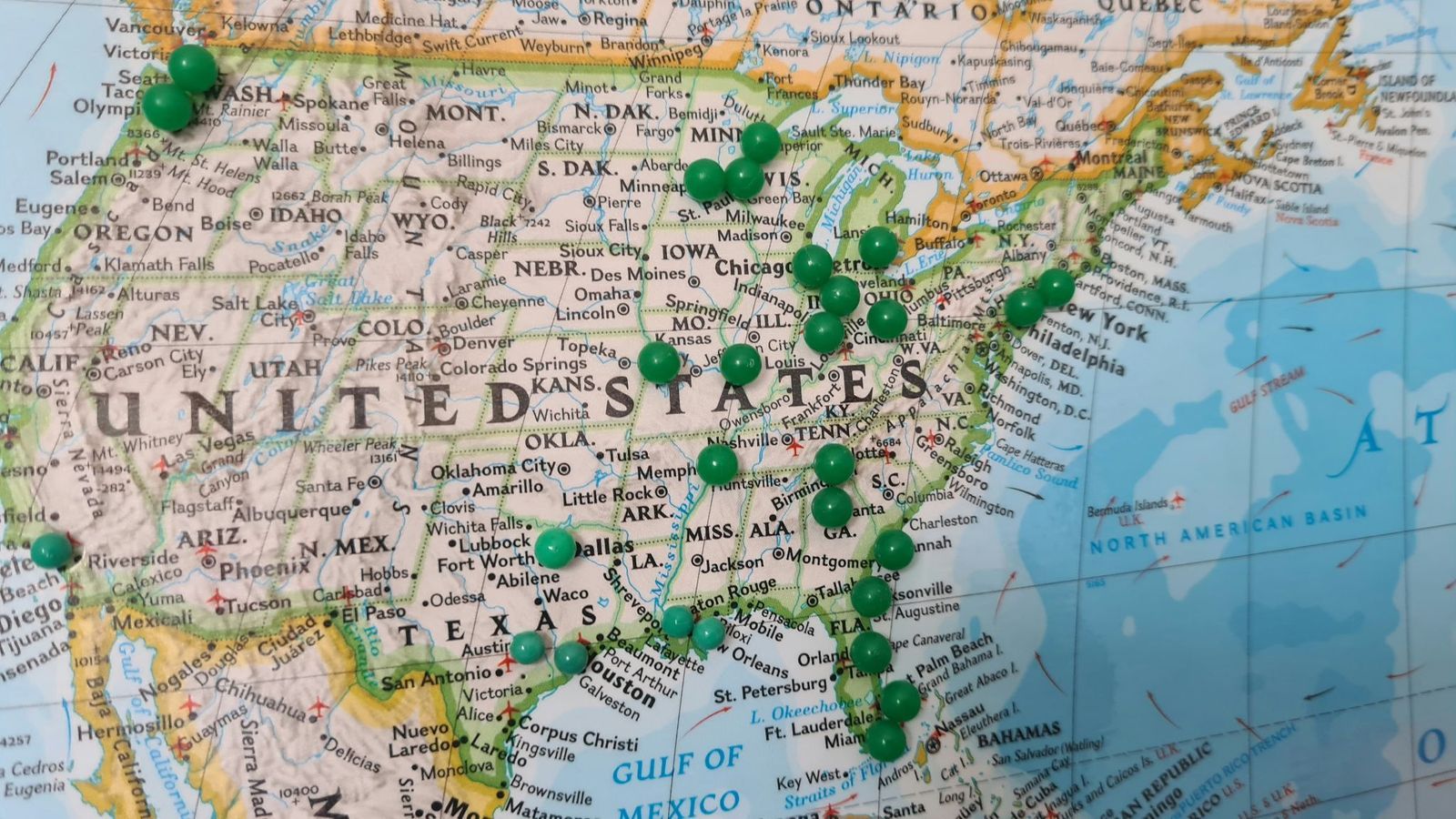
We all know there are 50 states in America, right? Well, depends on who you ask. If you look at the way state constitutions refer to themselves, only 46 of them use the term "state" for the territory in question. The remaining four, Kentucky, Massachusetts, Pennsylvania, and Virginia, are technically commonwealths, and they refer to themselves as such in their official documents.
2 Elections were planned around farming
By federal law, Election Day is held every two years on the first Tuesday after the first Monday in November. But have you ever wondered why? Before 1845, elections were held within 34 days before the first Wednesday in December, with each state choosing its preferred date, which led to earlier dates influencing later elections. Tuesday was then chosen as a convenient day, with the month of November being a good moment for farmers, as the harvest had already ended, and the harshest part of winter was still a long way ahead.
3 The meeting site of crocodiles and alligators
Although some people think crocodiles and alligators are two ways to name the same species, they are actually quite different in their appearance, behavior, and habitats. In fact, while crocodiles exist in many places around the world, alligators can only be found in the Southeastern U.S. and China, which lowers the chances of these two animals interacting. Unless they are in Florida, of course. As the natural habitat of both the American alligator and the American crocodile, the Sunshine State is the only place in the world where you can come across these two animals together in the wild.
4 The current flag started as a high school project
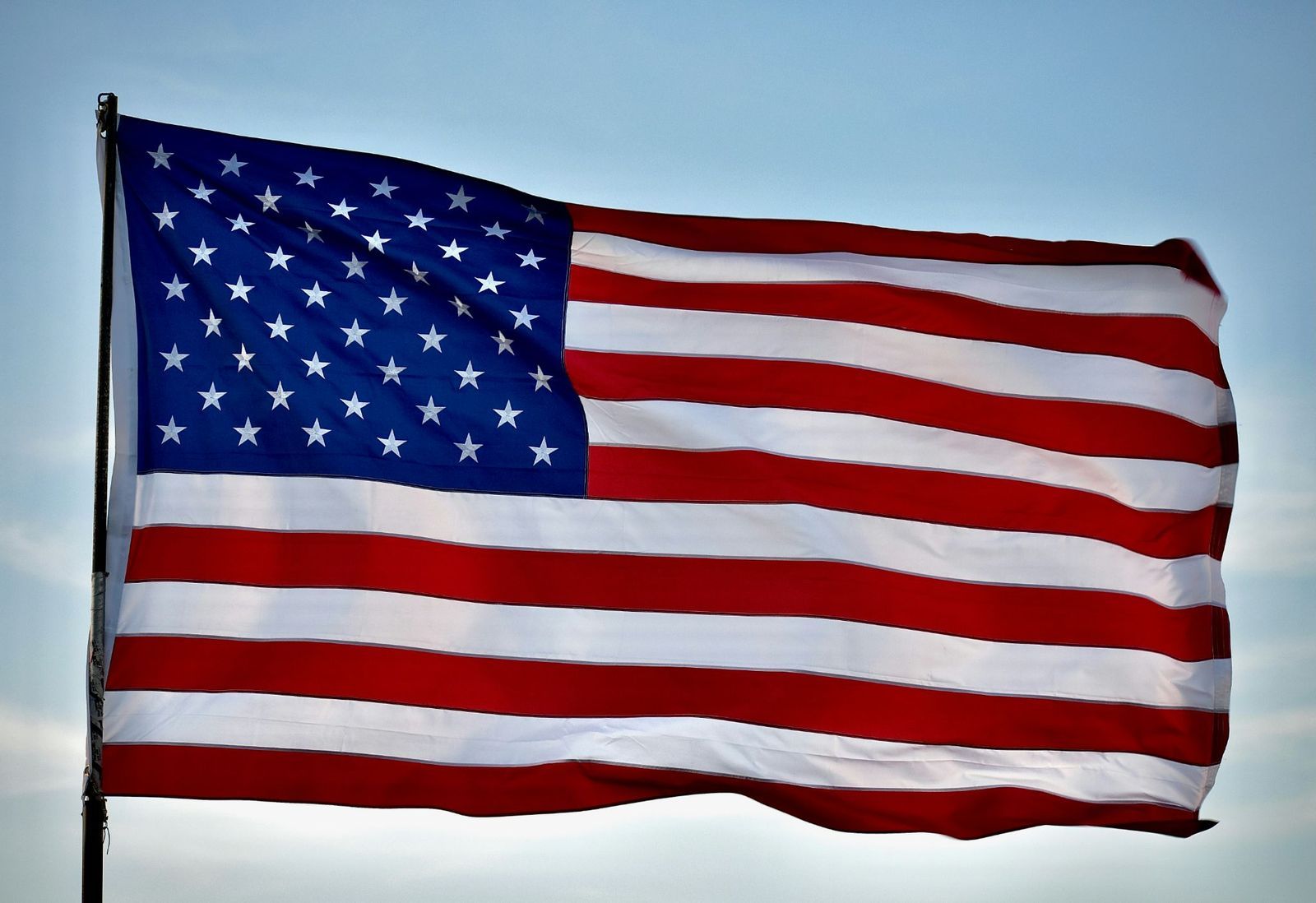
We know that the American flag has changed throughout history to reflect new states joining the union, but it was not just a case of adding extra stars and calling it a day. The current version of the Stars and Stripes was designed in 1958 by 17-year-old Bob Heft, in anticipation of Alaska and Hawaii becoming states. Heft presented his version of the flag in a school project, but his teacher gave it a B- because of the two extra stars. The teacher vowed to give a higher grade if his design received congressional approval, so Heft reached out to his local congressman. Two years later, President Eisenhower chose Heft’s design over more than a thousand submissions.
5 Washington, D.C., has no voting representation in Congress
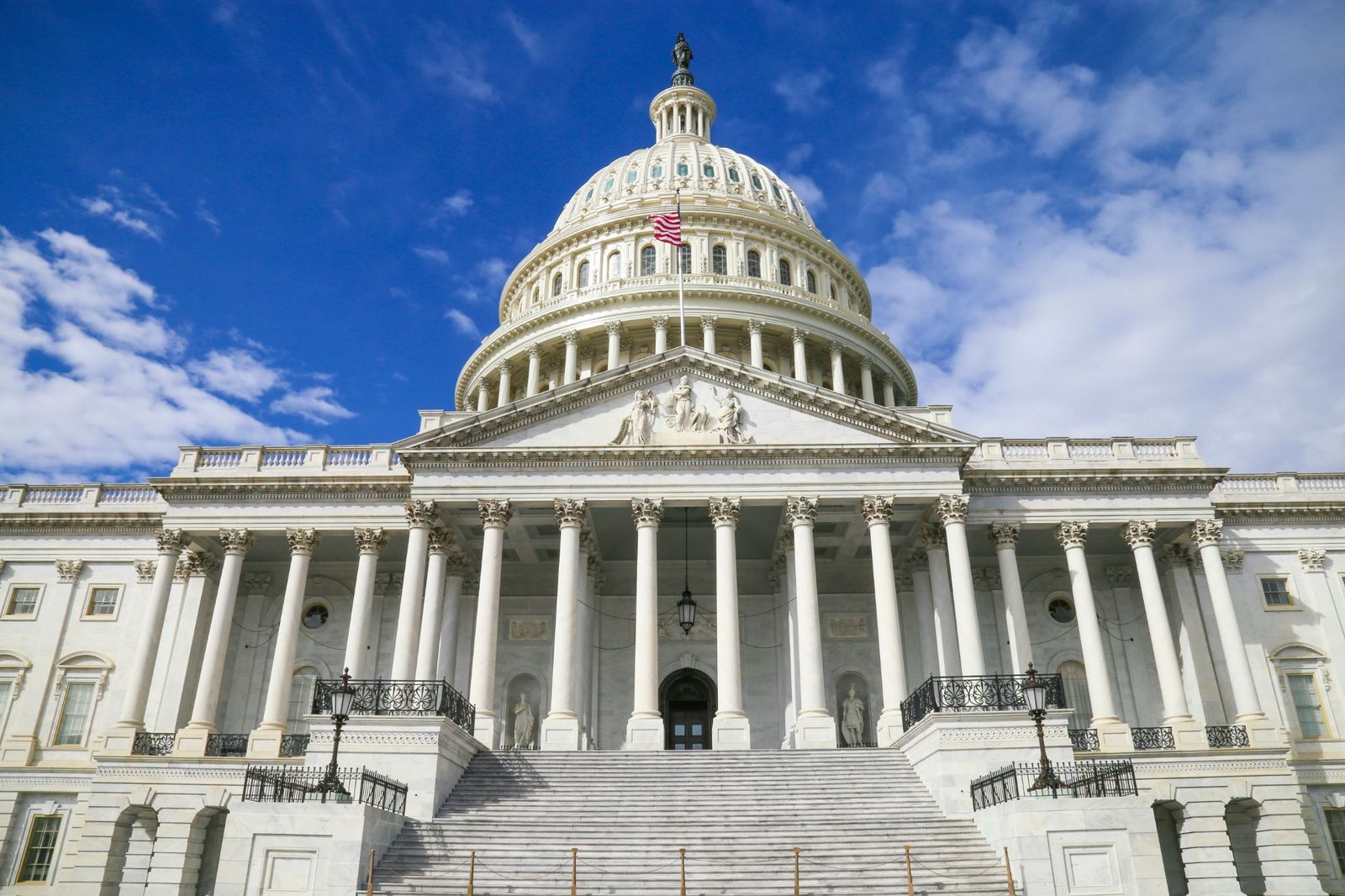
Although all of America is represented in Congress, not everyone has voting representation. This includes the people of Puerto Rico, U.S. Virgin Islands, Mariana Islands, Guam, and American Samoa, but also the inhabitants of Washington, D.C. This means that residents of America’s capital are less represented in Congress than the residents of the 50 states , due to the District of Columbia not being a state. Like the other five territories, their representatives have a place in Congress, but are unable to vote on final legislation.
6 The 27th Amendment was debated for 200 years
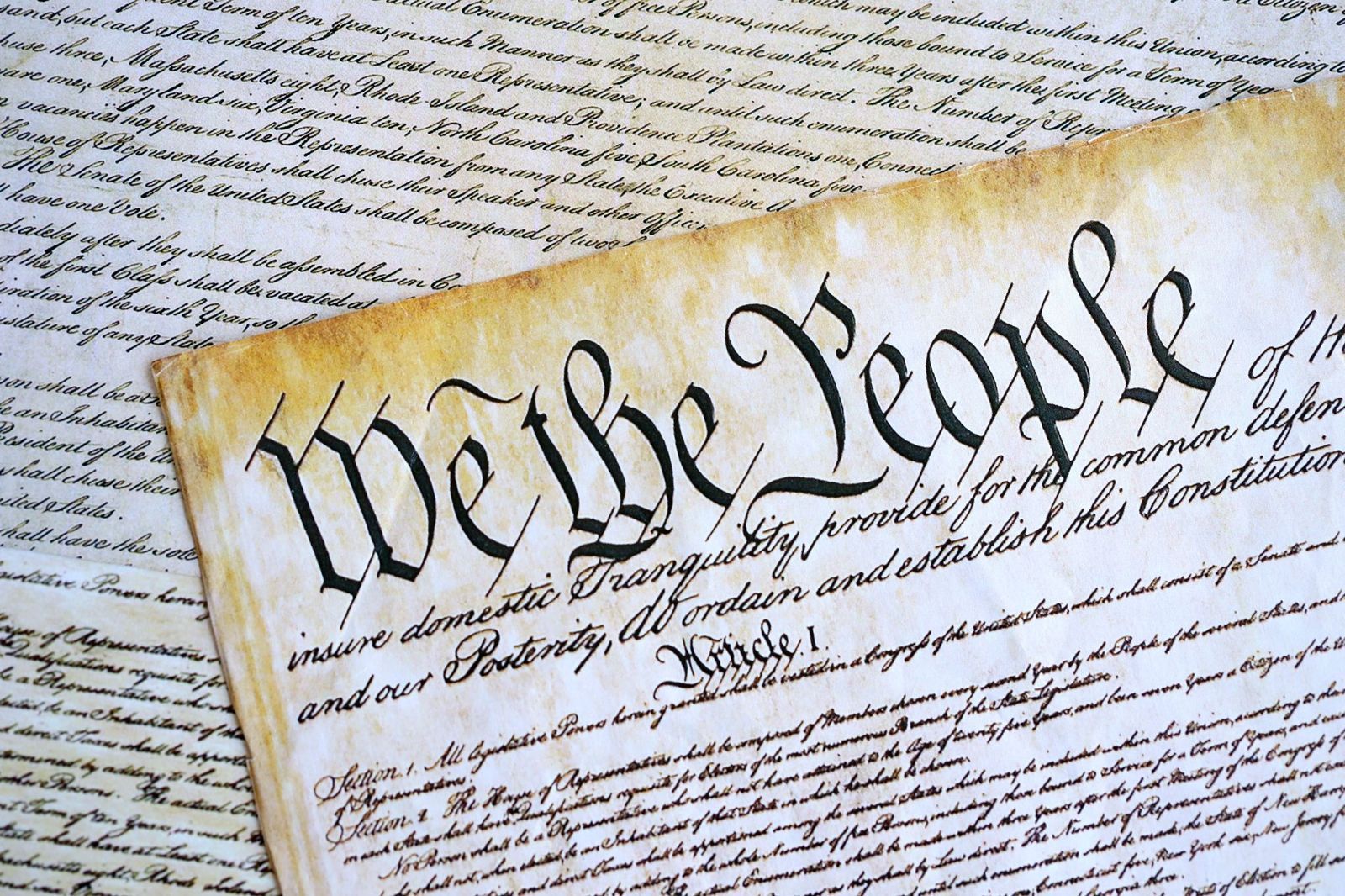
The 27th Amendment to the Constitution, which prevents salary changes in Congress from taking effect until after the next election, was ratified on May 7, 1992. But did you know that this amendment was proposed by James Madison in 1789, more than 200 years before? Sent to be ratified as part of the Bill of Rights, it was only ratified by six states and remained dormant until 1982, thanks to a campaign by high-schooler Gregory Watson, gaining the required three-quarters state approval ten years later.
7 America has more tornadoes per year than any other country
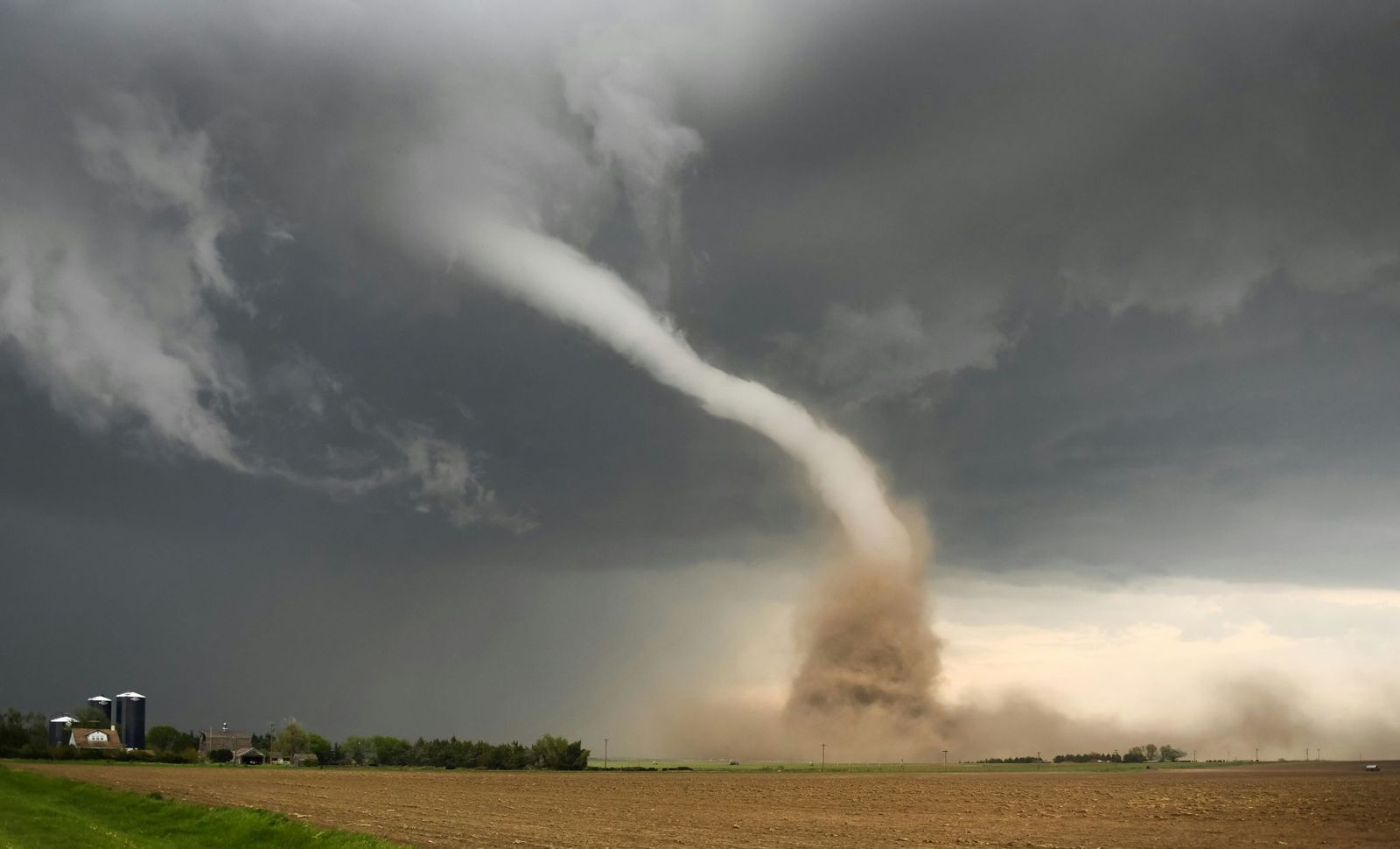
There is a reason a region of America is nicknamed "tornado alley". Experts estimate that the U.S. experiences around 1,200 tornadoes per year, which accounts for nearly 90% of global tornado activity. Occurring mostly in spring and early summer, tornado activity is mainly concentrated in the central and southern regions of the continental U.S.
8 The US-Canada border is the longest in the world
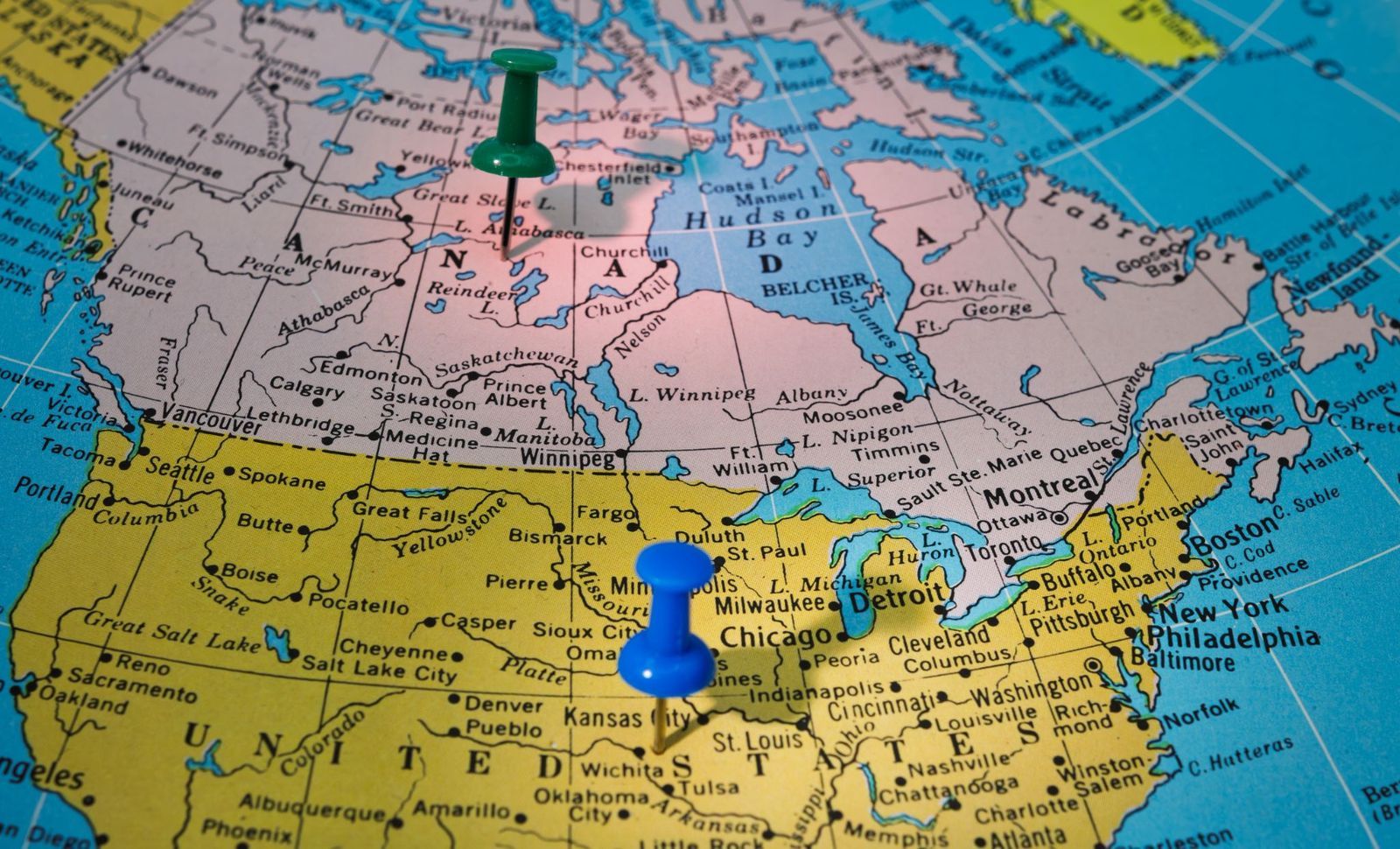
The U.S. and Canada are not the largest countries in the world, but they are second and third, which means their joint border is quite long. In fact, it’s the longest international land border in the world, measuring approximately 5,525 miles. The border consists of two sections, one between Canada and the contiguous U.S., and the other with Alaska.
9 Only American astronauts have set foot on the Moon
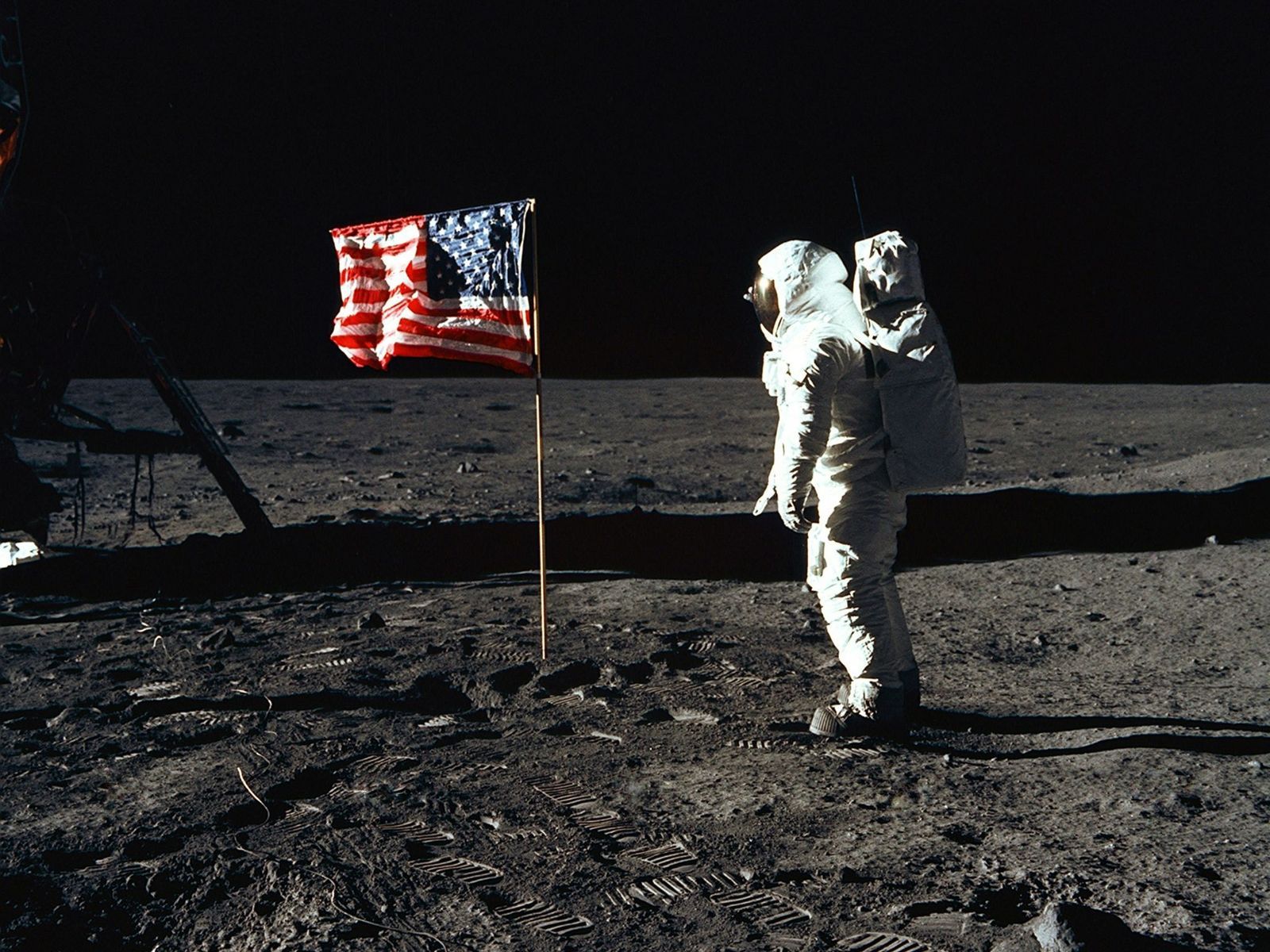
Despite the ups and downs of the Space Race, it’s considered that America ultimately defeated the Soviet Union and the rest of the competitors after the 1969 Moon landing. But although space exploration continued after that date, no other country has managed to send a man to the moon. Since the Apollo 11 space mission, ten other astronauts have set foot on the moon, and all of them have been American. The last one was Harrison Schmitt, who set foot on the moon in 1972, as part of the Apollo 17 space mission.
10 The first ever national park was created in America
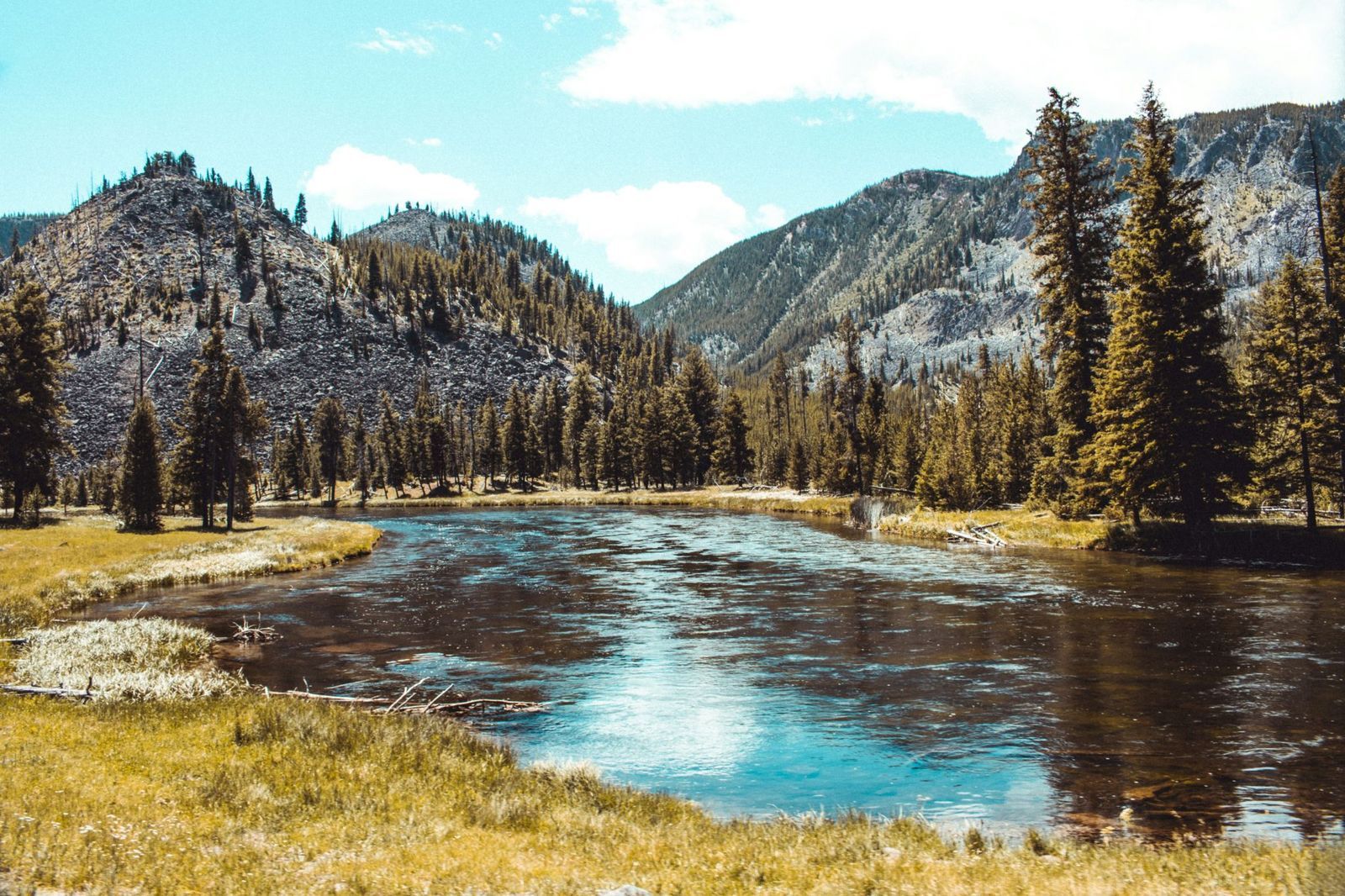
The U.S. has dozens of beautiful and breathtaking national parks, as do other countries. However, America can boast about being a pioneer in the protection of its natural landscapes, as it was the location of the first-ever national park in the world, the Yellowstone National Park, signed into law by President Ulysses S. Grant on March 1, 1872. The Yellowstone National Park encompasses territories across three different states (Montana, Wyoming, and Idaho) and houses more than half of the world's geysers.