No two peas are alike
How can you tell identical twins apart? 10 surprising differences

Identical twins begin when one fertilized egg splits into two embryos, which is why they're often described as having the same DNA. But "identical" turns out to be a lot less absolute than the name suggests. Biology keeps changing after that split and continues doing so throughout life.
Here are 10 reasons why two people who started life together never become perfect biological copies.
1 The fingerprints aren´t identical

Identical twins may have similar fingerprints because genes influence their broad ridge patterns, but a forensic examiner can still tell them apart . The tiny details that make a fingerprint individually identifiable develop through a combination of inherited instructions and conditions inside the womb.
Minute differences in fetal position, pressure, growth, and development help shape those ridges before birth . As a result, even twins who began from the same fertilized egg emerge with distinct prints.
2 Their irises can tell them apart
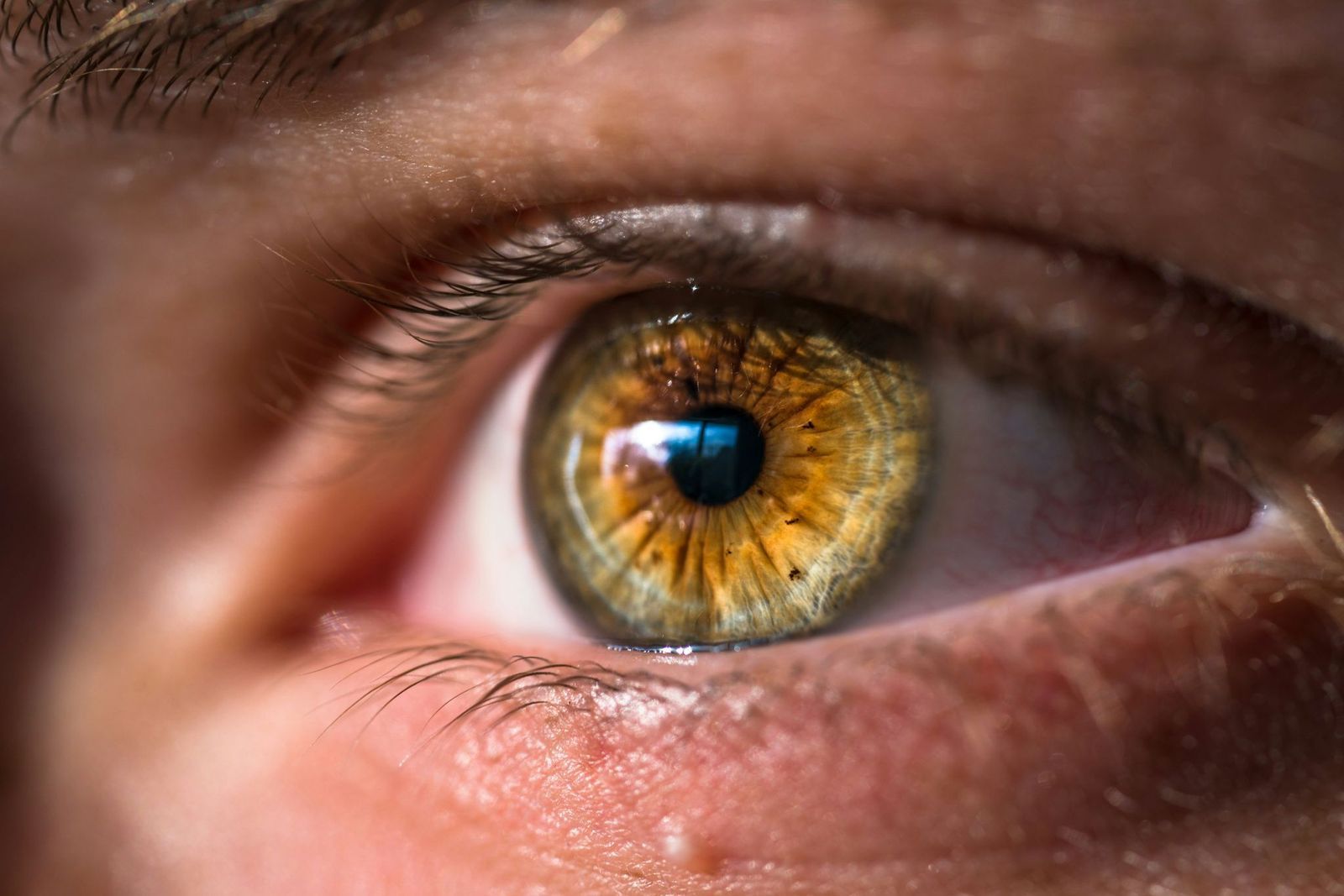
Look closely enough at an iris, and you'll find an intricate landscape of furrows, crypts, spots, and other tiny structures. Genetics influences broad characteristics such as eye color and texture, but many of the finest details arise through developmental processes that aren't perfectly duplicated .
The differences are substantial enough for iris-recognition technology to distinguish identical twins . In fact, even the left and right irises belonging to the same person aren't identical. So while a twin's eyes may appear indistinguishable across a room, their internal patterns contain enough individuality for biometric identification.
3 Their DNA can differ
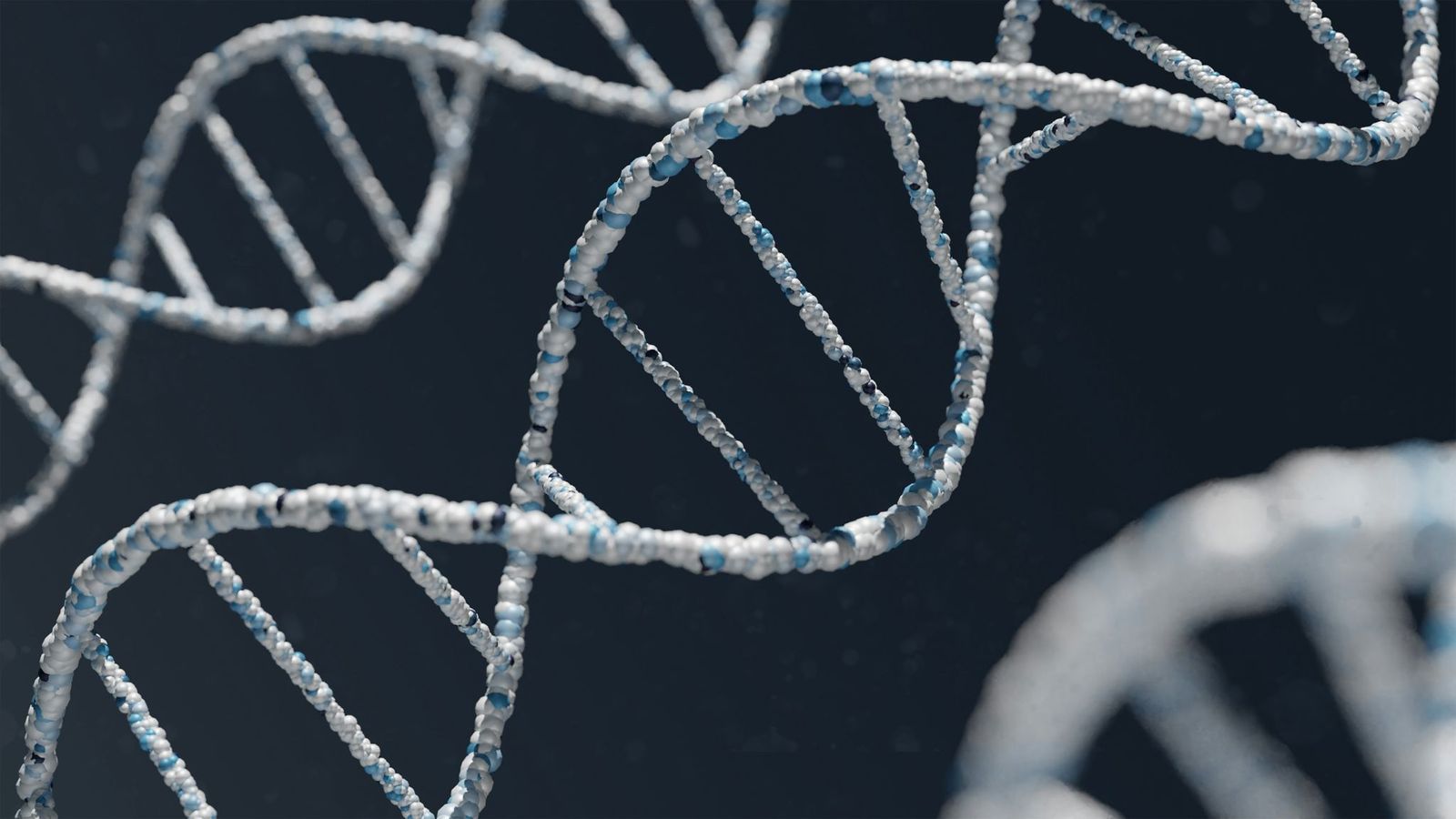
Identical twins are usually said to share the same DNA, but modern genetic research has revealed a fascinating complication. Mutations can occur during the earliest cell divisions, including around the time a single developing embryo separates into two .
A 2021 study found that identical twins differed by an average of 5.2 early developmental mutations . About 15% of the pairs studied showed a substantial number of these mutations in one twin but not the other.
4 They can favor opposite hands
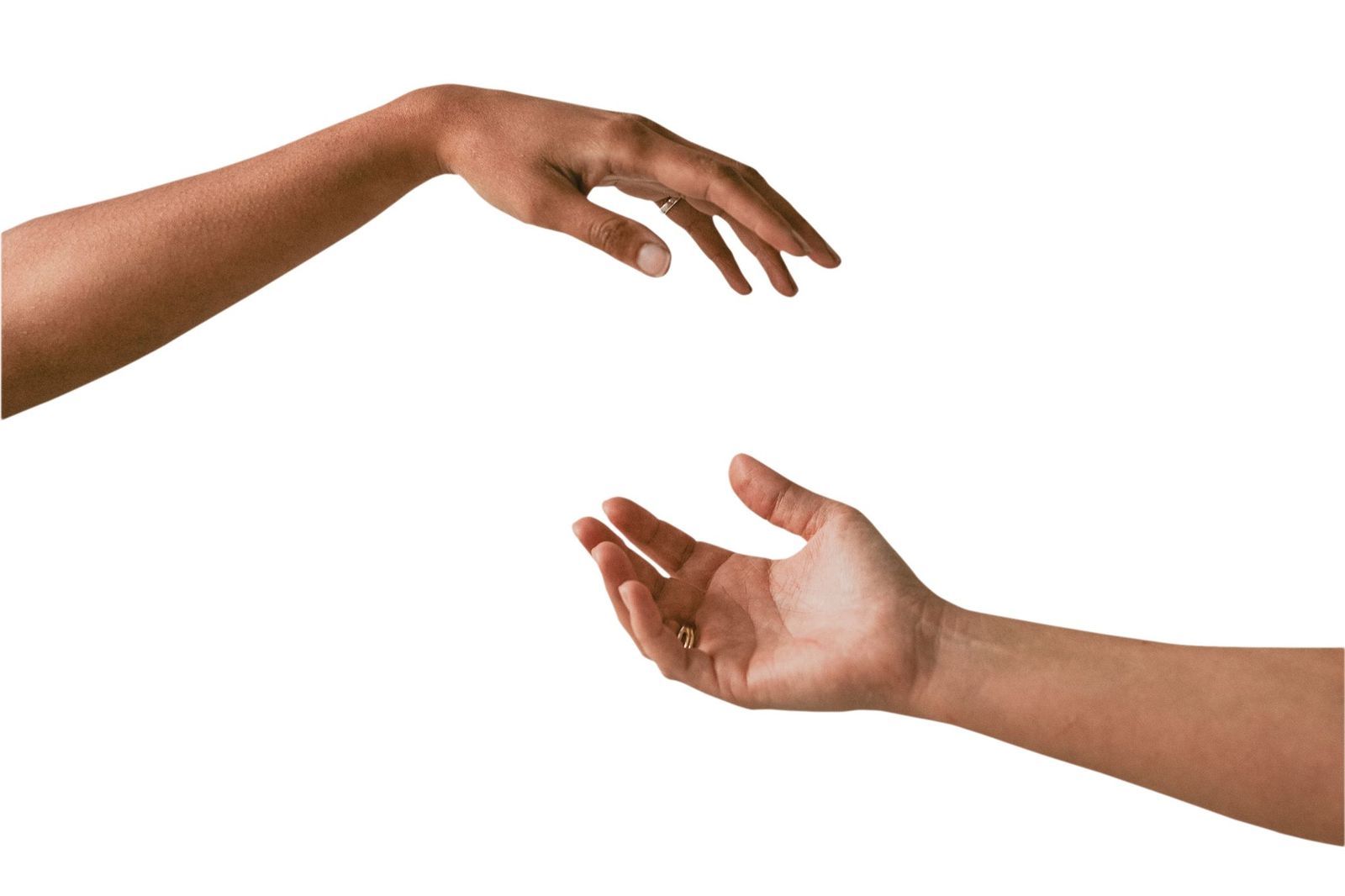
One identical twin can be right-handed while the other is left-handed. Genes appear to influence handedness, and identical twins agree more often than unrelated people would. But genetics doesn't dictate the outcome so completely that both members of a pair must favor the same hand .
You may have heard such pairs described as "mirror twins," as though one sibling developed as a reversed version of the other. Research doesn't support that simple explanation. Hand preference appears to emerge from a more complicated mixture of biological and developmental influences, and identical twins don't always land on the same side.
5 They can smell similarly, but not exactly

Here's one way identical twins really can be remarkably similar: body odor. Experiments have found that people can match the scents of identical twins at better-than-chance rates, even when those twins live apart, suggesting that genes play an important role in our personal chemical signatures.
But scent isn't frozen at birth. Studies of underarm compounds show that an individual's odor profile can vary from one sampling day to another, while twins remain more similar to each other than unrelated people. Genetics may provide part of the recipe, but environment and everyday biology keep modifying the final result.
6 Their immune systems can grow apart
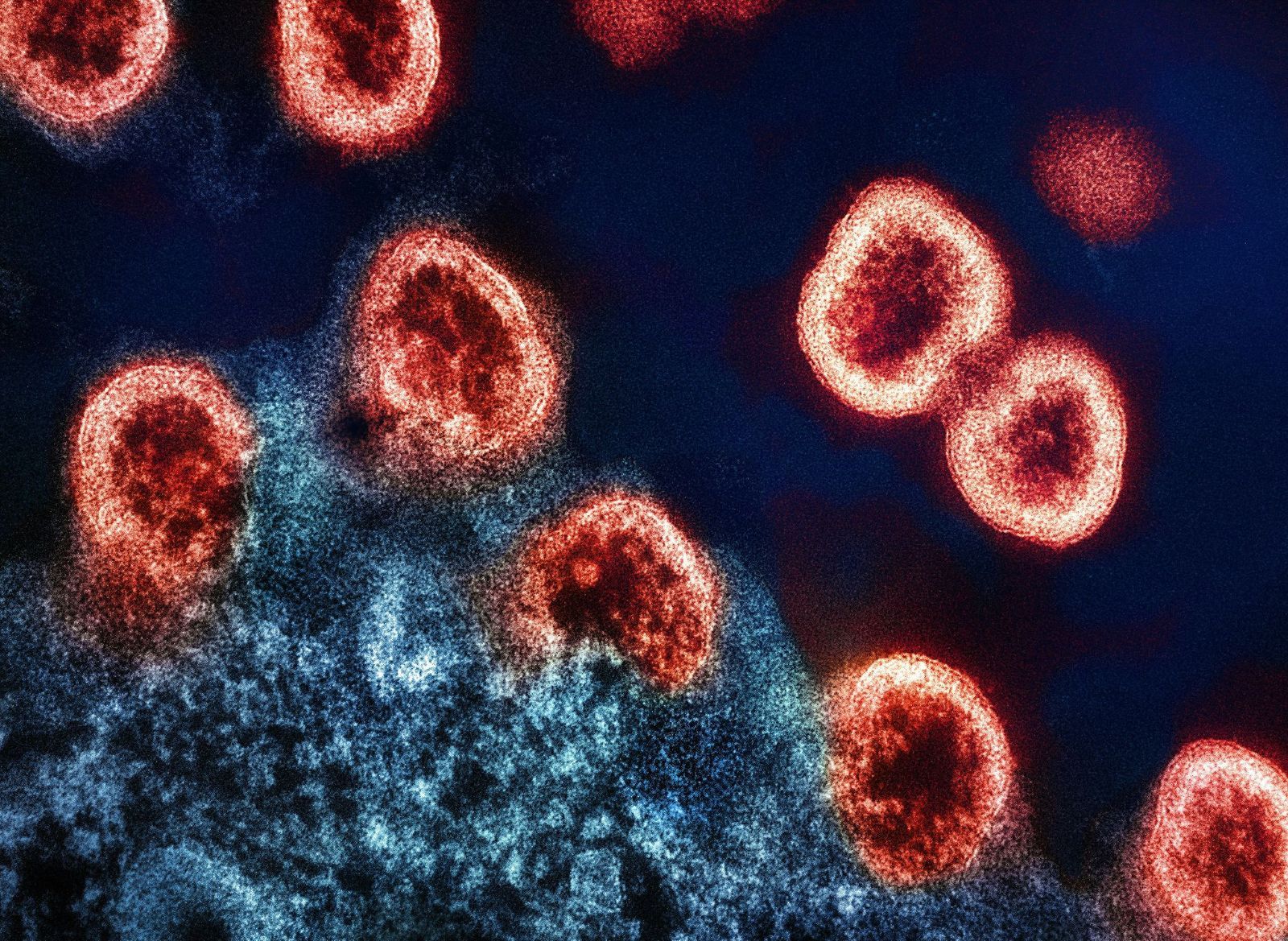
Identical twins begin with essentially the same genetic blueprint, but they don't encounter the same germs forever . Infections, vaccinations, nutrition, and countless other experiences gradually create separate immune histories , and researchers can measure the resulting differences.
A major Stanford twin study found that nonheritable influences dominated roughly three-quarters of the immune measurements examined. Differences were particularly noticeable among older identical twins.
7 Their epigenetic markings can diverge

DNA isn't simply a fixed instruction book that's read exactly the same way forever. Chemical modifications such as DNA methylation help regulate how genetic information is used without changing the underlying sequence. Those epigenetic patterns can become increasingly different between identical twins .
A landmark study found relatively similar patterns in young twin pairs but much greater differences among older ones . Lifestyle, diet, physical activity, smoking, environment, and random cellular changes may all contribute.
8 The same meal can affect them differently

If two identical twins eat the same breakfast, you'd expect their bodies to react almost identically. Large nutrition studies suggest otherwise. Researchers have observed striking person-to-person differences in blood glucose, insulin, and triglyceride responses after people consumed standardized meals .
Those differences appeared even among identical twins. Genetics explained only part of the variation; factors such as sleep, exercise, meal timing, previous meals, and gut microbes also mattered .
9 Their gut microbes can differ
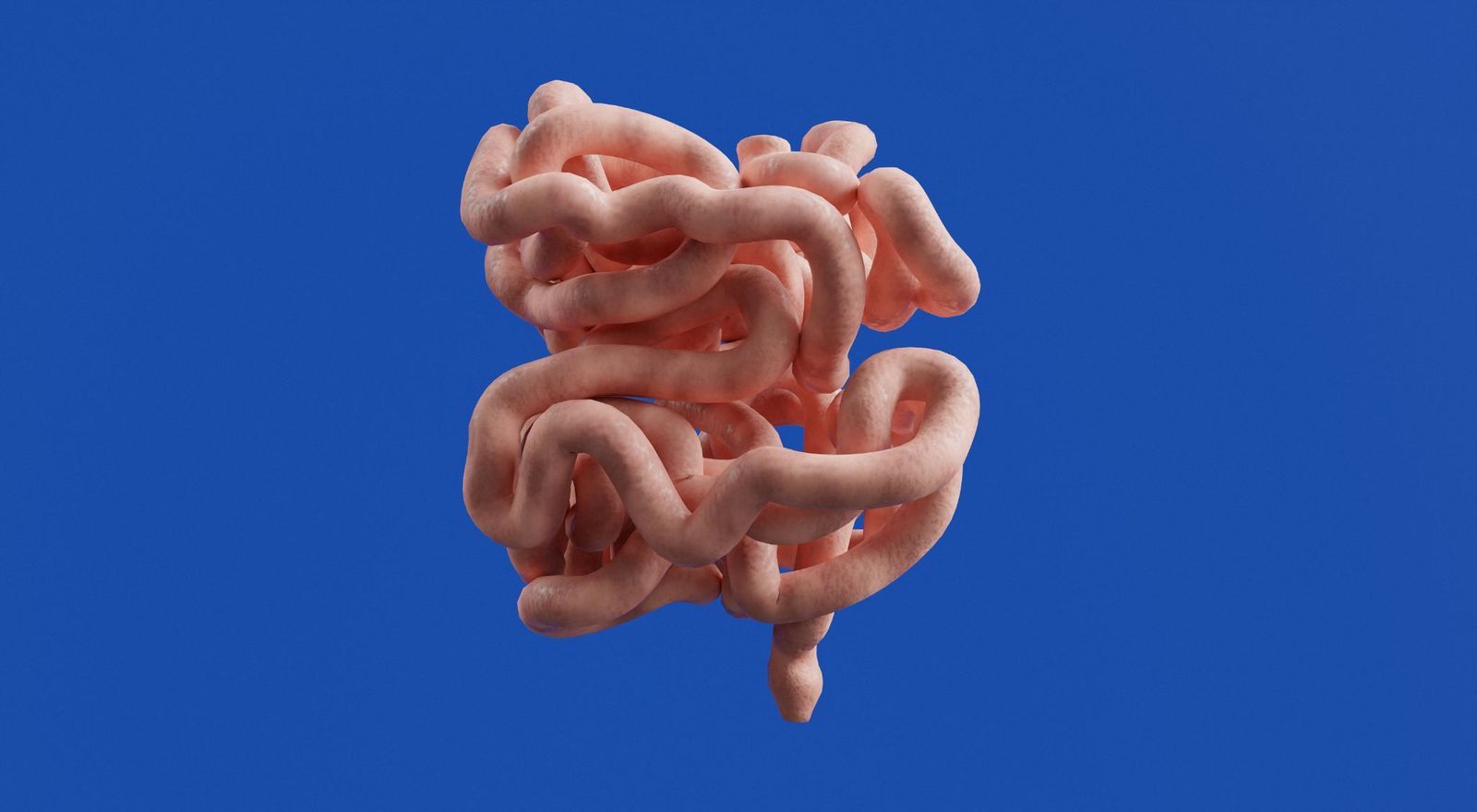
Our digestive systems contain enormous communities of bacteria and other microorganisms, and identical twins don't necessarily carry matching populations . Genetics influences this ecosystem, but it is only part of the story.
Diet, medications, infections, aging, living arrangements, and countless environmental exposures can change which microbes thrive . Studies have found substantial differences even between genetically identical siblings, with shared environment sometimes playing a particularly important role.
10 The same genes can behave differently

Having the same gene doesn't mean that gene will always be equally active in two people. Researchers studying identical twins have found differences in gene expression, the process by which genetic information is used to produce functional molecules such as proteins.
Age can widen that gap. One classic study found nearly identical expression patterns in 3-year-old twins but far greater differences in a pair of 50-year-olds . Larger studies have also identified genes whose activity becomes increasingly discordant with age. Identical twins may start with almost the same script, but life can change how each person performs it.