City secrets
You can cross from Europe to Asia without leaving this city
Some places feel so familiar that we assume there’s nothing left to learn about them. We’ve seen the Eiffel Tower on postcards, the Hollywood sign in countless films, and the canals of Venice in the pages of our favorite travel books. And yet, even the most famous cities in the world are full of surprises. Did you know there’s an entire country hidden inside Rome? Or that one of the world’s most recognizable landmarks once stood for a completely different concept? From the bustling streets of Tokyo to the quiet waterways of Amsterdam, here are ten fascinating facts that may change the way you see these beloved destinations.
1 Rome surrounds an entire country
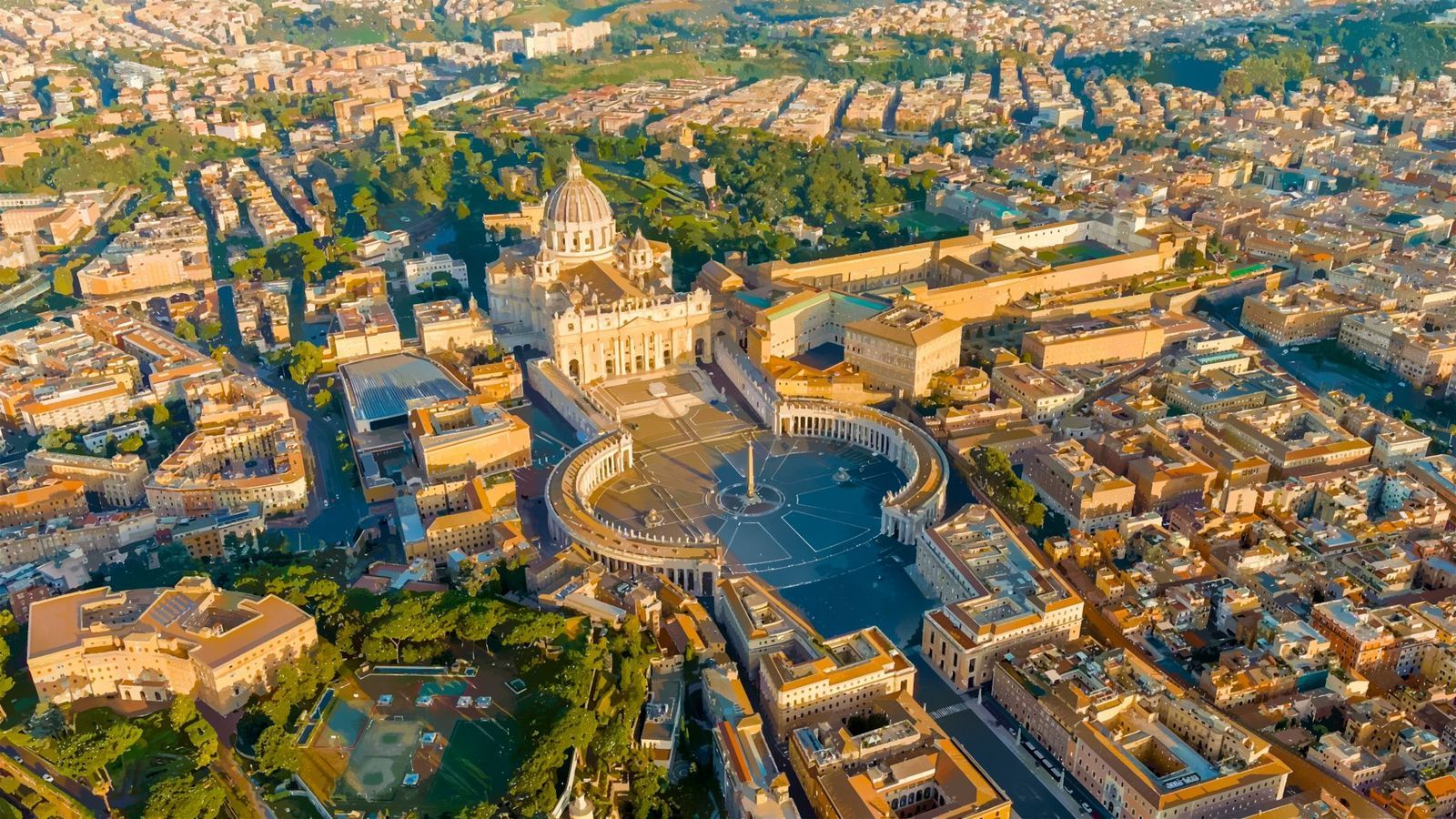
Rome is home to an unusual geographical fact: within the Italian capital lies Vatican City, an independent country and the smallest sovereign state in the world by area . It covers about 109 acres and is the headquarters of the Roman Catholic Church and the residence of the pope.
Despite its tiny size, Vatican City contains some of the world's most celebrated cultural treasures, including St. Peter's Basilica, the Sistine Chapel, and the Vatican Museums. Visitors can walk from the streets of Rome into another country without needing to take a plane, cross a border checkpoint, or leave the city.
2 More than 700 languages are spoken in New York City
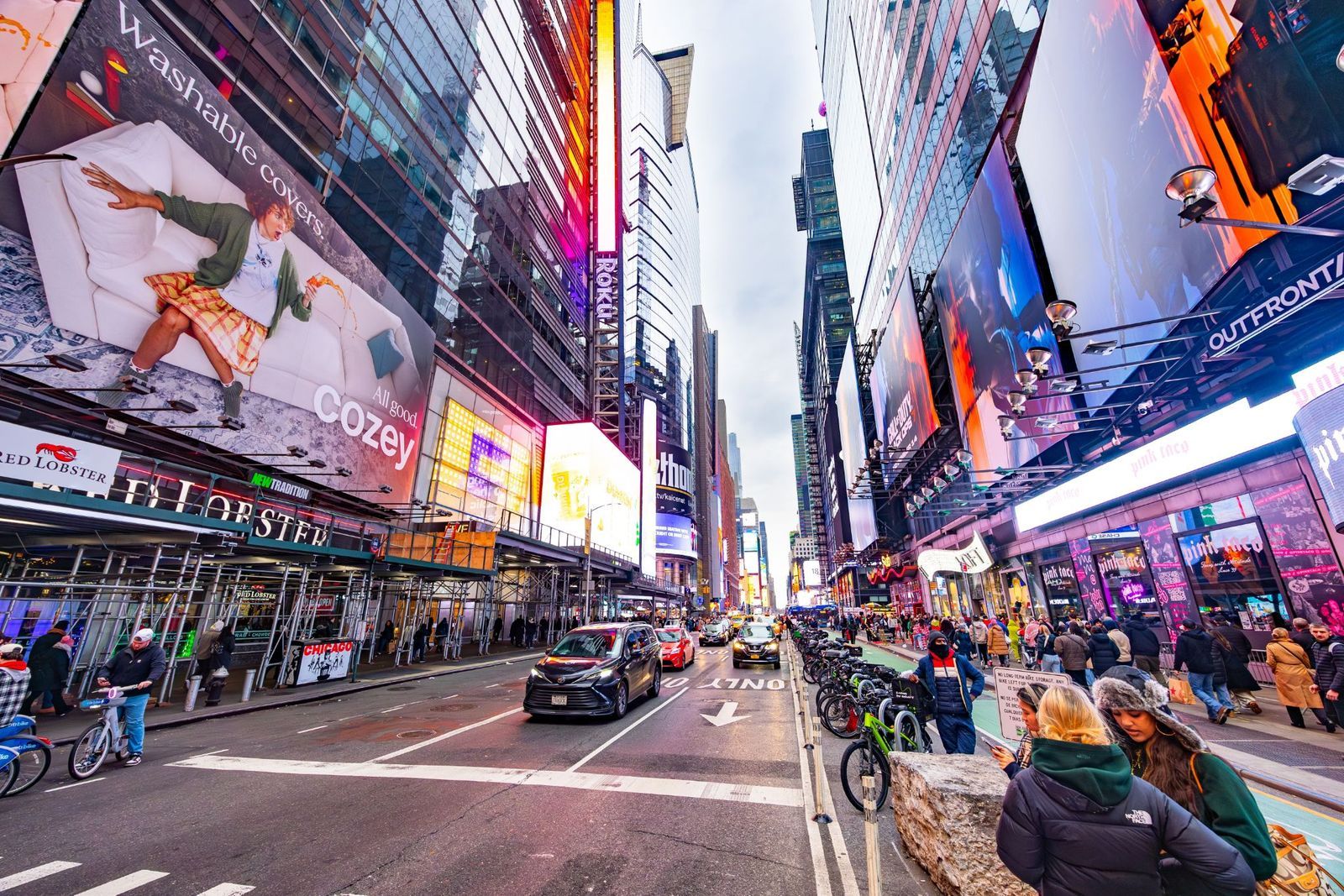
New York City is a true cosmopolitan crossroads, shaped by generations of immigrants who brought their languages, traditions, and customs from every corner of the world. To quote a description by writer Paul Auster, NYC is "the horizontal Babel of human tongues"; it’s estimated that more than 700 languages are spoken across the five boroughs.
This diversity is woven into the city's everyday rhythm. On a single walk, you might pass a Russian bookstore in Brighton Beach, hear Spanish in the streets of Washington Heights, explore Chinese markets in Flushing, or find restaurants serving dishes from countries thousands of miles apart.
3 The Las Vegas Strip isn't technically in Las Vegas
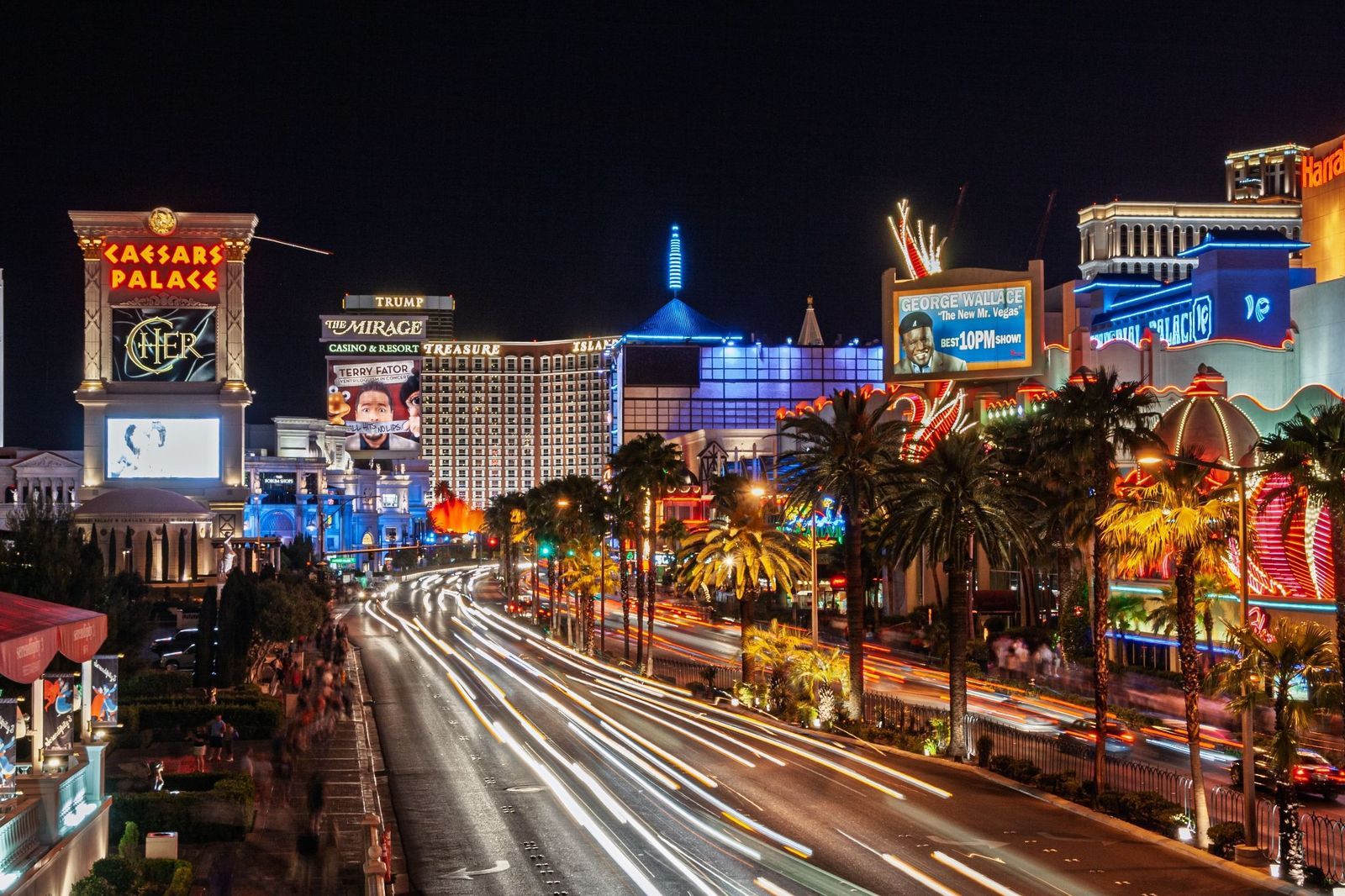
The Las Vegas Strip is synonymous with the city of Las Vegas, thanks to its enormous casinos, spectacular fountains, and bright neon signs. However, much of the famous boulevard is actually located outside the official city limits, in the unincorporated communities of Paradise and Winchester, within Clark County, Nevada.
The distinction is easy to miss because the Strip and downtown Las Vegas are part of the same larger urban area. Many of the region's best-known resorts along Las Vegas Boulevard, like Bellagio and Caesars Palace, are therefore not technically inside the city whose name they helped make famous.
4 The Hollywood sign originally said "Hollywoodland"
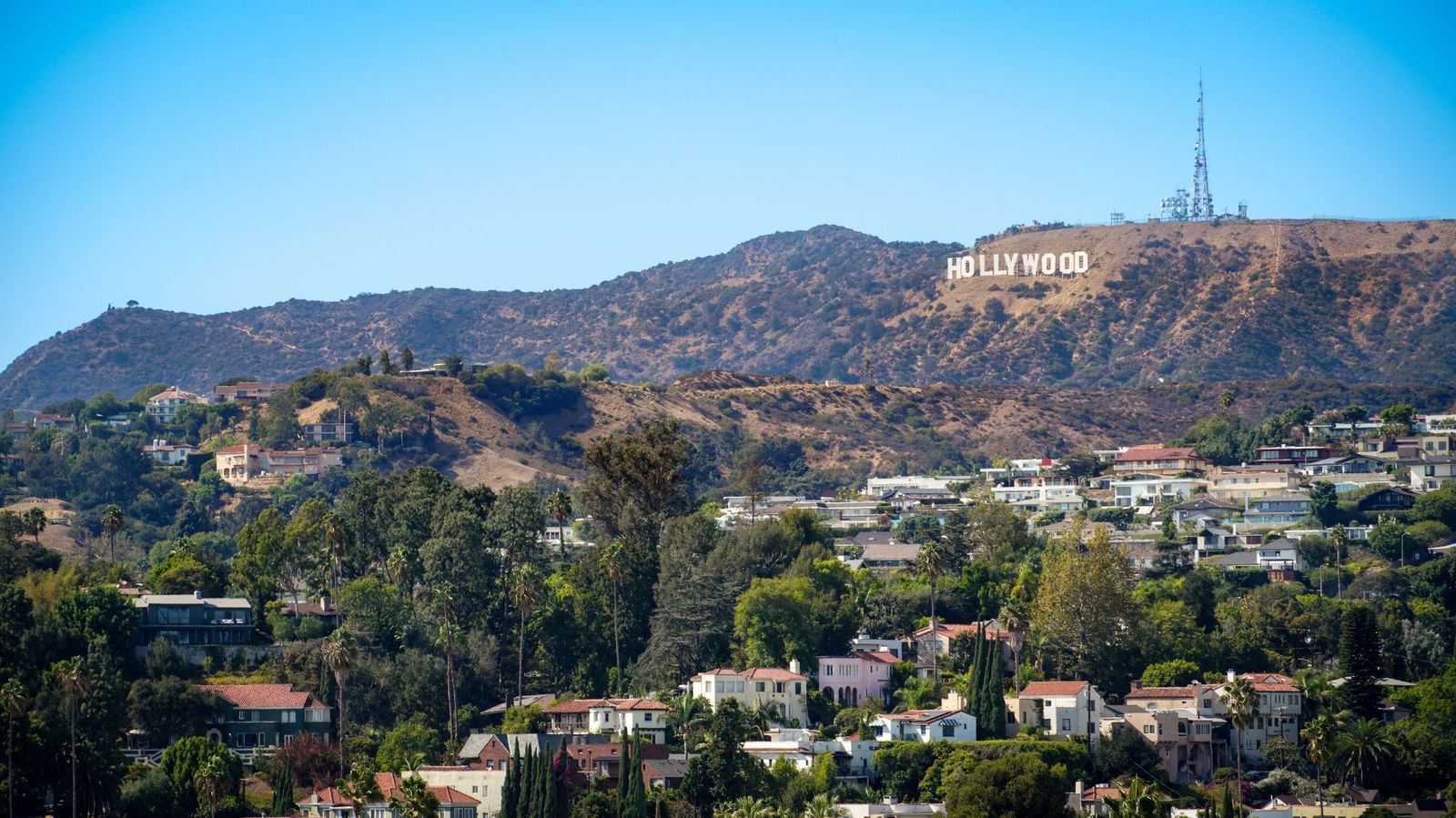
The Hollywood sign overlooking Los Angeles originally read "HOLLYWOODLAND" when it was installed in 1923. It was created to advertise a new real estate development , rather than to serve as a symbol of the American film industry.
The sign was initially intended to be temporary, but it became a landmark in its own right. In 1949, the final four letters were removed, leaving the familiar "HOLLYWOOD" that has since become closely associated with movies, celebrity culture, and the entertainment industry.
5 Mexico City was built on the site of an Aztec capital
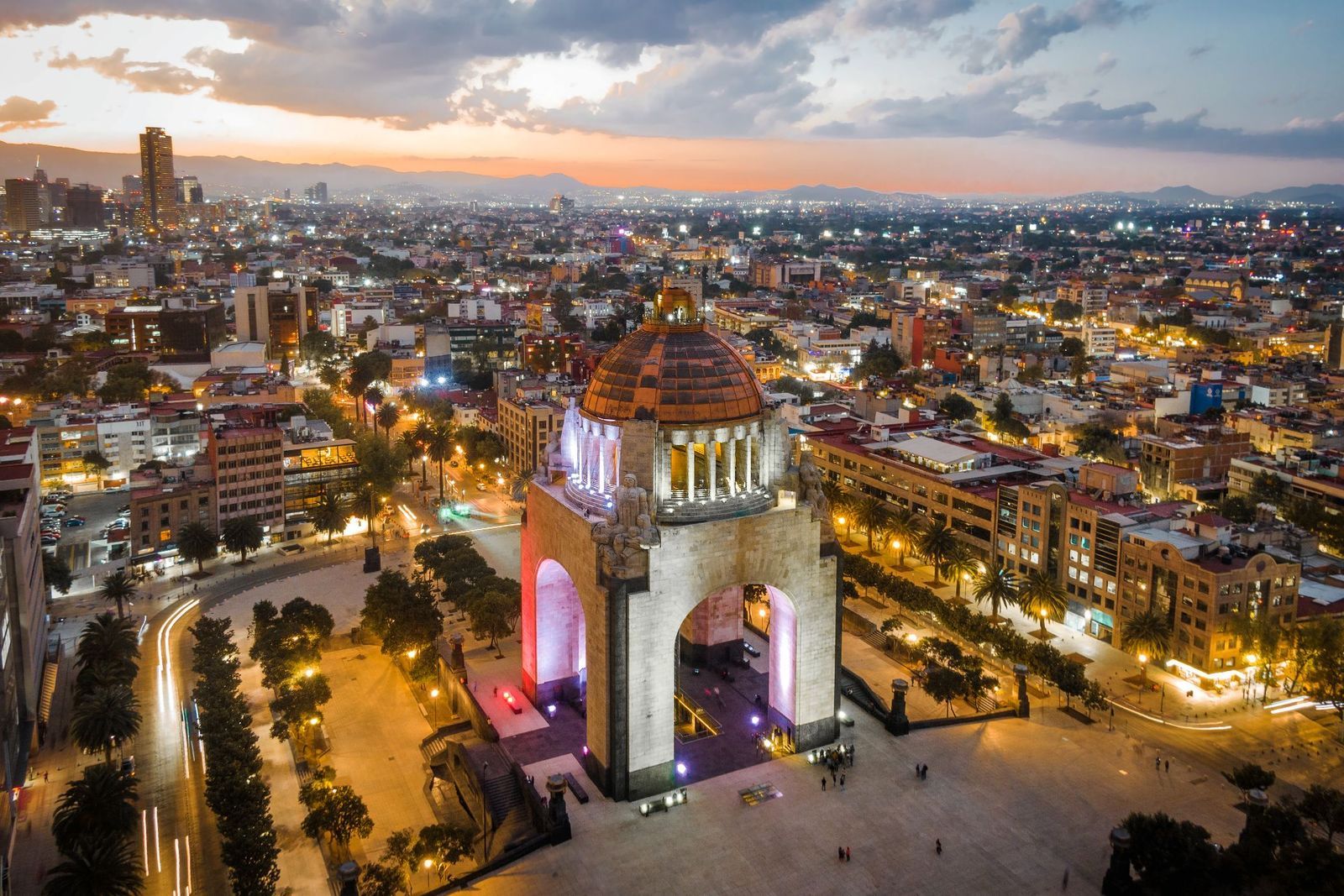
Mexico City stands on the site of Tenochtitlan, the capital of the Aztec Empire, founded in 1325 on an island in Lake Texcoco. At the time, the city was surrounded by water and connected to the mainland by causeways, while canals helped transport people and goods.
After the Spanish conquest in the 16th century, much of Tenochtitlan was destroyed, and a new colonial city was built over its remains. The lake was gradually drained, but traces of the area's watery past remain in the region. Today, Mexico City sits on a landscape shaped by both ancient engineering and centuries of urban expansion.
6 Venice is built on more than 100 small islands
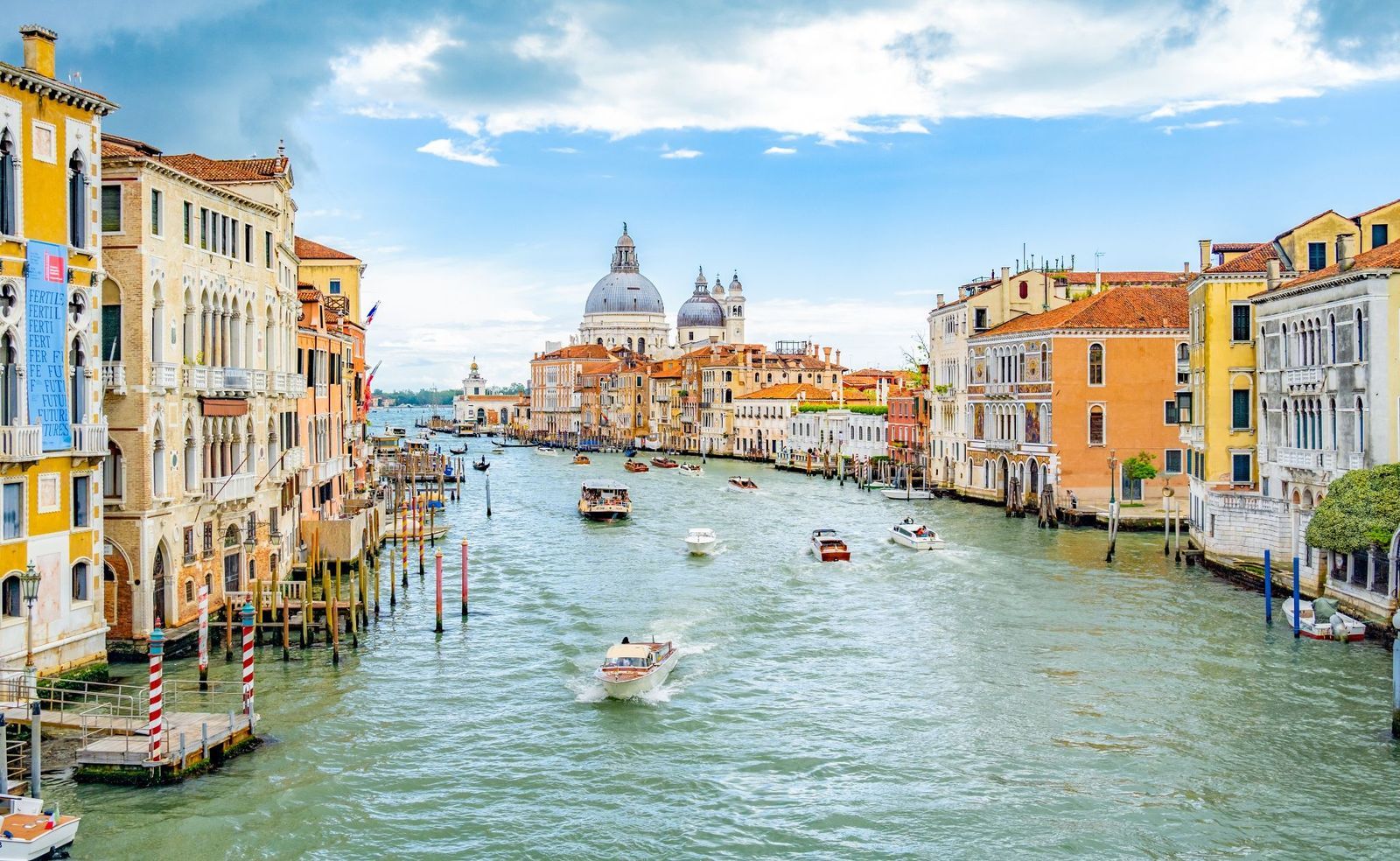
Venice, Italy, may look like one continuous city, but it is actually spread across more than 100 small islands in a lagoon along the Adriatic Sea . Instead of ordinary streets filled with cars, much of the historic center is connected by waterways, with boats serving as a common means of transportation.
Another interesting fact is that some parts of Venice are slowly sinking by about 1 to 2 millimeters per year. The city is also experiencing a declining population, as some residents move from the historic center to the mainland. These changes are part of the ongoing story of a city that has adapted to life on the water for centuries.
7 Amsterdam has roughly 60 miles of canals
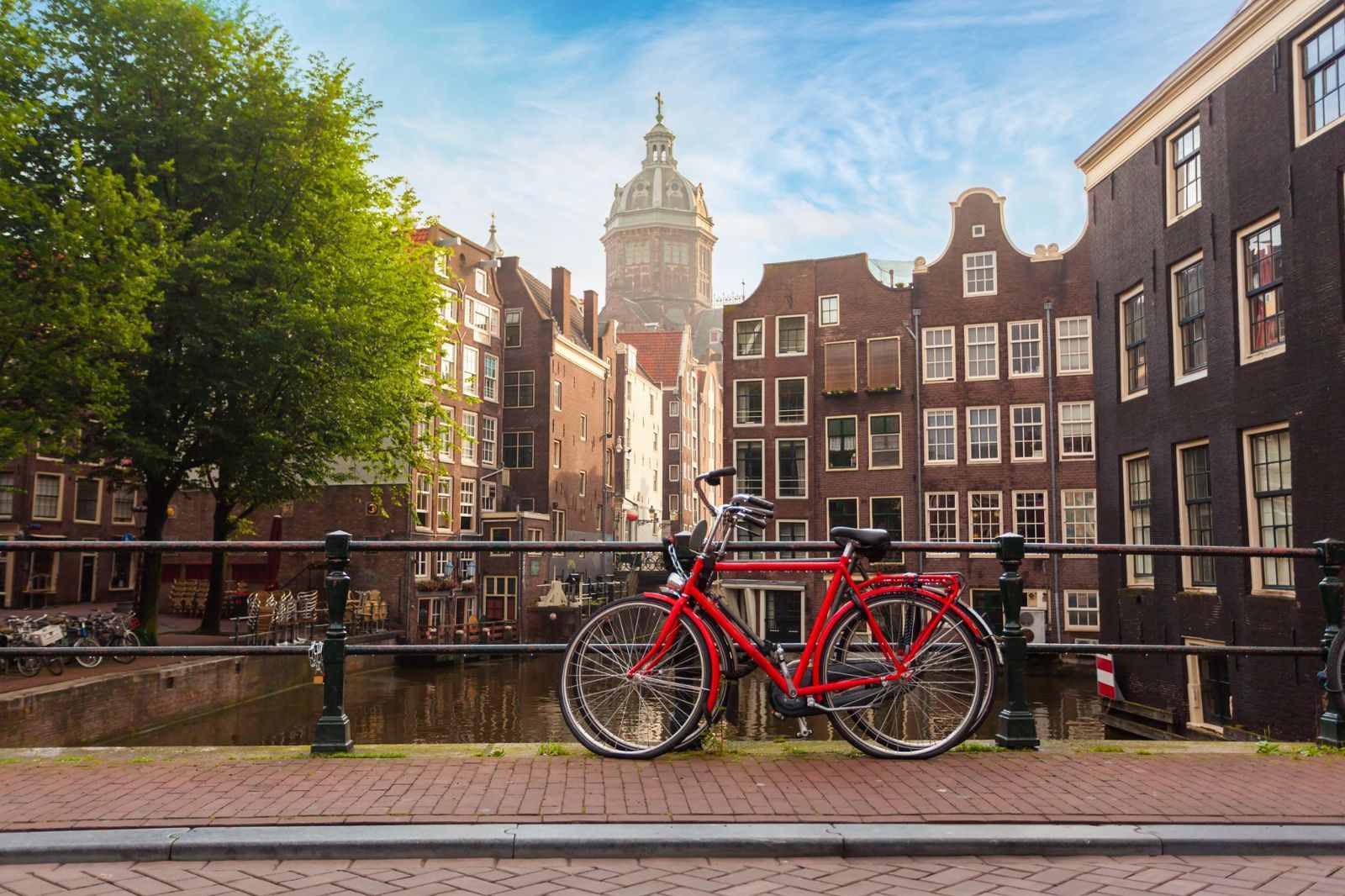
Amsterdam, the capital of the Netherlands, is famous for its network of canals, which stretch for roughly 60 miles. Many were built during the 17th century, when the city expanded as a center of international trade. Today, the waterways are lined with historic houses and houseboats, and the city has more than 1,500 bridges, over three times as many as Venice.
Some of Amsterdam’s canal-side houses lean at unusual angles because their old wooden foundations have shifted over time, earning them the nickname "dancing houses." The city has another surprising distinction: it has more bicycles than residents, and special boats retrieve around 15,000 discarded or sunken bikes from its canals every year.
8 Greater Tokyo is the world's most populous metropolitan area
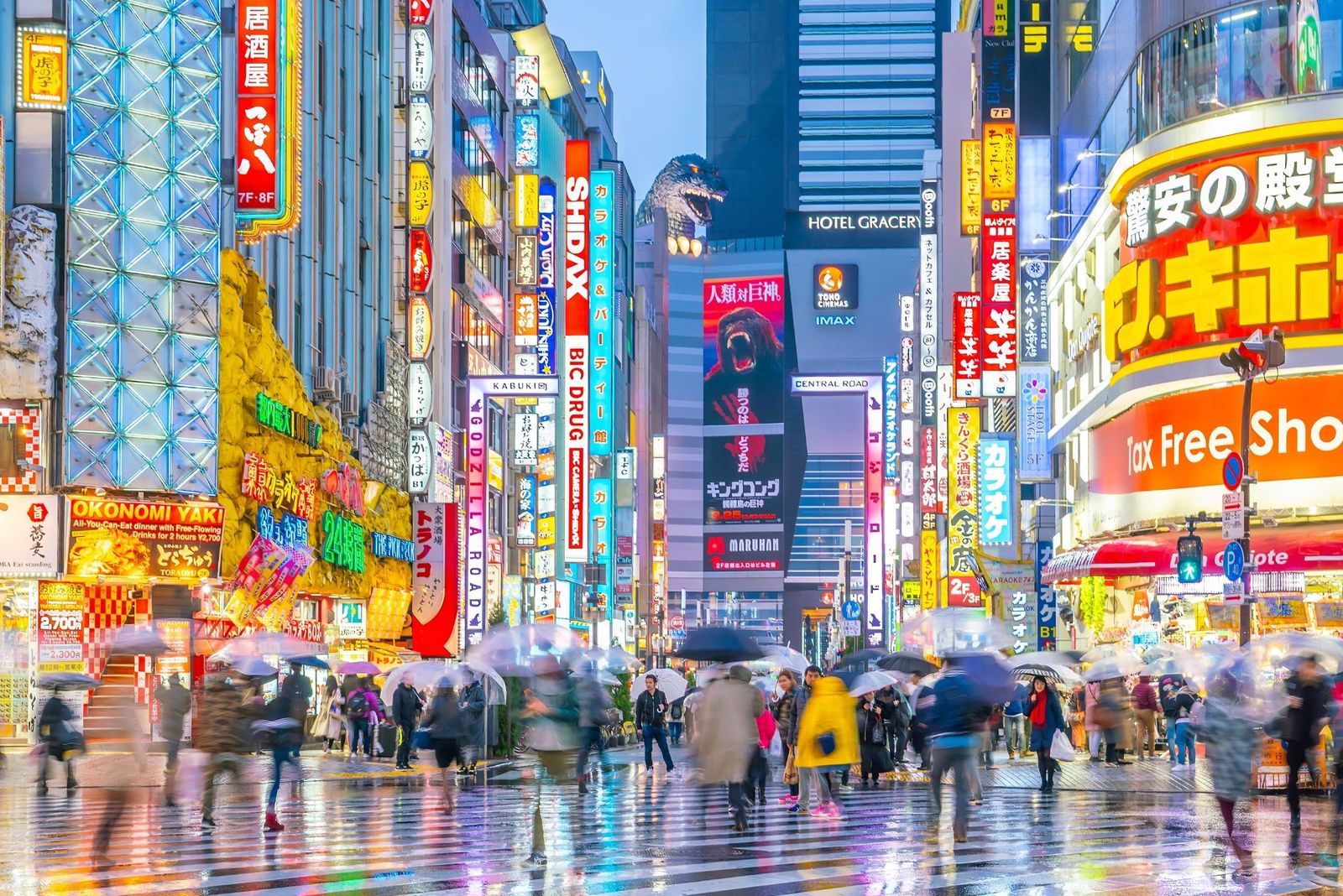
Tokyo is famous for its crowded trains, neon-lit streets, and bustling shopping districts, but its sheer size is just as remarkable. The Greater Tokyo metropolitan area is generally considered the most populous in the world, with roughly 37 million inhabitants , depending on how its boundaries are defined.
Despite this enormous population, Tokyo is known for its extensive public transportation system, which connects busy commercial districts with residential neighborhoods and surrounding cities. Shinjuku Station, one of the world's busiest railway stations, has more than 200 exits and serves millions of commuters. Trains are so punctual that railway operators can issue official delay certificates for late arrivals.
9 Istanbul sits on two continents
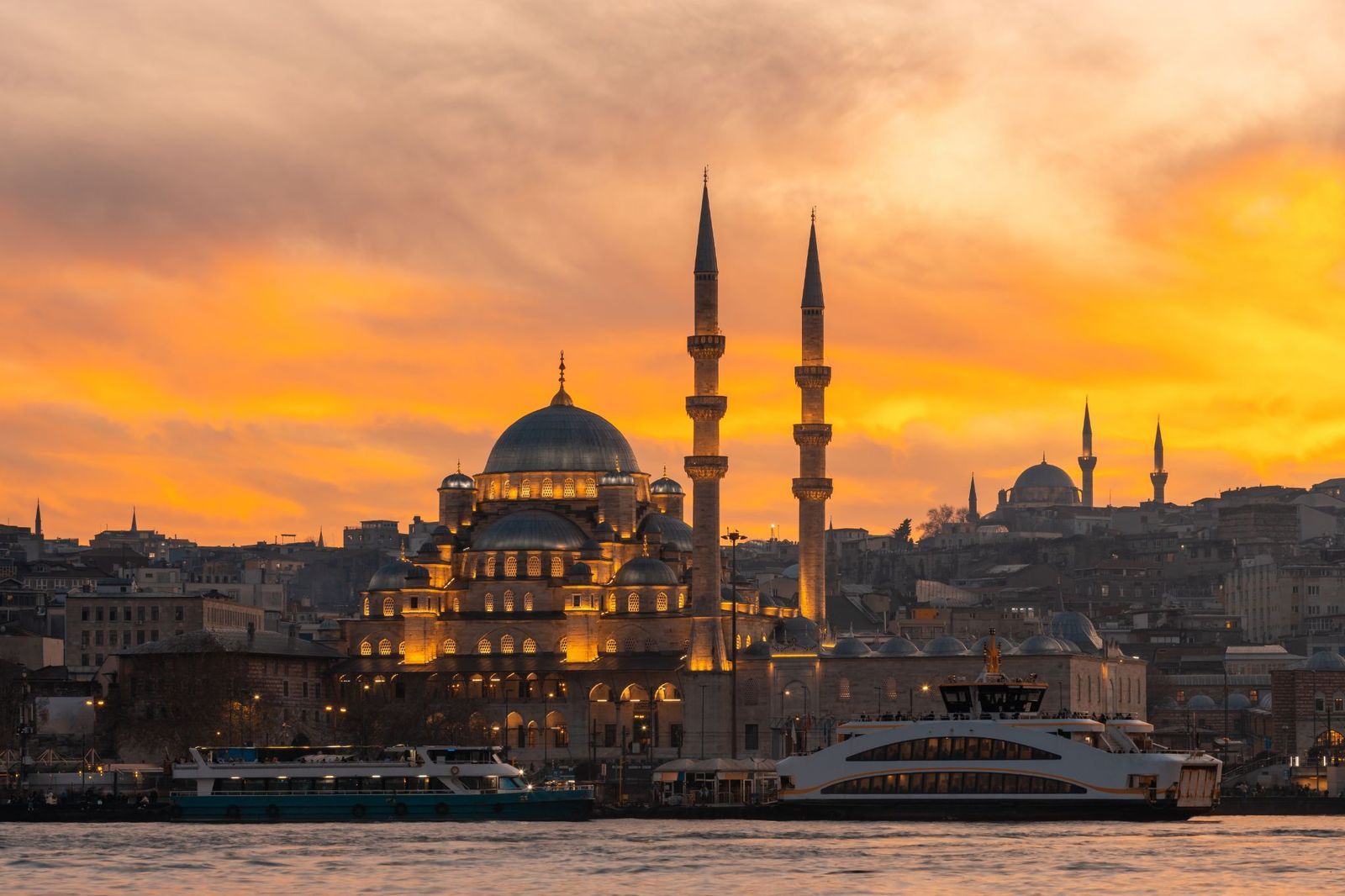
Istanbul, Turkey, is geographically one of the world's most unusual major cities because it spans both Europe and Asia. The Bosporus Strait runs through the city, separating its European and Asian sides while connecting the Black Sea with the Sea of Marmara.
This position has helped make Istanbul an important crossroads of trade and culture for centuries. Its landmarks reflect that history: the Hagia Sophia, the Blue Mosque, and the Grand Bazaar are reminders of the many civilizations that have shaped the city.
10 The Eiffel Tower gets taller in summer
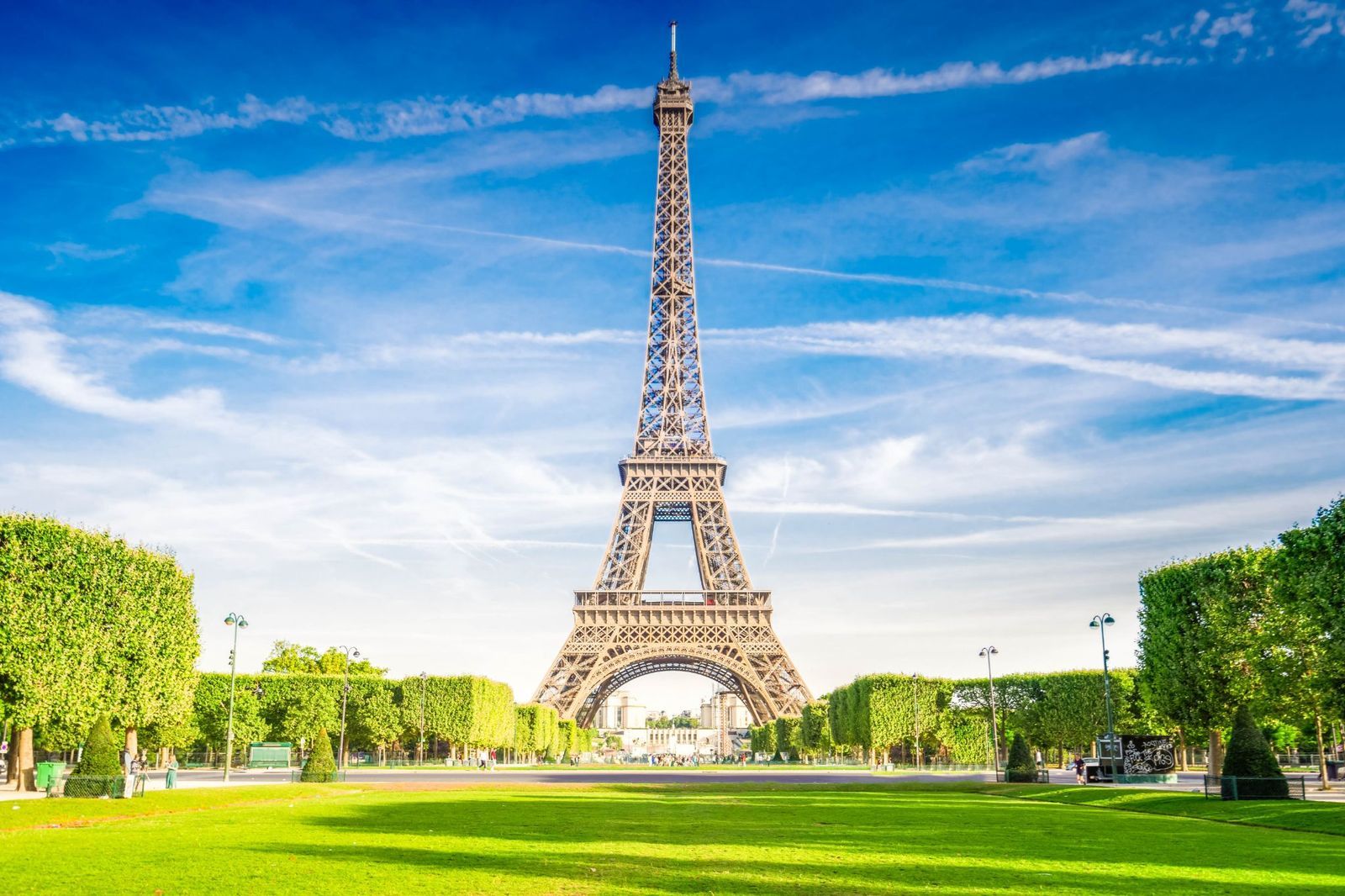
The Eiffel Tower in Paris is famous for its iron framework and sweeping views, but even this iconic landmark changes with the seasons. When the weather gets hot, the iron expands, causing the tower to grow by several inches. In colder weather, the metal contracts and the structure becomes slightly shorter.
This is a normal physical process known as "thermal expansion," not a sign that the tower is shifting or becoming unstable. The effect is a fascinating reminder that even one of the world's most recognizable monuments responds to changes in the weather.