Songs with stories
What is “Another Brick in the Wall” really about?

By reading the titles of these songs and simply closing your eyes, you can probably already envision some of the times you’ve found yourself singing along to these masterpieces. From driving to the grocery store to sitting alone on the couch or in your bedroom, these tracks have accompanied many of us at one point or another. And not only are they beautiful to listen to, but they all have incredibly deep and powerful meanings that you may not have noticed before. Let’s take a moment to look more closely at what they’re really about and rediscover just why we love listening to them so much.
1 "Blowin’ in the Wind": Bob Dylan

Winner of the Nobel Prize in Literature, Bob Dylan's famous 1962 song "Blowin’ in the Wind" is a protest tune that reflects on war, peace, and human equality, despite its slow, harmonious melody. The lyrics ask questions about these topics and what it really means to be free.
And while its famous verses explore existential and anti-war questions, each stanza concludes with the iconic refrain: "The answer, my friend, is blowin' in the wind". Interpretations can vary, of course, but the song suggests that the answers to humanity’s biggest problems are like the wind: the truth is all around us, but people fail to catch it or act upon it.
2 "Imagine": John Lennon

John Lennon, maybe the most famous Beatle, released the unforgettable hit song "Imagine" in 1971, which became a powerful theme of peace and utopian idealism, challenging listeners to envision a different world—one that frees itself from traditional divisions that cause so much human conflict, such as matters of religion, nationalism, and material wealth.
Ultimately, the song acts as a gentle but radical invitation to rethink how society is structured . At its core, the song asks a simple question: If we strip away the artificial systems that divide us, what is left? His answer is a unified humanity sharing the world in peace.
3 "I Am Woman": Helen Reddy

Released in 1972, "I Am Woman" by Helen Reddy is considered the ultimate musical anthem of what’s been defined as the second wave of feminism. Upon its release, the song went on to top the Billboard charts, won a Grammy, and provided the women's liberation movement its ultimate rallying cry: "I am woman, hear me roar."
The lyrics, co-written by the Australian-born Reddy and Ray Burton, aimed to reflect the grit, independence, and resilience of the actual women she knew. Behind its infectious, upbeat pop melody lies a profound story of resilience, triumph over oppression, and universal empowerment.
4 "Respect": Aretha Franklin
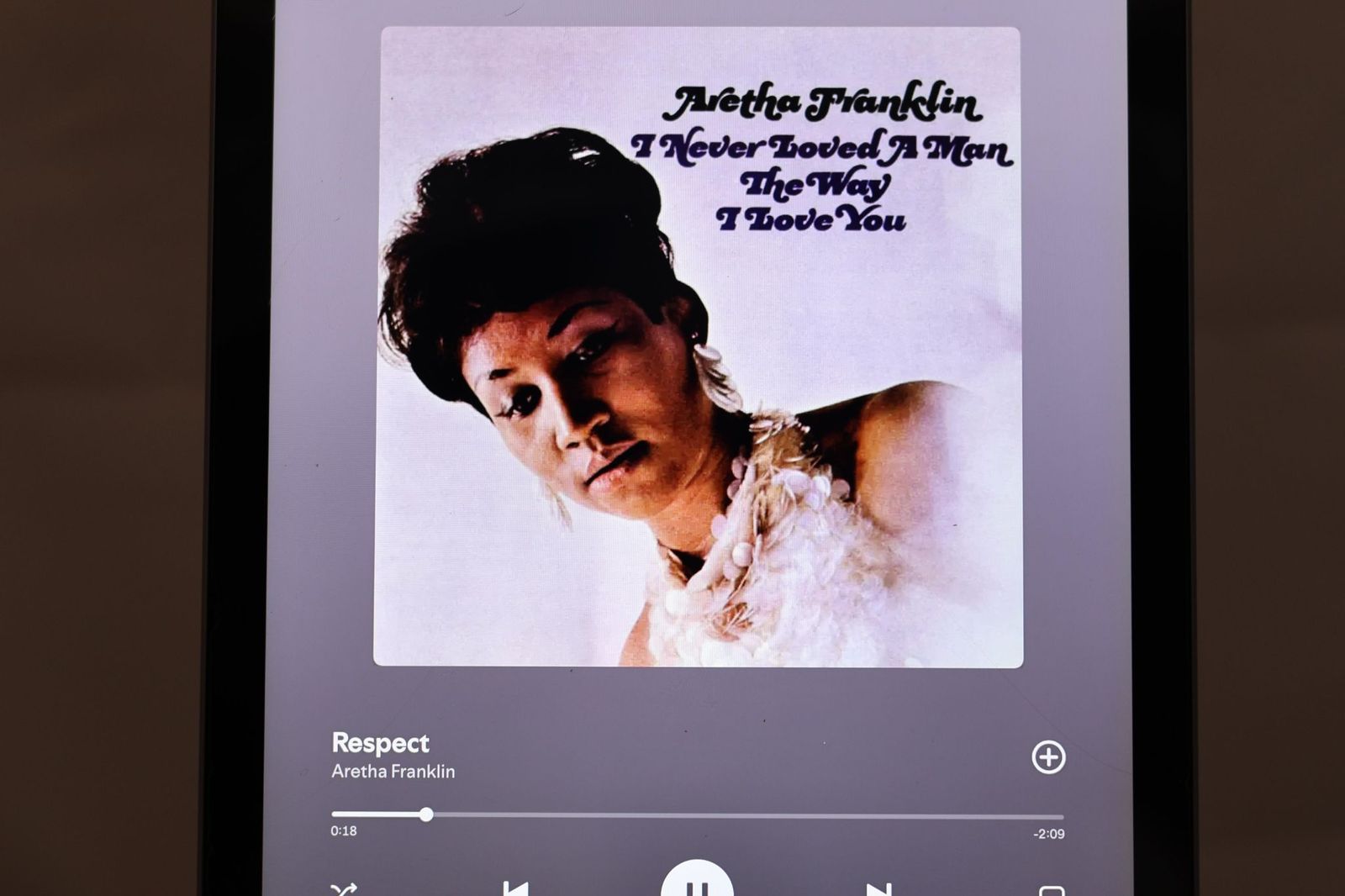
If Aretha Franklin wanted to make a point, there is no doubt that in spelling out "R-E-S-P-E-C-T," her message was loud and clear. She undoubtedly transformed Otis Redding's 1965 song about a man demanding respect into a definitive feminist and Civil Rights anthem of dignity, equality, and self-worth.
In addition, the song's words express the need for financial independence ("so is my money"), establishing a fierce, non-negotiable demand for recognition and, above all, respect. In her 1999 autobiography Aretha: From the Roots, she described the song as "an ongoing blessing" in her life and explained that in her eyes, respect is something everyone wants : from the average person on the street to the businessman, mother, fireman, and teacher.
5 "Another Brick in the Wall": Pink Floyd

"Another Brick in the Wall", an unforgettable anthem released by the British band Pink Floyd in 1979, has many layers (if you don’t mind the pun). Above all, it's a clear and definitive protest against rigid, authoritarian systems that crush human individuality and emotional freedom.
In doing so, it has a core metaphor, which is "the wall", symbolising a mental and emotional barrier. As time goes by and life goes on, the main character, Pink, builds it piece by piece to protect himself from life's pains. Each painful event—like losing a father in war, overprotective parenting, or cruel schooling—is another brick. A central part of the tune expresses how students are treated like interchangeable objects on an assembly line. They are forced to fit one mold, becoming just another brick in the wall.
6 "The Sound of Silence": Simon & Garfunkel
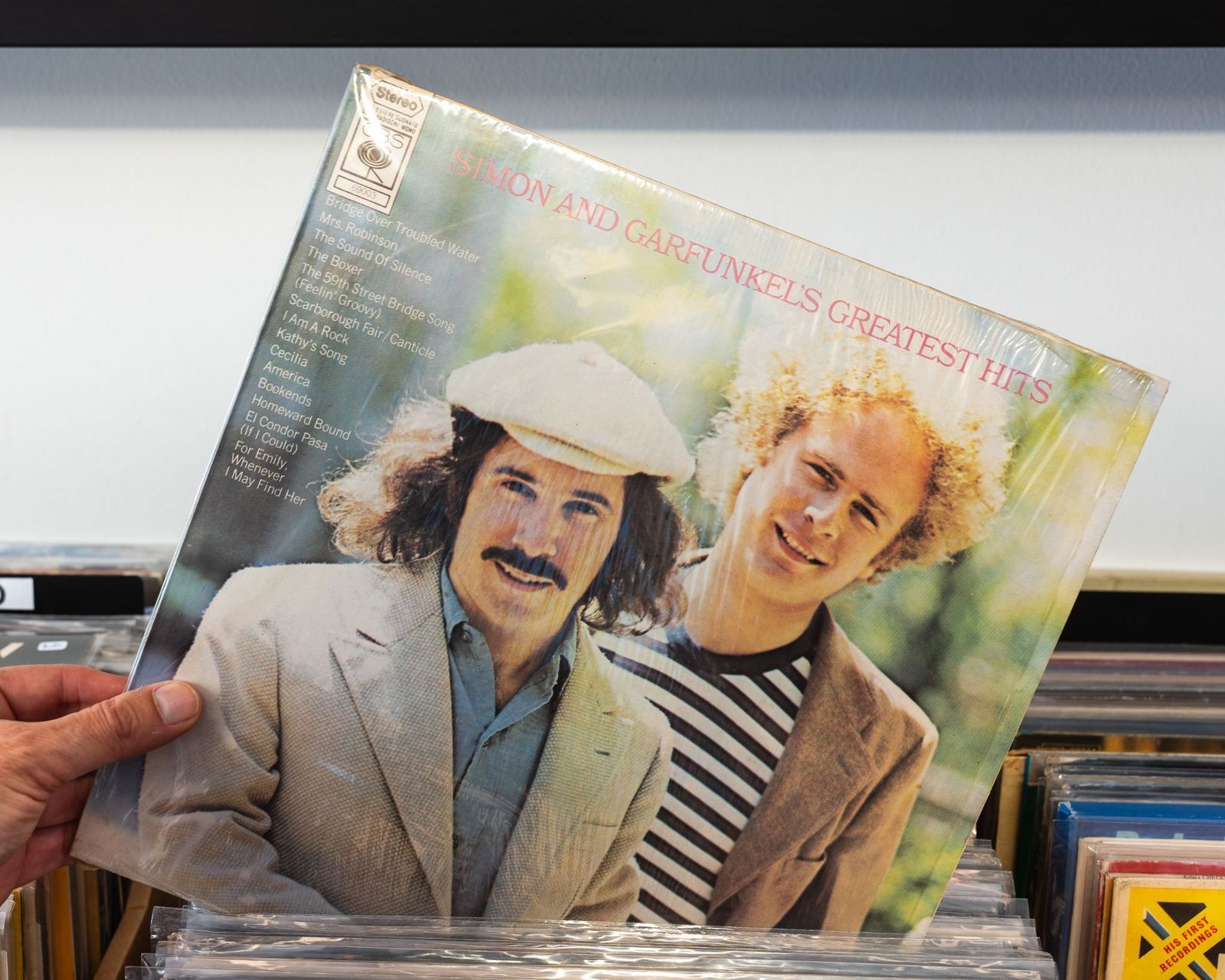
"The Sound of Silence", by Simon & Garfunkel, was released in 1964. Art Garfunkel famously described the song’s core meaning as people's inability to communicate and truly connect .
The well-known lines we know by heart, such as "People talking without speaking / People hearing without listening," describe a world filled with constant noise and chatter, yet entirely devoid of actual meaning or empathy. The narrator tries to share a message of awakening, but their words fall "like silent raindrops [and] echoed in the well of silence," showing how society passively ignores truth in favor of comfortable conformity.
7 "With or Without You": U2
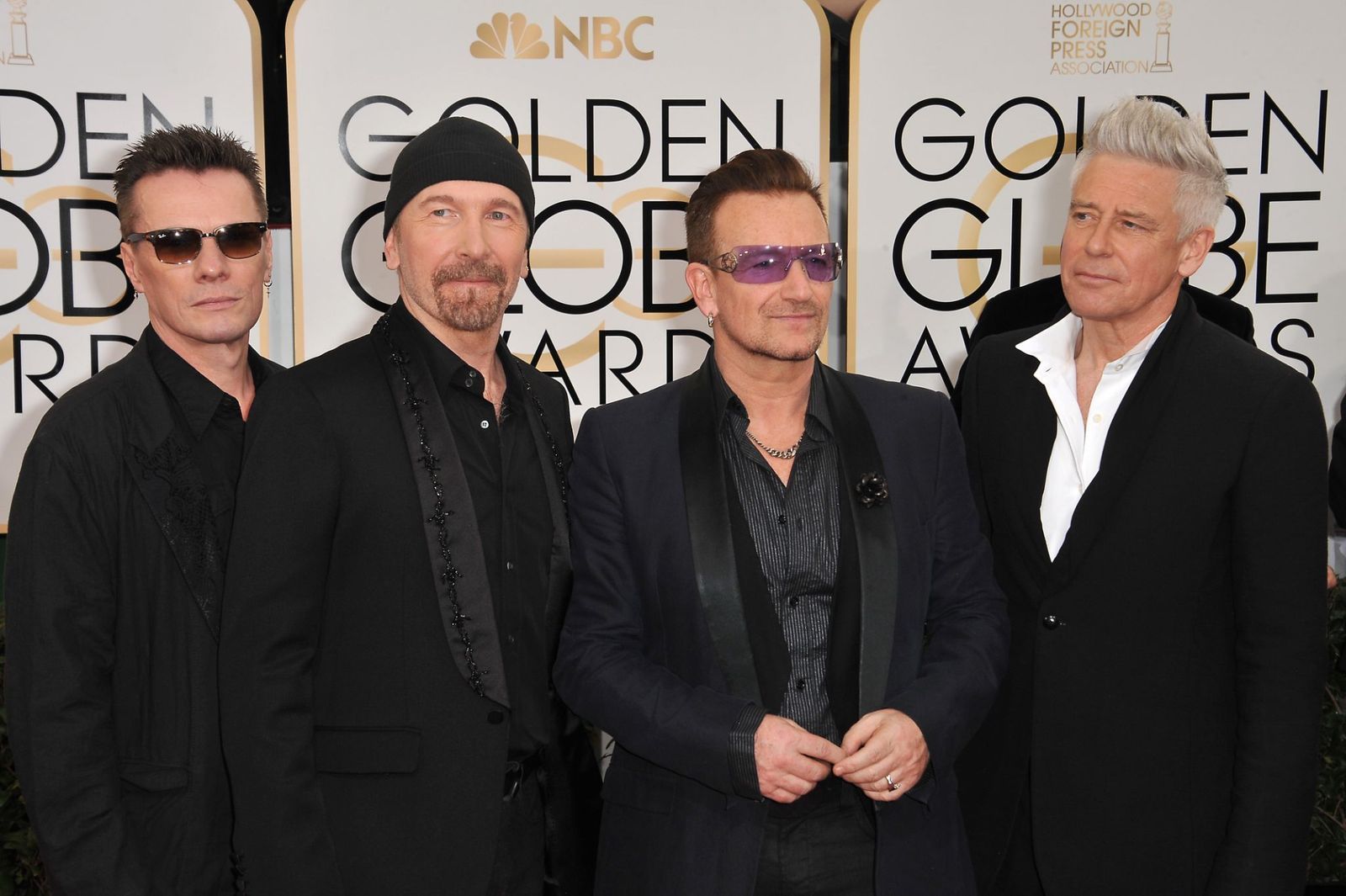
"With or Without You" by the Irish band U2, released in 1987, describes the painful and universally human contradiction of a troubled relationship where staying hurts, but leaving hurts just as much . The famous line "I can't live with or without you" is the epitome of this emotional limbo so many of us have probably known at one point or another.
Lead singer Bono explained that the lyrics also describe his inner conflict between being a loyal family man and wanting to run away from responsibility as a rock star. And, since artistic interpretations are personal, thus endless, some listeners and critics also interpret the words through a religious lens, seeing the song as a lament about the challenges and moral doubts of faith.
8 "The Best": Tina Turner

Tina Turner released her iconic song "The Best" (also known as "Simply the Best") as a single in August 1989, and it was featured on her album Foreign Affair in 1989.
The track is a powerful declaration of extreme devotion , deep admiration, and vulnerable emotional attachment delivered with explosive confidence towards someone you love, most probably a romantic partner.
9 "Good Vibrations": The Beach Boys

"Good Vibrations" by The Beach Boys was released in 1966 and is considered a psychedelic pop masterpiece about love at first sight and the invisible, emotional energy that can exist between people .
In part, the idea has been said to be inspired by band member Brian Wilson's childhood memory of his mother explaining how dogs sense human "vibrations", while the famous lyrics were written by Mike Love to match the track's cosmic energy.
10 "What’s Going On": Marvin Gaye
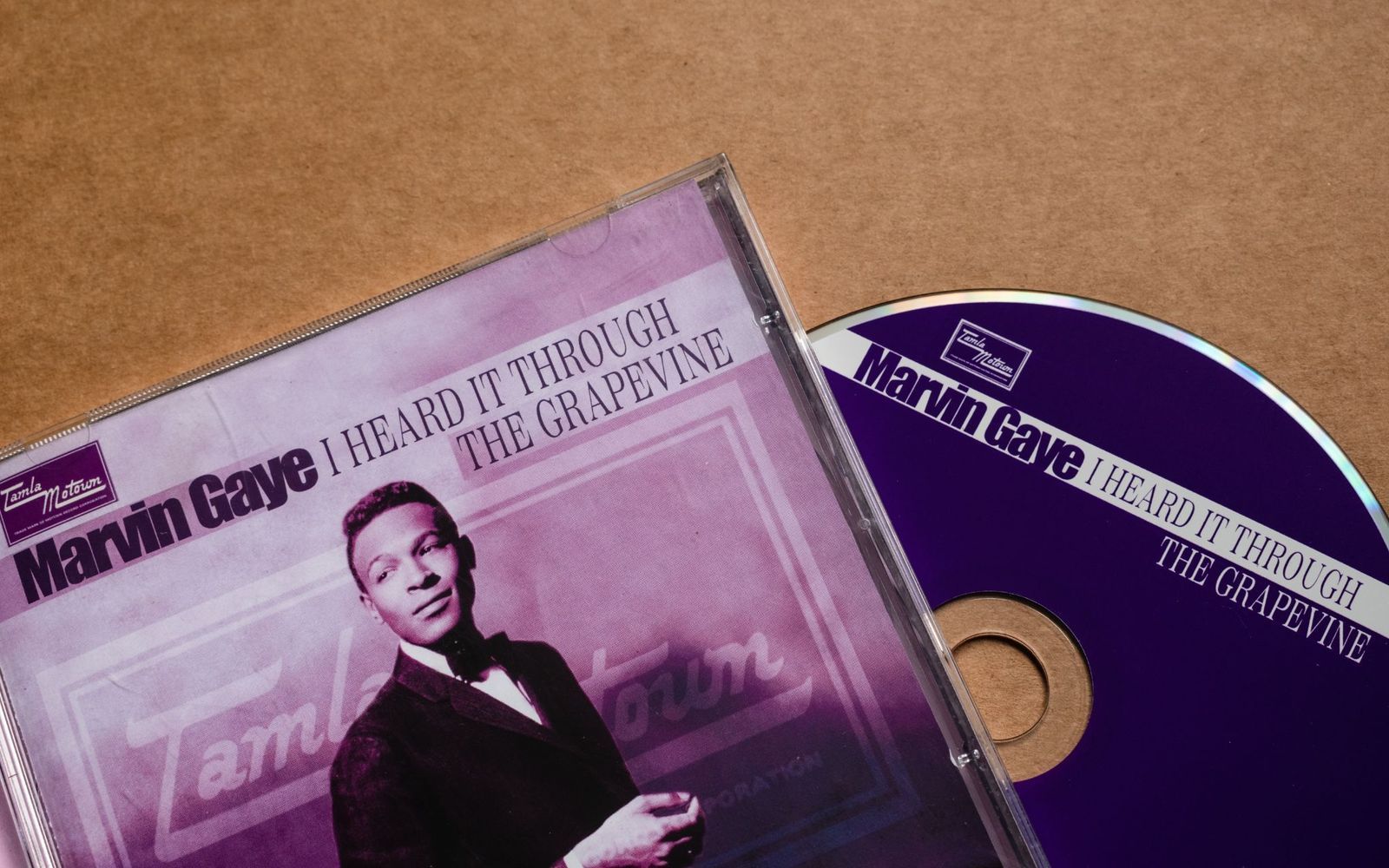
The hit "What’s Going On" by Marvin Gaye was released in 1971 (first as a single and shortly after as the full album under the same name). The tune reflects an anti-war sentiment and, in doing so, automatically turns into a peace anthem that questions social injustice, violence, and the lack of empathy in day-to-day interactions throughout society.
By posing impossible questions such as parents mourning the loss of their children, Gaye ultimately called for an end to violence and a greater embrace of love and compassion . More than five decades later, its questions still feel remarkably familiar.