Legends beyond the game
You won’t guess which famous mascot was designed by Muppets creators
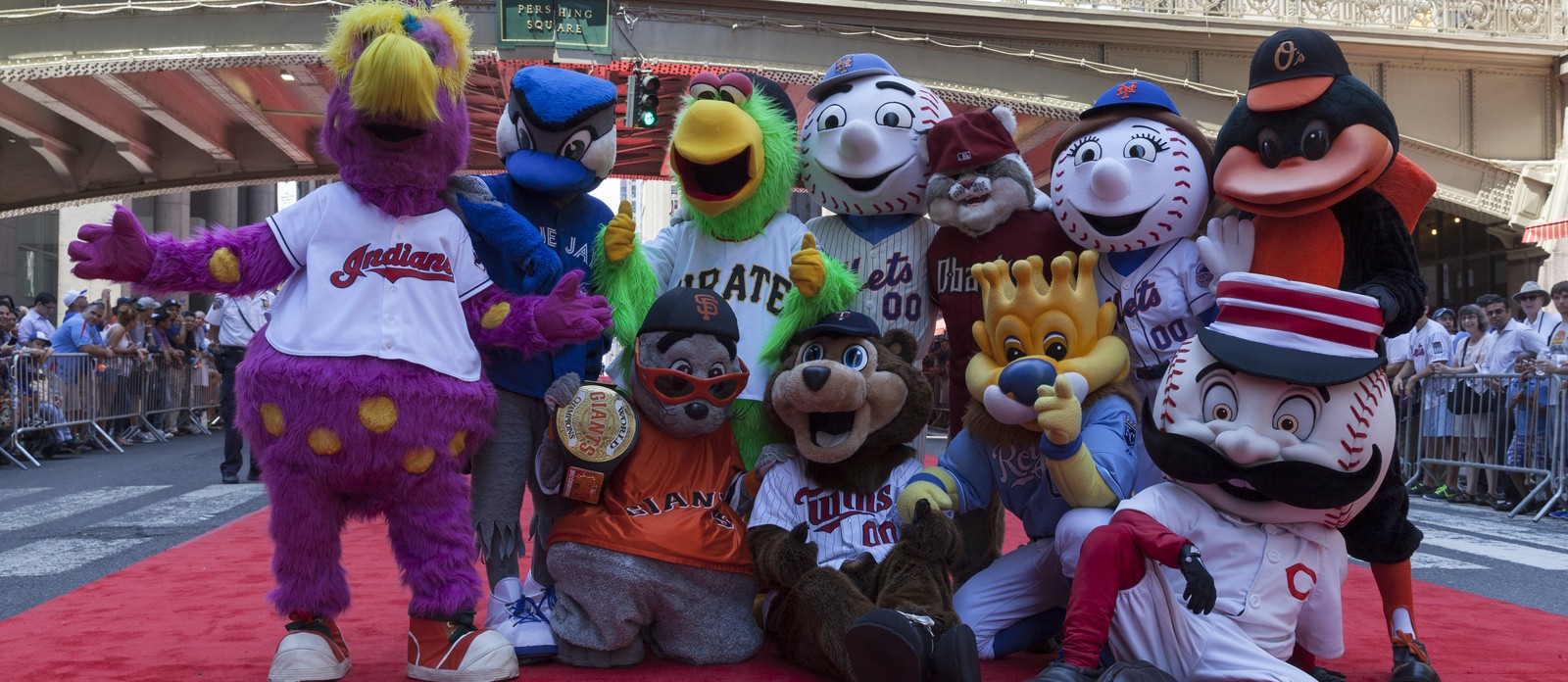
From a giant baseball-headed New York icon to a gorilla who stumbled into fame by accident, these mascots have stories as unforgettable as the teams they represent. Here are 10 beloved characters who turned game-day entertainment into sports history. Did your favorite make the cut?
1 Phillie Phanatic — Philadelphia Phillies
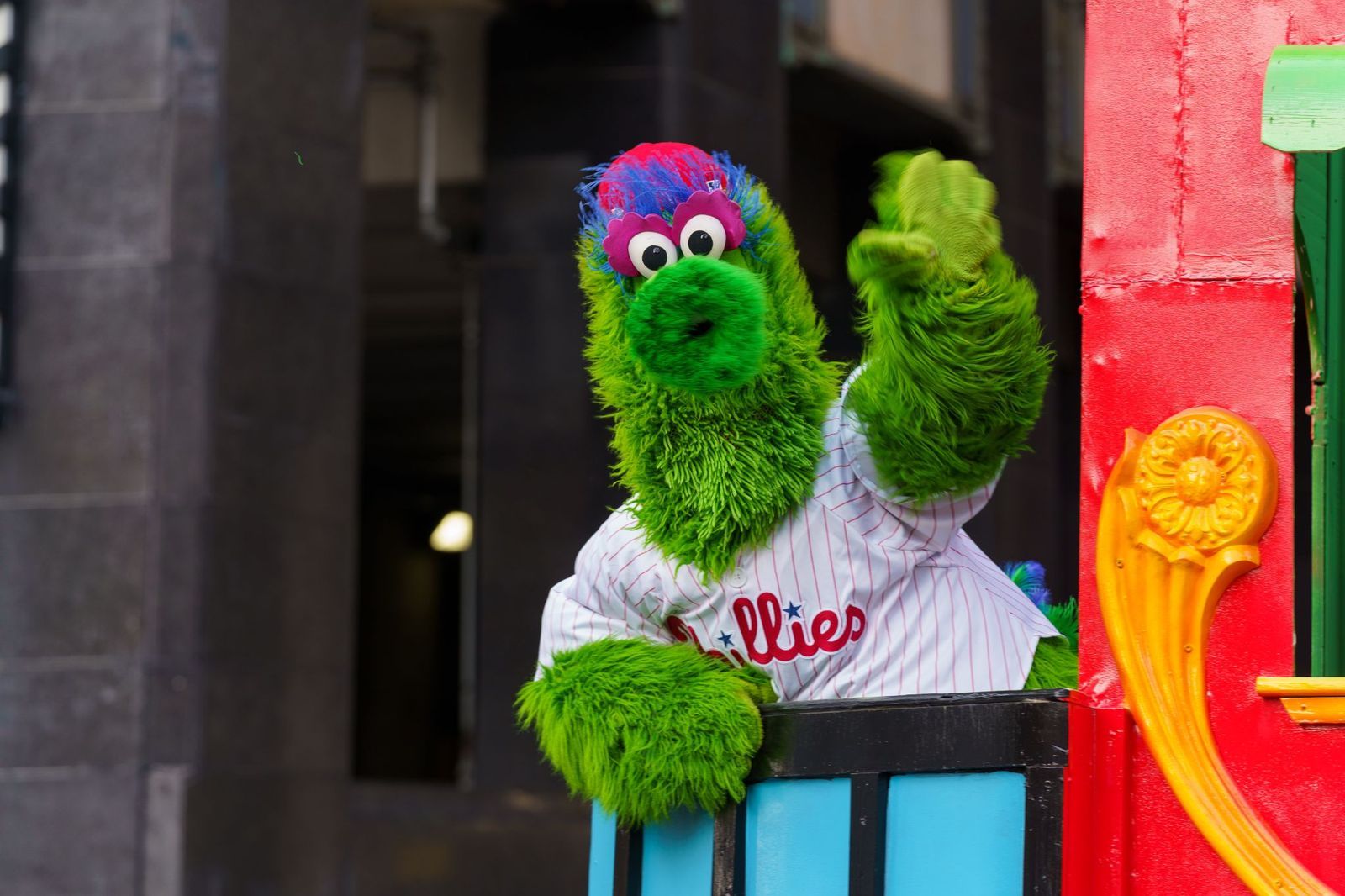
The Phillie Phanatic is widely regarded as one of the most iconic mascots in professional sports. Debuting on April 25, 1978, the 6-foot-6, 300-pound furry green character supposedly hails from the Galápagos Islands and helped revolutionize what a modern mascot could be.
Unlike traditional, more rigid mascots of the era, the Phanatic was created by Bonnie Erickson and Wayde Harrison, designers associated with Jim Henson’s Muppets . His exaggerated movements and expressive body language helped make him a new kind of sports entertainer.
2 Mr. Met — New York Mets
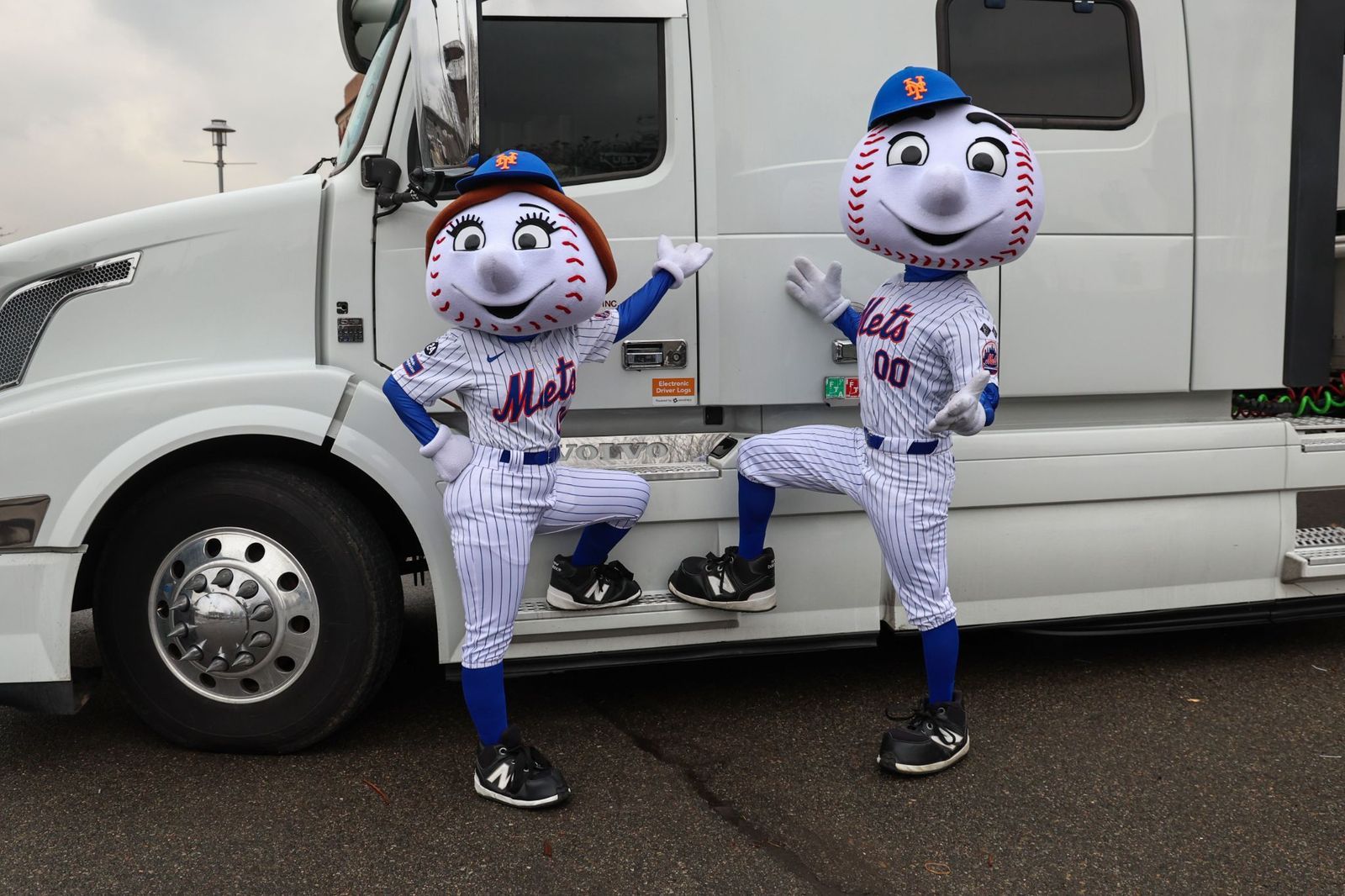
If you’re a baseball fan, you’ve probably seen this unmistakable character. Mr. Met is the official costumed mascot of Major League Baseball’s New York Mets, famous for his giant baseball-shaped head.
He first appeared as a cartoon character in 1963 and made his live, costumed debut at Shea Stadium in 1964. He wears number 00 and has earned recognition in sports mascot rankings, including those published by Forbes and The Marketing Arm’s Davie Brown Index. He also has a partner, Mrs. Met , who shares his signature baseball-shaped head and team spirit. The pair have become a beloved part of the Mets’ game-day experience, often appearing together to entertain fans.
3 Swoop — Philadelphia Eagles
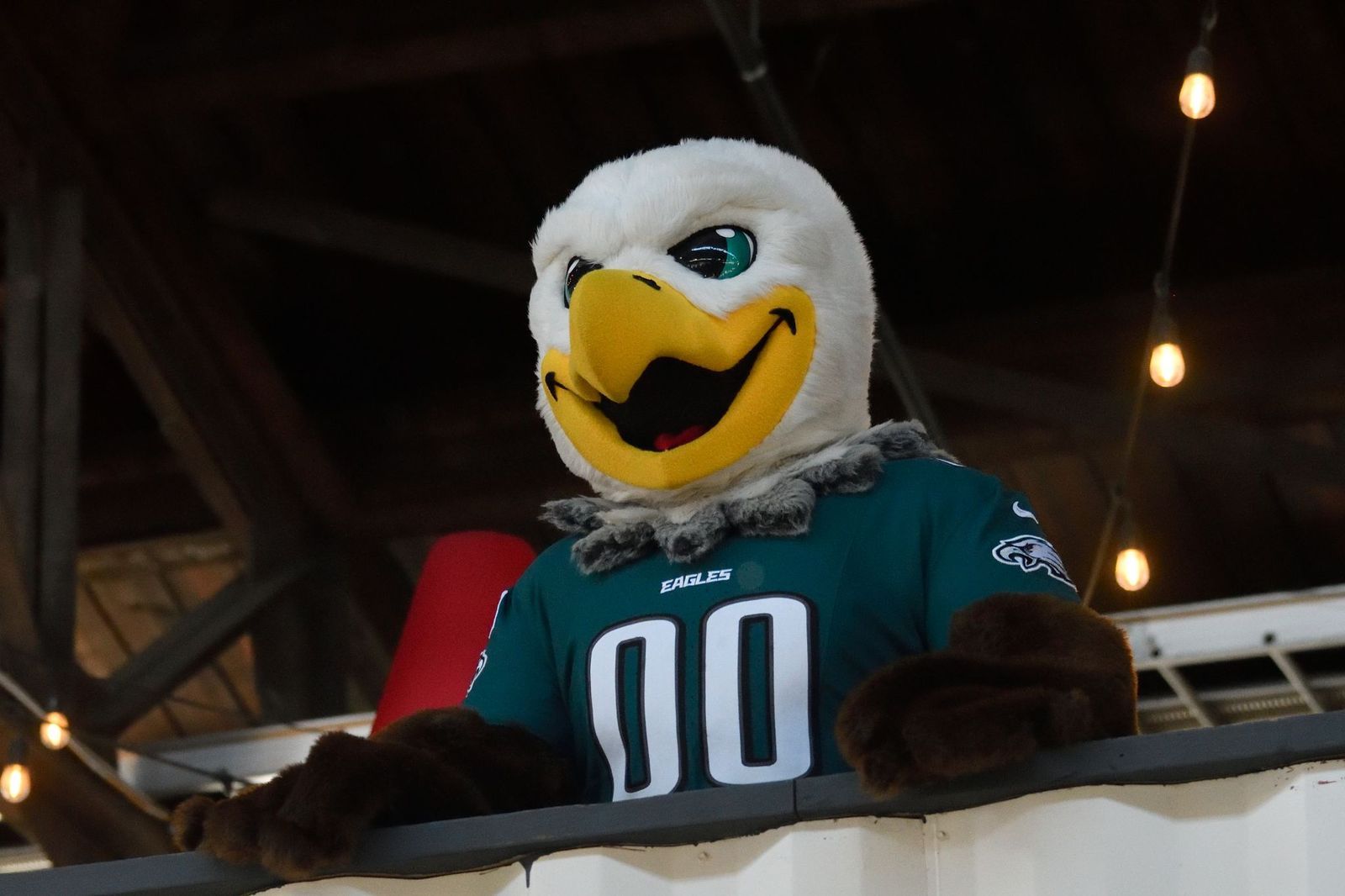
According to the Eagles’ playful mascot backstory, Swoop hatched in a nearby forest and grew to human size after a fan gave him an Eagles jersey. He also gained superhuman strength and extraordinary vision.
Swoop is the official, beloved bald eagle mascot for the Philadelphia Eagles and has been a familiar face at games since 1994. While Philadelphia is famous for its larger-than-life mascots, including Gritty and the Phillie Phanatic, Swoop brings his own brand of game-day excitement to Lincoln Financial Field with athletic stunts and enthusiastic crowd interaction.
4 Brutus Buckeye — Ohio State University
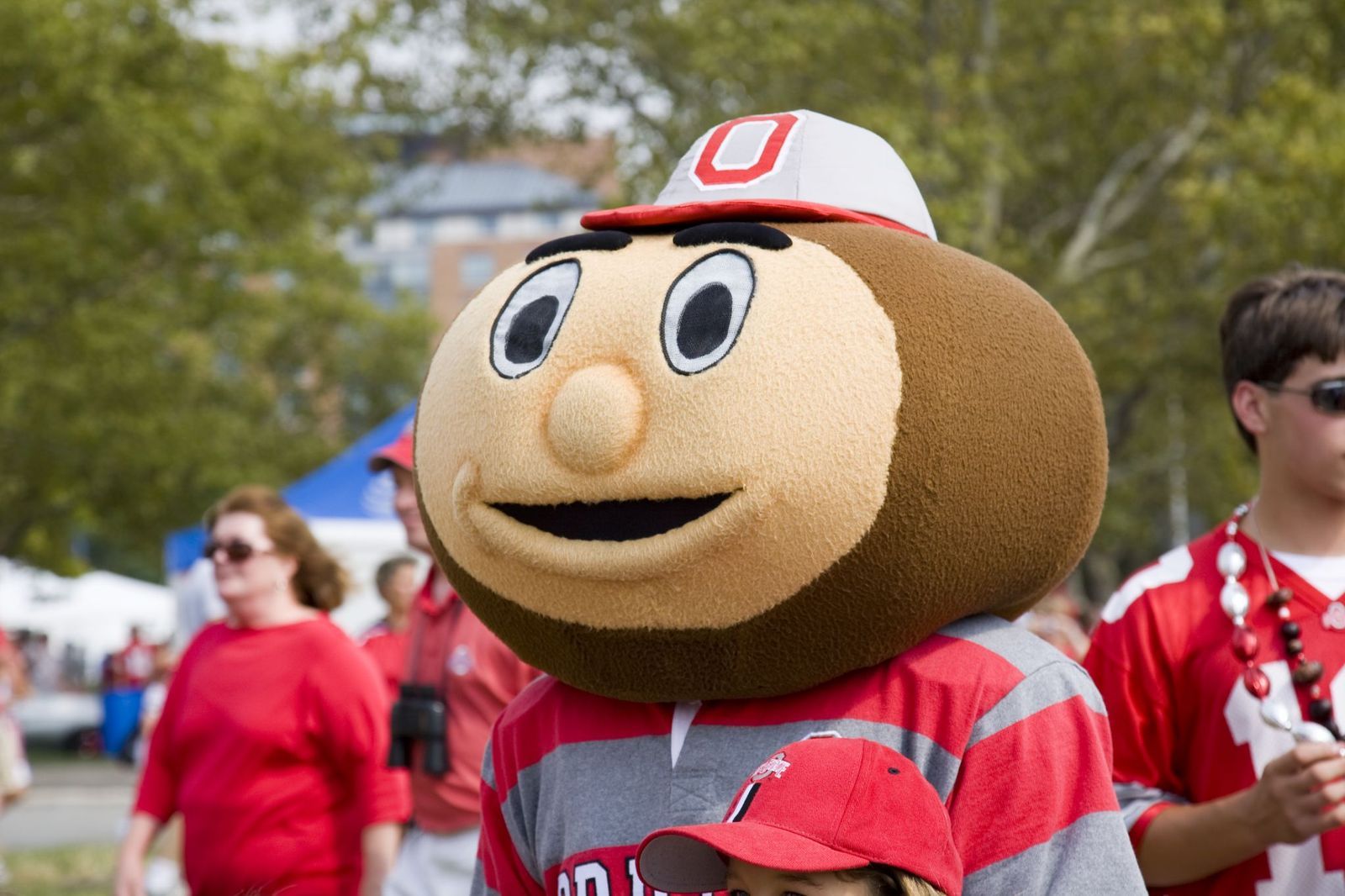
Brutus Buckeye, the legendary mascot of Ohio State University, was created in 1965 by two students who wanted a costumed character to rally fans at football games. They were inspired by Ohio’s nickname, the "Buckeye State," which comes from the many trees of the same name that grow across its hills and plains.
His original oversized head was made from chicken wire and papier-mâché, then painted brown. The homemade creation made its debut at a homecoming game, giving Ohio State fans
a character who would become a fixture of the university’s tradition.
5 K.C. Wolf — Kansas City Chiefs
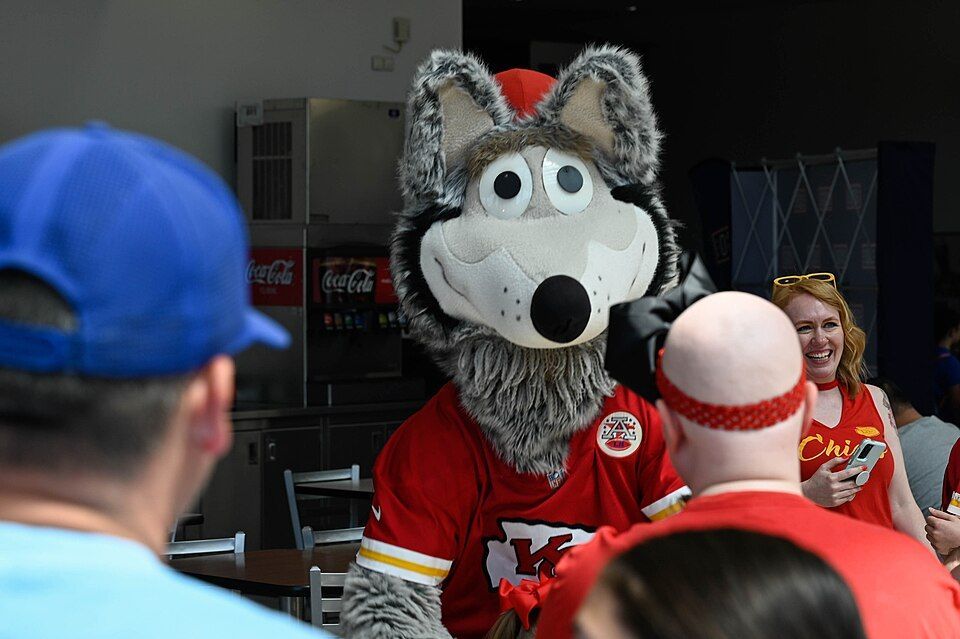
K.C. Wolf is the official mascot of the Kansas City Chiefs and was the first NFL mascot inducted into the Mascot Hall of Fame. Officially introduced on March 23, 1989, he’s named after the "Wolfpack," a notoriously loud and boisterous section of fans from the Chiefs’ old Municipal Stadium.
Longtime performer Dan Meers portrayed the character for 35 years across 375 games and five Super Bowls before retiring in June 2025. Beyond game day, K.C. Wolf has entertained fans at community events, weddings, and parades, helping represent Chiefs Kingdom far beyond the stadium.
6 Benny the Bull — Chicago Bulls
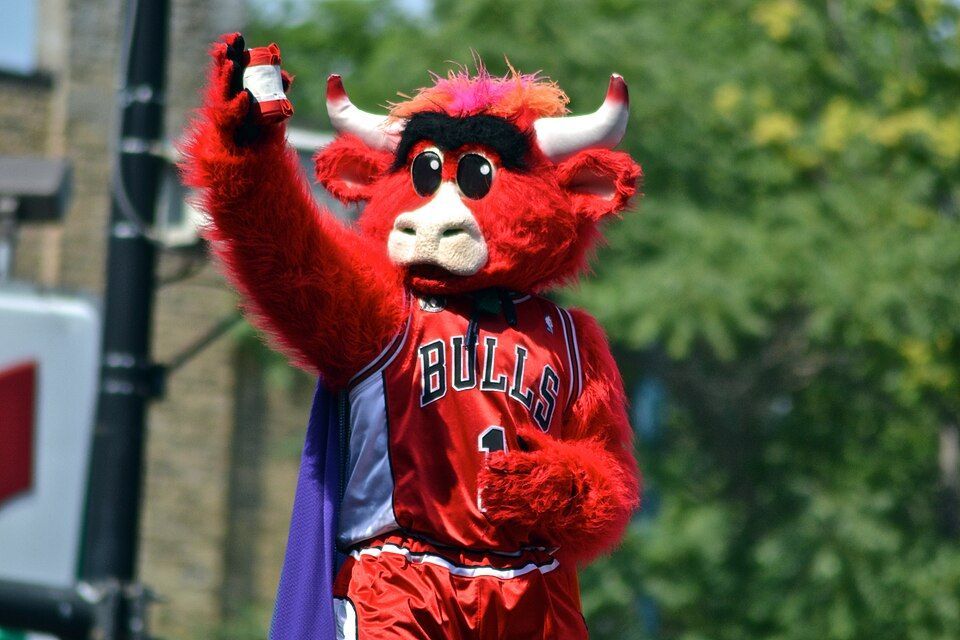
When basketball fans think of the Chicago Bulls, Benny the Bull is hard to miss. He debuted in 1969 and has become one of the NBA’s longest-running and most recognizable mascots, known for his high-energy antics and crowd-pleasing stunts.
Benny was introduced in 1969 by then-manager Pat Williams and named after early Bulls PR director Ben Bentley . He was inducted into the Mascot Hall of Fame in 2017, and has also received recognition in sports mascot rankings, including those from Forbes and The Marketing Arm’s Davie Brown Index.
7 Pat Patriot — New England Patriots
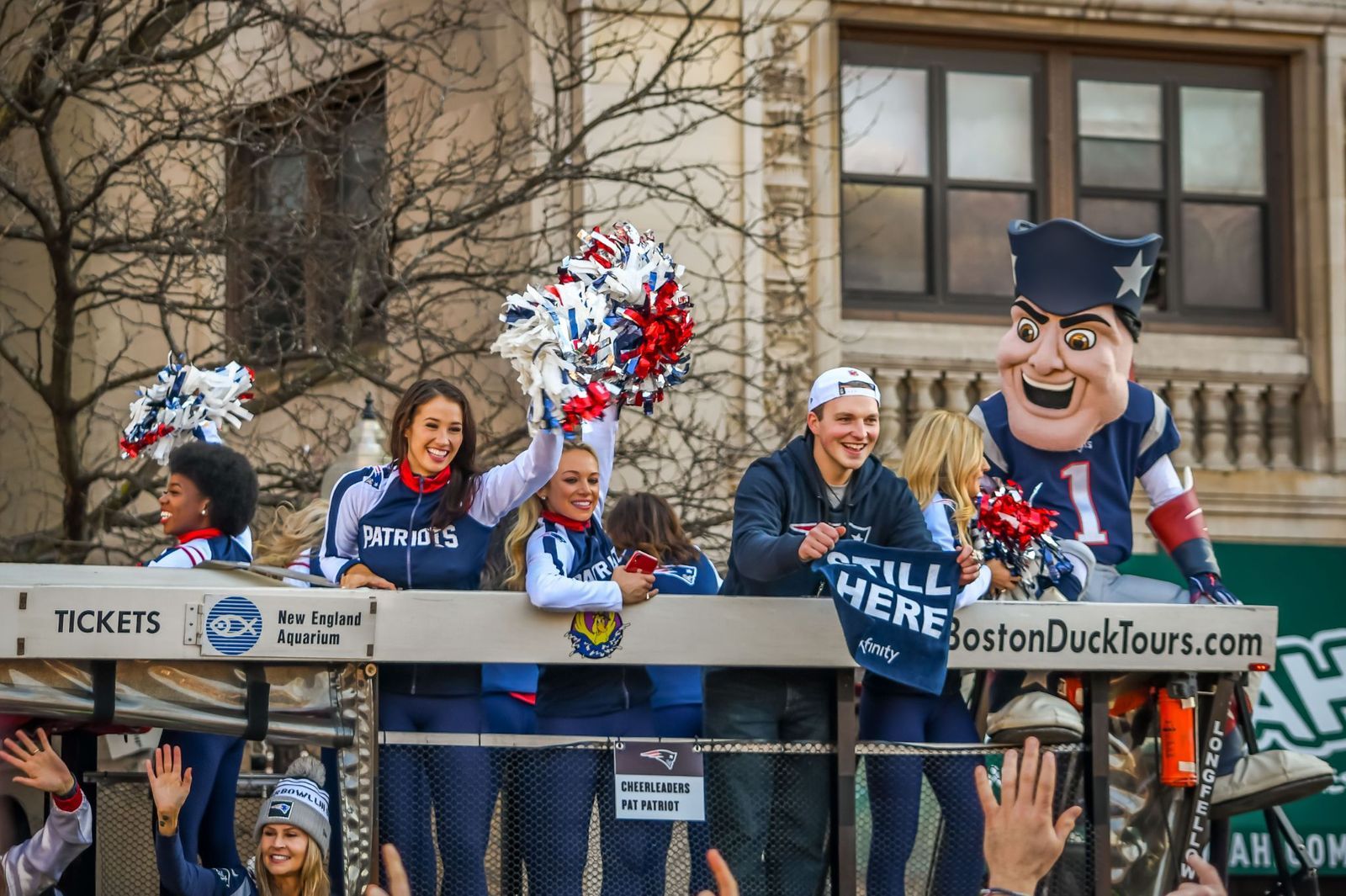
On April 19, 1960, Boston Globe cartoonist Phil Bissell created a rugged Minuteman in a Continental Army uniform, crouched as if preparing to snap a football. The design caught the team’s attention and became the franchise’s original logo.
Pat Patriot remains one of the most recognizable figures in the franchise’s history. Known for his Revolutionary War-inspired look , the character evokes the team’s Boston-area roots and its early years in professional football. His image also remains familiar to longtime fans through the team’s retro branding and throwback designs.
8 Hugo the Hornet — Charlotte Hornets
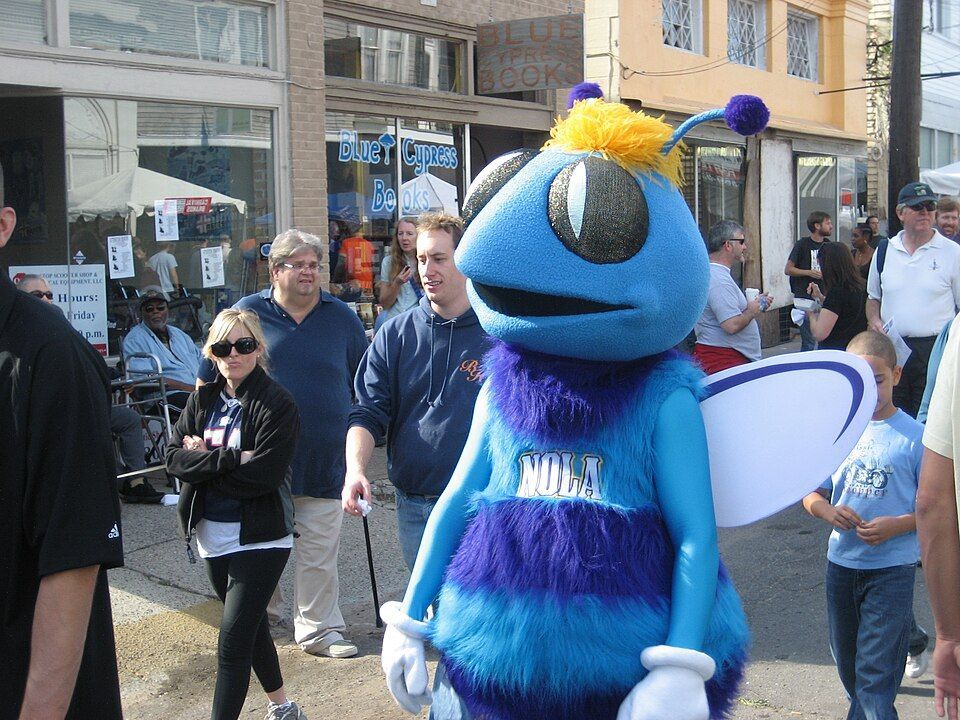
Hugo the Hornet is one of the best-known mascots in Charlotte sports. Unveiled in 1988 for the Charlotte Hornets’ inaugural season, Hugo was named by fans who submitted more than 6,000 entries .
Hugo’s origins have a surprising connection to the world of the Muppets: his original three-dimensional costume was reportedly developed at the Muppet Studio, with Cheryl Henson, daughter of Jim Henson, involved in the design. Renowned fashion designer Alexander Julian also contributed to his famous look, bringing the Hornets’ logo to life as a colorful, sneaker-wearing character with oversized wings.
9 Big Al — University of Alabama
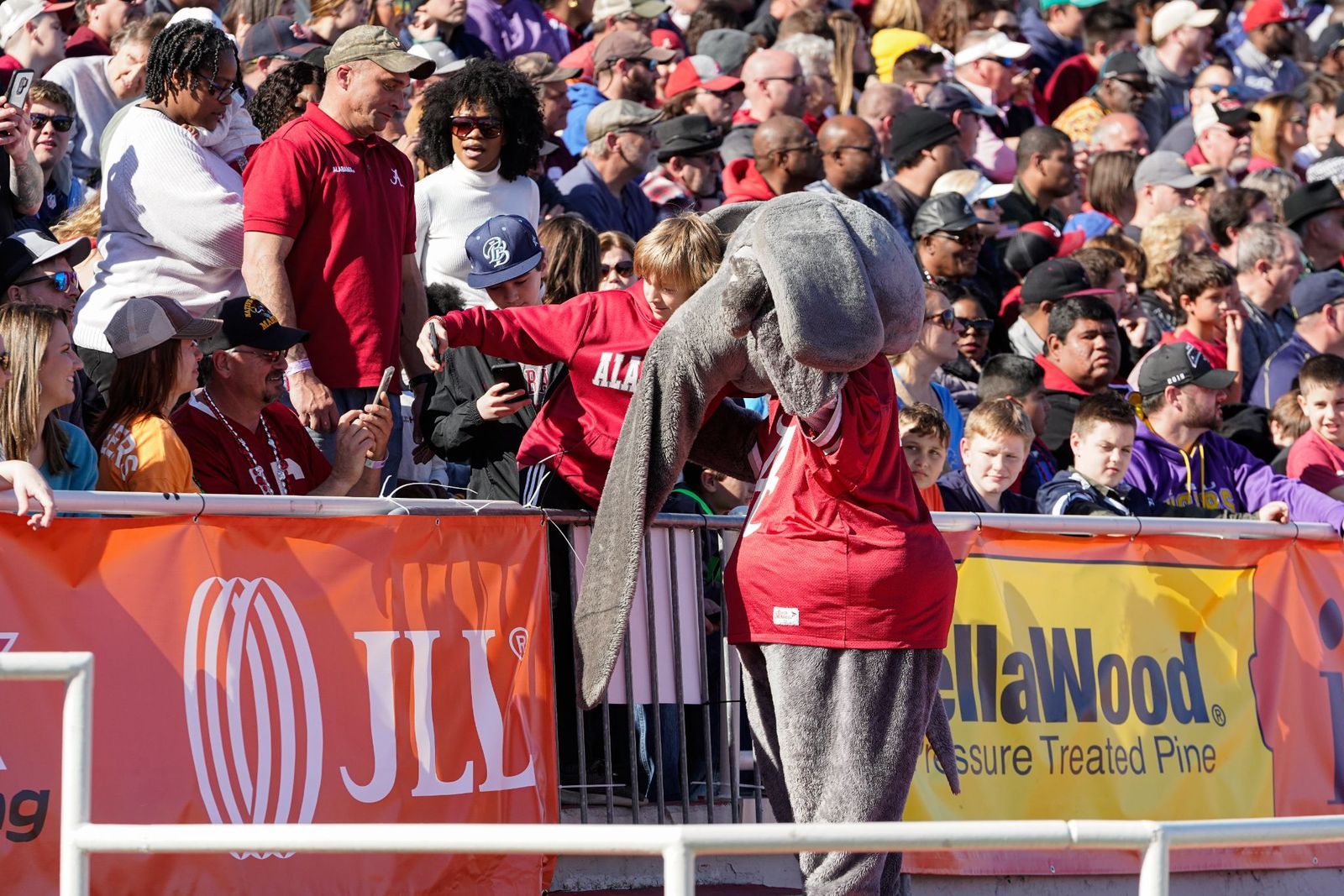
Big Al, the beloved costumed elephant representing the University of Alabama Crimson Tide, is one of the most recognizable and legendary figures in college sports. Although Alabama's official team name is the Crimson Tide, the elephant has a deep-rooted history that predates the official mascot costume by decades.
The connection between Alabama and elephants began on October 8, 1930, during a game against Ole Miss. Atlanta sportswriter Everett Strupper reported that the earth trembled during the game, prompting an excited fan in the stands to bellow, "Hold your horses, the elephants are coming!" Strupper and other journalists began referring to the massive, powerful Alabama linemen as the "Red Elephants" (a nod to their crimson jerseys), and the association stuck permanently.
10 The Gorilla — Phoenix Suns
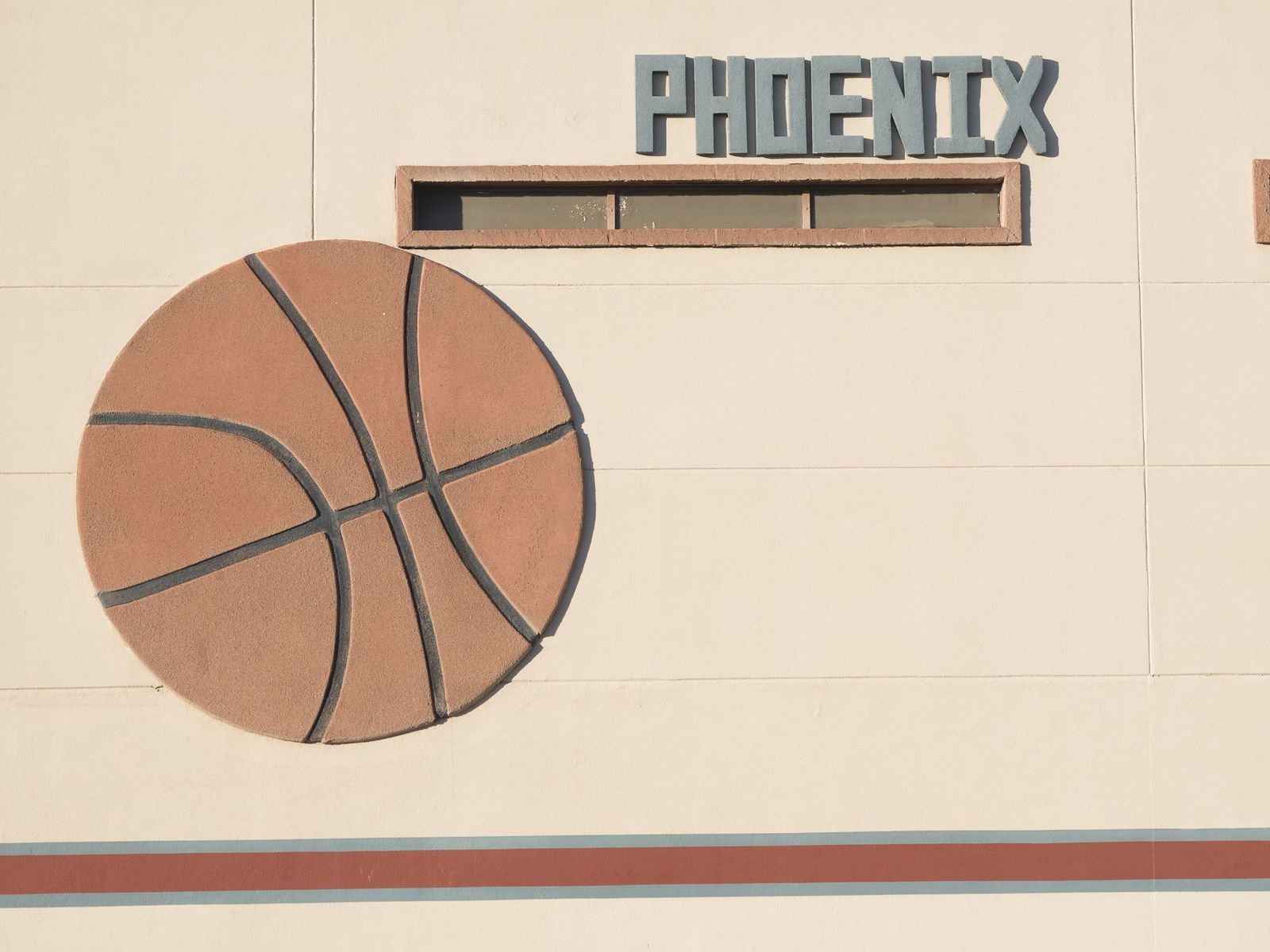
The Phoenix Suns Gorilla, also known as "Go," became a mascot almost by accident during the 1979–80 NBA season. Unlike many team mascots, he wasn’t the result of a corporate marketing brainstorm or a direct connection to the team’s name. Instead, he emerged from an unexpected moment that fans loved .
During the season, 23-year-old Suns fan Henry Rojas was working for Eastern Onion, a singing telegram service. He was hired to deliver a birthday greeting to a fan in the stands at the Arizona Veterans Memorial Coliseum, wearing a full gorilla suit for the job. The crowd’s response was enthusiastic. Word quickly spread about the "gorilla at the Suns game," and fans began arranging similar telegram appearances to bring him back to the arena. What started as a one-off stunt eventually became one of the NBA’s most enduring mascot traditions.