Behind the walls
These castles look like fairy tales; their real stories are even better
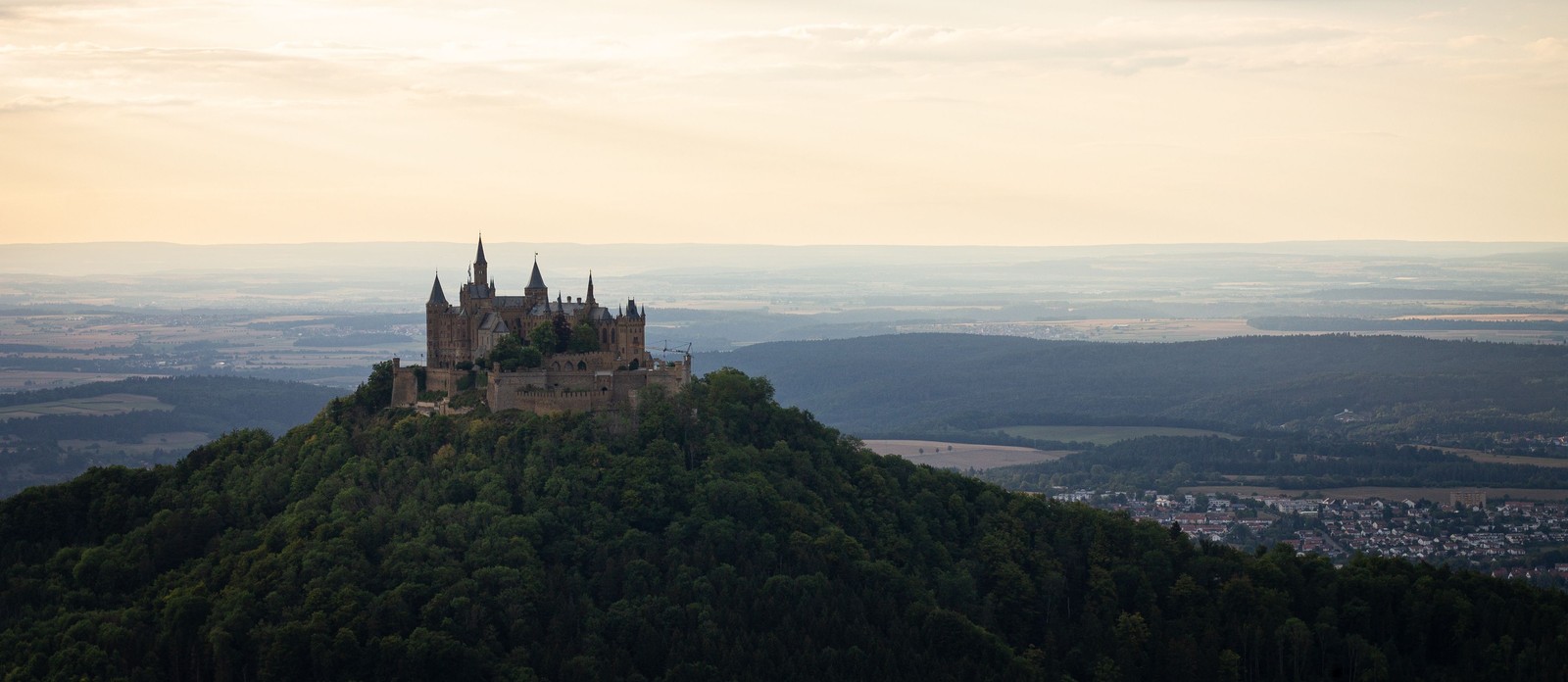
Castles can look like something out of a storybook, but their real histories are often even more fascinating. Some were built to defend kingdoms, others became royal residences, prisons, or symbols of power. A few are still connected to royal families, while others have survived wars, fires, and centuries of political change. Here are 10 castles around the world whose stories are worth discovering.
1 Windsor Castle: The royal residence that has stood for centuries
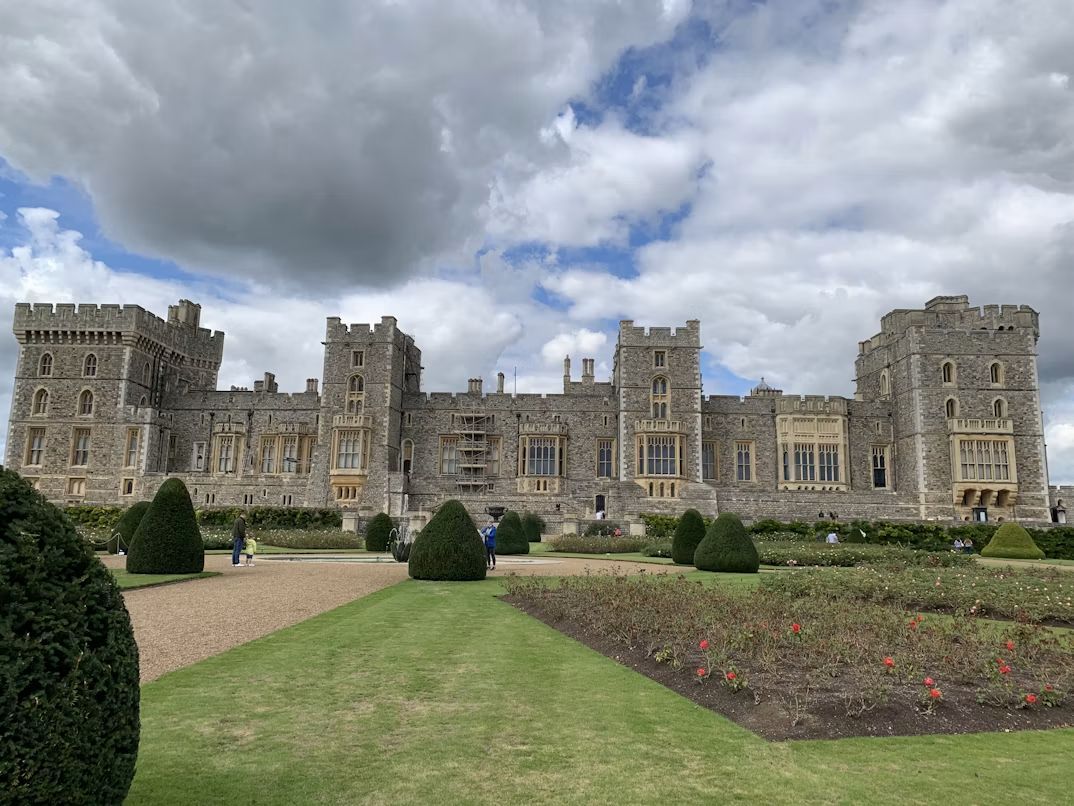
Windsor Castle, just outside London, has been part of British royal life for nearly 1,000 years. William the Conqueror began building the original fortress around 1070, and it later became a royal residence under Henry I. Today, it’s still used by the British royal family and holds the distinction of being the oldest and largest occupied castle in the world.
The castle is open to visitors who can explore its State Apartments and St. George's Chapel when it’s not being used for royal events. The Gothic chapel is the final resting place of 11 monarchs, including Henry VIII and Queen Elizabeth II. Another fascinating connection is the royal family's name: in 1917, the dynasty changed its name from Saxe-Coburg-Gotha to House of Windsor, taking the name of the castle.
2 Edinburgh Castle: The fortress overlooking Scotland's capital
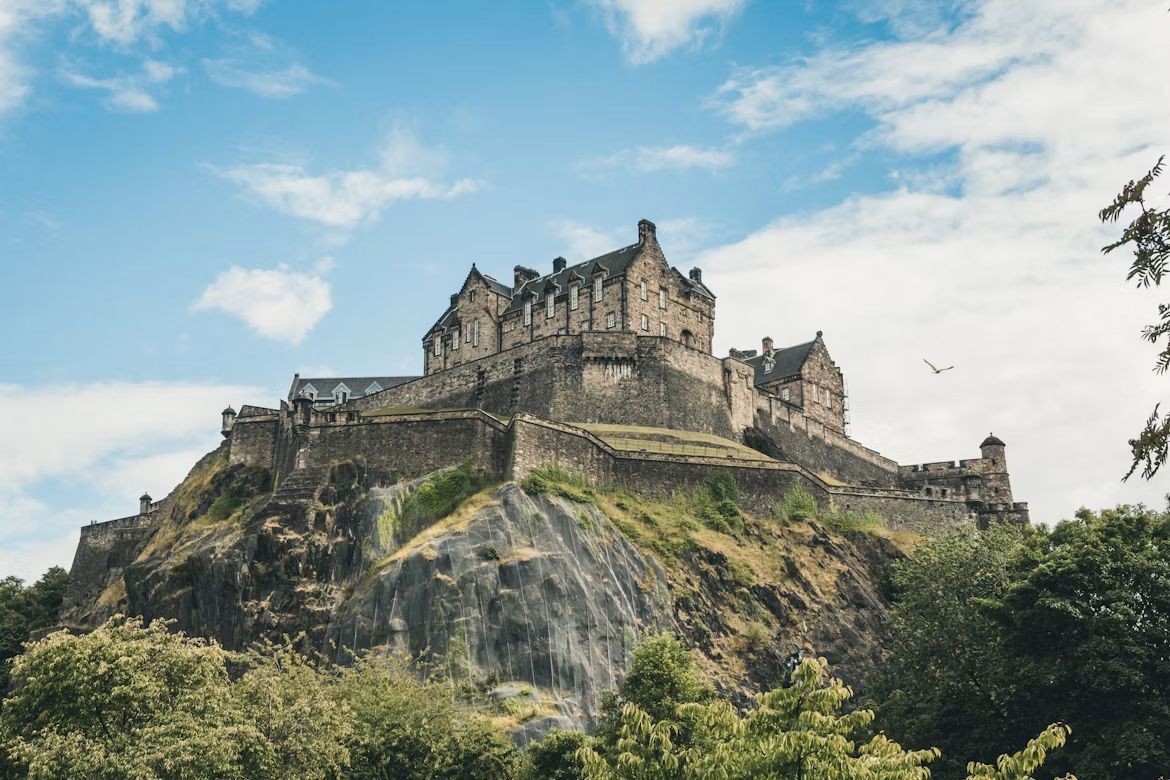
Edinburgh Castle sits on Castle Rock, an extinct volcanic rock that rises above the Scottish capital. The site has been fortified for more than 1,000 years and has played an important role in Scotland's history, making the castle one of the country's most recognizable landmarks. It was once a royal residence, including a home for Mary, Queen of Scots, who gave birth to her son James there in 1566.
No royal family lives at the castle today, but it is open to visitors and is one of Scotland's most popular historic attractions. Visitors can see the Scottish Crown Jewels, the Royal Palace and St. Margaret's Chapel. A particularly memorable tradition is the One O'Clock Gun, which is fired every day except Sundays and certain holidays.
3 Neuschwanstein Castle: The fairytale castle that inspired Disney
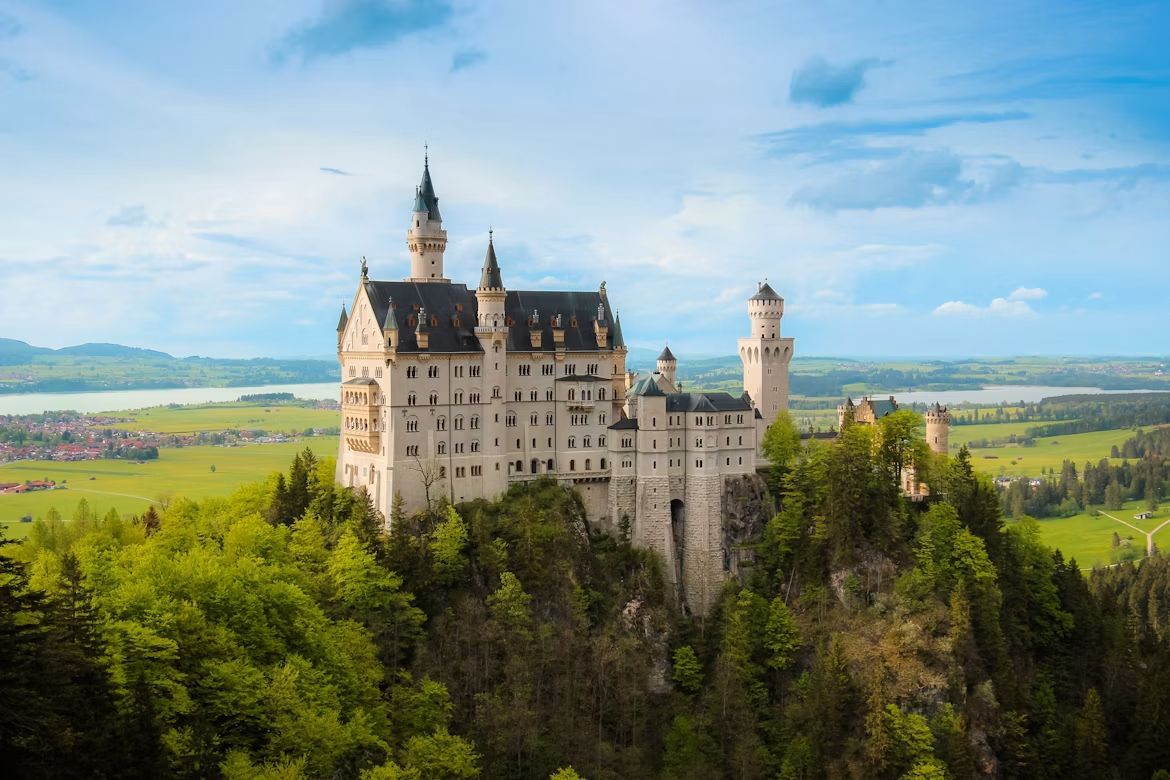
High in the Bavarian Alps, Neuschwanstein Castle was commissioned by King Ludwig II in 1869. Unlike many older European castles, it was built as a romantic royal retreat rather than a medieval fortress . Ludwig lived there for only a few months before he was removed from the throne after being declared mentally unfit to rule. He died shortly afterward under mysterious circumstances, and the castle was never finished.
The castle is open to visitors and attracts people from around the world who come to see its dramatic towers and mountain setting. Its fairytale appearance has also made it closely associated with the castles of Disney films. No royal family lives there today, and the venue actually opened to the public only weeks after Ludwig's death.
4 The Tower of London: A palace, prison, and place of legend
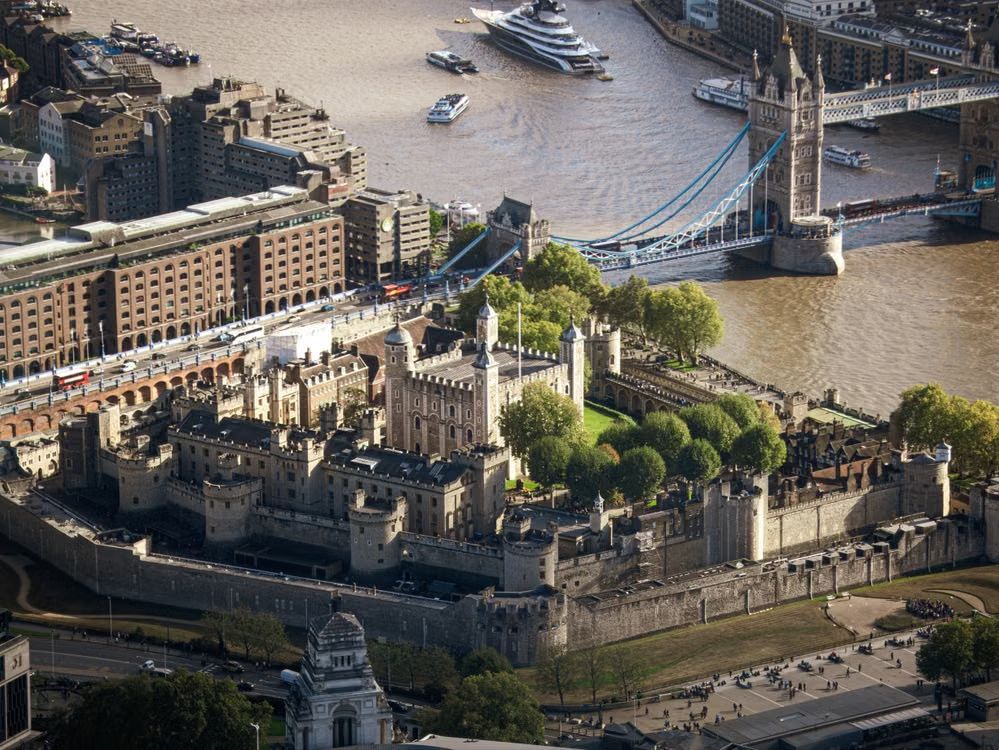
Overlooking the River Thames, the Tower of London has witnessed some of the most dramatic chapters of British history. Its oldest section, the White Tower, was begun around 1070, making it almost 1,000 years old. It was once a royal palace used by English monarchs, but later became famous as a prison for high-profile figures such as Anne Boleyn and Lady Jane Grey.
Although it’s no longer a royal residence, the Tower welcomes visitors today. One of its biggest attractions is the Crown Jewels, which have been kept there for centuries. The castle is also home to its famous ravens . According to legend, the kingdom will fall if the ravens ever leave the Tower.
5 Prague Castle: The castle at the heart of Czech history
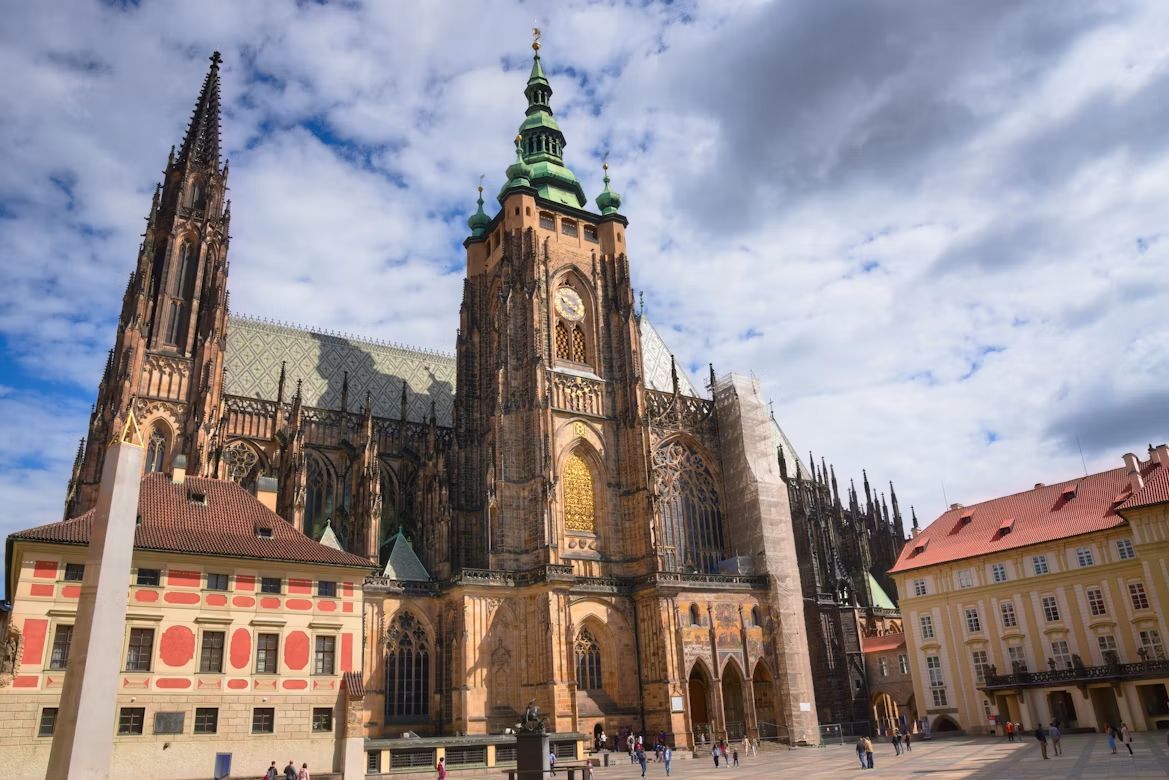
One of Prague's most famous landmarks, Prague Castle is also the world's largest ancient castle complex. Built around 870, the sprawling site covers nearly 753,474 square feet and is more like a fortified city than a single castle, with palaces, churches and gardens. For more than 1,100 years, it has been a seat of power for Bohemian kings, Holy Roman emperors and, today, Czech presidents.
The complex is open to visitors, who can explore historic buildings including the magnificent St. Vitus Cathedral, where Bohemian kings are buried, and the Bohemian Crown Jewels are kept. Prague Castle has also been the setting for some dramatic moments in Czech history, including the 1618 Defenestration of Prague, when two royal governors and a scribe were thrown from a window, an event that helped spark the Thirty Years' War.
6 Château de Chambord: The Renaissance masterpiece of the French monarchy
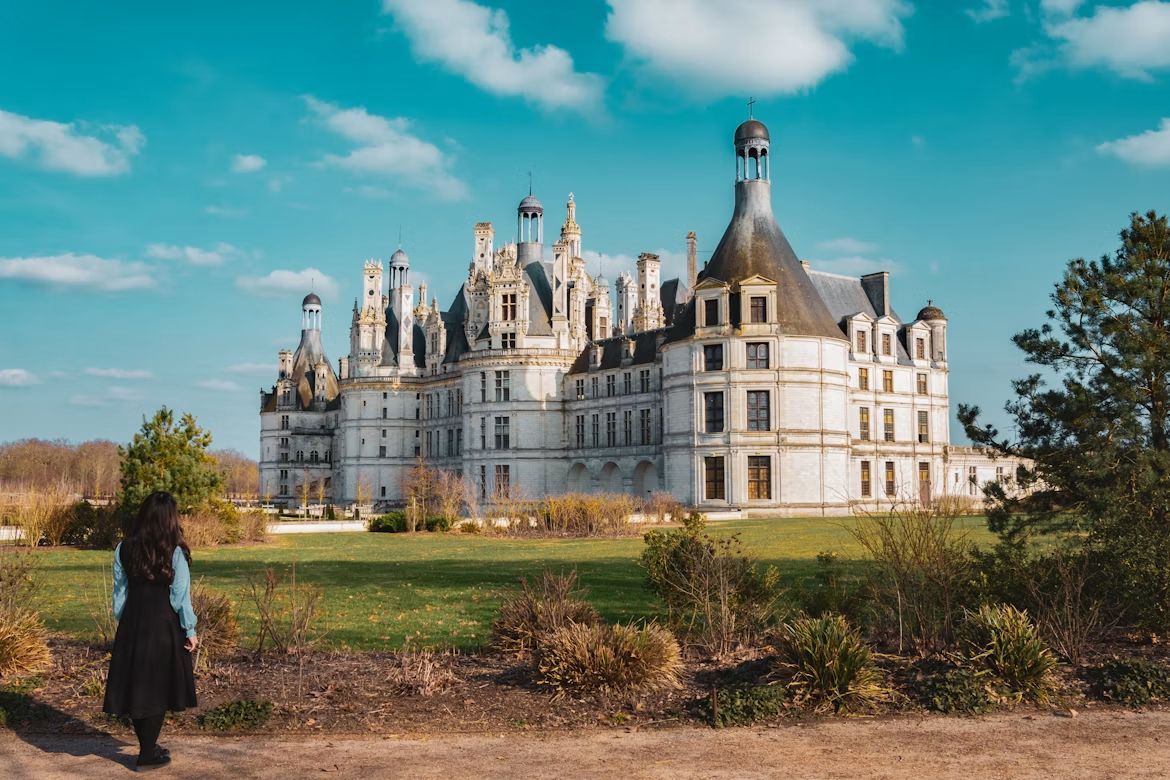
Château de Chambord, in France's Loire Valley, is the largest and one of the most extravagant Renaissance châteaux in the region. King Francis I commissioned it in 1519 as a grand display of royal power, with more than 400 rooms, hundreds of fireplaces, and dozens of staircases. It was essentially an extravagant hunting retreat rather than a permanent royal home.
Chambord is open to visitors who can explore its lavish rooms, grounds, and famous double-helix staircase. The château became an unexpected refuge during World War II, when valuable works of art were evacuated from the Louvre, including Leonardo da Vinci's Mona Lisa, and secretly stored there for safekeeping. Today, Chambord is a UNESCO World Heritage Site, and its fairytale-like silhouette has often been associated with the castles seen in Disney films.
7 Matsumoto Castle: Japan's striking "Crow Castle"
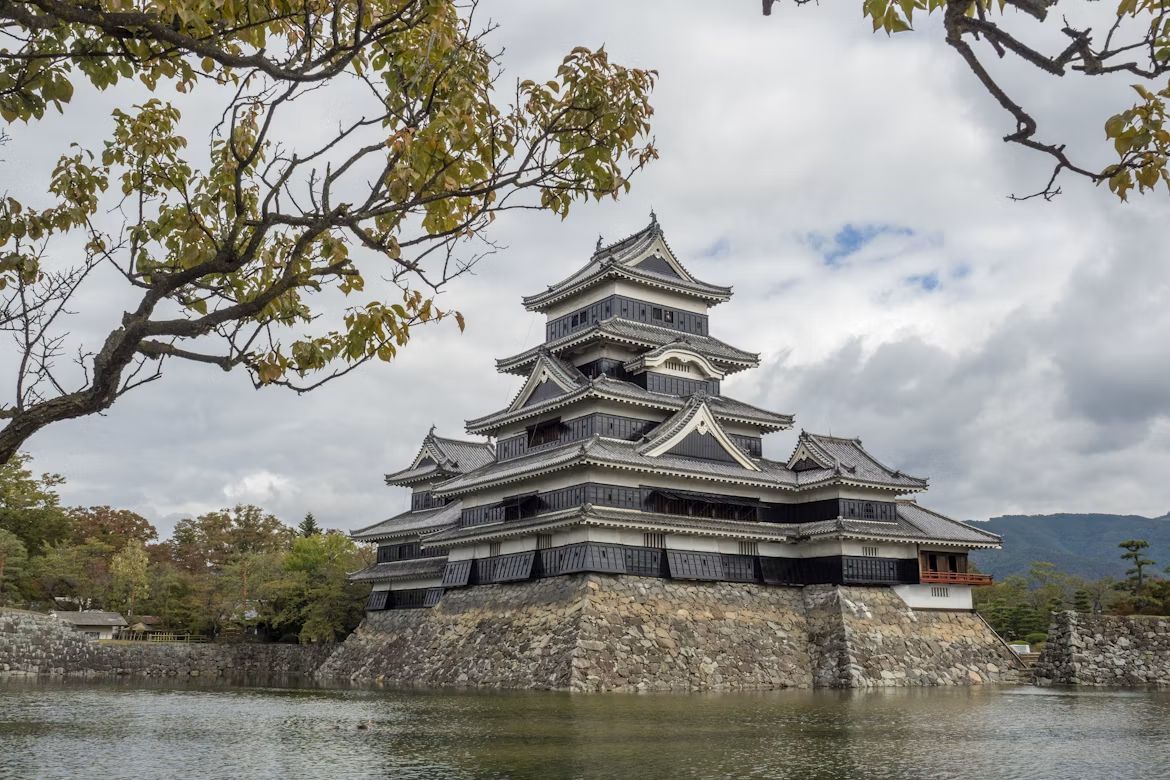
In Japan’s Nagano Prefecture, Matsumoto Castle has stood since the late 16th century. It’s one of only 12 original castle keeps still surviving in Japan and has the oldest surviving original six-story castle keep in the country, earning it National Treasure status. Its black lacquered wooden walls, a striking contrast to Japan's better-known white castles, gave it the nickname "Crow Castle."
The castle is open to visitors and is particularly special because its wooden keep has survived for centuries. It is now a National Treasure of Japan, and visitors can climb its steep wooden staircases and explore the historic interior. The castle offers a rare look at the architecture of Japan's feudal period.
8 Bran Castle: The fortress linked to the Dracula legend
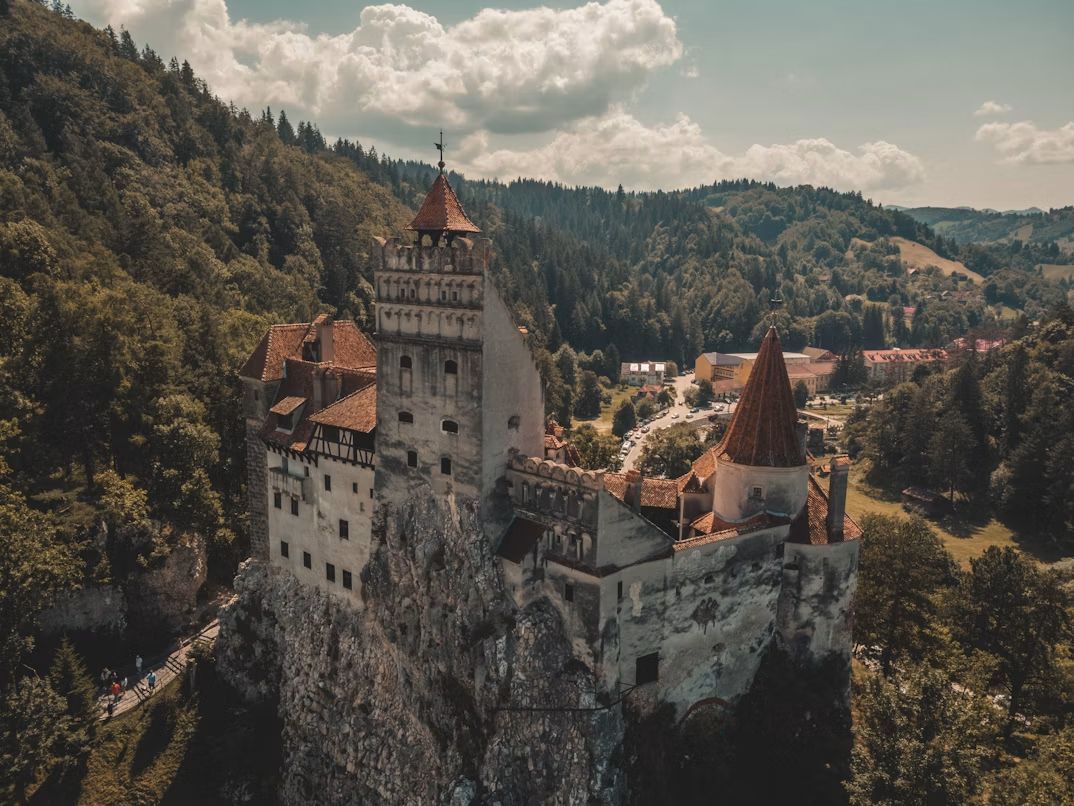
High in Transylvania, Bran Castle has a history stretching back to the late 14th century. Although it’s often called "Dracula's Castle," its real royal connection is to Queen Marie of Romania, who received the castle in 1920 and used it as a royal residence. She helped transform the medieval fortress into a more comfortable home.
Bran Castle is open to visitors and welcomes people interested in both its history and its vampire legend. The curious part is that Dracula's connection to the castle is mostly fictional : Bram Stoker never specifically identified Bran Castle as Dracula's home, and the historical Vlad the Impaler never owned it. The castle's dramatic appearance helped make the association famous.
9 Alcázar of Segovia: Spain's fairytale castle
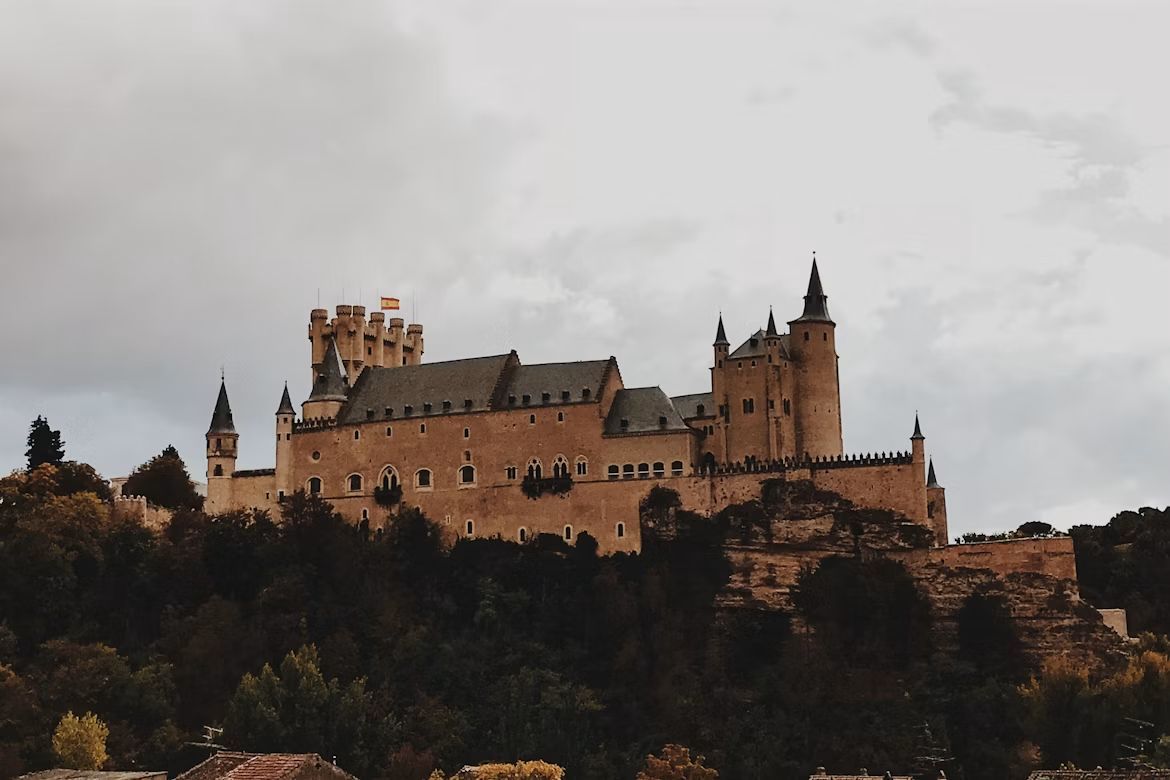
The Alcázar of Segovia rises above this Spanish city on a rocky outcrop between two rivers. Its unusual shape, with a pointed front and tall slate-covered towers, gives it the appearance of a castle from a storybook. That distinctive silhouette is often linked to Disney's Snow White and the Seven Dwarfs and is also said to have influenced the look of Cinderella's Castle.
The Alcázar was an important fortress and royal residence for the rulers of Castile, and it played a particularly important role in 1474, when Isabella I was proclaimed Queen of Castile and León there. The Alcázar is now a museum and military archive and can be visited as part of Segovia's UNESCO-listed historic city.
10 Malbork Castle: A medieval giant in Poland
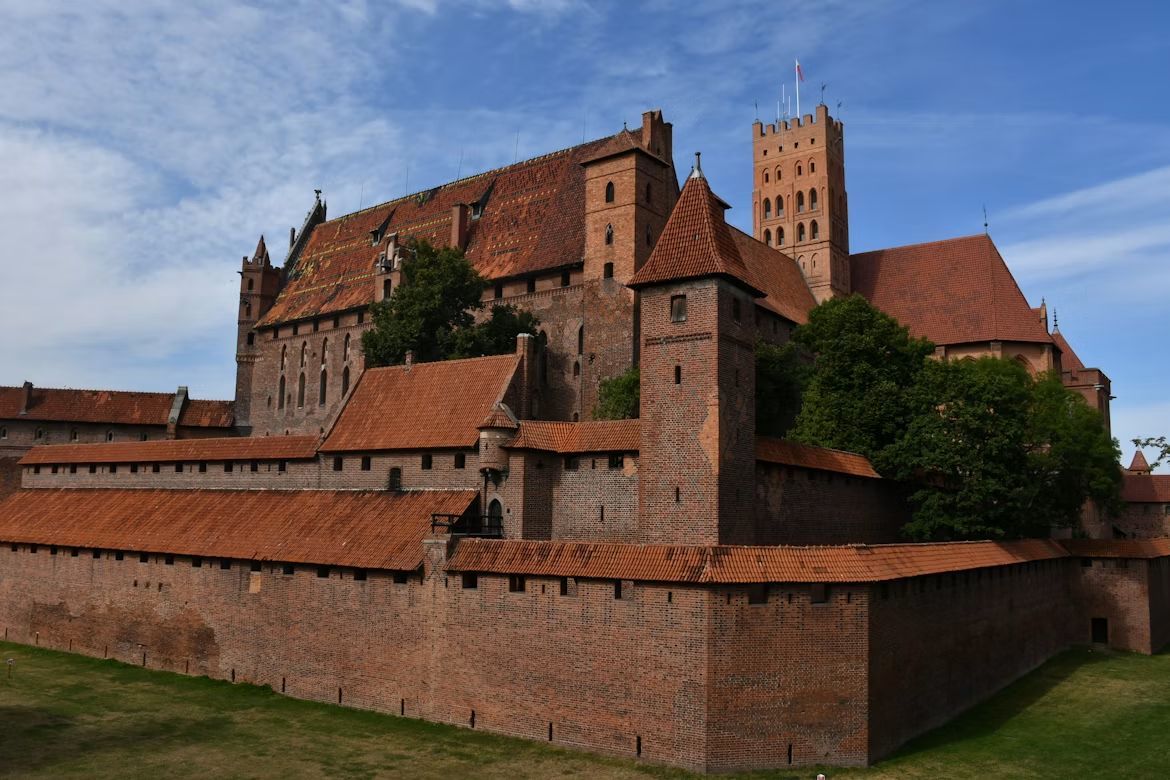
Built in northern Poland in the 13th century, Malbork Castle was the stronghold of the Teutonic Knights, a medieval German military order. It eventually became the order’s headquarters and grew into one of Europe's largest medieval fortress complexes. Unlike several castles on this list, it was not built as a royal residence and has not been home to a modern royal family.
The castle is open to visitors and now houses a museum covering its medieval history, architecture, weapons, and art. Built largely from brick, it’s considered the largest brick-built castle in the world by land area. Despite severe damage during World War II, much of Malbork was carefully restored, and the castle is now a UNESCO World Heritage Site.