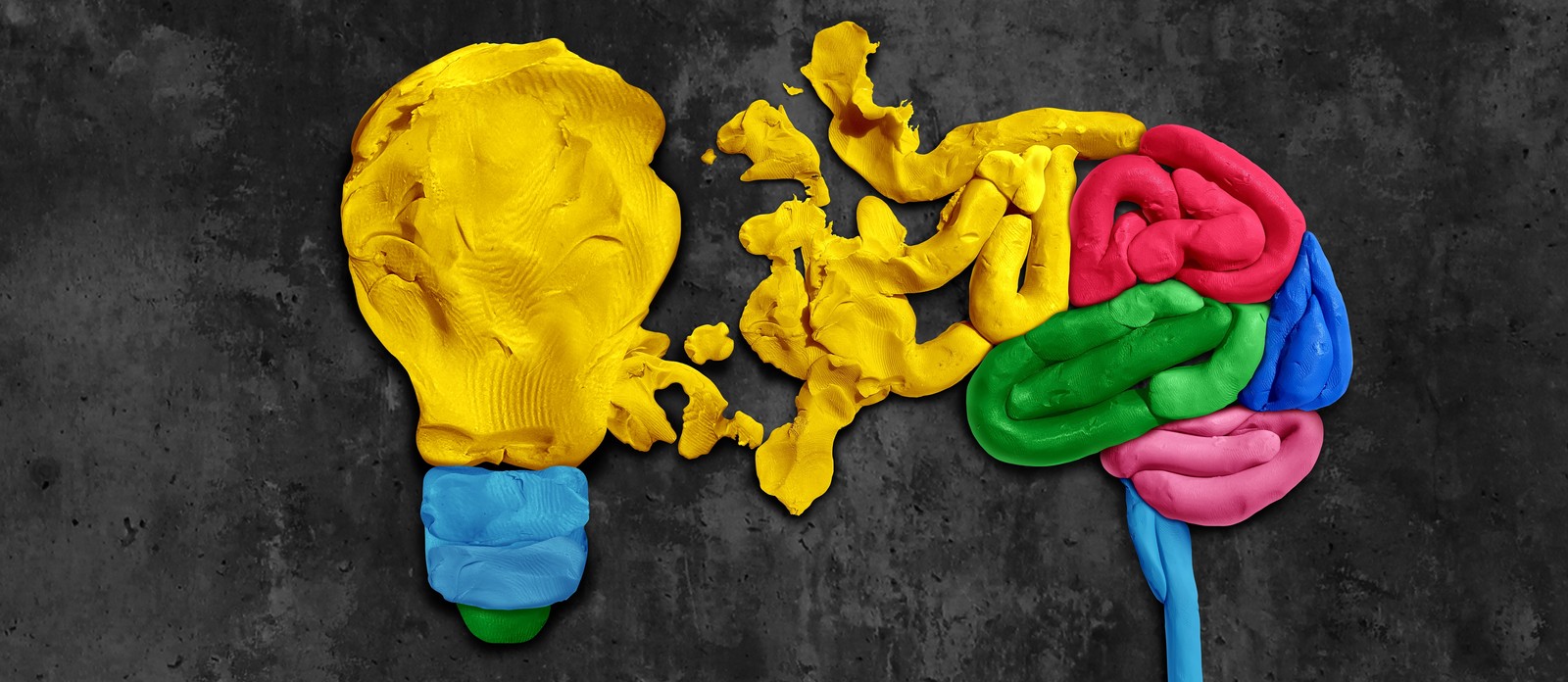
Dream on
The science behind why muscles are paralyzed when you sleep

Dreaming can be intriguing. Maybe it’s a nightmare that wakes you up covered in sweat in the middle of the night. Or maybe it’s a dreamy scene that lingers in the back of your mind for the rest of your day. Whatever the case, your brain is a complex organ, and behind dreaming there are a few mysteries still unsolved. Dream faces are not necessarily people you’ve met; stressful days can follow you into sleep, and an argument from last week might suddenly turn up in tonight’s dream. Here’s what science really knows about what happens after you close your eyes.
1 We don’t all dream in color

If your dreams sometimes look like an old black-and-white movie, you are not imagining something impossible.
Some people report monochrome dreams, and research has found that this aspect of dreaming has changed dramatically across generations , with people who grew up watching black-and-white films and television more likely to report grayscale dreams. Some studies also found that when people were asked about color immediately after waking, the percentage of dreams described as black and white became much smaller. This means that memory may be part of the mystery too. What you remember at breakfast may not be a perfect recording of what you actually experienced overnight.
2 Science doesn’t know exactly why we dream

Despite decades of sleep research, there is still no single, proven answer to why humans dream.
Scientists have found strong connections between sleep, memory processing, emotion, and dream content, and one leading line of research suggests that dreaming may reflect memories being reactivated and reorganized during sleep. But that is not the same as proving that dreams have one specific purpose. National Institutes of Health researchers describe memory consolidation as an important part of the picture, while also noting that much of this processing happens outside conscious awareness. So when you wake from a bizarre dream, science can explain some of the machinery behind it, including REM sleep and memory activity, but not the whole process.
3 Faces are not necessarily people you know

You may wake from a dream with the face of an old neighbor, a cashier, or someone you cannot quite place. That can make the old claim sound plausible: every dream face must come from someone you have seen. But scientists cannot support that as a fact.
There’s no practical way to catalog every face a person has encountered , including strangers glimpsed on a bus, in a store, or on television. Dream research does show that waking memories can enter dreams, but that does not mean every detail has a known real-world source. So if a mysterious stranger appears tonight, it may just mean your dreaming brain is combining memory fragments in ways researchers still cannot fully trace.
4 Your muscles are paralyzed

A dream can contain lots of action: Running, jumping, any possible motion. And still, when you wake up, you’re in almost the same position you fell asleep. Your brain has a built-in reason for that.
During REM sleep, signals from the brain help suppress movement through the spinal cord, temporarily limiting voluntary muscle activity in the arms and legs . This state, known as REM atonia, helps keep most people from physically acting out their dreams. It’s not the same as ordinary paralysis, and the effect is temporary. If that system is disrupted, people can make movements or vocalizations during dreams. So while your dream self may be sprinting through an airport, swimming across a lake, or waving to someone, your sleeping body is usually staying remarkably still.
5 Low stress means happy dreams

A quiet day doesn’t guarantee a cheerful night. In fact, stress and dreams can influence one another in complicated ways.
Research has linked higher stress with more disturbing dreams and nightmares, while sleep and dreaming may also play a role in processing emotional experiences. That doesn’t mean one stressful afternoon will automatically produce a nightmare. The bigger picture matters, including ongoing stress, sleep quality, and personal circumstances. During periods of major stress, researchers have found increases in disturbing dreams and nightmares. If your dreams become unusually upsetting during a difficult stretch, look at the whole sleep routine rather than hunting for one mysterious cause. Nightmares are common human experiences, not simple stress meters.
6 Our day informs our dreams

Sometimes a dream seems to have borrowed a tiny detail from yesterday, then suddenly brought back something you had not thought about all week. Researchers have actually studied this pattern.
It’s called the day-residue effect when recent experiences appear in dreams , and the dream-lag effect when personally significant events show up again about five to seven days later. Studies have found these patterns especially after meaningful events, although the effect varies across studies and depends on the kind of daily experience. Researchers think memory processing during sleep may help explain the timing. So that odd dream about last week’s argument, family gathering, or emotionally charged conversation may not be as random as it felt when you opened your eyes.
7 Strange is normal

Dreams can turn an ordinary grocery store into a maze, put your childhood home beside a Las Vegas hotel, and make the whole thing seem perfectly normal. That strangeness is not strange at all.
During REM sleep, the brain is highly active, while systems that organize information, movement, and awareness operate differently than they do when you are awake . Older theories described dreams as the brain simply turning random signals into stories, but modern research paints a more complicated picture involving memory, emotion, and ongoing brain activity. The result can be a vivid world with impossible rules and bizarre combinations. No hidden message behind, sometimes a dream is simply strange because the sleeping brain is doing something very different from the waking one.
8 Women are more prone to scary dreams
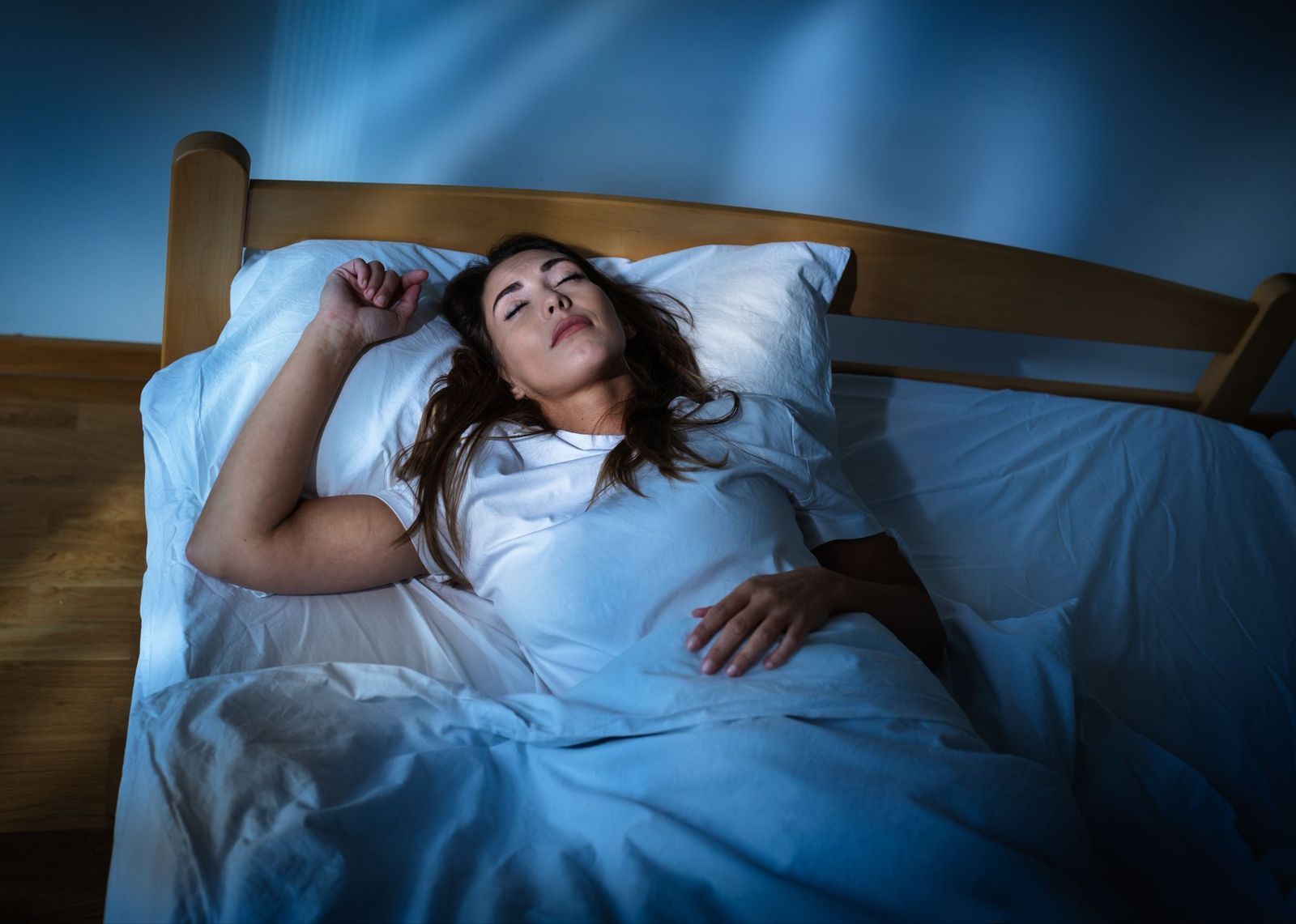
The idea that women have more nightmares than men has some research behind it, but it needs a little fine print. Studies of adults have often found that women report nightmares more frequently than men.
A study conducted among Finnish citizens, for example, found frequent nightmares in 4.8% of women compared with 2.9% of men. But the difference is not identical at every age. A later review noted that the sex difference in nightmare frequency becomes less clear in people over 60. More recent research has also found that the pattern can change depending on the year and population studied. So this is a population pattern, not a rule about any individual person’s dreams.
9 Eating late is believed to be unhelpful

A late-night snack gets blamed for wild dreams often enough to sound like an old family rule. But science has not established that eating before bed directly causes nightmares.
A review of research on food and dreaming found surprisingly little solid evidence that particular foods, or eating late, reliably change dream content. Food can certainly affect sleep in other ways, especially if a meal causes discomfort or disrupts your usual routine, and disturbed sleep can affect how you experience dreams. So if a heavy dinner seems to produce a restless night, pay attention to the pattern, but do not treat midnight eating as a guaranteed nightmare switch.
10 Tooth dreams could have a bigger meaning

The dream where your teeth crumble or fall out has inspired folklore for centuries, including ominous predictions about death. Modern research offers a much less spooky possibility.
Research in 2018 found that teeth-falling-out dreams are more likely to be associated with sensations of tension or irritation in the teeth, gums, or jaw after waking. The study was preliminary and did not prove that dental irritation causes every tooth dream, but it gives the body a role in a dream often treated as pure symbolism. So if this nightmare keeps returning, there is something practical to notice. Pay attention to jaw tension, tooth discomfort, or that familiar sore feeling you sometimes discover when you wake up.