Unanswered questions
10 chilling history mysteries that'll keep you up at night
Some mysteries stay buried for a reason. There's a 2,200-year-old Chinese emperor's tomb that humanity has collectively decided to leave alone. But not all intrigue gets abandoned so easily. Hundreds of experts have tried, and failed, to decode the indecipherable Voynich Manuscript. Scientists have run repeated tests on the Shroud of Turin to determine whether it's truly the burial cloth of Jesus Christ. These 10 eerie cases remain unsolved. Read on for a deep dive into history's most stubborn questions.
1 The "Ancient Greek computer," Antikythera mechanism
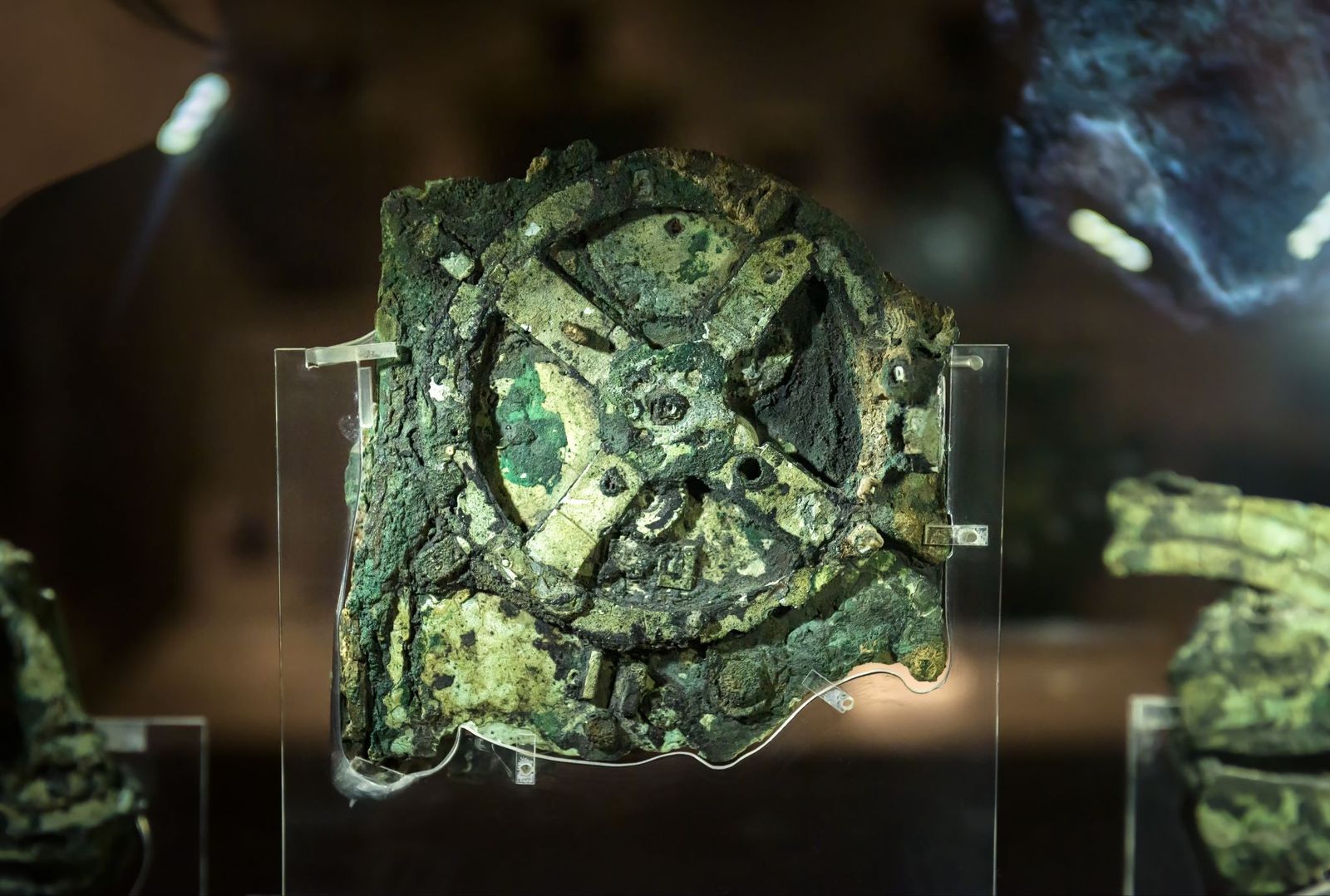
In 1901, sponge divers exploring a Roman-era shipwreck off the tiny Greek island of Antikythera pulled up a corroded lump of bronze, roughly the size of a shoebox. They handed it to a museum, where it sat archived for decades before experts understood what it was. Inside it were more than 30 interlocking gears, some smaller than a coin, built roughly 2,100 years ago to track the sun, moon, and five visible planets.
The mechanism could predict eclipses and mark the dates of the Olympic Games. Modern X-ray scans of its 82 surviving fragments revealed tiny inscribed instructions, essentially an ancient user manual. Historians believe it was a one-off production of a single elite workshop , since nothing this advanced appears anywhere else in record for over a thousand years afterward.
2 The Roanoke "Lost Colony" disappeared with its 100 settlers
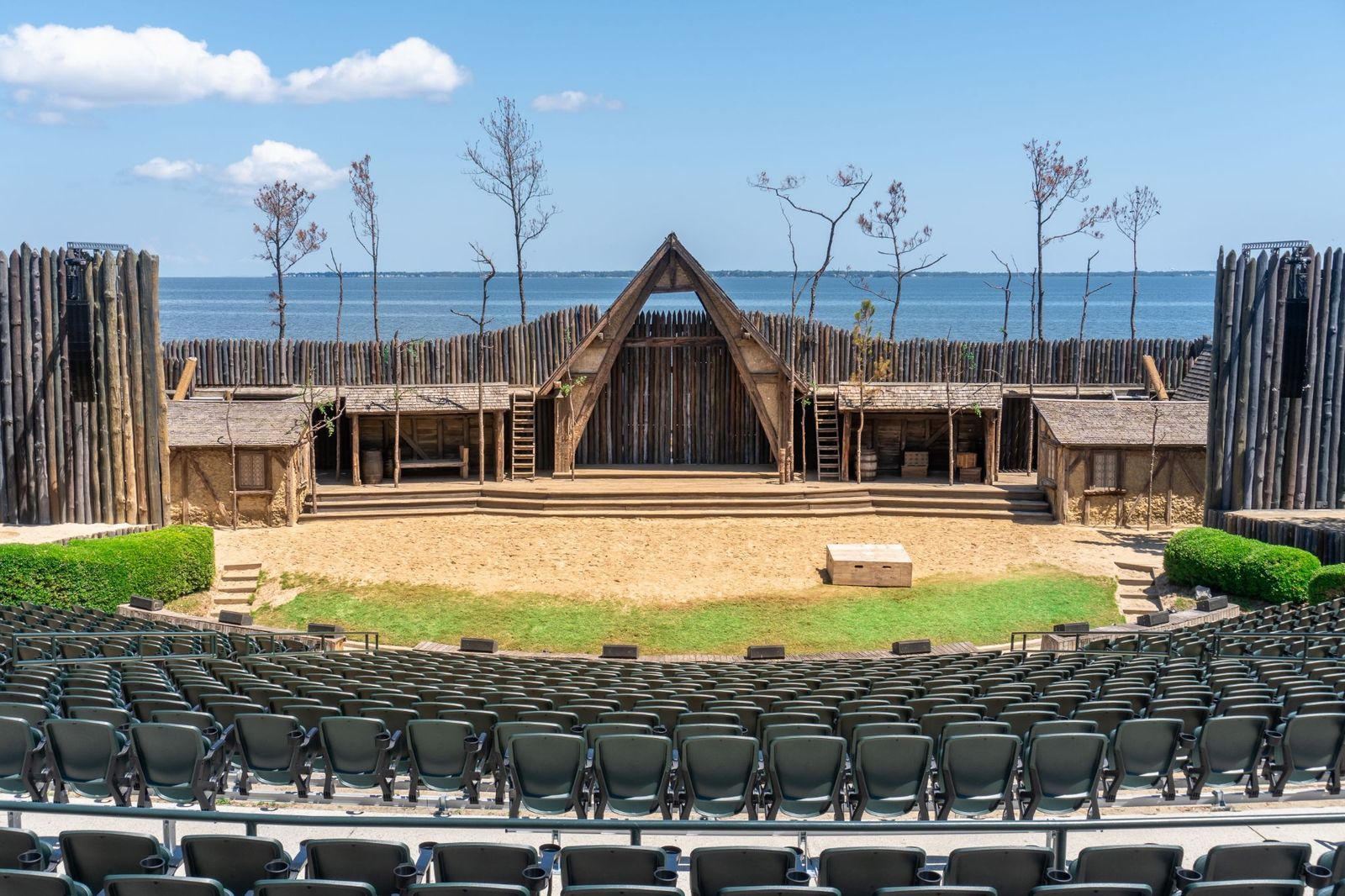
In 1587, 117 English men, women, and children landed on Roanoke Island off the coast of present-day North Carolina, hoping to build England's first permanent settlement in the New World. Weeks later, governor John White sailed back to England for supplies, but war with Spain kept him away for three years. When White finally returned, the colony was empty. He saw no explanation: houses had been dismantled, not burned or ransacked, and there were no bodies and no signs of a struggle. Before leaving, White and the colonists had agreed that a Maltese cross carved alongside any message would signal danger. But there was no cross.
The only clue was a single word carved into a wooden post: CROATOAN, the name of a nearby island. Recent archaeological work started in 1998 has found English-made artifacts among the Croatoan people's old villages, which hints that the colonists may have indeed integrated there. No one has ever found conclusive proof either way.
3 The Shroud of Turin
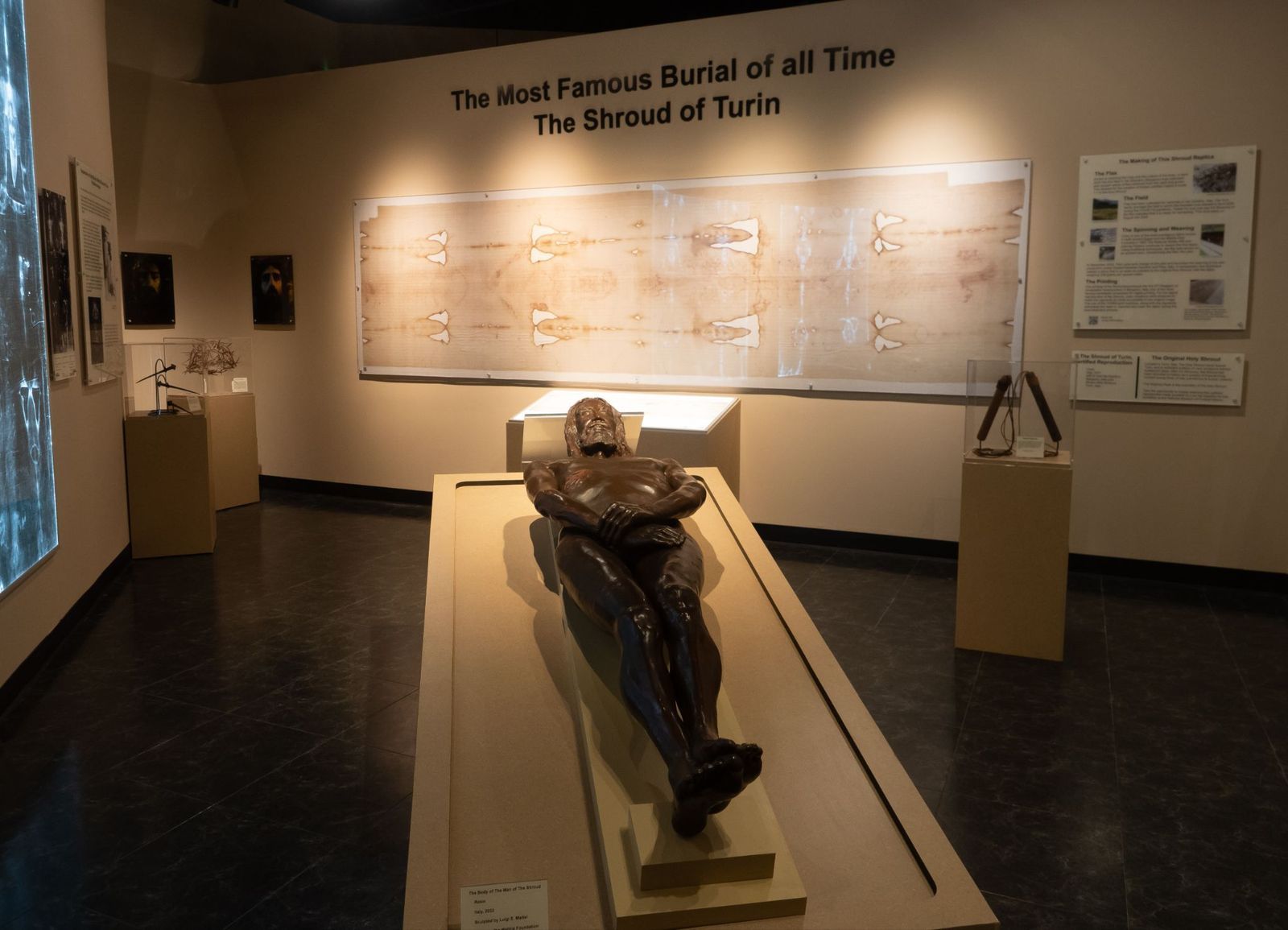
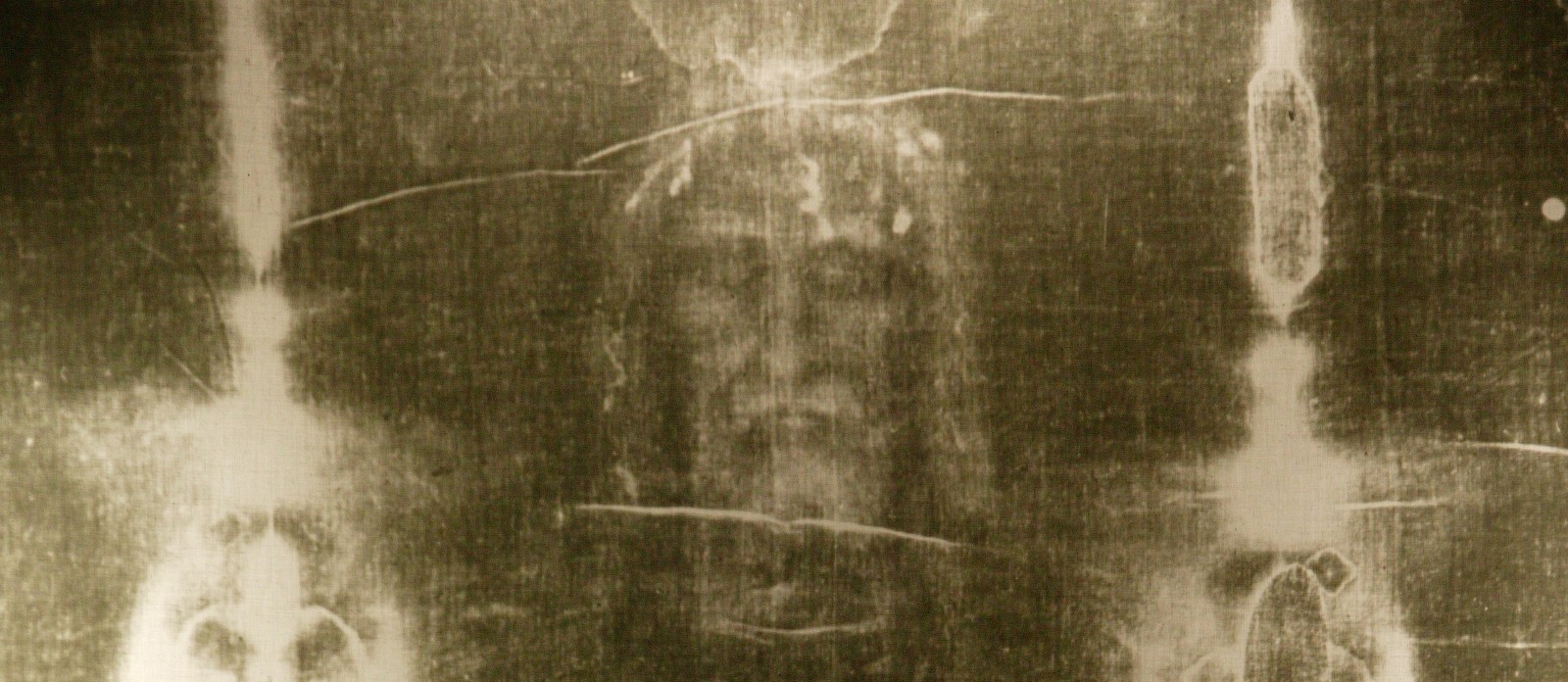
The Shroud of Turin is a 14-foot linen cloth bearing the faint image of a crucified man. For centuries, it was venerated as the burial cloth of Jesus Christ . However, in 1988, three independent laboratories in Oxford, Zurich, and Arizona radiocarbon-dated a sample from the cloth and placed its origin between 1260 and 1390 AD, over a thousand years after the crucifixion.
The findings didn’t end the debate, though. Some researchers questioned whether the tested sample came from a medieval repair patch rather than the shroud's original weave. Another mystery still stands: what produced the image itself, a faint, photographic-negative-like print in the fabric, was not made with any known paint or dye. Scientists still can’t explain that imprint.
4 The Longyou Caves, massive mysterious carvings in China
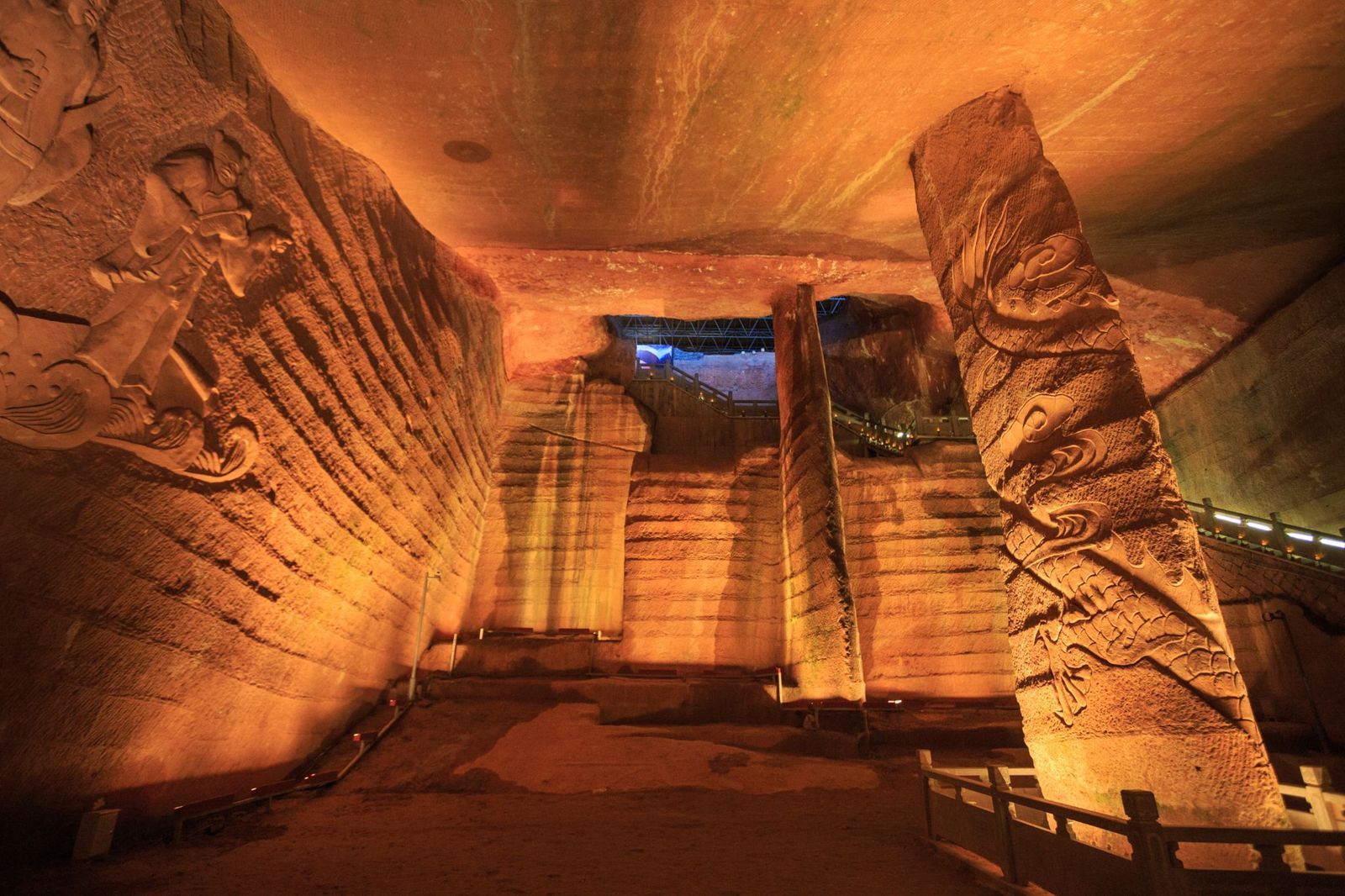
In 1992, farmers in East China decided to drain a pond the whole village believed was bottomless. However, attempting to do so, they found a carved stairwell leading into a cavern nearly 100 feet deep. More ponds were drained, and eventually two dozen hand-chiseled sandstone caves emerged, some over 100 feet wide with vaulted ceilings held up by carved stone pillars. The system spanned over seven acres, almost the size of six football fields.
Geologists estimate the caves are over 2,000 years old. This means that, at that point in history, roughly one million cubic meters of rock had to be removed by hand to create them. This makes it one of the largest excavation projects of the ancient world. And yet no historical document, inscription, or record of any kind mentions who built them, or why.
5 The hidden meaning of the Sator square
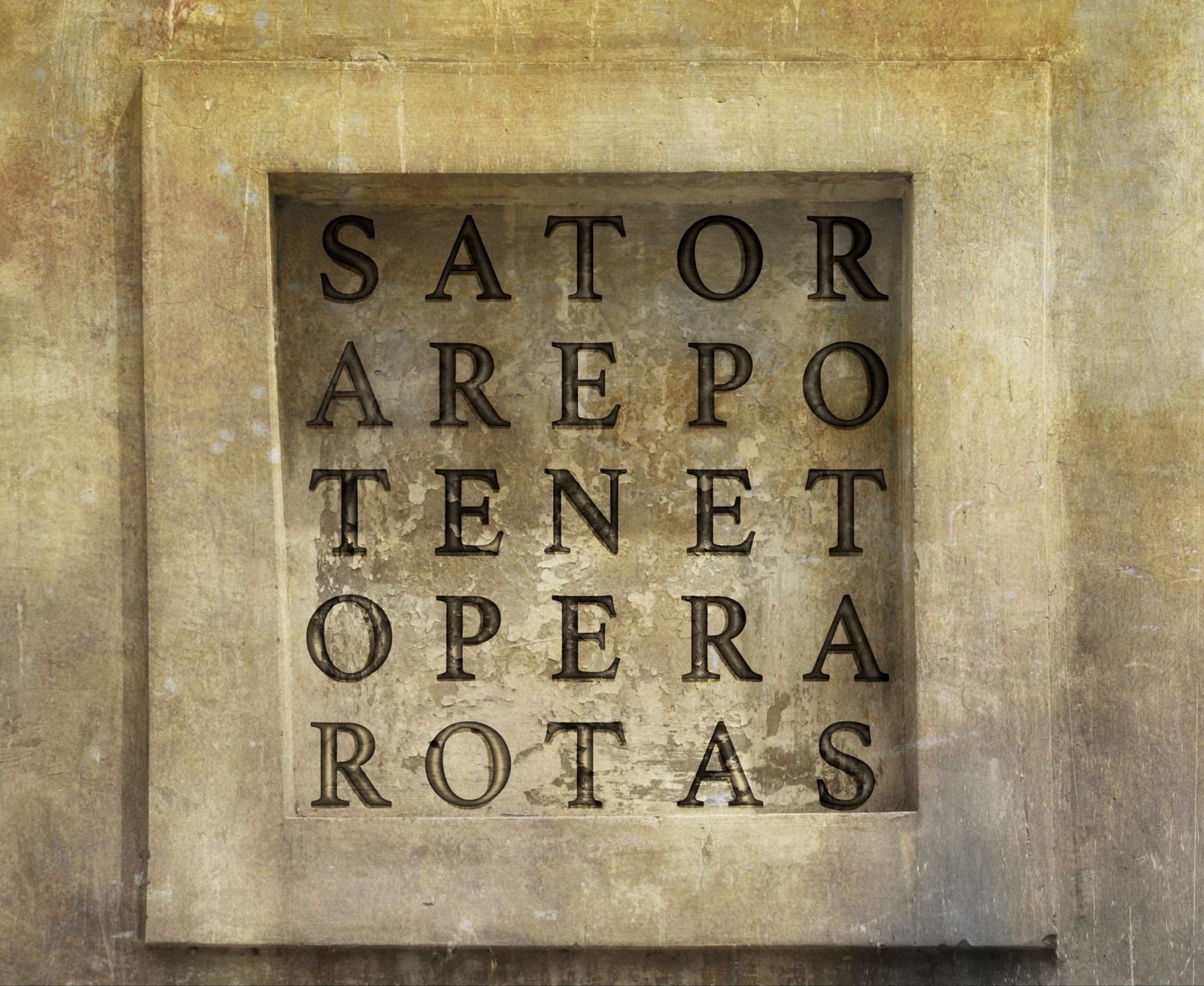
This five-word Latin puzzle was carved into a column in Pompeii sometime before an earthquake struck the city in 62 AD. The inscription reads identically forward, backward, top to bottom, and bottom to top, and it’s called the "Sator square" after the first word formed. The list of words— Sator arepo tenet opera rotas —loosely translates to "the farmer Arepo holds the plough wheels with care."
Centuries later, identical squares turn up across three continents, everywhere from Roman Britain to Syria to the walls of medieval churches. Some scholars link it to secret Christian symbolism during periods of persecution, others to pagan protective charms against fire and misfortune . But historians still haven’t explained what the square was for, or why it traveled so far.
6 The indecipherable Voynich Manuscript
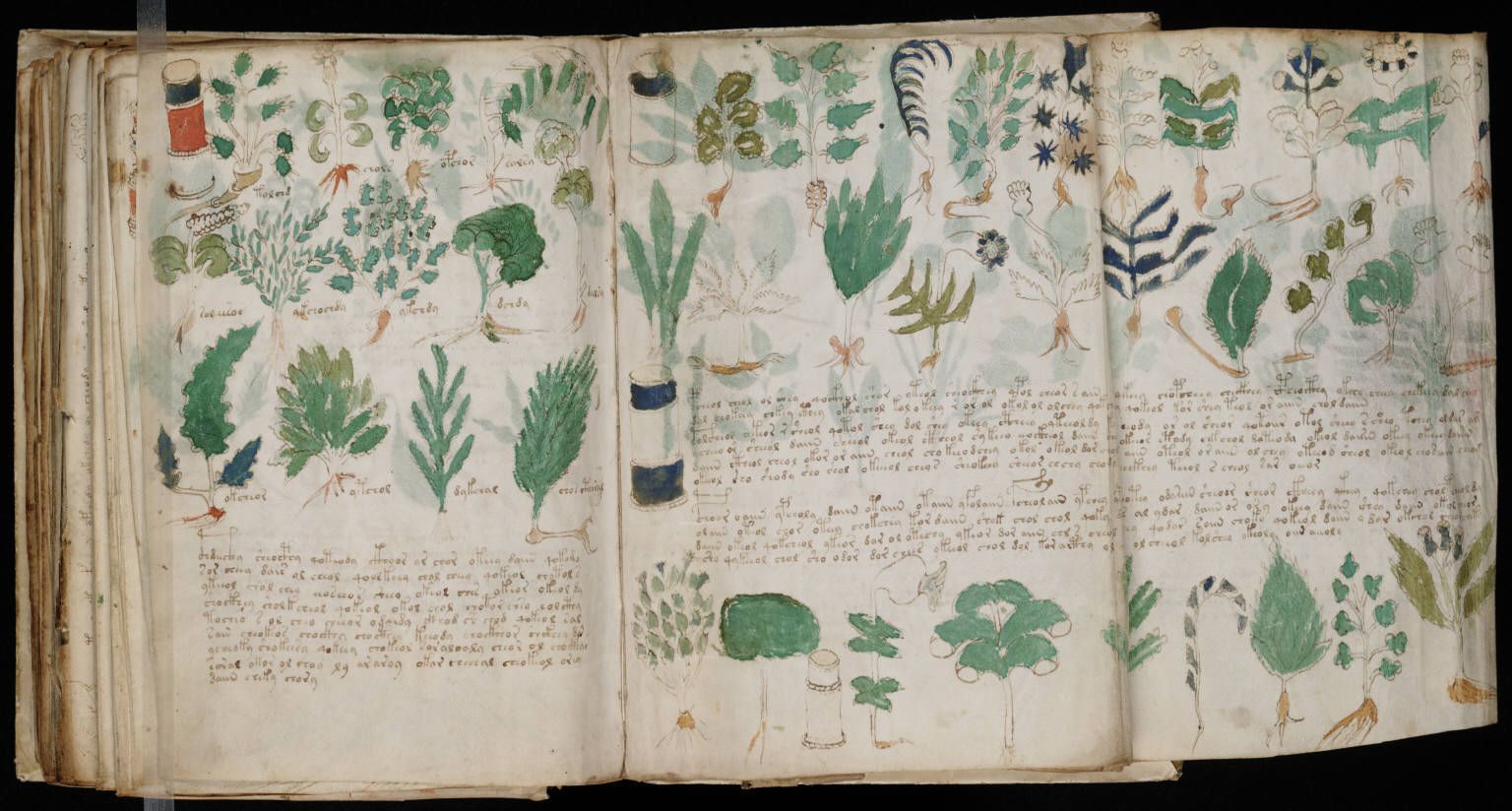
The Voynich Manuscript is a 240-page book filled with drawings of unidentifiable plants, strange astronomical charts, and thousands of words written in a flowing script. The question is: what language is that? No scholar, codebreaker, or computer has ever definitively translated it. It has been successfully dated to the early 15th century, which ruled out the belief that it was a hoax written on old-looking parchment.
World War II-era military cryptographers, the same people who broke Axis ciphers, tried and failed to crack it. Its unknown language and specimens have fed dozens of unchecked theories , ranging from a book of alchemical secrets to the involvement of extraterrestrial intelligence.
7 The Baghdad Battery, 2,000-year-old
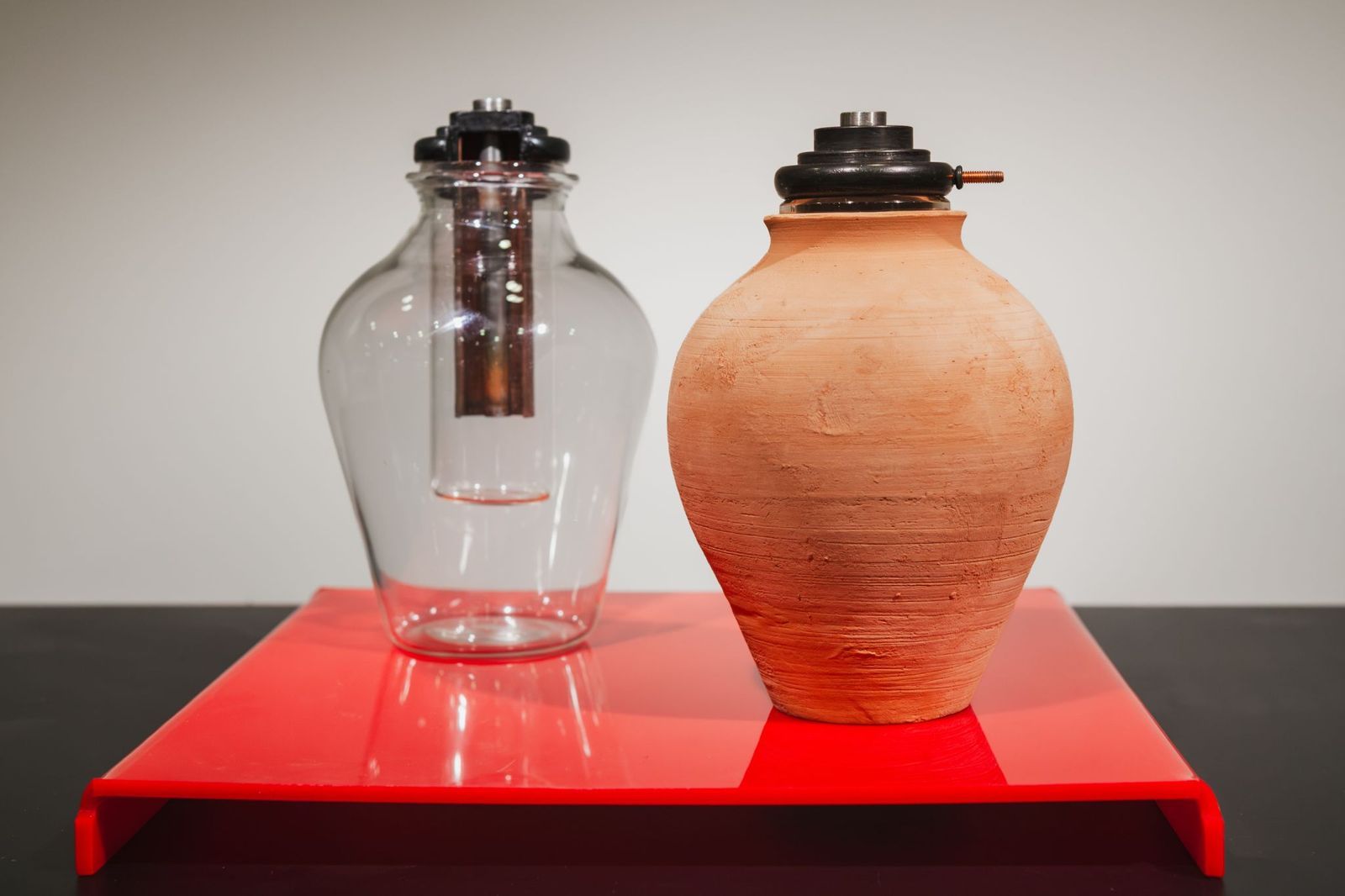
In 1936, workers excavating near Baghdad unearthed a strange clay jar containing a copper cylinder wrapped around an iron rod. Two years later, Austrian archaeologist Wilhelm König proposed something startling: this 2,000-year-old object might be a battery, a working galvanic cell built more than 1,700 years before Alessandro Volta invented the modern one.
When filled with an acidic liquid like vinegar or grape juice, it can, in fact, generate a small electric current. MythBusters recreated one in 2005 and measured roughly 4 volts. But most archaeologists remain unconvinced. No ancient text ever mentions batteries or electricity. Experts still can’t decide whether it was ahead of its time or just a regular container.
8 The "self-healing" Roman concrete
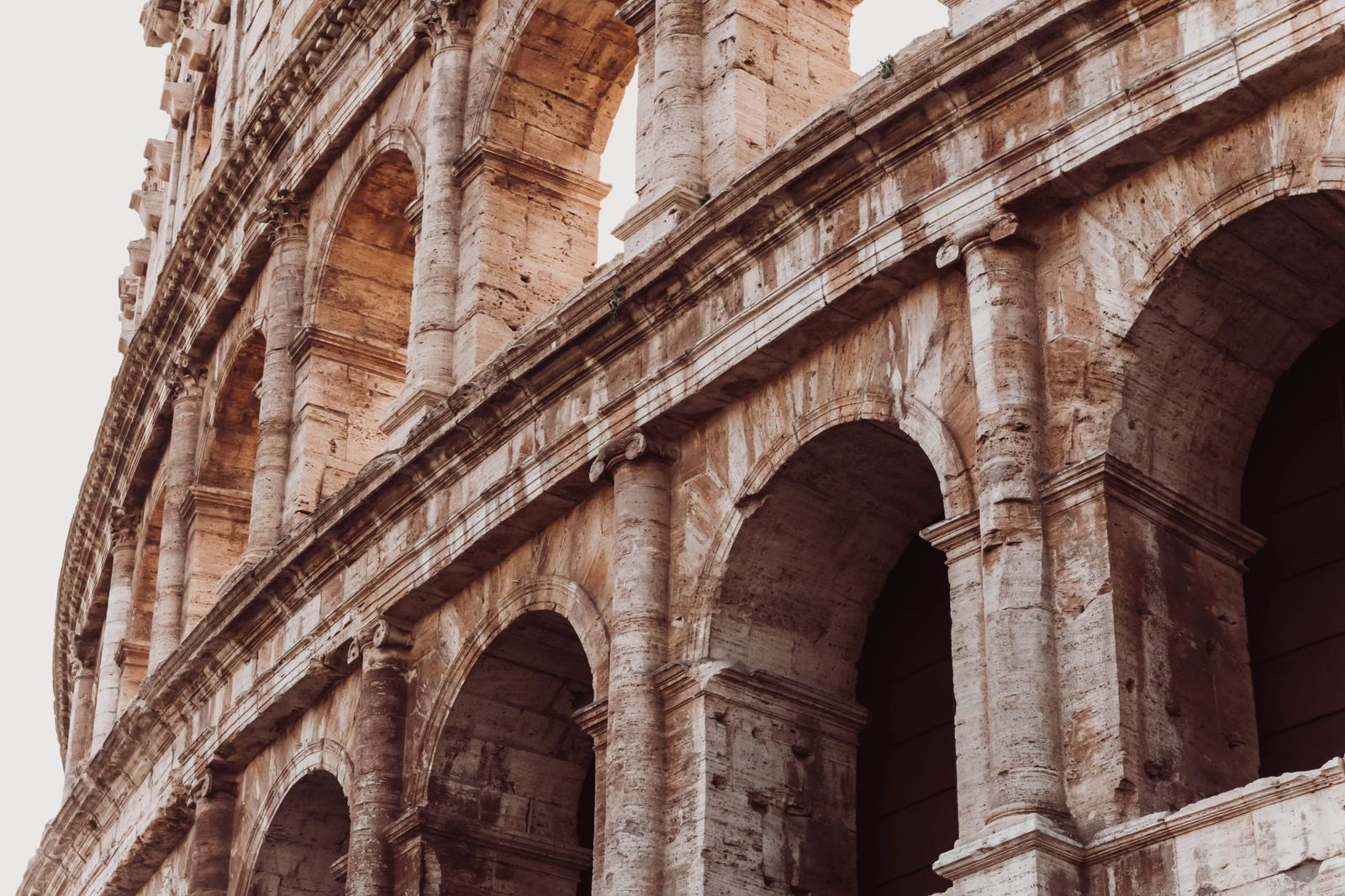
For centuries, the small white flecks scattered through Roman concrete were dismissed as sloppy mixing of materials. But in 2023, MIT engineer Admir Masic discovered that those marks were cast from quicklime added during a high-heat process known as hot mixing. This 2,000-year-old technique was brilliant: it meant that, whenever cracks formed in the concrete, water would reach those reactive clasts and trigger a chemical reaction to fill the gap with new solid material. Essentially, an effective self-healing structure. This discovery could explain why impressive structures like the Pantheon remain standing after two millennia.
Some questions remain unanswered, though: Did the Romans design hot-mixing on purpose, or was it a happy accident? And if the former is true, why was the technique lost for 1,500 years, when Roman engineers clearly knew how to do it at scale?
9 The chilling facts about the Terracotta Army
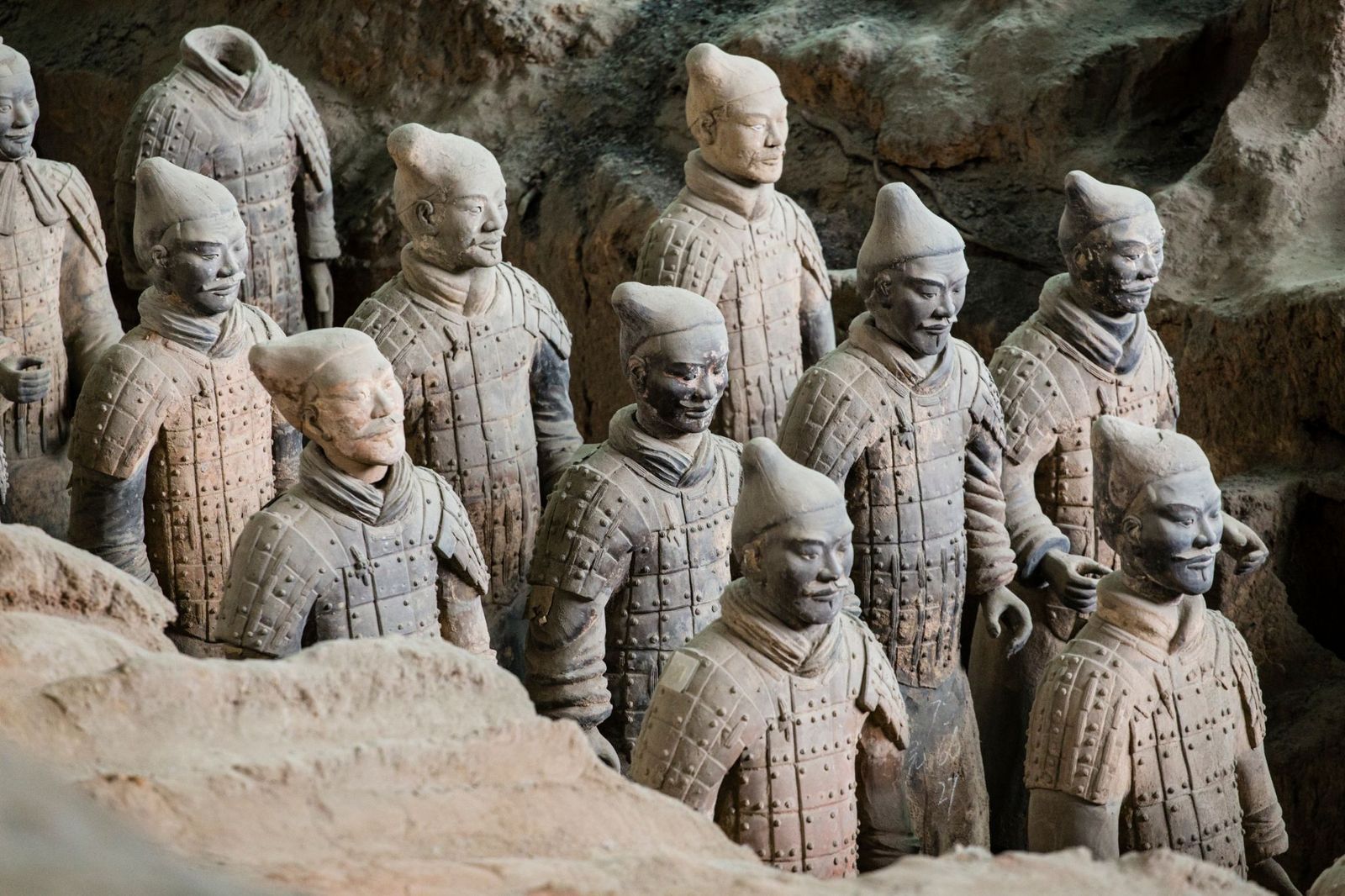
In 1974, farmers digging a well in Northwestern China struck the head of a clay soldier. This led them to one of archaeology's greatest finds: an underground army of more than 8,000 life-sized terracotta warriors built to guard Emperor Qin Shi Huang in the afterlife. No two of their faces were alike.
The unsettling part is what historian Sima Qian wrote in 210 BCE about the emperor's tomb a century after it was sealed. He described chambers rigged with automatic crossbows to kill intruders, and rivers of flowing mercury built to mimic the Yangtze and Yellow Rivers. This meant the vault had been known of, but treated as a legend for centuries. A chilling research project explored the soil around the burial in 2020 and found unusual levels of mercury. The tomb itself has never been opened, as officials say it's too fragile to risk, but the old warnings about what waits inside still haunt many.
10 D.B. Cooper, the plane hijacker who vanished
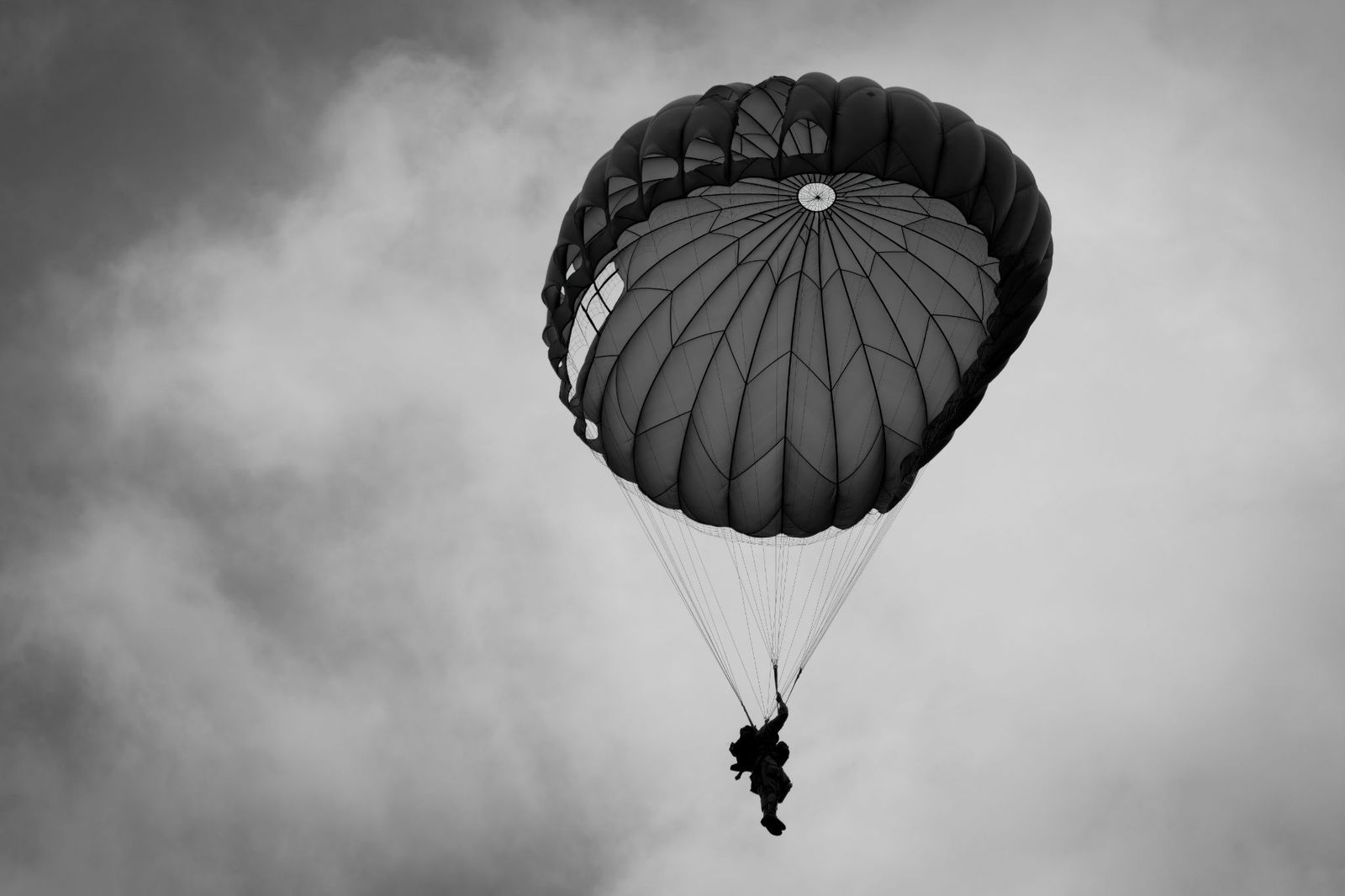
On the afternoon before Thanksgiving in 1971, a man in a dark suit walked up to the Northwest Orient Airlines counter in Portland, Oregon, bought a one-way ticket to Seattle under the name Dan Cooper, and boarded Flight 305. Once airborne, he handed a flight attendant a note claiming he had a bomb in his briefcase and demanded $200,000 in cash and four parachutes.
Authorities met every demand. After the plane landed in Seattle and the passengers were released, Cooper ordered the crew back into the air, and somewhere over the forests of southwest Washington, he lowered the plane's rear staircase and jumped into the night with the ransom strapped to his body. He was never seen again. The FBI investigated more than 800 suspects over the following decades and closed the case in 2016 without an answer. In 1980, a boy digging along the Columbia River found $5,800 of the decaying ransom bills buried in the sand, the only physical trace of Cooper ever recovered.