Fact or fiction?
11 historical events that are not as they're told in history books
Historical facts can change a lot depending on who tells the story, so many facts that we accept as true might not be as they were told. From the spread of big diseases to the origin of revolutions, some historical facts have a little fiction in them. Here are 11 historical events that didn’t happen as history books tell us.
1 Rats are not the main culprits behind the Black Death

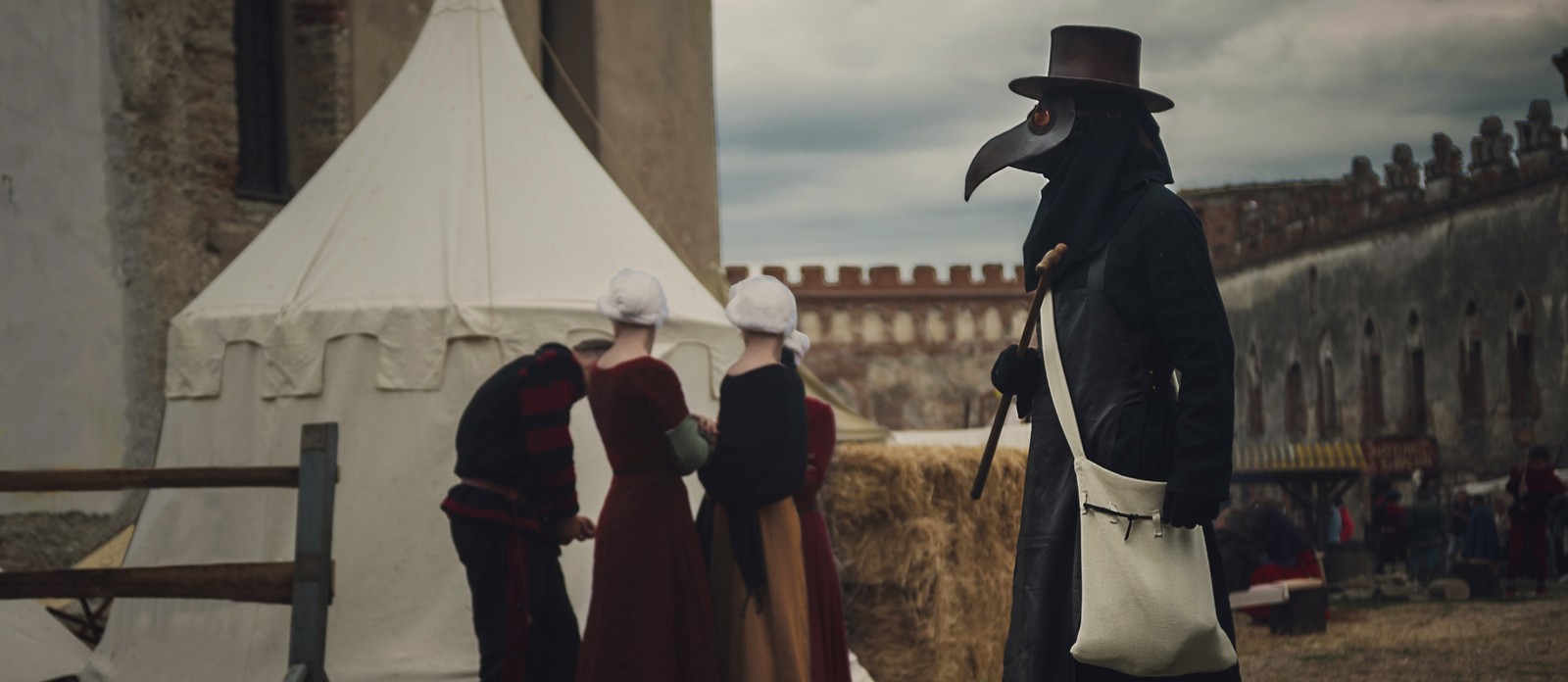
World history has always blamed rats as one of the main culprits behind the Black Death, which caused around 25 to 50 million casualties in Europe in less than a decade. But while the fleas responsible for the disease are known to be carried by rats, modern studies, contrasted with medieval records of the plague, suggest that the spread of the Black Death was too quick for rats to be the main factor . Instead, the transmission of fleas from person to person is a better match for the historical data.
2 No one was burned during the Salem witch trials
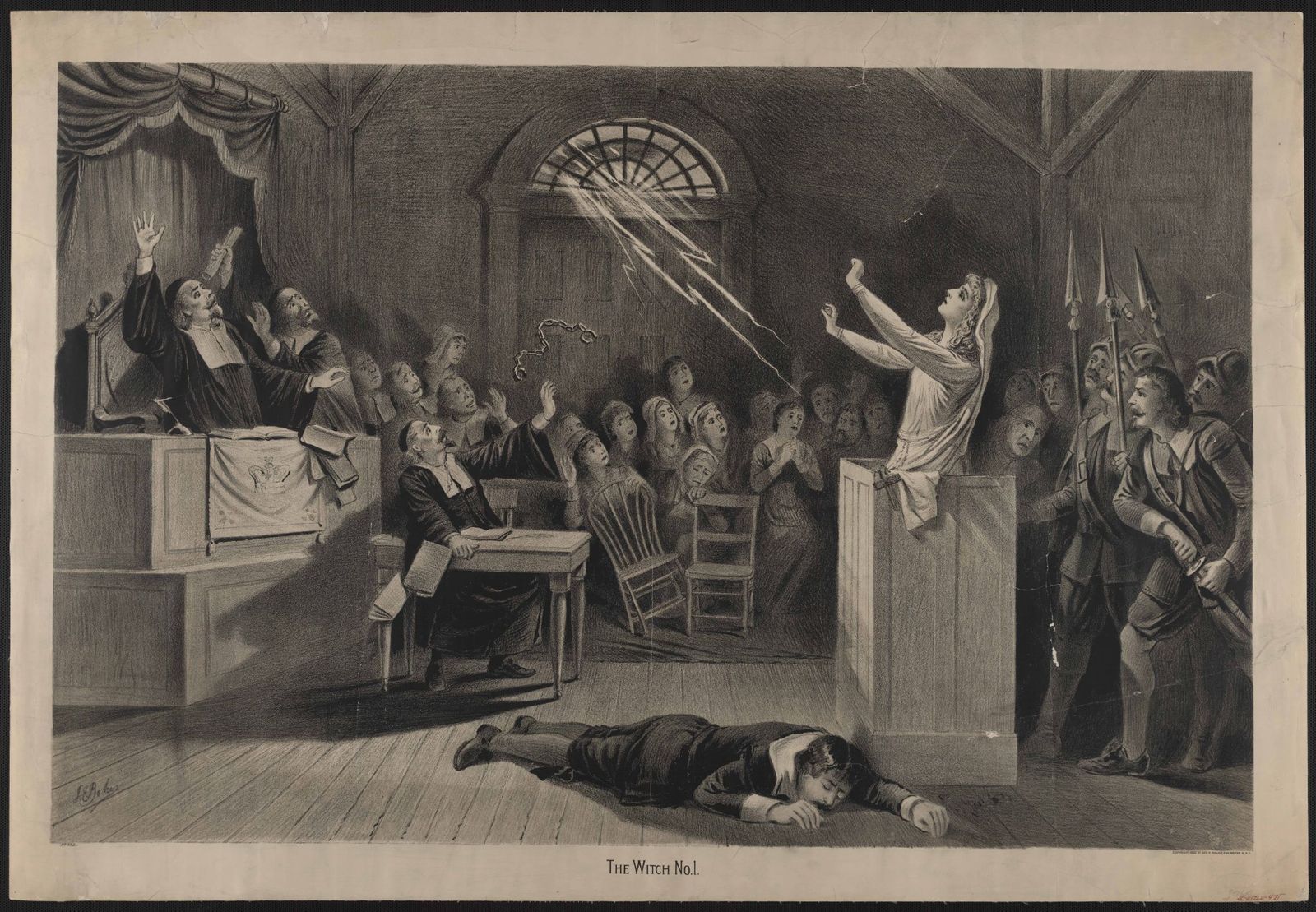
There are 20 recorded executions during the 1692–1693 Salem witch trials in colonial Massachusetts, all supported by false evidence and the result of mass hysteria. But, unlike what many believe, none of the convicted were executed by burning at the stake . 19 of them were hanged, as was customary for executions at the time, and one, Giles Corey, was killed while subjected to torture to force a confession. In 2001, more than 300 years after the trials, the state of Massachusetts officially exonerated the innocents convicted during the Salem trials.
3 Columbus did not want to prove that the Earth was round
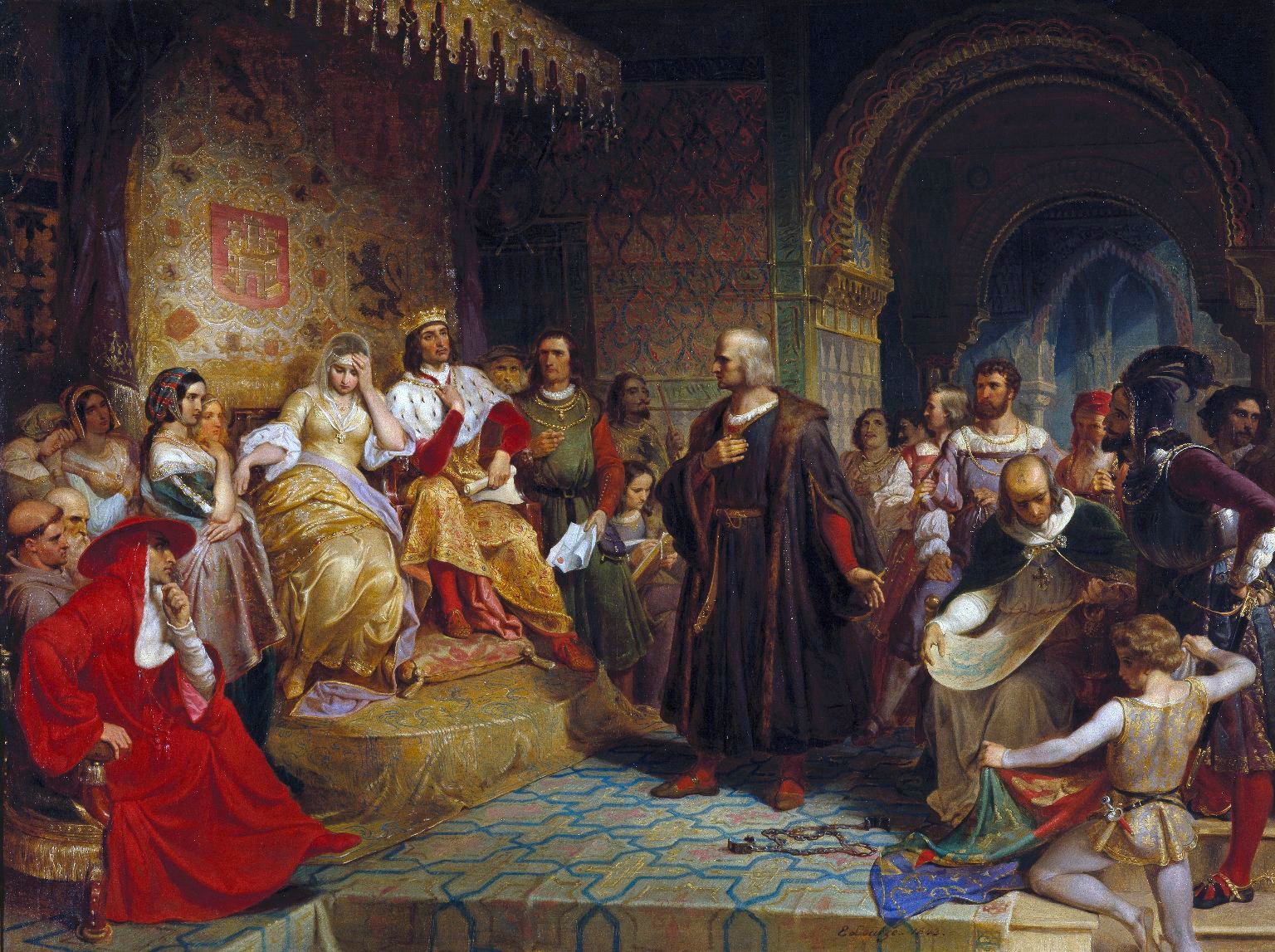
Contrary to what many history books say, everyone in the 15th century knew the Earth was round, or at least educated people knew. In fact, Christopher Columbus’ plan had a mistake that caused many scholars to reject it. Columbus had made an error calculating the Earth’s circumference, so he believed that it was 25% smaller than it actually is. Luckily for him, the Americas were located in the area covered by his mistake, which is why he believed he had reached Asia instead.
4 The "Irish Famine" was not a famine
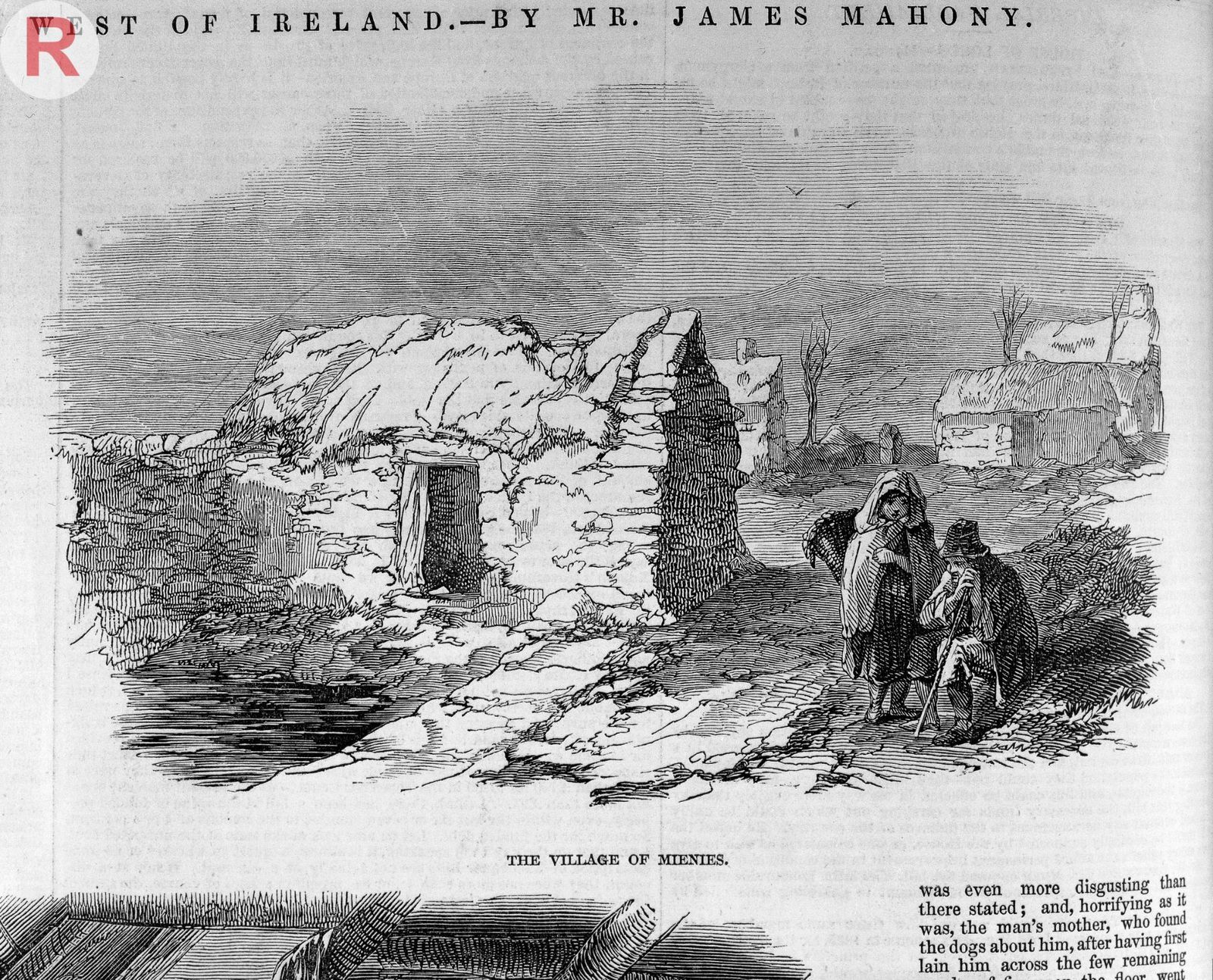
The so-called "Irish Famine" or "Potato Famine" of the 19th century decimated the population of Ireland and caused two million people to flee the island to escape hunger and death. But calling it a famine hides the real cause of the tragedy. Official English history blames a devastating potato blight for causing crops to fail, leaving millions of people without food. However, Ireland also produced large quantities of grain, livestock, beef, butter, and oats at the time , but these were routinely exported to England, leaving only potatoes for the common people’s sustenance. Instead of "famine", which suggests an unavoidable natural disaster, the Irish choose to call this event "The Great Hunger", because it was caused by human decisions.
5 The Egyptian pyramids were built by paid laborers
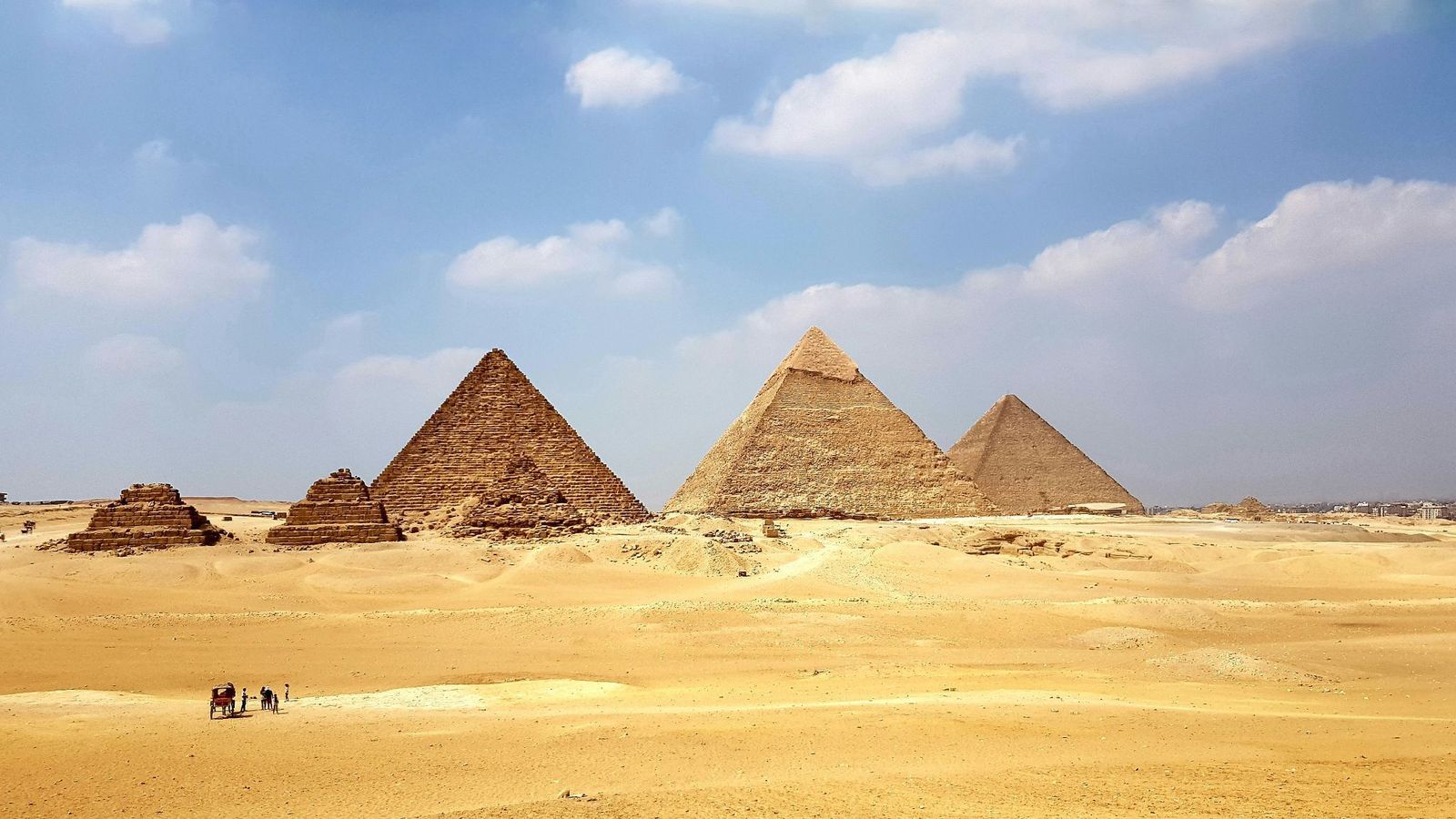
Like most ancient civilizations, Egyptians had enslaved people and forced laborers. But, unlike many people believe, thanks to ancient Greek and Roman historians, these people had no part in the construction of the Giza pyramids. Archeological investigations and excavations uncovered the ruins of a laborer settlement near the pyramids, and the evidence has shown that the workers were well-fed, taken care of, and compensated for their labor. While many believe that the Biblical story of the enslaved Israelites happened during the construction of the pyramids, these were built nearly a thousand years before.
6 The Boston Tea Party was not spontaneous
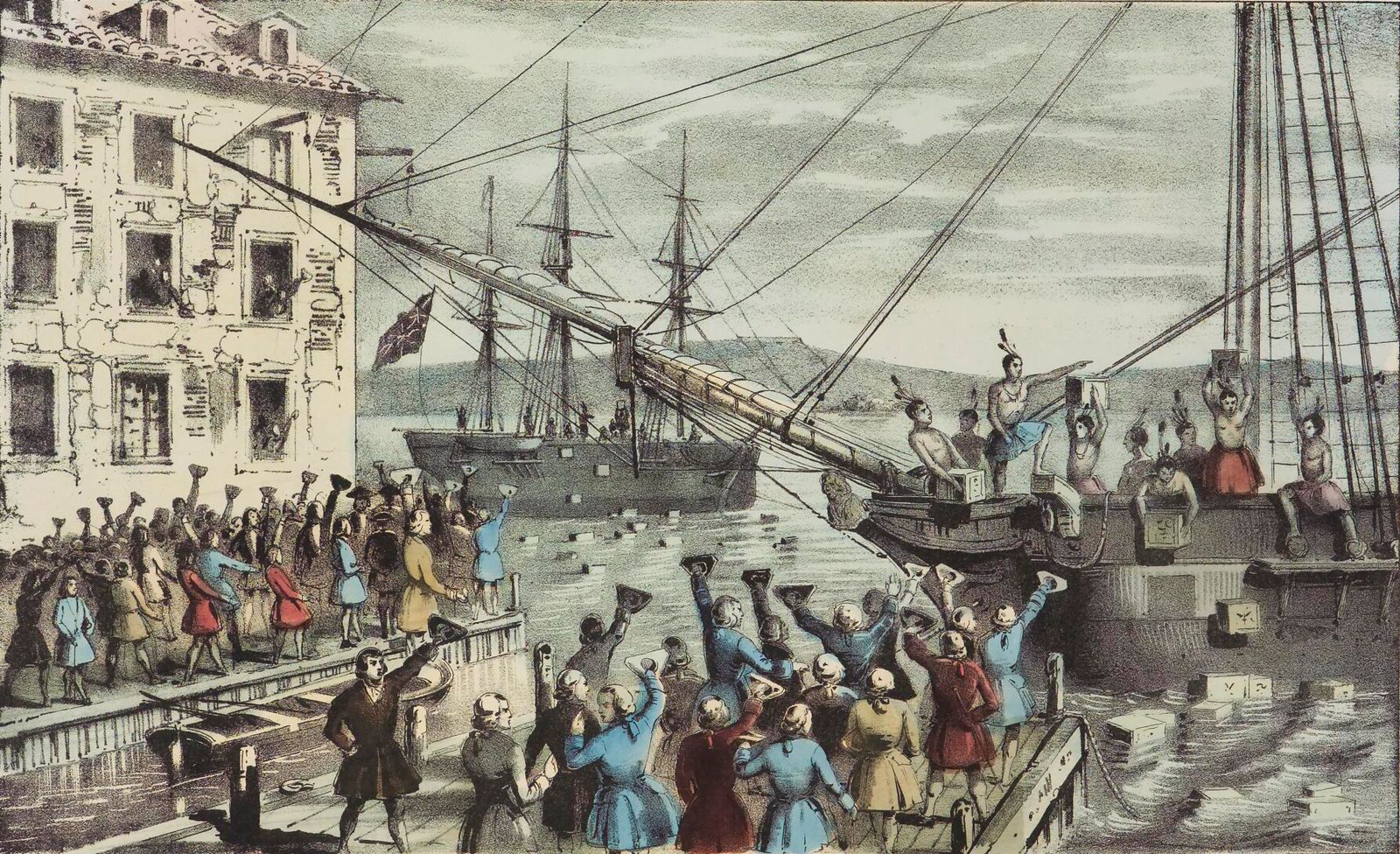
As one of the main events that triggered the American Revolutionary War, many like to believe that the Boston Tea Party was spontaneously caused by the anger of the colonists, but nothing could be further from the truth. The boarding of the Dartmouth, Eleanor, and Beaver ships and the destruction of the cargo were methodically planned and executed by revolutionary groups like the Sons of Liberty, and were intended to be a show of political civil disobedience. The fact that cargo was destroyed but the ships and crews were left unharmed goes to show that it was a coordinated event, and the participants even swept the decks clean to prove it.
7 Napoleon wasn’t as short as we think
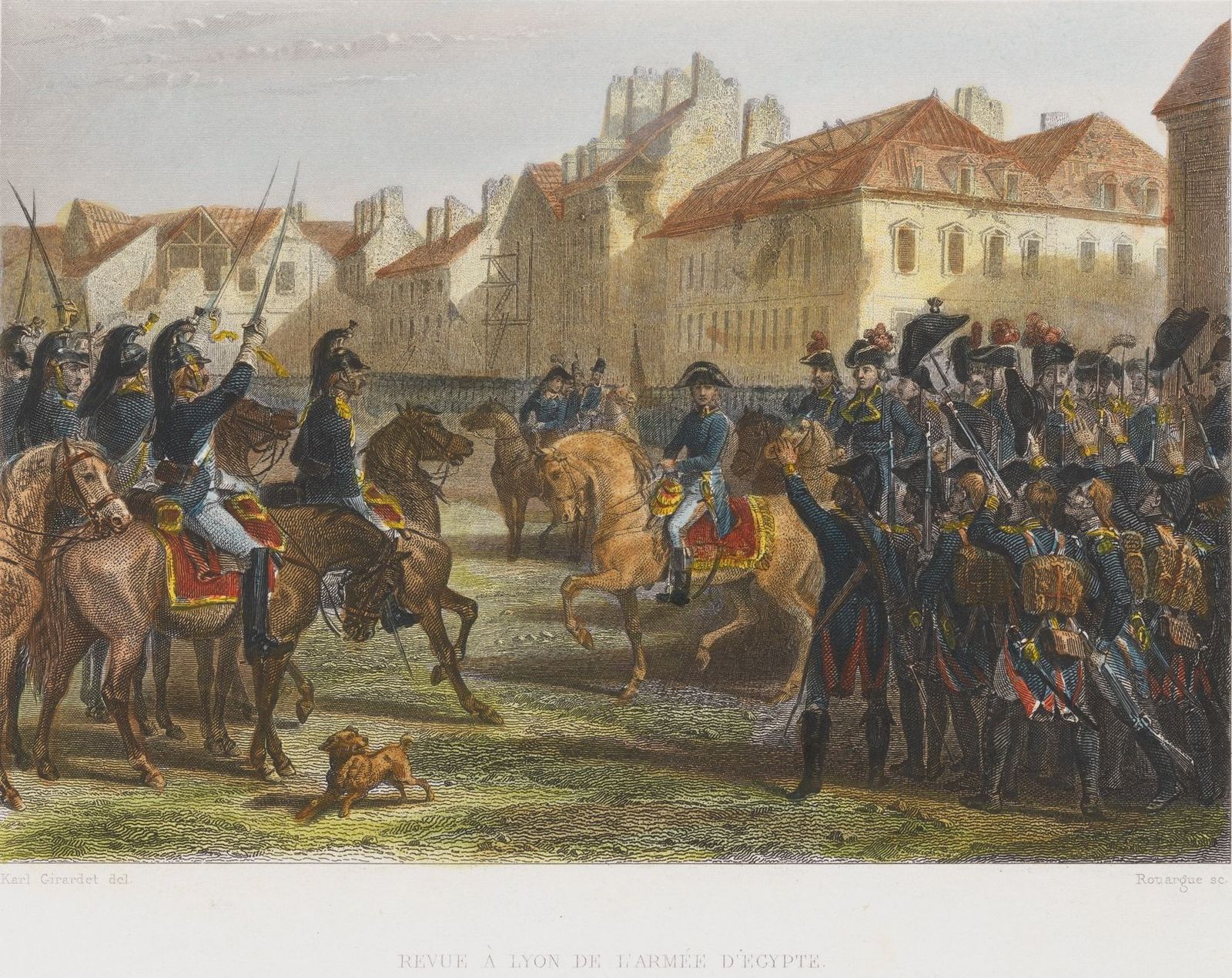
We like to think of Napoleon Bonaparte as a small man with a height complex, but this is not exactly true. With a height of 5'6 or 5’7, he was just slightly shorter than the average Frenchman of the time . Where does the myth come from? He was affectionately nicknamed "The Little Corporal" by his men as a form of endearment, and he later on was surrounded by his imperial guards, most of them quite tall, which made him look smaller in comparison. The idea that he had a height complex started as part of a smear campaign from the British during the Napoleonic Wars.
8 No one ever claimed the Titanic was unsinkable
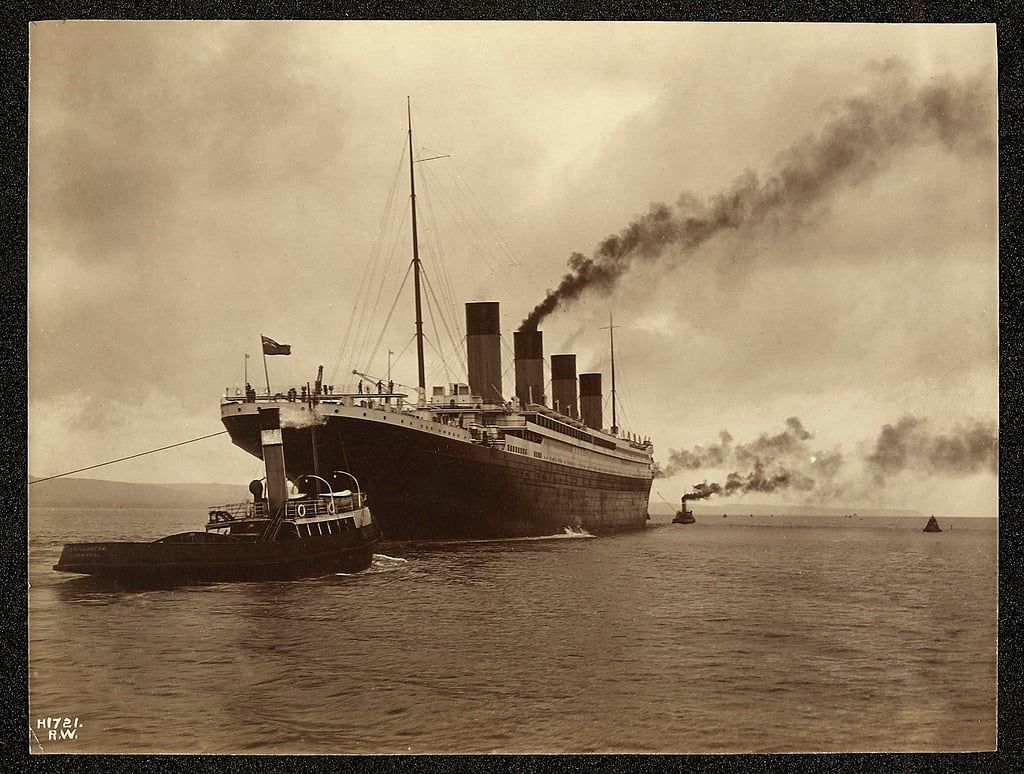
The tragedy of the sinking of the Titanic in 1912 has given way to many legends, often a dramatized rendering of the historical facts, and the story of the "unsinkable ship" is part of this. The ship’s owners never claimed the Titanic was unsinkable, but they said that it was designed to be as unsinkable "as far as it is possible to do so" , which was later simplified as an absolute fact and seen as another dramatic element of the tragedy.
9 The purchase of Alaska was never seen as a bad thing
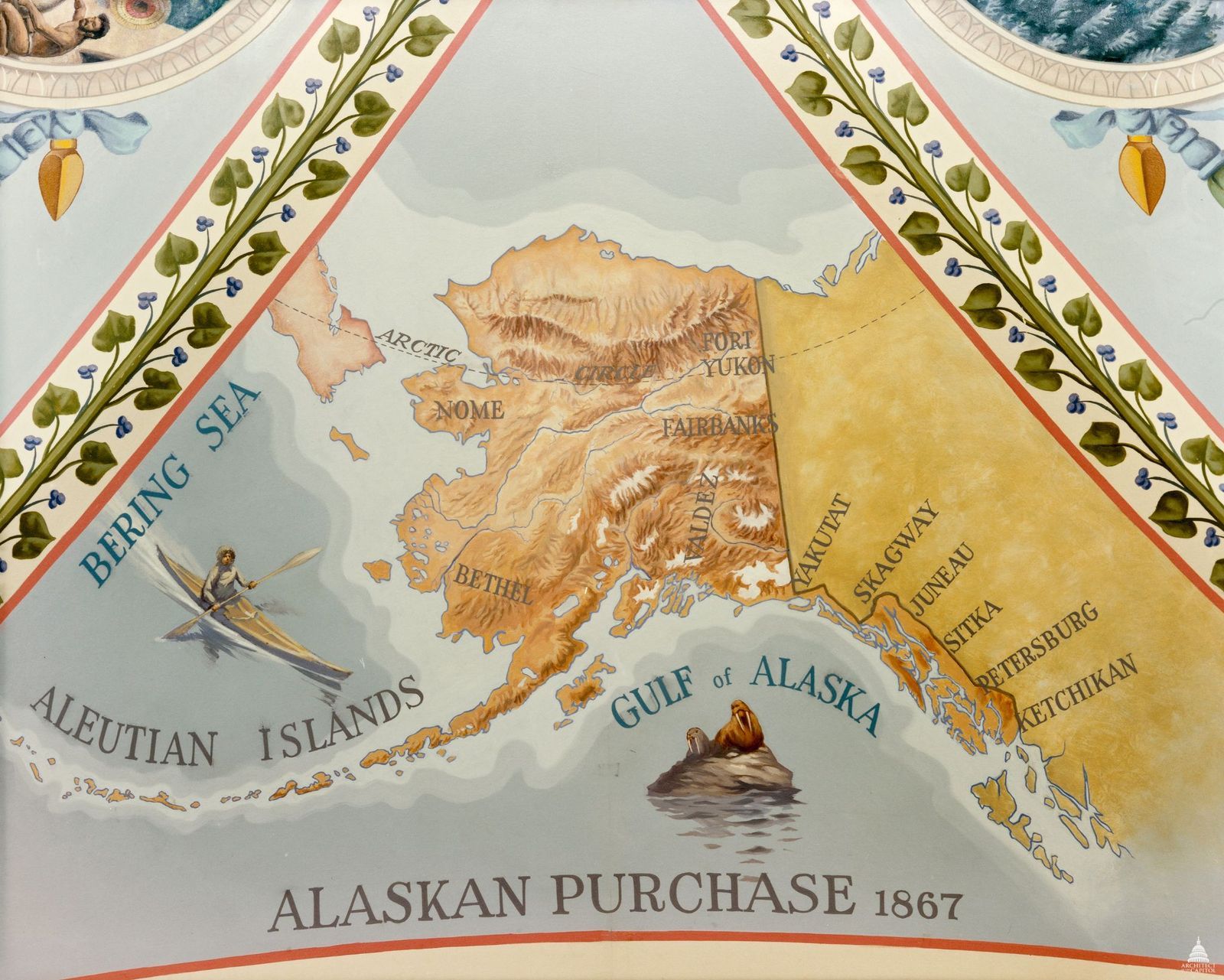
The nickname "Seward’s folly" for Alaska is often seen as proof of a generalized American opposition to the purchase treaty conducted by William H. Seward in 1867. While opposition to the purchase existed, it was mainly from a political minority and fueled by newspapers. Most Americans were neutral about the matter, or thought it a good thing, and the purchase was overwhelmingly approved by Congress.
10 Young Einstein was not bad at math
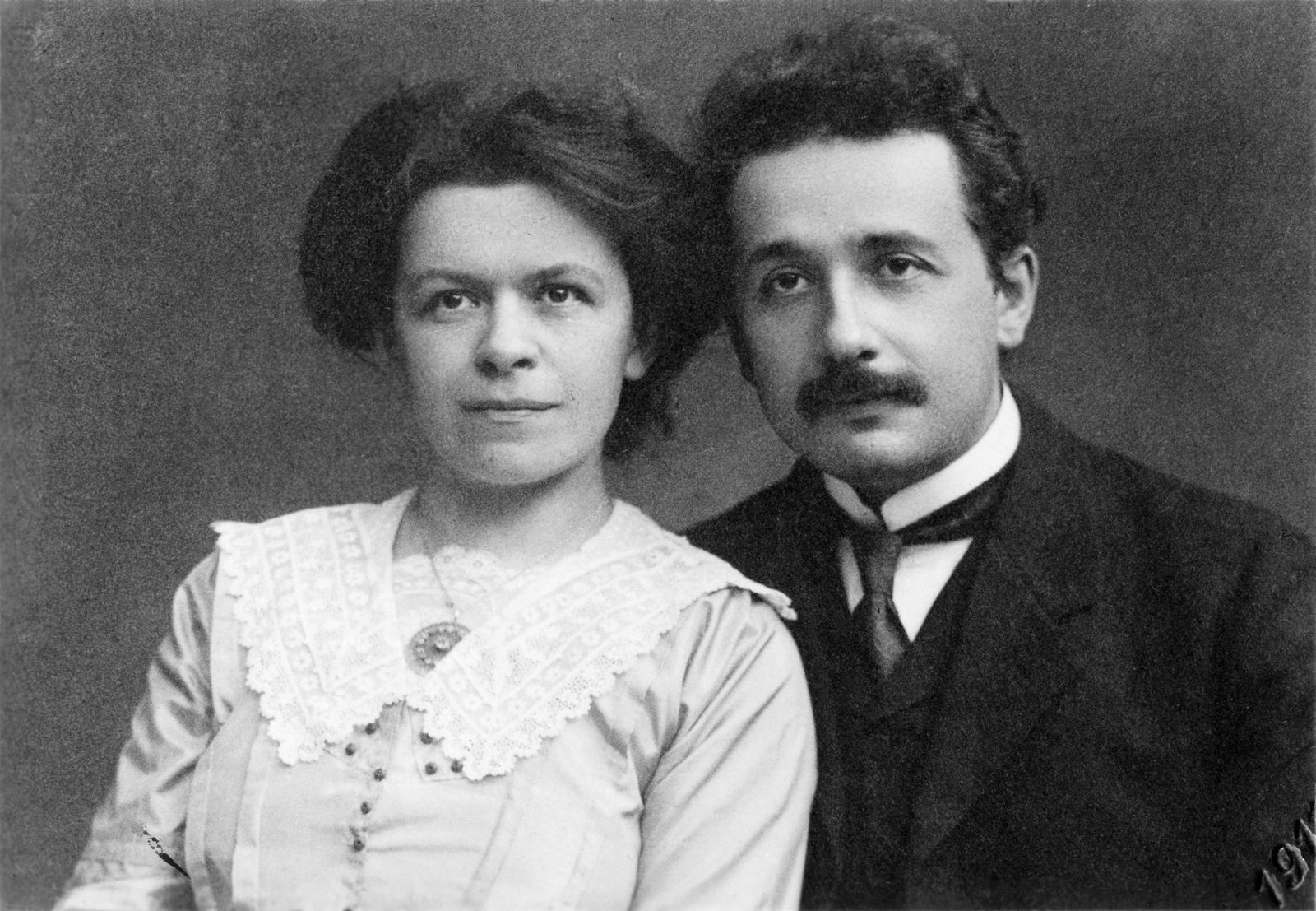
The idea that Albert Einstein was not good at math when he was younger is part of the legend around his genius, and comes from a failed entrance exam for the Zürich Polytechnic when he was 16 years old. While he did fail the test, it wasn’t because he was bad at math. He passed mathematics and physics with perfect scores, but failed the non-scientific section , which included French, history, botany, zoology, and essay writing. After that, he finished his secondary education in a different school and retook the entrance exam the following year, passing all subjects with excellent marks.
11 Marie Antoinette never said "let them eat cake"
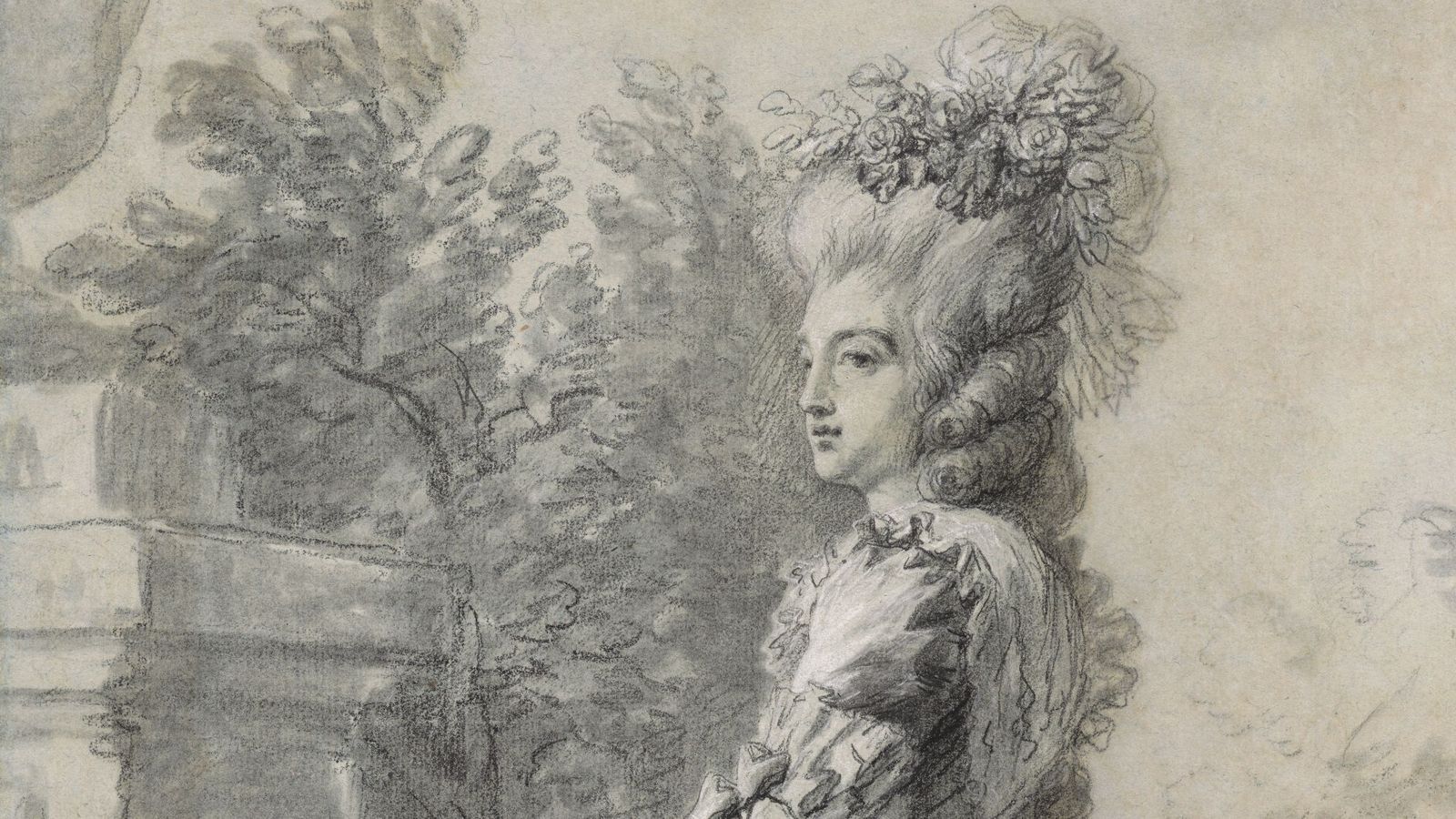
The luxurious lifestyle of the French nobility and their detachment from the reality of the common people played a big role in the French Revolution, but some events have been exaggerated or tweaked to fit the narrative. The phrase "let them eat cake" as a response to the people’s lack of bread is often attributed to Queen Marie Antoinette, but we know for a fact that she never said it. While extremely spoiled and sheltered, Marie Antoinette was not malicious or cruel, and historians agree that she was used as a scapegoat because of her importance as queen . The phrase in question was penned by philosopher Jean-Jacques Rousseau in 1765 (when Marie Antoinette was 8 years old) and attributed to "a princess".