Face to face
What to do (and what not to do) if you meet a wild predator
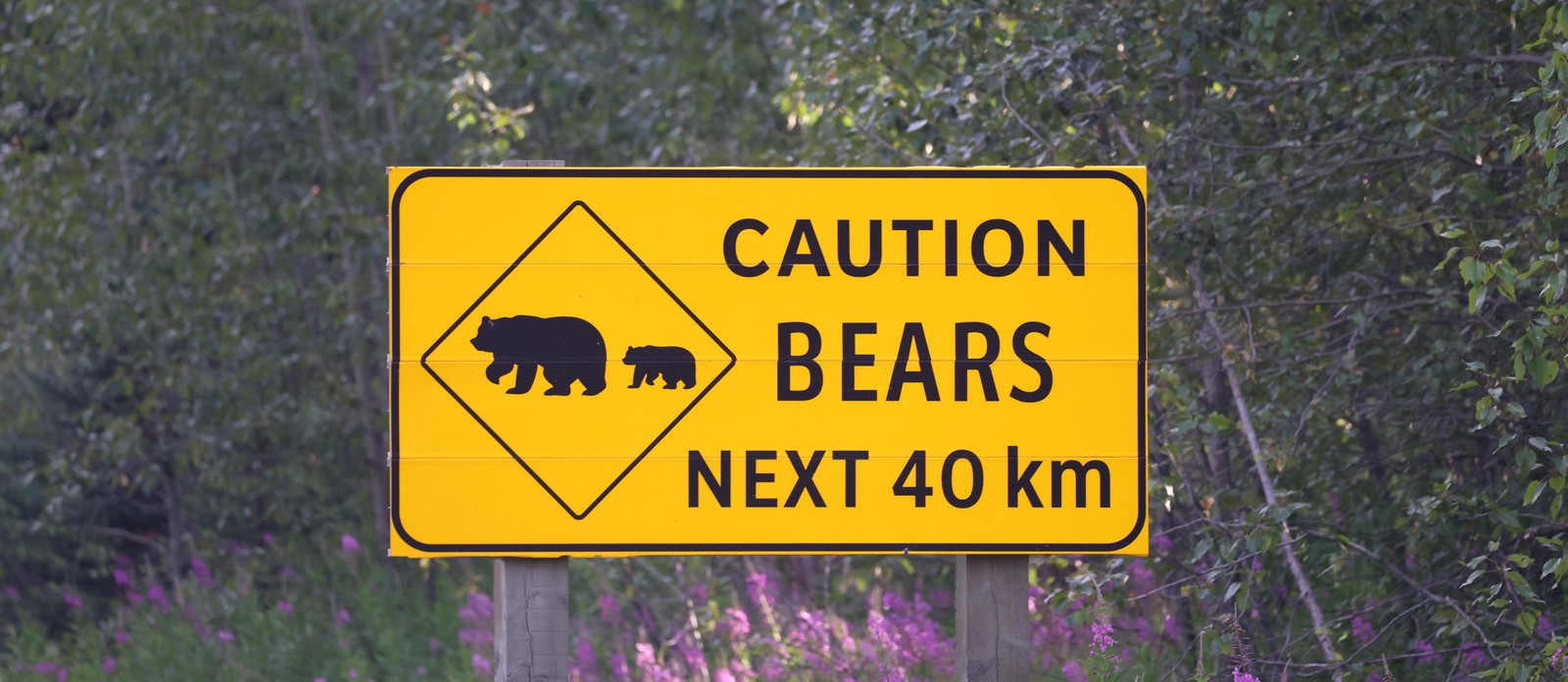
A walk through the woods, a swim in the ocean, or even a stroll through your own neighborhood can bring you closer to wildlife than you expect. But spotting a predator doesn't automatically mean you're in danger. Most of these animals prefer to avoid people, and understanding their natural behavior can help you respond calmly if you cross paths. Here's what to do and what to avoid to protect yourself while giving wildlife the space it needs.
1 Black bear
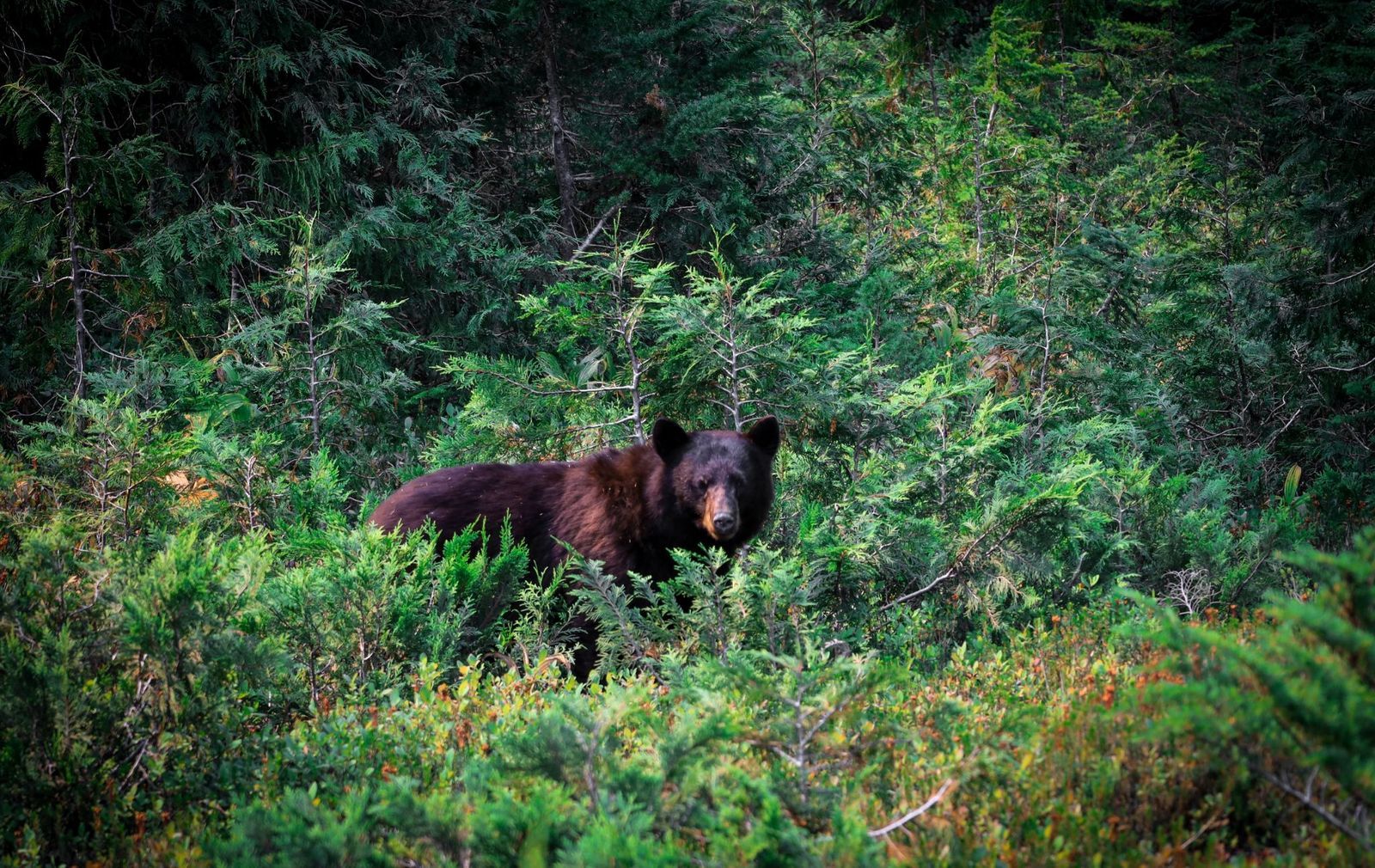
Black bears are naturally shy and generally prefer to avoid humans. They roam forested areas across much of the United States, including the Northeast, the Great Lakes region, the Appalachians and Alaska. If you spot one on a trail, stand tall, speak calmly and slowly back away, giving it room to leave. A bear standing on its hind legs is often simply trying to get a better look or catch your scent, not preparing to attack.
Most black bears will retreat when they notice people, sometimes running away or climbing a tree. However, a bear surprised at close range, protecting its cubs or drawn to human food may behave differently. Don't run, climb a tree, or play dead. Keep your distance, never feed a bear, and stay away from its cubs.
2 Grizzly bear
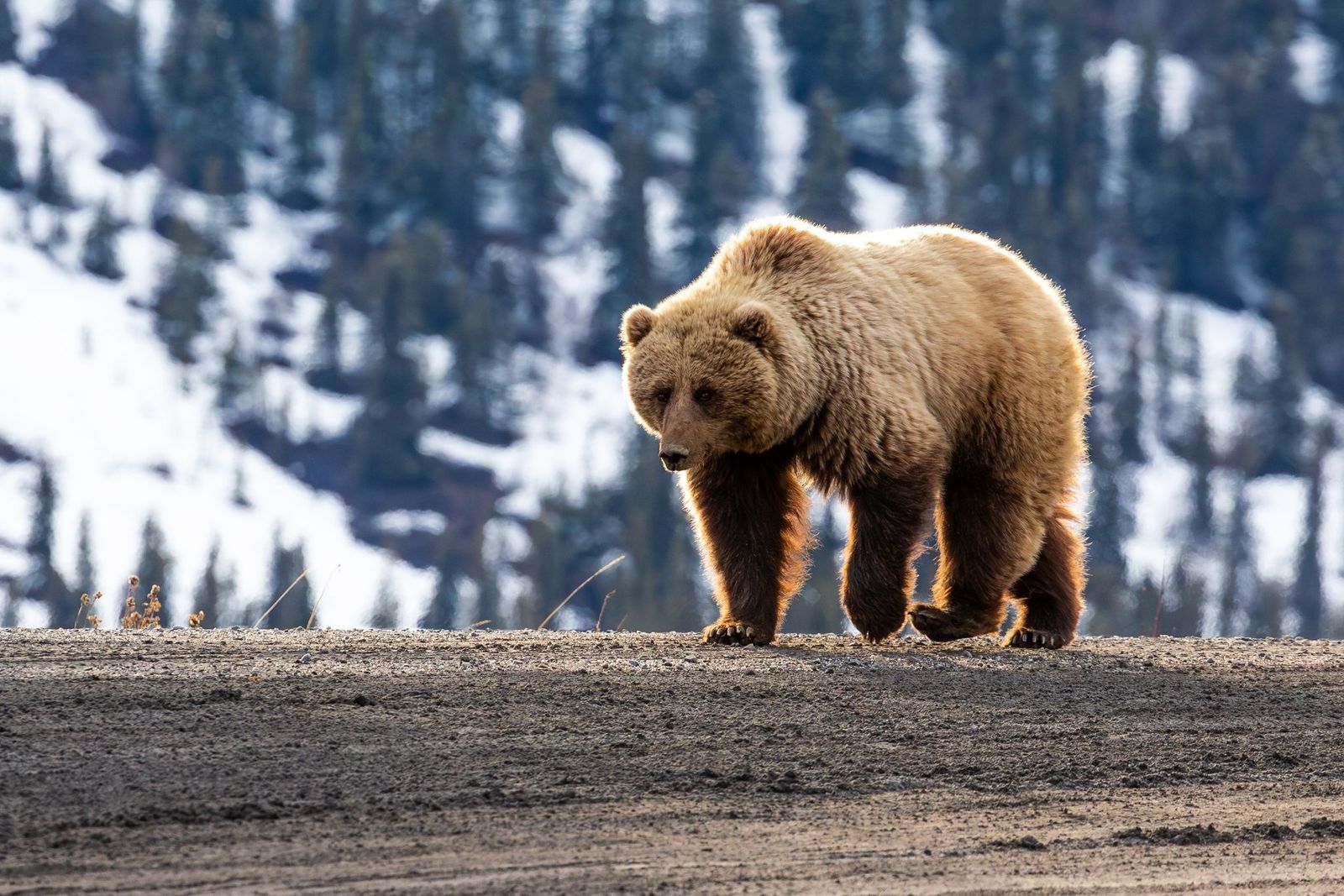
Grizzly bears generally prefer to avoid people, too, but their reactions can depend on the situation. They're found mainly in Alaska and parts of the Northern Rockies, including Montana, Wyoming and Idaho. If you encounter one on a trail, remain calm, avoid sudden movements and slowly back away without blocking its escape route . Carrying bear spray and learning how to use it beforehand are important precautions in grizzly country.
A grizzly may react defensively if surprised, particularly when protecting cubs or food. As with black bears, keep in mind that a grizzly bear standing on its hind legs isn't necessarily showing aggression; it may simply be assessing its surroundings. Never run or approach for a closer look, and remember that guidance for bear encounters varies depending on the species and behavior.
3 Polar bear
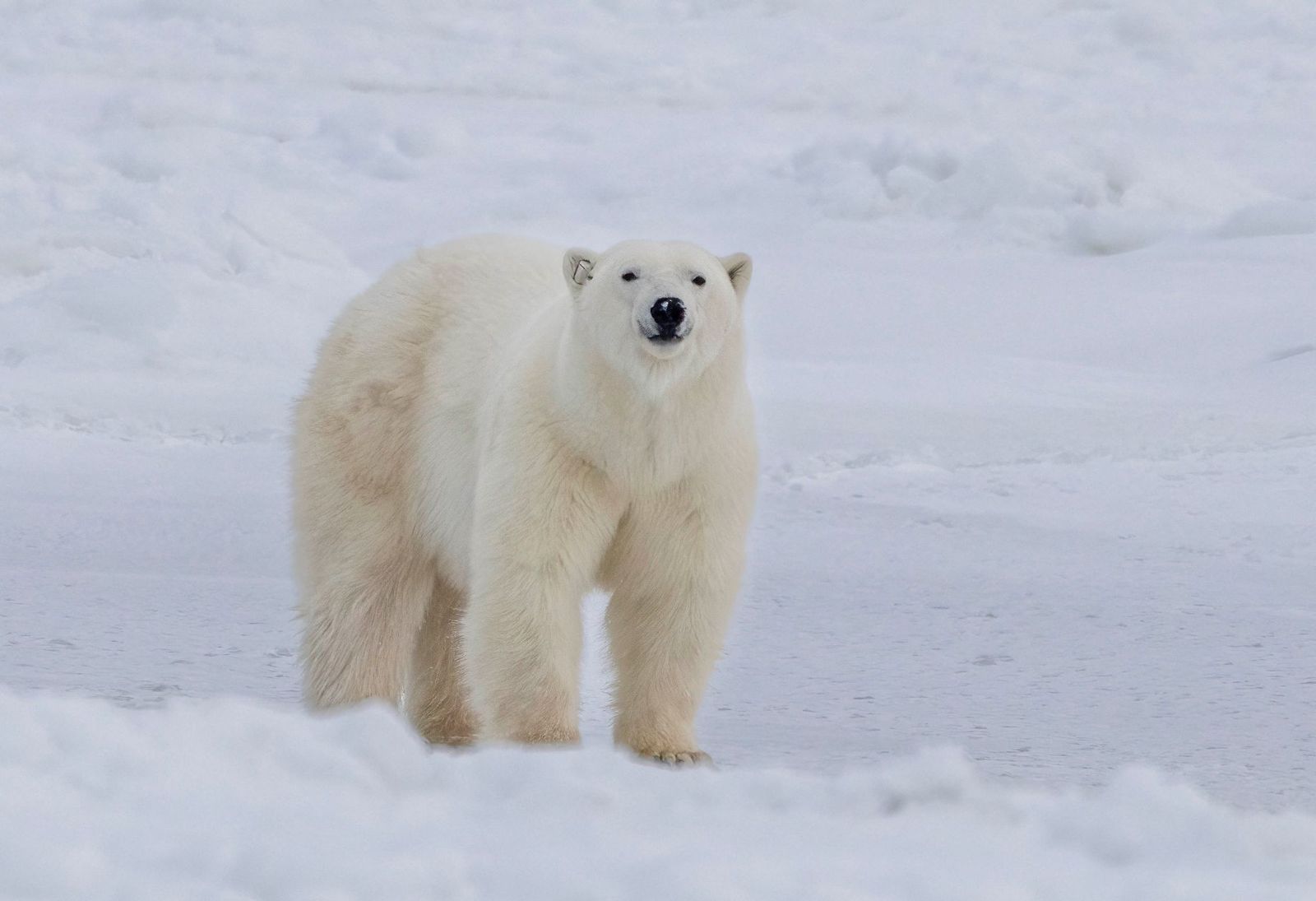
Unlike black and grizzly bears, polar bears can actively hunt humans, so encounters require especially serious precautions. They're found in Arctic regions, including the northern and western coasts of Alaska. If you're traveling in polar bear country, go with an experienced guide, stay alert, and keep your distance from any bear you see.
A polar bear may be curious about an unfamiliar sight or smell, but curiosity shouldn't be mistaken for harmlessness. If you spot one, move toward a secure shelter or vehicle when possible, following your guide's instructions. Never run, approach the animal, or leave food exposed around a campsite. Playing dead is not an appropriate general response to a polar bear encounter.
4 Mountain lion
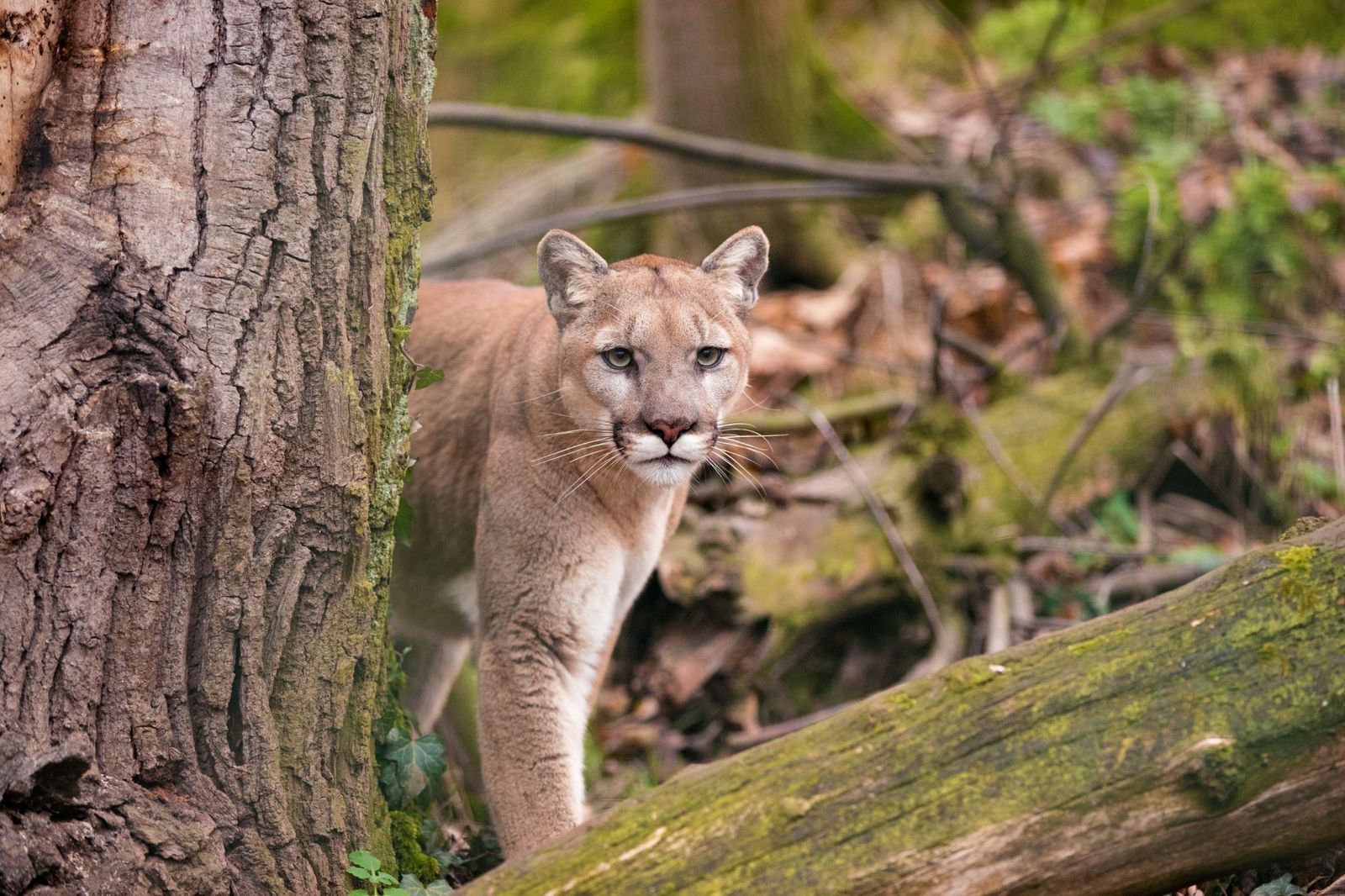
Mountain lions, also called cougars or pumas, are solitary, elusive cats that usually avoid people. They inhabit much of the western United States, including California, Colorado, Utah, and Arizona. Florida is also home to the endangered Florida panther, another mountain lion species. If you spot one, face the animal, stand upright, and make yourself appear larger while slowly backing away.
Running, crouching, or turning your back can make the situation more unpredictable. Instead, maintain awareness of the animal and give it room to leave. Keep children close and never approach a mountain lion, even if it appears calm or uninterested in you.
5 Alligator
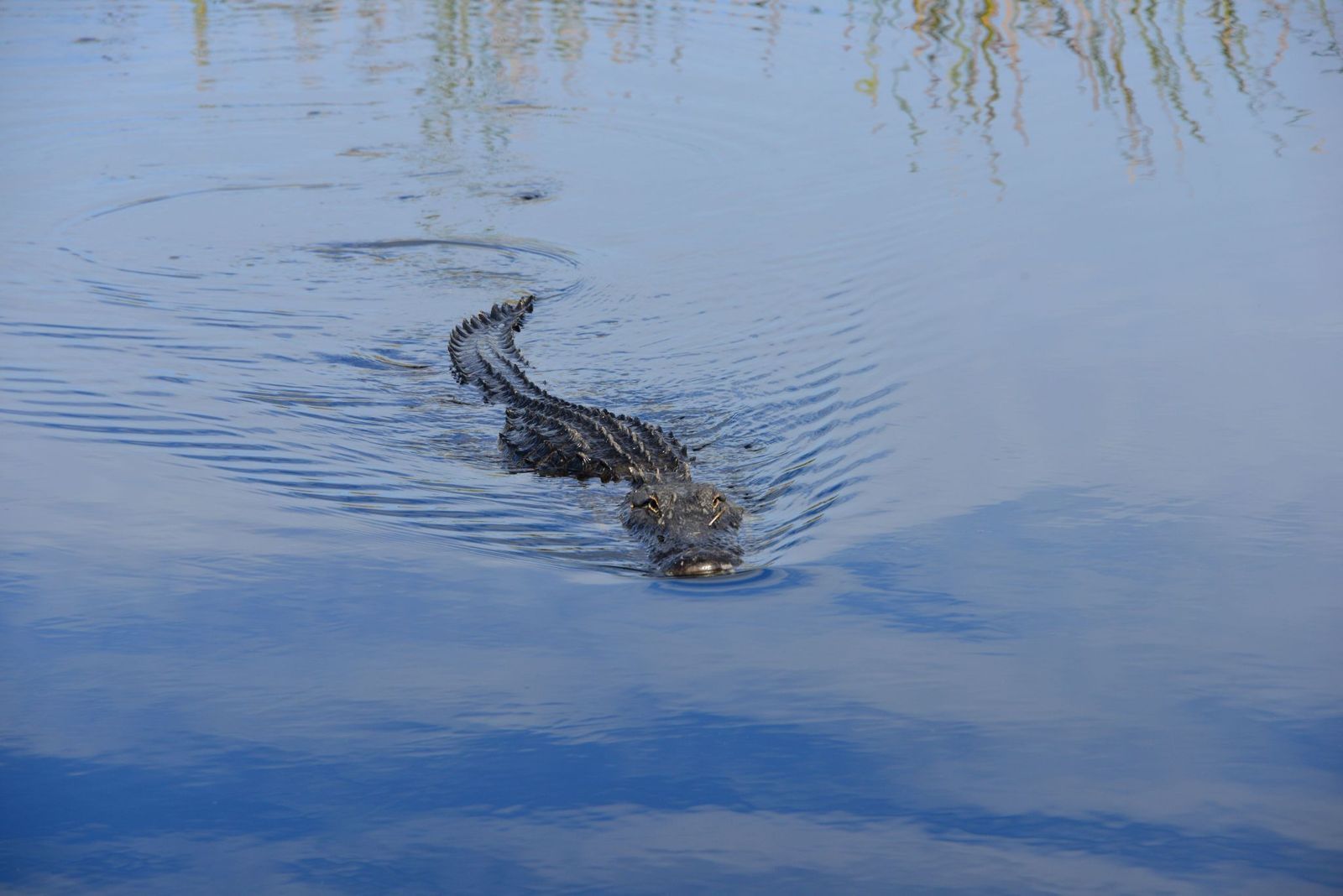
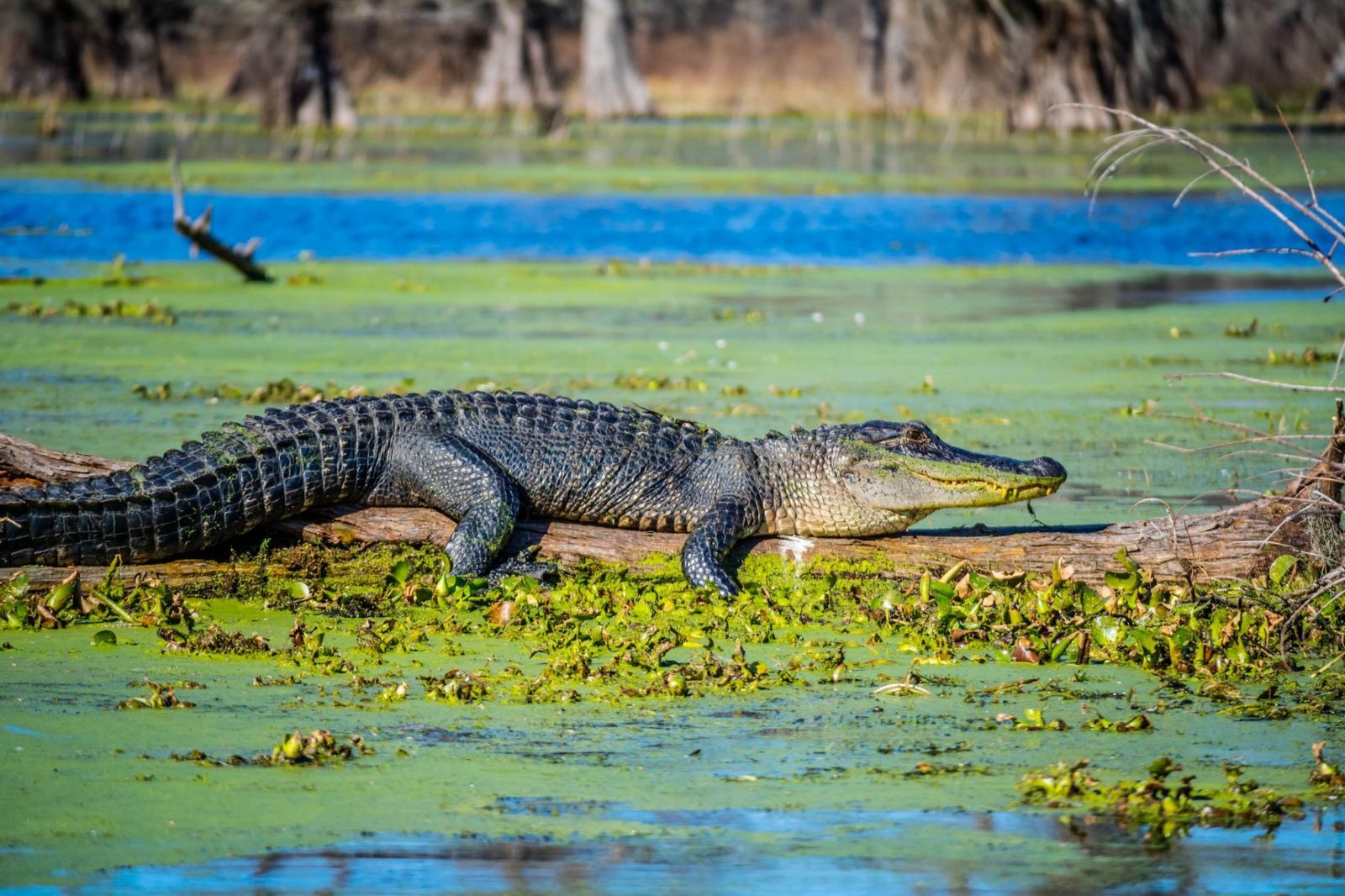
Alligators are a familiar part of life in Florida, Louisiana, and other southeastern states, where they inhabit freshwater lakes, rivers, marshes, and swamps. Despite what some headlines might suggest, serious injuries to people and fatalities are rare, and many alligators coexist with humans without incident. Still, these reptiles are powerful predators, so keep your distance from the water's edge, particularly at dusk and at night.
An alligator resting motionless near the shore may seem harmless, but it's impossible to judge its behavior reliably from a distance. Never feed one, approach its nest, or get close to its young. Feeding can make alligators associate people with food, increasing the likelihood of dangerous encounters. Swim only in designated areas during daylight hours.
6 American crocodile
The American crocodile lives mainly in South Florida, particularly around coastal mangroves, ponds and estuaries. These reptiles are naturally shy and secretive, and they generally avoid people. You might spot one in the Florida Keys or other coastal areas of southern Florida, although sightings are far less common than alligator encounters.
If you see a crocodile, keep your distance and give it plenty of room to move away. Never approach it for a closer look, feed it, or enter the water to get a better photograph . Be especially cautious around shorelines and follow posted warnings. Although crocodiles generally avoid humans, they are powerful wild predators and should always be observed from a safe distance.
7 Rattlesnake
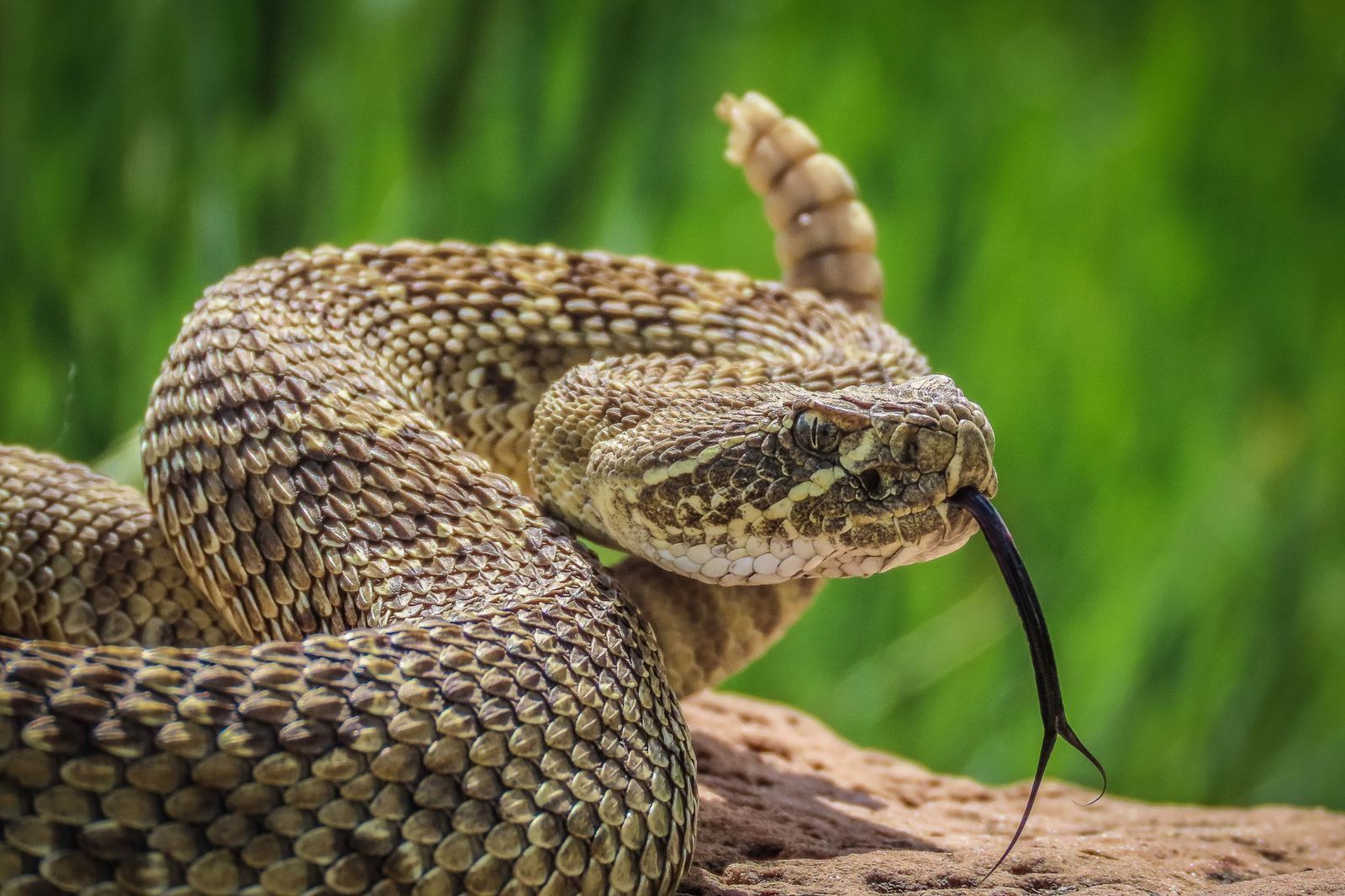
Rattlesnakes are generally reclusive and prefer to hide or move away rather than confront people. You'll find them across much of the U.S., particularly in the Southwest, Texas, and the West, though some species also live in the eastern states. Their camouflage can make them difficult to spot among rocks, brush, and fallen leaves. If you hear a rattle or see a snake, stop, give it plenty of space, and slowly move away.
A rattlesnake typically bites when it feels threatened, such as when someone accidentally steps on it or tries to handle it. Rattlesnakes are venomous, meaning they inject venom through their fangs, which can damage tissue and affect blood clotting. Don't attempt to move, catch, or kill the snake, even if it appears dead. If a bite occurs, call 911 and seek emergency medical care immediately. Keep the affected person as still as possible, and never cut the wound, apply a tourniquet, or use ice.
8 Shark
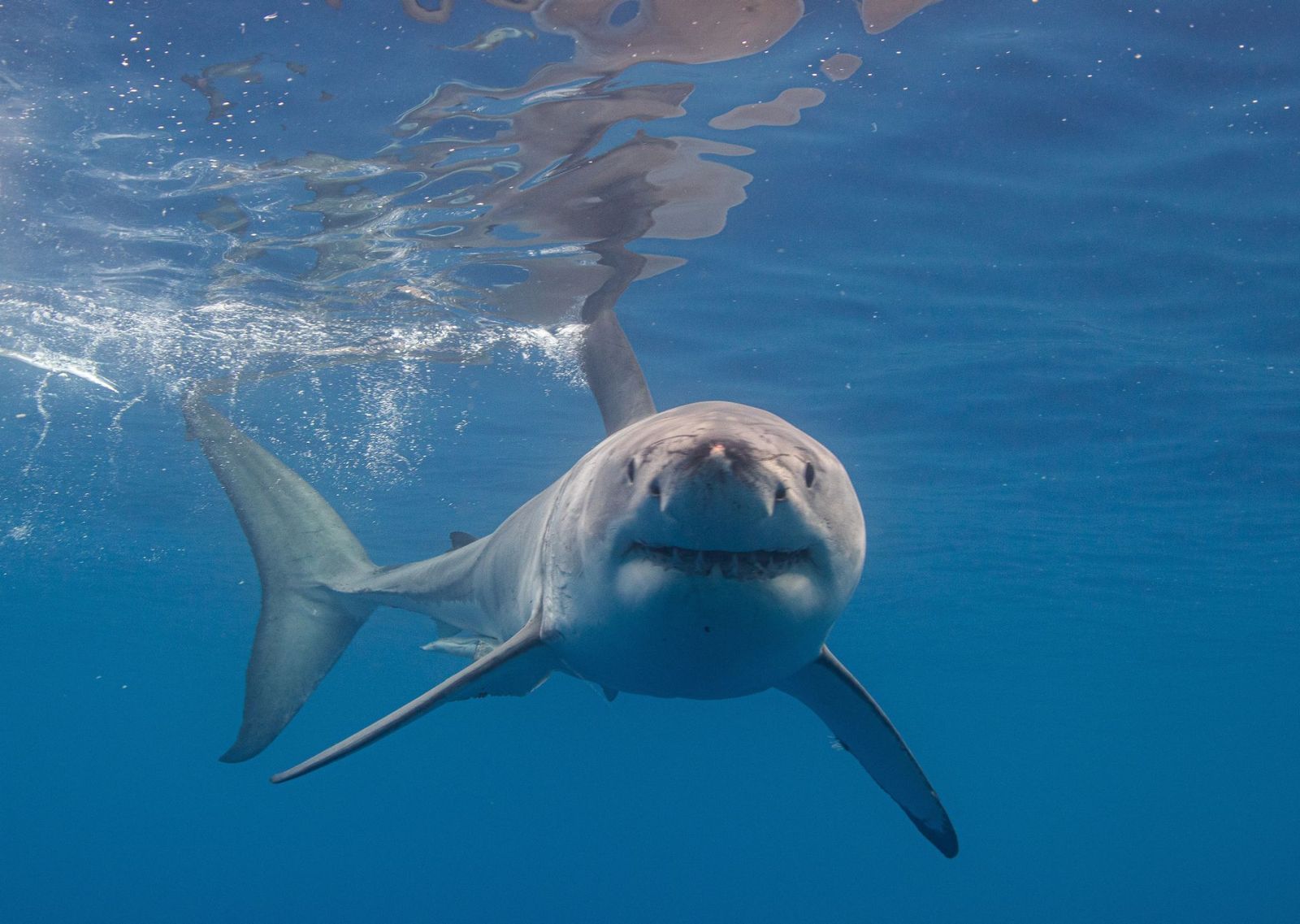
Sharks have a fearsome reputation, but people aren't part of the natural diet of most species. They're found along U.S. coastlines, including Florida, the Carolinas, California and Hawaii, and encounters rarely result in bites. You can reduce the risk by following lifeguard instructions, swimming in designated areas and leaving the water if sharks are spotted nearby. Avoid swimming at dawn or dusk, when some species are more active, and visibility may be limited.
If a shark comes close, avoid frantic splashing and sudden movements . Keep the animal in view while calmly moving toward shore or a boat, without deliberately approaching it. Swimming with others and staying away from areas where people are fishing, or baitfish are gathering, are additional sensible precautions.
9 Coyote
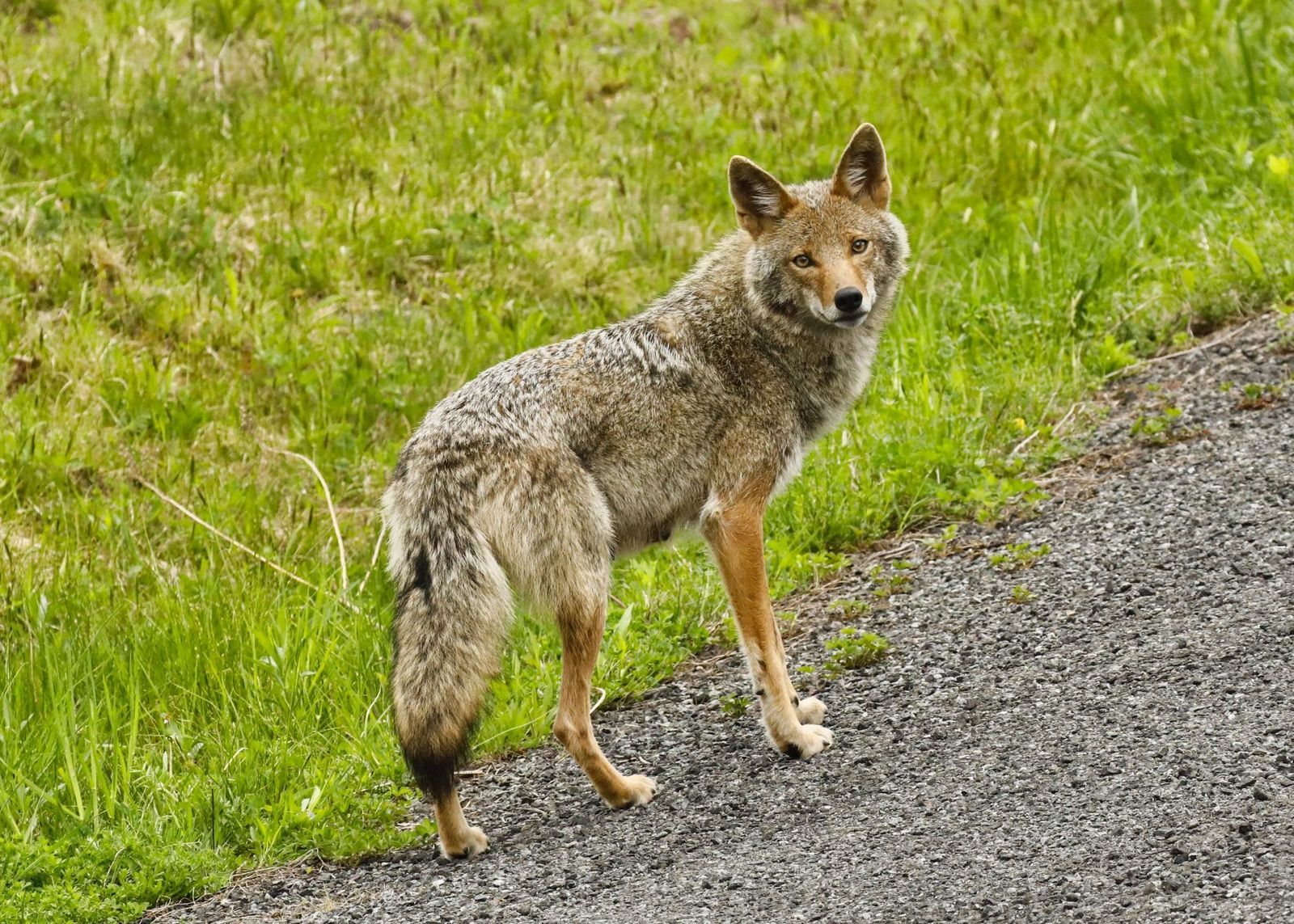
Coyotes are adaptable animals that generally avoid people, yet they're increasingly spotted in suburban neighborhoods, city parks and residential areas across the United States. If one crosses your path, it may simply be passing through. Give it room to move away. If it approaches too closely, stand tall, shout firmly and wave your arms to discourage it from coming nearer.
Problems are more likely when coyotes become accustomed to people or associate homes and parks with easy meals. Never feed them or leave pet food and garbage accessible outdoors. Keep small pets close, particularly around dawn and dusk, and don't approach pups or dens. If a coyote repeatedly approaches people or behaves unusually aggressively, contact local wildlife authorities.
10 Wolf
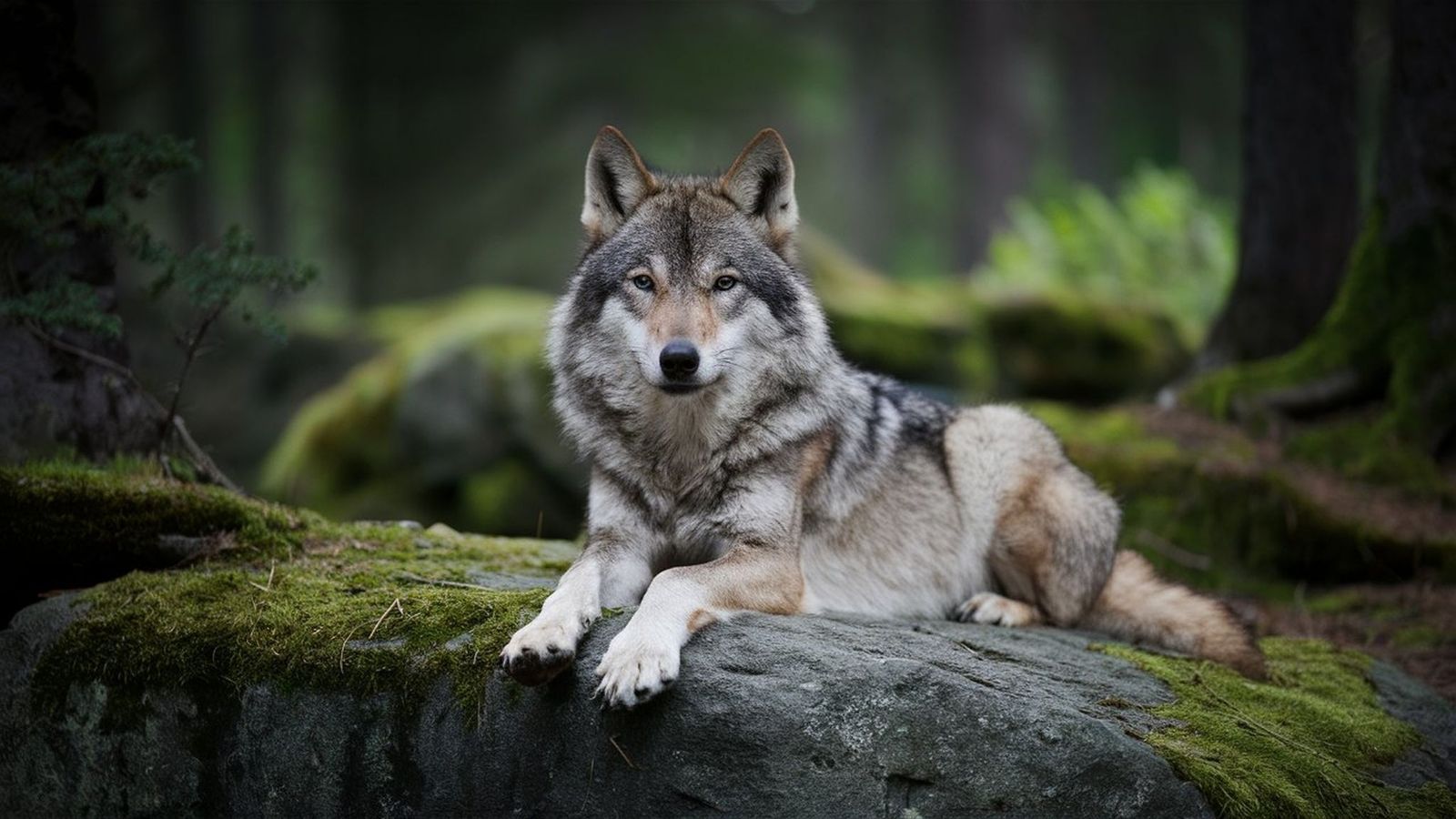
Wolves are naturally wary of humans, and encounters with healthy wild wolves are uncommon. In the United States, they live primarily in Alaska and parts of the Northern Rockies and Great Lakes region. If you happen to see one while hiking, stay calm and slowly back away while keeping the animal in sight. Give it plenty of space rather than approaching for a closer look.
Wolves typically hunt animals such as deer, elk, and moose, depending on their habitat, and generally prefer to stay away from people. Avoid approaching pups or dens, keep children and pets close, and never attempt to feed or touch a wolf. If one approaches you instead of retreating, remain calm, stand tall, and make your presence known without running.
11 The golden rules for any wildlife encounter
Seeing a wild predator doesn't automatically mean an attack is imminent. In many cases, the animal simply wants to continue on its way. You can help keep encounters that way by hiking and camping with others, staying alert on trails with limited visibility, and making occasional noise in areas where large animals may be present. In bear country, carry bear spray where appropriate and learn how to use it before heading out.
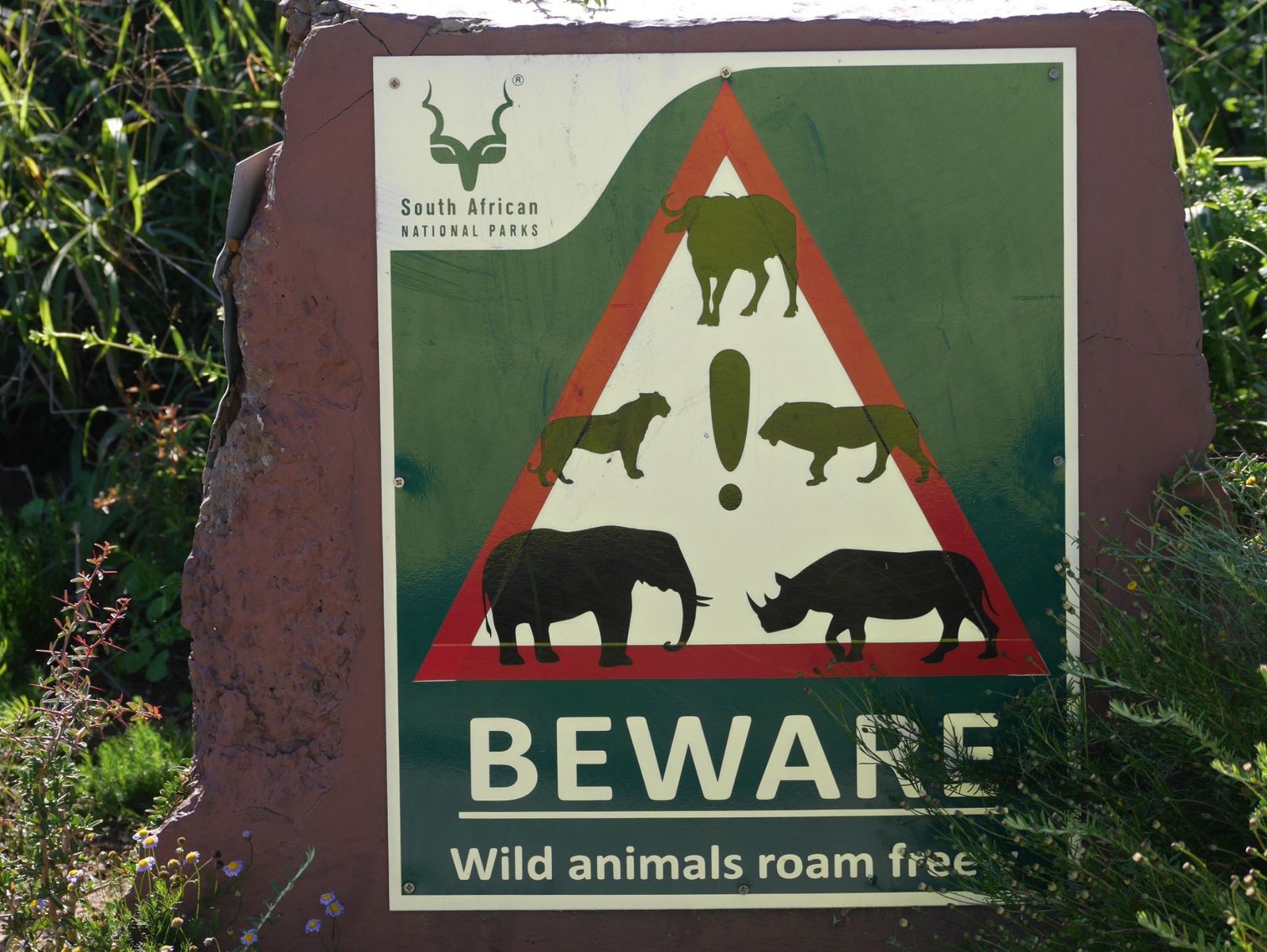
Above all, never feed wildlife, approach animals for close-up photographs, or get between a mother and her young. Store food securely, respect warning signs, and follow local wildlife guidance. The goal isn't to fear these animals, but to understand their behavior, respect their space, and enjoy the outdoors responsibly.