Animals with incredible brains
Your dog may be one of the 10 smartest animals in the world
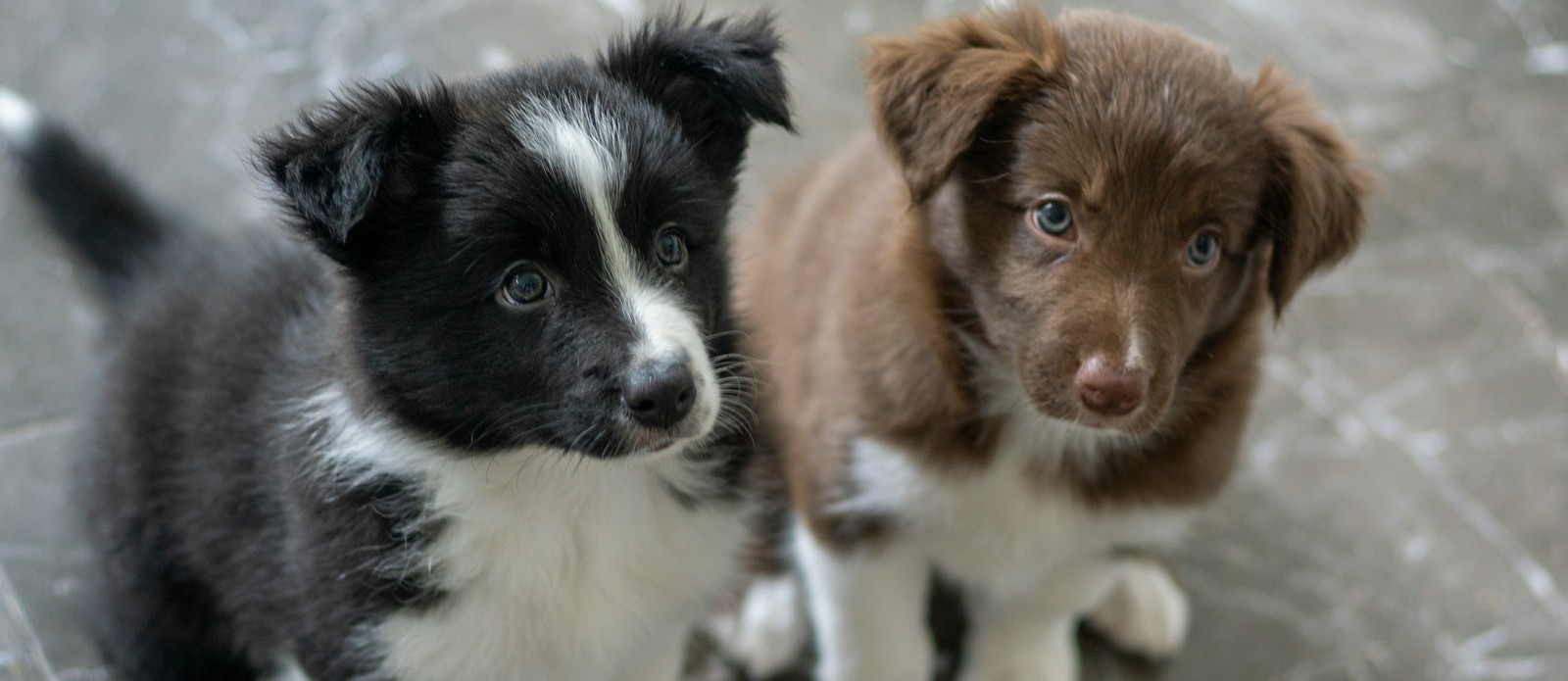
Think primates are the only animals clever enough to surprise us? You're not seeing the whole picture. From elephants that mourn their loved ones to crows that solve puzzles and dolphins that seem to call one another by name, the animal kingdom is full of smart creatures that use tools, remember faces, and more. Here are 10 animals whose intelligence will change the way you look at them.
1 Elephants' empathy
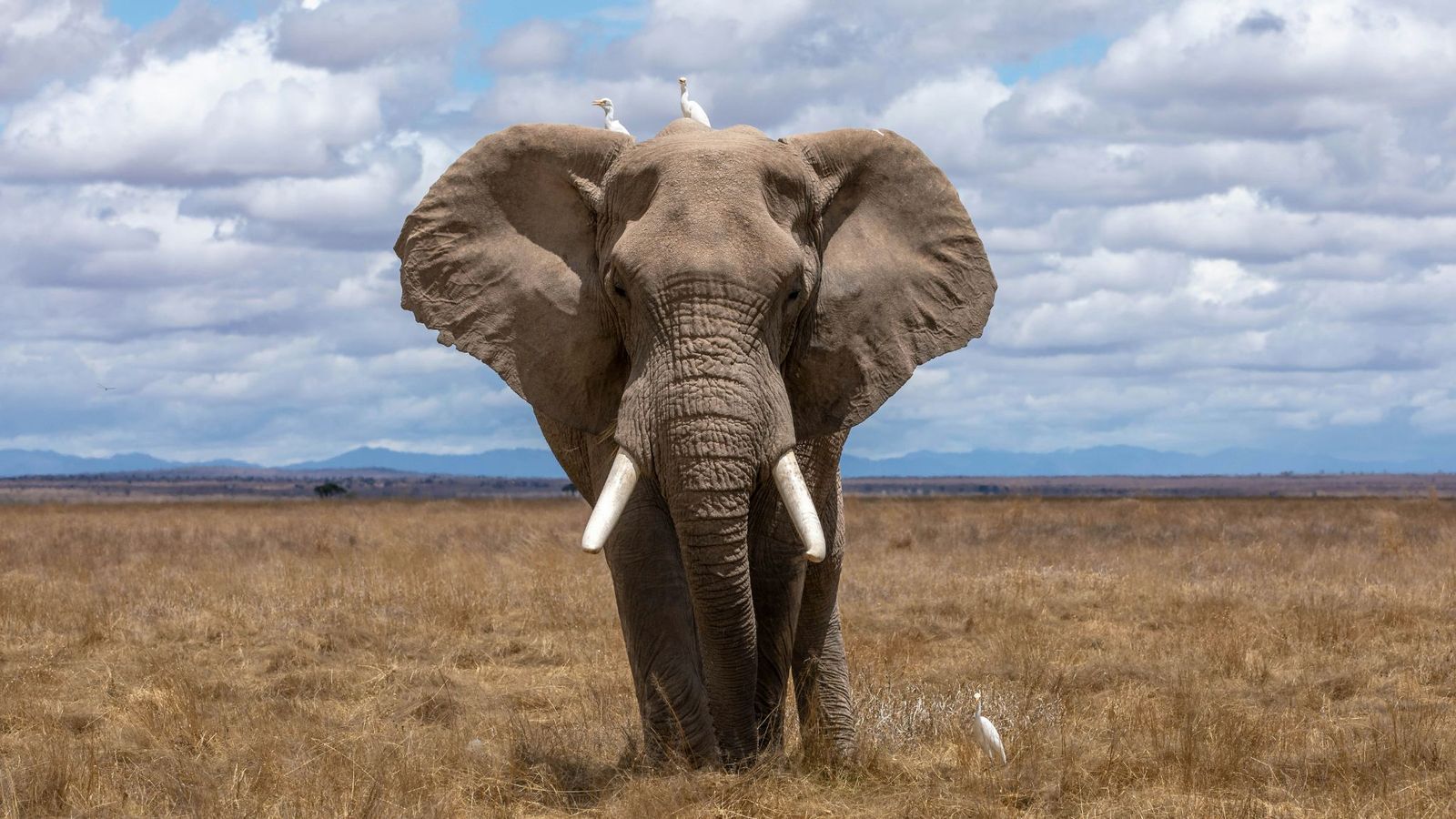
Elephants have the largest brains of any land animal, weighing 11 pounds, and all that brainpower comes with some incredible abilities.
Elephants maintain complex social structures across generations, forming groups that resemble human families. They also show empathy: when a herd member dies, elephants stand nearby, lower their heads, or even guard or cover the remains. Elephants can also distinguish humans by age, gender, and clothing, and they use branches as tools to solve problems, like chasing away insects.
2 Chimpanzees’ human-like characteristics
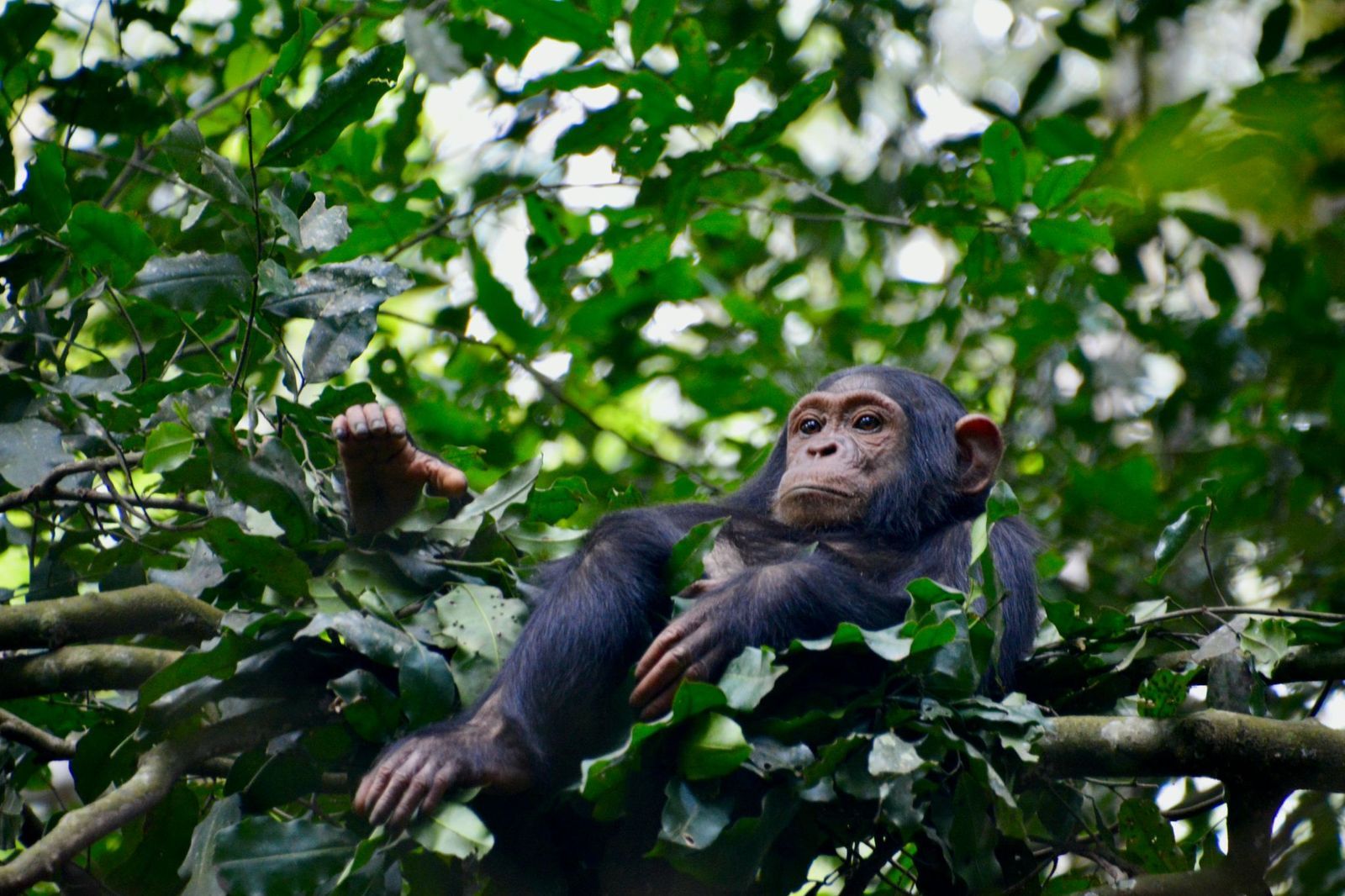
Humans and chimps diverged from a common ancestor around 6 to 8 million years ago; that’s why they’re our closest living relatives, sharing nearly 98% of our DNA.
Chimps are expert toolmakers, adapting materials from their surroundings for feeding, hunting, drinking, hygiene, and defense. Primatologist Jane Goodall observed them stripping leaves from twigs to make flexible probes for fishing termites out of their mounds. Chimps can also recognize themselves in mirrors and, like elephants, also show empathetic responses to death, sometimes staying close to deceased group members and displaying behavior that indicates grief, such as being generally subdued for days or weeks.
3 Bottlenose dolphins using tools
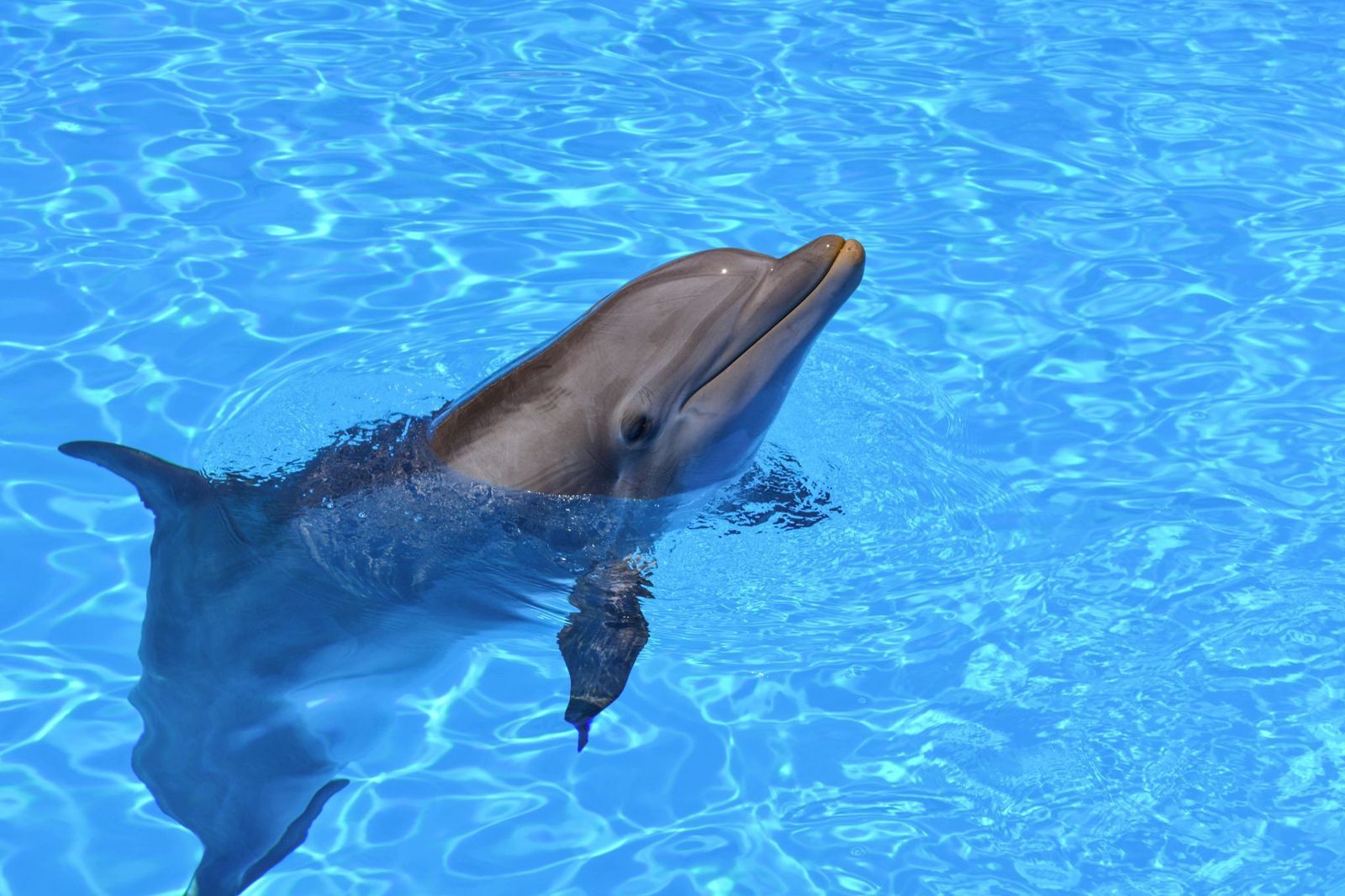
Bottlenose dolphins have one of the highest brain-to-body size ratios among nonhuman animals, second only to humans, and these impressive brains support some extraordinary abilities.
Each dolphin has a distinctive whistle that works like a name, helping it communicate with specific members of its pod. They can also recognize themselves in mirrors, and they even use tools: in Shark Bay, Australia, bottlenose dolphins have been observed carrying marine sponges over their snouts to protect them while searching the seafloor for food among sharp rocks.
4 Crows’ and ravens' ability to plan for the future
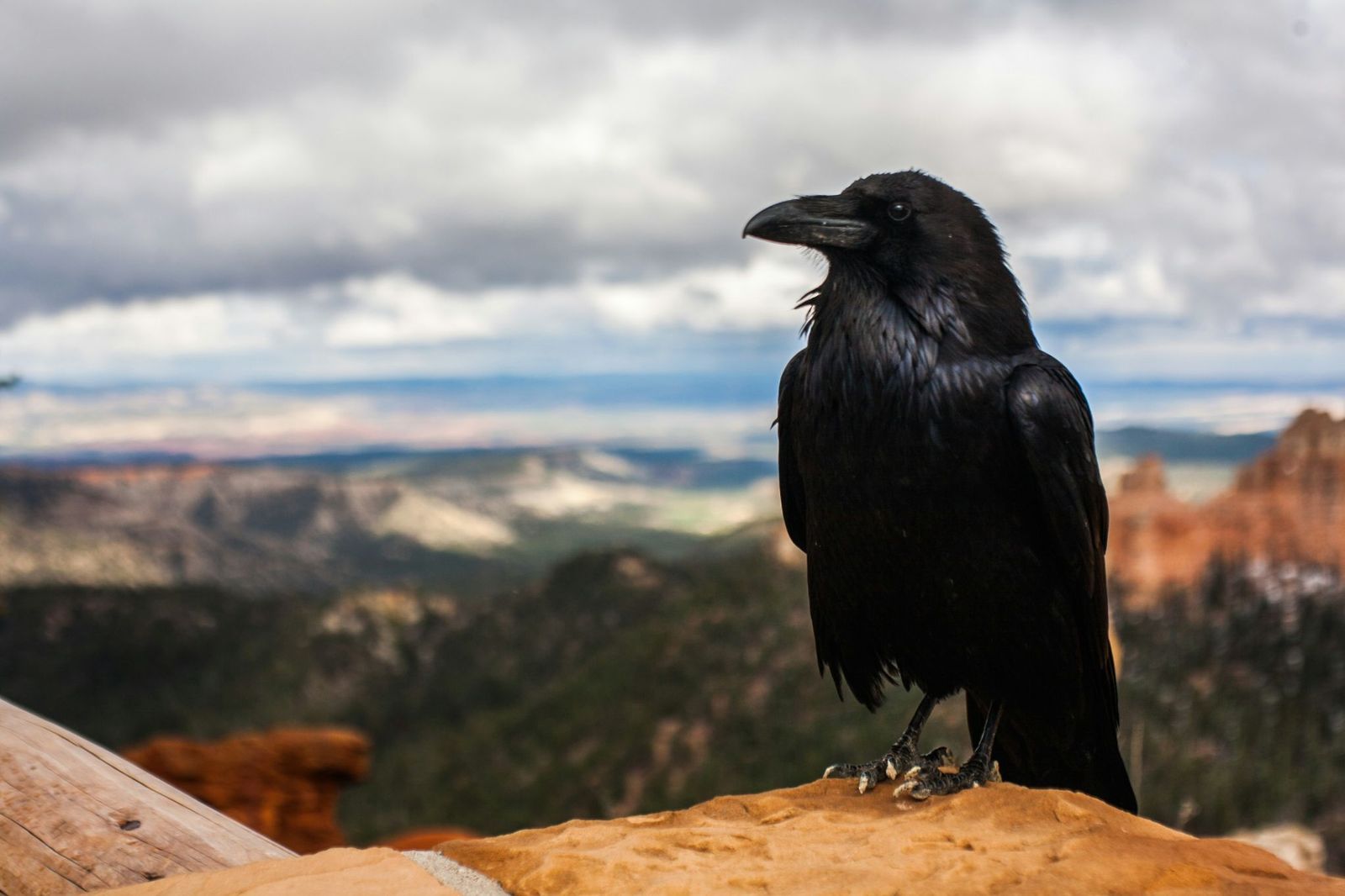
With its deeper, raspier voice, a talking crow can sound eerie. Yet mimicking words is just one of the special abilities found in corvids, the family that includes crows and ravens.
Despite their tiny brains, corvids pack an extraordinary number of neurons into their forebrains, helping them gather forked twigs, strip off the leaves, and shape the ends into hooks to fish out food. They can also solve multi-step puzzles, remember individual human faces for years, and, even more surprisingly, plan for the future. Some corvids resist the temptation of a small snack right away in favor of a bigger reward later, waiting anywhere from a few minutes to 17 hours.
5 Orangutans’ medicine
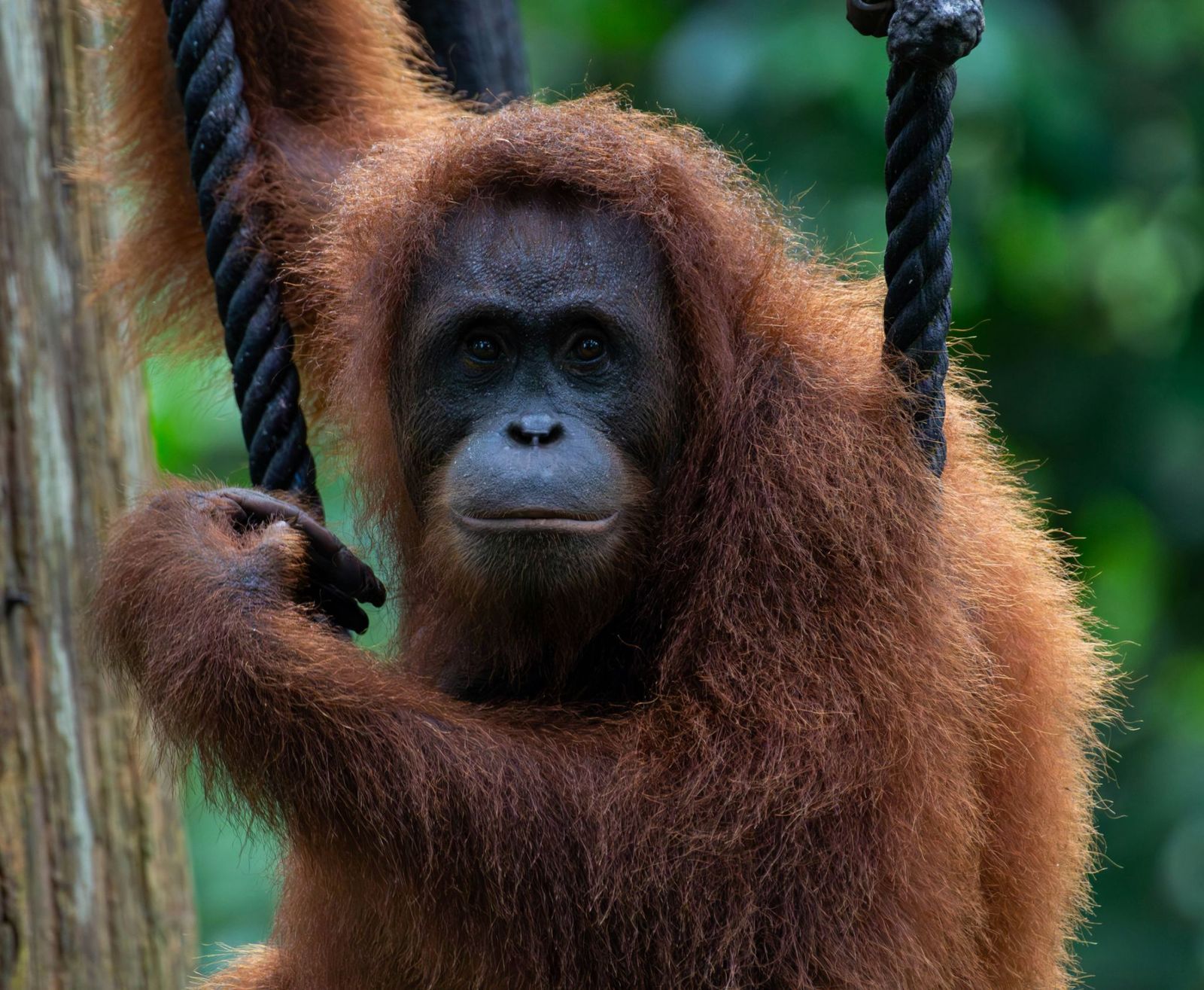
Orangutans don’t just make tools for specific tasks, such as hunting; they also adapt their surroundings to stay comfortable, using leaves to make shelters from rain or shields from the hot sun.
Like chimpanzees and dolphins, they can recognize themselves in a mirror, suggesting a high degree of self-awareness. But there are two other skills that make them even more surprising. First, Sumatran orangutans have been observed chewing leaves from medicinal plants and applying them directly to wounds, possibly to relieve pain and promote healing. Second, they don’t have to figure it out for themselves. Older orangutans pass down learned skills, knowledge, and cultural traditions to younger generations.
6 Border Collies’ quick learning
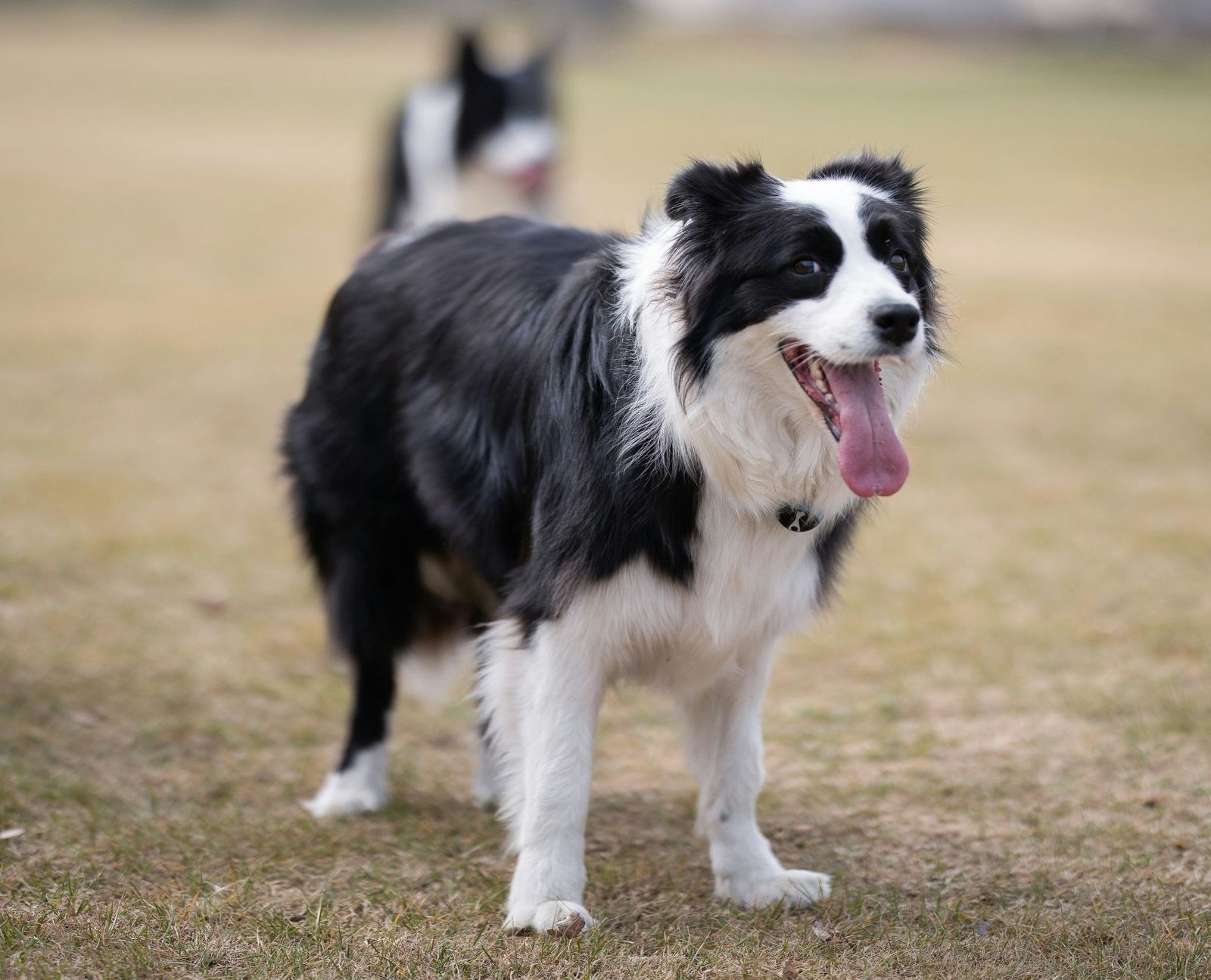
Often called the "Einsteins of the dog world," border collies consistently rank at the top of canine intelligence lists thanks to their quick learning, problem-solving skills, and impressive memory.
While the average pet dog understands roughly 80 to 100 words, well-trained border collies can learn more than 300 words, with exceptional cases recognizing up to 1,000. Researchers sometimes compare their vocabulary grasp to that of a 2- to 3-year-old child. In addition, border collies can learn commands in just a couple of repetitions, and they’re also experts at reading human gestures and subtle facial expressions.
7 Octopuses’ decentralized nervous system
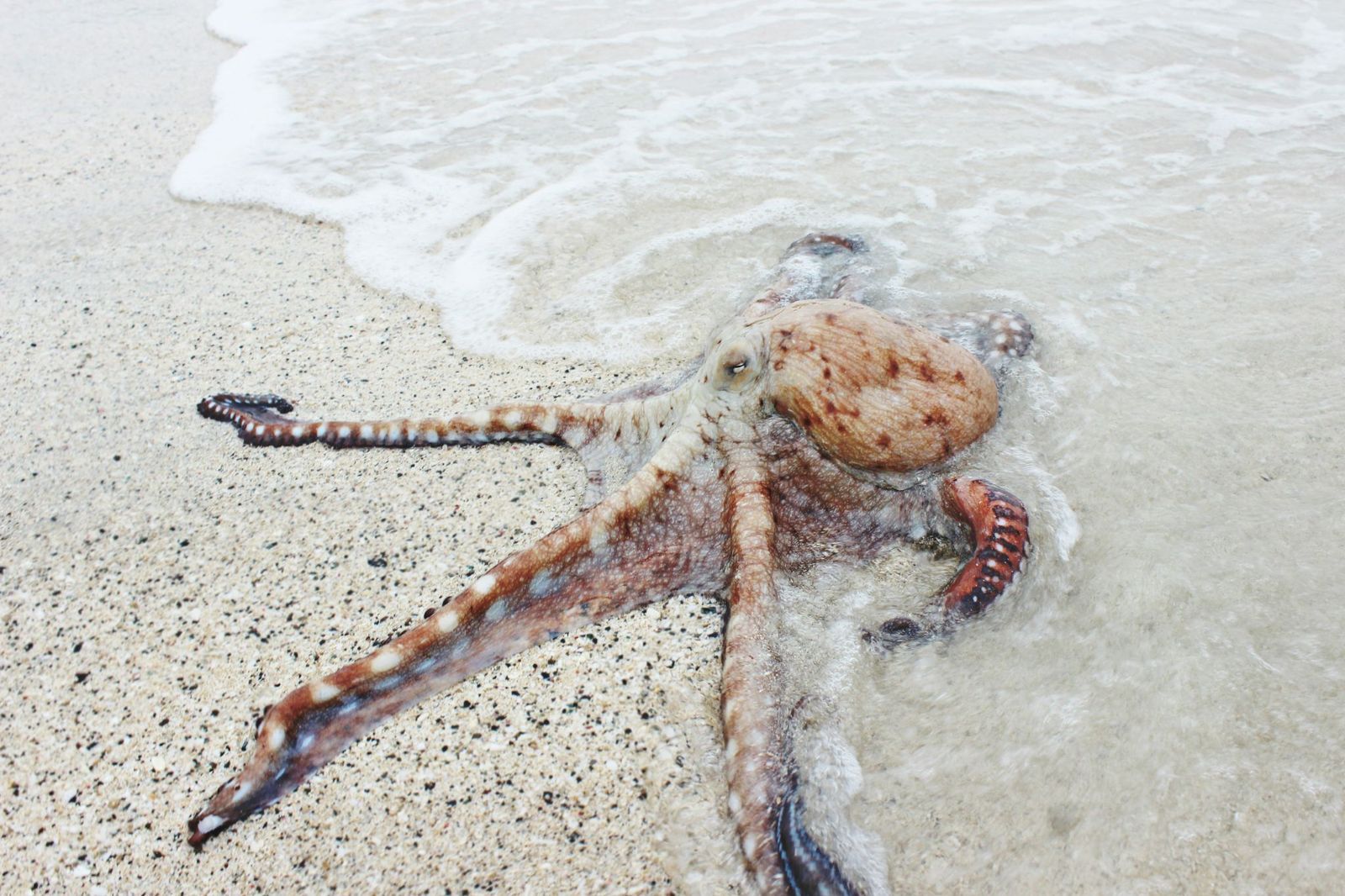
Octopuses are among the ocean’s most extraordinary creatures, solving problems and using tools in ways you might never expect from a mollusk.
Their secret lies in their unusual nervous system: along with a central brain, each of their eight arms has a large cluster of neurons that can process information and control movements independently. About two-thirds of their neurons are in their arms, which allows them to perform tasks such as solving mazes and opening jars. They hide or blend into their surroundings to ambush prey or evade predators, and they also collect coconut shells and other objects to use as shelters.
8 Raccoons’ complex problem-solving skills
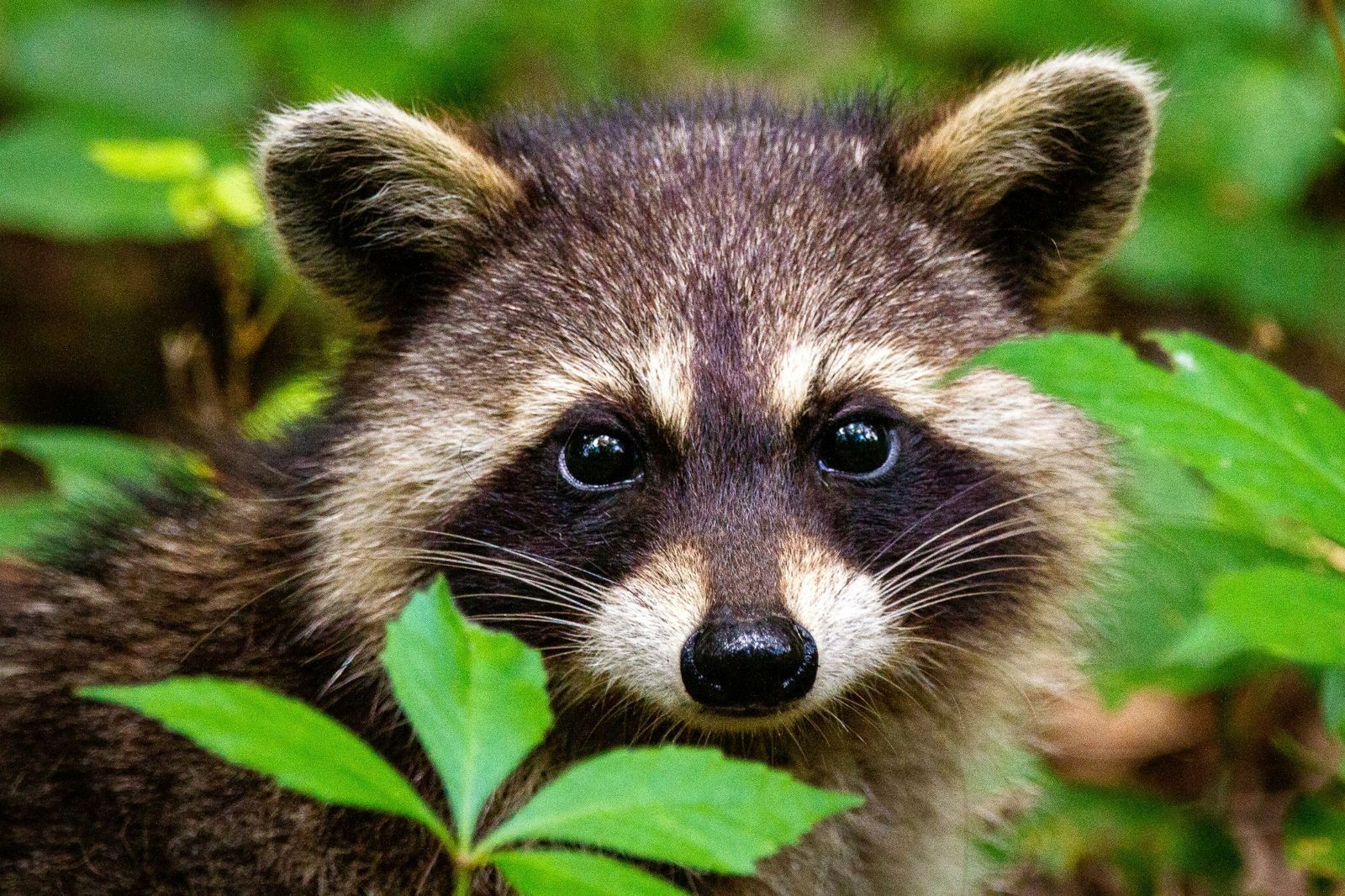
Once dismissed as nocturnal backyard pests, raccoons have proved they’re much more than masked bandits. They’re surprisingly intelligent problem-solvers.
In laboratory tests, raccoons have opened tricky latches, unbolted doors, twisted open jars, and solved multi-step puzzles. They’ve also passed versions of the famous Aesop’s fable test by dropping stones into water to raise the level and reach food. They can open complex mechanical locks in under three minutes and remember how to solve them up to three years later, an outstanding display of long-term memory.
9 Pigs playing video games
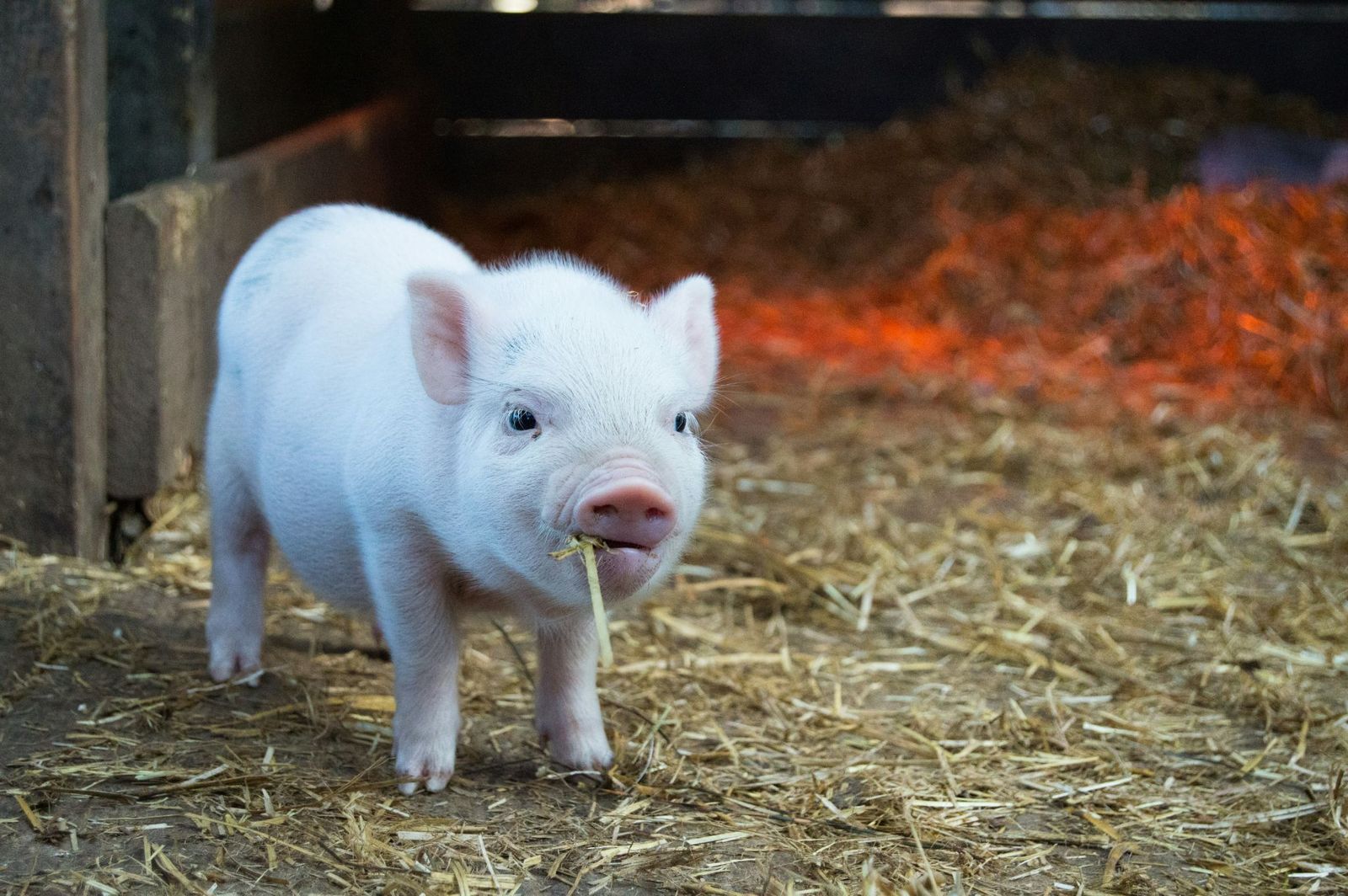
Often ranked among the smartest farm animals, pigs are impressive problem-solvers and quick learners, sometimes matching or outperforming dogs and young children on certain tasks.
Like dolphins and chimps, pigs can recognize themselves in mirrors. They also have excellent memories, navigating complex mazes and remembering where food is hidden for long periods. Pigs can learn symbolic language, understand human pointing gestures, and respond to specific verbal commands. But here’s the real surprise: pigs can even play video games. Researchers have trained them to use joysticks with their snouts to move cursors on a screen, learning how their actions produce different visual results.
10 African grey parrots’ ability to count
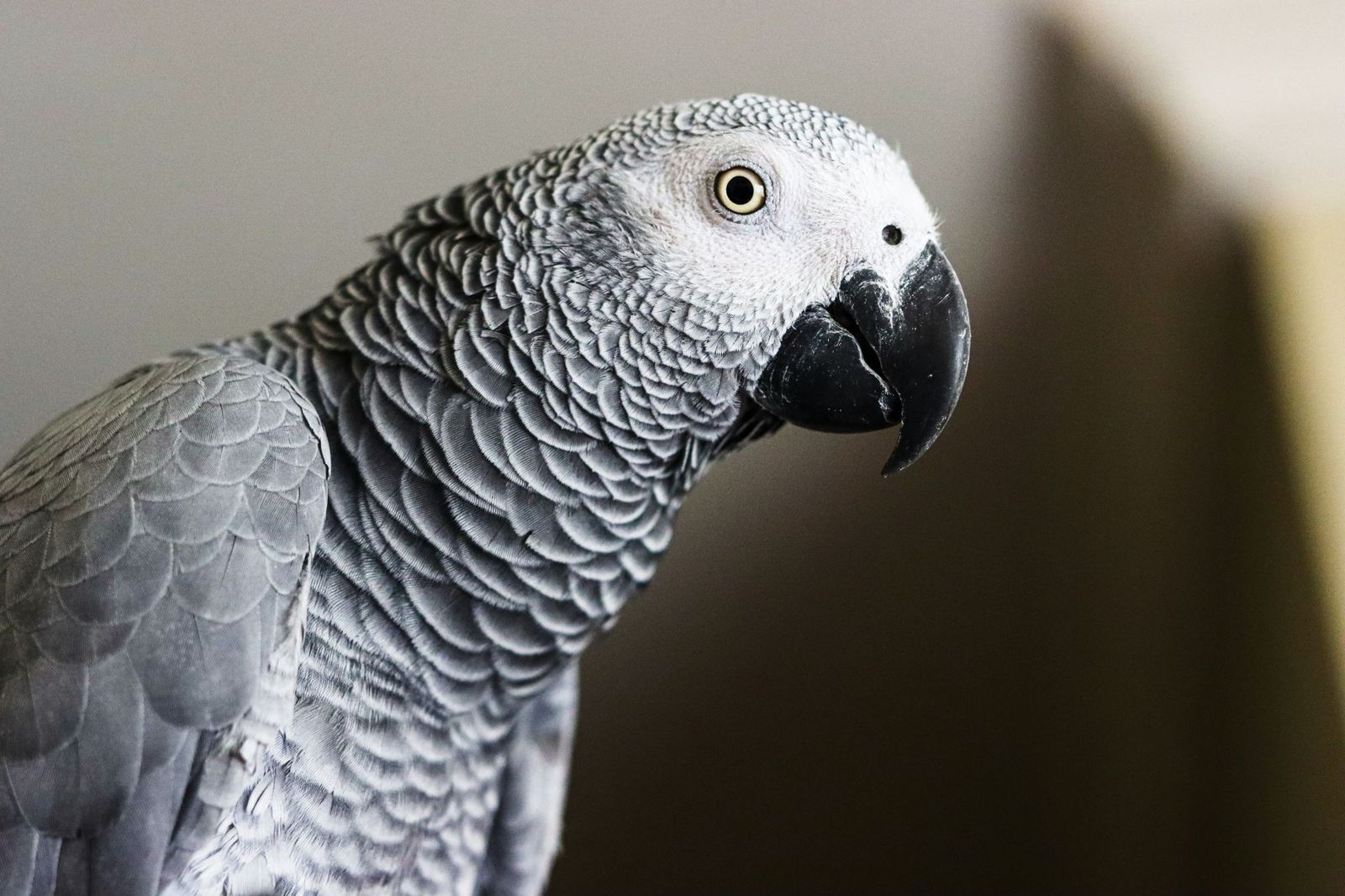
Some parrots simply repeat words they hear, but African gray parrots take things a step further. They can use words in context and reason through problems.
They don’t just mimic human speech; they show they understand what words mean. They can identify objects by color, shape, and material, and form phrases to make requests or interact with other birds. But there’s more. African gray parrots are particularly good at picking up on human body language and tone of voice. They may respond with comforting behaviors or mirror the mood around them, showing just how much they notice.