Myth vs. Reality
What alcohol really does to your body: 10 "facts" that aren't true

We grew up hearing all kinds of "facts": Don’t touch a baby bird. Never wake a sleepwalker. Bats are blind. We’ve heard these claims so often that they became part of what we thought we knew about the world, but as it turns out, some of them were just myths. From how a toilet flushes in the Southern Hemisphere to what really happens when you swallow chewing gum, here are 10 famous myths we’ve believed for years and the real explanation behind them.
1 You should never touch baby birds

You probably grew up hearing that if you touch a baby bird, its mother will abandon it because she can smell your scent, but here’s the good news: that’s not true.
If you need to touch a baby bird (for example, to pick it up and return it to its nest), doing so carefully won’t harm the bird or cause its mother to reject it. Major ornithology and wildlife organizations, including the Audubon Society and the Cornell Lab of Ornithology, affirm that most birds have a poor sense of smell, so your scent won’t cause them to abandon their young. The myth likely became popular as a way to discourage people from disturbing nests or handling chicks unnecessarily.
2 It takes years to digest one piece of gum
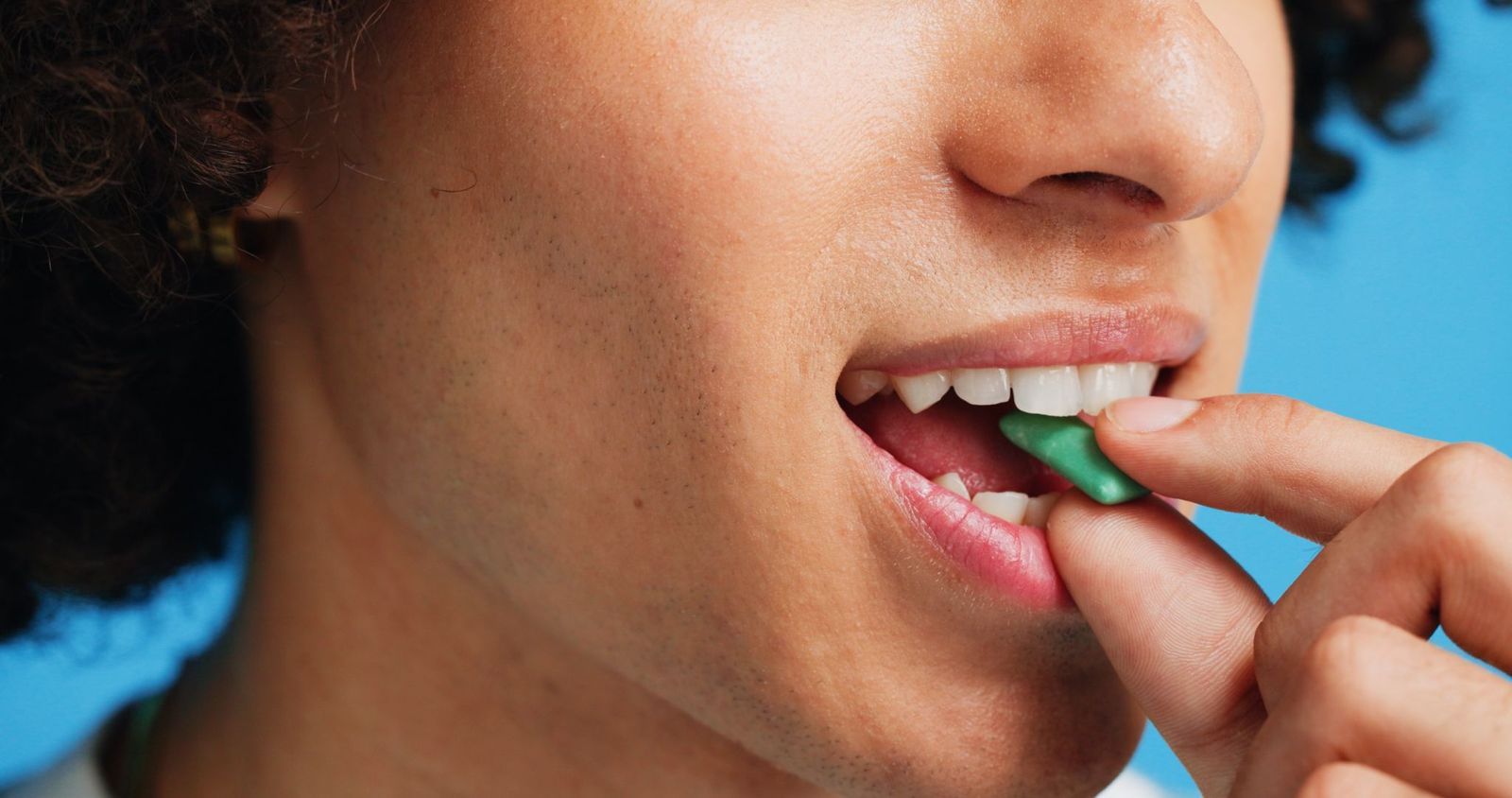
Mothers and grandmothers used to warn that if you swallowed a piece of gum, it would stay in your stomach for years, but there’s much more myth than truth to it.
The idea was probably meant to prevent children from swallowing gum, since it isn’t meant to be eaten like other foods, but if you accidentally swallow a piece, it won’t stick to your stomach. Instead, it’ll pass through your digestive system largely undigested. Your body can’t break down the gum base, so it’ll move through the stomach and intestines and will eventually be expelled, usually within a few days.
3 Blood in veins is blue

Have you ever noticed that the veins visible through your skin look blue? Your perception is right, but the idea that the blood inside your veins is blue is just a myth.
There is a slight difference in color: oxygen-rich blood from the lungs is bright red, while deoxygenated blood returning through your veins is darker red, sometimes described as burgundy. All red blood cells contain hemoglobin, an iron-rich protein that gives blood its red color. So why do your veins look blue? It’s an optical effect caused by the way light passes through your skin. Red light penetrates deeper into your skin, while blue light is reflected to your eyes, making the veins underneath look blue.
4 Bats are blind

Contrary to the popular "blind as a bat," these flying mammals can actually see, and some species have pretty good vision.
Smaller bats, known as microbats, rely on echolocation, a natural sonar system that helps them navigate in the dark and hunt moving prey by sending out high-frequency sounds and listening for the returning echoes. Even so, they still use their eyes to navigate long distances and detect light levels. Larger bats, known as megabats, generally don’t use echolocation at all. Instead, they rely on their large eyes and keen sense of smell to find fruit and flowers at night.
5 Lightning never strikes the same place twice
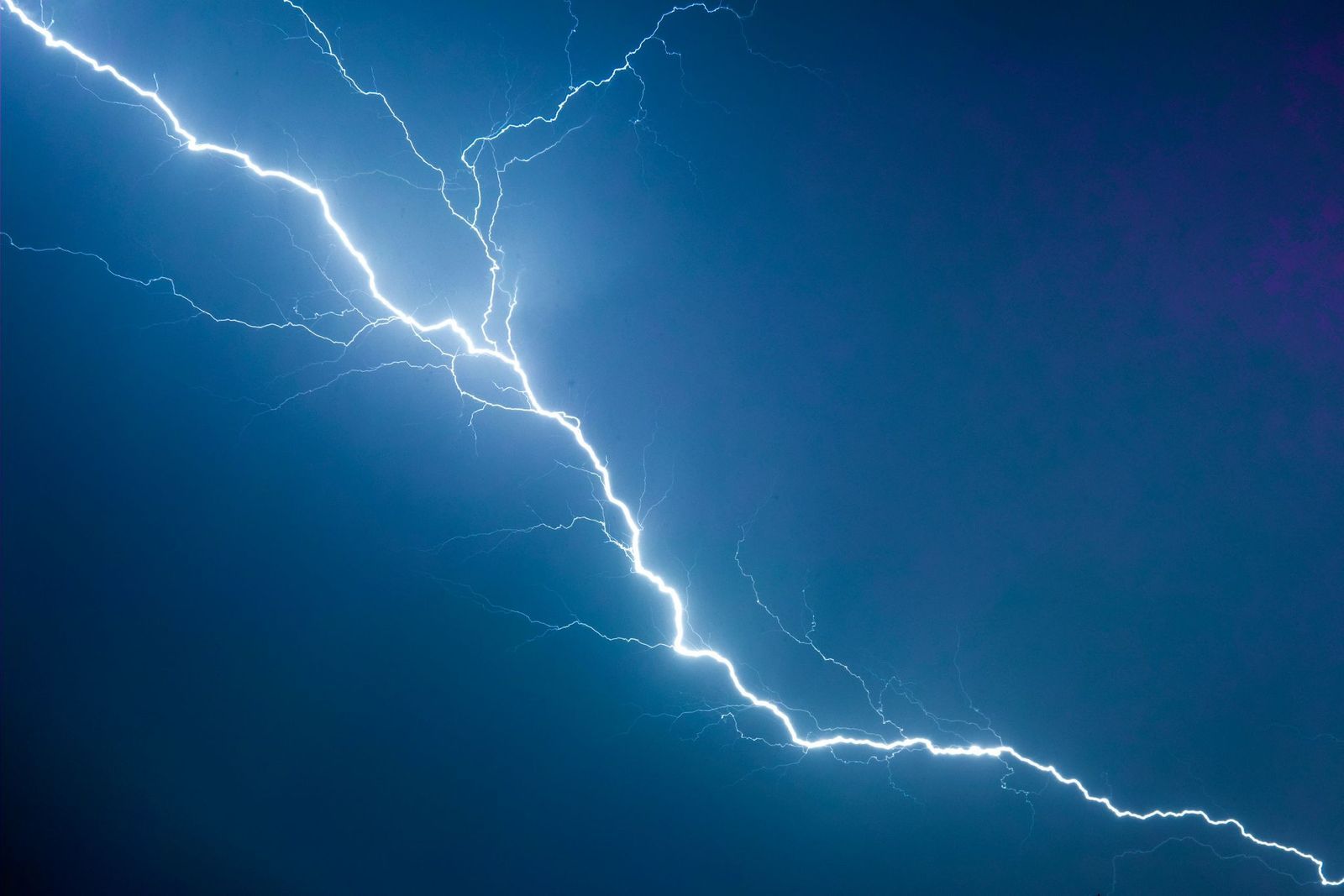
If someone has ever eased your mind with the phrase "lightning never strikes the same place twice," you might want to reconsider.
Contrary to this popular belief, lightning can strike the same place multiple times. One famous example is the Empire State Building in New York City, which, according to the National Weather Service, is struck roughly 23 to 25 times a year. That’s no coincidence: tall, pointed structures are more likely to be struck because they shorten the distance the electrical charge travels through the air. Still, there’s no reason to panic. For the average person, the odds of being struck by lightning in a single year are less than 1 in 1 million, while the lifetime odds are about 1 in 15,300.
6 The Great Wall of China is visible from space

Stretching an incredible 13,170 miles, the Great Wall of China is the longest man-made structure on Earth. However, despite its enormous size, you can’t see it from space with the naked eye.
The wall is actually quite narrow, with some sections only 15 to 30 feet wide. Its materials (wood, stone, brick, and soil) also blend into the surrounding landscape, making it extremely difficult to spot from a distance. If you’re still skeptical, multiple space explorers, including China’s first astronaut, Yang Liwei, and NASA astronauts such as Jeffrey Hoffman, have confirmed that they couldn’t see the wall without magnification.
7 Different parts of your tongue have different tasting functions

While it’s true that the back of the tongue has a slightly higher concentration of bitter receptors, warning you against swallowing potentially harmful substances, the familiar "taste map" of the tongue isn’t accurate.
School textbooks once taught that sweet is tasted at the tip, salt and sour on the sides, and bitter at the back. But in reality, all five basic tastes (sweet, sour, salty, bitter, and umami) can be detected across the entire tongue because taste buds contain receptors for every flavor. You can prove it yourself: put a lemon drop on the tip of your tongue, and you’ll taste the sourness immediately.
8 Alcohol helps us keep warm

To this day, many people still believe that an alcoholic drink can warm you up when you’re outside in the cold. In fact, the opposite is true.
You might think, "But I feel warm after a drink." That’s only a temporary sensation. Alcohol widens the blood vessels near your skin, sending warm blood toward the surface, where it loses heat to the surrounding air. This creates a false sense of warmth while actually lowering your core body temperature. Alcohol can also reduce shivering, your body’s natural way of generating heat. Together, these effects increase heat loss and can raise your risk of hypothermia in very cold conditions.
9 Flushing changes direction
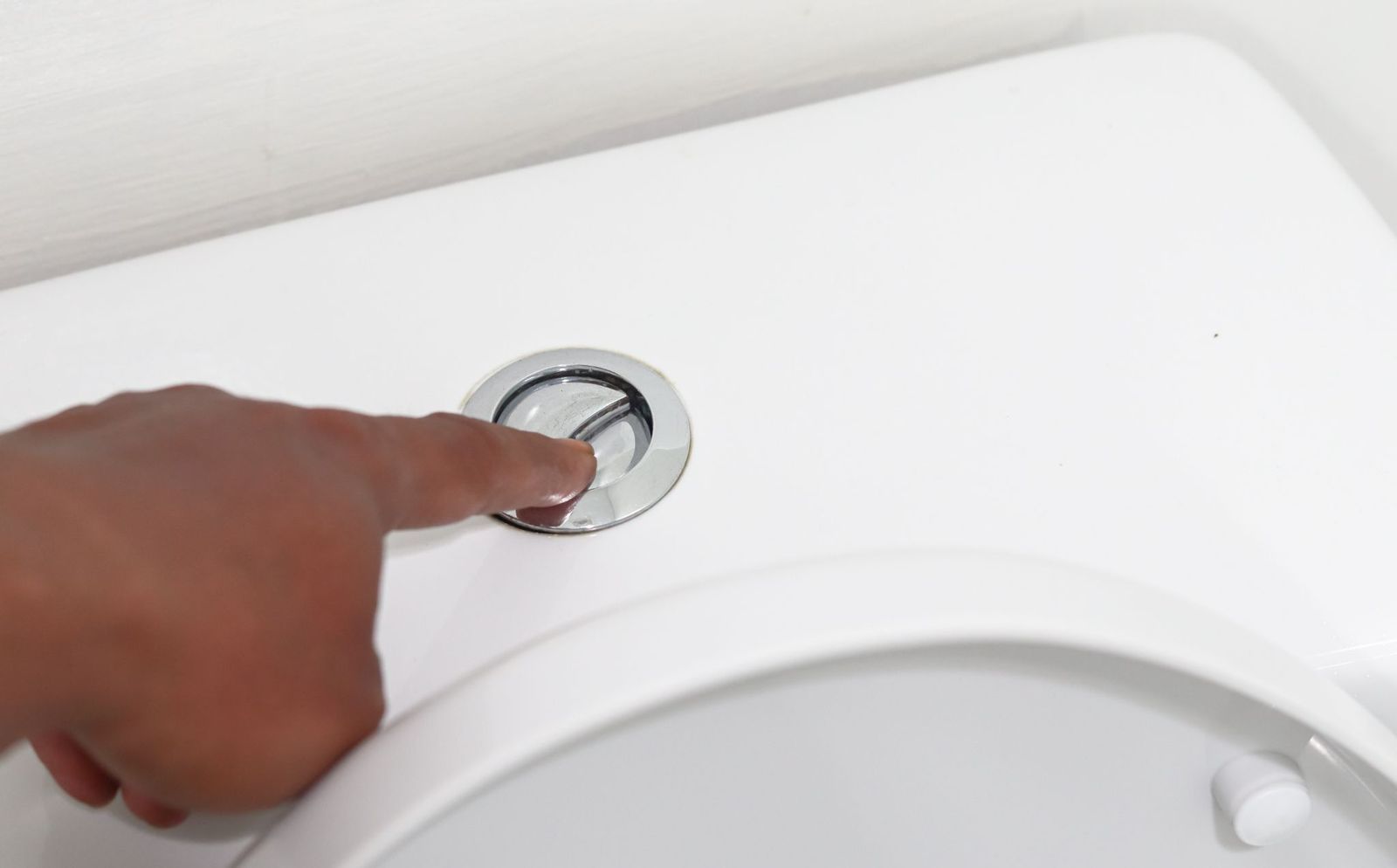
In case you still have doubts, no, toilet and sink water doesn’t swirl differently depending on which hemisphere you’re in.
This widespread myth comes from the Coriolis effect, a real scientific phenomenon caused by Earth’s rotation. It influences global wind belts, jet streams, and even the direction hurricanes spin: counterclockwise in the North and clockwise in the South. However, as the National Oceanic and Atmospheric Administration (NOAA) explains, the effect is far too weak to determine the direction water swirls in a toilet. At such a small scale, everyday forces have a much greater influence. Toilets can indeed flush to the right or left, but that depends on the shape of the bowl and how the plumbing directs water into it; not on which hemisphere you’re in.
10 It's dangerous to wake a sleepwalker

From Shakespeare’s Macbeth (1606) to modern classics like Tom and Jerry , we’ve been warned about the "severe dangers" of waking a sleepwalker. But despite how widespread the myth is, it's not quite right.
If you wake a sleepwalker, they may feel disoriented, distressed, or even scared. And that makes sense: they’re suddenly waking from sleep and may have no idea where they are or why they’re standing. This natural reaction likely helped fuel the myth that waking a sleepwalker can cause them brain injury or a heart attack. But in reality, waking a person who is sleepwalking doesn’t cause permanent physical harm. If someone you know sleepwalks, it’s generally best to speak to them calmly and simply guide them back to bed.