Surprising old customs
They mailed their baby for 15 cents: 10 things that were once normal
Would you put leeches on your face to look better? Would you mail a baby? Would you let a toddler drink beer? Believe it or not, people really did these things, and at the time, they weren’t considered bizarre at all. From listening to all your neighbors’ phone conversations to using a bathroom alongside 20 other people, here are 10 strange customs that were once perfectly normal but would seem unbelievable today.
1 Smoking on airplanes
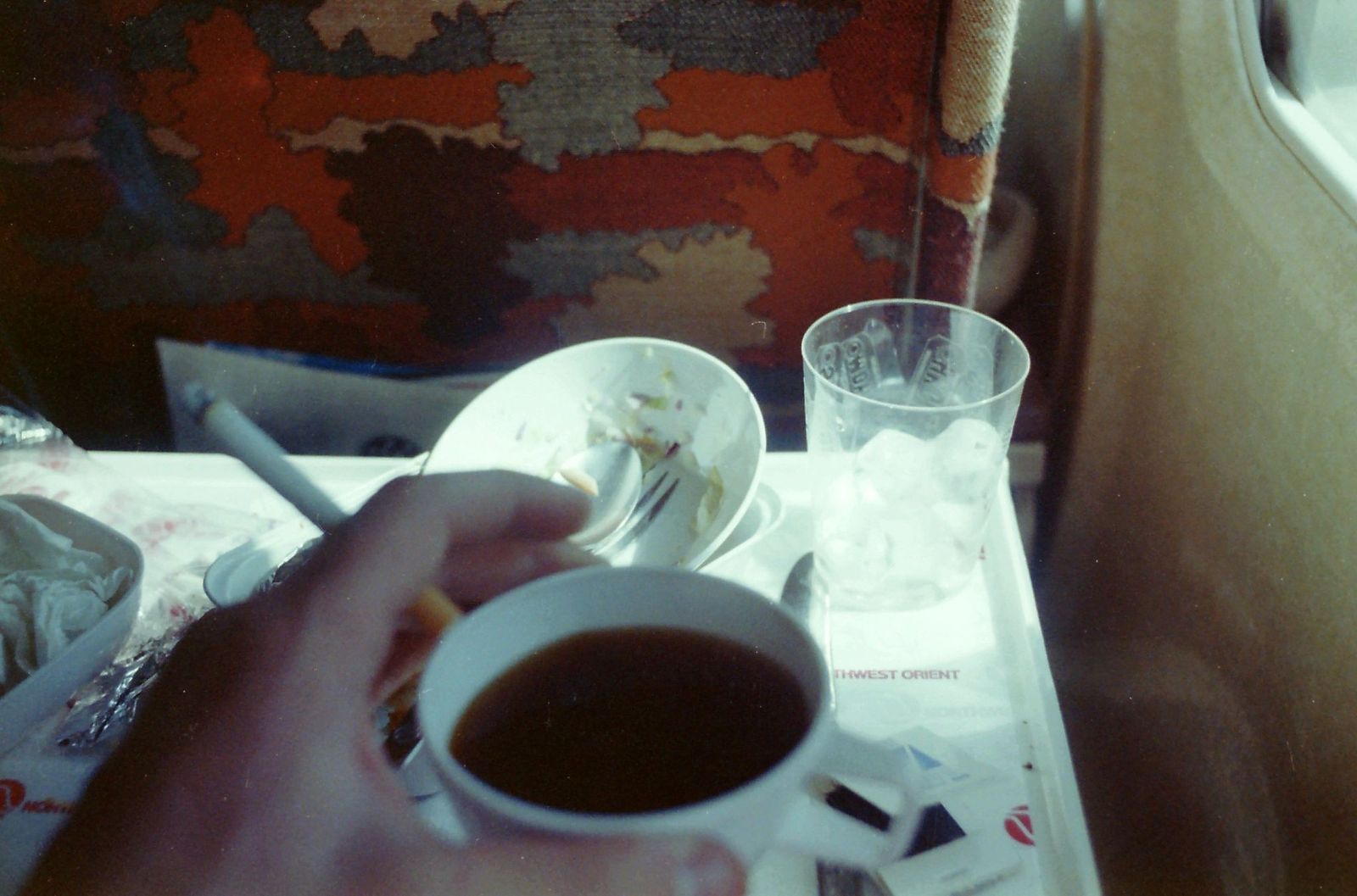
You don’t have to go very far back in time to find customs that seem strange today. Do you remember when you could board a plane and see passengers smoking right in their seats?
Not so long ago, smoking was a normal part of air travel. Passengers could smoke throughout the flight, and airlines even installed small ashtrays in the armrests. The practice remained common well into the late 20th century, gradually disappearing during the 1980s and 1990s before being phased out worldwide by 2000.
2 Mailing children
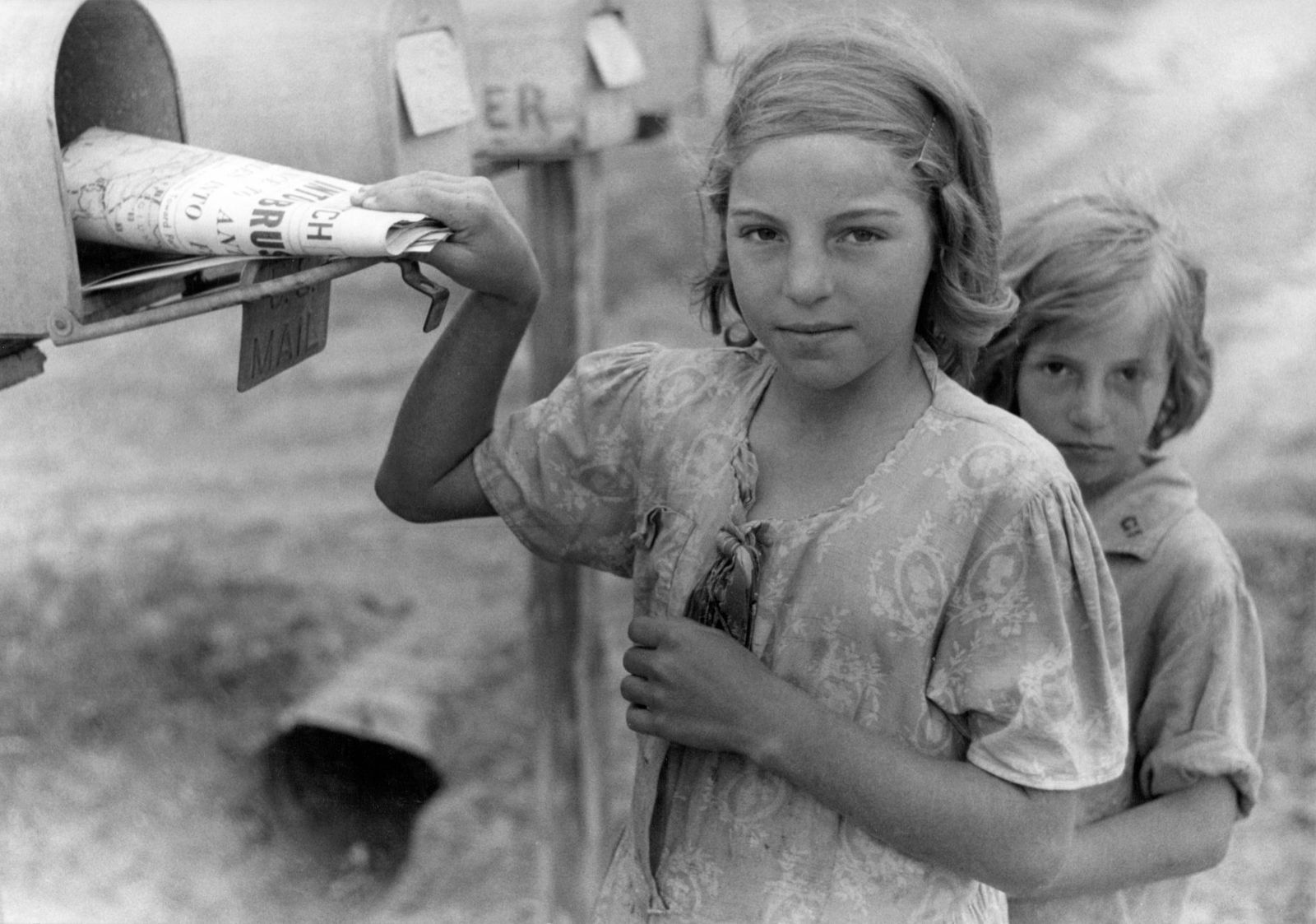
Today, we go to great lengths to keep children safe, especially when they’re out on their own. But a little over 100 years ago, things were very different.
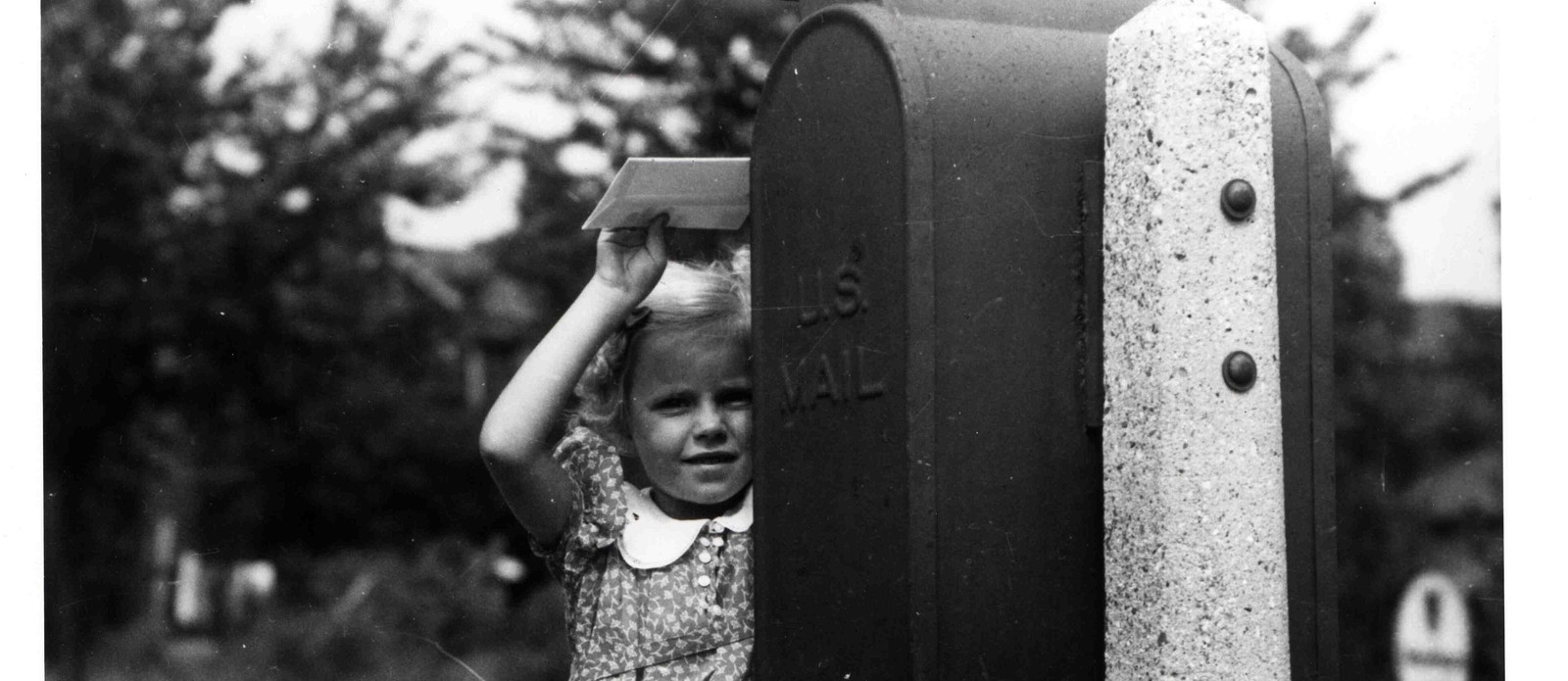
When the US Postal Service launched Parcel Post on January 1, 1913, its early regulations focused on weight limits (initially 11 pounds) without clearly addressing the mailing of humans. That loophole led a few parents to use the mail to send their children short distances. One of the most famous cases occurred in 1913, when an Ohio couple paid 15 cents in postage to send their 8-month-old son a few miles to his grandmother. Several similar cases were reported before the Postmaster General officially prohibited mailing people in 1920.
3 Party lines

Nowadays, we text more than we talk on the phone, and we expect our conversations to stay private. But there was a time when your neighbors could hear your phone conversations…and you could hear theirs.
Known as party lines , shared telephone connections were common from the late 19th century through the mid-20th century. Instead of each household having its own line, several homes shared the same local connection. When a call came in, anyone on the line could pick up, listen in, or even join the conversation. It was a gossip lover’s dream, but it also meant you couldn’t make or receive another call until your neighbor hung up. As telephone networks expanded, private lines gradually replaced party lines, and most had disappeared by the 1970s.
4 Letting dogs lick wounds to heal them
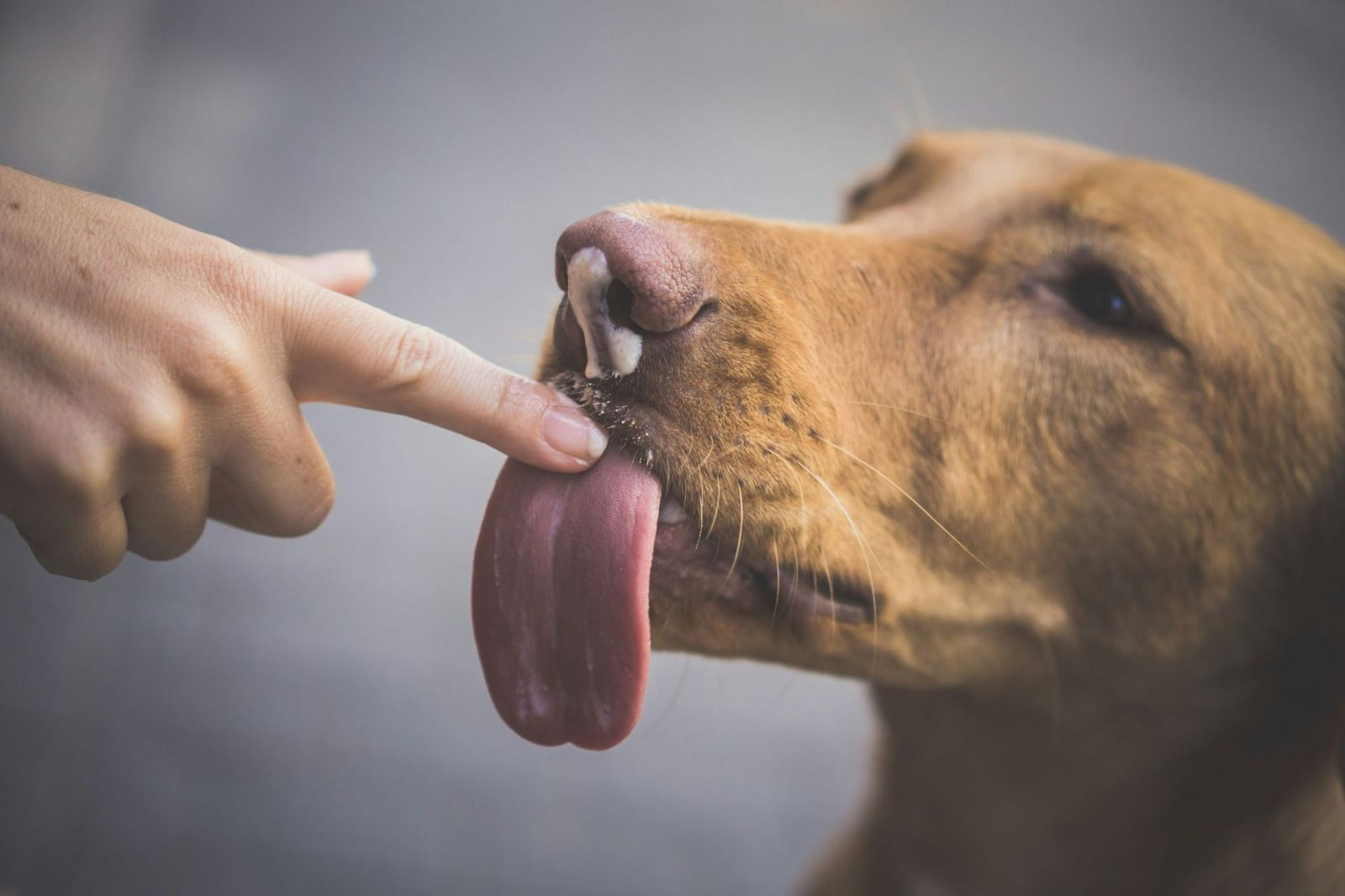
We now know that a dog’s mouth can carry harmful bacteria, but people once believed a dog’s saliva could actually help heal human wounds.
In ancient and medieval Europe, people noticed that dogs licked their own wounds, so they assumed the saliva was helping them heal. If someone had an open cut or sore, they might let a dog lick it repeatedly. There is a bit of truth behind this old belief: saliva can contain certain antibacterial compounds, but they are nothing compared to the many potentially dangerous pathogens found in a dog’s mouth. Letting a dog lick an open wound could instead introduce bacteria, increasing the risk of severe infection and further irritating damaged tissue.
5 Letting leeches crawl on you
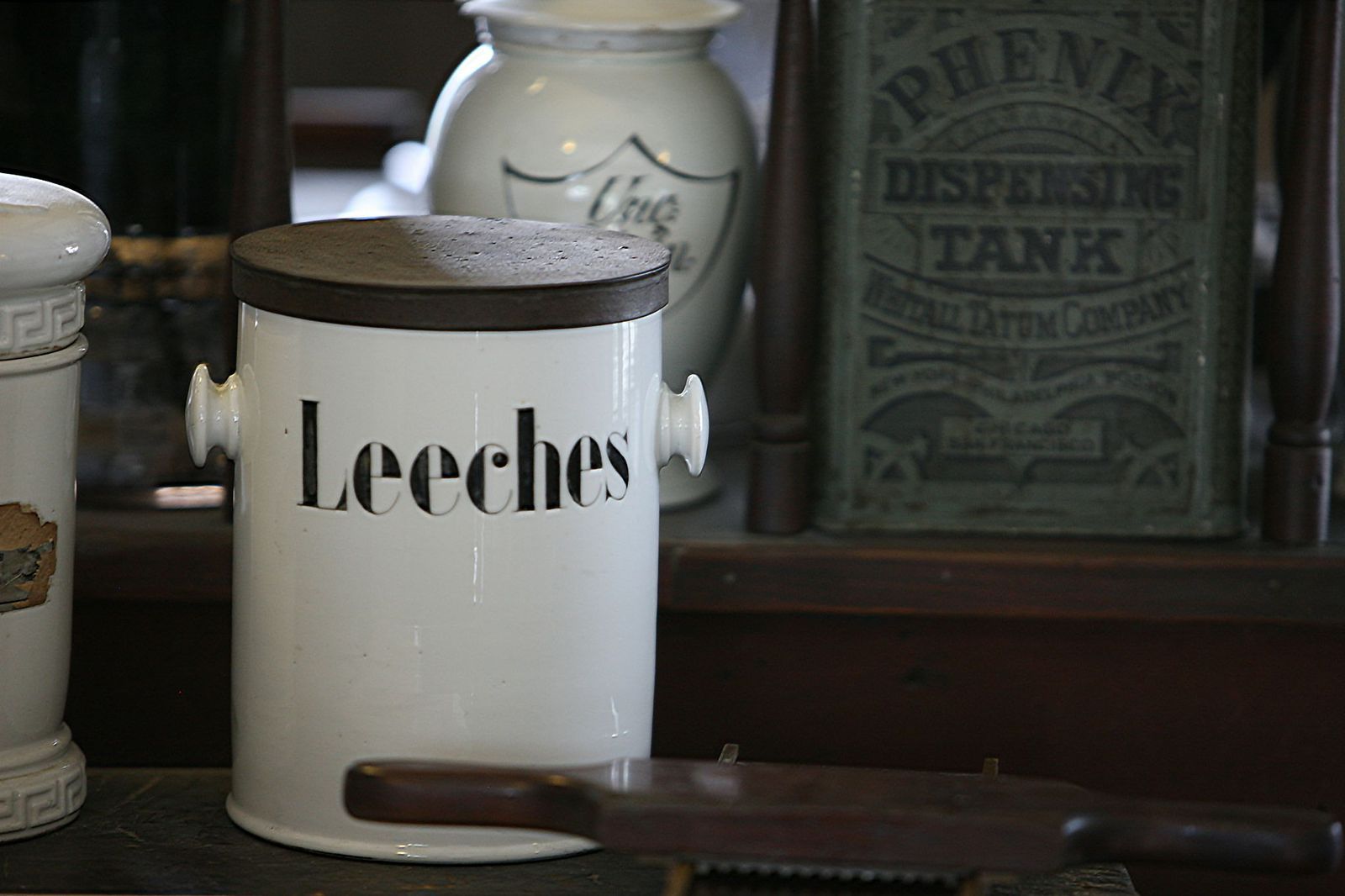
Can you imagine using leeches as part of your skincare routine? It sounds creepy today, but leeches were once a common part of a doctor’s kit. They were used because people believed they could remove harmful substances from the blood and help balance bodily fluids.
But leeches weren’t just used to treat disease; they were also used as a beauty treatment. During the Renaissance, Regency, and Victorian eras, wealthy women were expected to maintain a pale complexion. One way to achieve that look was to place live leeches behind the ears or on the earlobes. As the leeches drained blood, they temporarily reduced the color in the face, creating the pale look women wanted, but with serious health consequences such as anemia, extreme fatigue, tissue damage, and infections.
6 Wearing lead face powder daily
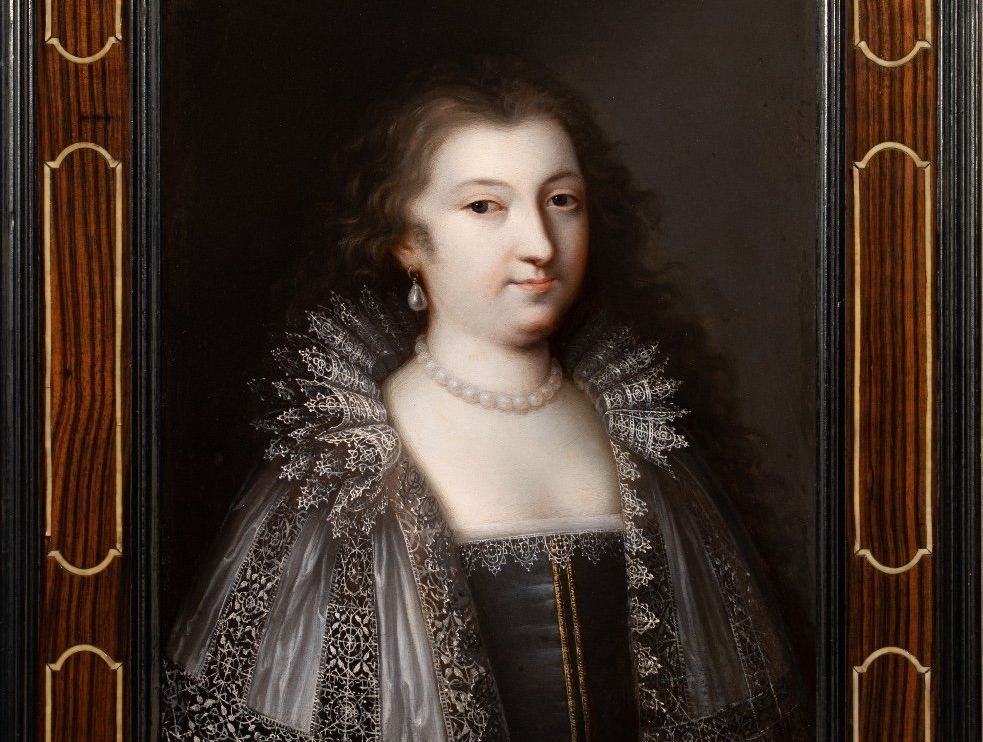
These days, a nice tan is often considered attractive, but in the past, the ideal was almost the exact opposite.
Elite Europeans in the 16th and 17th centuries prized extremely pale skin as a sign of wealth and status. Staying out of the sun wasn’t enough, so many used cosmetics such as Venetian ceruse, a lead mixture that created a smooth and pale complexion. The problem was that long-term use could cause lead poisoning, resulting in hair loss, damaged skin, muscle paralysis, and neurological problems. The cruel irony is that, as the poisoning effects became harder to hide, some women applied even more makeup to cover them.
7 Glowing radium paint
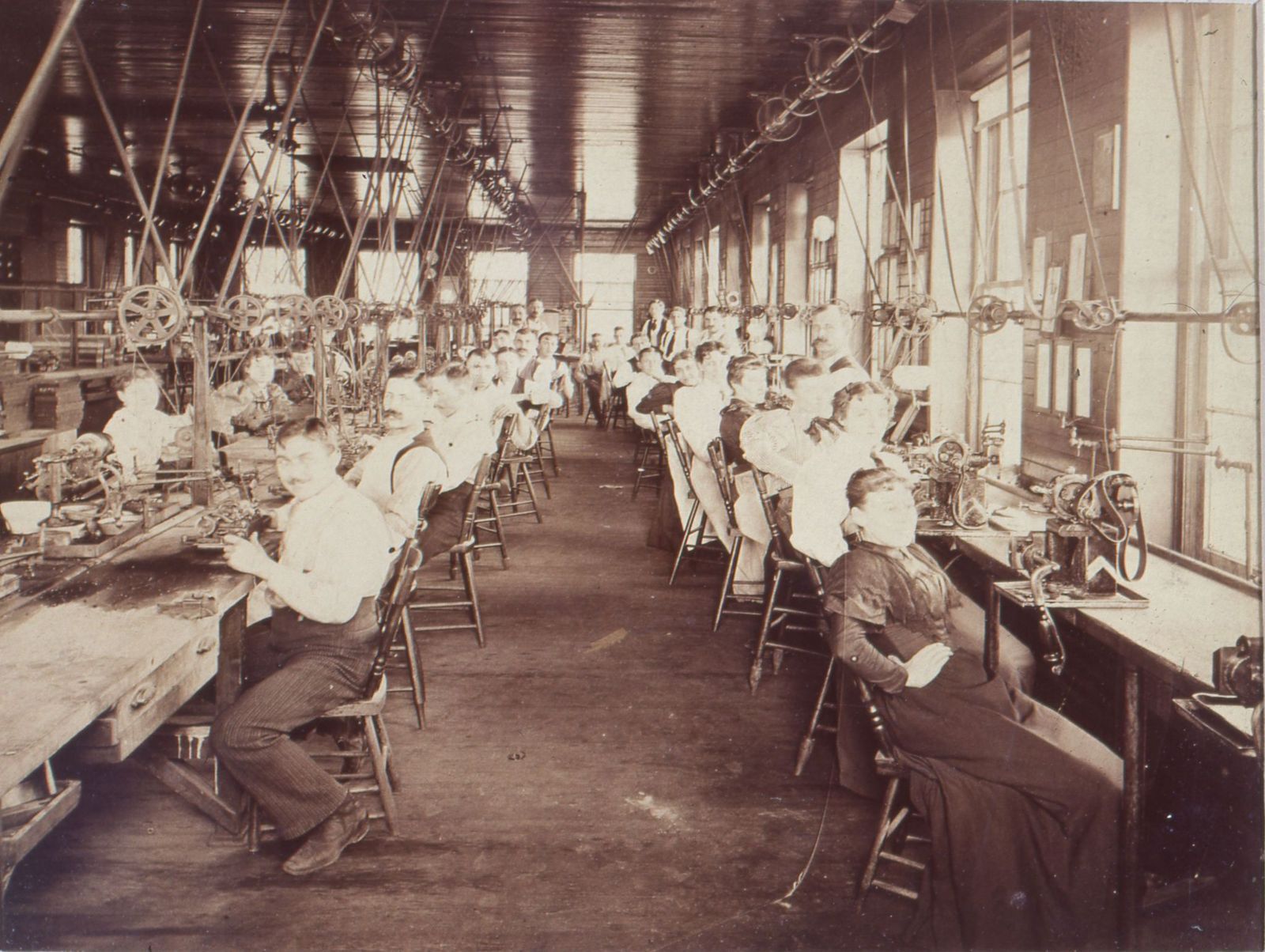
Have you heard of the "Radium Girls"? The term, coined by the press in the 1920s, referred to the women who worked in US watch factories painting dials with radium-based luminous paint.
The work seemed harmless, but it exposed thousands of workers to dangerous radiation. To create fine brush tips, they were instructed to shape them with their lips, unknowingly ingesting radium with each stroke. Over time, many suffered serious illnesses, including severe bone damage. These dangers eventually led manufacturers to replace radium with safer luminous materials, including tritium, in the 1960s and 1970s.
8 Communal bathrooms

Today, few places are more private than the bathroom, but it wasn't always like this. In ancient Rome, going to the bathroom could be a social experience.
Public latrines, known as foricae , were communal spaces where people sat side by side on stone or marble benches with no partitions. Ten to 20 people (and sometimes even more) could use them at once, chatting with the people beside them while doing their business. The Romans’ famous aqueducts supplied a continuous flow of water through a channel beneath the seats, carrying waste into the city’s sewer system.
9 Beer at any age

Can you imagine a time when young children routinely drank alcoholic beverages? It sounds strange today, but it was a normal part of daily life for centuries.
From the Middle Ages through the 18th century, people of all ages in Northern and Western Europe and Colonial America commonly drank "small beer" or cider containing about 0.5% to 2% alcohol. Sometimes called "liquid bread," these drinks retained carbohydrates, proteins, and B vitamins from grains, making them a calorie-rich addition to the diet. Men, women, and even young children often drank them with meals. The common myth that "no one drank water" is exaggerated, but as brewing involved boiling, these alcoholic drinks were considered a safer and more appealing choice.
10 Wearing towering wigs

Fashion can cost more than money; it can cost your health.
Along with lead-based makeup, European elites in the 17th and 18th centuries wore perukes , the enormous white wigs linked to high society. They were heavy enough to cause scalp and neck pain, but that wasn’t the only problem. These elaborate wigs could be worn for weeks without being fully washed, trapping sweat and sometimes becoming home for head lice and other pests.