Earth: Unexpected
Did you know these amazing facts about our planet?
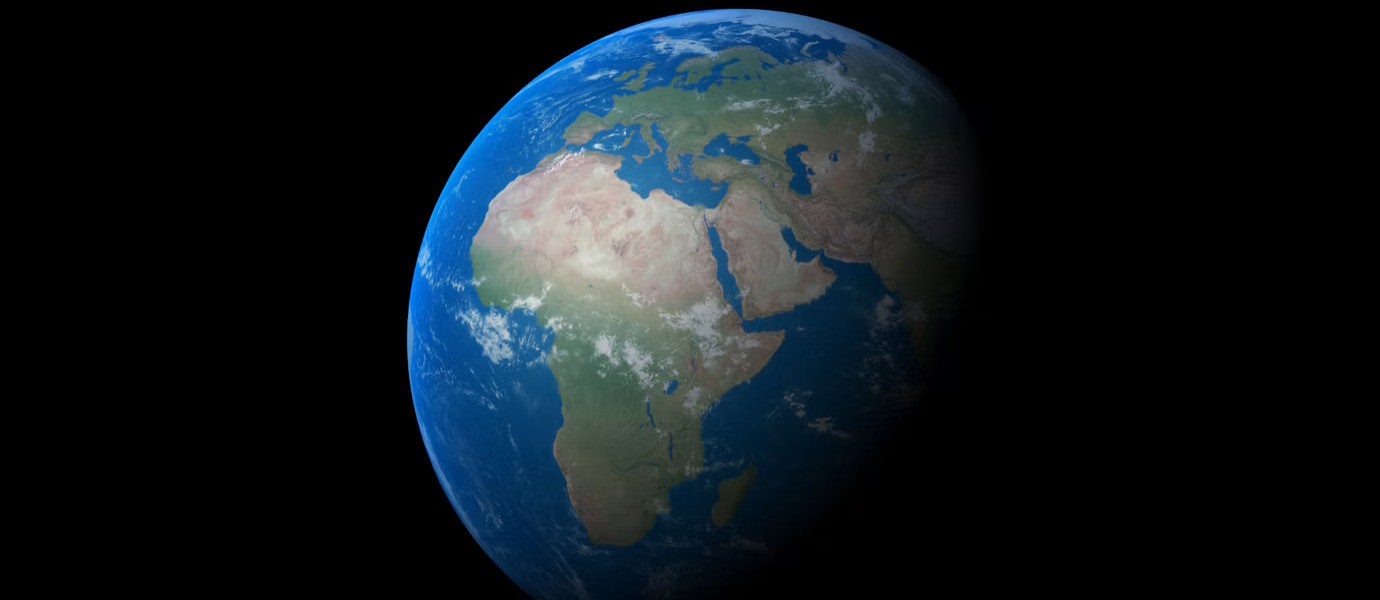
Think you know our planet pretty well? Earth has a few surprises up its sleeve. Antarctica is technically a desert, a Hawaiian mountain is taller than Everest when measured from its underwater base, and the Sahara was once filled with lakes and grasslands. These are just a few of the remarkable aspects that make our world so fascinating. From record-breaking locations to landscapes that have changed dramatically over time, these facts might make you see Earth a little differently.
1 Antarctica is the driest continent on Earth
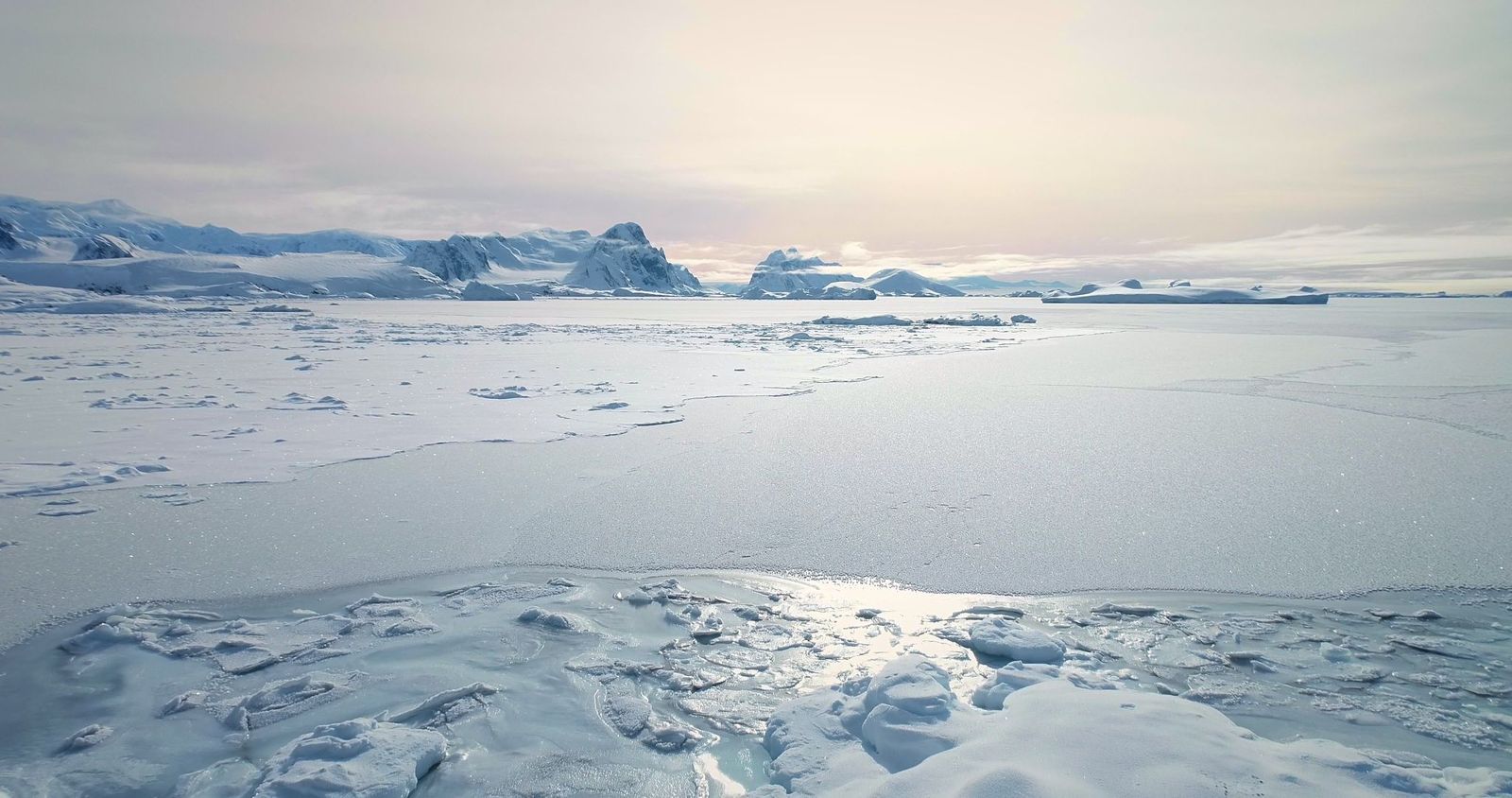
Despite being covered in ice, Antarctica is technically a desert . Deserts are defined by how little precipitation they receive, not by how hot or sandy they are. Much of the continent gets very little snowfall each year, especially in areas far from the coast.
The cold temperatures also mean that much of its water remains frozen rather than circulating as liquid. Antarctica may look like a world of endless ice, but in terms of precipitation, it’s one of the driest places on the planet.
2 Russia spans 11 time zones

Russia is so vast that traveling from one end to the other means crossing 11 time zones. When people in its westernmost regions are starting their morning, those in the far east may already be getting ready for the next day.
From Europe to the Pacific coast, Russia stretches across an enormous portion of the globe, connecting regions with very different landscapes, climates, and daily routines.
3 The Dead Sea shore is the lowest land point on Earth
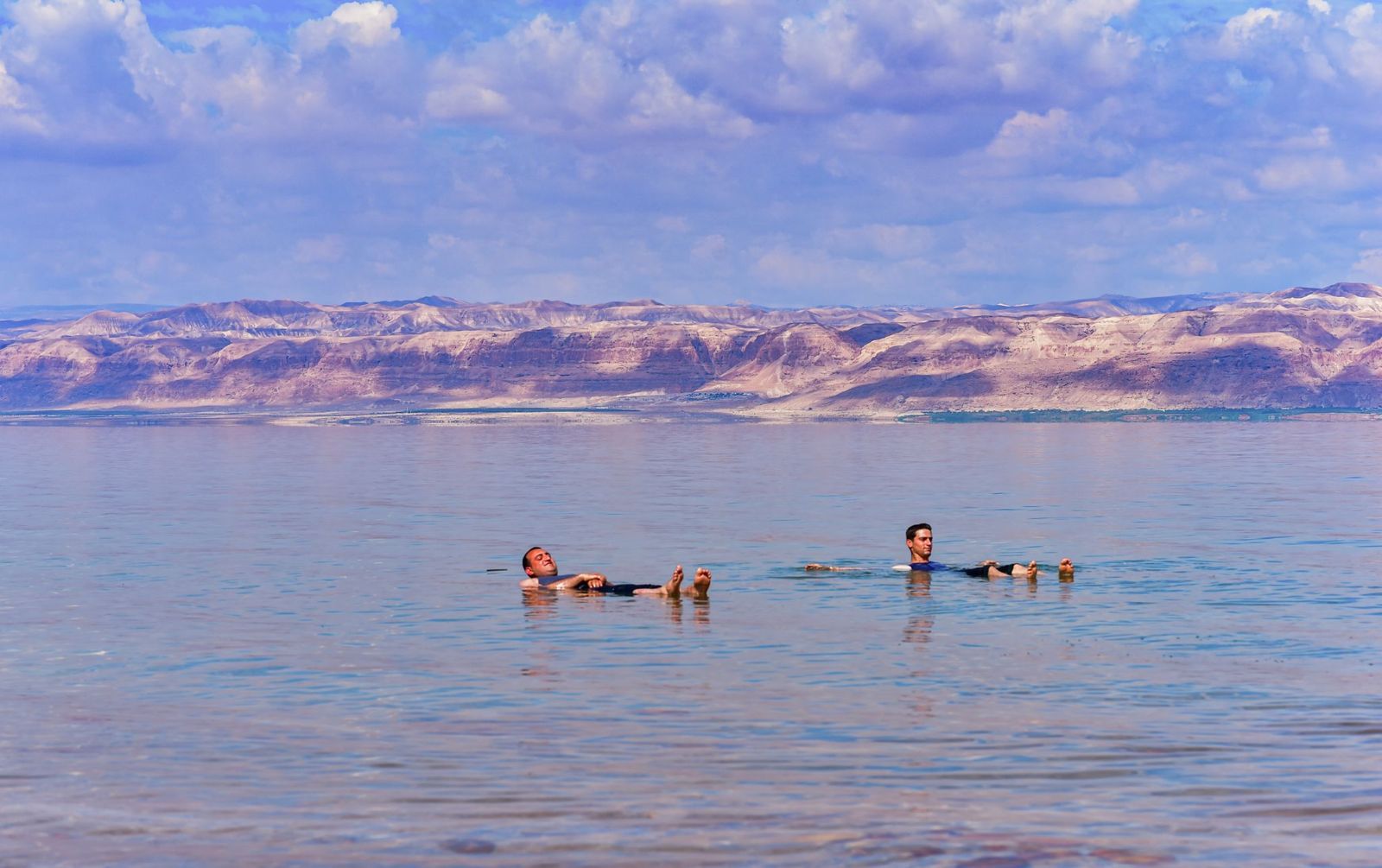
Located between Jordan and Israel, the Dead Sea sits in a deep valley where the land lies more than 1,400 feet below sea level. Its shoreline is the lowest exposed land surface on Earth, making it a remarkable geographical feature.
The sea is also famous for its exceptionally salty water. Because it contains so much salt, people can float on the surface with very little effort. The surrounding landscape, with its dry hills and mineral-rich shores, looks quite different from the beaches many travelers are used to.
4 Mauna Kea is taller than Everest
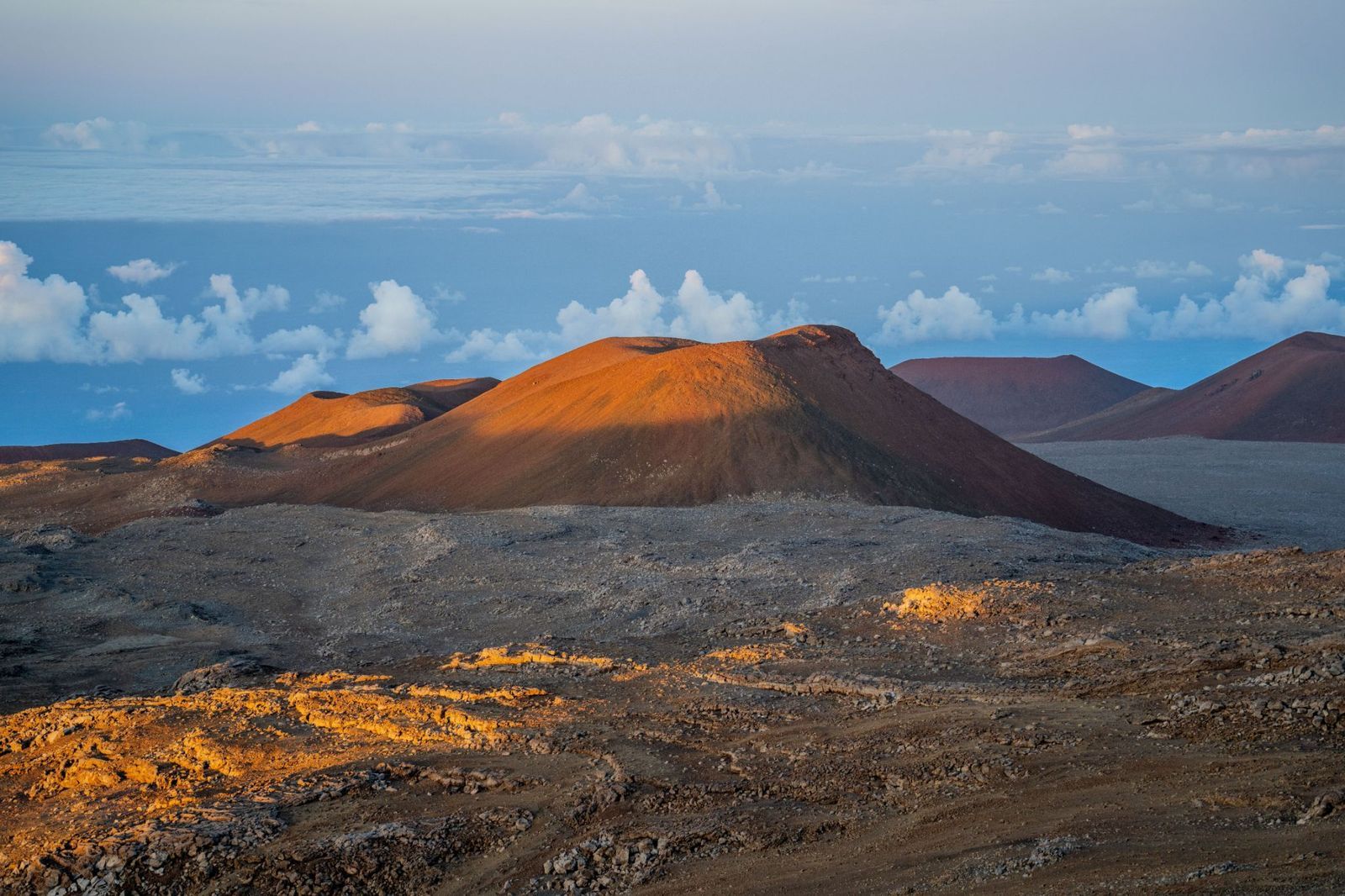
Mount Everest rises 29,032 feet above sea level, making it the world's highest mountain by elevation. But Hawaii's Mauna Kea has a surprising claim to fame: although its summit stands at about 13,800 feet above sea level, much of the mountain lies underwater.
Measured from its base on the ocean floor to its summit, Mauna Kea reaches roughly 33,500 feet, making it taller than Everest overall. Its summit is also home to major astronomical observatories, where high altitude and exceptionally clear skies provide excellent conditions for studying the universe.
5 The Sahara Desert was once green
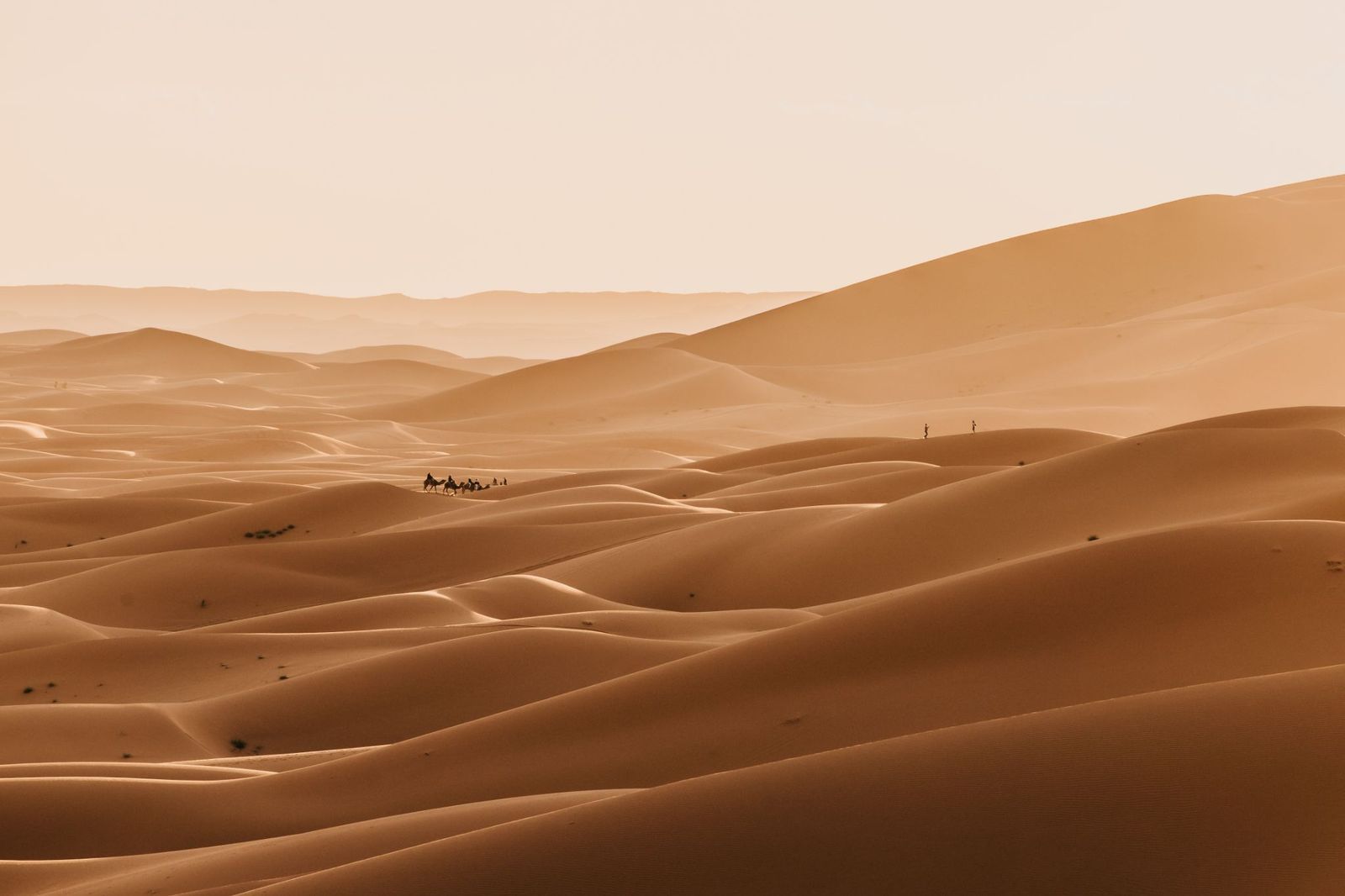
Today, the Sahara is known for its sweeping sand dunes and scorching temperatures, but thousands of years ago, parts of this vast region looked very different. During the African Humid Period, roughly 14,500 to 5,500 years ago, stronger monsoon rains created lakes, rivers, and grasslands where wildlife such as hippos and crocodiles could thrive.
People also lived in these greener landscapes, hunting, fishing, and raising livestock . Ancient rock paintings still found across the Sahara depict animals and everyday life from this period. As rainfall declined, lakes dried up and vegetation disappeared, gradually transforming much of the region into the desert we know today.
6 Iceland is famous for having no mosquitoes
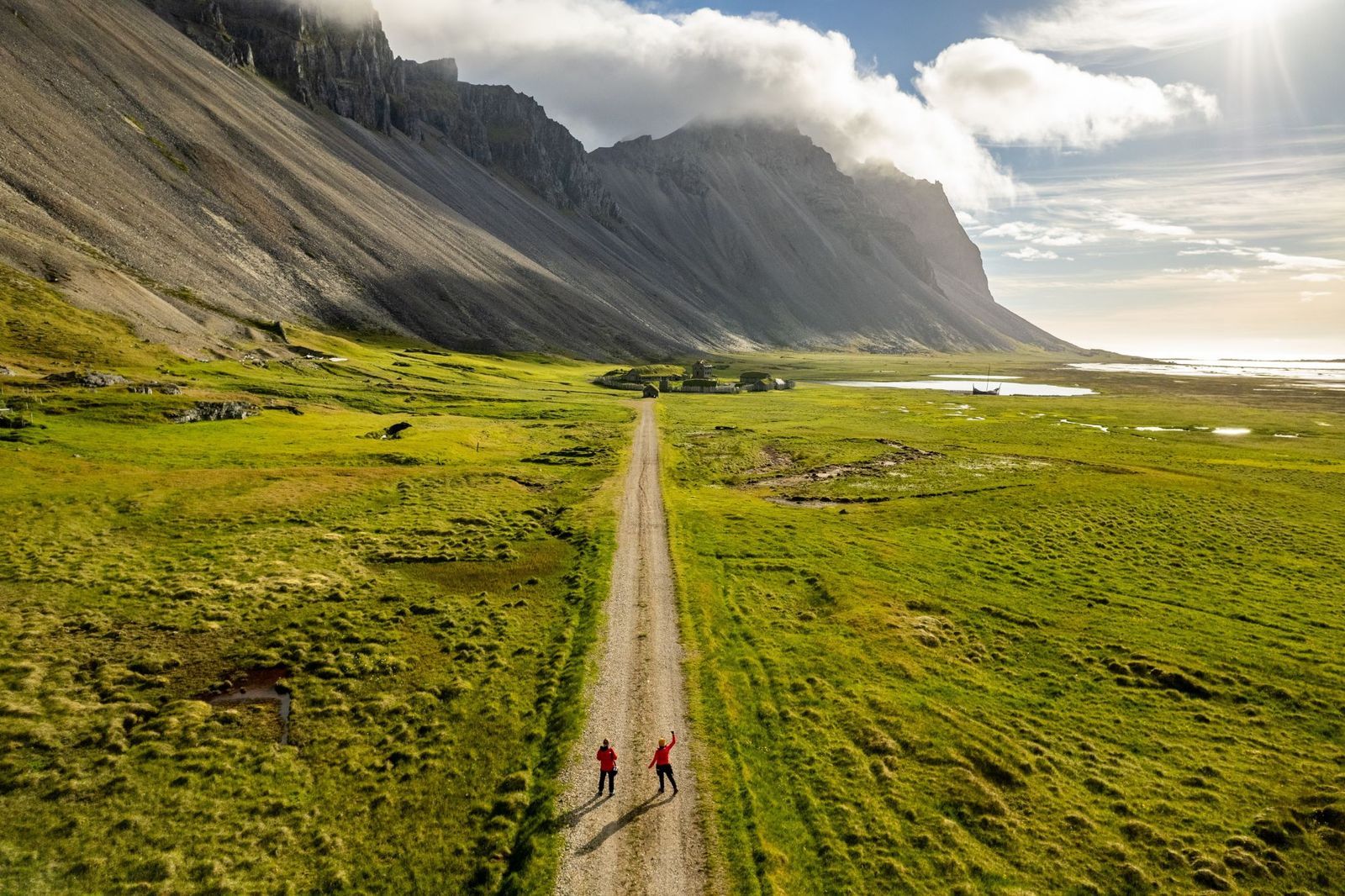
Iceland is one of the few places in the world where mosquitoes have not established a permanent population in the wild. That is particularly surprising for an island with lakes, wetlands and a relatively cool climate.
Scientists have proposed that Iceland's unusual pattern of freezing and thawing may make it difficult for mosquitoes to complete their life cycle . The exact explanation is not fully settled, and occasional mosquitoes have been transported there by people. Still, the absence of an established wild population is a welcome surprise for many visitors.
7 Japan is made up of more than 6,800 islands
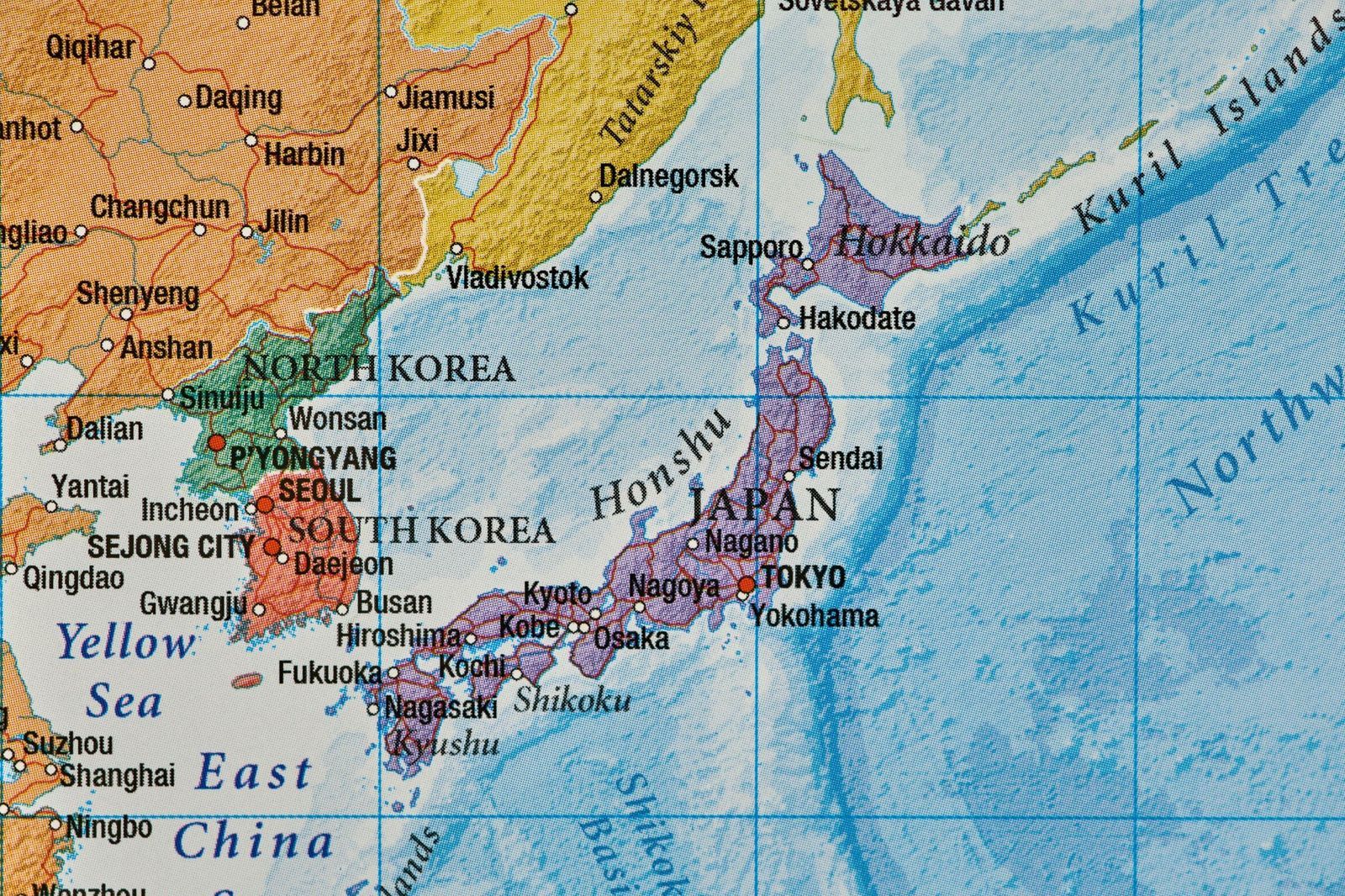
Japan is often pictured as four main islands, but the country is actually an archipelago of thousands of islands. A widely cited traditional count puts the total at more than 6,800, while a newer official survey using digital mapping identified 14,125 islands.
Most of Japan's population lives on its four largest islands: Honshu, Hokkaido, Kyushu and Shikoku. The smaller islands range from inhabited communities with distinct local traditions to remote, uninhabited stretches of land surrounded by the Pacific Ocean and the Sea of Japan.
8 Australia is wider than the Moon
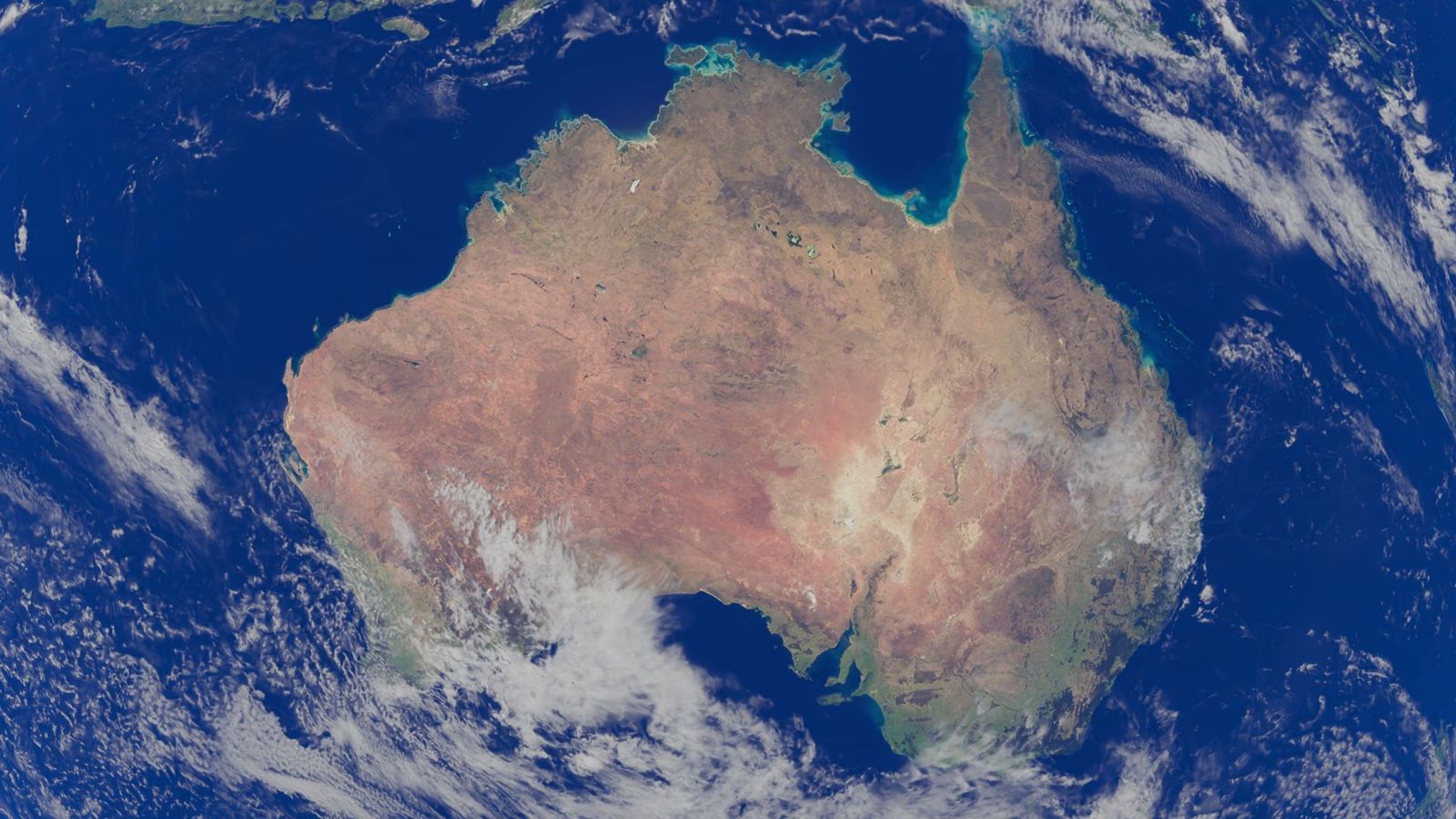
Australia is an enormous country, stretching approximately 2,500 miles from east to west. That's wider than the Moon's diameter, which measures about 2,159 miles.
Of course, the comparison involves two very different shapes: Australia is a continent-sized landmass on Earth's surface, while the Moon is a nearly spherical natural satellite. Even so, it's a fun reminder of just how large Australia is, with its deserts, tropical forests, coastal cities, and vast open spaces.
9 The Pacific Ocean covers more area than all of Earth's land combined
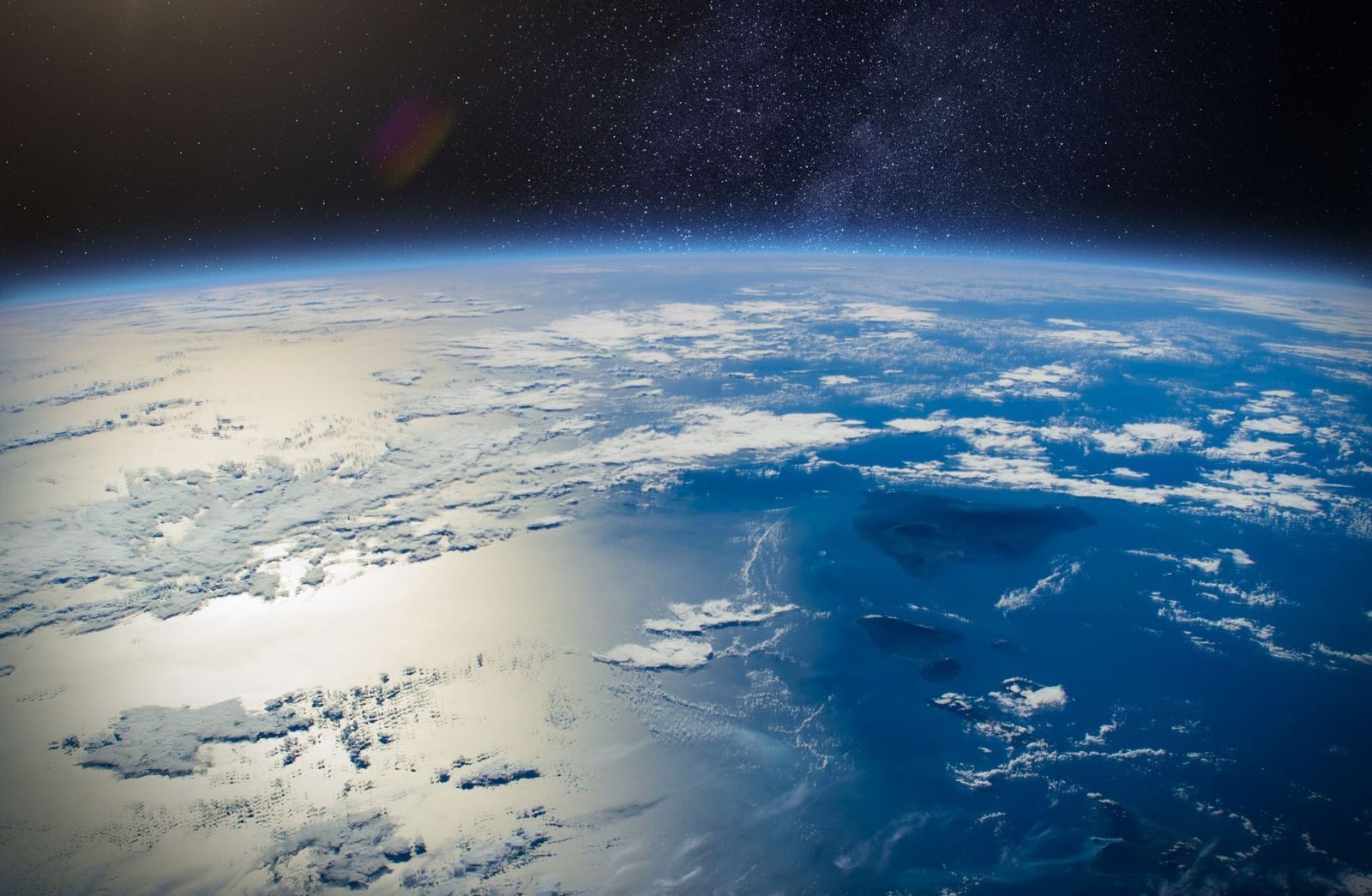
The Pacific Ocean is the largest and deepest ocean on Earth, covering roughly 63 million square miles. To put that into perspective, all of Earth's land combined covers about 57 million square miles, meaning the Pacific alone is larger than all the continents and islands put together.
Its waters stretch from the Americas to Asia and Australia, encompassing everything from coral reefs and volcanic islands to deep-sea ecosystems that remain difficult to explore. Looking at a globe, it's easy to see why the Pacific dominates so much of the planet's surface.
10 The Mariana Trench is deeper than Mount Everest is tall
Hidden beneath the western Pacific Ocean, east of the Philippines and south of Japan, the Mariana Trench reaches depths of nearly 36,000 feet, depending on the measurement and location. For perspective, Mount Everest rises about 29,032 feet above sea level. If Everest could be placed inside the trench, its summit would still be more than a mile underwater.
The Mariana Trench’s deepest known area, Challenger Deep, is one of the most extreme environments on Earth. The pressure at these depths is immense, yet specialized research missions have found life surviving in this dark, cold environment.
11 Greenland is the world's largest island
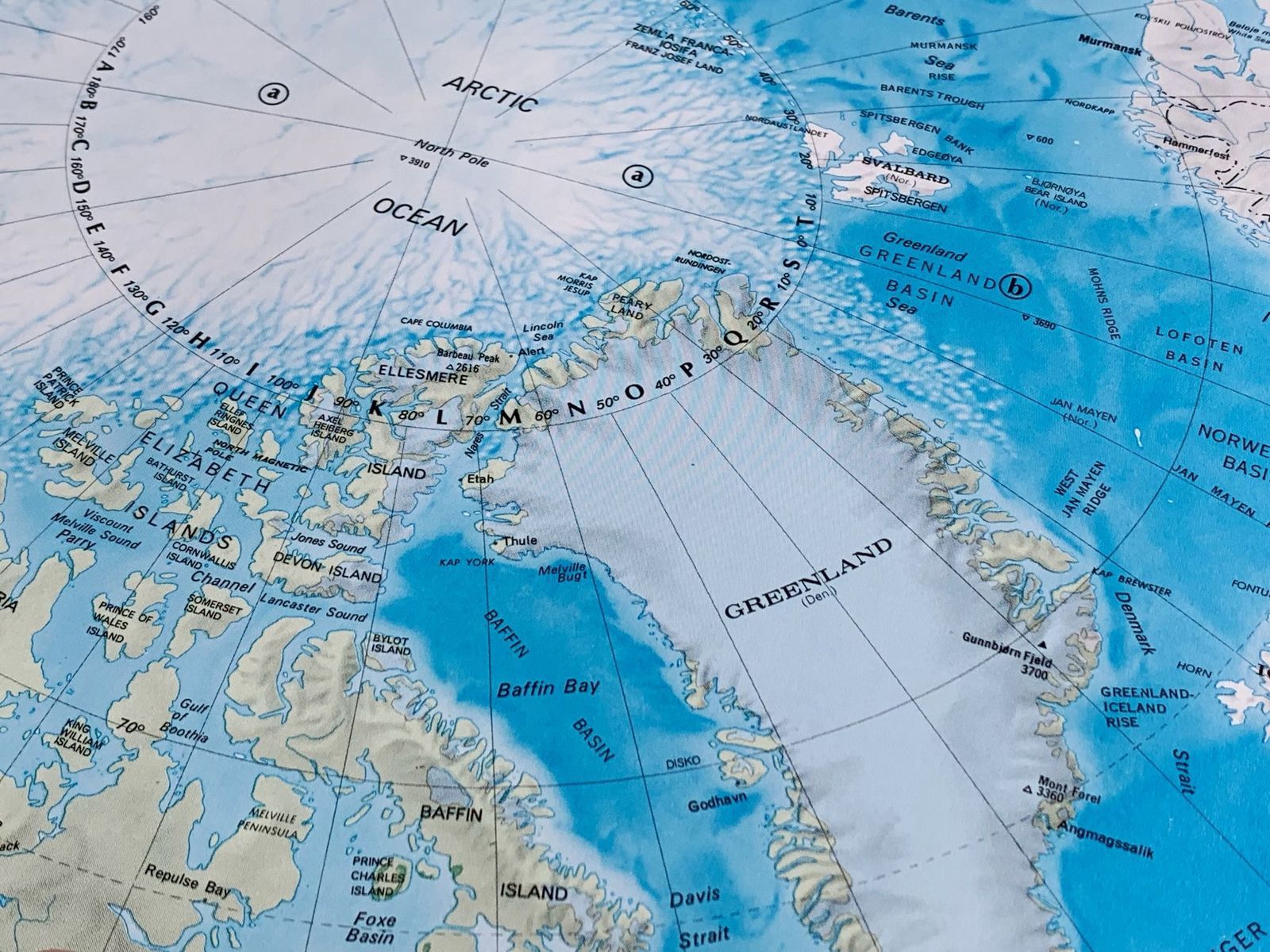
Greenland covers approximately 836,000 square miles, making it the largest island in the world. Australia is larger, but it’s classified as a continent rather than an island in this traditional geographical distinction.
Much of Greenland is covered by an enormous ice sheet that holds a significant share of the world's freshwater. Most of its towns and settlements are located along the coast, where the ice-free land meets the sea. Despite its immense size, Greenland has a very small population spread across a rugged Arctic landscape.
12 Yellowstone National Park sits above a supervolcano
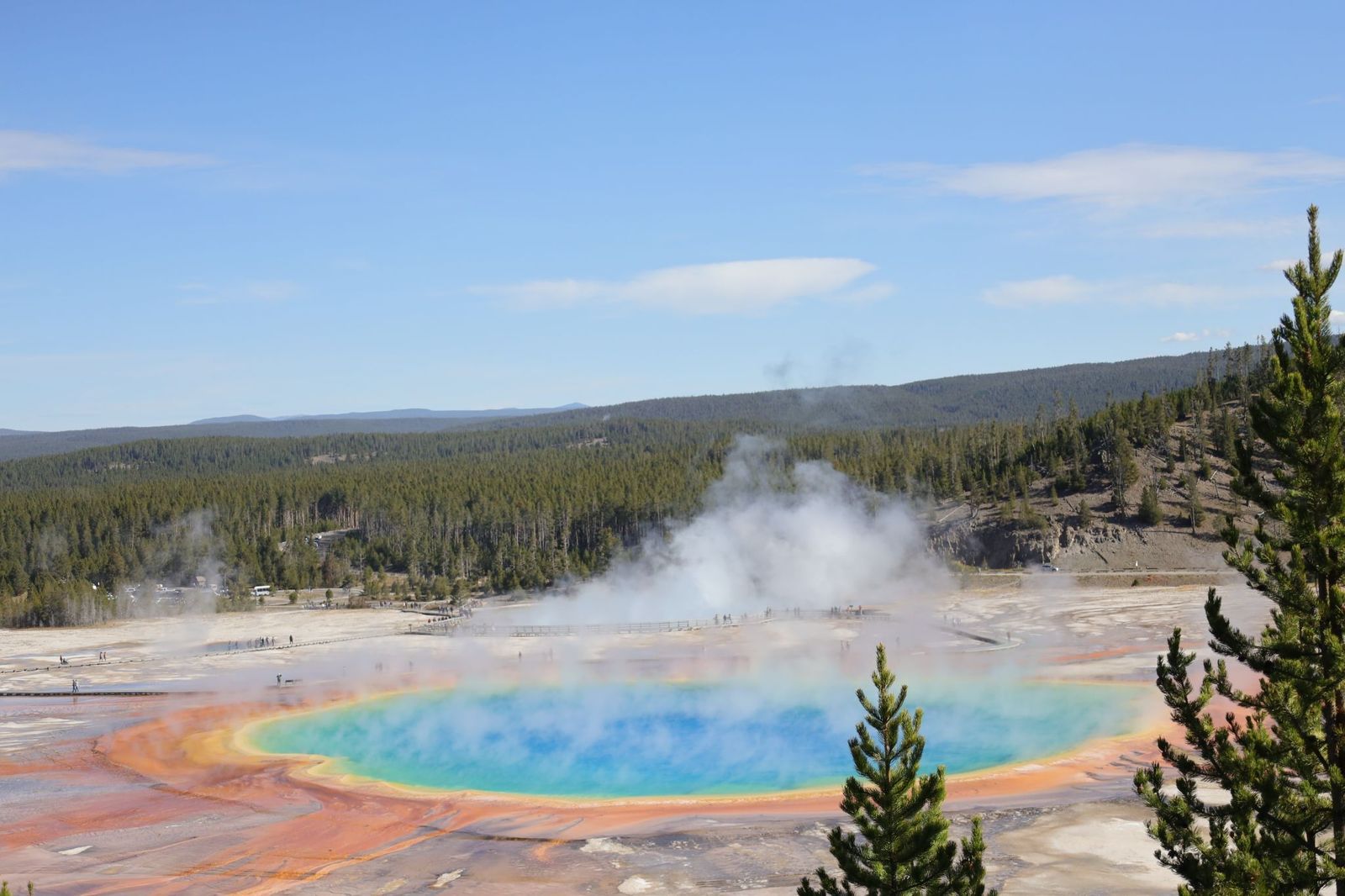
Yellowstone National Park, famous for its geysers, hot springs, and wildlife, lies above a vast volcanic system often called a supervolcano. One of the park's best-known attractions is Old Faithful, a geyser that regularly shoots hot water and steam high into the air.
Yellowstone has experienced three major caldera-forming eruptions in the past few million years, the most recent about 640,000 years ago. Scientists closely monitor the area's earthquakes, ground movement, and volcanic activity. Although the system is active, there’s no indication that a catastrophic eruption is imminent, and its spectacular geothermal features remain among the park's biggest attractions.