From Armstrong to King: 10 quotes that defined the 20th century
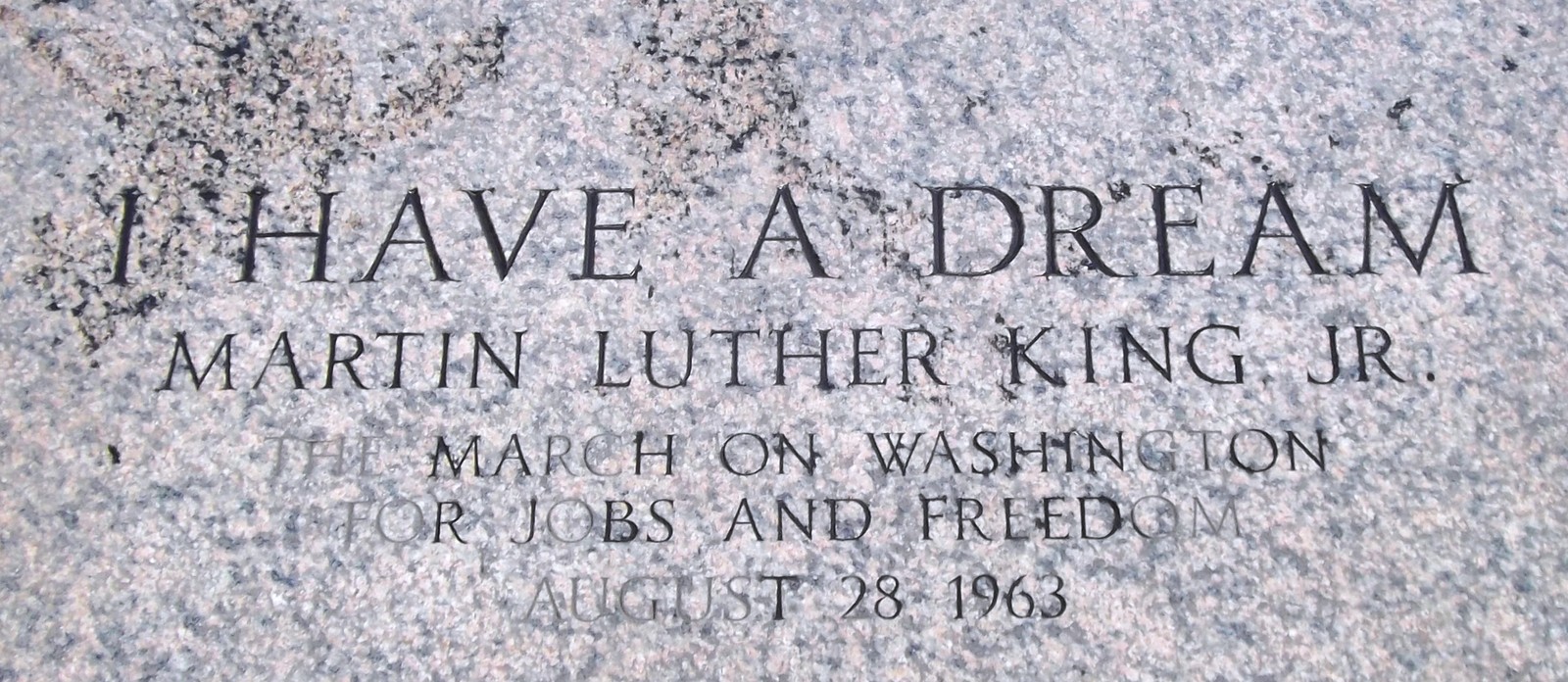
The 20th century was defined by intense global conflict, fast technological progress, and life-changing political milestones. During these moments of transformation, world leaders, activists, philosophers, and icons uttered words that captured the spirit of the time. Who can forget the famous "I have a dream" speech Martin Luther King Jr. delivered on the brink of the Civil Rights movement? These 10 famous quotes actively shaped the modern world.
1 "Ask not what your country can do for you—ask what you can do for your country" — John F. Kennedy (1961)
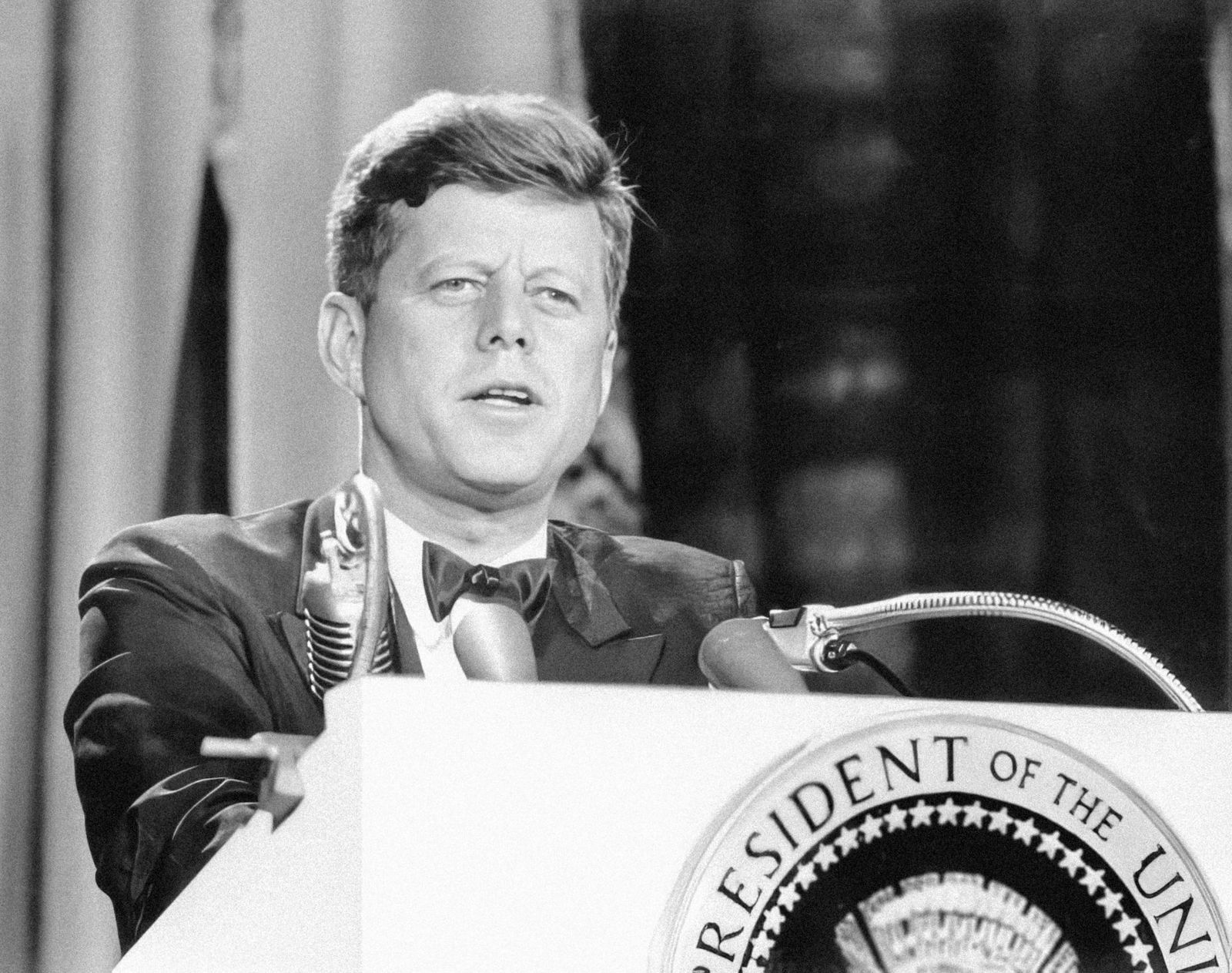
When he took office at age 43, John F. Kennedy delivered one of the most memorable inaugural addresses in American history. As the youngest elected president, he challenged citizens to prioritize public service and civic responsibility over personal gain.
This call to action inspired a generation of young Americans to join public service programs like the Peace Corps and support the national aspiration that eventually sent astronauts to the Moon.
2 "That’s one small step for a man, one giant leap for mankind" — Neil Armstrong (1969)
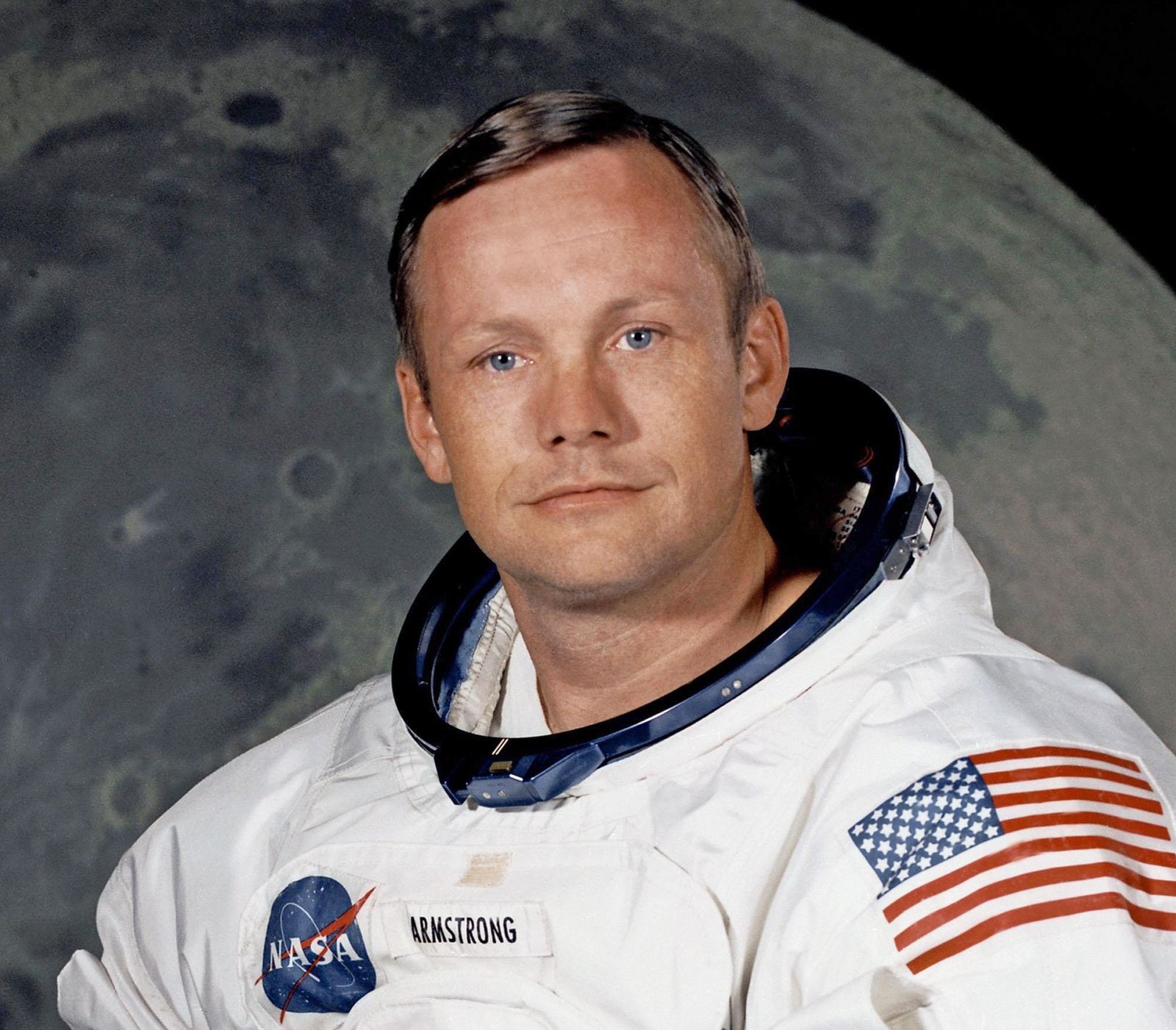
On July 20, 1969, as hundreds of millions watched on live television, American astronaut Neil Armstrong stepped onto the surface of the Moon.
His words perfectly captured the significance of the Apollo 11 mission. What began as a Cold War race between the United States and the Soviet Union ended in a unifying milestone for human exploration as a whole .
3 "The only thing we have to fear is fear itself" — Franklin D. Roosevelt (1933)
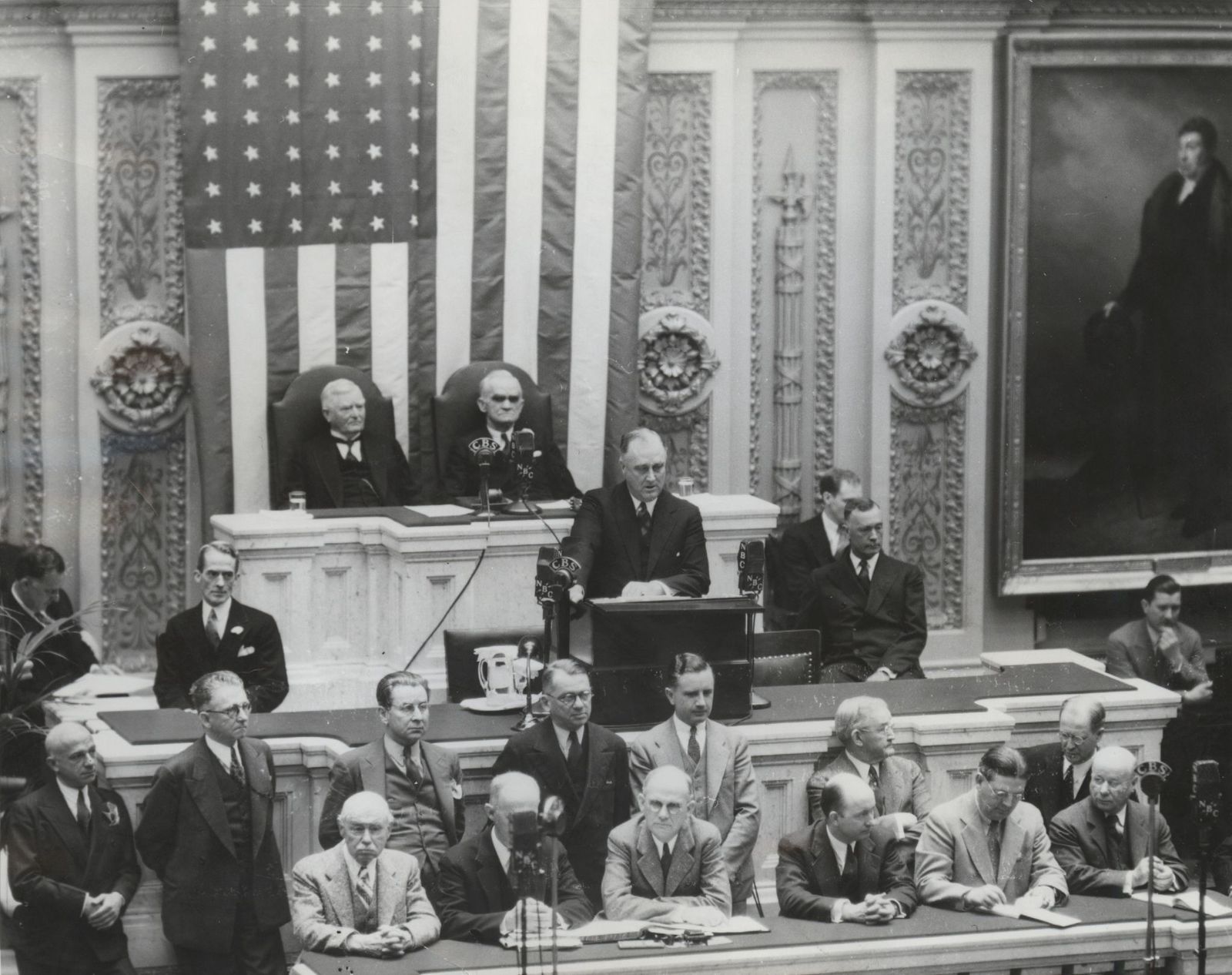
When Franklin D. Roosevelt took office as the 32nd U.S. president in March 1933, America was in the midst of the Great Depression. Banks were failing, unemployment had reached 25%, and panic dominated people.
In his inaugural address, FDR recognized that economic recovery required first overcoming the paralysis caused by that panic. By reassuring Americans that fear was a greater enemy than the crisis itself, he laid the foundation for his "New Deal" reforms and helped rebuild public trust in the government.
4 "I am the greatest!" — Cassius Clay/Muhammad Ali (1963)
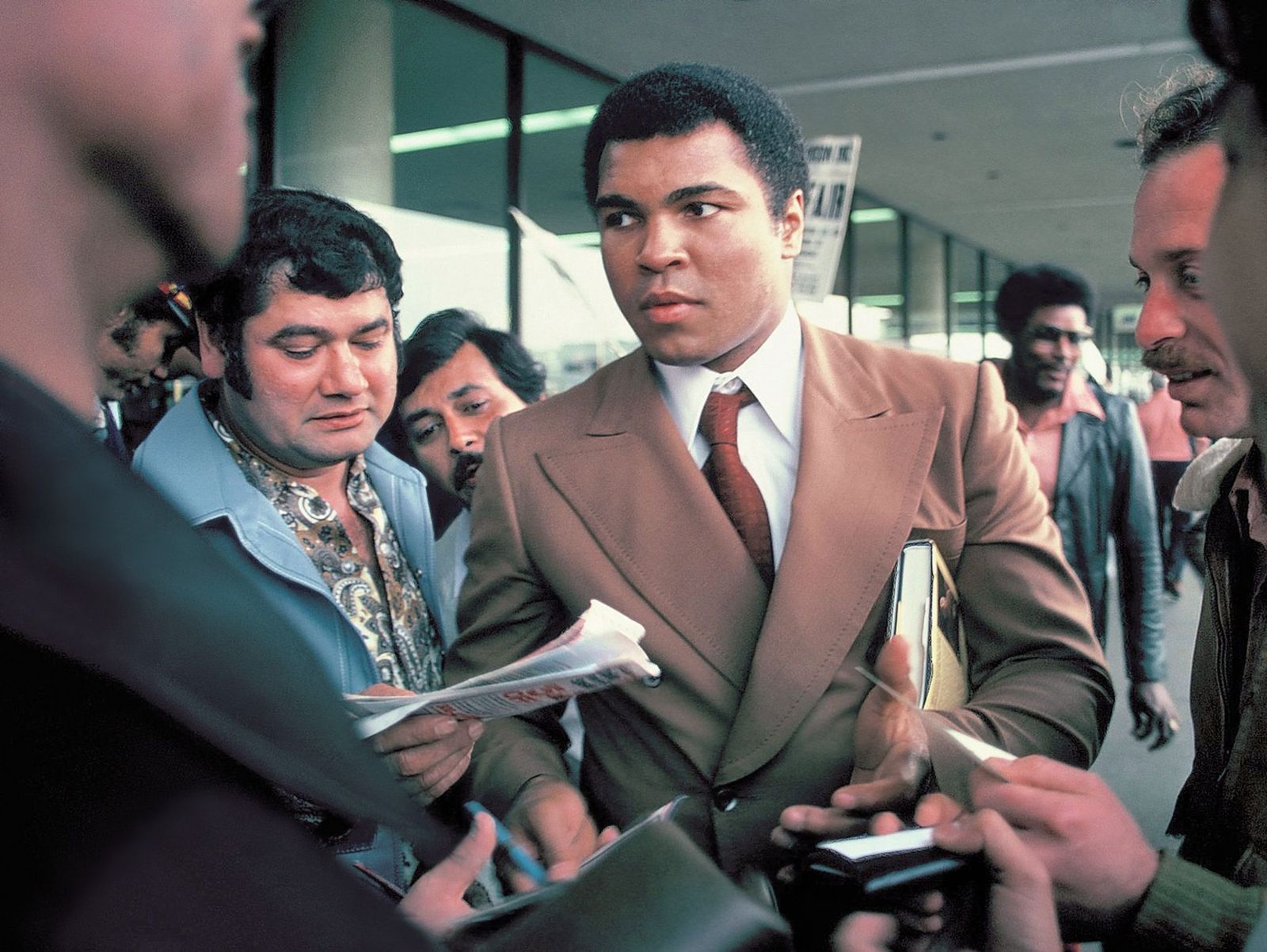
The phrase first gained popularity in August 1963, when 21-year-old Cassius Clay released a spoken album titled I Am the Greatest! . Recorded before a live studio audience, the album featured Clay reciting poetry and predictions about his boxing matches.
Clay often used the catchphrase during television appearances and press conferences to build public interest in his matches. But the quote reached its peak in 1964 following Clay’s victory over Sonny Liston to claim the world heavyweight championship. In the post-fight ring interview, Clay shouted the line repeatedly, adding "I shook up the world!".
5 "I have a dream" — Dr. Martin Luther King Jr. (1963)
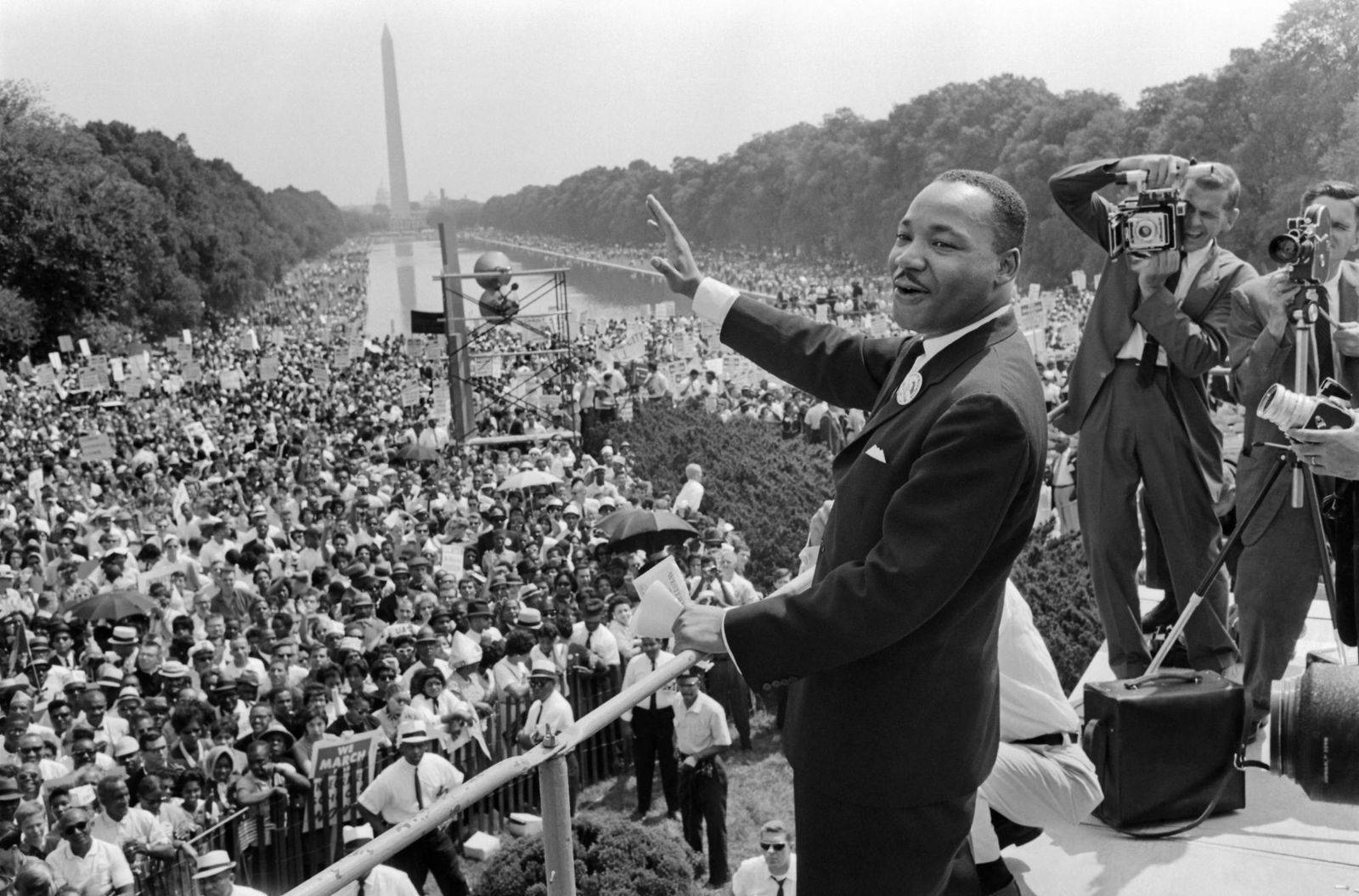
Delivered from the steps of the Lincoln Memorial on August 28, 1963, during the March on Washington, Dr. Martin Luther King Jr.’s iconic speech called for an America free from racial segregation and systemic discrimination.
Leaving his prepared notes aside, King spoke freely about a future where people would be judged "by the content of their character" rather than the color of their skin. His candid words ultimately helped pass the landmark Civil Rights Act of 1964 and the Voting Rights Act of 1965.
6 "We shall never surrender" — Winston Churchill (1940)
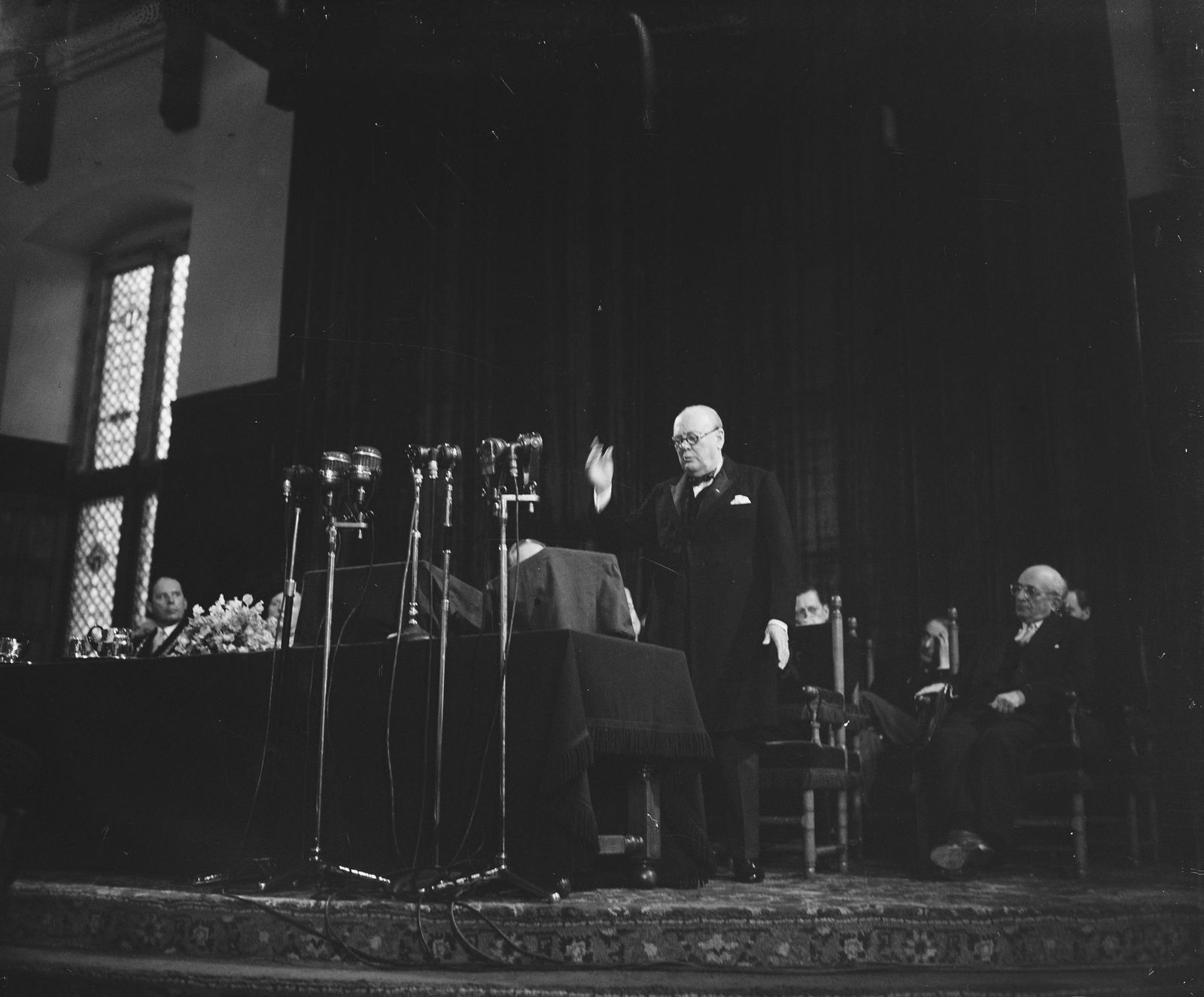
In June 1940, after the fall of France, Britain stood nearly alone against Nazi Germany. Addressing the British House of Commons, Prime Minister Winston Churchill vowed to defend the British Isles at all costs.
Churchill’s defiant speech lifted national morale during the Battle of Britain and assured the world that the United Kingdom would resist totalitarian expansion, keeping resistance alive until the Allied forces eventually joined the war.
7 "Be the change that you wish to see in the world" — Mahatma Gandhi
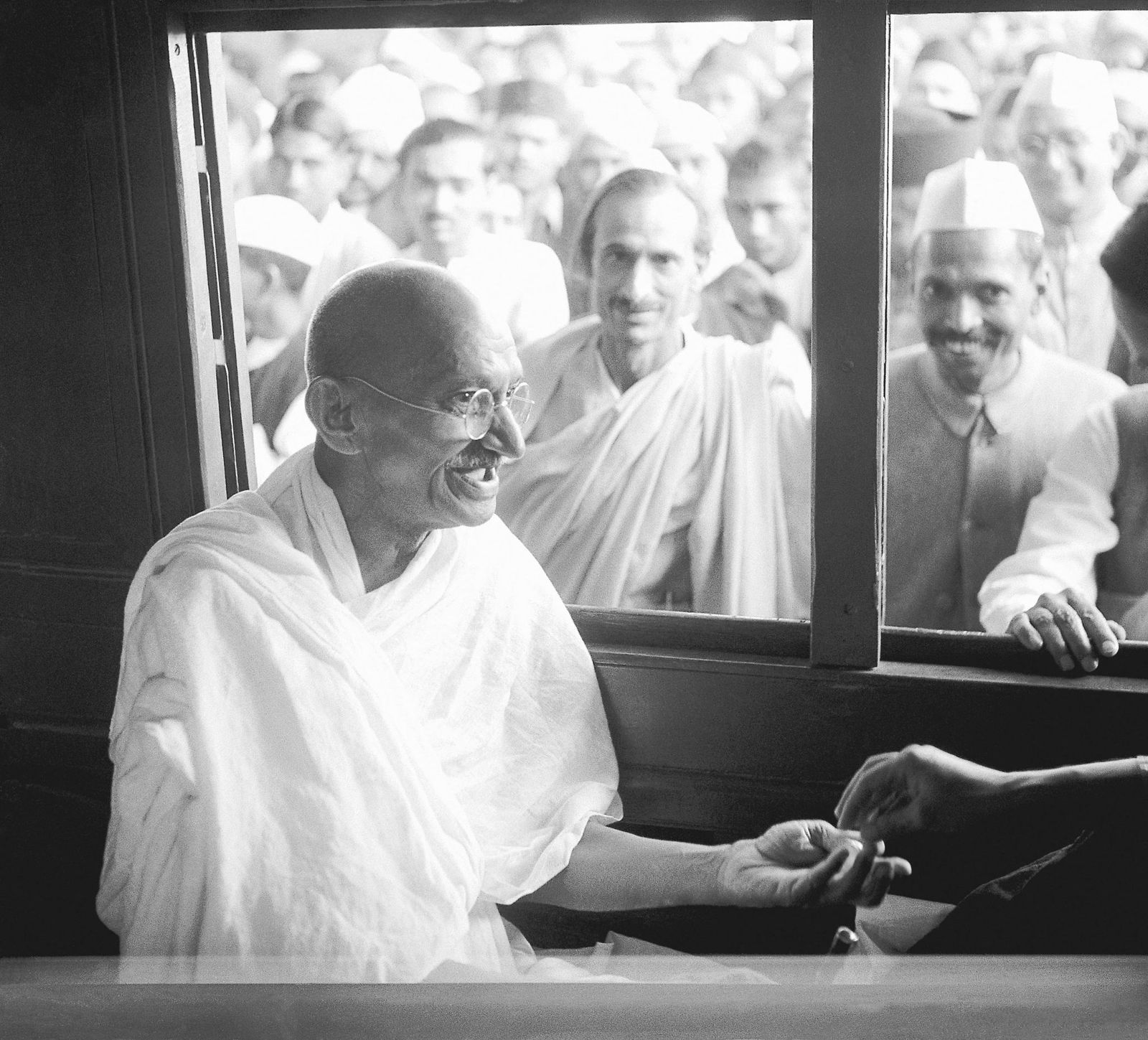
In reality, this quote has been paraphrased from Mahatma Gandhi’s broader writings on personal responsibility. Yet, this core message defined Gandhi’s nonviolent resistance movement against British colonial rule in India.
Over the years, he established that political reform starts with individual action. His philosophy of nonviolent protest not only liberated India in 1947 but also inspired civil rights leaders and anti-apartheid activists worldwide throughout the rest of the century.
8 "I have become death, the destroyer of worlds" — J. Robert Oppenheimer (1945)
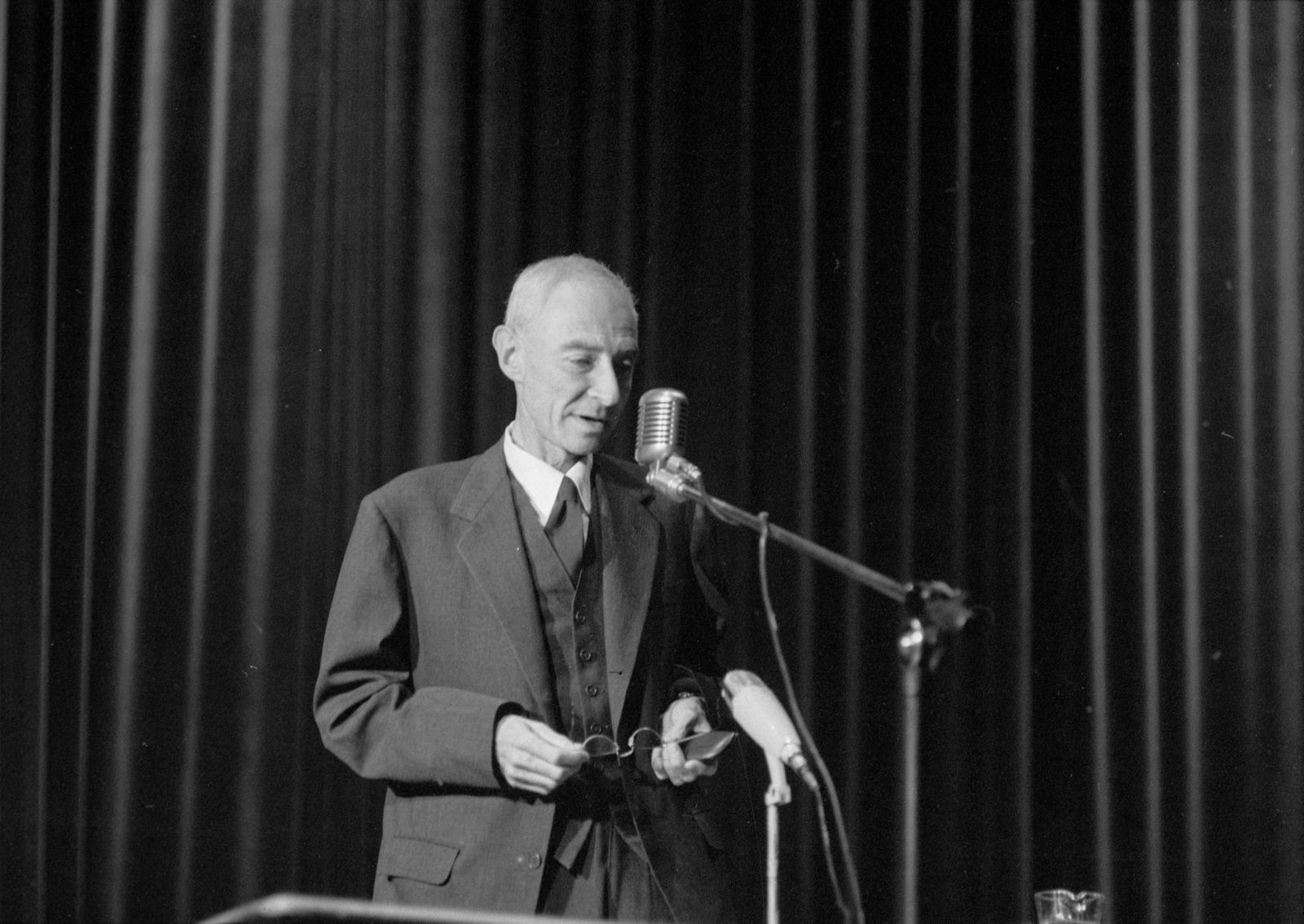
On July 16, 1945, theoretical physicist J. Robert Oppenheimer witnessed the Trinity test (the world’s first nuclear explosion) in the New Mexico desert. As a blinding flash illuminated the sky, Oppenheimer recalled a line from the Hindu scripture, the Bhagavad Gita : "If the radiance of a thousand suns were to burst at once into the sky, that would be like the splendor of the mighty one ... Now I am become Death, the shatterer of worlds."
The quote captured the moral weight and terror of the Atomic Age. Weeks later, atomic bombs dropped on Hiroshima and Nagasaki ended World War II and plunged the world into an unstable nuclear standoff that defined the Cold War.
9 "Mr Gorbachev, tear down this wall!" — Ronald Reagan (1987)
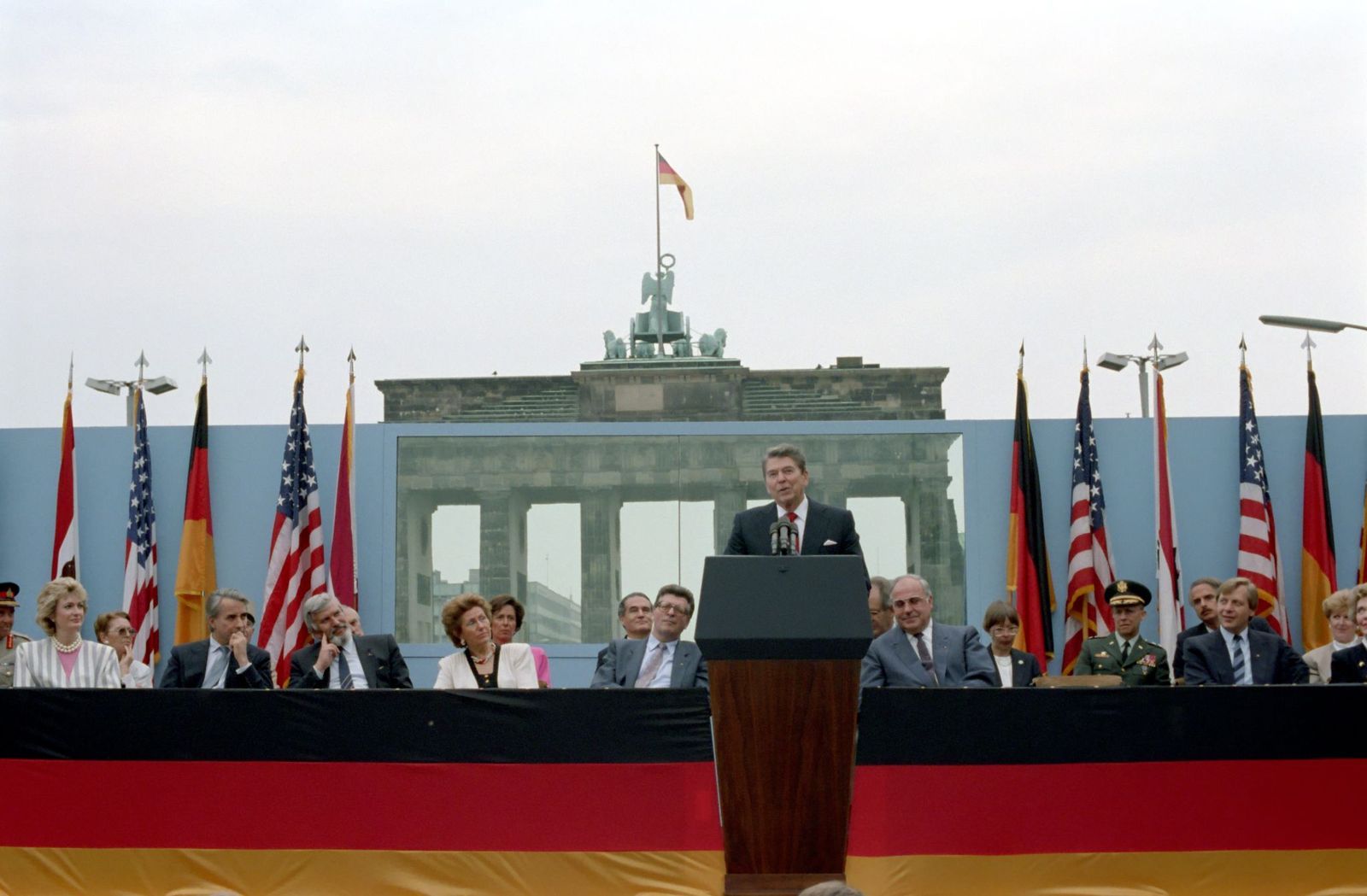
Speaking in West Berlin near the Brandenburg Gate, U.S. President Ronald Reagan challenged Soviet leader Mikhail Gorbachev to dismantle the Berlin Wall, the most visible symbol of the Iron Curtain dividing West Europe from communist East Europe.
Although U.S. diplomats feared the line was too aggressive, Reagan insisted on keeping it. Just two years later, in November 1989, the Berlin Wall fell, and the Soviet Union dissolved shortly thereafter.
10 "The banality of evil" — Hannah Arendt (1963)
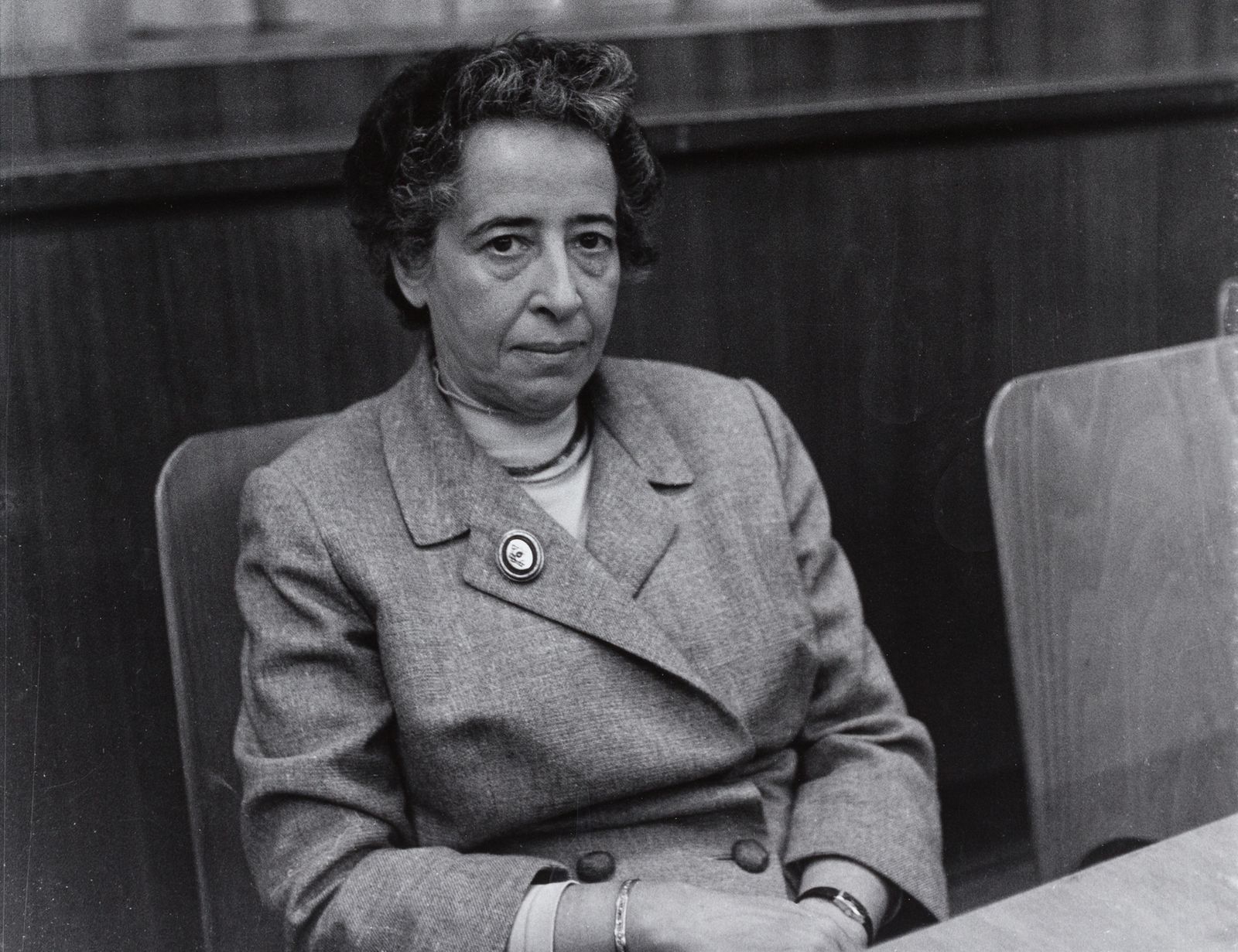
Reporting on the trial of Nazi war criminal Adolf Eichmann in Jerusalem for The New Yorker , German-American political philosopher Hannah Arendt introduced the concept of "the banality of evil" for the first time.
Arendt observed that Eichmann was not a sadistic monster, but an ordinary bureaucrat who simply followed orders without moral reflection. Her insight changed how historians, philosophers, and lawyers understand systemic barbarities, showing that horrific crimes can also be committed by everyday people operating inside authoritarian systems.