The power of the mind
Amazing facts about the brain and the mind
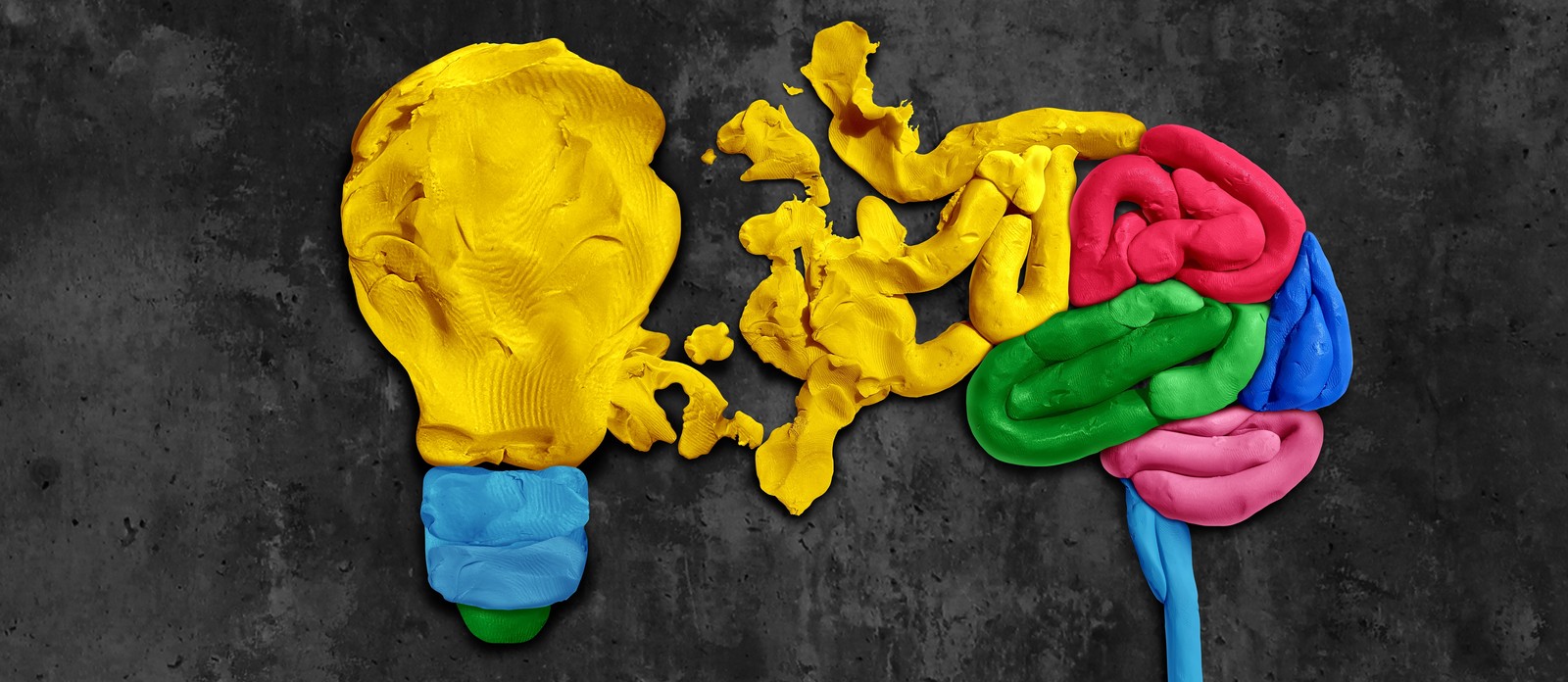
Brains are astonishing: they make up just 2% of our body weight, yet they are powerful enough to guide and shape our perception of everything around us. They can make people remember pain in limbs that have been amputated, or they can adapt so that we stop feeling pain altogether. They can change their shape to form new skills and store memories far longer than we imagine. Here are 10 lesser-known abilities the brain has and how they save our lives every day.
1 Placebo effect

The placebo effect is one of medicine's strangest truths. A treatment with no active ingredient, whether a sugar pill or a sham procedure, can still leave patients reporting real improvement, simply because they expect it to work. The word is Latin for "I shall please," and by the late 18th century doctors were using it for remedies given more to comfort patients than to cure them.
Tests have been run since 1799 to understand this phenomenon, all based on tricking patients into believing they had received certain procedures or medicines that should not have solved any ailments. Yet, strangely, again and again patients reported their symptoms disappearing after taking placebo pills or being subjected to superficial fake surgeries.
2 Phantom limb sensation

A phantom limb is the vivid sensation that an amputated arm or leg is still there. Amputees may feel the missing limb move, itch, or grip, and for many it hurts. Studies have put rates of phantom pain as high as 85% among amputees several years after surgery.
For about 500 years, doctors have puzzled over it. As early as1552, a French military surgeon wrote about soldiers who complained of pain in limbs that had already been cut off. The term was coined by Dr. Silas Weir Mitchell during the American Civil War, who wrote that nearly every amputee carries "a sensory ghost of that much of himself." Today neuroscientists believe the brain keeps a map of the body even after part of it is gone.
3 Savant syndrome

Savant syndrome is a rare condition in which a person shows an extraordinary, isolated skill in music, art, mathematics, or memory. For example, in 1789, Benjamin Rush, known as the father of American psychiatry, described a man who understood little math, but when asked how many seconds a man had lived at 70 years, 17 days, and 12 hours old, he promptly answered the correct sum: 2,210,500,800.
About half of known savants have autism, and the 1988 film Rain Man explored this condition. The rarest form is "acquired savant syndrome", which appears after a brain injury or illness in someone who showed no such gift before. In 1994, a New York orthopedic surgeon was struck by lightning; weeks later, he developed an intense craving for piano music, taught himself to play, and began composing. Why injury sometimes unlocks a talent instead of destroying one remains unexplained.
4 Déjà vu

Déjà vu, French for "already seen," is the eerie sense of having lived through a moment before while knowing that's impossible. The French philosopher Émile Boirac named it in 1876. Surveys suggest that about two-thirds of people have experienced it, though, strangely, people report it less often as they age.
Scientists now classify it as a memory illusion: a strong feeling of familiarity with no real memory behind it. Important clues came from people with temporal lobe epilepsy, who can feel intense déjà vu just before a seizure, which points to memory regions deep in the temporal lobe. In rare cases, the feeling never switches off.
5 Consciousness is still a mystery of neuroscience

Consciousness is the experience of being a self with both external and internal stimuli. Science still cannot explain how physical brain activity produces inner experience. We can map which parts of the brain activate when a person sees a color, but still can’t explain why that activity is felt from the inside; this puzzle is known as "the hard problem."
Two leading theories try to solve it. One camp suggests consciousness may be a basic feature of matter itself. Another argues that our sense of a rich inner life is partly a construction of the brain.
6 Neuroplasticity, the brain shapeshifting
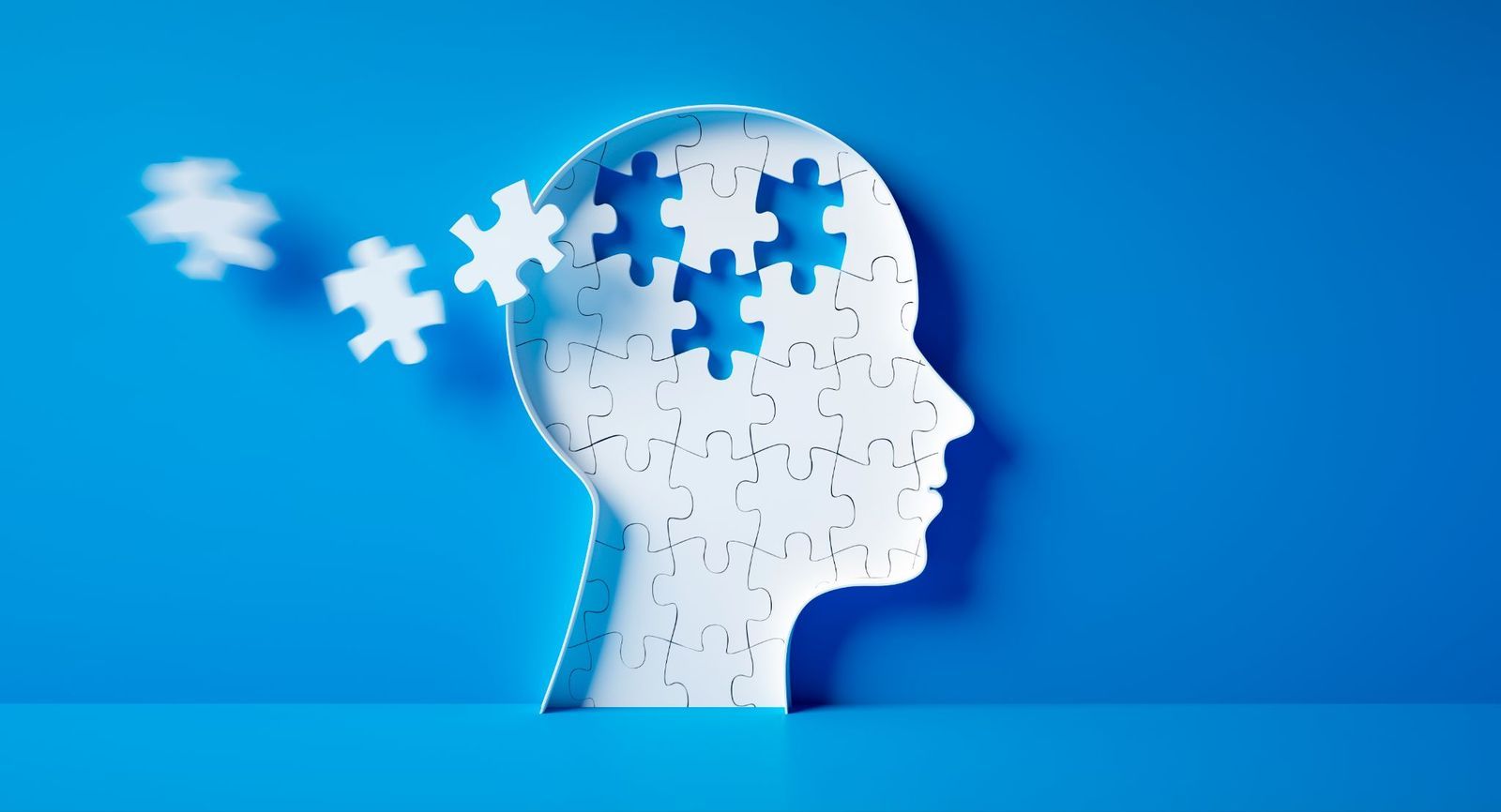
Neuroplasticity is the brain's ability to rewire itself, forming new connections and reorganizing its networks in response to experience or injury. The American psychologist William James suggested as early as 1890 that habits reshape the nervous system. Even so, until around the 1970s most neuroscientists believed the adult brain was essentially fixed.
Oddly, it was London's taxi drivers who helped prove otherwise. To earn a license, cabbies must master "the Knowledge": some 25,000 streets and thousands of landmarks. University College London research scanned these trainees over several years and found that those who qualified had grown the back of the hippocampus, a region vital for navigation.
7 The Mandela Effect

The Mandela Effect occurs when large numbers of people remember the same fake detail in the same wrong way. Scientists have known for decades that memory is far less reliable than it feels, but how fake memories emerge organically in several individuals is less researched.
The shared, public version of this phenomenon got its name around 2010, when a researcher discovered that many people besides her remembered Nelson Mandela dying in prison in the 1980s. In fact, he had been released in 1990, became South Africa's president in 1994, and later died in 2013.
Other examples are everywhere. For example, the Monopoly mascot has never worn a monocle, though most people would assure you he did; and Darth Vader's actual line is "No, I am your father," instead of the endlessly quoted "Luke, I am your father."
8 Optical illusions
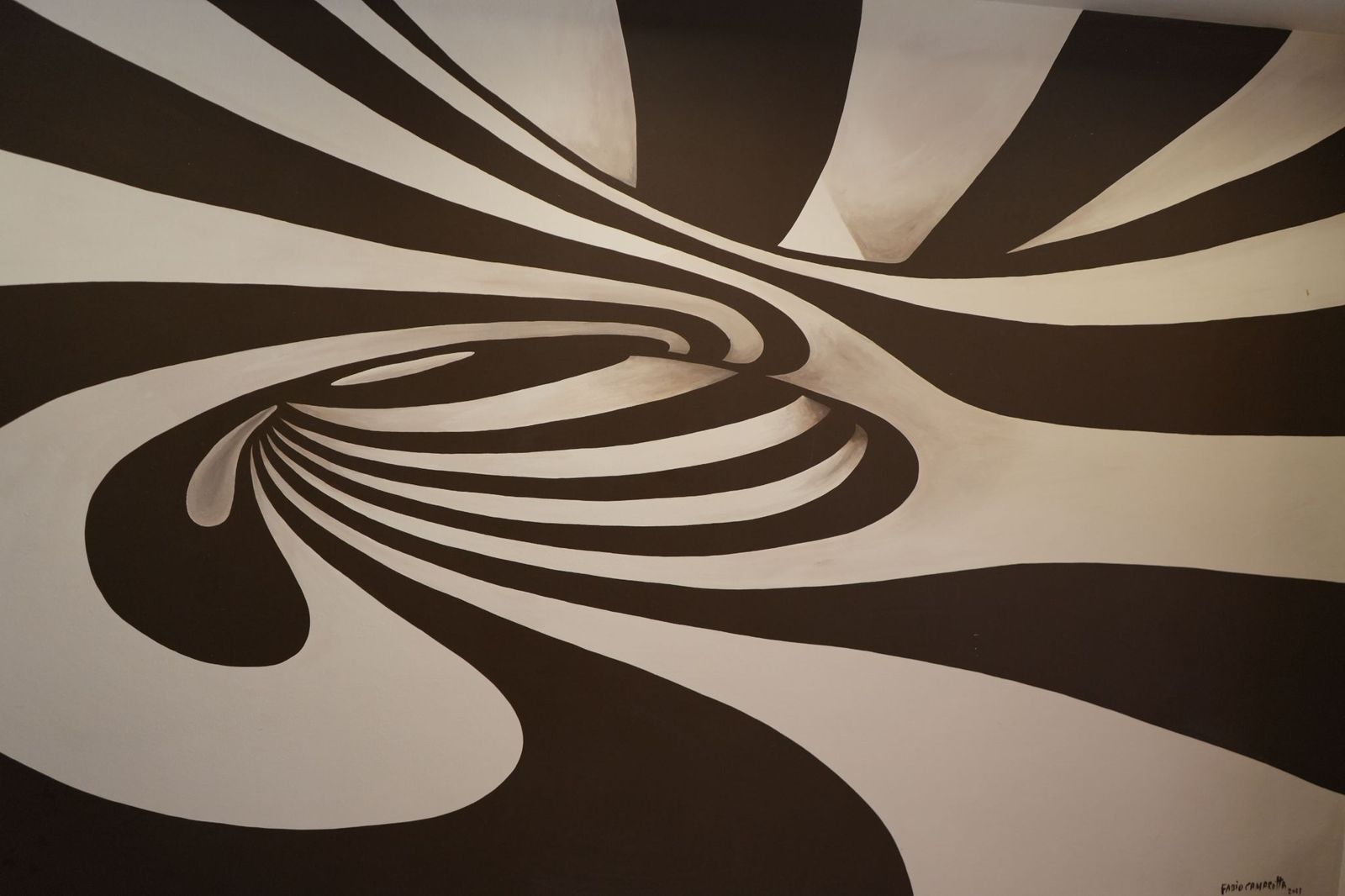
An optical illusion reveals a gap between what the eyes take in and what the brain reports. The brain has to make fast, educated guesses based on context and experience, and illusions expose those guesses.
In 2015, a photo of a blue-and-black dress split the internet. A Wellesley College survey of about 1,400 people found that 57% saw it as blue and black and 30% as white and gold. The difference came down to what lighting each viewer's brain unconsciously assumed.
9 The default mode network
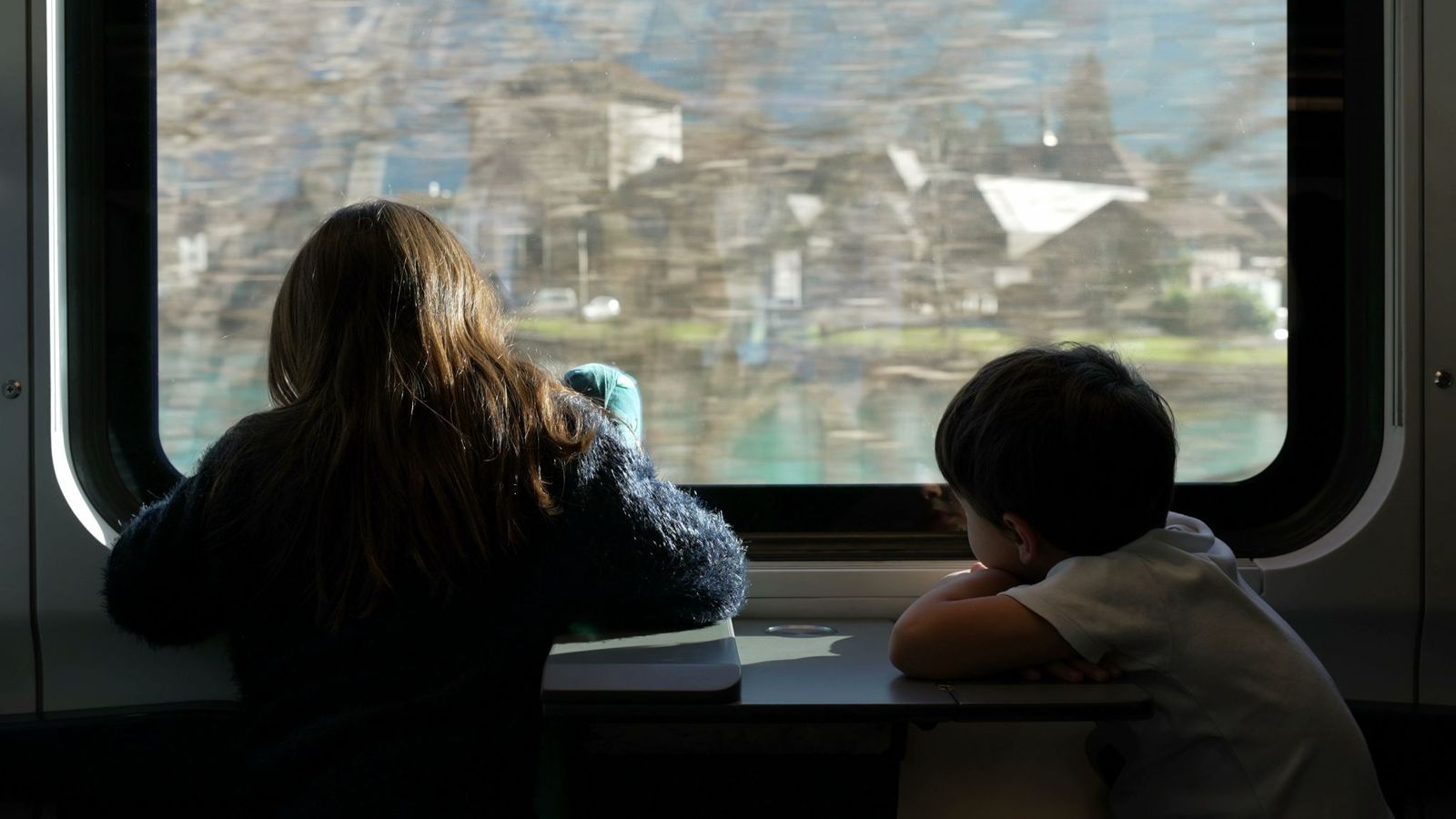
The default mode network is a set of brain regions that becomes more active when a person stops focusing on the outside world. It is the machinery behind daydreaming, remembering, planning, and thinking about oneself and others.
For decades, scientists treated the resting brain as idle, until researchers noticed that certain regions lit up when volunteers in brain scanners stopped doing a task. In 2001, a team at Washington University in St. Louis formally described the network. They showed that the brain makes up about 2% of body weight but uses about 20% of the body's energy, and focused tasks add surprisingly little to that bill.
10 What the brain does during sleep

People spend roughly a third of their lives asleep. For most of history, that time was assumed to be the brain switching off. But the truth is that the sleeping brain is intensely active.
During the night, it cycles through distinct stages, from deep, slow-wave sleep to rapid eye movement (REM) sleep, the phase most closely tied to vivid dreaming. Adults spend about 20% of their sleep in REM, and babies about half. There’s also a reason why sleepers don't act out their dreams: during REM, the brainstem paralyzes the body's voluntary muscles.
Sleep is also when the brain reviews what it has learned. In 1994, neuroscientists showed that neurons that fired together while rats explored their surroundings fired together again while the animals slept. These replays can run about 20 times faster than the original experience.