Common jobs, crazy origins
These are common jobs now, but the origins are not that common

Barbers once handled amputations. Telephone operators were rowdy teenage boys who hung up on callers for fun. And remember the flight attendant who handed you a ginger ale on your last trip? Her job began with a nurse’s cap, a pilot’s rejection, and a rule that she had to be single. The jobs of secretaries, nurses, and programmers have switched more than once. Even firefighters once let buildings burn while waiting to see if the owners had the right insurance. These familiar jobs have some astonishing stories behind them. Discover how they began, why they changed, and which old practices would seem unthinkable today.
1 Firefighters

When a fire breaks out today, firefighters race to the scene without first checking the homeowner’s insurance policy. That was not always the case.
In ancient Rome, the wealthy Marcus Licinius Crassus, a military commander and statesman, reportedly organized a private firefighting force whose services depended on negotiations with property owners. If they couldn’t reach a deal, the crew left the building to burn. It wasn’t until centuries later, with London’s Great Fire of 1666, that the problems of relying on private arrangements were exposed. Insurance companies formed their own brigades, and identifying marks helped crews determine which properties were covered. A house could be left waiting if its insurance badge did not match the brigade. Edinburgh established a pioneering municipal fire brigade in 1824 under James Braidwood, a firefighter who later helped reform London’s service. Firefighting had moved from private bargains toward a coordinated public service, a major change in how communities protected lives and property.
2 Barbers

Barbers have operated since the Middle Ages. However, in medieval Europe, barbers did far more than trim hair and beards. They also pulled teeth, treated wounds, and performed bloodletting, a common practice based on the belief that removing blood could restore health.
Since barbers already handled sharp razors, they were convenient providers of these procedures. In England, King Henry VIII brought barbers and surgeons together under one organization in 1540, creating the Company of Barber-Surgeons. The arrangement did not last forever: surgeons eventually sought recognition as a separate profession, and Parliament split the two groups in 1745. The familiar red-and-white barber pole is often linked to this medical past, with colors said to represent blood and bandages, although its precise origin is debated.
3 Flight attendants

Aviation started as a field that was exclusively reserved for men; even passenger care often fell to male couriers or flight crew. But that changed on May 15, 1930, when Ellen Church, a registered nurse and aspiring pilot from Iowa , began flying for Boeing Air Transport, the predecessor of United Airlines.
Unable to get hired as a pilot, but determined to get on a plane, Church persuaded the company to employ nurses as attendants, arguing that their medical training would reassure nervous passengers. Not only was she accepted, but she also recruited seven other nurses for the experiment, beginning once and for all the women’s era in passenger care. Under the name of stewardesses, they helped passengers with luggage, served refreshments, and dealt with airsickness, all while working in demanding conditions. During World War II, many nurses left to serve in the military, and airlines began hiring women without nursing qualifications. It wasn’t until the late 1960s that male flight attendants returned in greater numbers. Today, the workers are called flight attendants, and it’s a position open to all.
4 Soccer referees

If you’ve ever watched a soccer match turn into an argument over a foul, imagine how things worked before referees even existed. Early football matches relied on team captains to settle disputes.
As the sport grew more competitive, each side appointed an umpire, but these officials were associated with the teams themselves; they weren’t neutral. A neutral referee emerged to resolve disagreements the umpires could not settle. In 1891, the rules changed significantly, giving the referee final decision-making authority on the field and the power to send off players for serious or repeated misconduct. The two umpires evolved into assistant referees, helping judge play from the sidelines. Yet one familiar feature was still missing: colored cards. At the 1970 World Cup in Mexico, referees introduced yellow and red cards, inspired by traffic lights, to make cautions and dismissals easier for players and spectators to understand.
5 Telephone operators
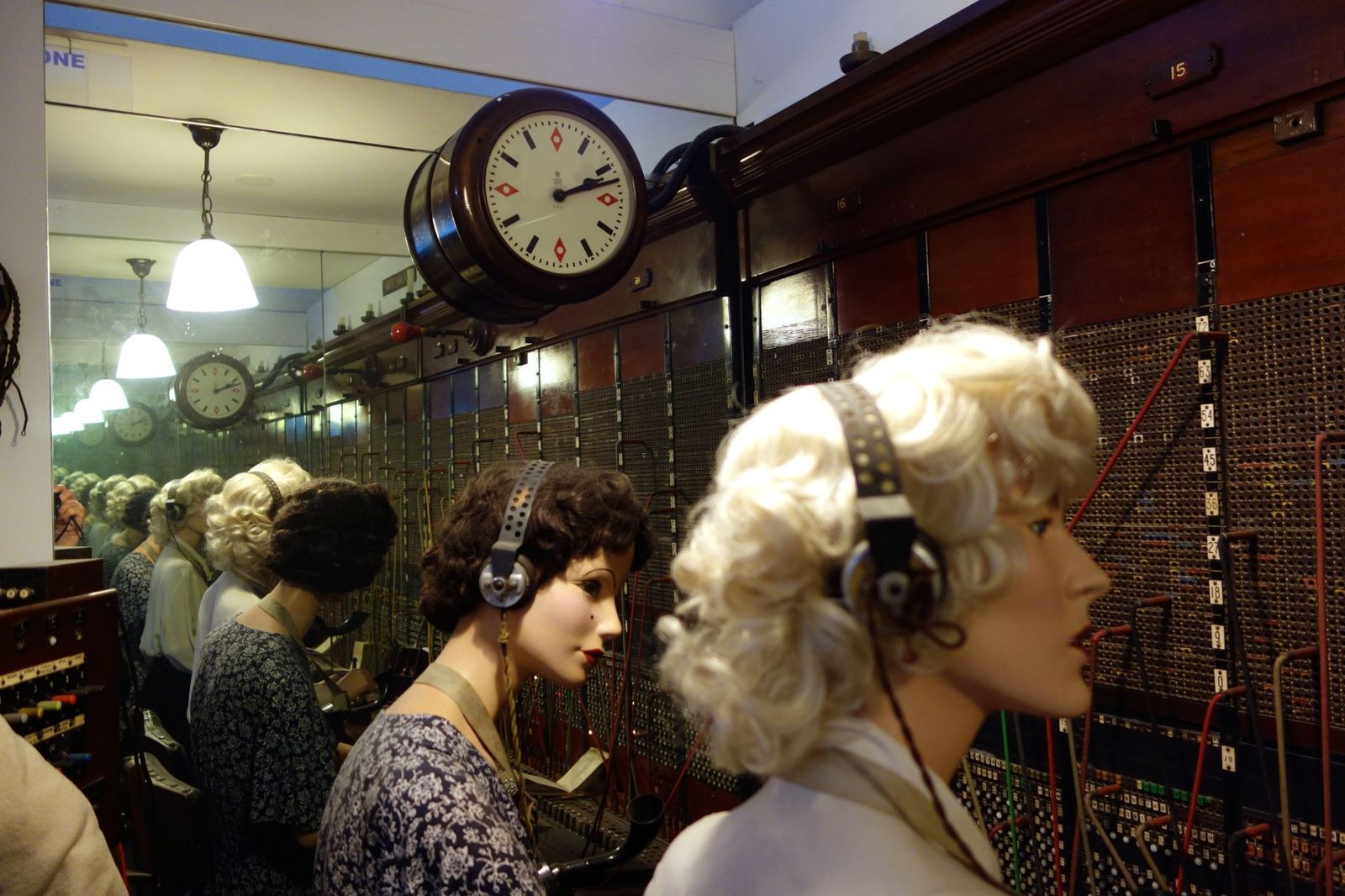
As communication services first appeared in the 1870s, telephone connections depended on people working switchboards. In the early days, operators manually connected callers by plugging wires into the correct sockets.
Surprisingly, the first operators in many American exchanges were teenage boys. Telephone companies expected them to be quick, energetic, and inexpensive to employ. The experiment went badly. Some boys played pranks, disconnected callers, and behaved rudely, making customer service a headache. On September 1, 1878, Emma Nutt became the first female telephone operator for the Edwin Holmes Telephone Dispatch Company in Boston. Alexander Graham Bell’s telephone business soon followed the trend, and women became the industry’s preferred workforce because they were considered more polite and patient, although low wages and restrictive hiring practices also played a part.
6 Nurses

When you think of nursing, Florence Nightingale may come to mind. Yet nursing was not always considered a woman’s profession. In ancient and medieval societies, men served as caregivers in military hospitals, religious communities, and institutions for the sick.
Florence Nightingale, however, is the reference in modern nursing. She arrived at the military hospital in Scutari, near present-day Istanbul, on November 4, 1854, during the Crimean War. She and her team improved sanitation, organized supplies, and cared for wounded soldiers, helping transform nursing services altogether. Her work helped establish professional training and made nursing a more respected career for women. Meanwhile, men faced barriers entering the field, including restrictions in some nursing schools and military services. Those barriers gradually weakened during the 20th century. Today, men remain a minority of registered nurses, but nursing is open to anyone with professional qualifications.
7 Secretaries

The word "secretary" sounds like a modern office title, but its roots go back centuries. It comes from the Latin secretum , meaning "secret," referring to people who handled confidential letters, records, and instructions.
For much of history, educated men held these positions, often working for rulers, religious institutions, or wealthy employers. In the U.S., the Civil War helped change that pattern. With many men away fighting, government offices and businesses needed additional workers, and women increasingly filled the vacancies. The typewriter accelerated the shift later in the 19th century, creating demand for typists and stenographers. By 1890, women made up most American stenographers and typists, according to historical research published by Smithsonian educational resources. During the 1960s and 1970s, changing workplace expectations encouraged more women to seek management and professional careers. The title "administrative assistant" gradually gained popularity, reflecting a broader range of responsibilities than typing and taking dictation.
8 Lawyers
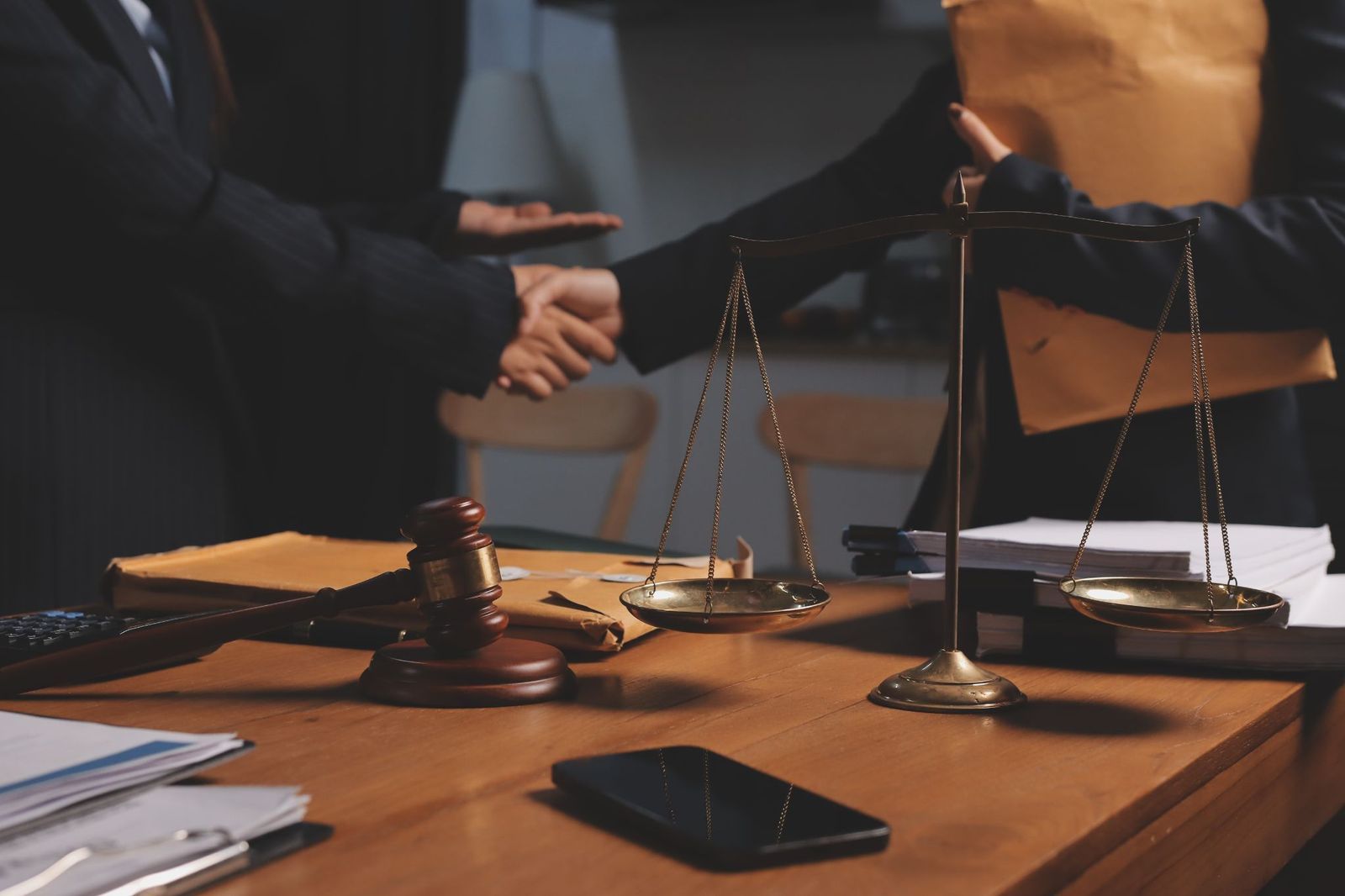
Lawyers seem to be everywhere these days, and that’s been the case for a long time. The profession’s origins go back thousands of years. Ancient Greece had skilled speakers who helped people present arguments, although citizens were generally expected to represent themselves in court.
In Rome, advocates also helped clients navigate legal disputes, and rules governing payment gradually developed into a more formal system of legal fees. Much later, medieval Europe saw renewed interest in Roman law, particularly at the University of Bologna, where the study of law became an important academic pursuit during the 12th century. England developed a different tradition through the Inns of Court in London, institutions that trained lawyers to appear before the royal courts. The American legal system inherited much from English common law but also developed its own framework, including a written Constitution. This profession grew from centuries of evolving rules about who could speak for whom, and how justice should be administered.
9 Police officers

Imagine a town where calling the police was not an option because there was no permanent police department. For much of history, communities had to organize their own protection.
In Boston, for example, residents established a night watch in 1631, with watchmen patrolling to guard against criminals, wild animals, and fires. Similar systems existed elsewhere, including England’s old practice of raising a "hue and cry" when someone witnessed a crime. Neighbors were expected to join the pursuit, and refusing to help could bring consequences. The arrangement depended heavily on local cooperation and offered limited help when a crime had no witnesses. As cities grew, informal watches struggled to keep order. Boston established a small professional police force in the 1830s, and in 1854 it replaced its older watch organizations with the Boston Police Department, initially comprising 250 officers. Modern policing developed gradually, with paid officers, defined patrol areas, and organized departments replacing much of the responsibility once placed on ordinary citizens.
10 Computer programming

The story of programming began long before laptops and computer screens, and women played a central role. Especially one key figure: Ada Lovelace.
Ada, daughter of the poet Lord Byron, worked with inventor Charles Babbage in the 1840s on his proposed Analytical Engine. Her published notes included an algorithm intended for the machine, earning her recognition as a pioneer of computer programming, even though the machine was never completed. A century later, six women programmed ENIAC, an early electronic computer developed at the University of Pennsylvania during World War II. They had to learn an unfamiliar machine without the manuals programmers rely on today. Women continued to play major roles in software through the 1950s and 1960s, when Cosmopolitan magazine even declared programming as one of the best opportunities for women to develop a career. As computing gained prestige and hiring practices changed, men increasingly dominated the profession, but the modern image of programming as a male field didn’t start that way.