Spots to avoid
Earth's most extreme places, from Snake Island to the Boiling River
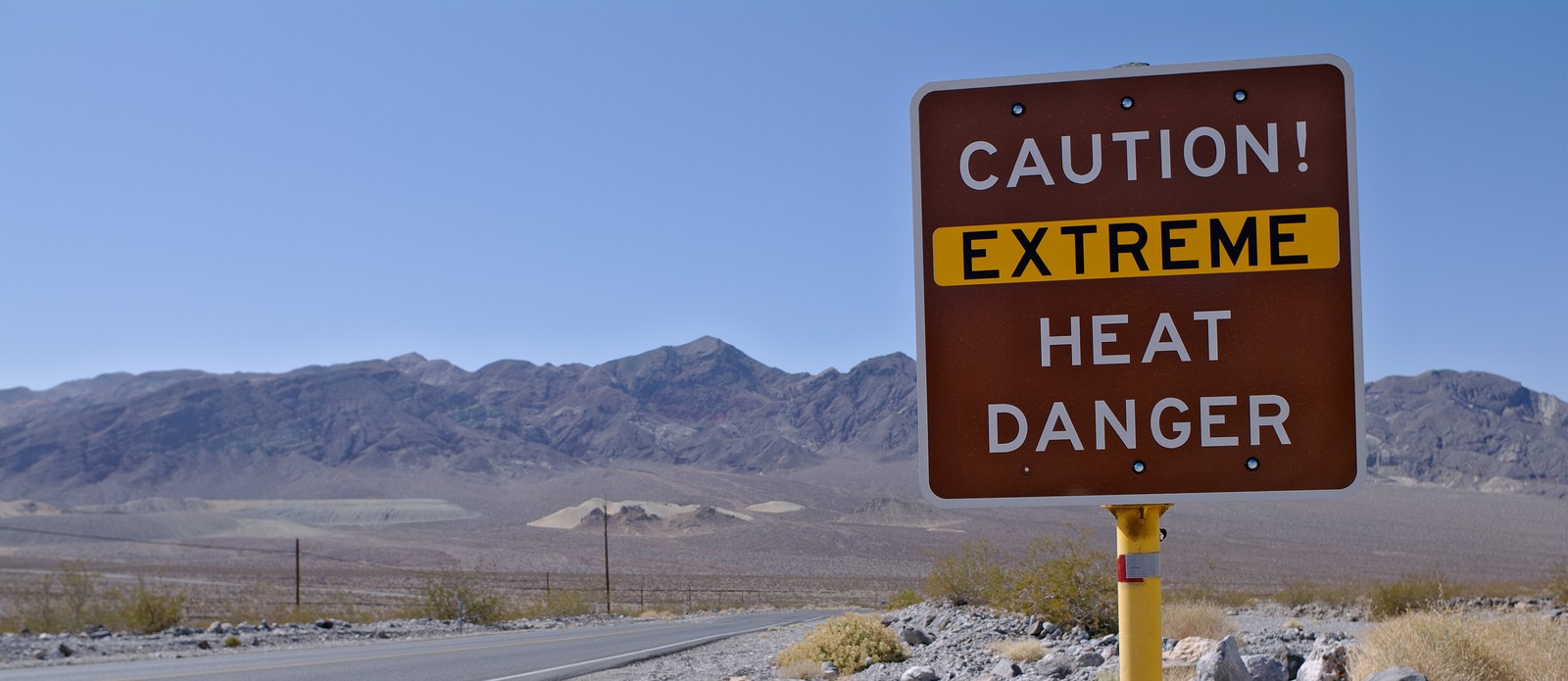
Most people don’t need to be told to stay away from Snake Island, home to thousands of venomous vipers. But that instinct doesn’t hold near Death Valley, which needs to be dotted with signs warning passersby of its deadly temperatures, or near the Chernobyl Exclusion Zone, which some people still dream of visiting despite its radiation levels. Most of the spots in this list are desolate and uninhabited, and for good reason. Read on to learn about them.
1 Death Valley and its extreme heat
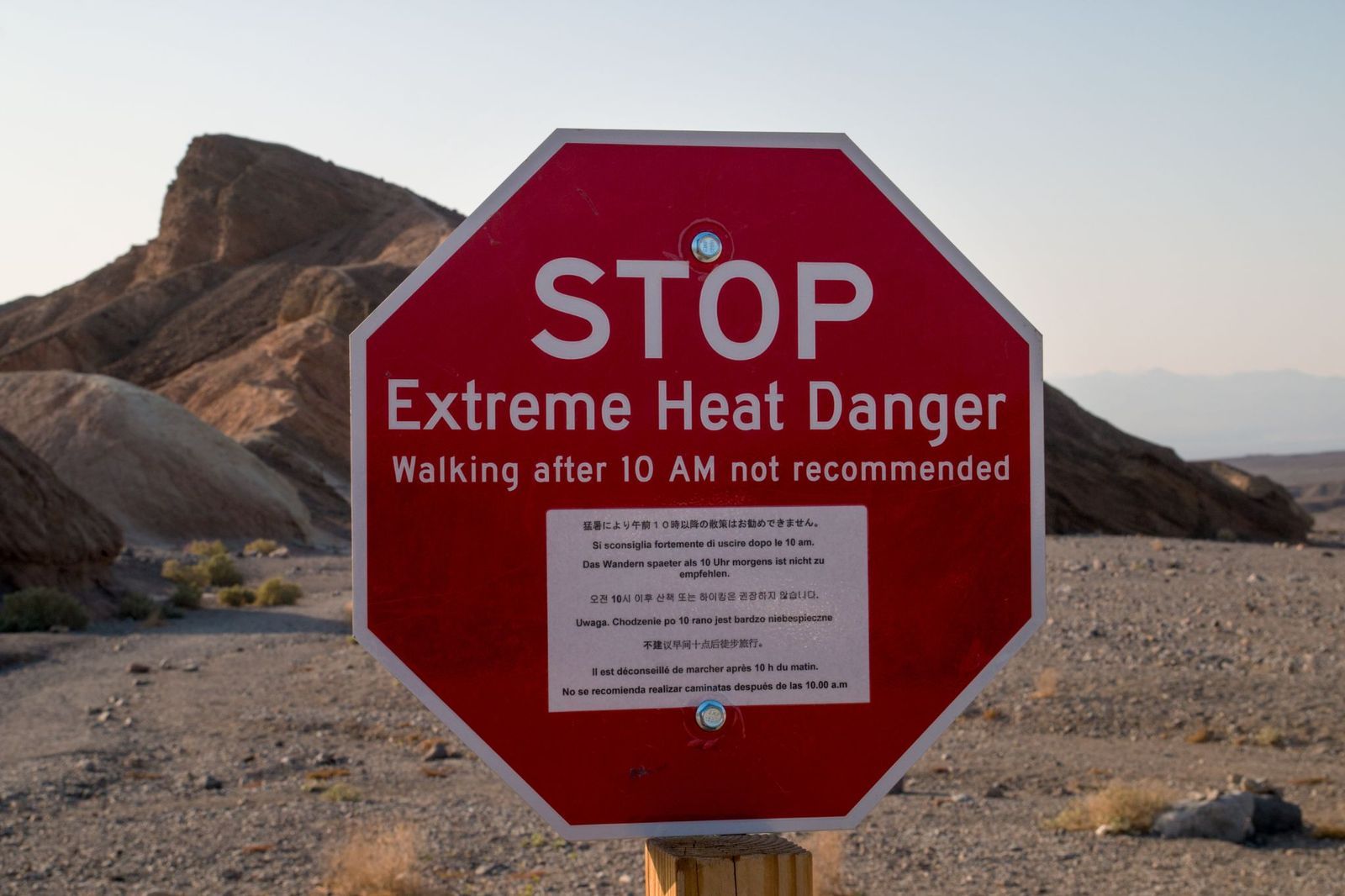
For more than a century, Death Valley has held the title of hottest place on Earth: 134°F (56.7°C), recorded at Greenland Ranch in the summer of 1913.
Even without that number, Death Valley remains legitimately brutal: in July 2021, its official station hit 130°F, the hottest measured temperature anywhere on the planet in over a hundred years. The valley's heat comes from a rare combination of low elevation, bone-dry air, and mountains that trap the sun's heat like a furnace lid.
2 McMurdo Dry Valleys in Antarctica, with weather similar to Mars
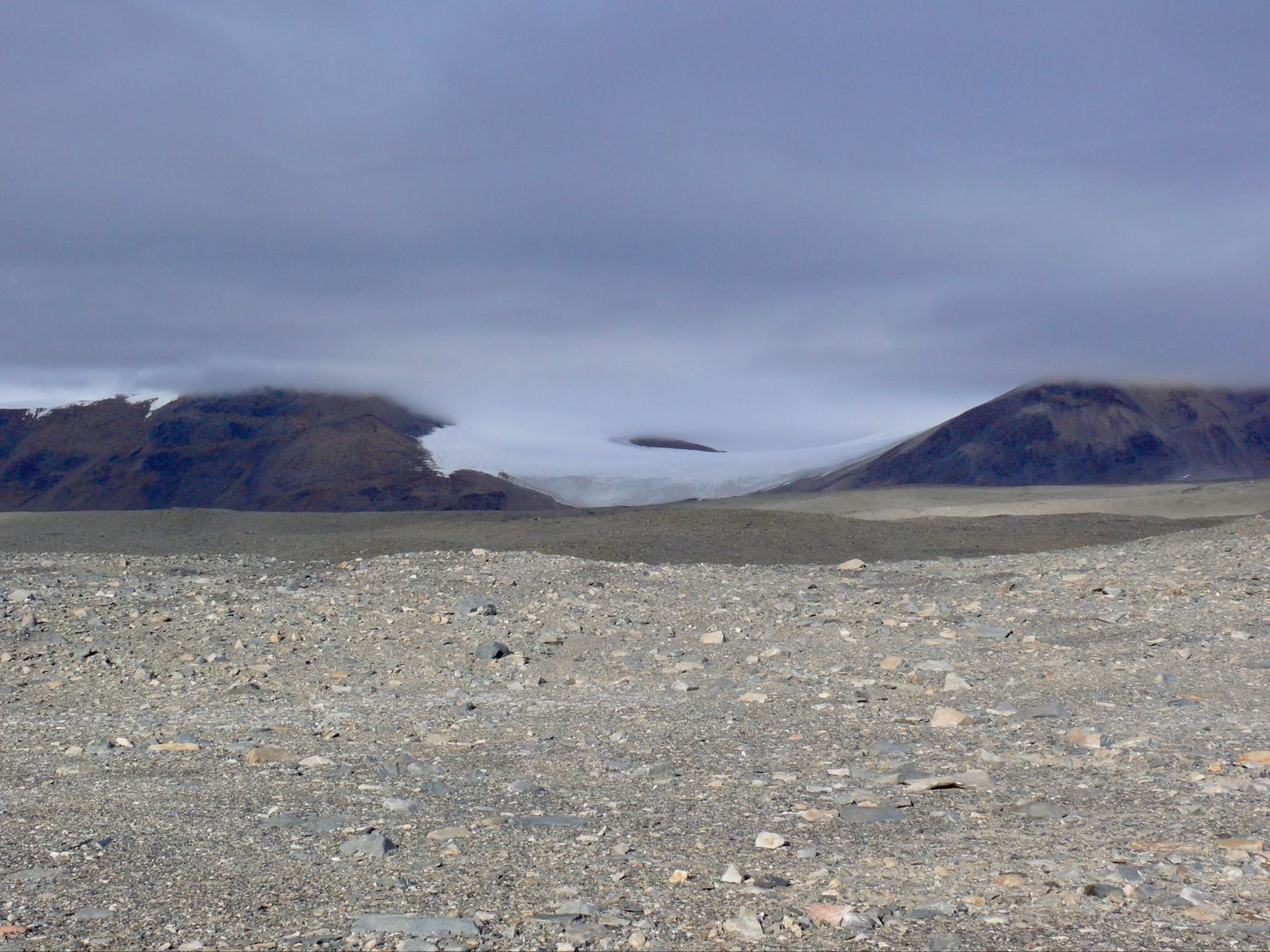
The McMurdo Dry Valley in Antarctica, a 1,800 square-mile stretch of bare rock and frozen soil in Victoria Land, hasn't seen meaningful rain or snow in roughly two million years. This makes it the driest place on the continent that holds most of Earth's fresh water.
The Transantarctic Mountains block moisture from the sea, while relentless winds of cold air expell whatever little accumulates. The valleys are so alien that NASA studies them as the closest stand-in on Earth for the surface of Mars. Their strangest feature is the Blood Falls, a crimson waterfall bleeding out of the Taylor Glacier, colored by iron-rich water trapped since an ancient sea flooded the region roughly five million years ago.
3 The Boiling River in Peru, the Shanay-timpishka
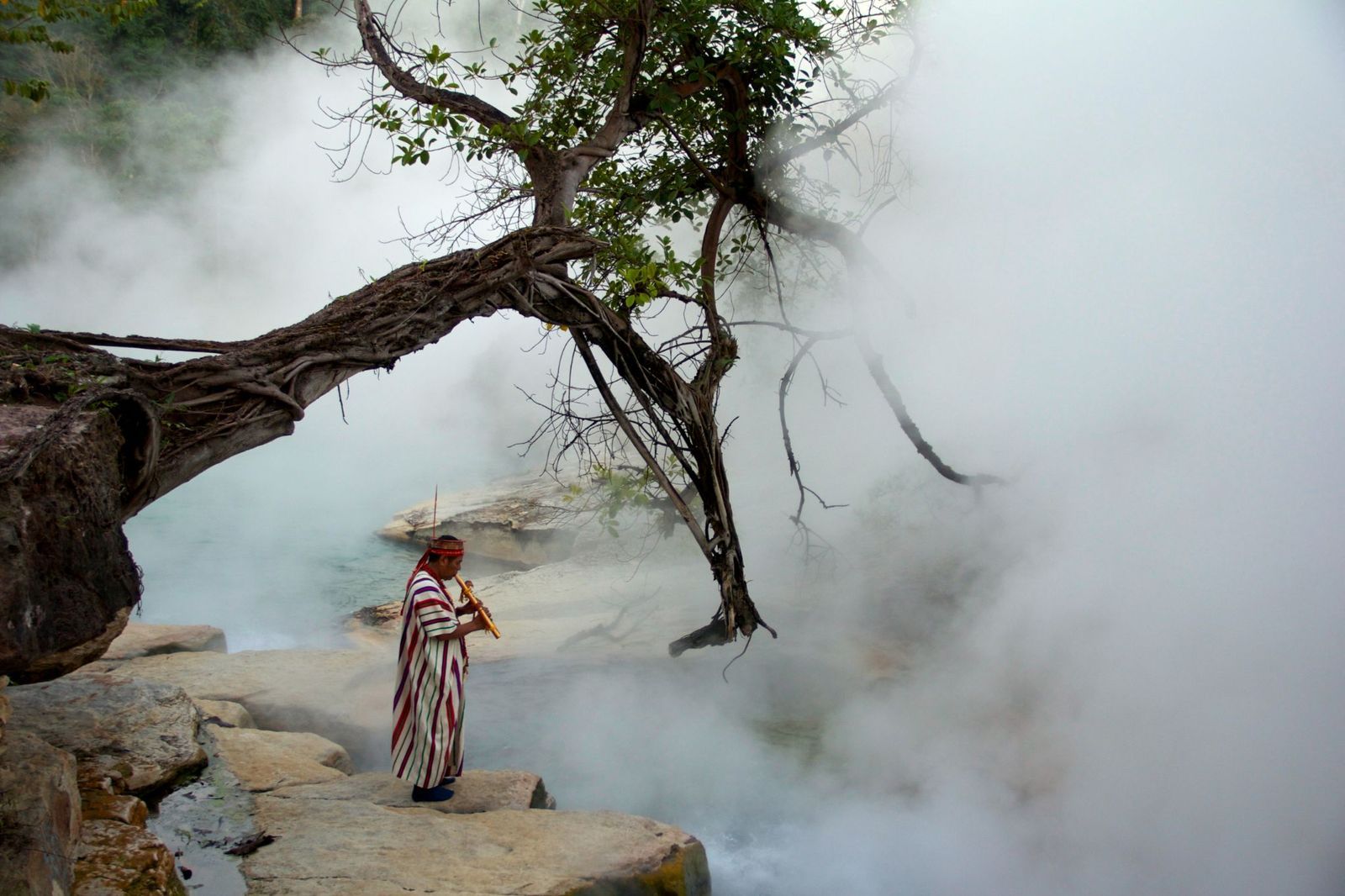
Deep in the Peruvian Amazon, there’s a 6-mile-long river with water reaching 210.4°F at its highest recorded point. That’s as hot as it can be without actually boiling.
The Shanay-timpishka, known locally as the Boiling River, is a genuine scientific puzzle: there’s no volcano anywhere nearby to explain the heat, ruling out the usual cause of geothermal rivers. Theories point to a deep, non-volcanic fault system channeling superheated water to the surface. For generations, Indigenous communities like the Asháninka people have lived along the river and used its cooler edges for cooking and bathing, but its scalding heart remains lethal.
4 Snake Island in Brazil and the lightkeepers that fled it
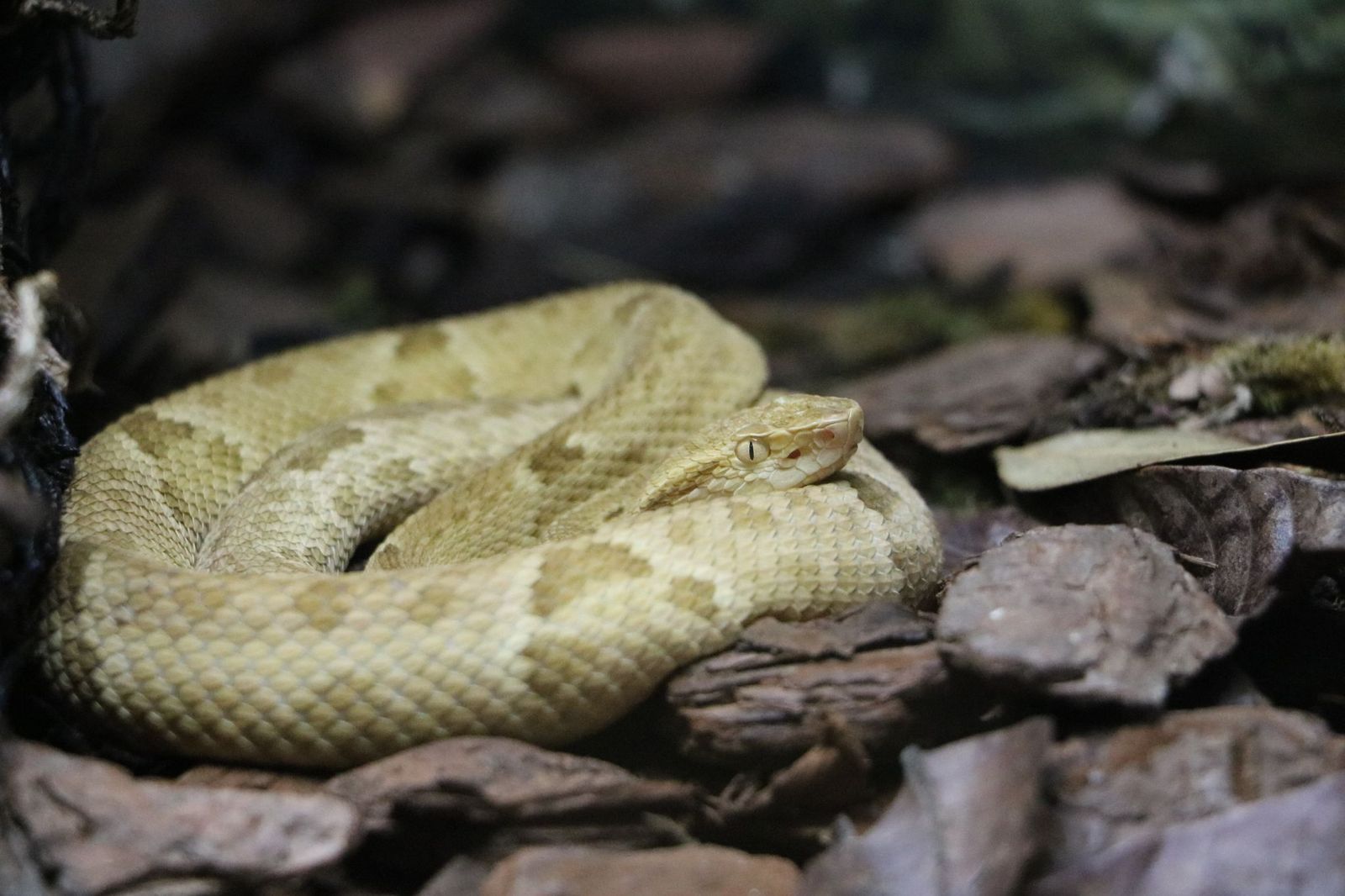
Ilha da Queimada Grande sits just 20 miles off the coast of São Paulo, Brazil’s largest city. But the Brazilian Navy will not let ordinary visitors near it. The reason is the estimated 2,000 to 4,000 golden lancehead vipers that inhabit it. The species exists nowhere else on Earth and carries venom three to five times more potent than that of its mainland relatives.
The snakes trace back roughly 11,000 years, when rising sea levels after the last ice age cut the island off from the continent, trapping a population of pit vipers that evolved in isolation with no natural predators. A lighthouse once stood on the island , but after keepers reported repeated snake encounters, it was automated in the 1920s and left unmanned ever since. Today, access is restricted to Brazilian military personnel and licensed scientists.
5 Chernobyl Exclusion Zone in Ukraine
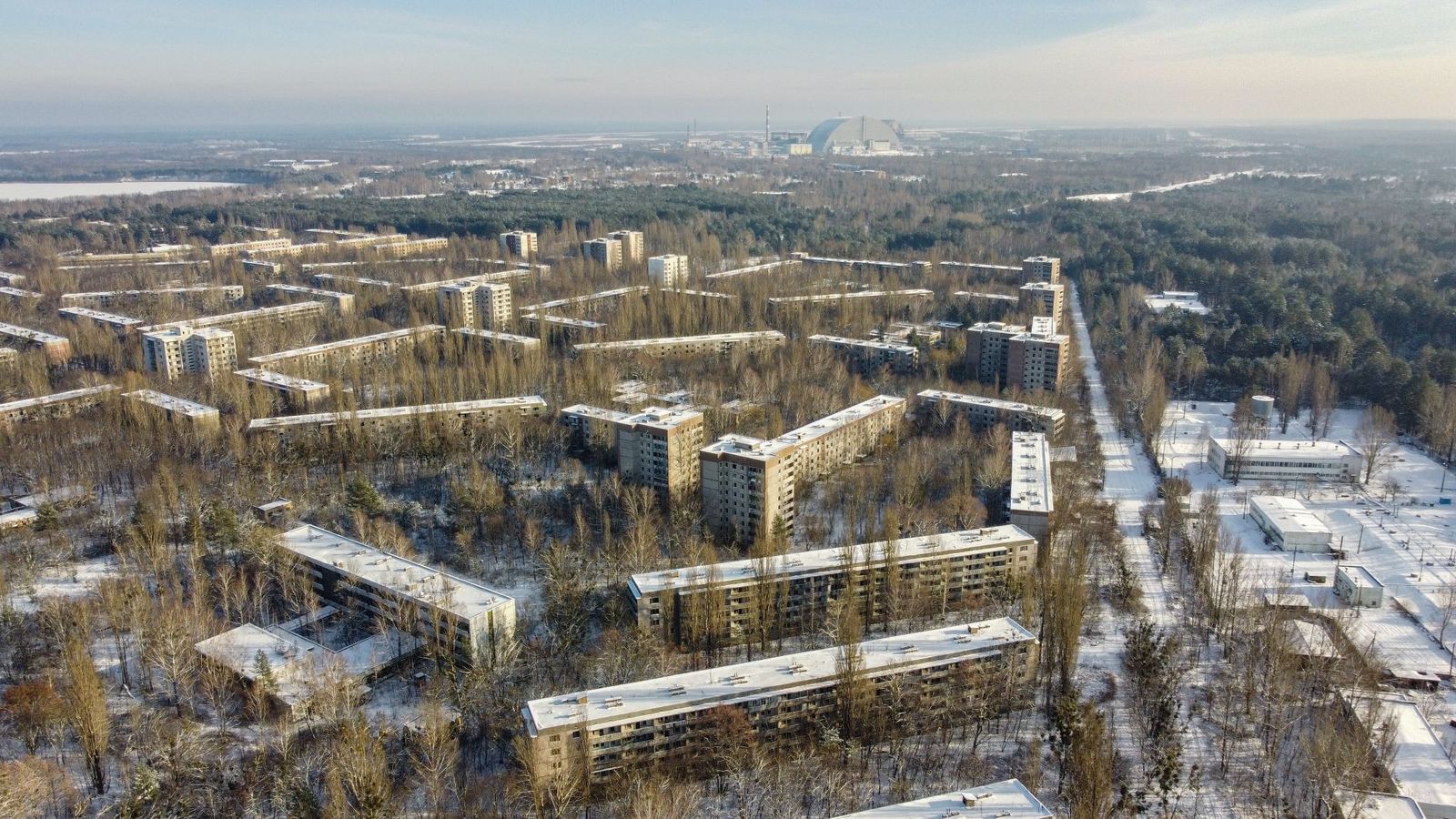
In 1986, a reactor explosion at the Chernobyl Nuclear Power Plant triggered the worst civilian nuclear disaster in history , forcing more than 110,000 people to abandon their homes within days. Residents were told to pack for three days, unaware they would never return.
Nearly 40 years later, the 1,000 square miles surrounding the plant are still too contaminated for permanent human life, so it’s marked as an Exclusion Zone. Nowadays, controlled, short-term visits to parts of it are permitted. Scientists and Ukrainian authorities estimate that the core area surrounding the destroyed reactor will not be safe for permanent human habitation for at least 300 to 20,000 years.
6 Point Nemo in the Pacific Ocean, the most isolated spot on Earth
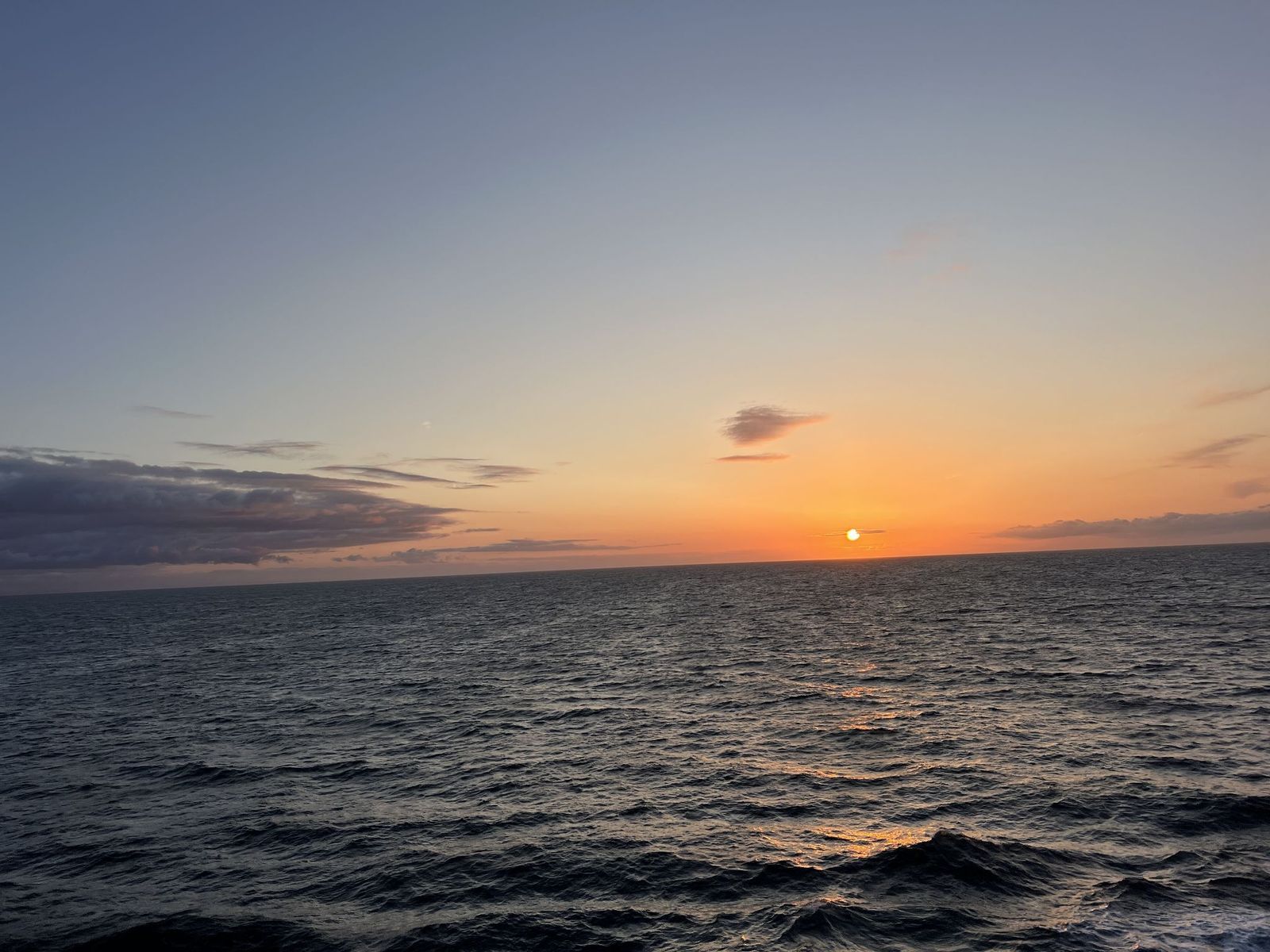
There's a spot in the South Pacific so remote that its nearest neighbors are usually 250 miles overhead. Point Nemo, officially recognized as the oceanic pole of inaccessibility, sits roughly 1,670 miles from the nearest land in any direction. It’s so far from shipping lanes and coastlines that astronauts aboard the International Space Station are frequently the closest human beings to it, orbiting at about 250 miles up.
Its coordinates were calculated in 1992 using a computer program pinpointing the single most isolated point on the planet's surface . That extreme emptiness has turned Point Nemo into a spacecraft graveyard; more than 260 decommissioned satellites, cargo ships, and space stations have been deliberately crashed there since 1971.
7 Bouvet Island, an ice island in the South Atlantic
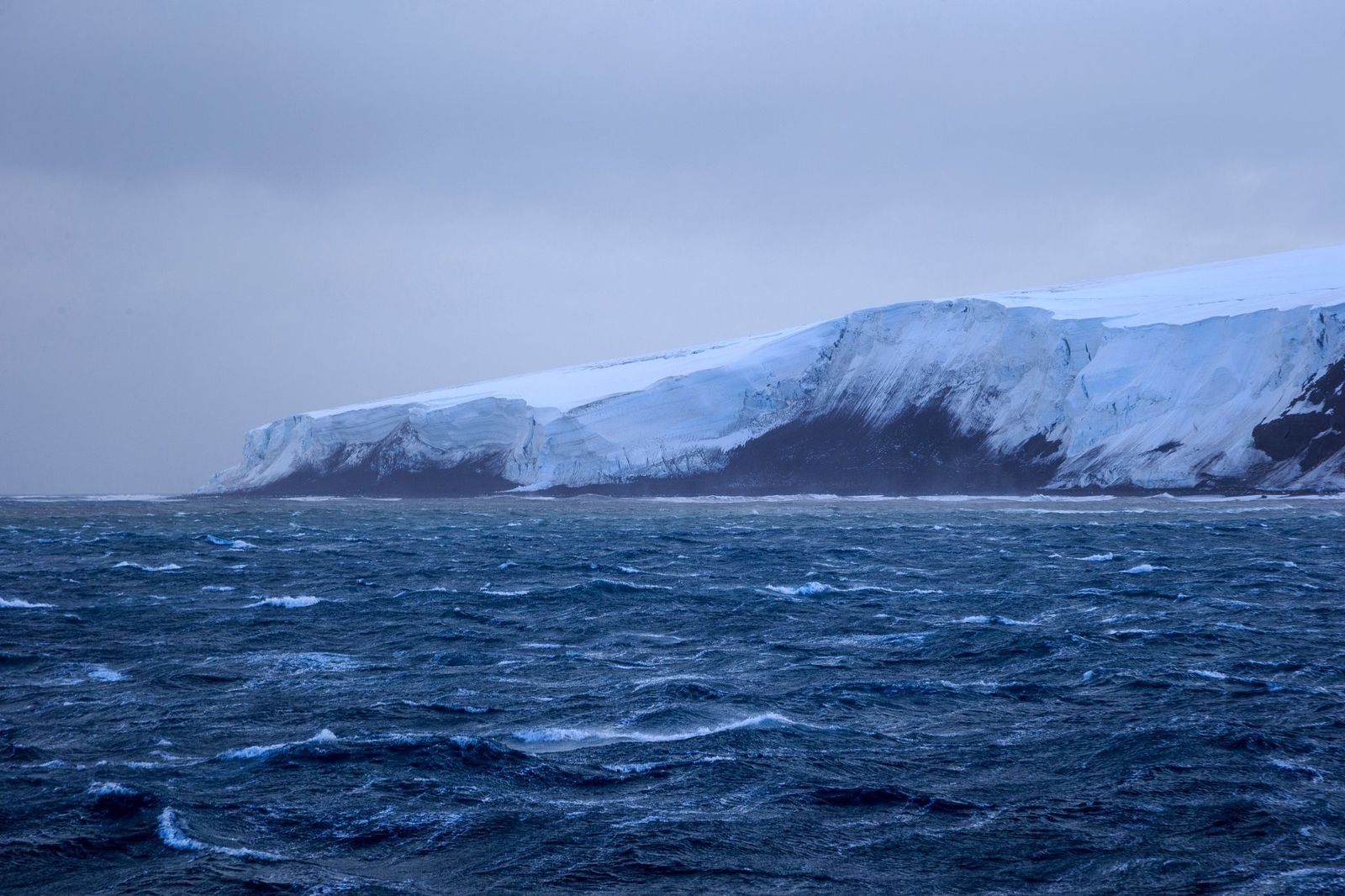
If you drew a 1,000-mile circle around Bouvet Island, you wouldn't hit another piece of land. This speck of Norwegian territory in the South Atlantic is officially the most remote island on Earth , a frozen, uninhabited volcano whose crater is packed with ice and whose coastline is almost impossible to approach by boat.
It was discovered by a French naval officer in 1739 but lost to cartographers for decades until 1808. Its strangest chapter came in 1964, when a passing ship's crew spotted something impossible: an abandoned lifeboat, moored and empty, sitting on a shore of the island . To this day, there’s no explanation for who arrived there or where they went. Norway now runs the site as a nature reserve, visited only by penguins, seals, and the rare scientific expedition.
8 The radioactive Lake Karachay in Russia
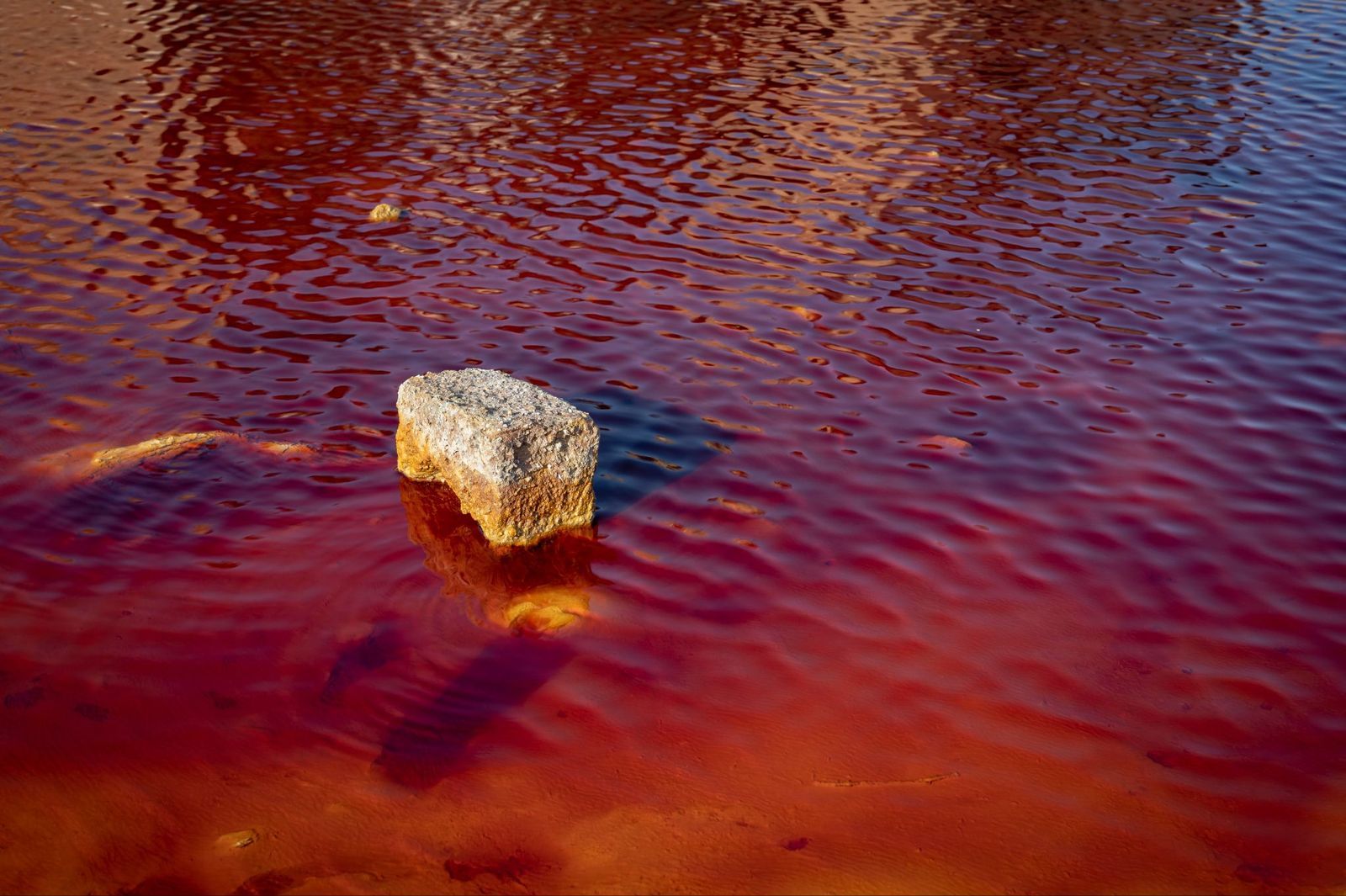
For decades, this small lake in Russia's southern Ural Mountains didn't appear on any map because the nuclear complex beside it, Mayak, wasn't supposed to exist either. Starting in 1951, Soviet engineers used Lake Karachay as a dumping ground for high-level radioactive waste from their plutonium program, a decision made in near-total secrecy.
By 1990, the contamination was so severe that standing on its shore for a single hour delivered enough radiation to kill a person. In 1968, a drought caused the lake to shrink and expose its irradiated sediment; the wind carried the contaminated dust for miles, exposing hundreds of thousands of nearby residents who had no idea what was happening. Russia spent years filling the lake with concrete and rock, finally sealing it in 2016, but the site remains permanently off-limits.
9 Danakil Depression in Ethiopia
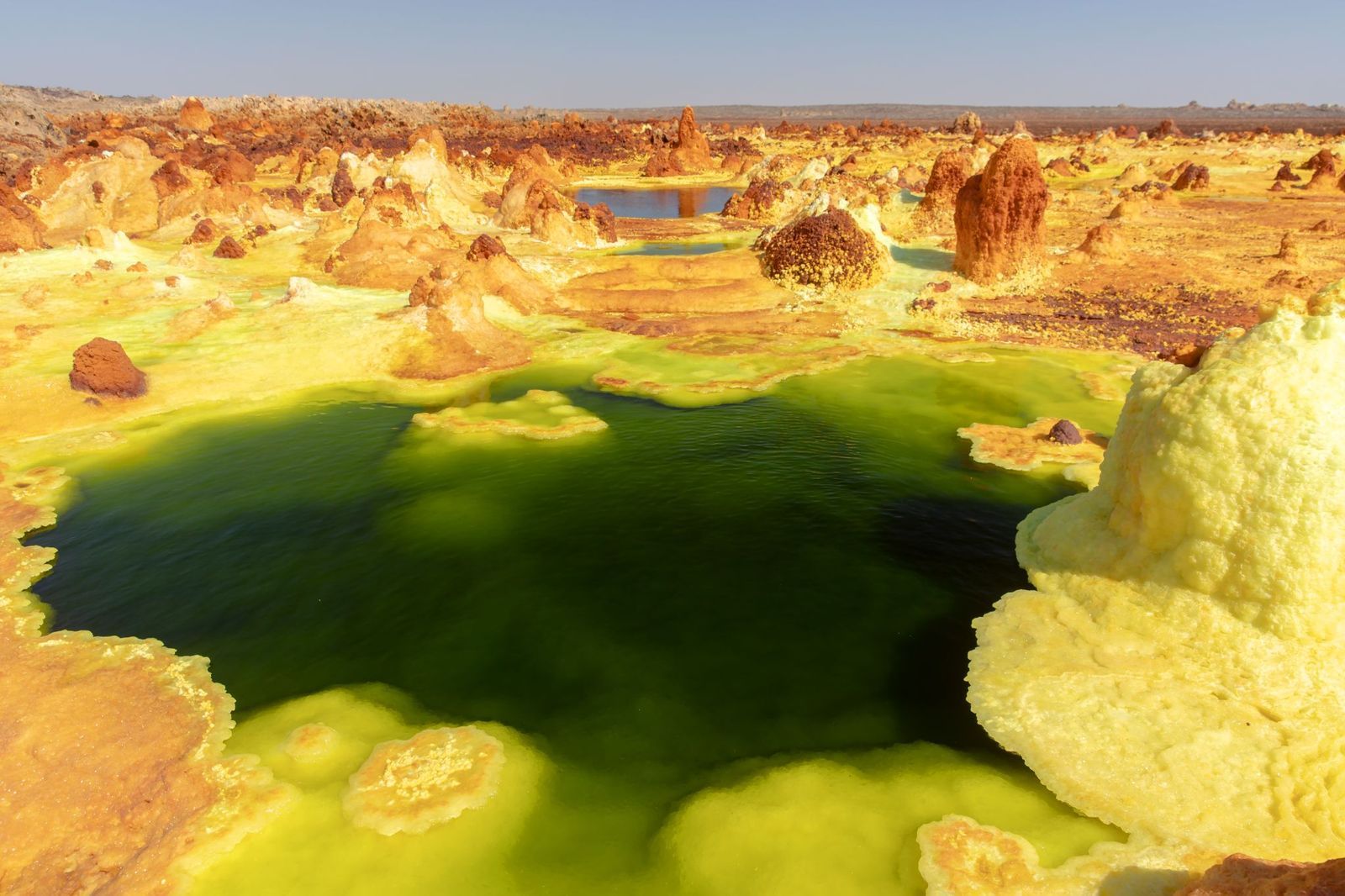
Sitting right over a meeting point of three tectonic plates, the Danakil Depression holds the record for the hottest inhabited place on Earth , with average highs near 93°F (34°C) and summer days regularly topping 122°F (50°C).
At its heart is Erta Ale, a volcano nicknamed "the gateway to hell" by the local Afar people, home to one of only a handful of permanent lava lakes anywhere on the planet. The Afar themselves have mined salt from the depression's dry lakebeds by hand for centuries, hauling it out by camel caravan much as their ancestors did.
10 Lake Nyos in Cameroon and its deadly gas eruption
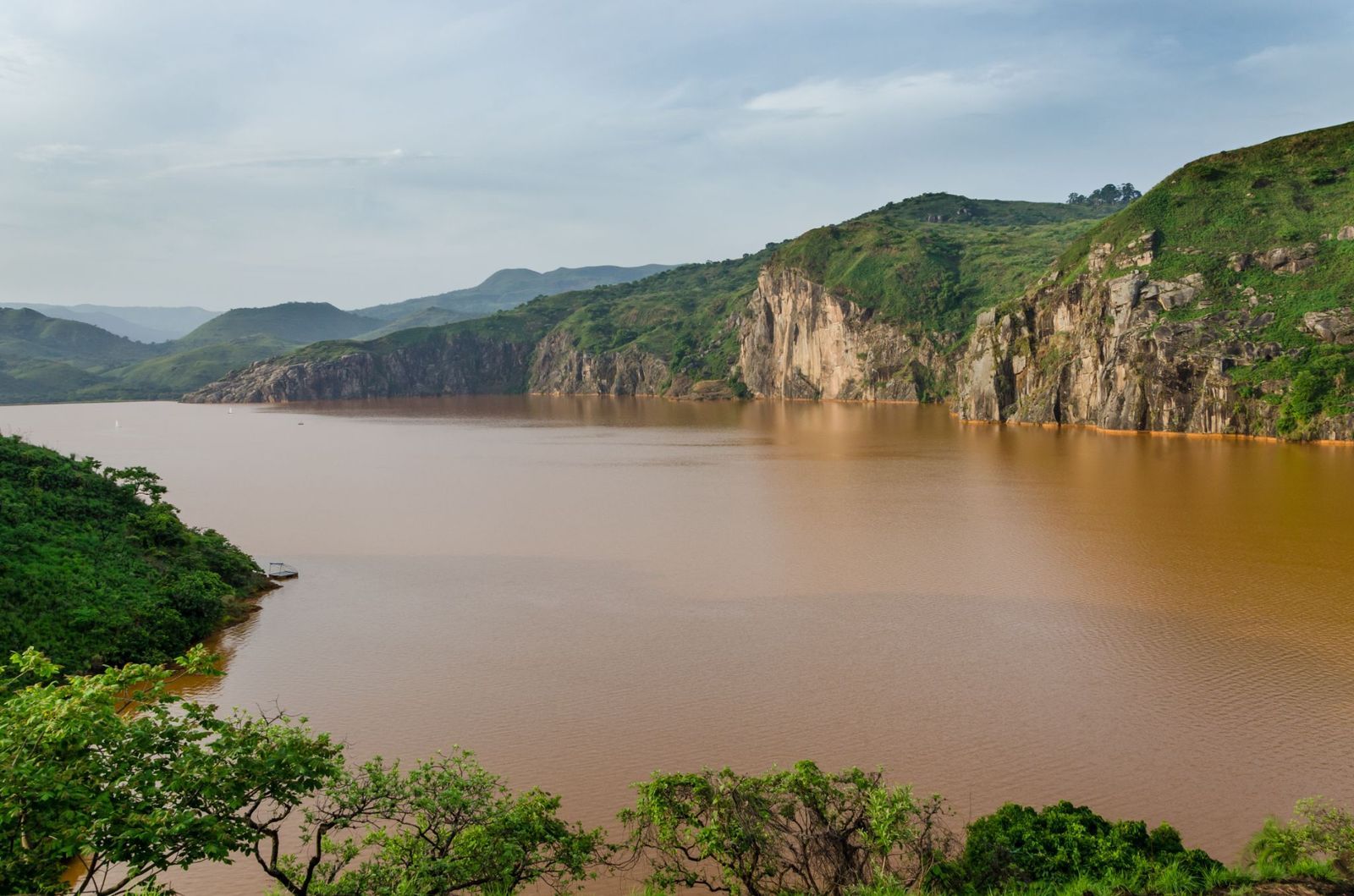
In August of 1986, barely months after the Chernobyl incident, another deadly phenomenon shook the world. During the night, something invisible rolled down from a volcanic lake in northwestern Cameroon and killed 1,746 people in their sleep .
Lake Nyos had been trapping carbon dioxide gas at its depths for years, and when the lake suddenly overturned, it released a cloud of CO2 that raced outward faster than 60 miles per hour, smothering entire nearby villages.
In 2001, engineers finally installed a permanent pipe to slowly vent the gas before it could build up again, a fix now being studied for one far larger lake bordering Rwanda and Congo , which holds almost 300 times the volume of trapped gas that erupted at Nyos.