Product flops
Would you have bought a yogurt shampoo? 10 famous flops, explained

Some products arrive with enormous advertising budgets, famous names behind them, and promises of changing the way we live. Yet even the biggest companies can get things spectacularly wrong. Remember New Coke, the flavor change that sent loyal customers into an uproar? Or Crystal Pepsi, the clear cola that had people wondering what soda was supposed to taste like? From Apple’s early handheld computer to Ford’s famously troubled Edsel, these expensive misfires reveal what happens when a clever idea fails to win over the public. Here are 10 memorable product flops, and the surprising stories behind them.
1 New Coke - Coca-Cola
Imagine going to the grocery store for your favorite soda and discovering that the company had changed the recipe without asking you. That’s what happened on April 23, 1985, when Coca-Cola introduced New Coke, its first major formula change in 99 years .
The company hoped a sweeter taste would help it compete with Pepsi, following taste tests that suggested consumers preferred Pepsi’s flavor. Instead, loyal Coke drinkers protested the disappearance of the original recipe. Letters and phone calls poured in, and some customers stockpiled the old drink. Coca-Cola had underestimated how much its familiar flavor meant to people. On July 11, just 79 days after the launch, the company brought back the original formula as Coca-Cola Classic. New Coke eventually vanished, but the uproar became one of the most famous marketing missteps in American business history.
2 Clairol Touch of Yogurt Shampoo - Bristol-Myers

Shampoo manufacturers have tried all sorts of ingredients to make hair look healthier, from botanical extracts to special proteins. In 1979, Clairol took an unusual route with Touch of Yogurt shampoo, hoping the association with a popular dairy food would suggest nourishing care.
The trouble was that yogurt sounded much more appealing in a breakfast bowl than in a bottle beside the bathroom sink. Marketing expert Robert McMath later cited the product as an example of how a name can undermine an otherwise plausible idea. The shampoo was tested and abandoned that year, and its dairy-inspired branding became part of the story of failed consumer products. Reports have also circulated that some people mistook the shampoo for something edible and became ill, although the details are not well established in the readily available historical record. The clearest lesson was that a familiar ingredient can create the wrong impression when it appears in an unexpected place.
3 WOW! chips - PepsiCo
For anyone who has ever tried to cut back on fatty snacks, the promise of fat-free potato chips probably sounded wonderful.
In 1998, Frito-Lay introduced WOW! chips, using olestra, a fat substitute developed by Procter & Gamble. The ingredient passed through the digestive system without being absorbed, allowing manufacturers to make snacks with little or no fat. The chips initially attracted considerable attention, but there was an unpleasant catch. Some consumers experienced diarrhea, abdominal cramps, and other digestive problems after eating products containing olestra. The FDA required warning statements on packaging, explaining the potential for gastrointestinal effects and reduced absorption of certain vitamins. That was hardly the kind of message snack makers wanted customers to associate with their products. Frito-Lay later dropped the WOW! branding in favor of its Light line, but the fat-free chip experiment never became the lasting success its creators had hoped for.
4 Coors Rocky Mountain Sparkling Water - Adolph Coors Company
Coors had spent decades building its reputation around beer brewed with Rocky Mountain spring water. So, when bottled water became a growing business, the company saw an opportunity.
In 1990, Adolph Coors Company introduced Rocky Mountain Sparkling Water, hoping to attract consumers who wanted refreshing, nonalcoholic drinks . The product came in flavors including original, lemon-lime, and cherry, but the familiar Coors name became a problem. Shoppers associated it so strongly with beer that the packaging could leave them wondering what was actually in the bottle. The same branding that had helped sell beer was less effective in a completely different aisle. The product lingered for several years, but never achieved the success Coors wanted. By 1997, the company had allowed its sparkling-water trademark to expire.
5 Crystal Pepsi - PepsiCo
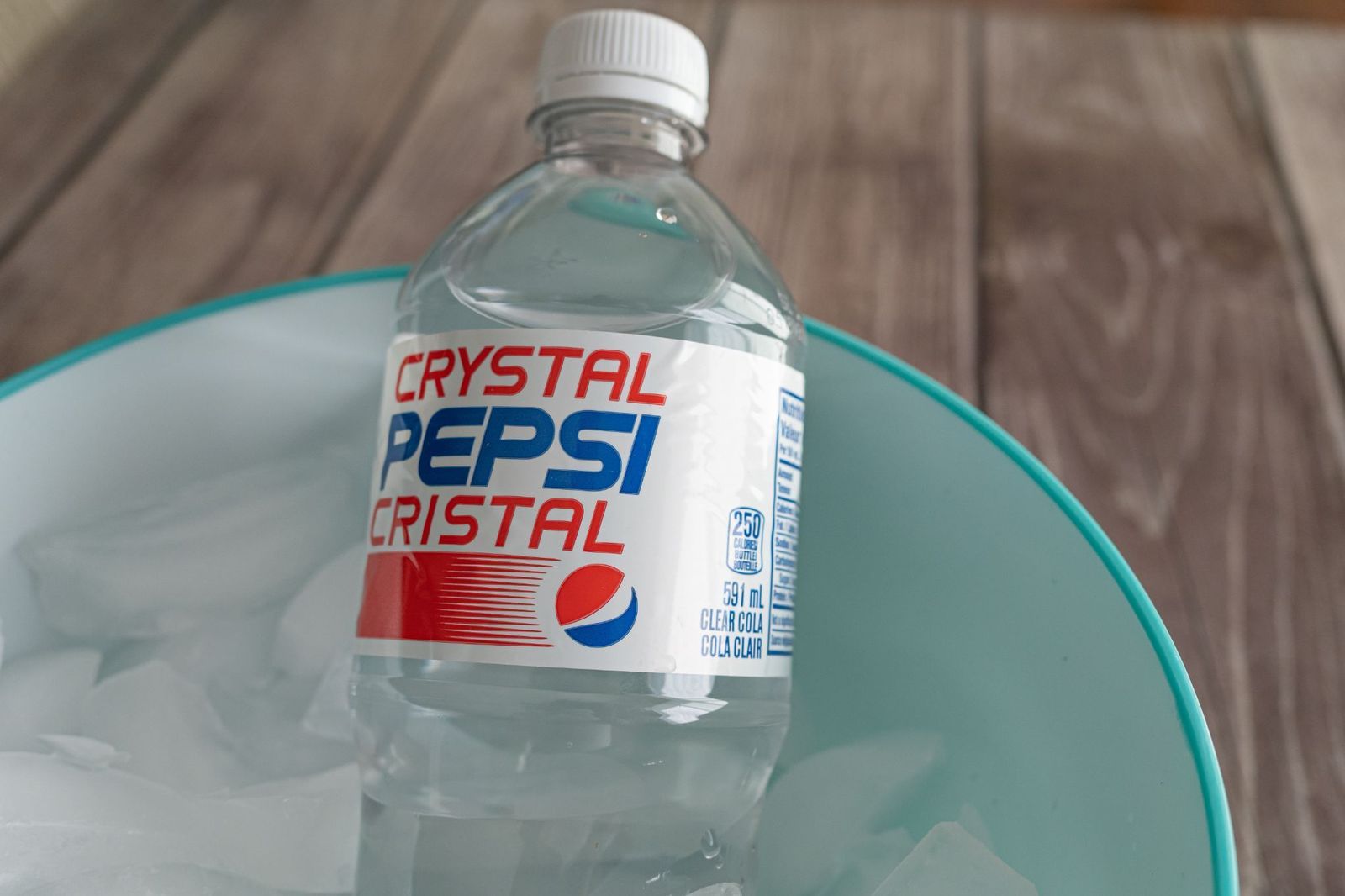
In 1992, PepsiCo introduced a soft drink that looked like nothing else in the cola aisle. Crystal Pepsi was clear and caffeine-free, inviting shoppers to rethink what a cola should look like.
Its launch tapped into the era’s fascination with purity and lighter-looking products, and curiosity helped generate strong initial interest. Pepsi even promoted the drink during Super Bowl XXVII in January 1993. But appearance and expectation didn’t match. Some consumers assumed a transparent soda would taste lighter or more like a lemon-lime drink, yet Crystal Pepsi retained a cola flavor. Its novelty attracted attention, but that wasn’t enough to sustain demand. The original product disappeared from shelves in 1994, although Pepsi later brought it back for limited releases, including a short-lived return in 2016. For a drink designed to look different, the familiar taste proved a surprisingly difficult selling point.
6 Arch Deluxe - McDonald’s
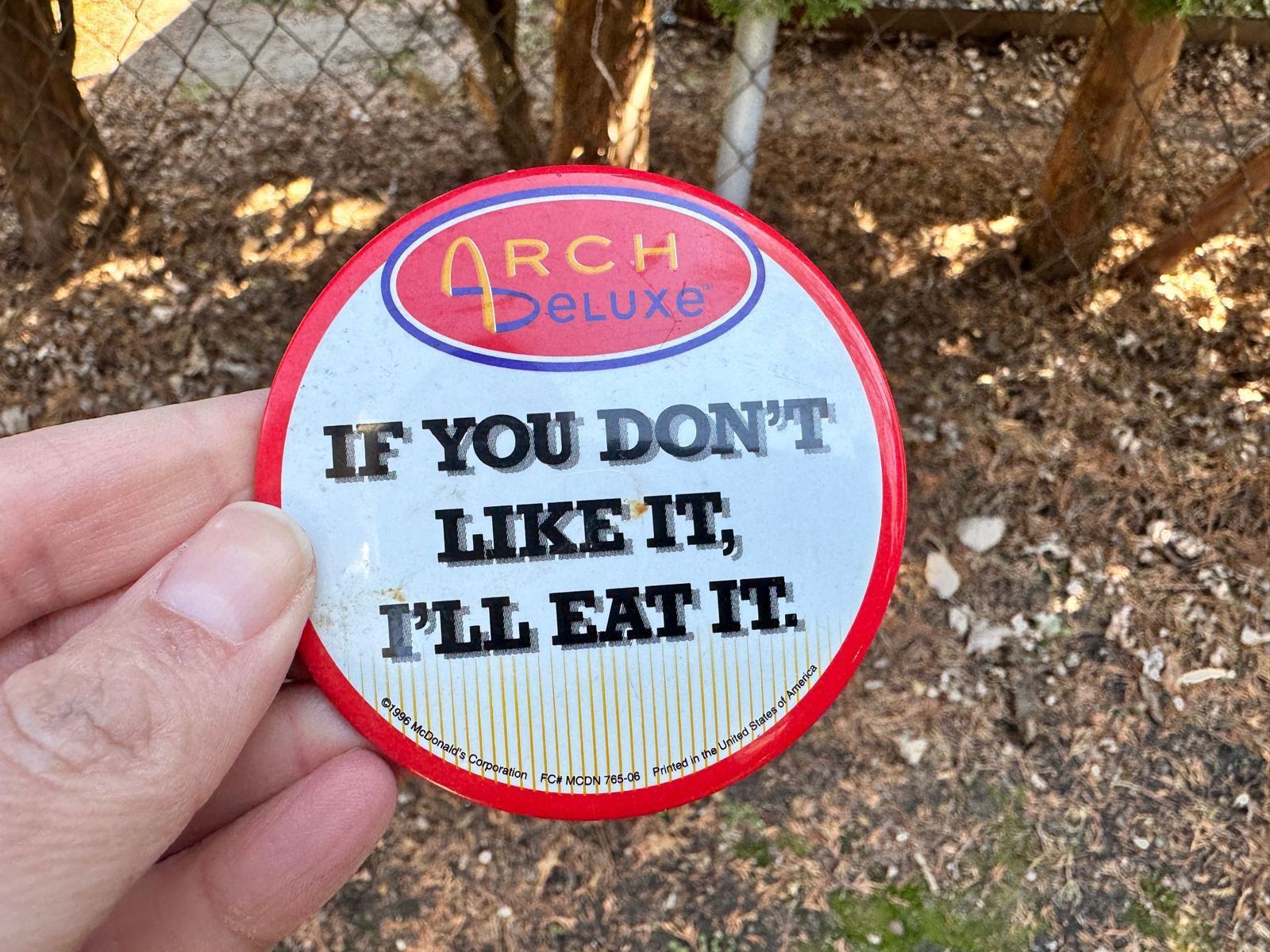
Remember when McDonald’s seemed to be everywhere, from highway rest stops to shopping mall food courts? In 1996, the fast-food giant tried to win over grown-up diners with the Arch Deluxe, a quarter-pound burger featuring a peppered bacon slice, special sauce, and a potato-flour bun.
The campaign reportedly cost more than $100 million, with advertisements showing children turning their noses up at the supposedly sophisticated sandwich . The joke was that this burger was made for adults, not kids. Unfortunately, the idea didn’t translate into lasting sales. McDonald’s had spent two years developing the product, but customers weren’t convinced they needed a fancier burger from a restaurant known for affordable fast food. In 1998, the company eventually cut prices and scaled back its ambitious campaign.
7 Edsel - Ford
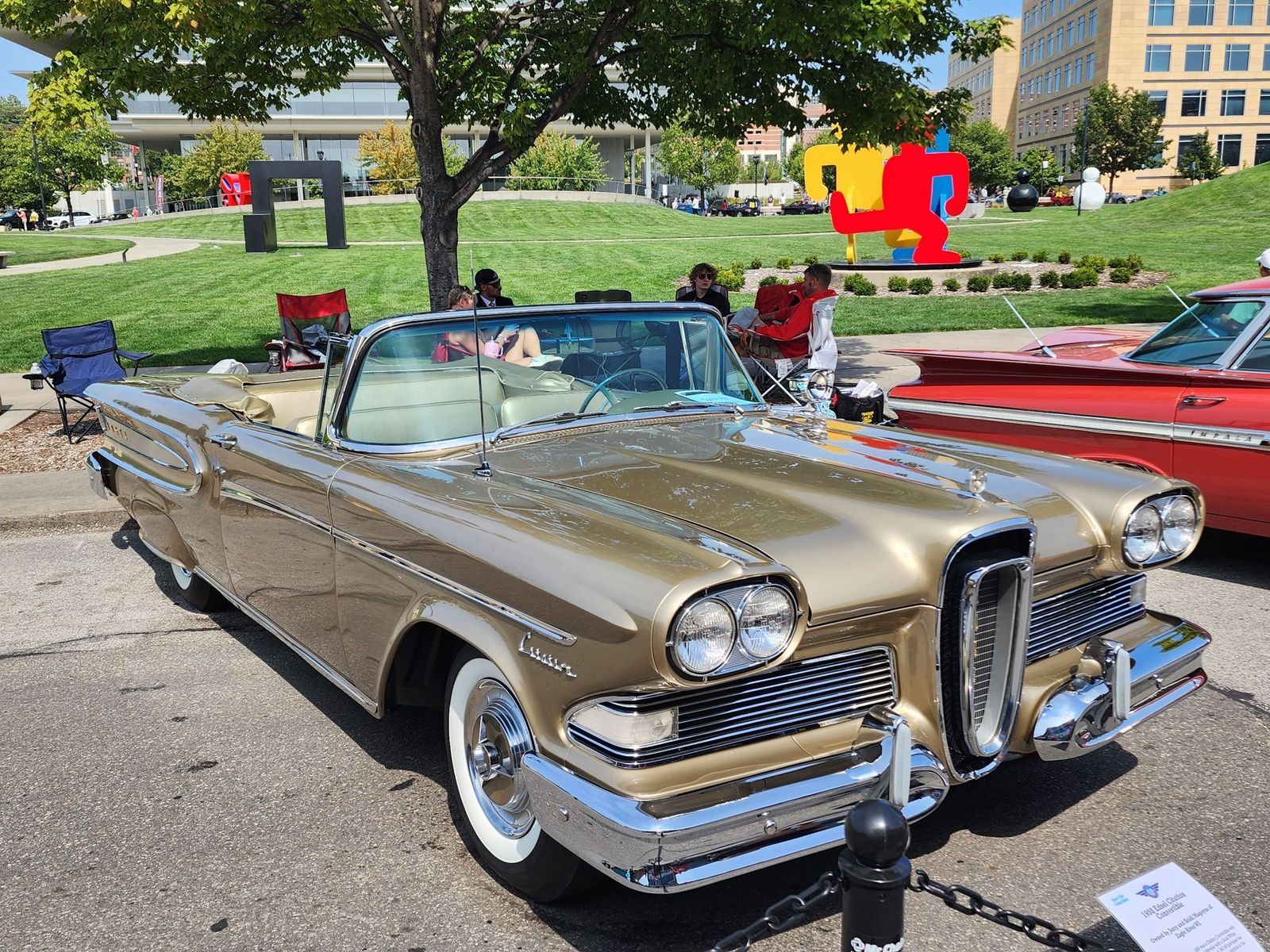
In September 1957, Ford unveiled the Edsel with a level of publicity that made it one of the most anticipated cars of its era. Named after Henry Ford’s son, Edsel Ford, the new brand was meant to fill a gap in the company’s lineup between mainstream Ford models and more expensive Mercury vehicles. Expectations were enormous, but the timing was terrible.
The United States was entering a recession, and many car buyers were becoming more cautious about spending on new vehicles. The Edsel’s unusual vertical grille on the front also divided opinion, while early cars also suffered from quality-control problems and features that didn't always work as intended. Sales fell far short of forecasts. Ford ended the program in November 1959, after only three model years. The company suffered heavy losses, and the Edsel’s name became shorthand for an expensive business failure.
8 The Newton MessagePad - Apple
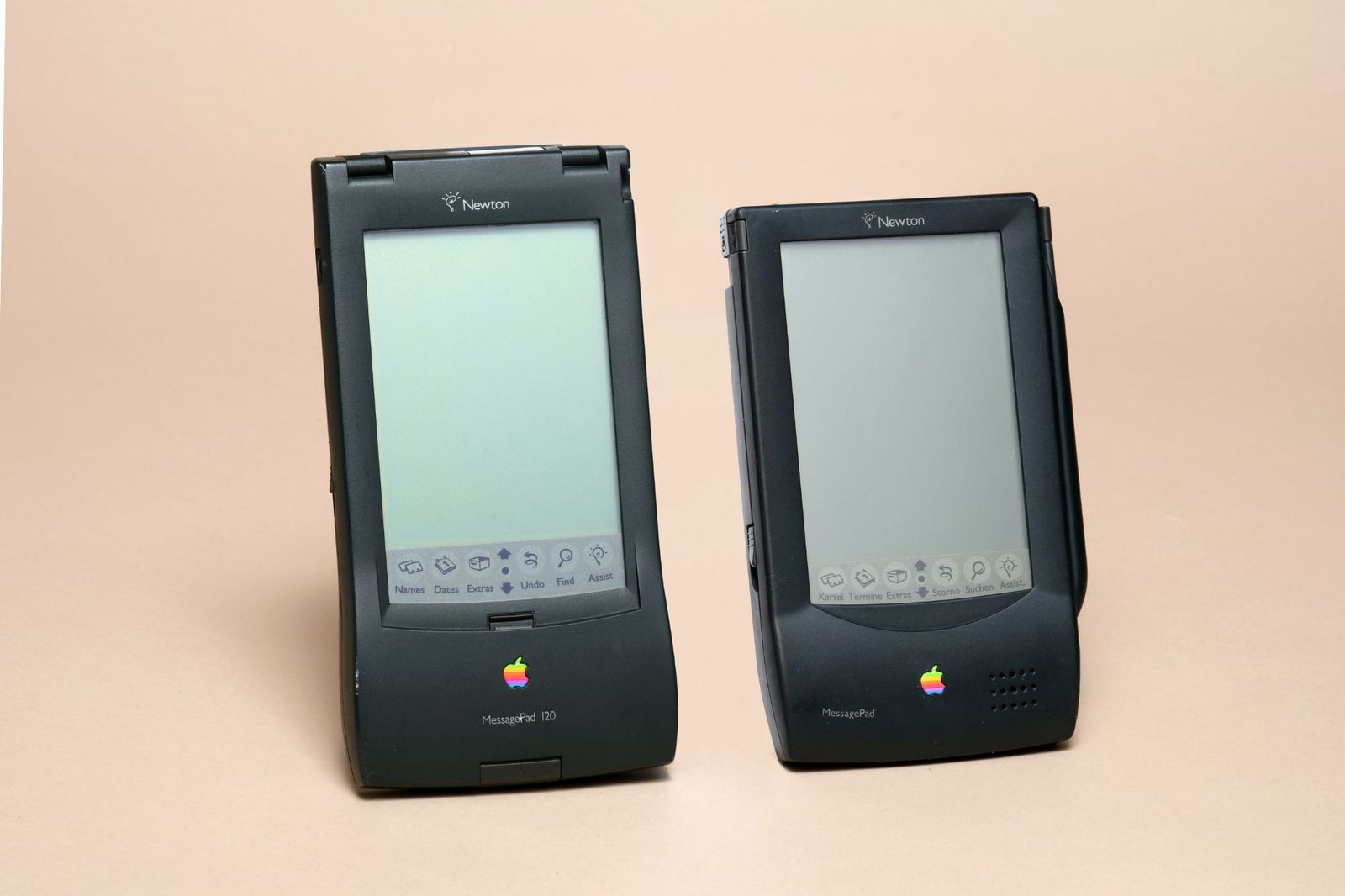
Before smartphones put calendars, notes and contacts in our pockets, Apple imagined a handheld device that could do much the same thing.
Introduced in 1993, the Newton MessagePad was championed by Apple CEO John Sculley, who helped popularize the term personal digital assistant. Users could write on its screen with a stylus , making it seem like the future of the paper notebook. There was just one problem: the handwriting recognition frequently got words wrong. The device became a target for jokes, and its high price made the shortcomings harder to forgive. Apple improved the software in later versions, but the damage to its reputation lingered. When Steve Jobs returned to Apple, he discontinued the Newton line in 1998.
9 TouchPad - Hewlett-Packard
When Apple introduced the iPad in 2010, it helped create a booming tablet market. Hewlett-Packard wanted a piece of that business, so it launched the TouchPad in July 2011.
The tablet offered a touchscreen, multitasking, and integration with other devices. But HP entered a market where Apple already had a strong head start, while Android tablets were also gaining ground. Reviews and sales failed to give the TouchPad the momentum HP needed. On August 18, 2011, the company announced it would discontinue the TouchPad operations. Soon afterward, steep price cuts turned remaining tablets into bargain buys, and demand briefly surged as shoppers snapped them up. HP took major financial charges associated with the decision. The device’s sudden collapse showed how quickly an ambitious technology launch can unravel when customers aren't convinced.
10 Zune - Microsoft
In November 2006, Microsoft entered the portable music market with the Zune, hoping to challenge Apple’s wildly popular iPod. At $249.99, the first model offered a 30-gigabyte hard drive, a color screen, an FM tuner, and wireless sharing between Zune players.
It sounded like a serious contender, especially for people who already used Windows computers. But buying a music player was about more than comparing specifications. The iPod had become a cultural phenomenon, and Apple’s iTunes Store gave customers a familiar way to manage their music collections. Digital rights rules also restricted Zune’s wireless sharing feature, limiting how long recipients could keep certain songs. Microsoft continued developing the brand, including software and subscription services, but never displaced Apple's dominance. New Zune hardware stopped arriving in 2011.