Crazy career options
There's a career in bed testing, and that's only the beginning

People get paid to sleep, smell strange things, or stand in line for hours without buying a single thing. Sounds ridiculous, right? Yet these jobs really exist. Some people taste pet food, others dive into golf course ponds for lost balls, and a few handle venomous snakes to help make lifesaving medicine. There are even people who collect worms for fishermen. Meet 10 workers with unusual jobs and discover what their workdays look like.
1 Pet food taster
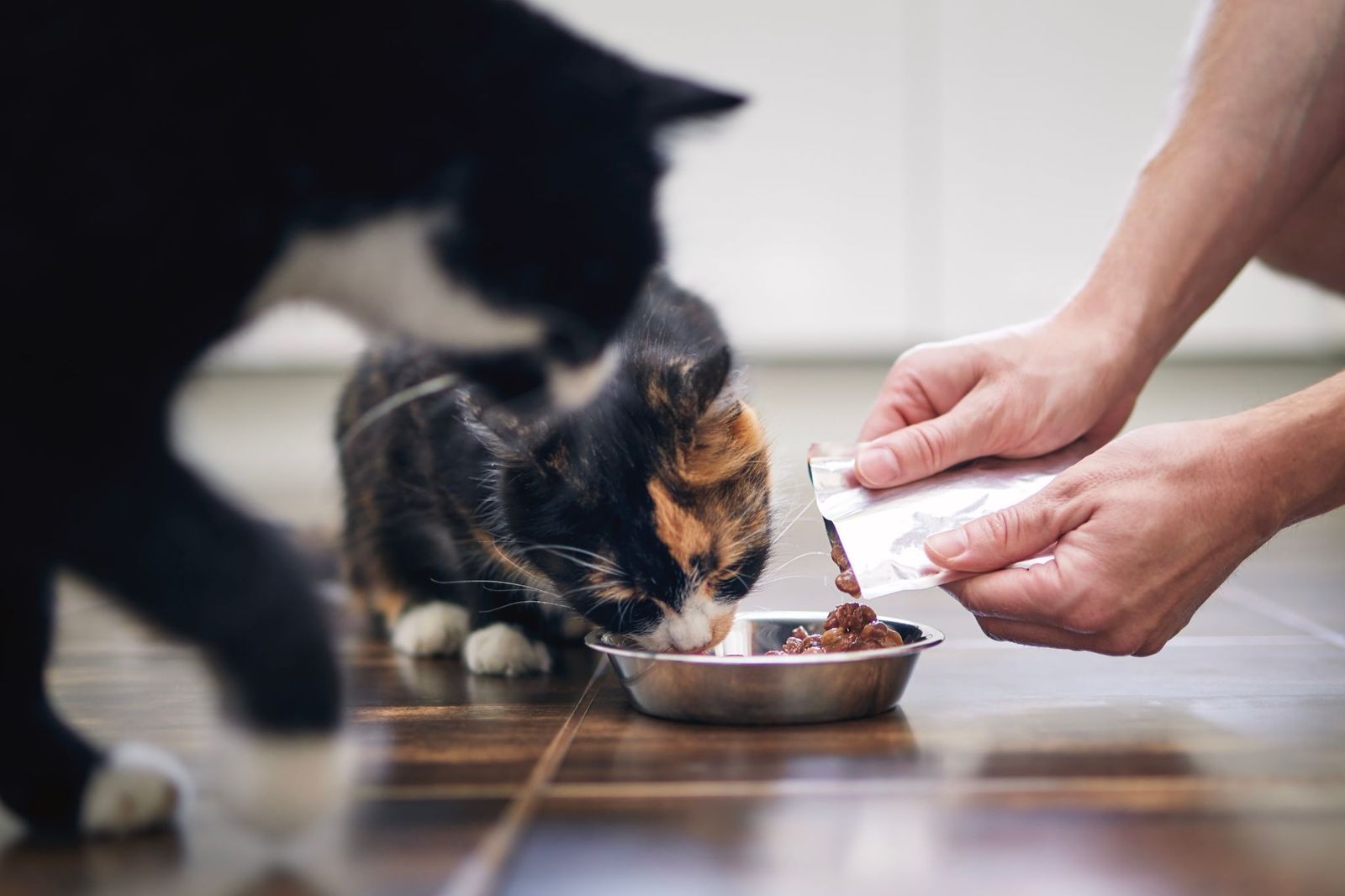
Your dog probably wolfs down dinner before you have time to put the bag away. But before that food lands in the bowl, somebody has to make sure it smells and feels right.
Pet food tasters help manufacturers evaluate flavor, texture, and aroma. They may compare micro-samples, describe whether a product is too dry or oily, and check that one batch resembles the next. Since pet food is not recommended for regular human consumption, it’s worth noting that pet food testers only try small portions of it, but they usually don’t swallow it. Testing it only involves assessing flavor, salt balance, and mouthfeel. Of course, dogs and cats still get the final say in whether they want to eat it. A human can describe the flavor, but a hungry Labrador might have a very different opinion.
2 Sensory scientists

There are skin care products for all skin types, but before a consumer picks one, the sensory scientist decides whether the product is ready or not.
Sensory specialists, also called "face feelers," assess how creams, lotions, and other products feel when they are applied to the skin. They may describe whether a moisturizer spreads smoothly , absorbs quickly, leaves a film, or makes the skin feel soft. Evaluators compare products and pay attention to how the texture changes from the first touch to the moment it dries. One lotion might feel silky at first but leave a sticky finish, while another may seem thick in the jar and disappear almost immediately. Consumer statistics help a lot, but behind them there’s always someone who worked out why something sold or didn’t.
3 Golf ball diver

Every golfer knows the sinking feeling of watching a ball disappear into a pond. But after they leave the course, a golf ball diver goes after them.
These divers enter course ponds to retrieve lost balls, sometimes collecting hundreds or even thousands from a single spot. Once recovered, the balls can be sorted, cleaned, and sold again to golfers who don’t mind using a used ball. A golf course pond isn’t necessarily a swimming pool. The water may be murky, the bottom muddy, and visibility so poor that divers can barely see what is in front of them. They also have to watch for submerged obstacles and other hazards. It is a strange combination of treasure hunting and dirty work. And after a long day underwater, the diver may still come home smelling like a pond.
4 Bed tester

Imagine telling your friends that you spent the day in bed and got paid for it. They might assume you are pulling their leg, but bed testing can be a real assignment.
Mattress makers and sleep-related businesses sometimes hire people to evaluate how comfortable a bed feels, whether it provides enough support, and whether it gets too warm during the night. Some jobs also involve creating publicity content, so the tester might be asked to snooze in a showroom or share the experience online. The trick is that a professional bed tester cannot simply pull up the covers and disappear until lunchtime. They need to notice details such as firmness, pressure points, noises, and how the mattress feels after several hours. That sounds easy, but it can be tricky. A bed that feels like a cloud to one person might leave another tossing and turning. Still, few jobs can compete with the comfort this one presents.
5 Odor judge

Some people have a nose for trouble, and others turn that talent into a job. Odor judges smell products such as perfumes, shampoos, cleaning supplies, and even foods to check whether their scent is pleasant, consistent, or simply wrong.
It sounds like a dream job for someone who loves perfume, but the work is not all roses and vanilla. Imagine sniffing a row of nearly identical products and trying to explain why one smells fresh while another has a sharp, sour note. That takes concentration, not just a good nose. Some specialists assess body-care products, while others help companies find unwanted smells in packaging or household goods. They may have to compare samples repeatedly and describe differences in precise terms. A good odor judge needs to explain what the smell is like and how strong it is. It is a useful skill, although it can bring a headache or two.
6 Line stander

Few things test your patience like a long line. But what if someone else can do it for you? That is the idea behind professional line standing.
A customer hires a person to hold a place until it is time to take over, attend an appointment, or enter an event. In Washington, D.C., for example, line-standing services have been used by people waiting for congressional and court hearings. Elsewhere, the work can involve product launches, popular events, and other occasions where getting there early matters. The line stander needs patience, a phone, and the ability to stay put even when everyone else starts grumbling. It may not sound glamorous, but somebody has to stand there.
7 Worm picker

For some people, a rainy day means staying indoors with a cup of coffee. For a worm picker, it can mean heading outside with a container and getting to work.
These collectors gather earthworms to sell as fishing bait, supplying anglers who would rather buy their worms than dig around in damp soil themselves. The job takes patience and a willingness to get muddy. Worms are small, slippery, and not particularly interested in making the collection process easy. A picker has to know where to look and how to handle the catch so the worms stay alive until they are sold. Still, when a fisherman needs bait before a weekend trip, those muddy creatures become valuable merchandise.
8 Gross stunt tester

Reality shows love making viewers squirm. Contestants might be asked to eat something unpleasant or handle slimy substances. Before the cameras start rolling, producers have to think about how the challenge will work and what could go wrong.
Depending on the production, stunt professionals, medical advisers, or other crew members may help check the setup and reduce risks. The role of a person hired specifically to test gross challenges varies from show to show. But in general, they’re in charge of considering the practical details before a contestant dives into the action. Is the challenge manageable? Are there hazards that need to be removed? What happens if someone gets into trouble? The work behind the scenes may not be as entertaining as watching a celebrity gag on camera, but it can be just as important.
9 Snake milker

Most people would run in the opposite direction if they saw a venomous snake. A snake milker, on the other hand, works with these dangerous animals as part of a very specialized job.
The aim is to collect venom, which can then be used in research and in making antivenom to treat snakebites. The process requires training, protective procedures, and a great deal of care. The handler must control the situation while avoiding a bite, and even experienced professionals treat the animals with respect. The venom itself is not poured straight into a bottle of medicine. It goes through further processing as part of a larger effort to produce treatments that can save lives. It is an unusual job with a serious purpose, and it takes a steady hand to do it.
10 Relocation specialist

Some jobs require people to move to places where they don’t know the language, the paperwork, or even how public transport works. Relocation specialists help people and their families make that kind of move easier.
They may help arrange housing, explain local procedures, coordinate school enrollment, and connect newcomers with services they need. Companies often hire them when employees accept jobs overseas. The specialist might be answering questions about leases one moment and helping a family figure out school options the next. Handling even the tiniest details of everyday life, it’s a job that calls for organization, patience, and an ability to solve problems before they become major headaches.