Business done
He bought the Swoosh logo for $35 and made billions out of it
Imagine inventing the microwave, creating the Nike logo, or writing the story of Superman, only to walk away with a few dollars. That’s what happened to some of the people behind the world's most recognizable products and characters. One designer received just $35 for the famous Nike Swoosh, while Superman's creators sold their rights for $130. And the man behind Tetris earned no royalties for years. These stories reveal how a small payment, a handshake, or a contract can turn into a fortune for someone else.
1 John Pemberton and Coca-Cola's $1,484 deal

Today, Coca-Cola is one of the world's most recognizable brands, but its creator never scored the fortune you might assume. Pharmacist John Stith Pemberton developed the drink in Atlanta, Georgia, and began selling it at Jacobs' Pharmacy on May 8, 1886, for five cents a glass.
His bookkeeper, Frank Robinson, came up with the name and wrote the distinctive script still associated with the brand. But Pemberton, ill and short on cash, began selling shares to local businessmen. Most accounts say he collected well under $2,000 in total, and the figure often cited is $1,750, approximately $55,000 today. His buyer, the pharmacist Asa Candler, eventually gained full control. Pemberton died of stomach cancer on August 16, 1888, just two years after the first glass was served. Candler built the brand into a giant, and in 1919 his family sold the company for $25 million, which would be $487 million today.
2 Percy Spencer's $2 microwave bonus

In 1945, Percy Spencer was working at Raytheon in Massachusetts, helping develop magnetrons, the vacuum tubes used in radar equipment during World War II. While standing near one, he noticed that a candy bar in his pocket had melted. Instead of brushing it off, Spencer began experimenting with food and microwave energy, eventually testing popcorn kernels and an egg.
Raytheon filed a patent for the microwave oven on October 8, 1945. The first commercial model, called the Radarange, appeared in 1947 and was enormous compared with today's countertop appliances. Spencer reportedly received a $2 bonus ($42 today) for his patented invention, the standard reward Raytheon gave employees, rather than royalties from every oven sold. His discovery helped transform home cooking, but the initial payment was hardly a fortune.
3 Superman's creators sold the rights for $130
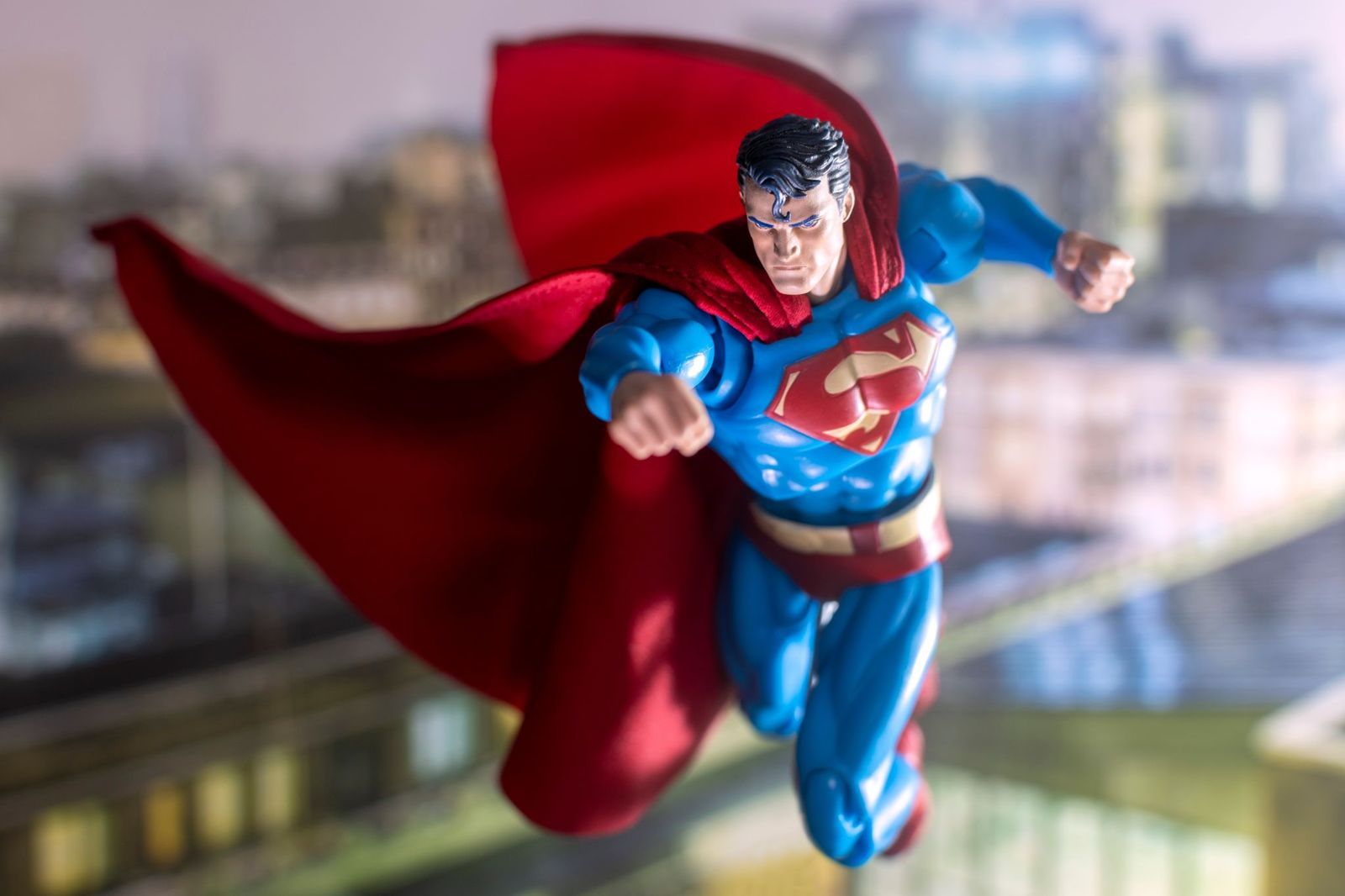
Superman has flown through comics, radio, cartoons, and blockbuster films, yet his creators started with a small check. Jerry Siegel and Joe Shuster, two friends from Cleveland, Ohio, spent years pitching their hero to publishers.
On March 1, 1938, they sold all rights to Detective Comics, Inc., a forerunner of DC Comics, for $130. The check actually totaled $412, covering other work, with Superman listed as $130, only $3,100 today. The hero debuted in Action Comics #1 that June. Siegel and Shuster stayed on as writer and artist, but they parted ways with DC in the late 1940s. In 1975, after a public campaign by Siegel, Warner Communications, DC’s parent, awarded each man $20,000 ($125,000 today)— a year later raised to $30,000 ($188,000 today), and restored their credit. The credit returned in Superman #302 , dated August 1976.
4 Walter Hunt's $400 safety pin
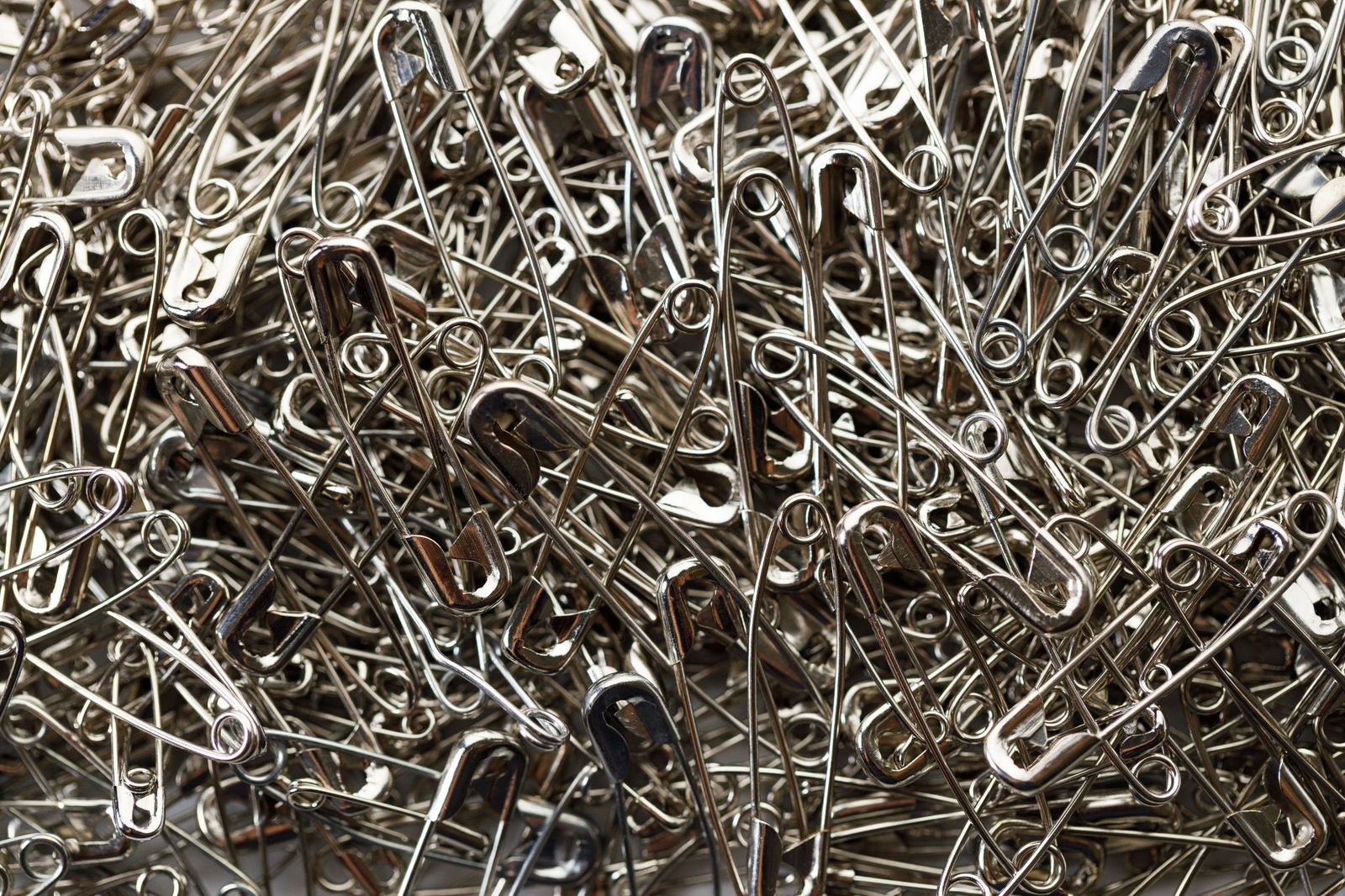
A safety pin is such an ordinary household item that few people stop to think about its inventor. Walter Hunt, a New York mechanic, came up with his improved design in 1849 while worrying about a $15 debt, the equivalent of $600 today.
He twisted a piece of wire into a pin with a spring coil and a clasp that covered the sharp point, making it safer and more practical than earlier designs. Hunt received a patent on April 10, 1849, then sold the rights for $400, or $16,200 today. That was enough to pay his debt and leave him with money to spare, but it also meant he missed out on the enormous market that followed. The safety pin became a useful everyday product for fastening clothing and diapers, among other things. Hunt was a prolific inventor who also worked on sewing machines and other devices, yet he often sold his ideas rather than developing businesses around them.
5 Jell-O's creators sold the rights for $450
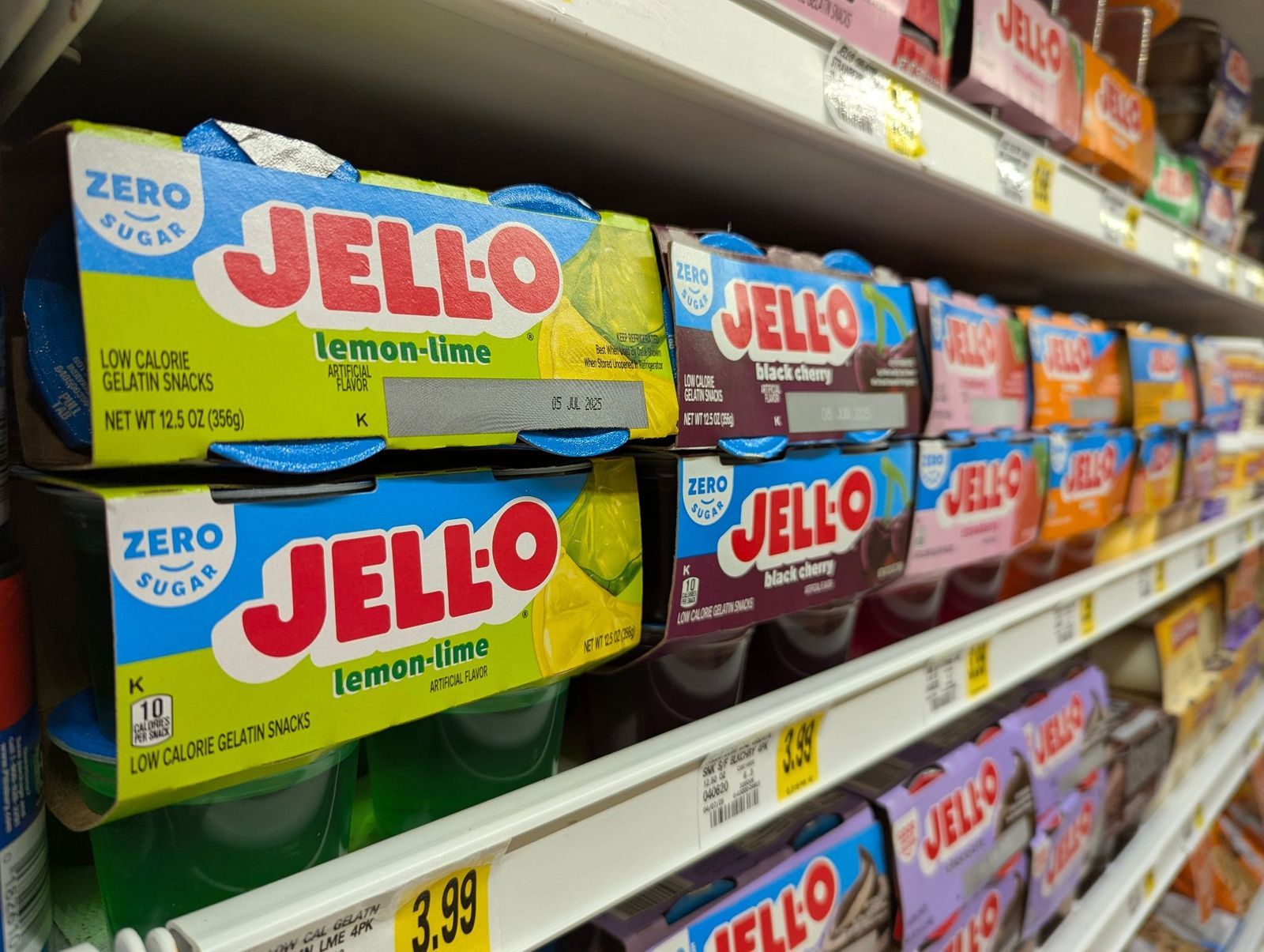
That wobbly dessert at every family picnic started in Le Roy, New York, a small town near Rochester. Popular as it is, when Pearle Bixby Wait and his wife, May, developed their fruit-flavored gelatin dessert in LeRoy, New York, in 1897, they struggled to sell it.
May came up with the name Jell-O, but a catchy name and a tasty recipe weren't enough to turn the product into a success. In 1899, the couple sold the formula and business to their neighbor, Orator Frank Woodward, for $450, only $18,200 today. Woodward initially struggled to sell it, but he eventually invested in advertising and distributed recipe booklets showing homemakers how to use the dessert. Sales took off, and Jell-O became a $250,000-worth company, roughly $9.91 million today, in just two years, and a familiar American pantry staple. The Waits had created the product, but Woodward's marketing turned it into a commercial success.
6 James Cameron sold The Terminator rights for $1
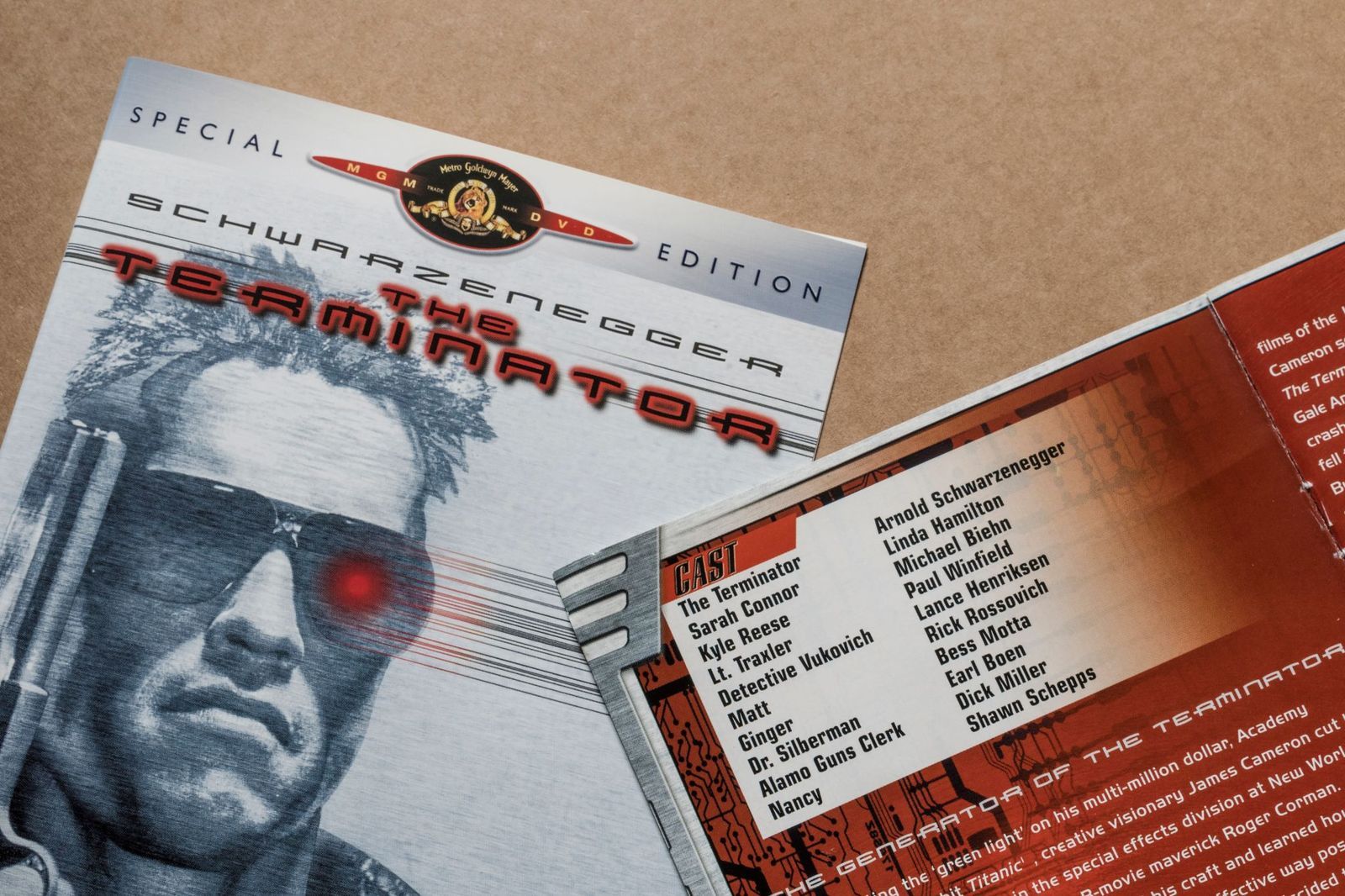
Before he made Titanic and Avatar , James Cameron was a young director whose only credit was the low-budget sequel Piranha II: The Spawning . In the early 1980s, he had a script about a killer robot from the future, The Terminator .
Producers liked the science-fiction story, but Cameron was still a relatively inexperienced filmmaker. He wanted control of the project, and producer Gale Anne Hurd believed in his vision. Cameron sold her the rights for just $1, on the condition that she would never make the film without him directing it. Hurd helped bring the project together, and the movie opened in 1984, starring Arnold Schwarzenegger as the relentless cyborg sent from the future. It became a hit and launched a major franchise. Cameron later explained that the promise mattered far more to him than the dollar. Unlike inventors who lost control of their ideas, he deliberately accepted a token payment to protect his chance to direct the film, and became one of the most successful directors and producers in Hollywood.
7 Carolyn Davidson's $35 Nike logo
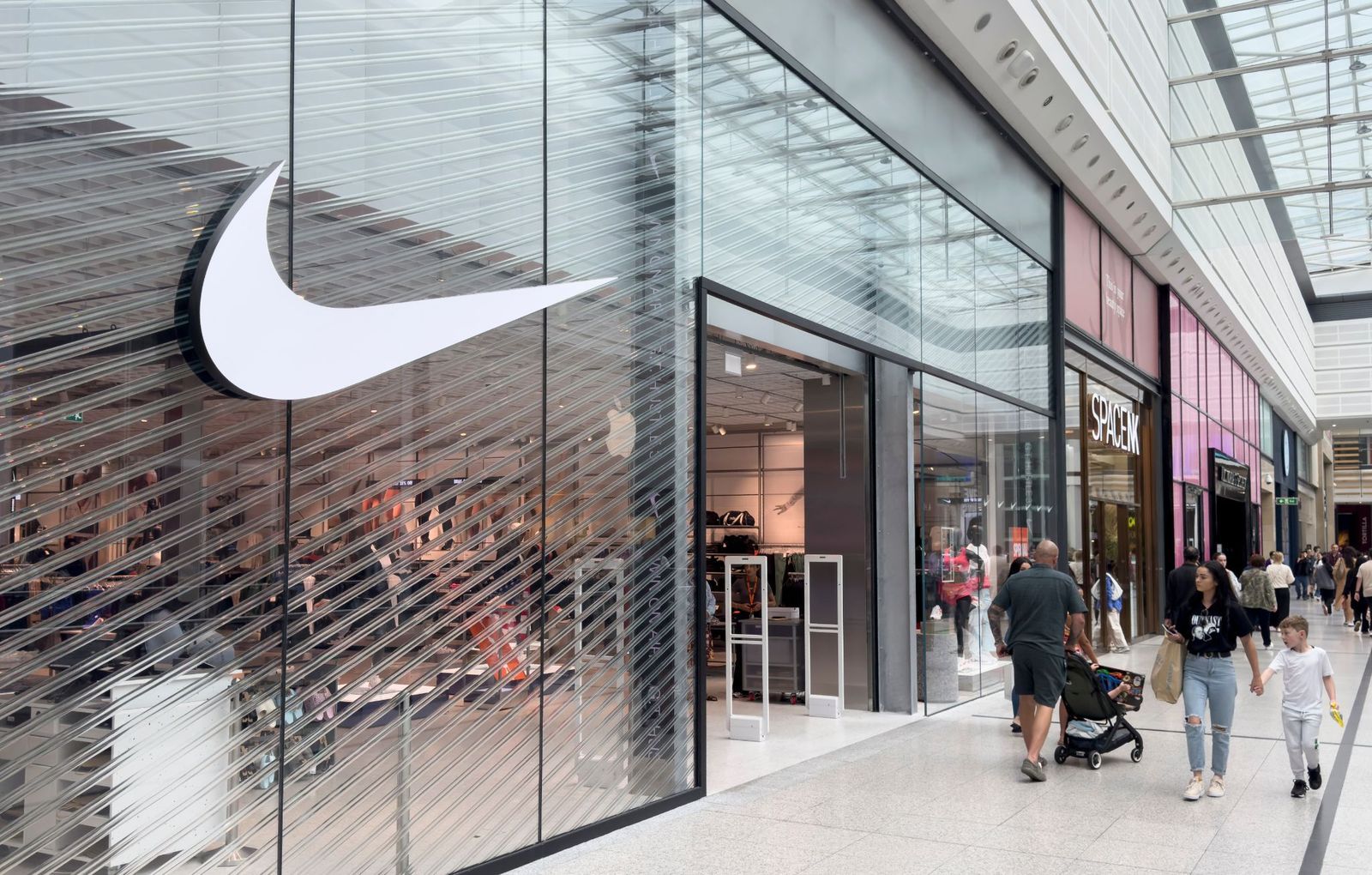
Every pair of Nikes carries a check mark that began with a college student’s invoice. In 1971, Phil Knight, who was building a small athletic shoe business called Blue Ribbon Sports, needed a distinctive mark for his products. He approached Carolyn Davidson, a graphic design student at Portland State University in Oregon, where he taught accounting. Knight asked for a design that suggested movement.
Davidson produced several options, and the team chose the curved symbol, even though Knight admitted he wasn't particularly fond of it at first. She invoiced him $35, something close to $290 today, for her work. The logo appeared on Nike shoes that year and gradually became one of the most recognizable brand symbols in the world. In 1983, Knight invited Davidson to lunch and presented her with a gold Swoosh ring and 500 shares of Nike stock in appreciation of her contribution. Her original fee was modest, but the later gift gave her a stake in the company she helped identify.
8 Ruth Wakefield's $1 chocolate chip cookie deal
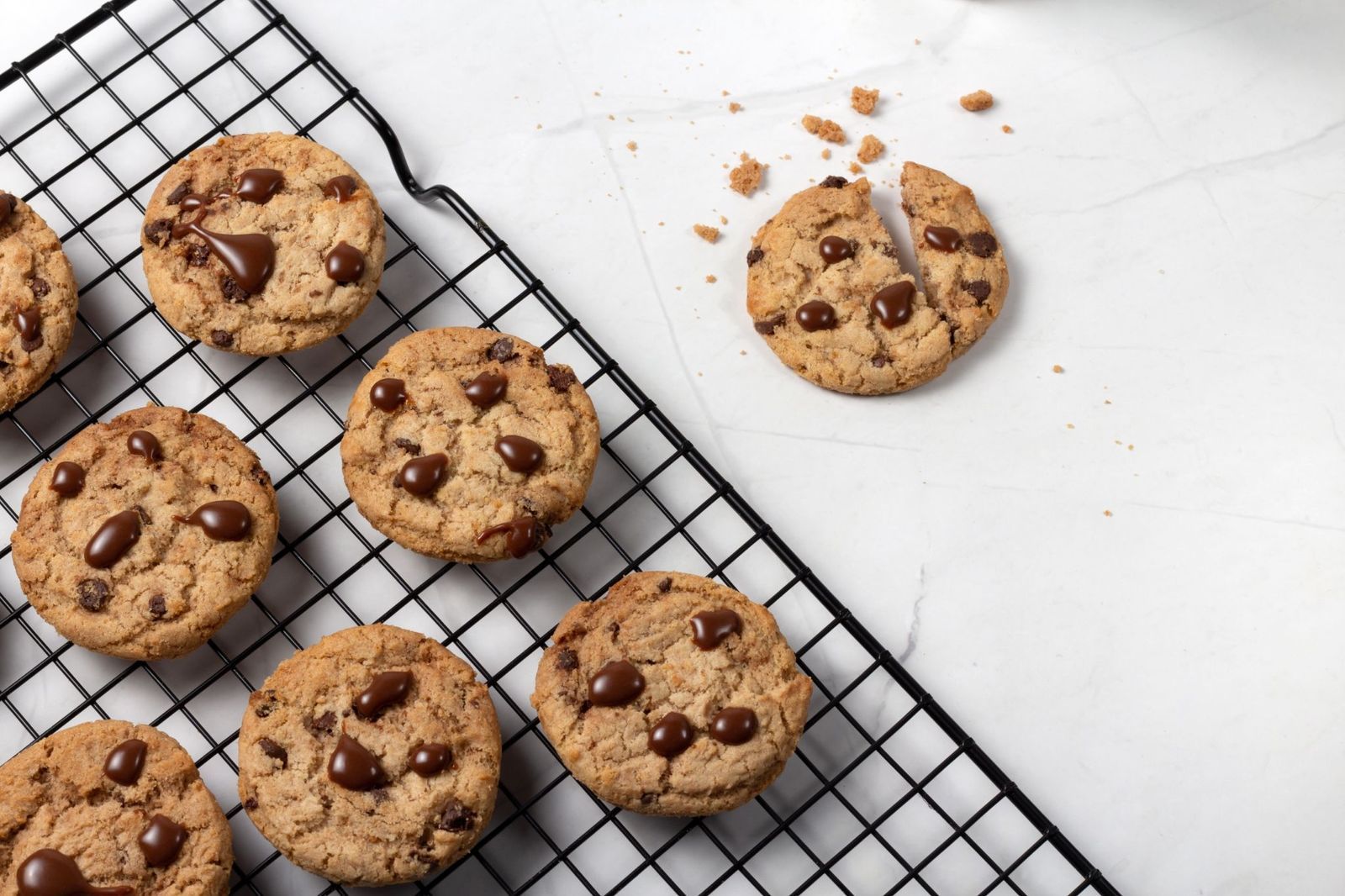
In the 1930s, Ruth Graves Wakefield ran the Toll House Inn in Whitman, Massachusetts, where guests enjoyed her home baking. While preparing what she intended to be chocolate cookies, she chopped a semisweet chocolate bar into small pieces and mixed them into the dough. The chocolate softened but didn’t melt completely, creating the texture that made the cookies distinctive.
The recipe became popular, and Nestlé noticed that demand for its chocolate was growing. In 1939, Wakefield reached an agreement allowing the company to print her Toll House cookie recipe on its packaging. The payment was $1, only $23 today, along with a lifetime supply of chocolate. Wakefield also served as a consultant to Nestlé. The arrangement helped connect her recipe with home bakers across America, while Nestlé eventually began selling ready-made chocolate morsels.
9 Alexey Pajitnov and the years without Tetris royalties
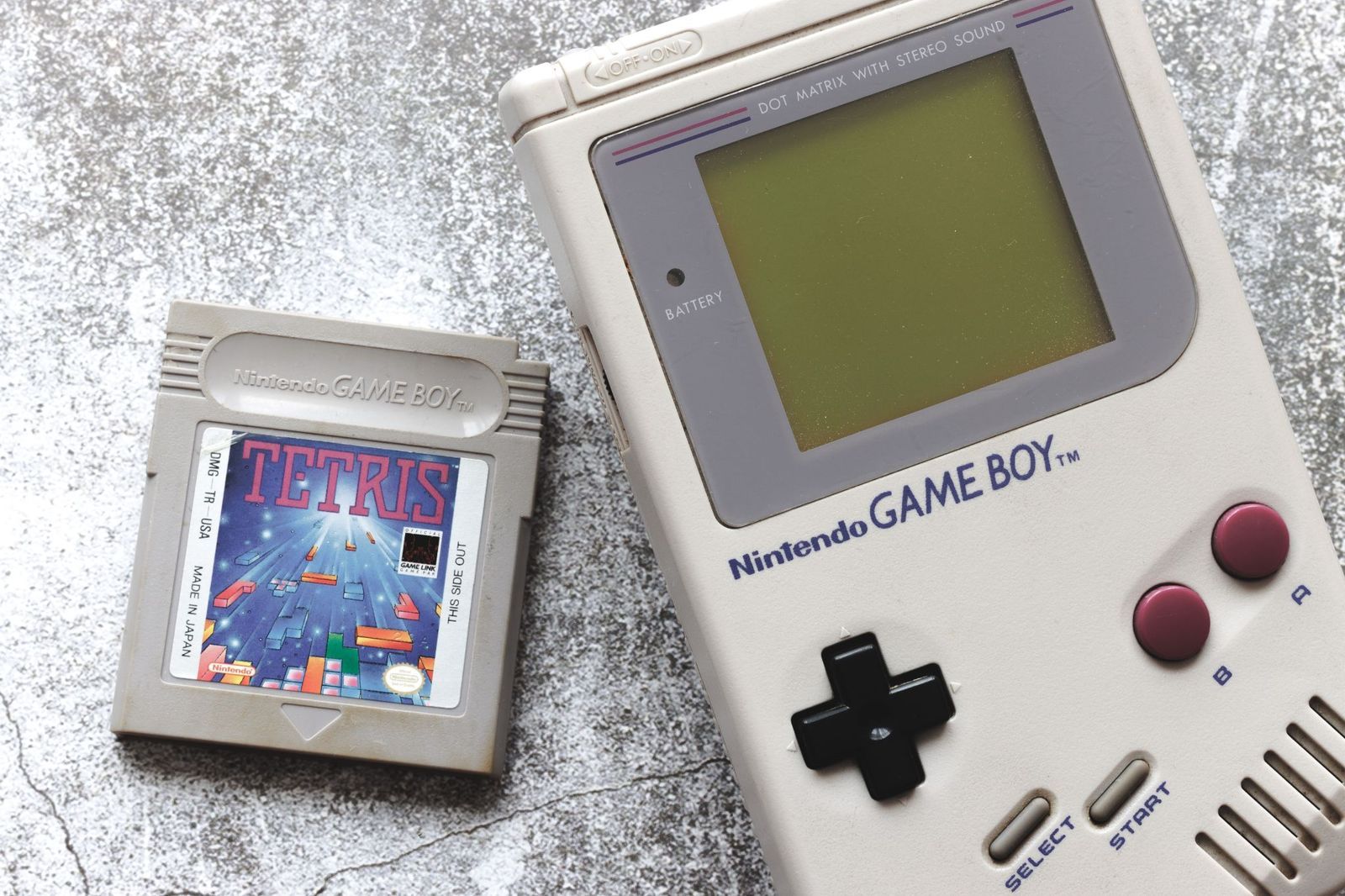
If you've ever lost track of time fitting falling blocks together while playing Tetris, you might be surprised to learn that its creator initially earned no royalties from its worldwide success.
Alexey Pajitnov developed the game in 1984 while working at the Computing Center of the Soviet Academy of Sciences in Moscow. Inspired by a puzzle involving geometric shapes, he created a simple but addictive computer game that spread quickly among colleagues and eventually reached millions of players outside the Soviet Union. But Pajitnov didn’t control the commercial rights. Under the system of the time, the institution arranged to exploit the game internationally, and he received no personal royalties during the early years. The rights passed through complicated licensing arrangements as companies competed to bring Tetris to home computers and Nintendo's Game Boy. In 1996, Pajitnov co-founded The Tetris Company with entrepreneur Henk Rogers and began receiving the benefits of the game's commercial success.
10 Monty Norman and the James Bond theme
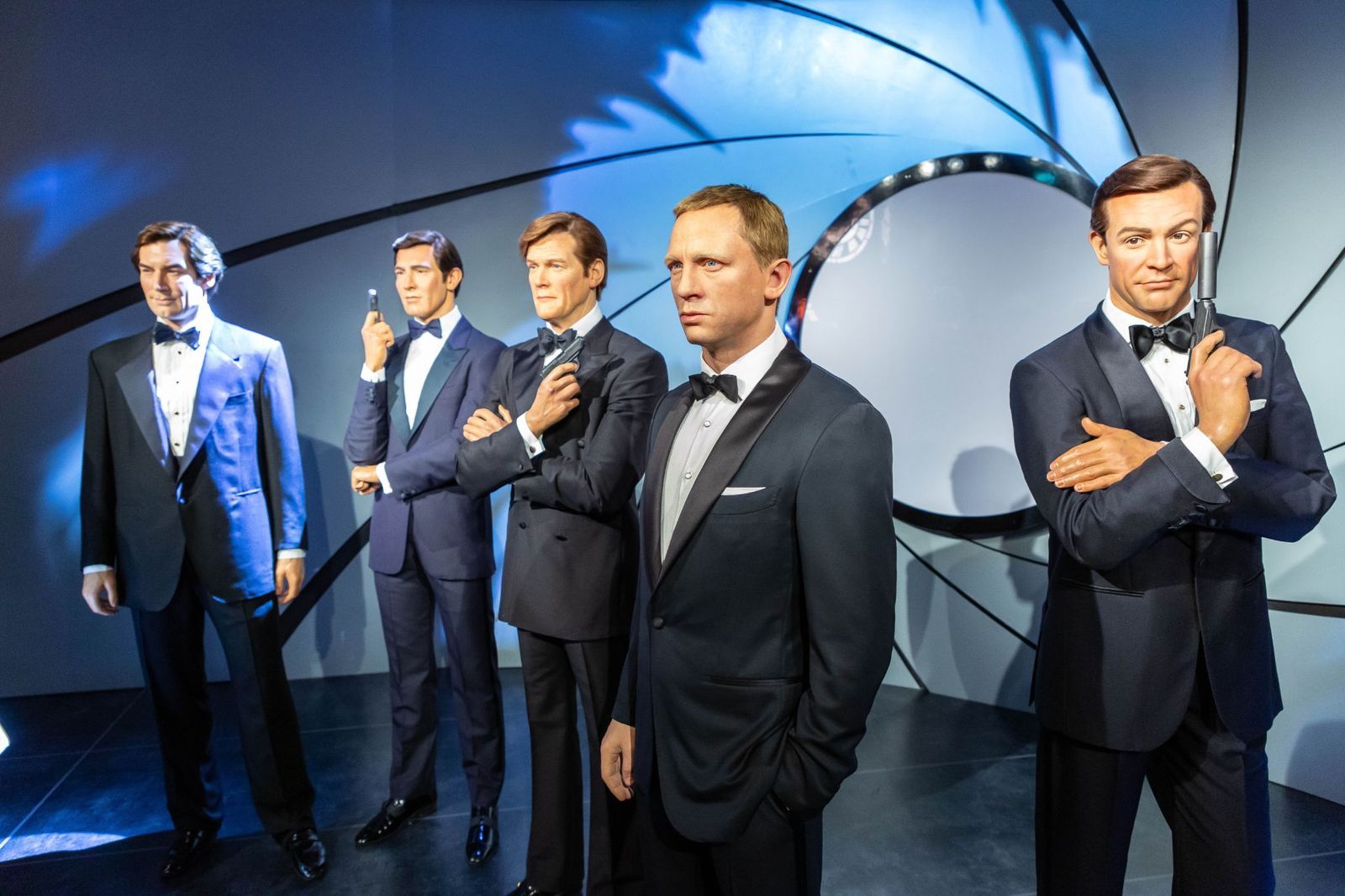
Few movie themes are as instantly recognizable as the brassy, guitar-driven music that introduces James Bond. But the story behind the famous theme includes a long dispute over who deserved credit.
British composer Monty Norman wrote the music for Dr. No, the first Bond film, released in 1962. However, the movie producer brought in composer John Barry to arrange and orchestrate the piece, helping shape the sound heard in the finished movie. Barry was reportedly paid a flat fee of £250, £5,900 in today’s pounds, for his work, while Norman retained the official songwriting credit and received royalties. In 1997, a newspaper article attributed the theme to Barry, prompting Norman to sue for libel. On March 19, 2001, a jury ruled in Norman's favor, awarding him £30,000, roughly £54,000 in today’s pounds, in damages.