Designed to last
Do you know which brand made denim a designer statement?
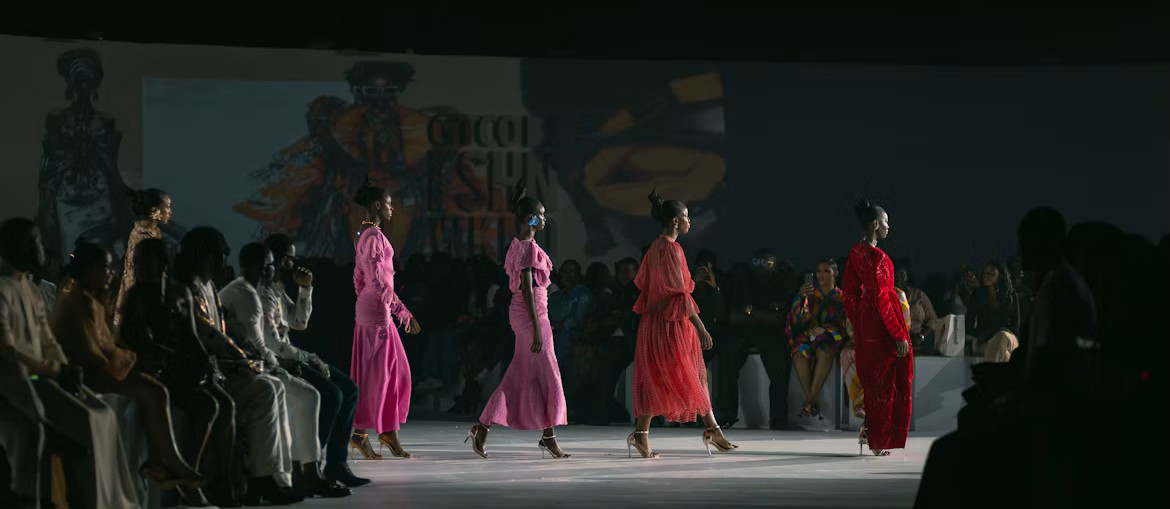
Some fashion trends disappear almost as quickly as they arrive. Others become so familiar that we forget they were ever new. The little black dress, designer jeans, the power suit, the polo shirt- many of the styles we take for granted today were once bold ideas that changed the rules of dressing. Fashion houses introduced new silhouettes, materials, attitudes, and ways of combining luxury with everyday life. Here are 10 influential names behind looks that helped define modern fashion.
1 Chanel: The little black dress
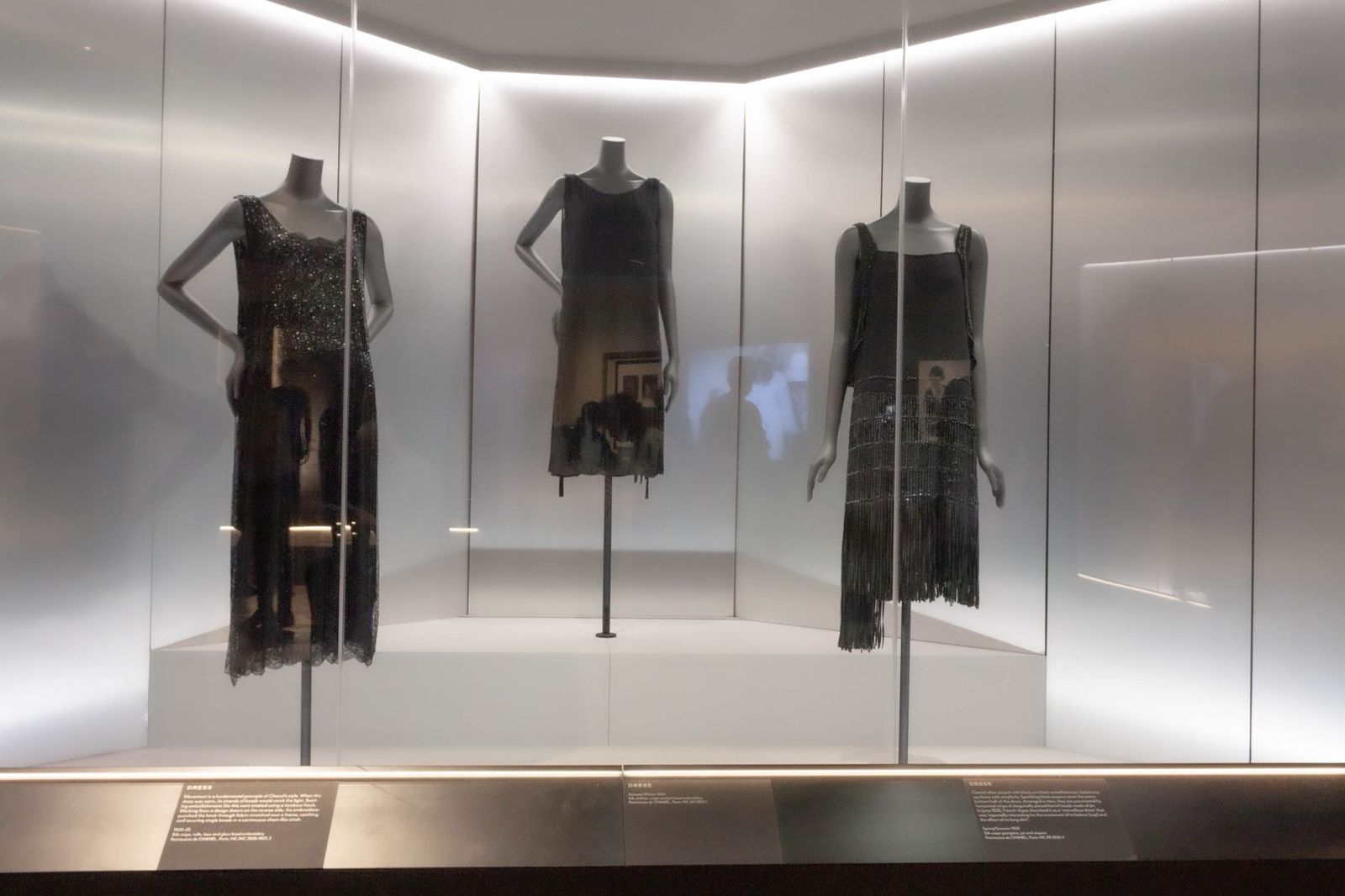
Before Chanel, black was strongly associated with mourning and formal occasions. Then, in 1926, Gabrielle "Coco" Chanel put a simple black dress on the cover of Vogue. Her version was sleek, practical, and surprisingly versatile, a dress that could work for many occasions rather than one reserved for a single event.
The idea caught on because it solved a very real problem: what to wear when you wanted to look elegant without looking overdressed . Chanel also helped popularize relaxed jersey clothing, trousers for women, tweed suits, and costume jewelry. The little black dress, however, remains perhaps her most enduring contribution.
2 Ralph Lauren: The polo shirt and the American dream
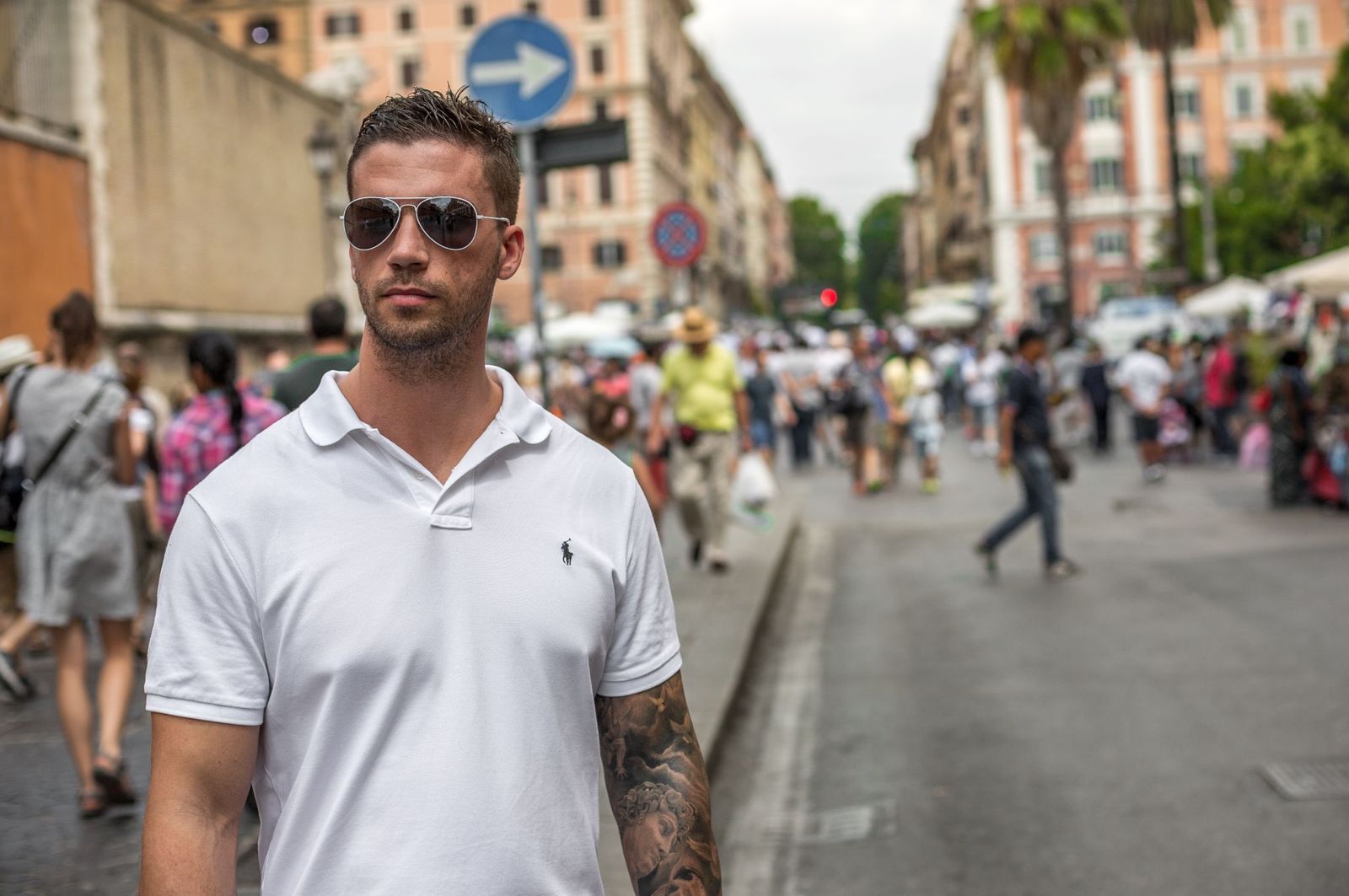
Few designers turned an entire lifestyle into a fashion brand as successfully as Ralph Lauren. His polo shirts, tailored jackets, cable-knit sweaters, chinos, and preppy sportswear created a polished vision of an American life associated with country clubs, weekends in the countryside, and understated affluence.
The polo shirt became especially powerful because it crossed social and fashion boundaries. It could be worn casually with jeans or as part of a more polished outfit. Ralph Lauren helped establish a distinctly American version of classic style and showed that a fashion brand could sell not just clothes, but an entire idea of how people wanted to live.
3 Dior: The return of the full skirt
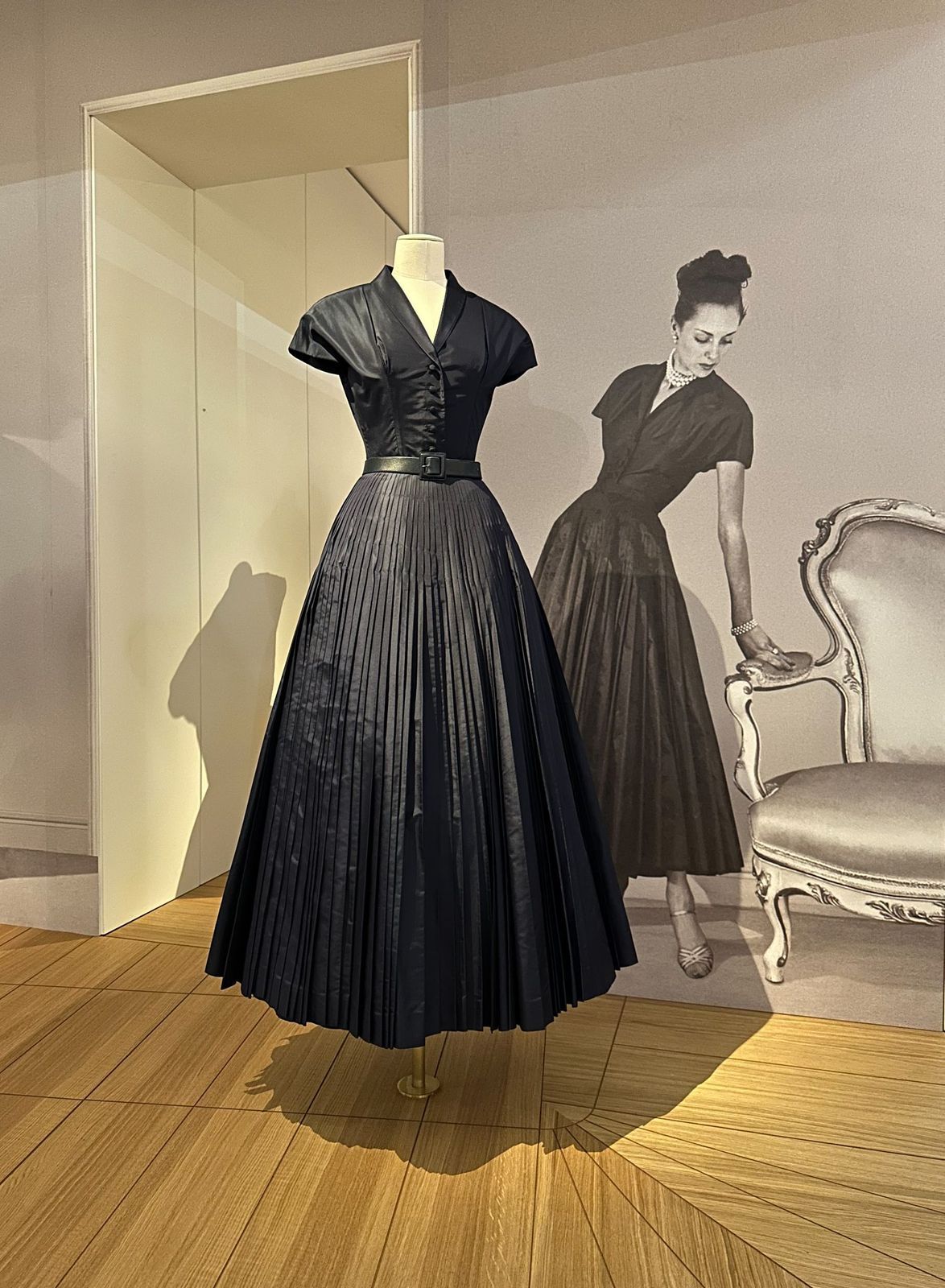
When Christian Dior unveiled his first collection in 1947, women's fashion was about to take a dramatic turn. His narrow-waisted jackets and generous, sweeping skirts created the silhouette that became known as the "New Look." After the fabric shortages and practical clothing of World War II, Dior offered something deliberately glamorous and feminine.
The style quickly became one of the defining looks of the 1950s. Full skirts appeared everywhere, from department stores to Hollywood wardrobes, and the tiny waist became a major fashion ideal. Dior demonstrated how dramatically a new silhouette could change the way an entire generation dressed.
4 Calvin Klein: Designer jeans became everyday fashion
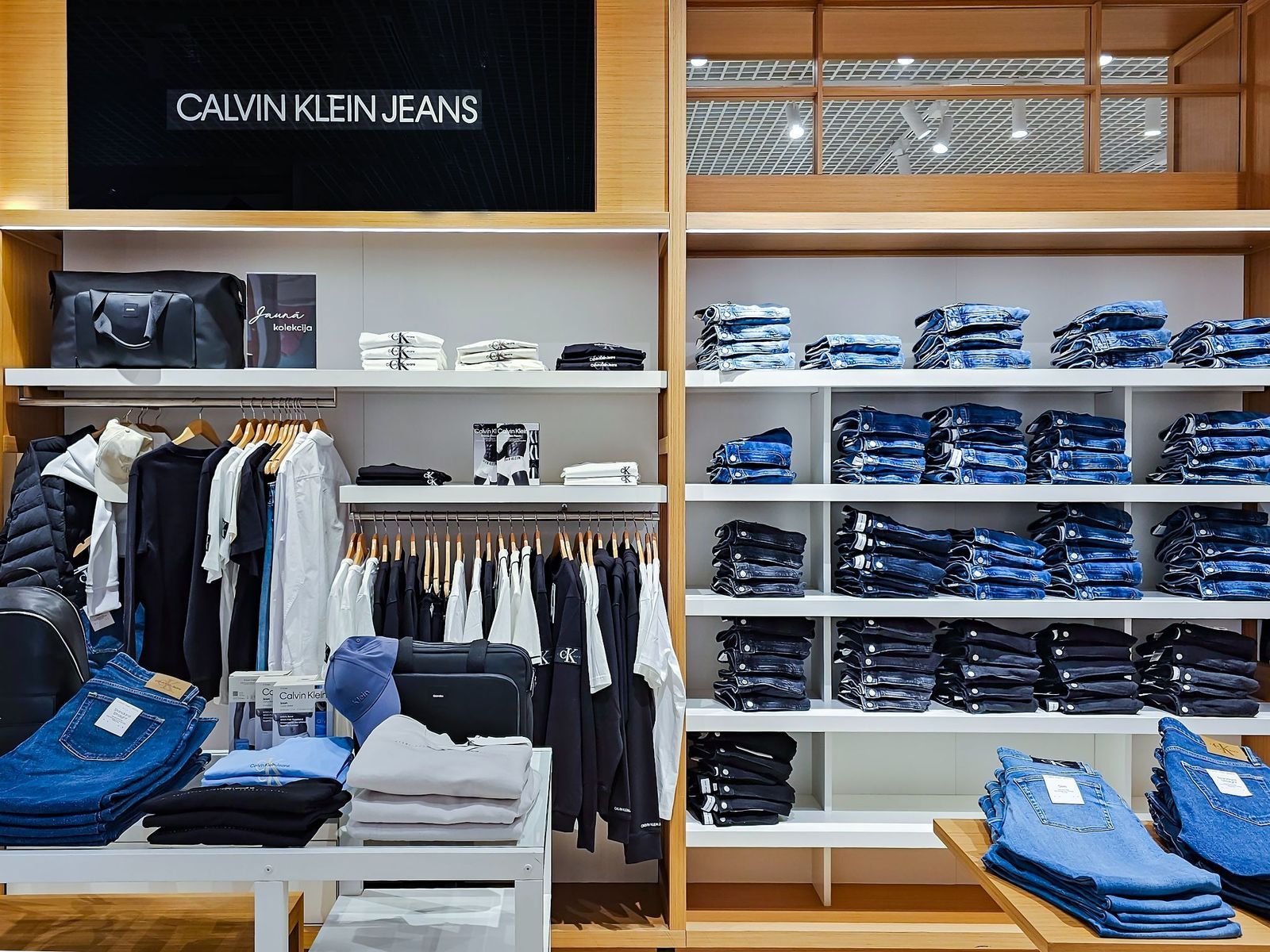
Calvin Klein helped turn some of the most ordinary items in the closet into designer products. His jeans became especially famous, transforming denim from basic workwear and casual clothing into something associated with fashion, youth, and sex appeal.
The brand's advertising played a huge role. Provocative campaigns featuring young models made Calvin Klein jeans (and later its underwear) highly visible parts of popular culture. The larger idea was revolutionary in its simplicity: a designer label didn't need to be attached to a ball gown. It could be on a pair of jeans or underwear that people wore every day.
5 Gucci: When the handbag became a status symbol
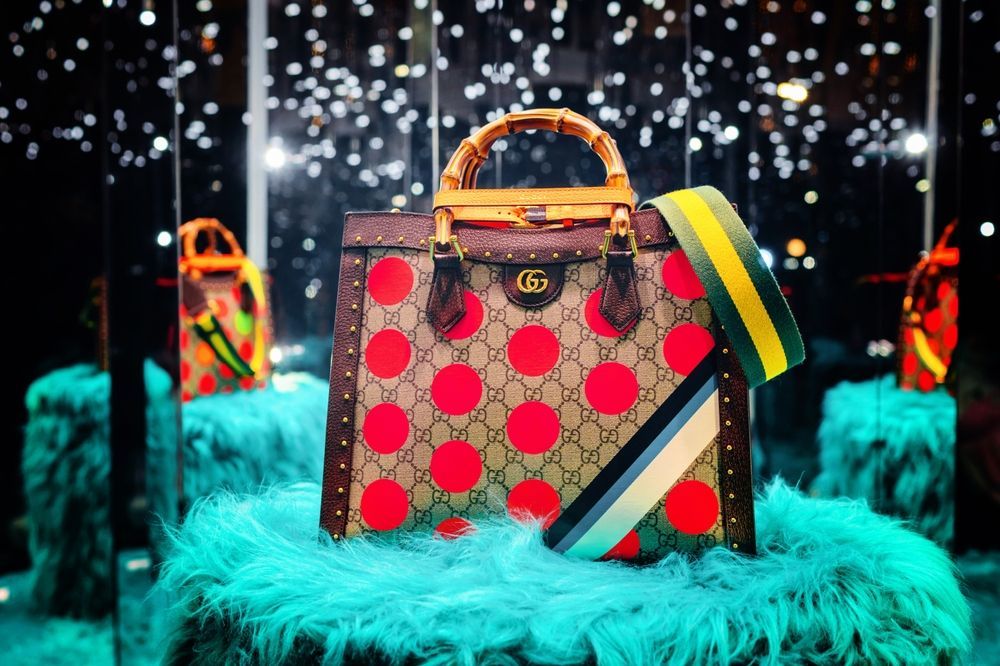
Gucci started out making luxury leather goods and luggage in Florence, but its handbags and accessories eventually became just as recognizable as anything on a runway. Details such as the horse-bit clasp, the interlocking GG logo, and distinctive patterns helped turn a handbag into something that could immediately signal its brand.
That idea had a lasting effect on fashion. A handbag was no longer simply something useful for carrying personal belongings but a major part of an outfit and even a symbol of success. Gucci helped establish the designer accessory as a fashion statement in its own right , a concept that luxury brands continue to build on today.
6 Louis Vuitton: The monogram became part of the look

Louis Vuitton's original business had little to do with the fashion runway. In 1854, Vuitton established himself as a maker of high-quality travel trunks, creating practical luggage for an age when rail and steamship travel were expanding rapidly.
Eventually, the company's famous monogram canvas transformed the luggage itself into a fashion statement. LV-covered trunks and bags became instantly recognizable, and the pattern eventually appeared on purses, wallets, shoes, and clothing. Louis Vuitton helped make the visible branding of a luxury item part of its appeal, a concept that would become enormously important in modern fashion.
7 Prada: Making "less" look luxurious
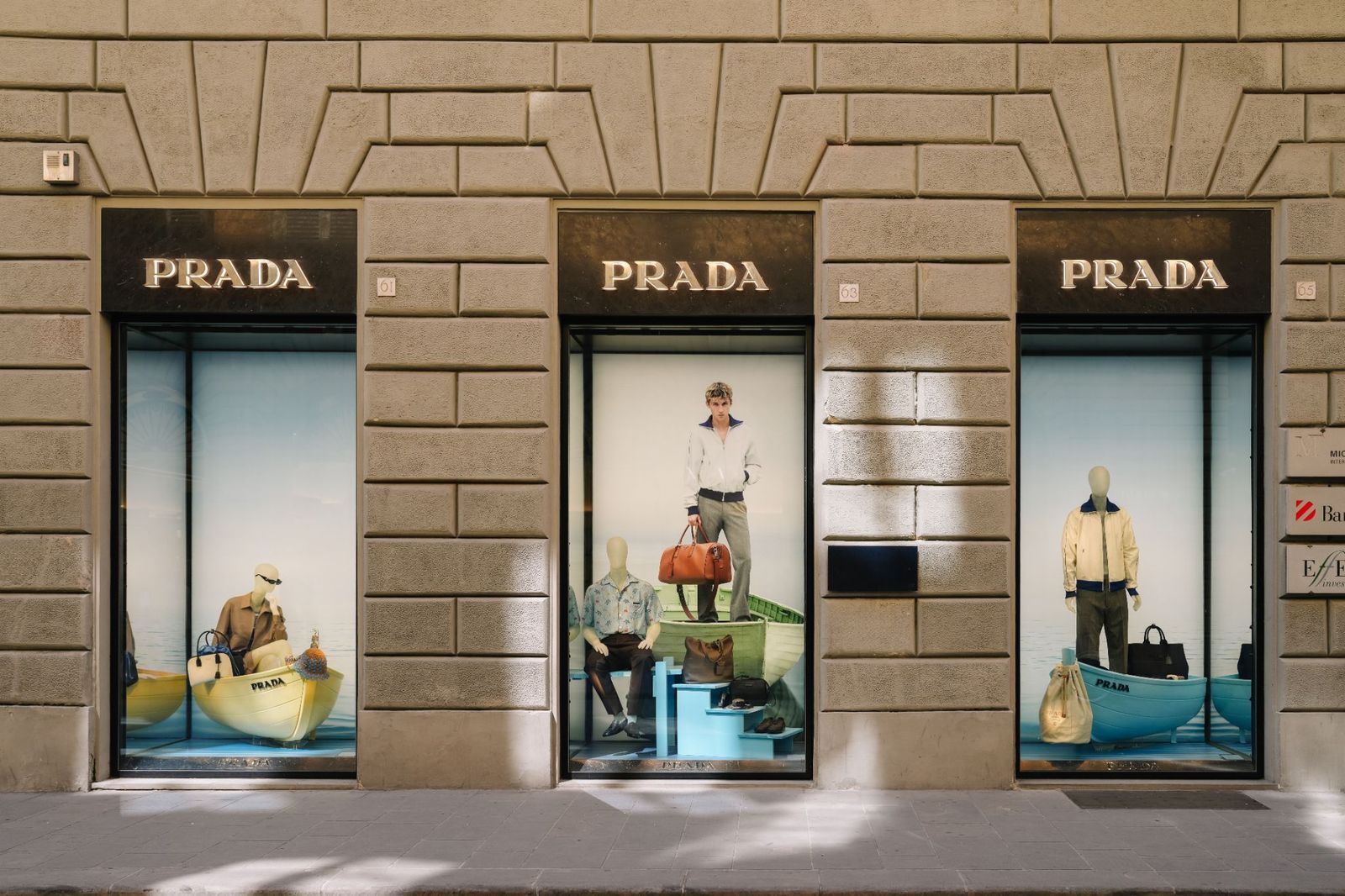
Prada helped turn minimalism into a luxury statement . Under Miuccia Prada, the Italian house became known for clean lines, unconventional combinations, muted colors, and materials that didn't necessarily look luxurious at first glance. One of its most famous choices was nylon, a practical material that Prada transformed into highly desirable handbags and accessories.
The appeal was partly that Prada didn't always scream "designer." Its clothes could look intellectual, understated, and even deliberately ordinary. During the minimalist fashion movement of the 1990s, that attitude became hugely influential.
8 Versace: When fashion became a celebrity event
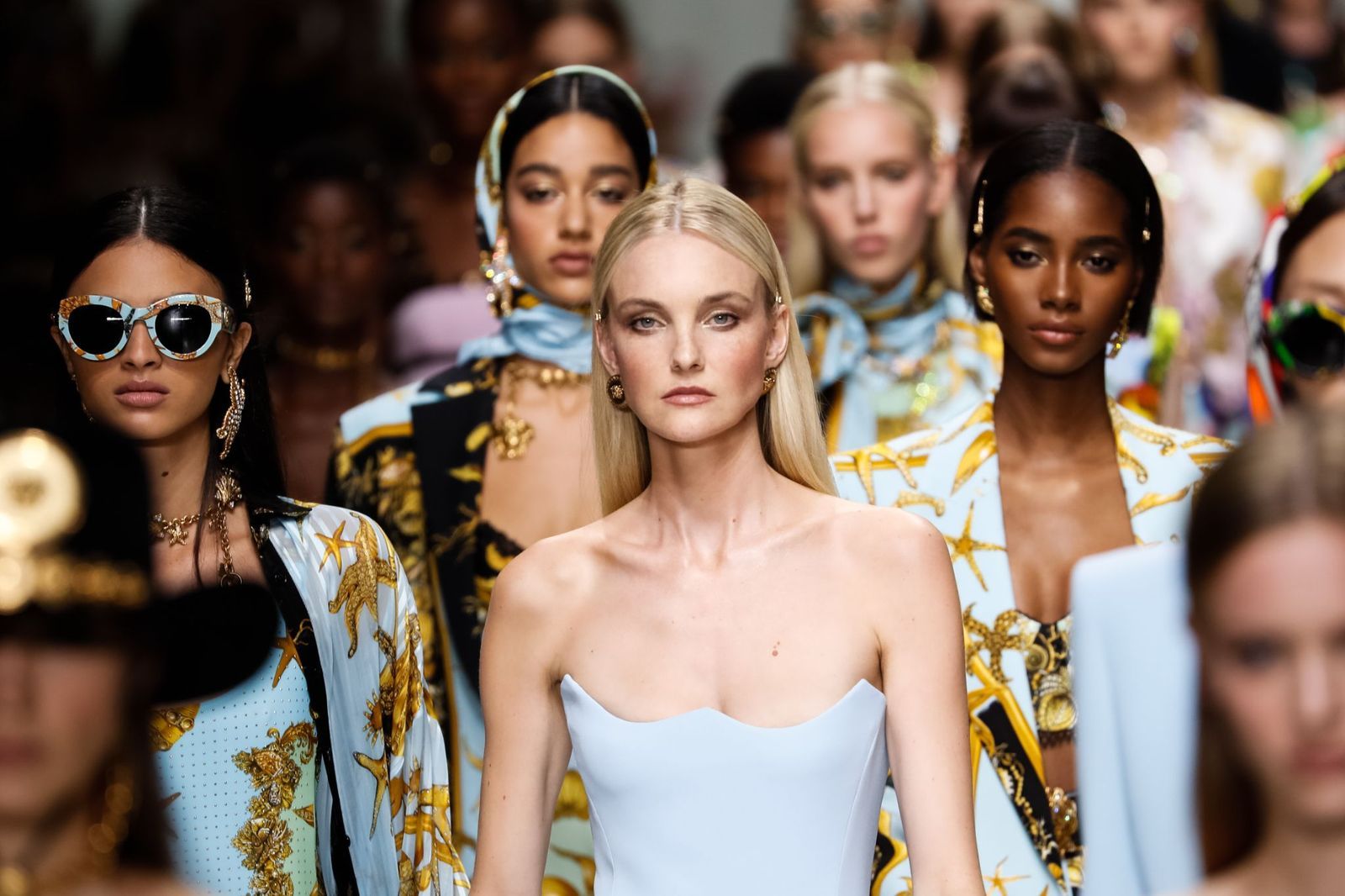
Versace brought a sense of drama to fashion that was difficult to ignore. Gianni Versace became famous for vivid colors, daring cuts, metallic details, and eye-catching prints. His designs weren't meant to disappear into the background, and the brand's distinctive Medusa logo became instantly recognizable.
Just as importantly, Versace helped strengthen the connection between fashion and celebrity culture. Supermodels became stars in their own right, while unforgettable dresses worn by musicians, actors, and other celebrities could become major pop-culture moments. The red carpet became a fashion stage, and Versace was one of the houses that helped make it so.
9 Armani: The suit got softer
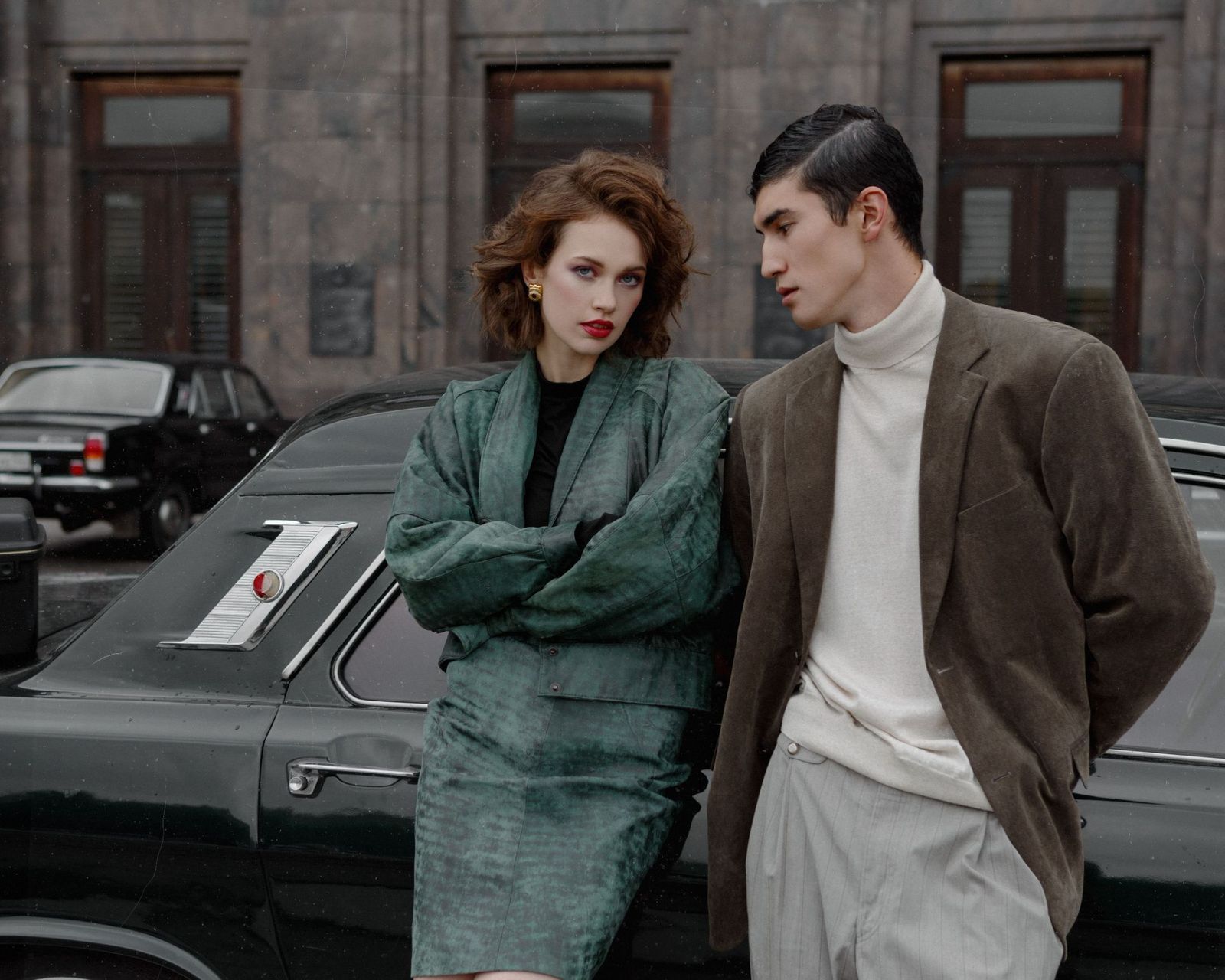
Giorgio Armani changed the traditional suit by reducing its stiffness. His jackets were softer and less structured, with a relaxed silhouette that still looked polished. Instead of making power dressing feel rigid, Armani made it look effortless.
The approach became particularly influential for women entering and advancing in the professional world. Armani's suits conveyed authority without the exaggerated tailoring associated with earlier business attire. By the 1980s, the Armani look had become closely linked with modern professional success, and Hollywood helped turn it into an international symbol of sophistication.
10 Yves Saint Laurent: Women borrowed from the men's closet

Yves Saint Laurent challenged one of fashion's oldest assumptions: that women needed distinctly feminine clothing to look elegant. In 1966, he introduced Le Smoking, a tuxedo designed specifically for women. At the time, the idea of a woman wearing a tuxedo for an evening out was still daring.
Saint Laurent didn't stop there. He brought elements such as safari jackets, trousers, military-inspired pieces, and pea coats into women's fashion. His work helped make tailored pants and traditionally masculine clothing feel sophisticated and glamorous for women. Today, the idea that a woman can look perfectly dressed in a sharp suit seems obvious, but designers like Saint Laurent helped make it so.