Household secrets finally explained
Your glue or ointment tube cap is a useful tool, and you had no idea

Between the rush and grind of daily life, most of us never stop to ask why things look the way they do. We also miss little tricks sitting right under our noses , as surprising as they are useful. These designs are smarter than we give them credit for. Take the ketchup bottle, which has a secret spot to tap for a smooth pour, and the humble tube cap, which hides a built-in piercer for the foil seal. Those two kick off our list of ten.
1 The ketchup tap
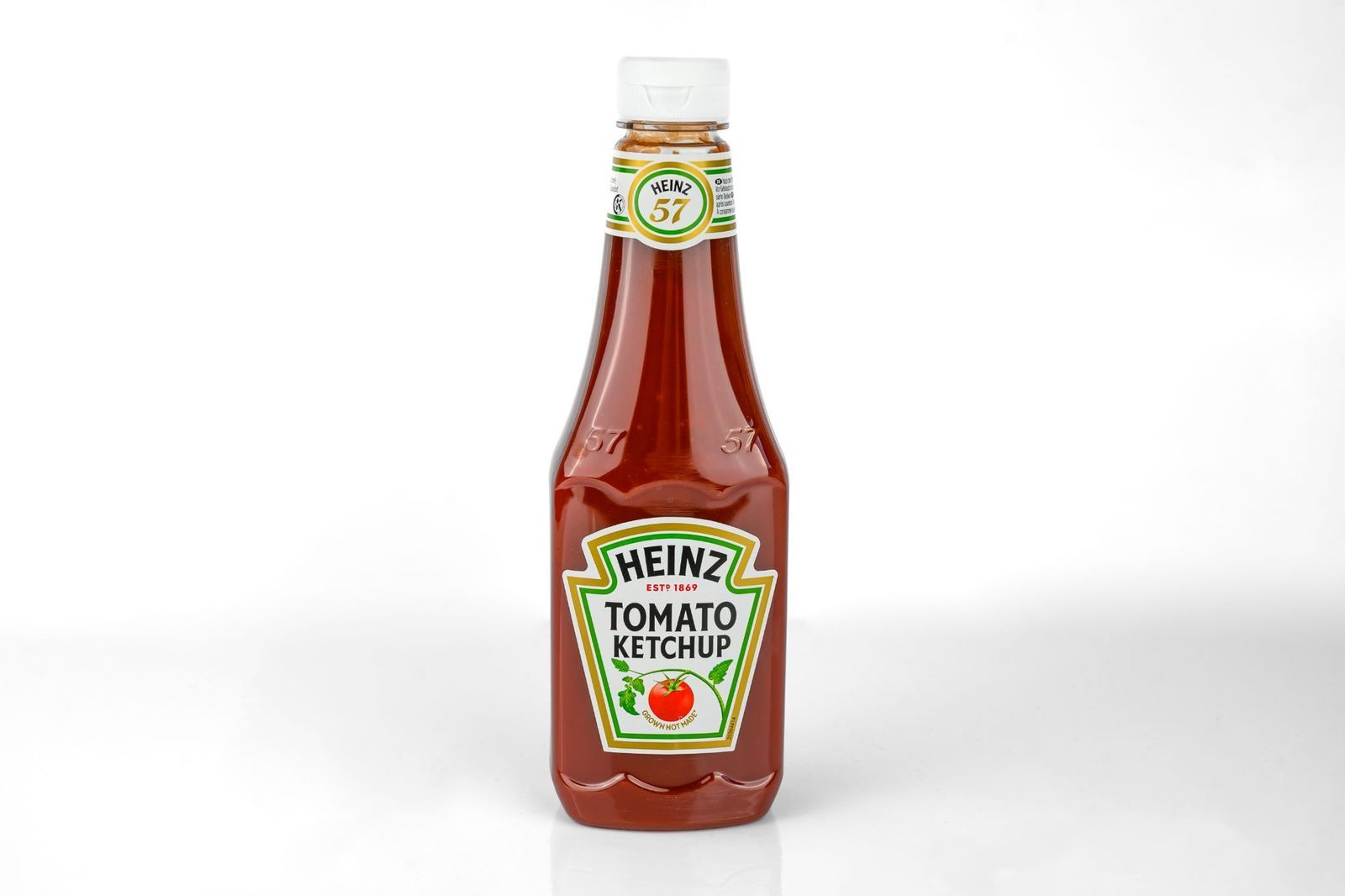
Ever pounded the bottom of a glass Heinz bottle until your arm ached? Heinz has long advised tapping the "57" on the neck instead . The company launched its "57 Varieties" slogan in 1896, and that raised number marks the sweet spot. Ketchup flows more easily when jolted, so a firm tap at the right angle sends it sliding out. No more splattered burgers at backyard cookouts.
2 The built-in tube piercer
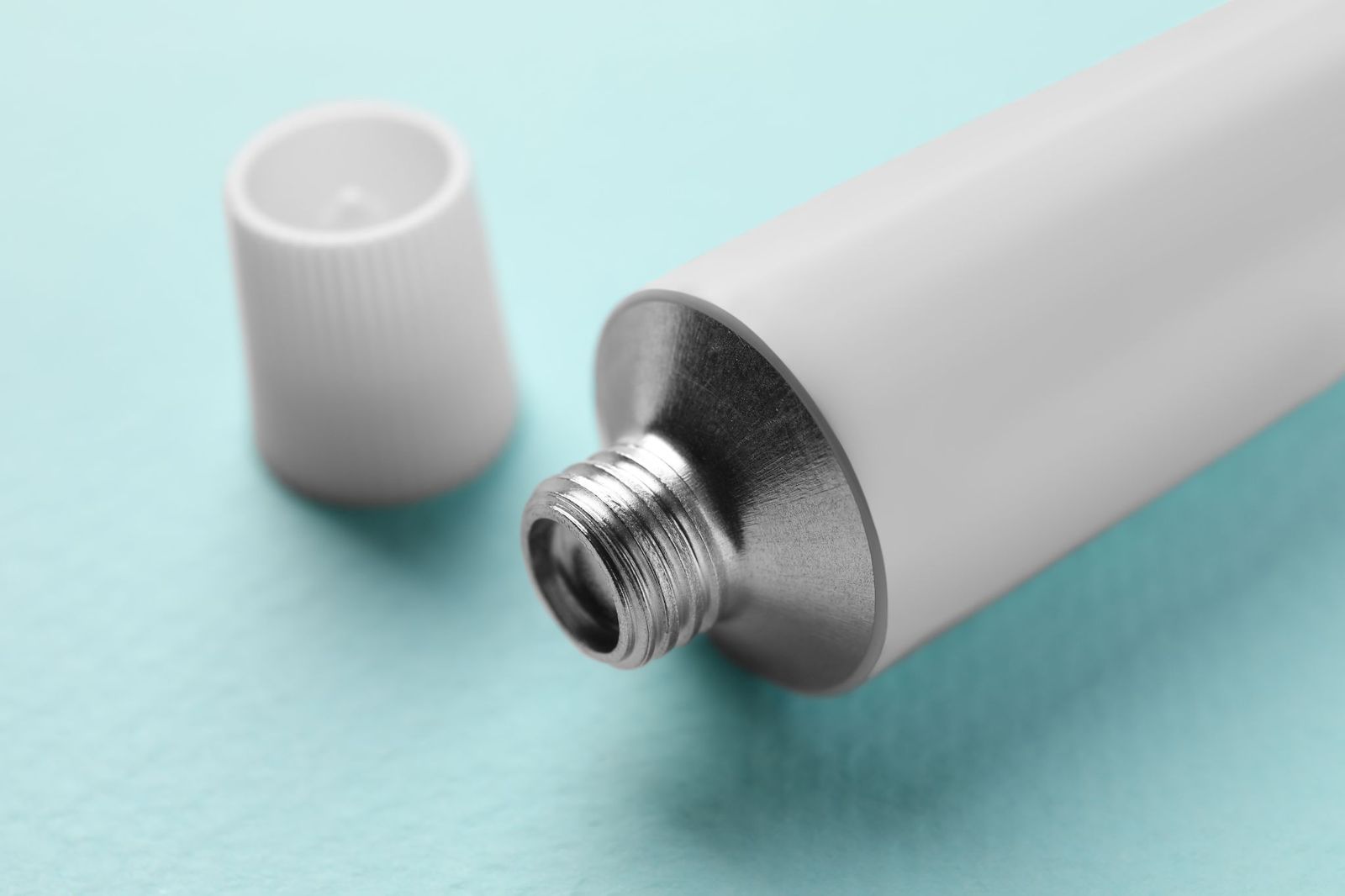
Unscrew the cap on ointment, glue, or tomato paste, then flip it over. That little pointed cone on top punctures the foil seal perfectly . Collapsible tubes date back to 1841, when American painter John Rand patented one for oil paints. Yet generations of us have stabbed seals with butter knives and scissors, wincing the whole time. The cap was the tool all along, sitting right there in our hands.
3 The blue half of the eraser
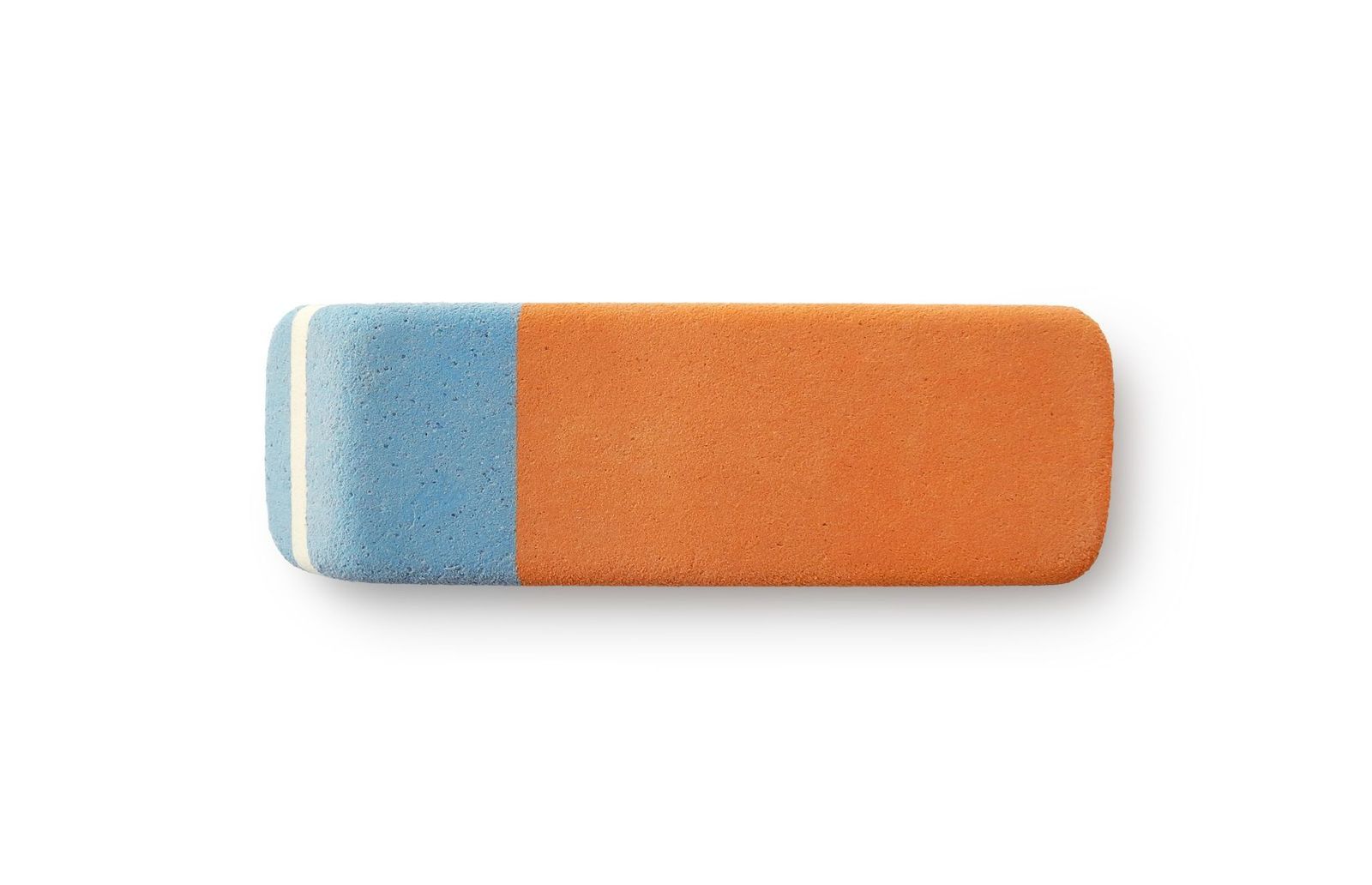
We all learned the pink end handled pencil and the blue end handled ink. Half right. The blue end is gritty, built to scrub stubborn marks off heavy paper , but on ordinary paper it just chews a hole. Hymen Lipman patented the pencil with an attached eraser in 1858, and two-tone versions came later. Remember rubbing straight through your spelling test? That was probably the blue end’s handiwork.
4 What YKK means
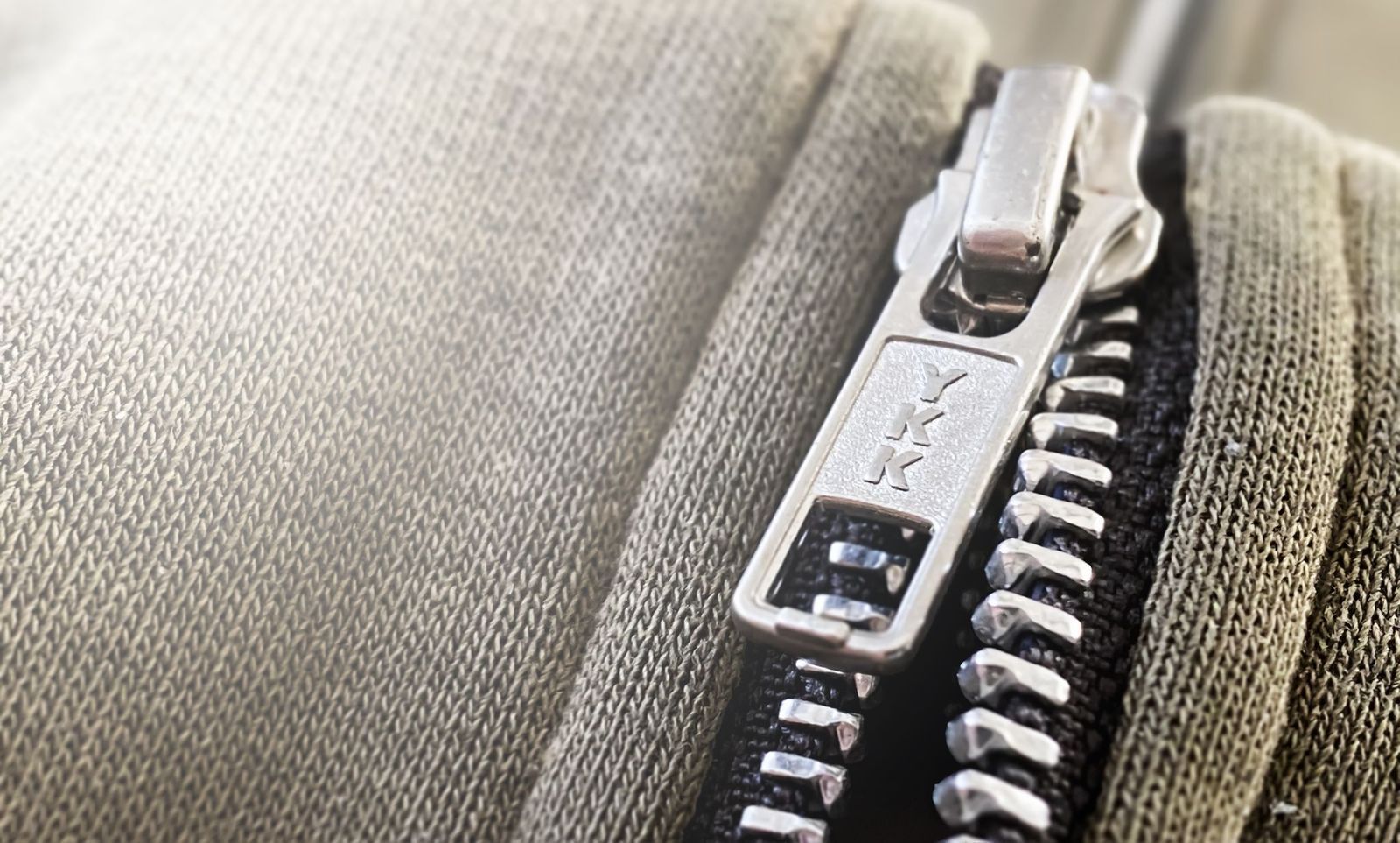
Check your jacket zipper, and you’ll likely find those three letters. They stand for Yoshida Kogyo Kabushikigaisha, a Japanese company founded in 1934 by Tadao Yoshida . It became the world’s largest zipper maker, which explains why the name turns up on everything from jeans to luggage. Remember yanking a stuck zipper on a freezing morning? Spotting YKK is usually a good sign the thing will hold up.
5 The truck bed dividers

Look along the inner walls of many pickups, and you’ll spot molded slots. They’re made to hold 2x6 boards across the bed, creating sections so groceries, toolboxes, and bags of mulch stop sliding around . Ford sold its first factory-built pickup, a Model T, in 1925, and truck owners have been hauling wobbly loads ever since. Suppose you’re someone who keeps chasing a rolling paint can across the bed: these slots are the fix.
6 The holes in electrical plugs
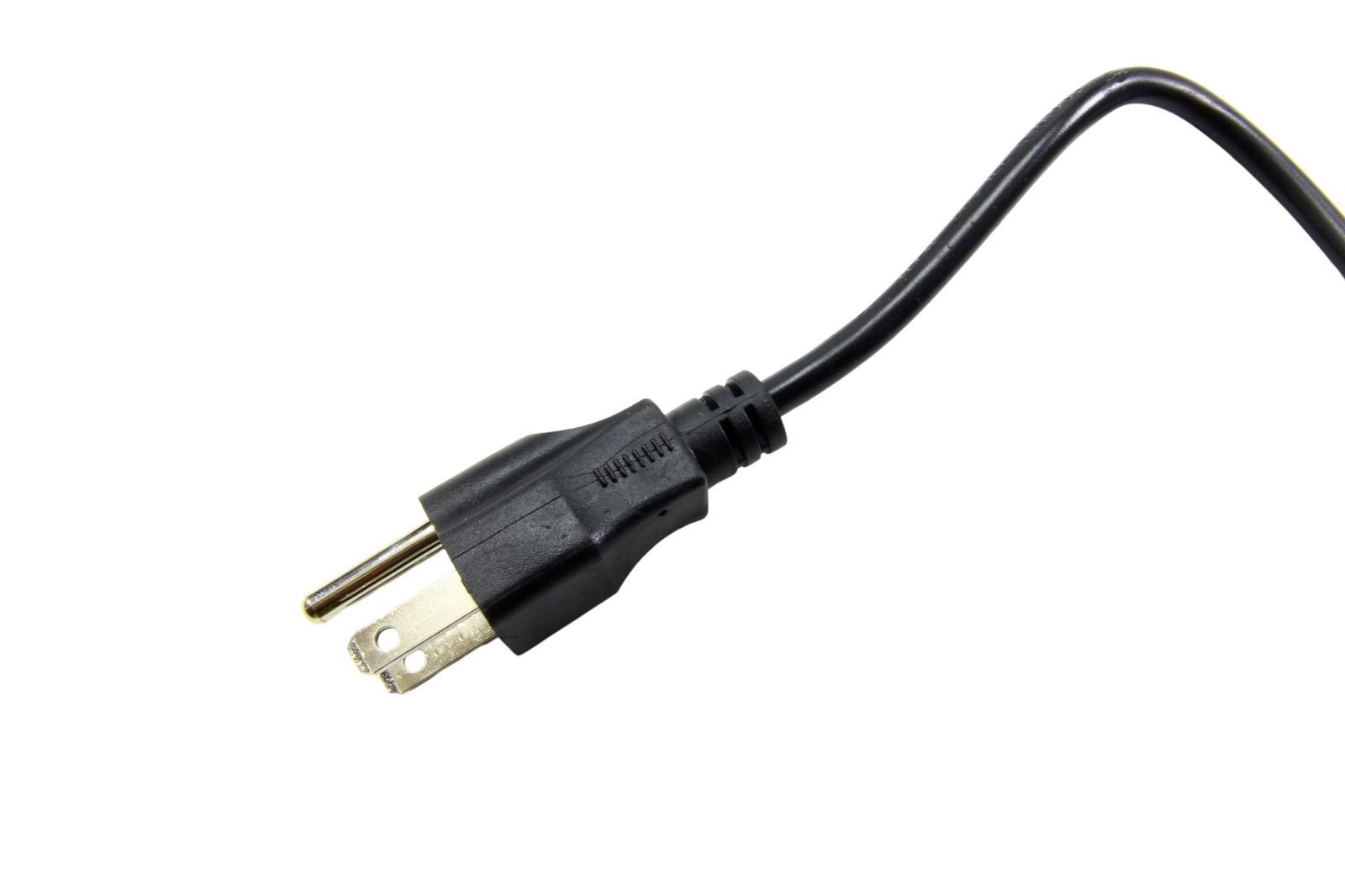
Those two tiny holes near the tips of your plug’s prongs aren’t decoration. Harvey Hubbell patented the two-prong plug in 1904, and the holes have stuck around ever since. They help the outlet’s internal contacts grip the plug snugly , and some safety lockout devices use them to keep a plug from being pulled out.
7 The padlock’s tiny hole
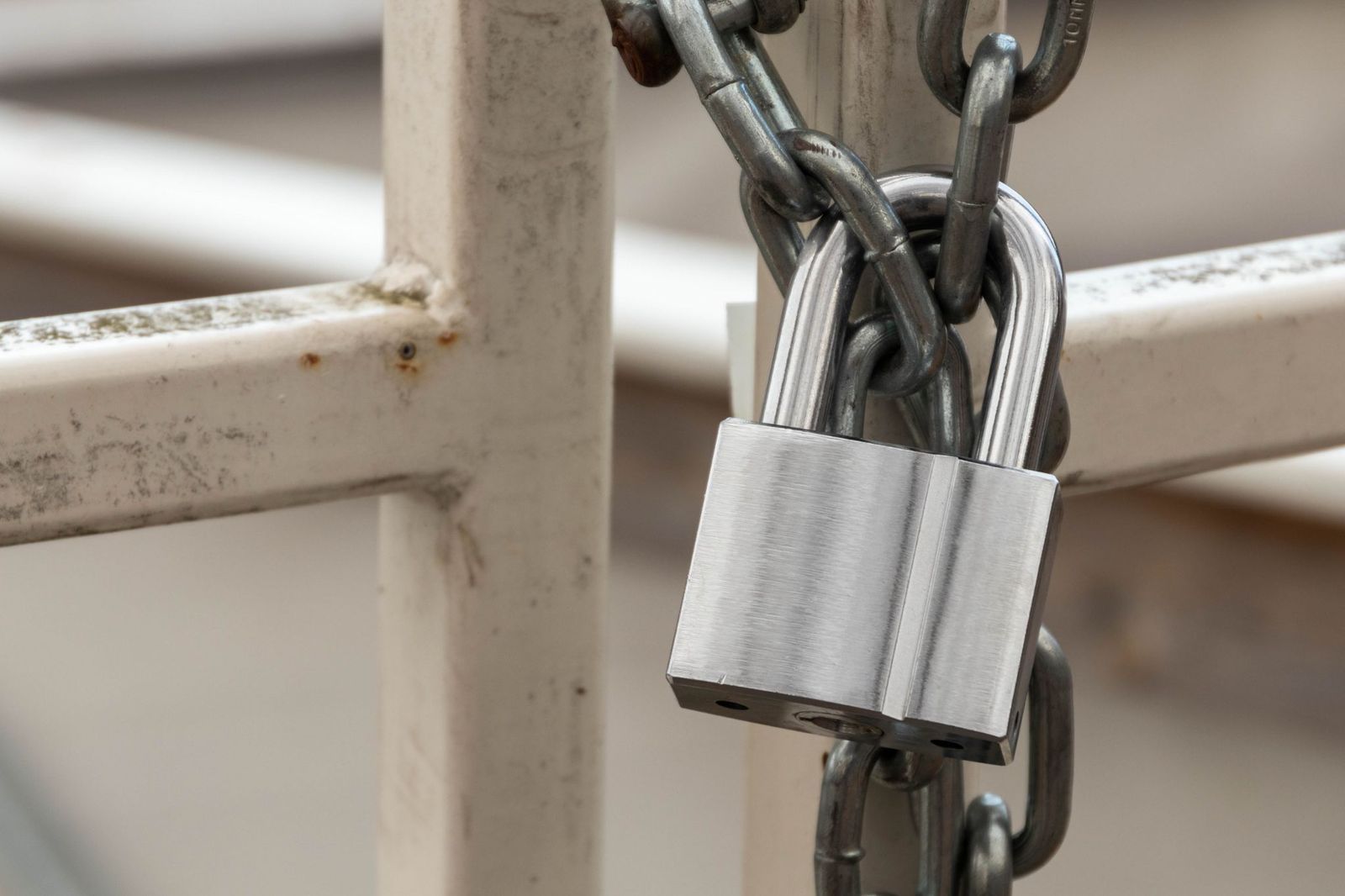
Flip a padlock over, and you’ll find a small hole in the bottom. Milwaukee’s Harry Soref started Master Lock in 1921, and that little opening lets rainwater drain out instead of pooling inside and rusting the works . It’s also the perfect spot to squirt a little oil. Anyone who ever fought a rusty lock on a garden shed or an old bike chain knows how handy that tip is.
8 The stapler’s swivel anvil
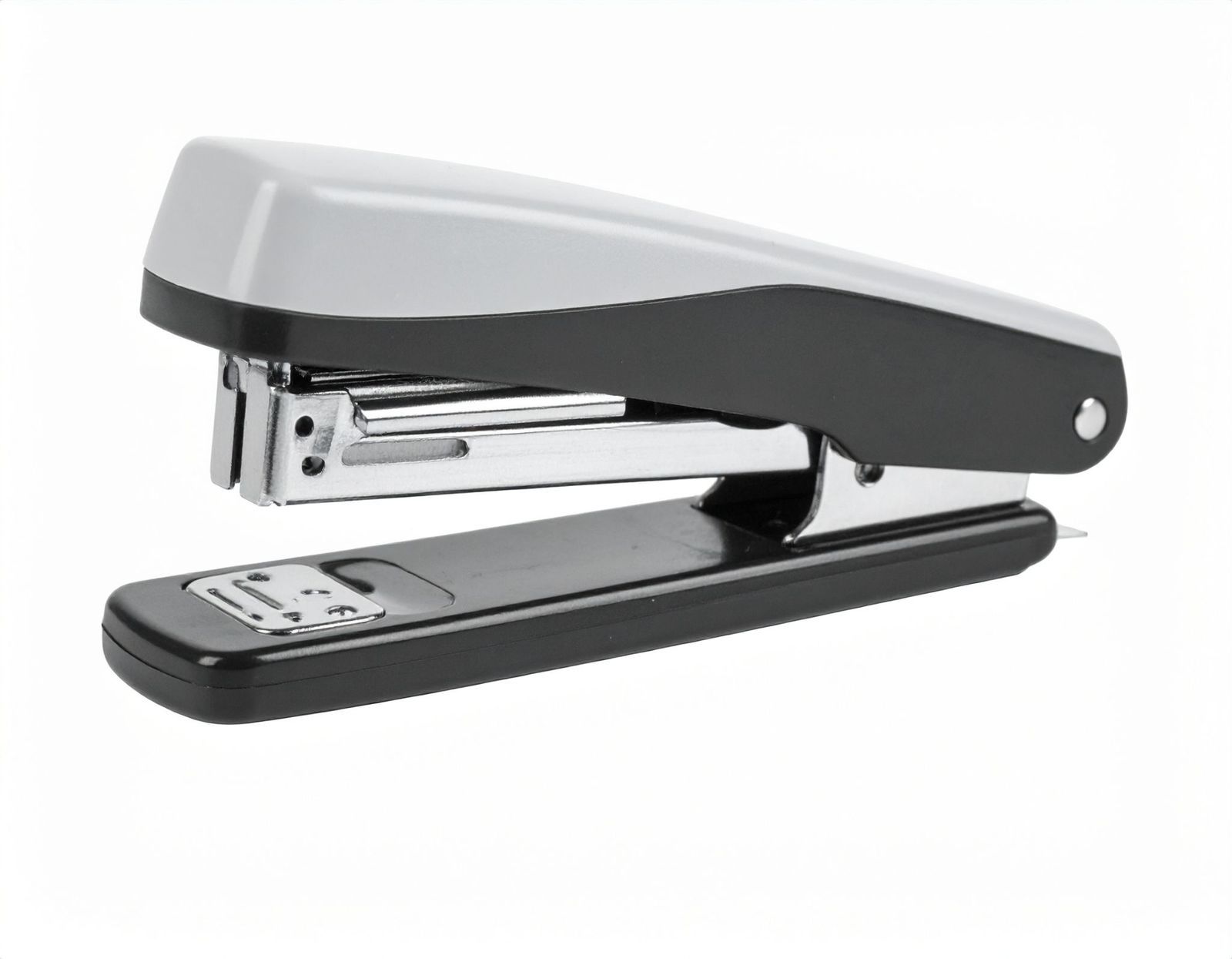
Under the metal plate on most staplers, the anvil can twist around so the staple’s legs bend outward instead of inward. The result is a temporary staple you can pull out easily without tearing the paper . Paper fasteners go back to the 1800s, when George McGill patented early versions. Remember wrestling a stubborn staple out of tax forms with your fingernails? That swivel might have saved your thumbs.
9 The notch on coffee mugs

Turn over an old mug, and you may spot a small gap in the bottom ring. Potters say such ridges keep the piece from sticking to kiln shelves during firing . The gap also lets air and water escape, so the mug doesn’t cling like a suction cup to a wet counter or sink. You won’t find it on most mugs today, since modern factories often use a flat base, but it still turns up on vintage and handmade pieces. Remember that pop when you lifted a mug off the table? So annoying.
10 The loop on dress shirts
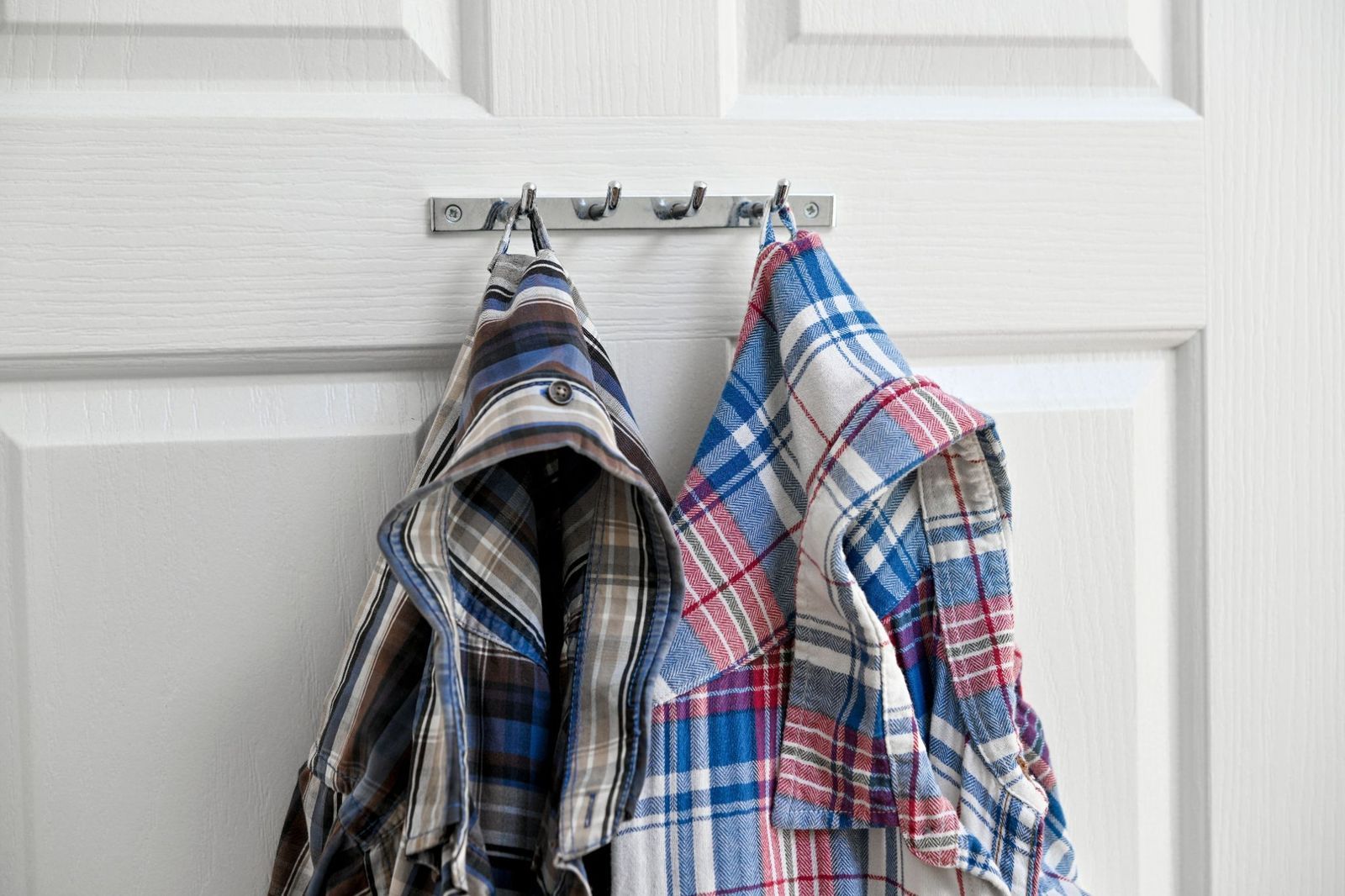
That fabric loop between the shoulder blades is called a locker loop. It took off in the 1960s, when college guys began hanging shirts on hooks in their lockers instead of folding them. Campus legend says a girl could pull it off to show a couple was going steady. Today it still works as a handy hook, though most of us just wonder why our shirts come with a little handle.