What your feline friend can't tell you
It turns out cats do recognize their names. So why do they ignore you?
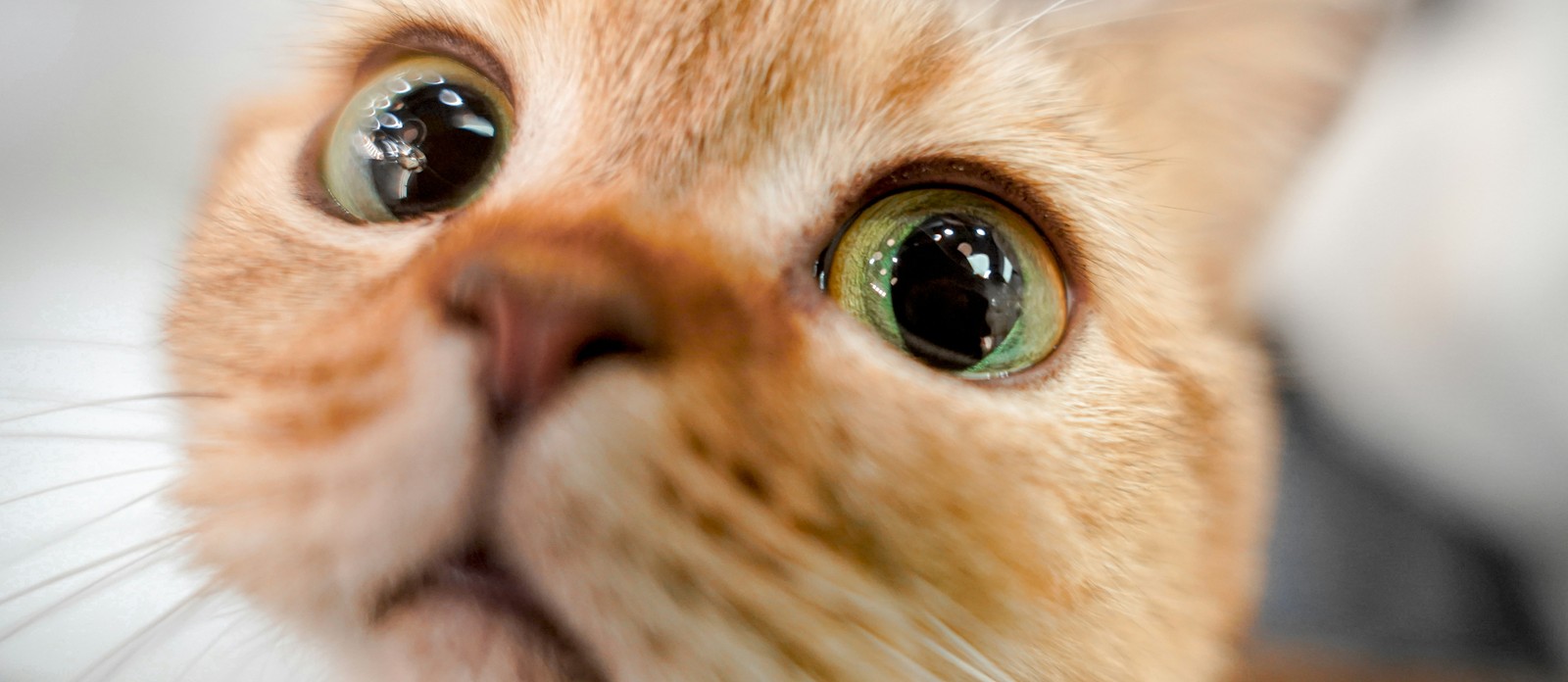
Does your cat know its name and simply choose to ignore you? Why does it squeeze into every cardboard box it finds? And can you really tell whether it’s a left-paw or right-paw kind of cat? Our feline friends are full of surprises, and some of the things we’ve believed about them for years turn out to be myths. From the clever ways they communicate with us to the surprising reason behind their purrs, these 10 fascinating cat facts may change the way you look at them.
1 Cats don’t always land on their feet
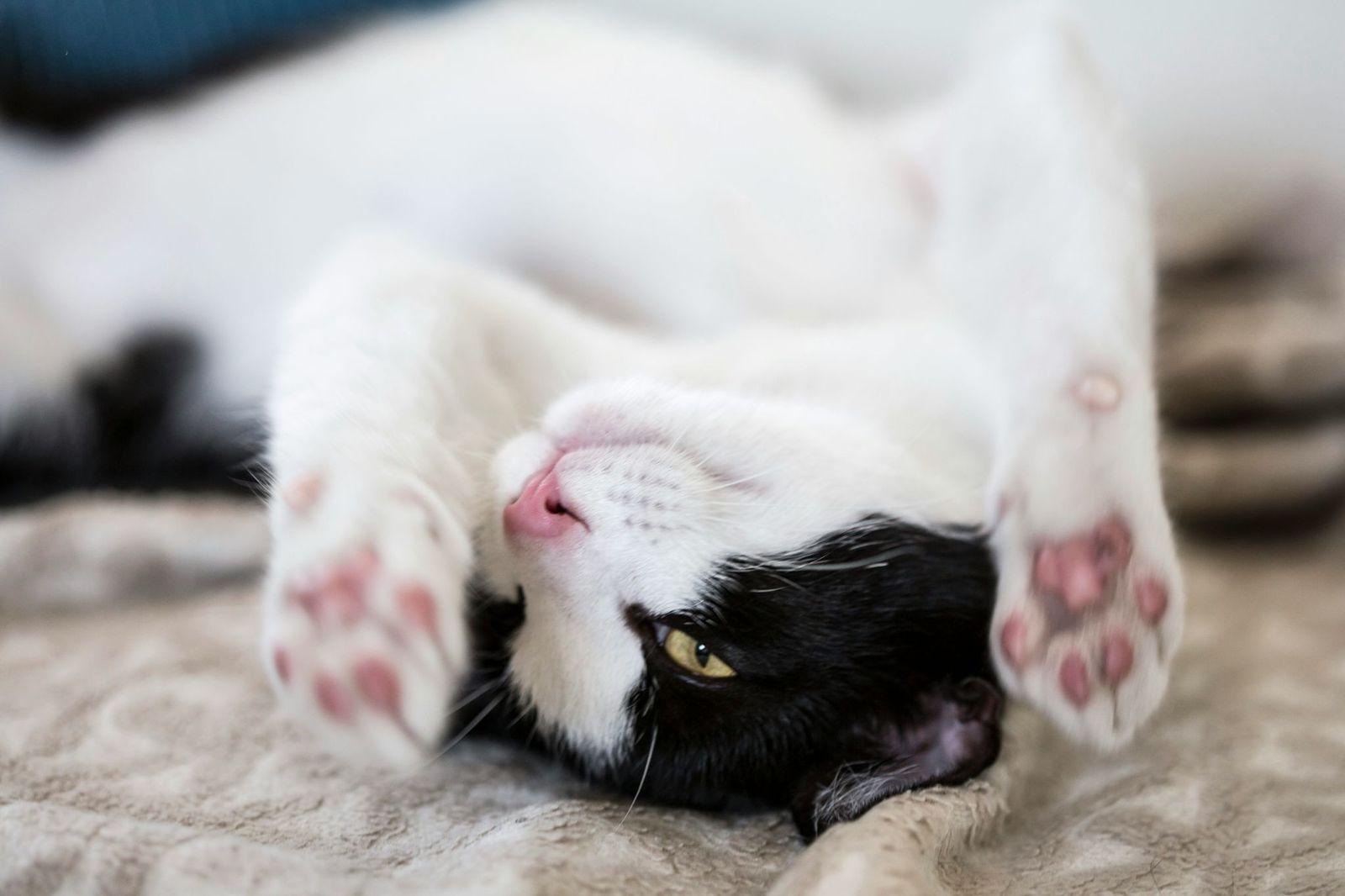
We’ve all heard the saying that cats always land on their feet. But it turns out they aren’t quite as invincible as the myth suggests.
There’s a reason this belief caught on. Cats’ inner ears contain a vestibular system that helps them sense their position, while their flexible spine, made up of about 30 vertebrae, allows them to twist their front and back halves independently and turn right-side up in midair. But this amazing ability doesn’t make them immune to injury. In fact, a fall from a very low height, such as a table, may leave a cat too little time to complete the turn before hitting the ground. So, while cats have an impressive knack for landing on their feet, they don’t always stick the landing unharmed.
2 Cats recognize their names
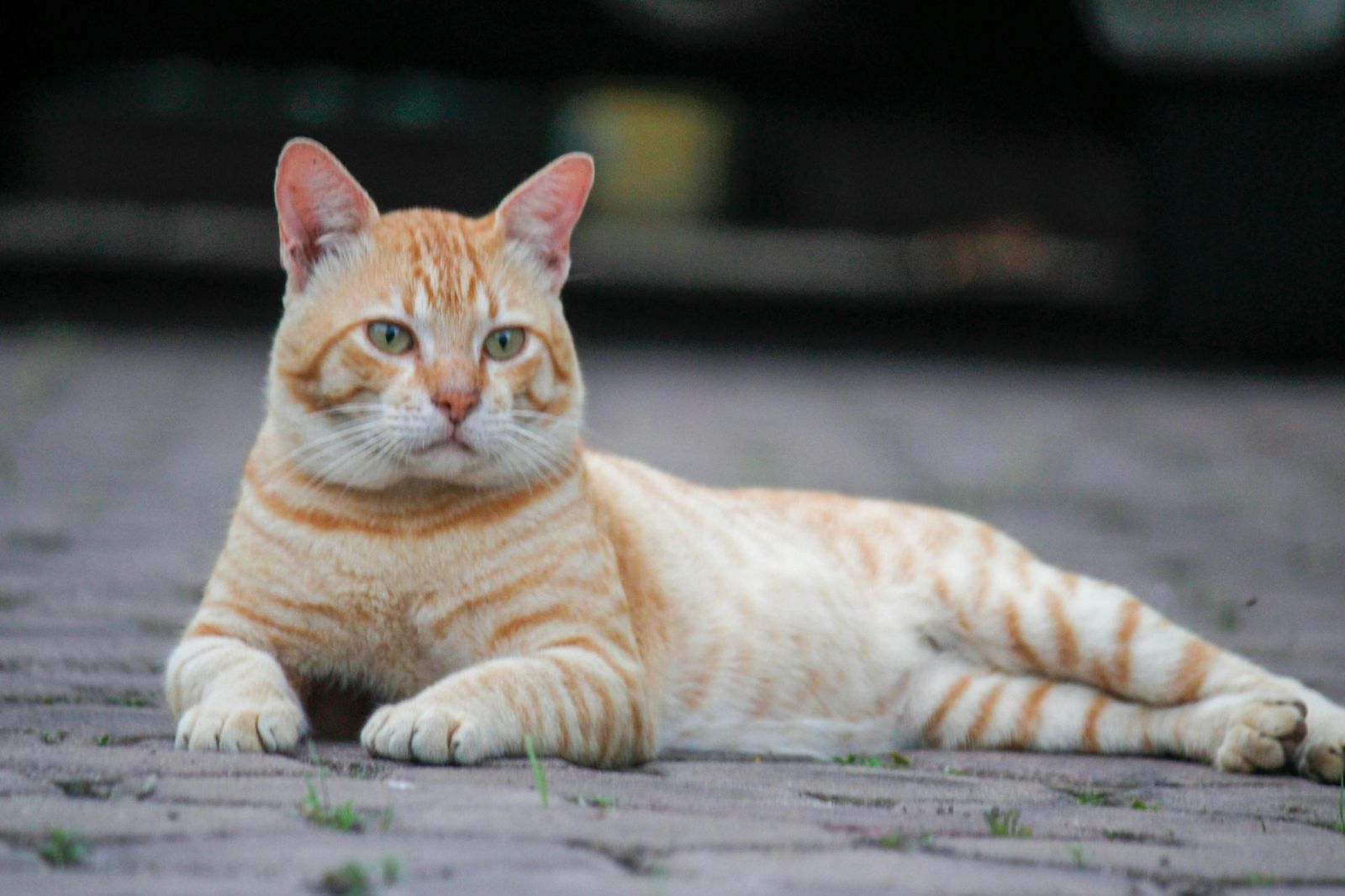
Cat owners have wondered about this for ages: Does your cat really not recognize its name, or does it hear you perfectly well and simply choose to ignore you? Science has an answer.
A study published in Scientific Reports by researchers at Sophia University in Tokyo found that domestic cats can distinguish their own names from ordinary words and even the names of other cats in their household. According to the study, when owners repeated random words, the cats tended to lose interest. But when they heard their names, many showed renewed attention. Don’t expect them to come running, though. Instead, cats often show subtle signs of recognition, such as twitching their ears, turning their heads, or moving their tails. Fewer than 10% respond by vocalizing or moving their bodies. This is because, unlike dogs, which have been selectively bred for cooperation with humans, cats evolved as independent hunters.
3 Your cat meows at you
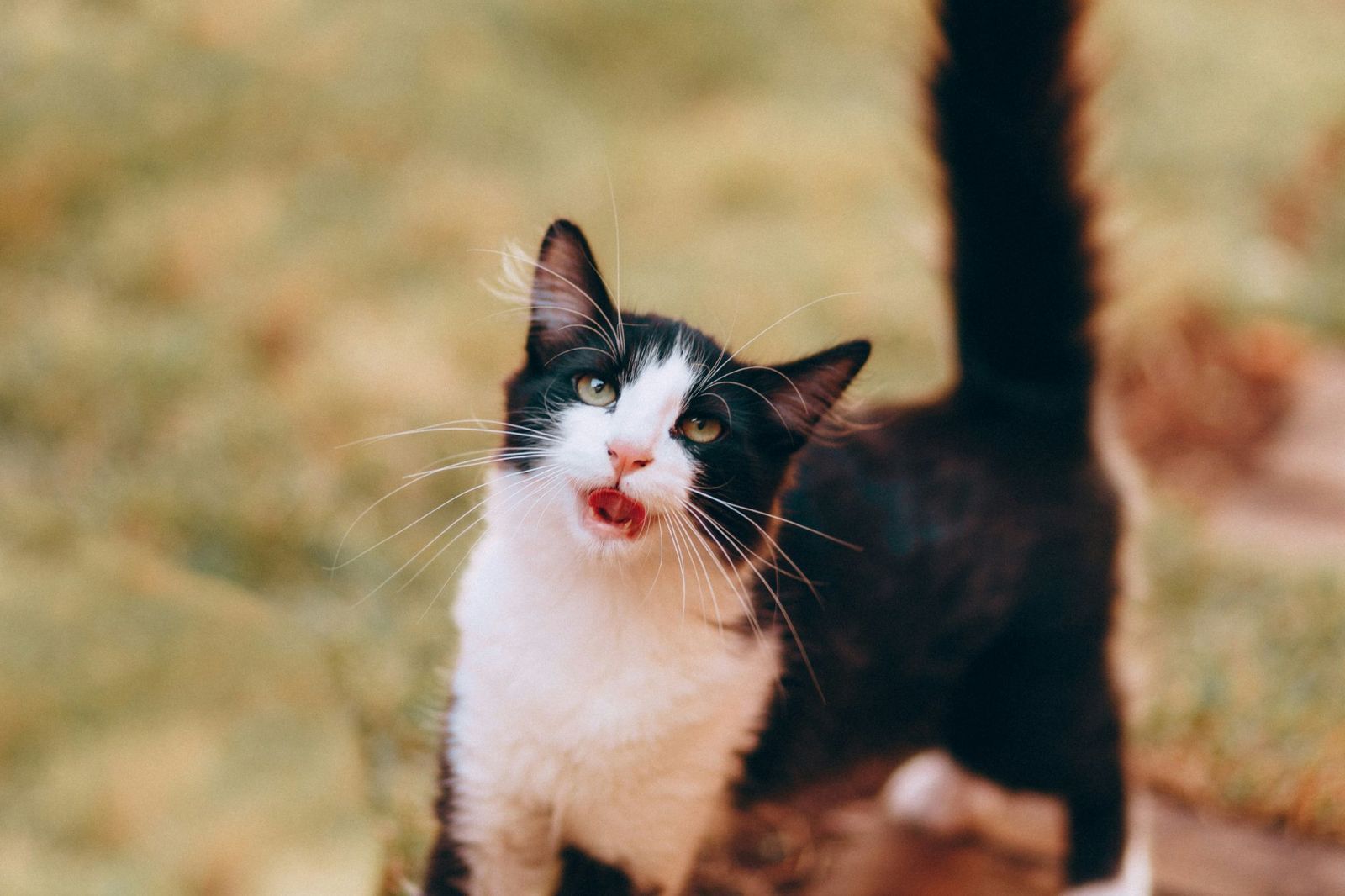
The next time a cat meows at you, consider yourself part of a very special conversation. Why? Because adult cats rarely meow at one another the way they do at humans.
Kittens meow to communicate with their mothers, who respond to their calls. But as they grow up, they tend to rely on other ways of communicating with one another, such as scent, body language, and ear and tail movements. With humans, however, the meow often sticks around. Cats learn early on that it gets results, whether they’re looking for food, attention, or a little warmth. And since we’re not exactly experts at reading other feline signals, a well-timed meow is a pretty effective way to get our attention.
4 Boxes lower feline stress
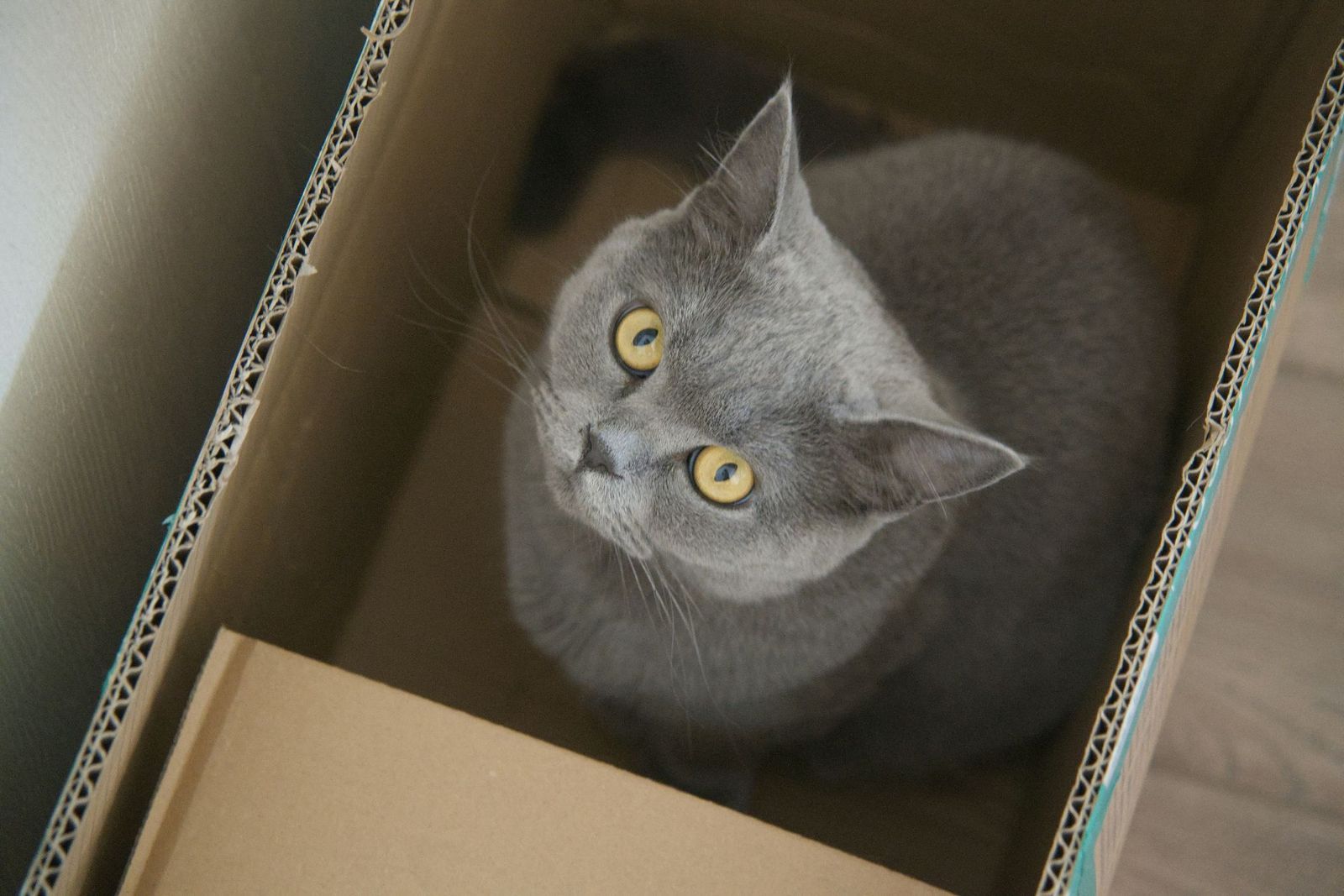
If you’ve ever lived with a cat, you know the drill: give them a fancy bed, and they’ll probably choose the empty cardboard box it came in. But why are cats so obsessed with boxes?
It turns out that curling up in an enclosed space can help cats feel safe and less stressed . In a study by researchers at Utrecht University, shelter cats given boxes adapted to their new surroundings faster and showed lower stress levels than cats without them. There’s a good reason for this instinct. In the wild, cats are both predators and prey, so a snug hiding place lets them keep an eye on their surroundings while staying out of sight. Boxes also offer another perk: warmth. Cats prefer temperatures around 86–97°F, and cardboard helps trap their body heat, turning an ordinary box into a cozy hideaway.
5 Lactose intolerance
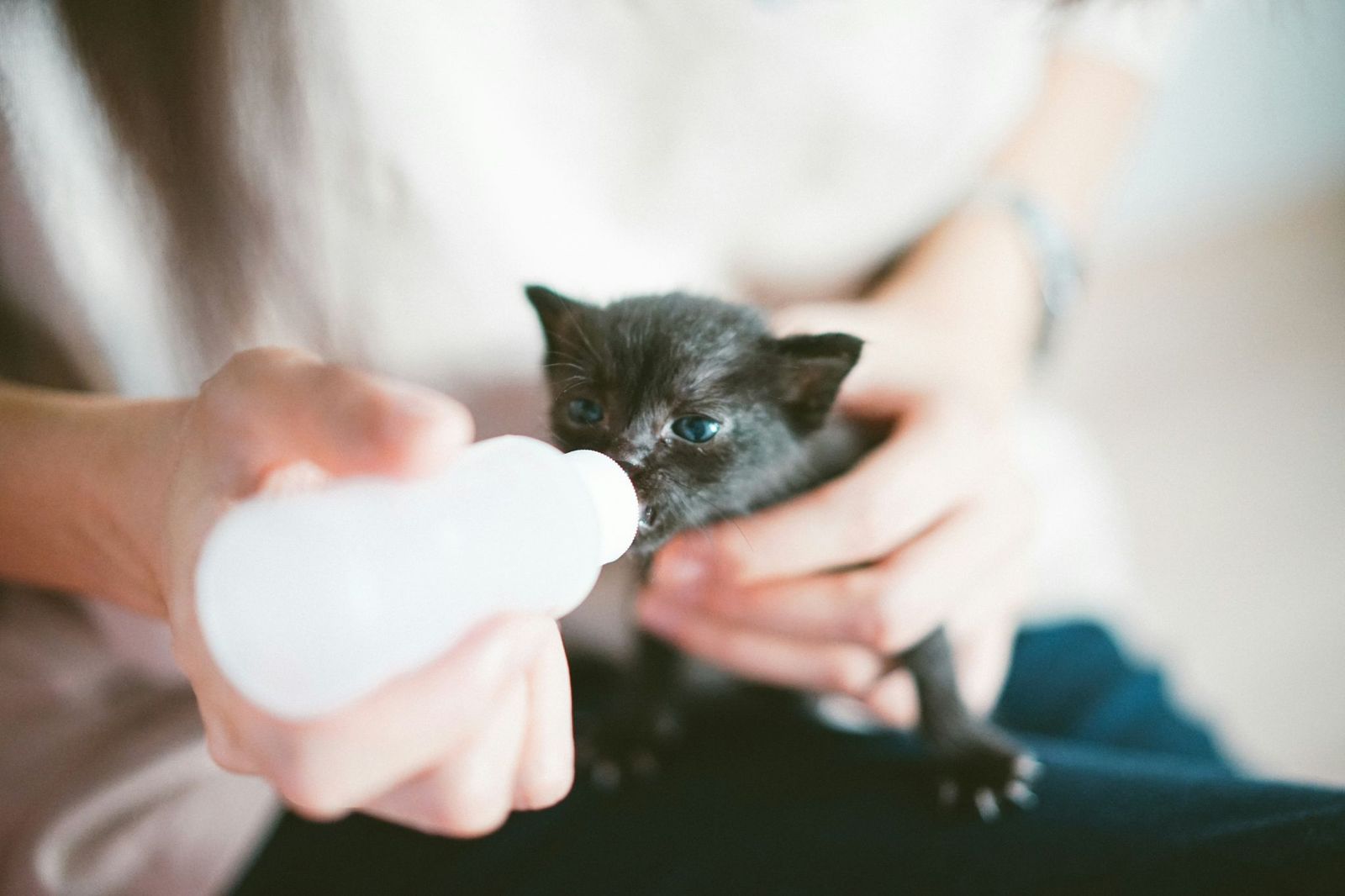
We’ve all seen the classic image of a kitten happily lapping milk from a little bowl. But we have to be very careful about this.
Kittens produce lactase, the enzyme needed to digest lactose in their mother’s milk. But cow’s milk isn’t an ideal substitute because its nutritional makeup differs from cat’s milk. And as they grow older, their lactase levels typically drop, making many adult cats lactose intolerant . When they drink cow’s milk, the undigested lactose can ferment in the gut, causing diarrhea, vomiting, bloating, or stomach discomfort, sometimes within 8 to 12 hours. So, despite what cartoons and old-fashioned images might suggest, it's best not to include cow's milk in the menu.
6 The healing purr
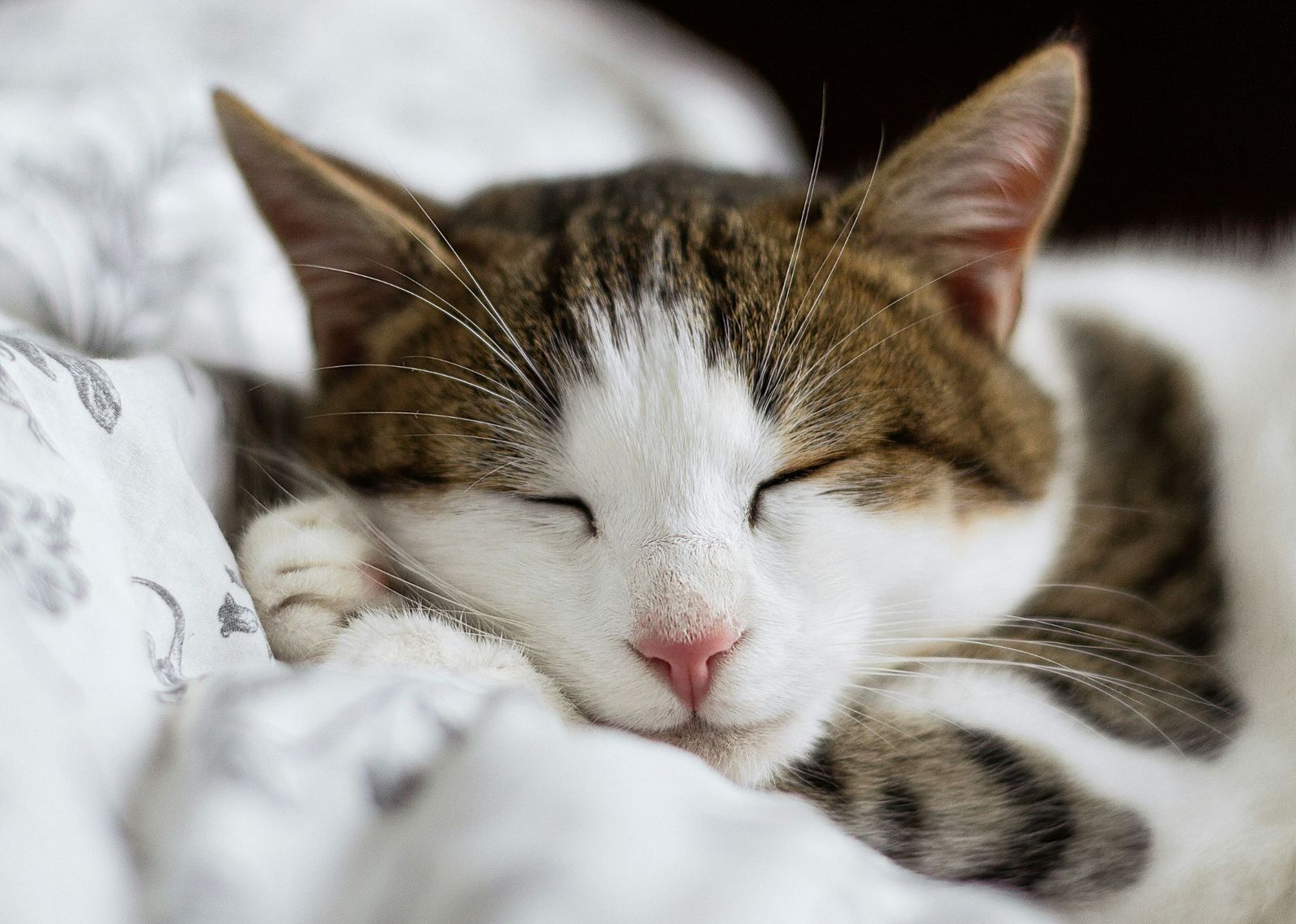
There’s something about a cat’s gentle purr that we can’t help but love. But have you ever wondered why cats make that?
We usually associate purring with a happy, relaxed cat curled up on our lap. And often, that’s exactly what it means. But cats also purr when they’re frightened, stressed, or in pain, as a way to calm themselves. And there’s more: a cat’s purr vibrates at frequencies between 25 and 150 hertz, a range that overlaps with frequencies studied for their potential effects on bone and tissue healing. Some researchers have suggested that these vibrations might help cats maintain bone strength and support recovery during periods of rest.
7 Cats aren’t nocturnal; they’re crepuscular
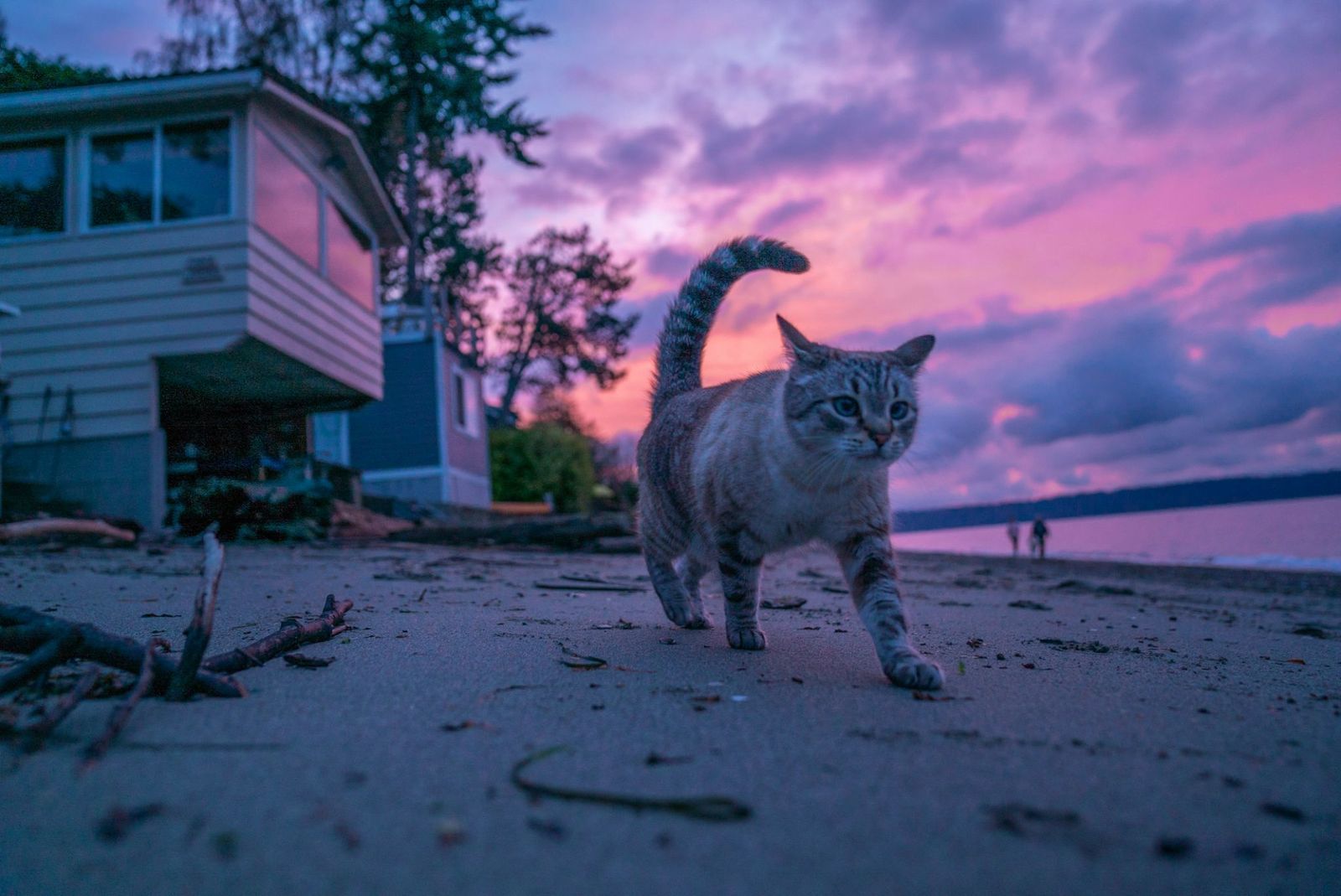
We often think of cats as creatures of the night, prowling around while the rest of the world sleeps. But they aren’t technically nocturnal; they’re crepuscular, which means they’re most active at dawn and dusk.
Cats can sleep for 12 to 18 hours a day, often snoozing through much of the night, but they’re usually most active around sunrise and sunset. Their preference for those dim early-morning and evening hours comes from their wild ancestors, whose hunting routines were timed to catch prey such as rodents and birds when light was low. So if your cat turns into a furry alarm clock before sunrise, it may simply be following an instinct passed down through generations.
8 Sweet blindness
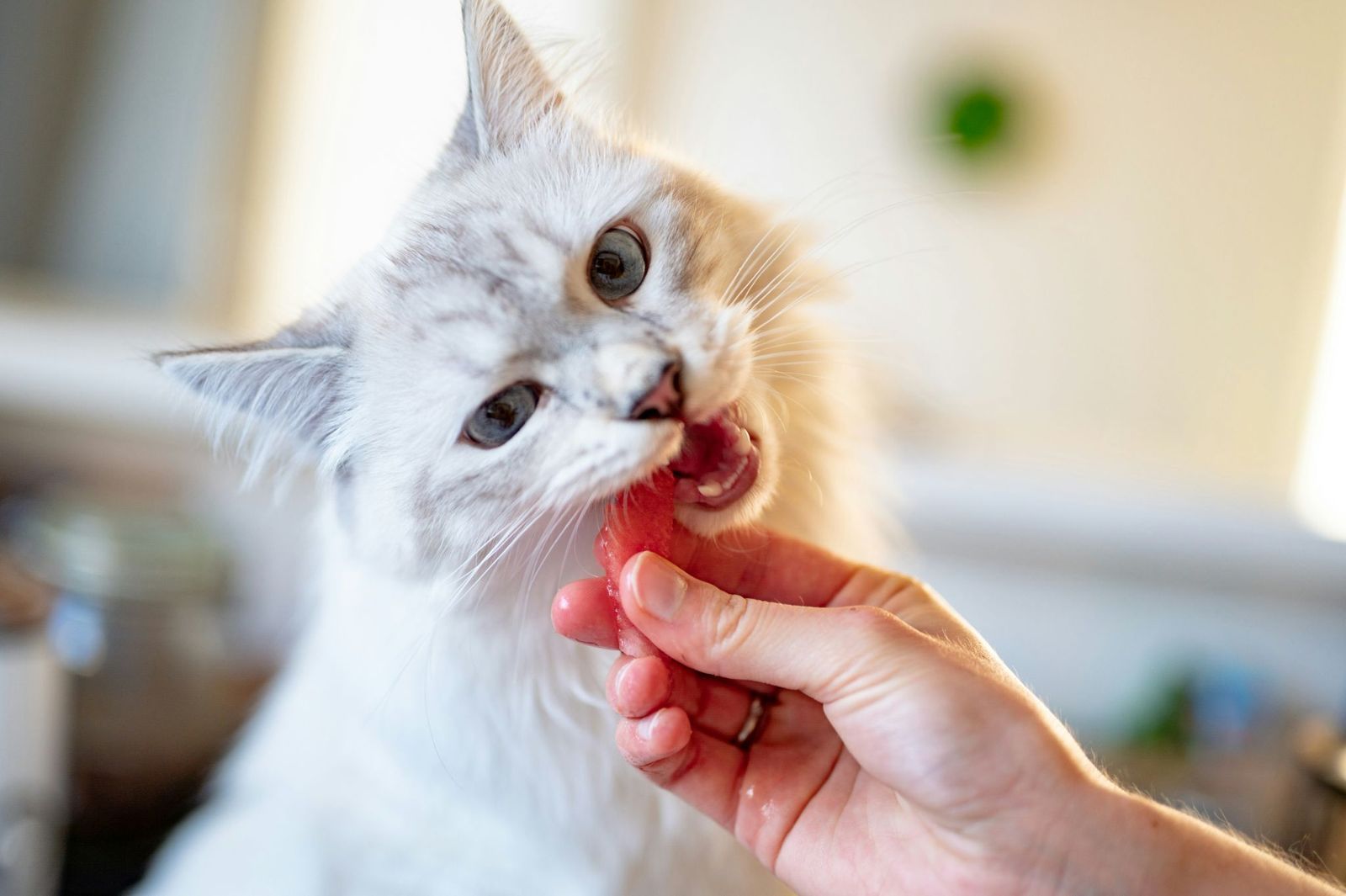
If you have a sweet tooth, here’s a surprise for you: your cat can’t enjoy the taste of sweetness the way you do.
Unlike humans, cats lack the functional taste receptors needed to detect sweet flavors. As obligate carnivores, they rely on animal-based foods for their nutritional needs, so the ability to taste sugars offered little evolutionary advantage. Over time, cats lost the function of a key gene involved in detecting sweetness. But if cats can’t taste sugar, why do some of them go crazy for ice cream or try to sneak a lick of your dessert ? The answer is that they’re not after the sweetness; they’re more likely attracted to the fat, protein, or dairy in the food.
9 Paw preference
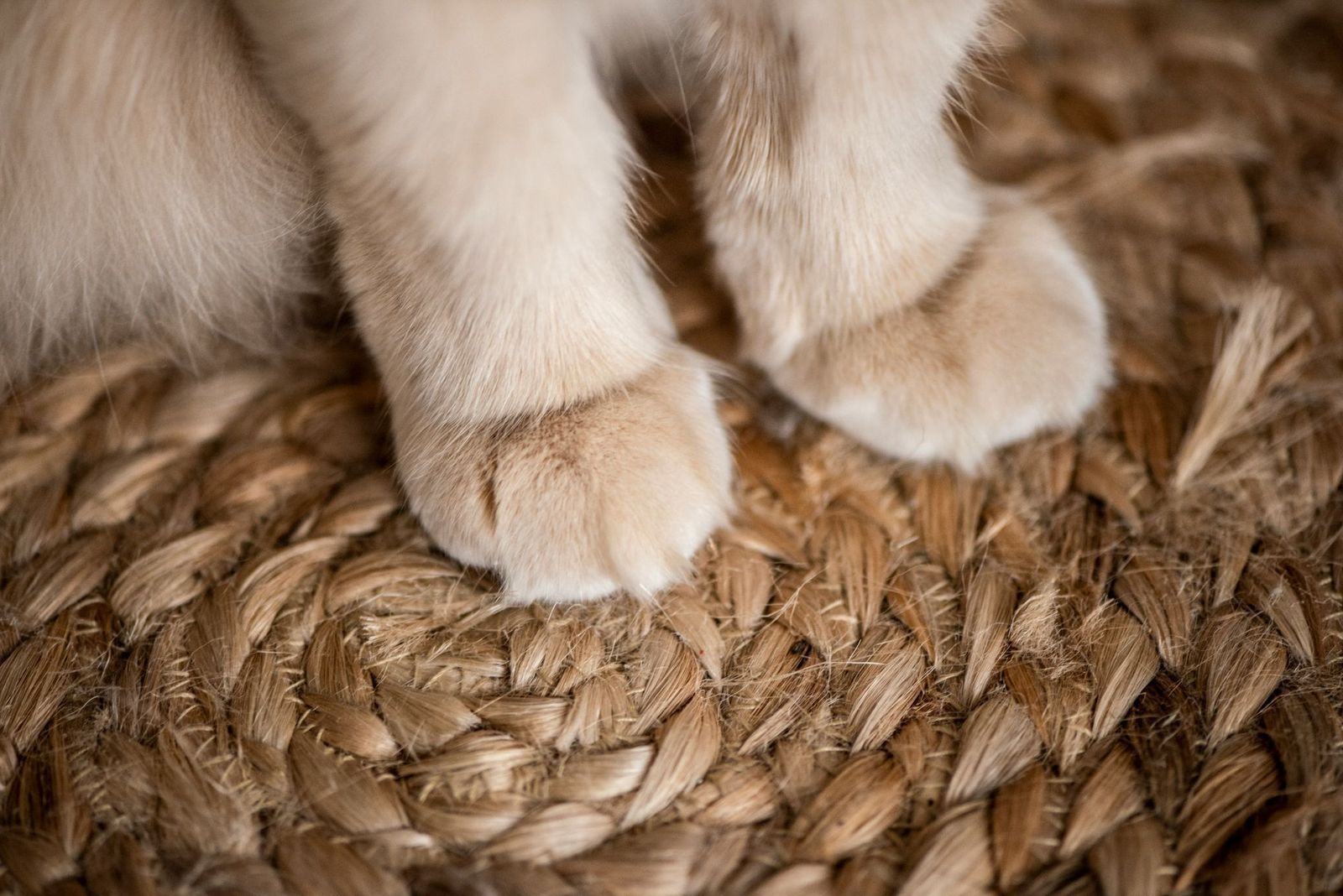
Have you ever noticed which paw your cat puts forward first when walking? It might be worth paying attention, because your feline friend may have a preferred side.
Just like humans, cats can show a preference for one side of their body over the other. Researchers call this "paw preference," and it can show up in everyday activities, such as reaching for something, stepping down stairs, or performing other movements. Interestingly, this preference may also be linked to sex. A 2018 study published in the journal Animal Behaviour found that male cats tended to favor their left paw, while females were more likely to favor their right. So the next time your cat heads down the stairs, watch those paws.
10 Unique nose prints
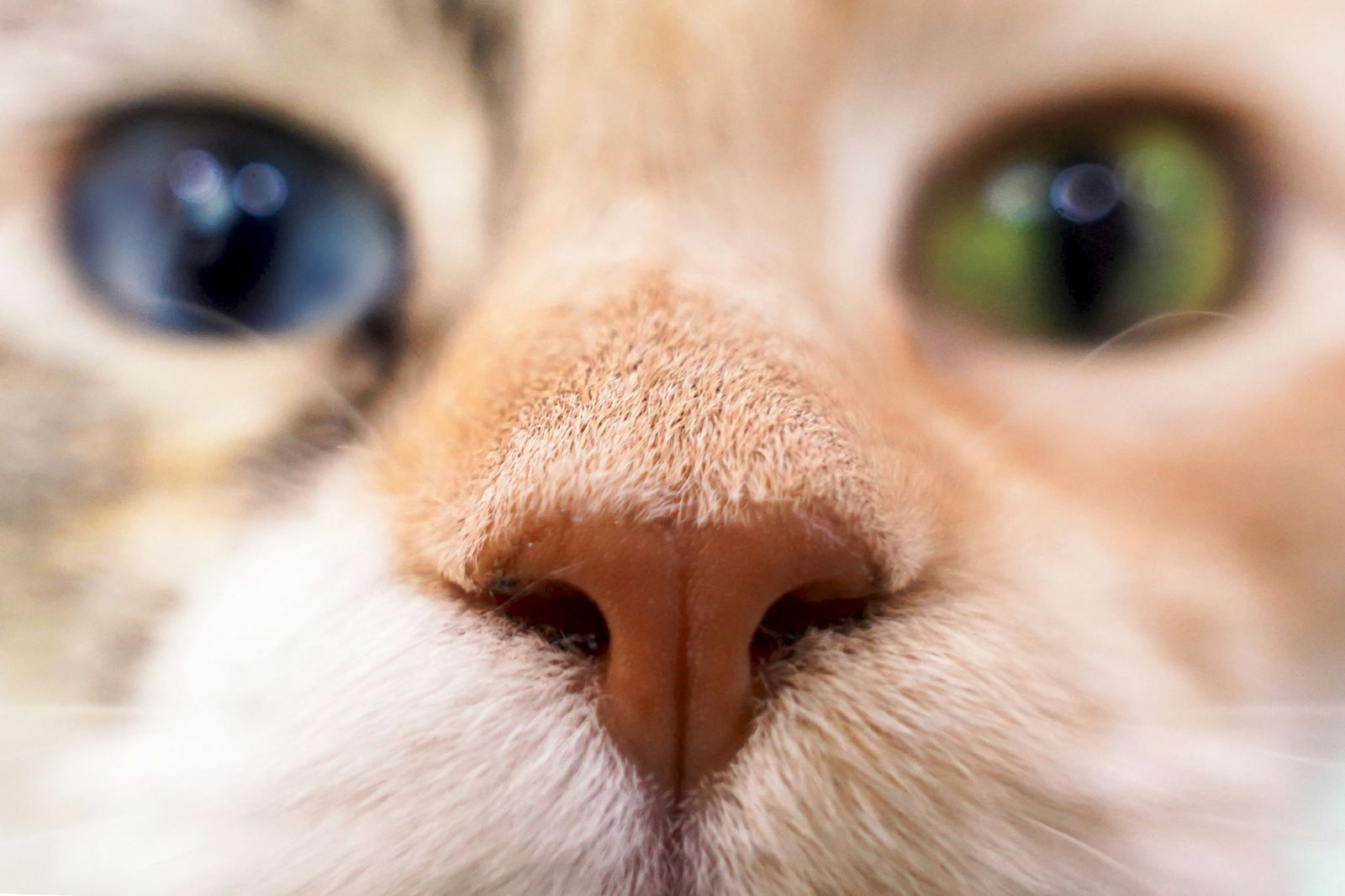
A cat’s little nose is adorable, of course, but it may also hold a clue to its identity.
Take a closer look at your cat’s nose pad, and you’ll notice a pattern of tiny ridges, bumps, and creases. Much like human fingerprints, these markings are thought to be unique to each cat. They develop early in life and remain relatively stable as the cat grows older. That means your cat’s nose has its own distinctive pattern, setting it apart from other cats, even its littermates. So while you might recognize your furry companion by its face, those tiny nose markings offer another way to tell one cat from another.