Faces we know
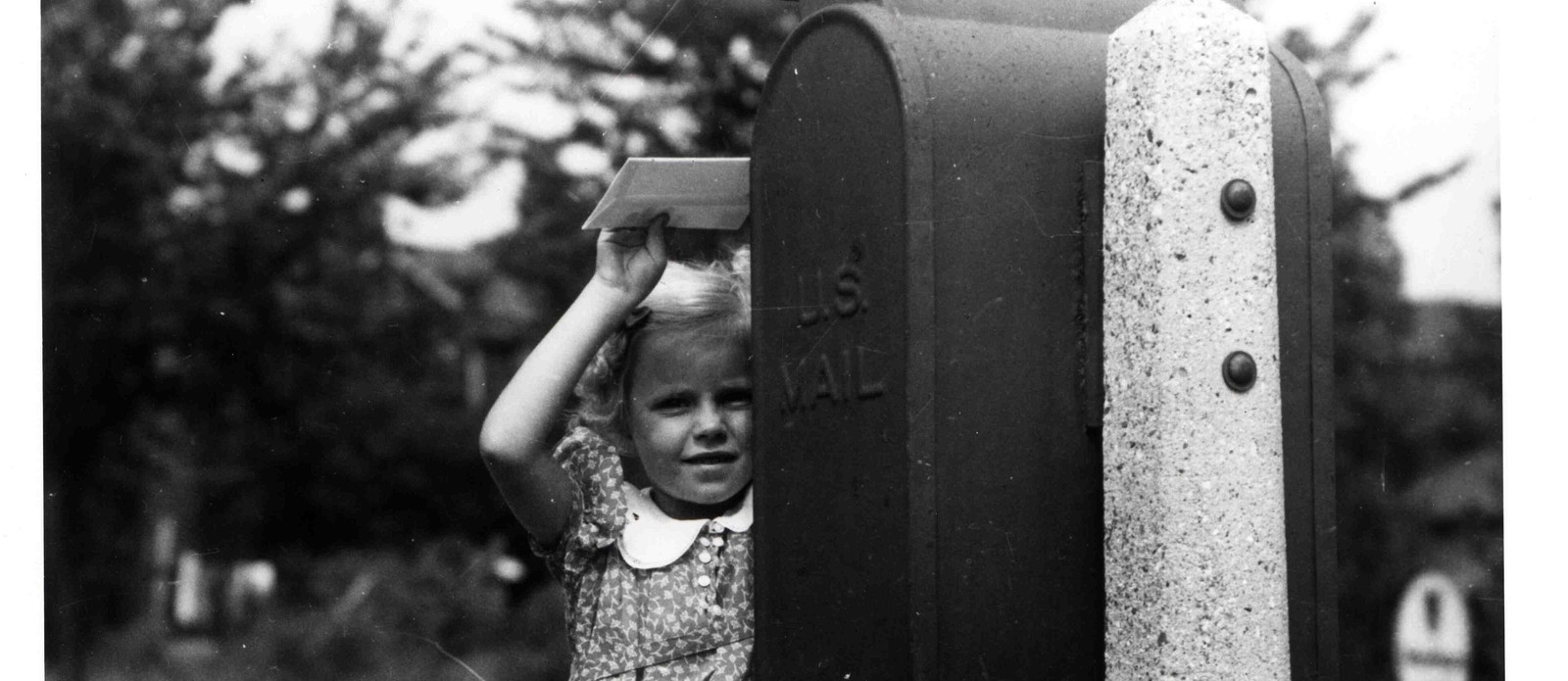
This famous mascot began with a boy’s drawing on a frosted window
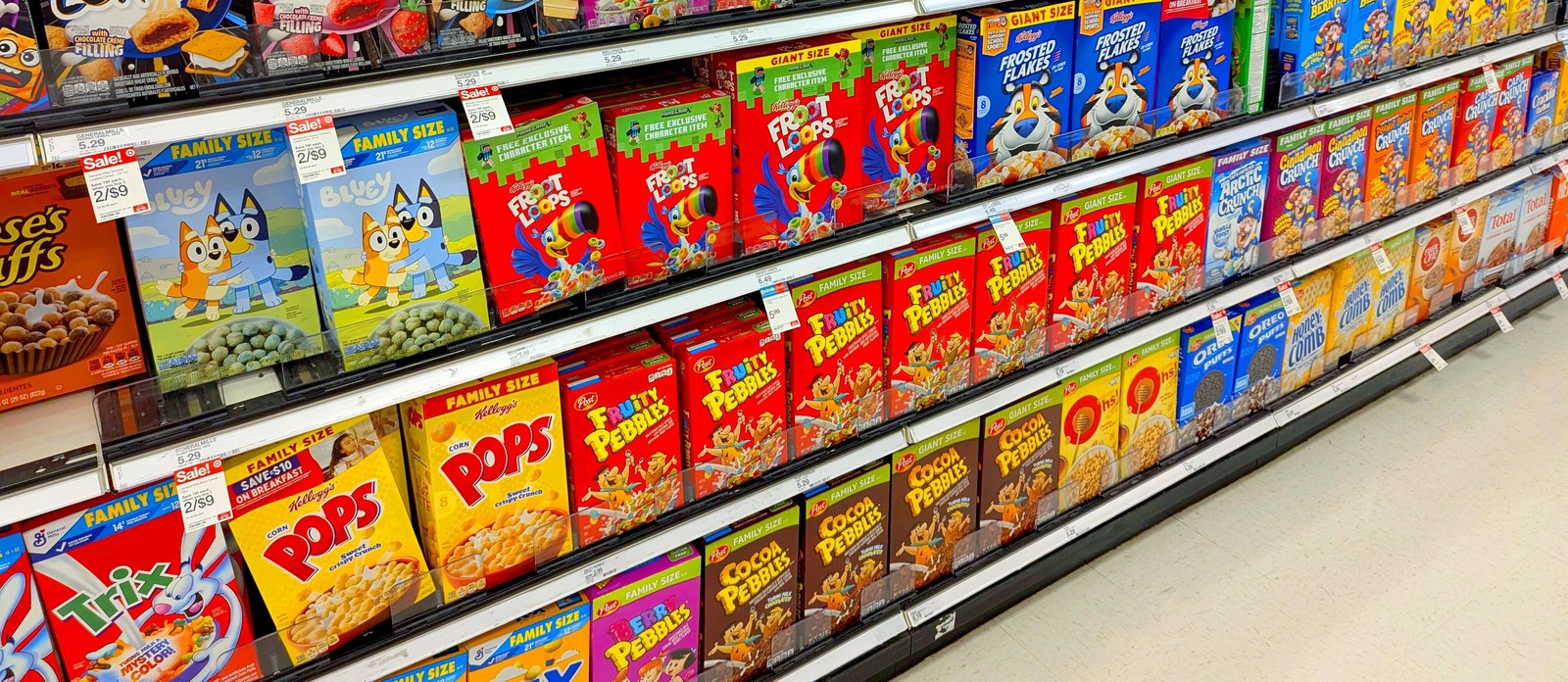
From a breakfast-table tiger and a peanut in a top hat to a wall-smashing pitcher and a bear who taught generations to prevent wildfires, these mascots became much more than advertising characters. Some are so familiar that their names instantly bring back a brand, a catchphrase, or even a childhood memory . Here are 10 of our favorites.
1 Ronald McDonald — McDonald’s
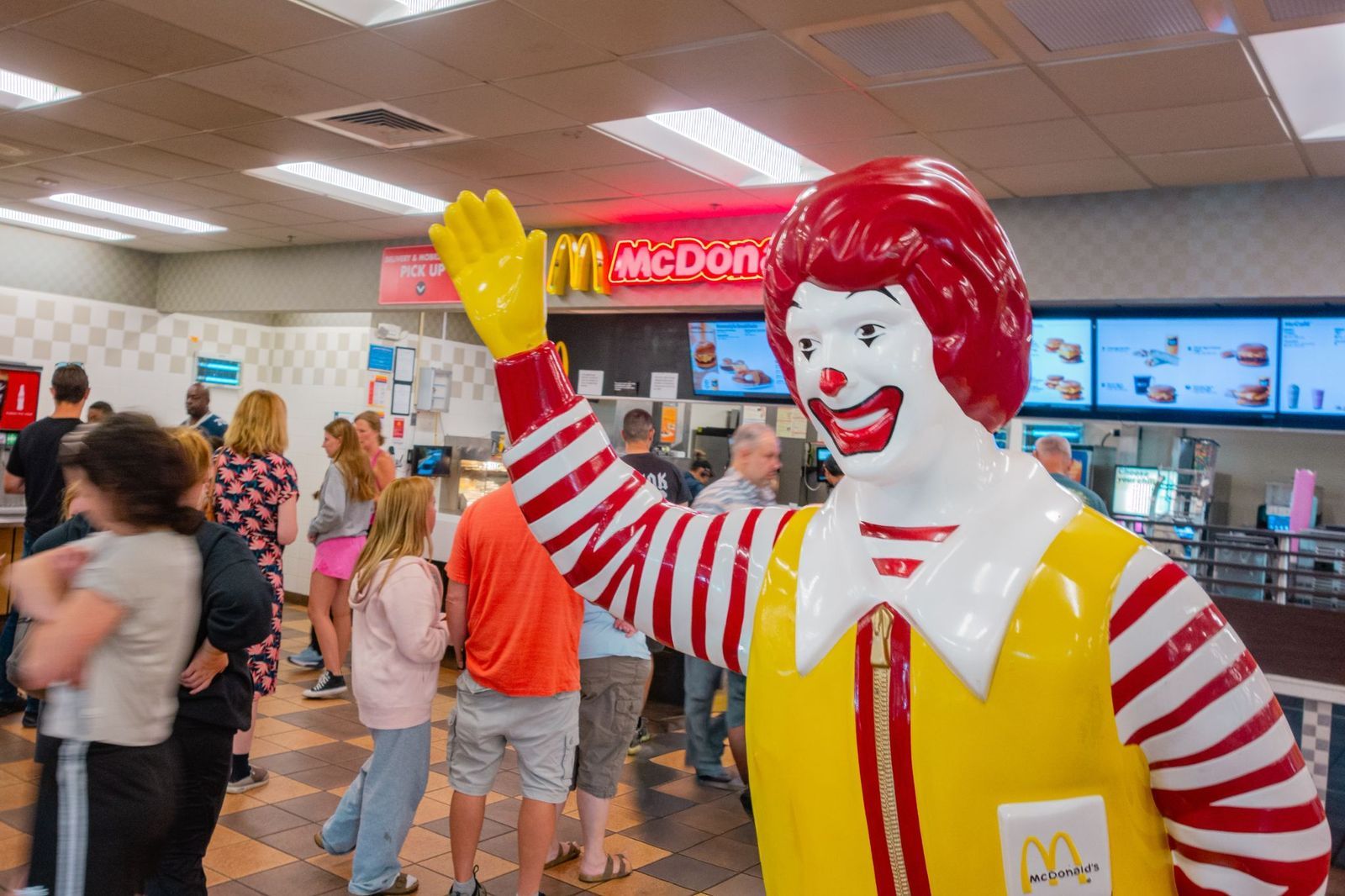
Ronald McDonald is the iconic clown mascot who became one of the most recognizable faces in fast food , first portrayed in 1963 by local weatherman and actor Willard Scott in a series of three local television commercials in Washington, D.C.
The early costume, worn by Willard Scott, featured a paper cup for a nose and a food tray worn as a hat, complete with a hamburger. Circus performer Michael "Coco" Polakovs later redesigned the character in 1966 into the classic yellow jumpsuit, striped socks, and red shoes that are now instantly recognizable.
2 Tony the Tiger — Frosted Flakes
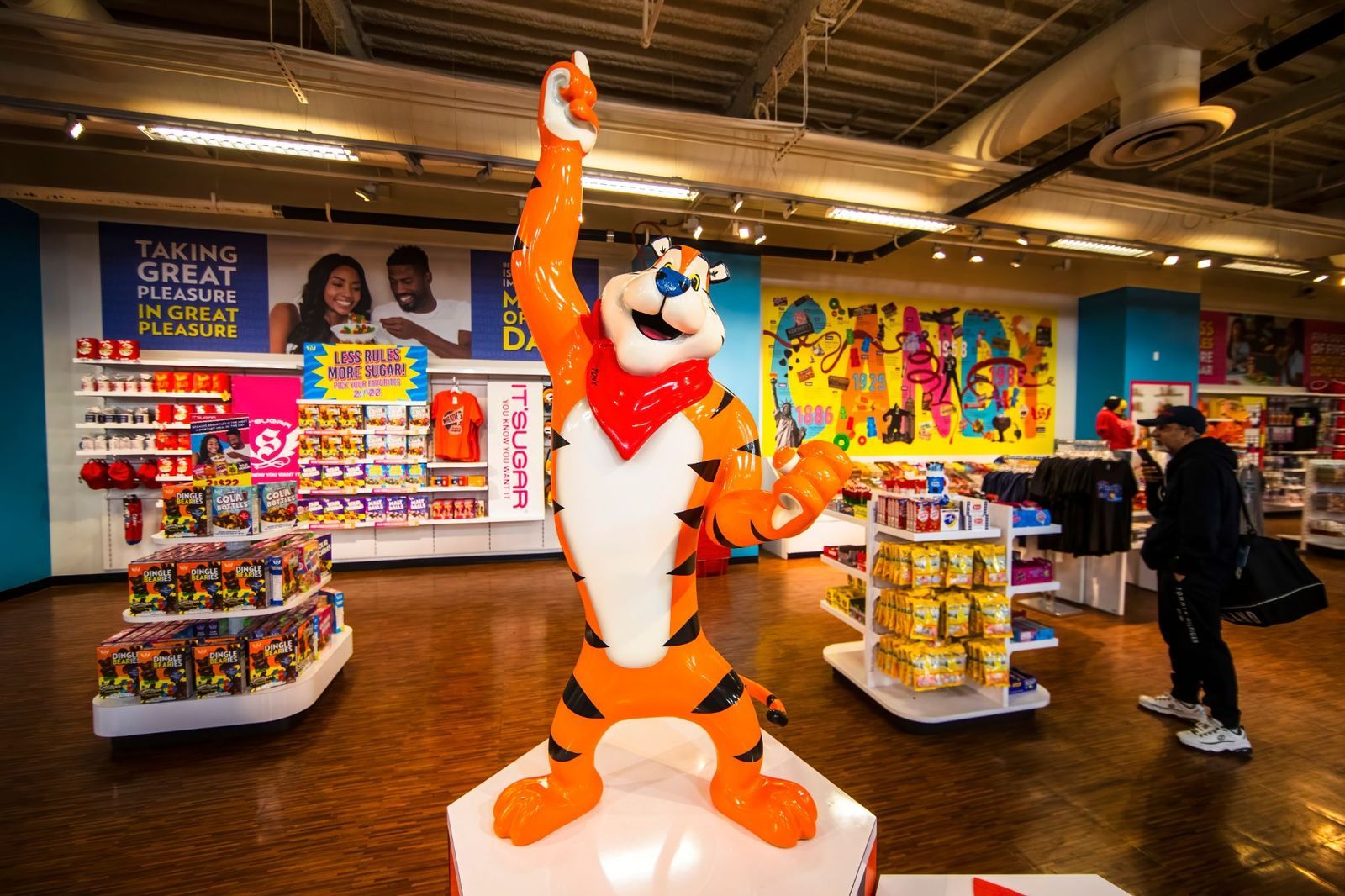
This guy’s probably stayed put at our breakfast tables more than most family members! Tony the Tiger debuted in 1952 as the mascot for Kellogg’s Frosted Flakes and quickly became a pop-culture icon.
His design was created by Eugene Kolkey and Don Tennant at the Leo Burnett advertising agency, alongside Katy the Kangaroo, Elmo the Elephant, and Newt the Gnu. When Kellogg’s introduced Sugar Frosted Flakes in 1952, Leo Burnett featured all four characters on packaging and promotional materials to test consumer response, and Tony quickly won public favor and outlasted his three competitors , becoming the sole face of the cereal.
3 The Pillsbury Doughboy — Pillsbury
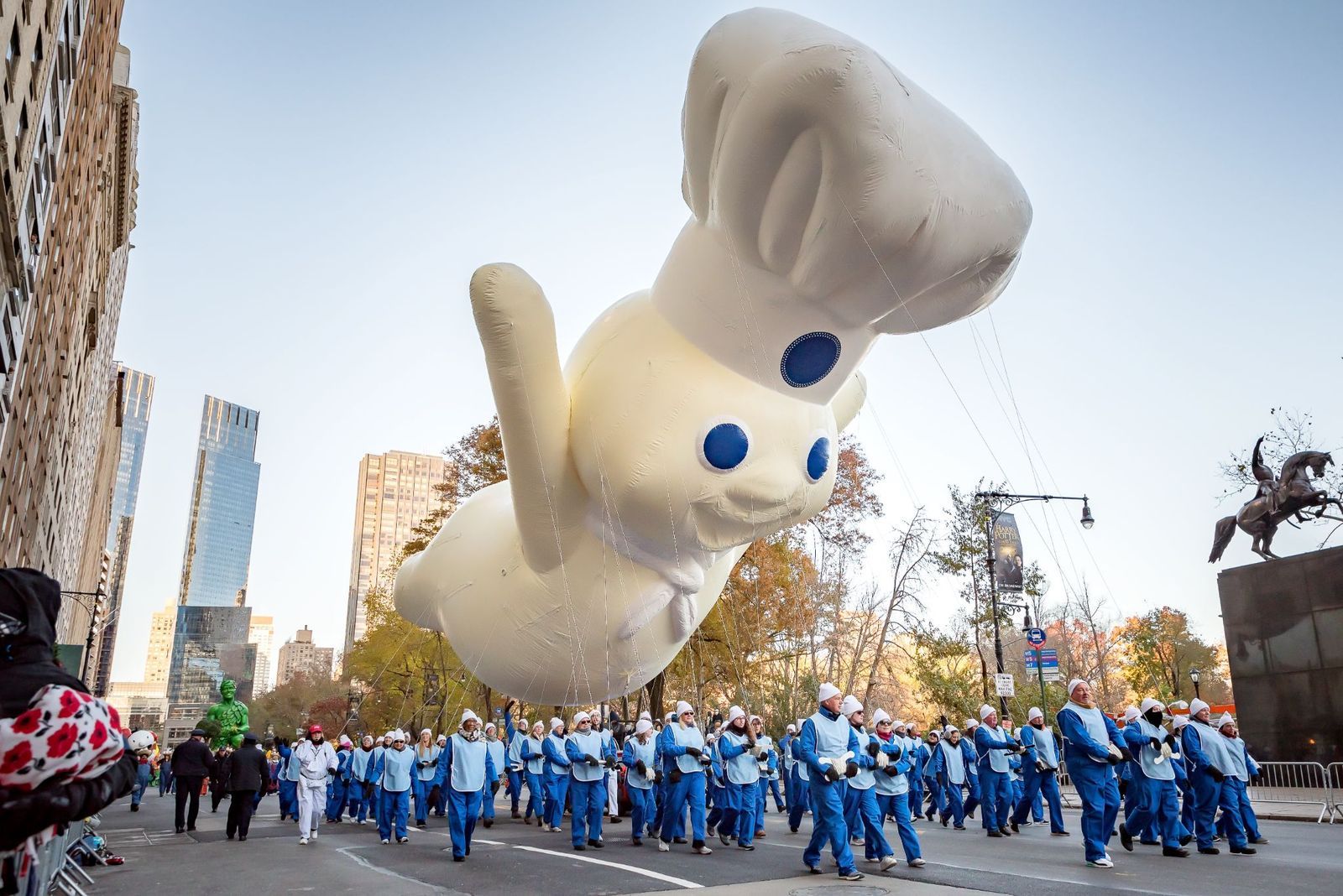
The Pillsbury Doughboy, officially named Poppin' Fresh, is one of the most recognizable and beloved advertising mascots in history. Leo Burnett copywriter Rudy Perz created him in 1965.
He imagined a friendly, plump dough character popping out of a refrigerated dough canister after it was tapped on the counter. Then, Disney animator Milt Schaffer helped refine the look into an adorable roll of dough wearing a chef's hat and scarf , with legendary voice actor Paul Frees originally portraying him.
4 Mr. Peanut — Planters
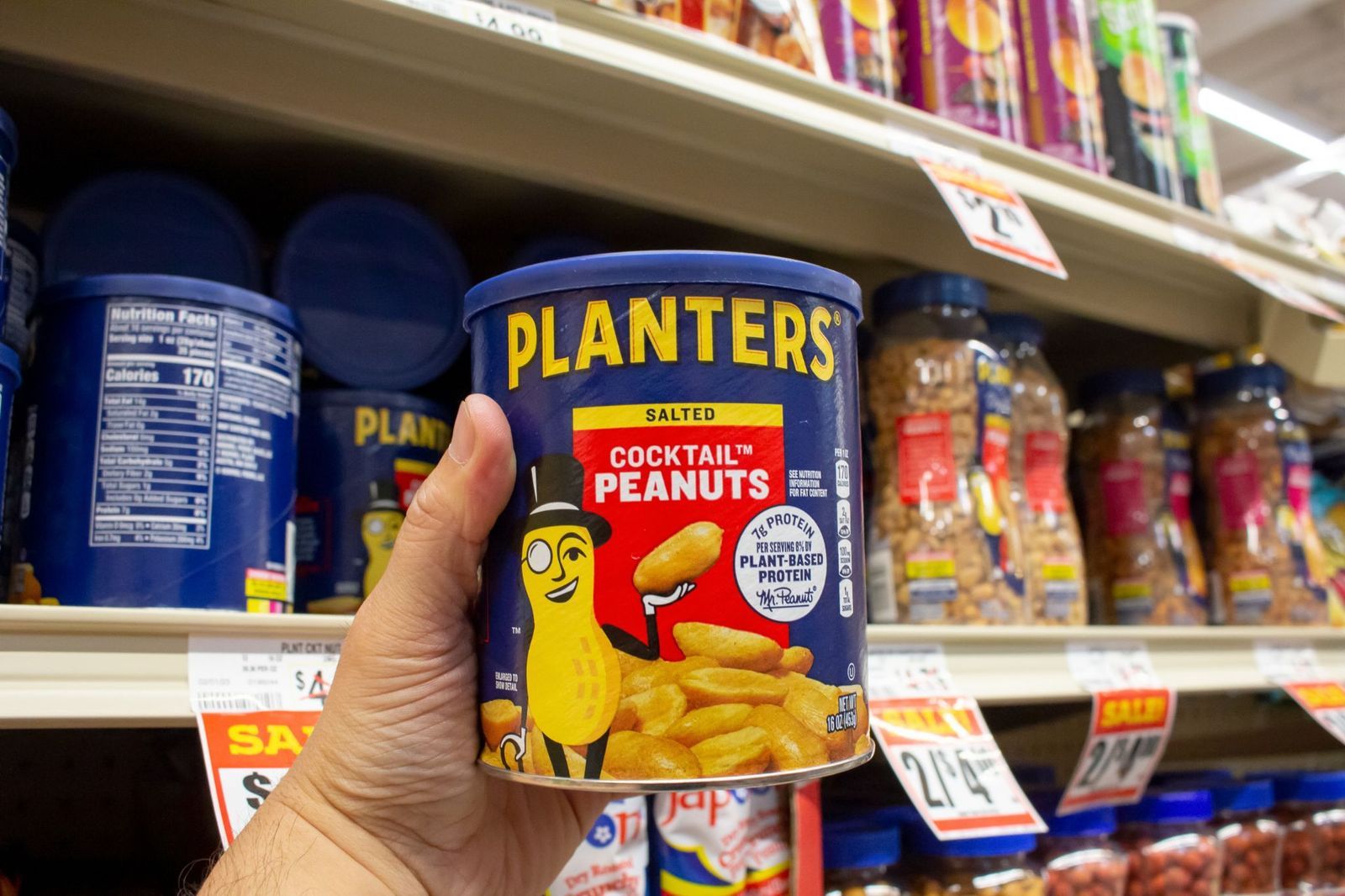
Mr. Peanut is an anthropomorphic peanut character sporting a top hat, monocle, cane, and white spats who serves as the mascot for the Planters snack-food company.
What’s most special about this story is that the first version of Mr. Peanut was drawn by a 14-year-old boy named Antonio Gentile for a Planters logo design contest in 1916. Gentile won $5 (or over $150 today) for his design. Later, a commercial artist refined Gentile's sketch by adding signature accessories including the top hat, monocle, and cane.
5 Toucan Sam — Froot Loops
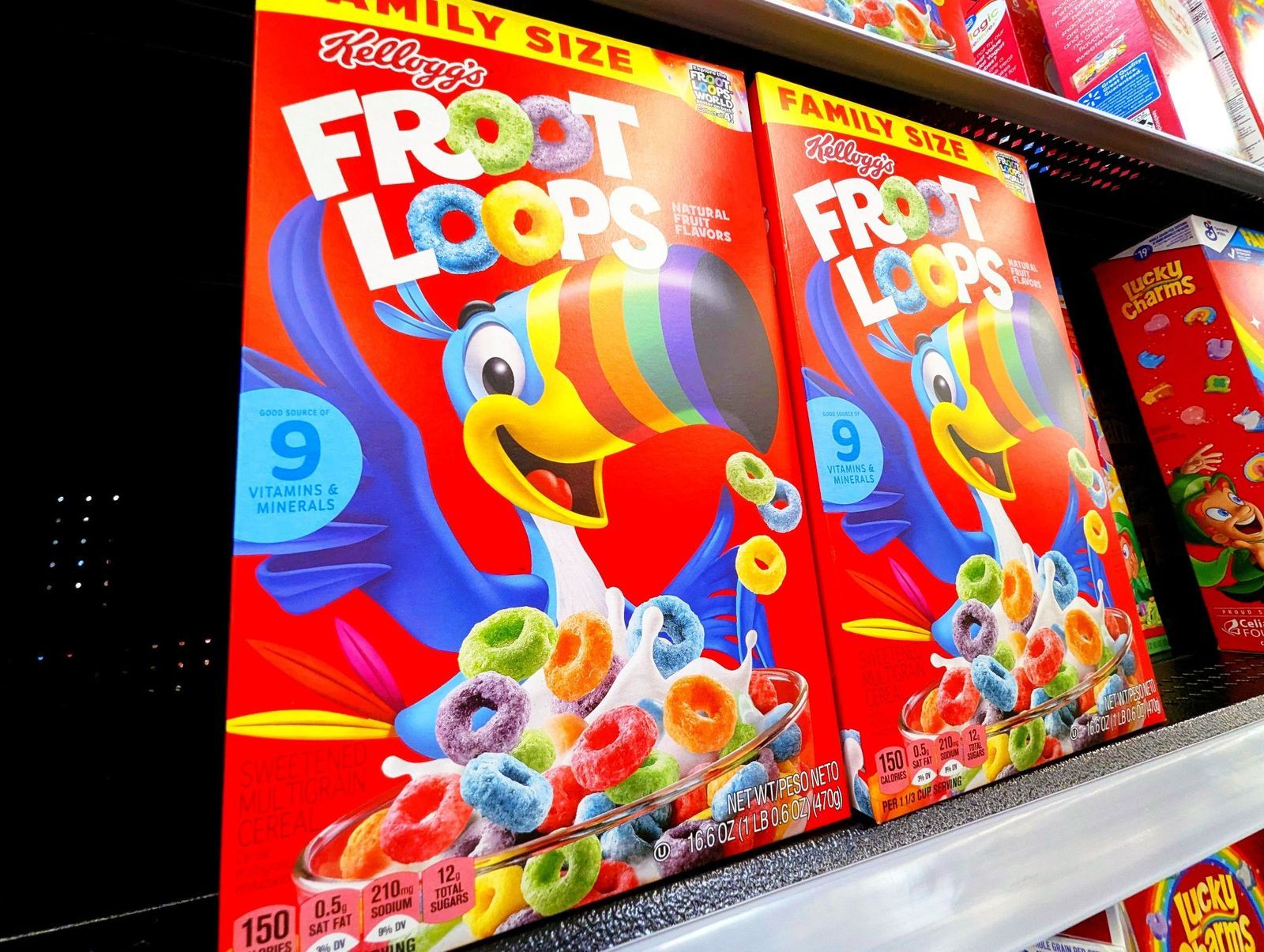
Toucan Sam is the energetic blue toucan who made his television debut as the beloved face of Kellogg's Froot Loops in 1963. Created by Manuel R. Vega, his original beak featured three distinct stripes (red, yellow, and orange), but as Kellogg's expanded the cereal palette to include green, blue, and purple in the 1990s, his beak evolved to reflect the updated color spectrum.
Famous for declaring, "Follow your nose! It always knows!" to track down the scent of Froot Loops, Sam possesses an extraordinary ability to sniff out hidden bowls of the fruity cereal from great distances.
6 The Green Giant — Green Giant
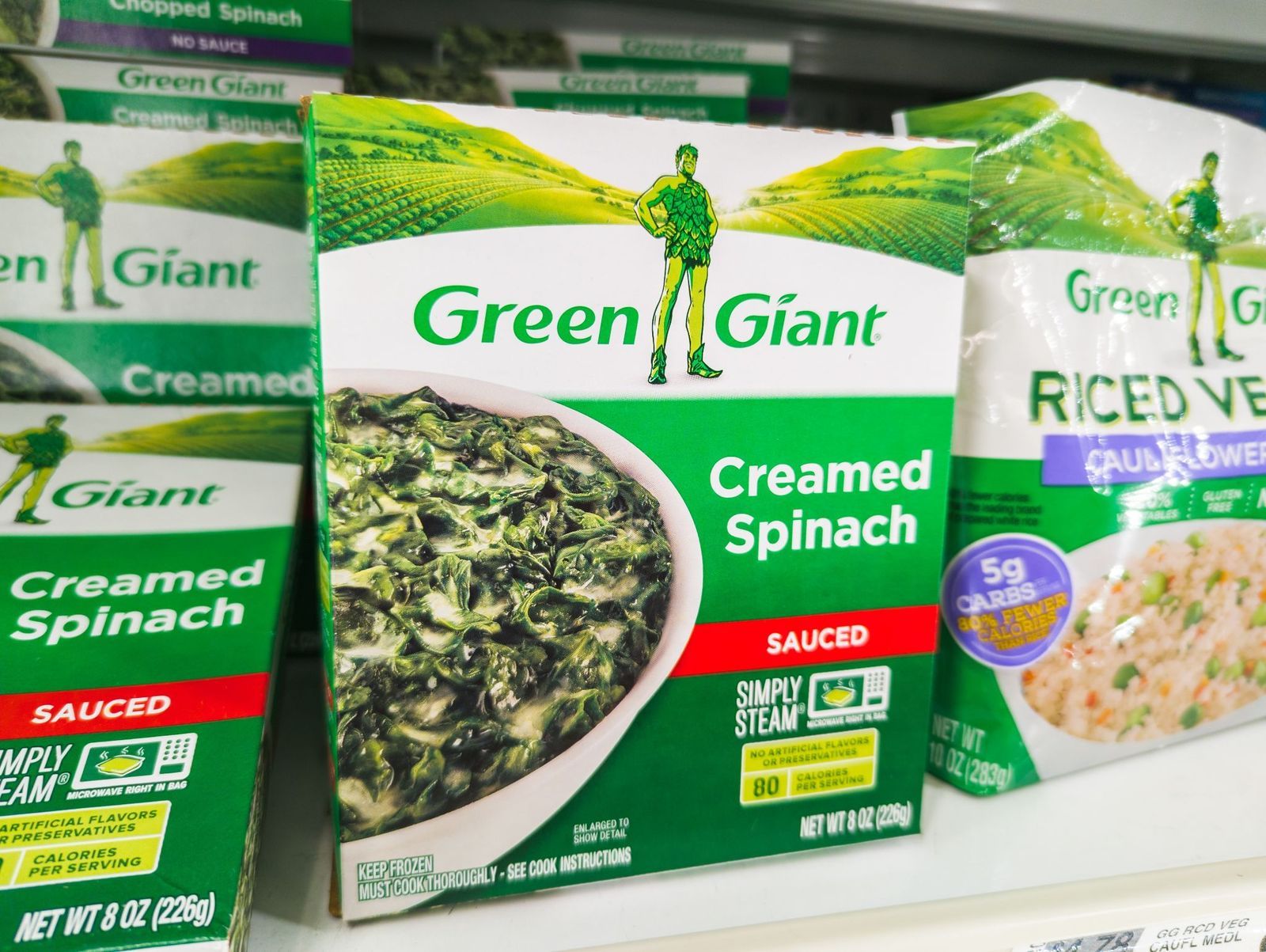
If you love green, you probably love him, and if you don’t, you might just have to. We’re talking about The Jolly Green Giant, who evolved from a scowling, white-skinned caveman into a friendly, green icon dressed in leaves.
He was created in 1928 by the Minnesota Valley Canning Company to promote its Green Giant brand of peas. He was originally depicted as a grumpy, hunched figure wearing an orange-brown bearskin loincloth with white skin, and his skin officially turned green in 1930 , when he was given his now-famous leafy outfit. When he made the move to television commercials in the late 1950s, he acquired another signature feature: his deep, booming "Ho, ho, ho!" laugh, which became an instantly recognizable part of the brand’s advertising.
7 The Kool-Aid Man — Kool-Aid
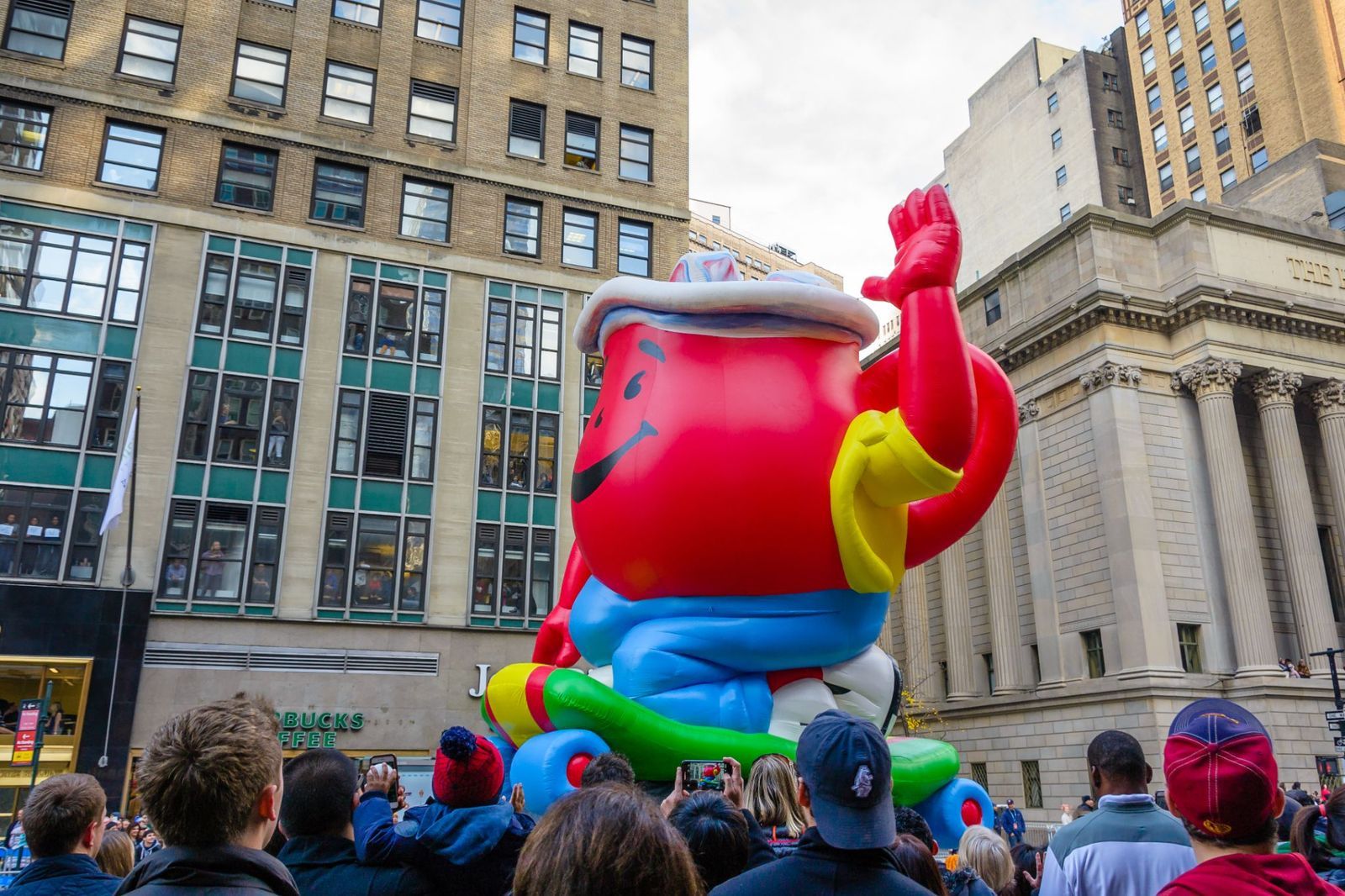
Everybody loves the Kool-Aid Man, a giant, anthropomorphic glass pitcher filled with red fruit punch, who appeared and started bursting through walls and shouting his famous catchphrase, "Oh, yeah!"
Created in 1954 by art director Marvin Potts for Foote, Cone & Belding, this special character actually started as a simple smiling glass pitcher in print ads, inspired by Potts' young son drawing smiley faces on a frosted window . In 1974, the character was redesigned by Alan Kupchick and Harold Karp at Grey Advertising. That’s when he gained arms, legs, and a towering 6-foot presence. In the commercials, children would yell "Hey, Kool-Aid!", and the cheerful pitcher would burst through walls or fences, exclaim "Oh, yeah!" and deliver refreshing drinks.
8 The GEICO Gecko — GEICO
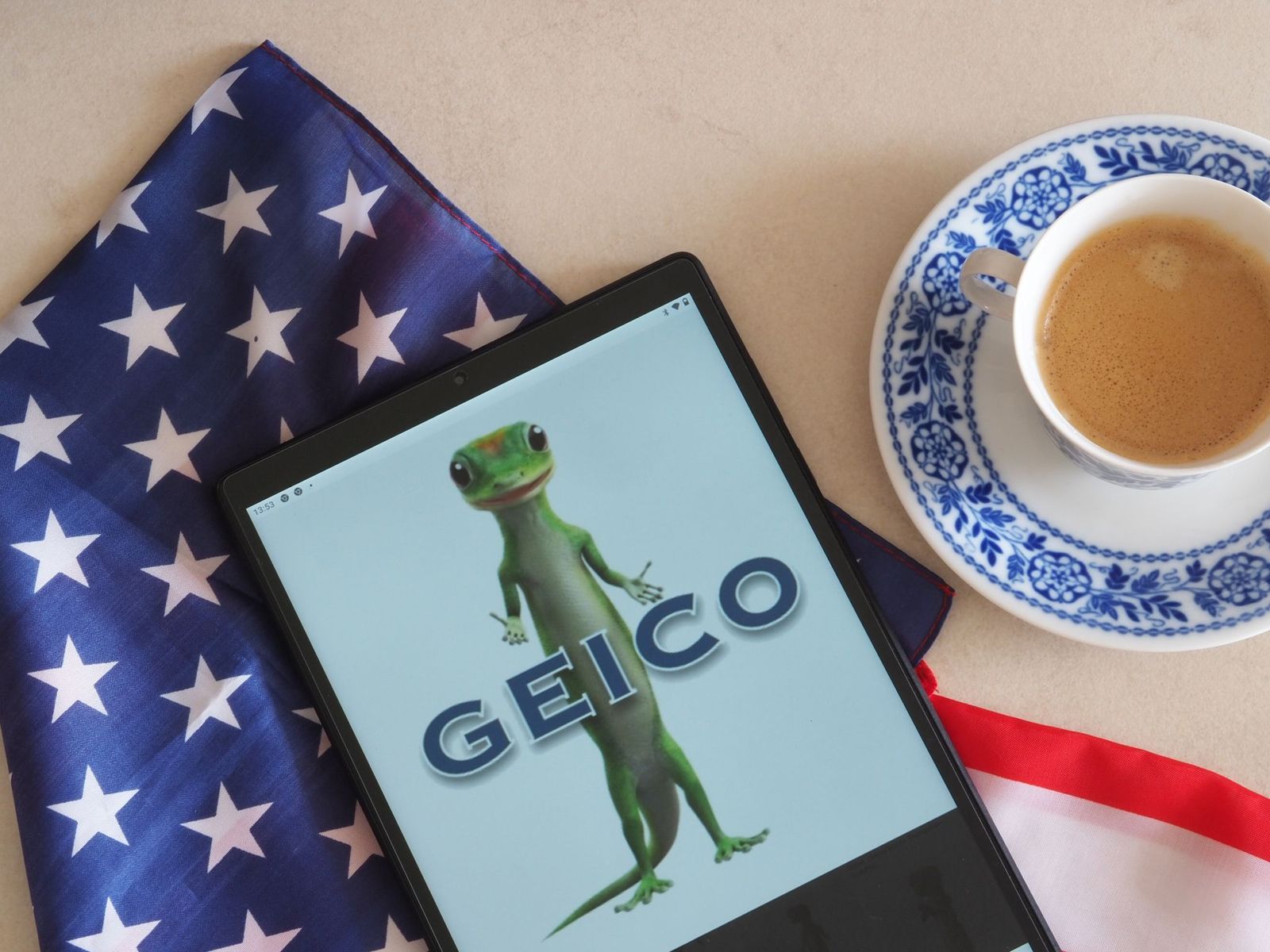
Curiously, the GEICO Gecko evolved from a clever naming joke into one of the most recognizable advertising icons in pop culture since its debut in 1999. The character was created after The Martin Agency noticed that people frequently mispronounced or confused "GEICO" with "gecko."
His first appearance during the 1999–2000 television season was partly born out of necessity because an anticipated Screen Actors Guild strike threatened to disrupt commercials featuring live actors.
9 Chester Cheetah — Cheetos
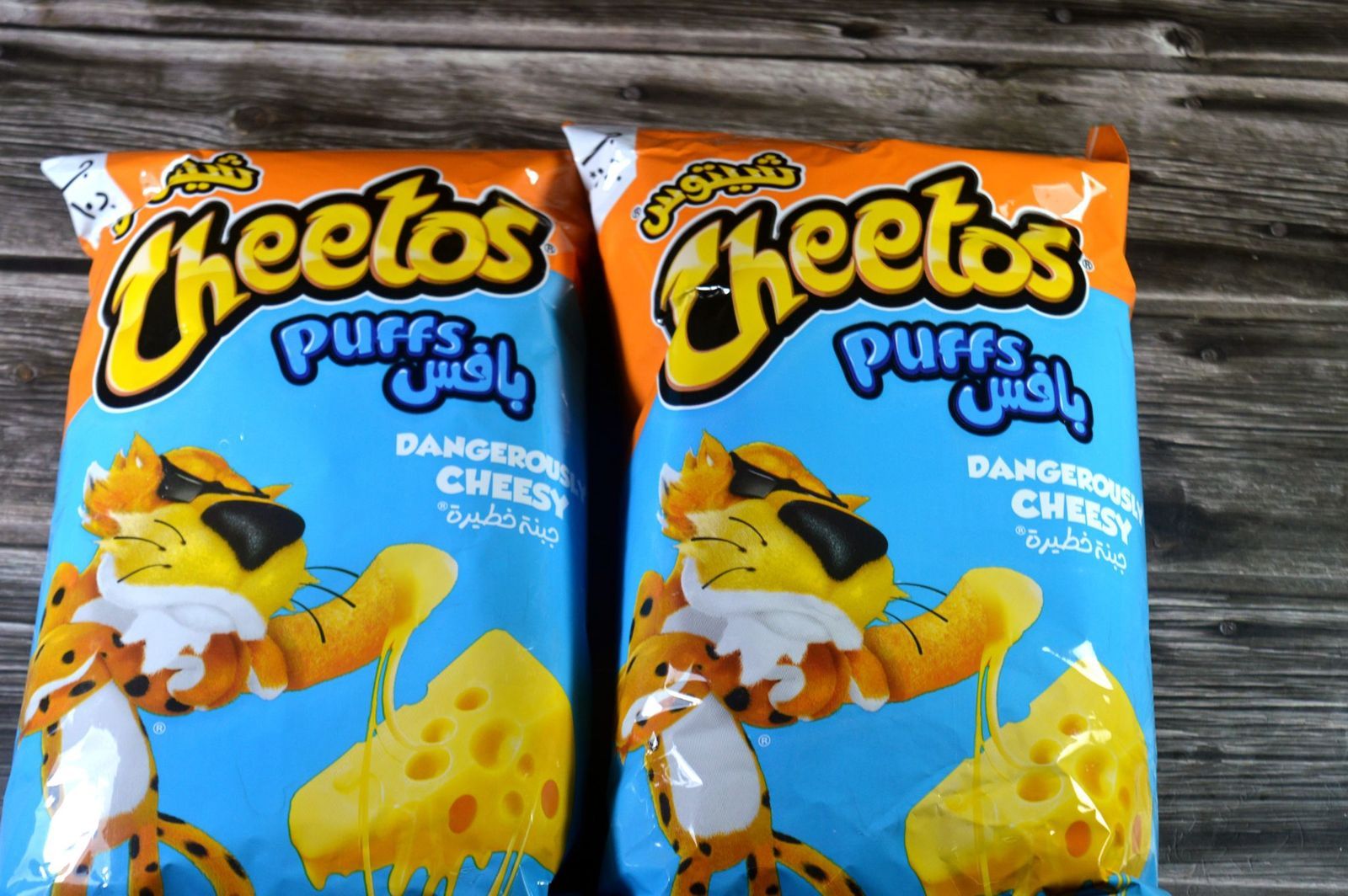
And who could ever forget Chester Cheetah? The smooth-talking, sunglasses-wearing feline who has served as the iconic mascot for Cheetos since 1986.
Created by advertising agency BBDO, he replaced the brand's earlier mouse mascot to inject a cooler, edgier, and more laid-back attitude geared toward older kids and teens, launching with the famous catchphrase "It's not easy being cheesy" before shifting to the bold "Dangerously cheesy!" in 1997.
10 Smokey Bear — U.S. Forest Service
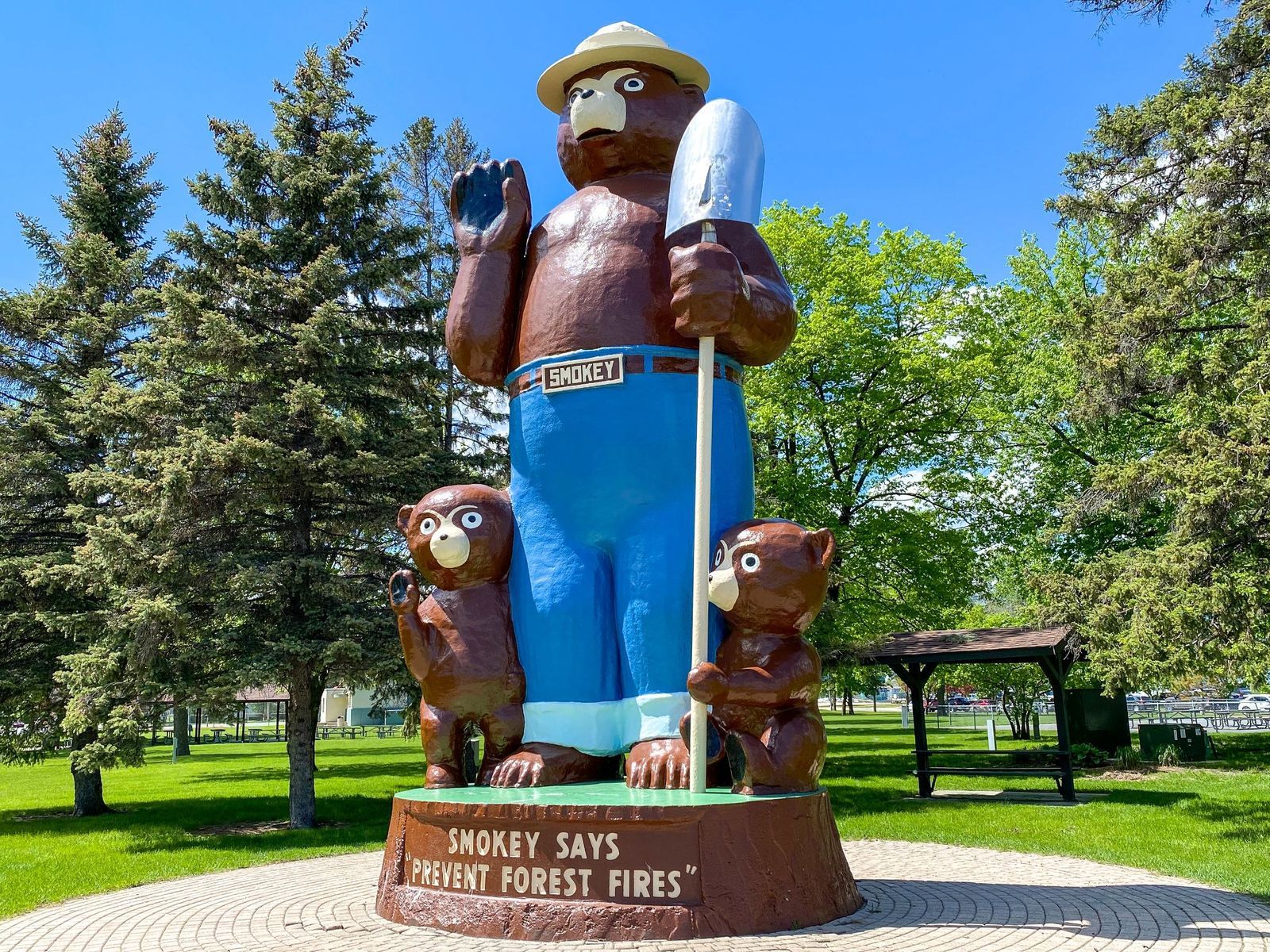
He’s the safety-minded star of the longest-running public service advertising campaign in U.S. history: none other than Smokey Bear, who debuted on August 9, 1944, and was created by the USDA Forest Service, together with the Ad Council.
The artist Albert Staehle painted the first poster showing a bear in blue jeans and a campaign hat pouring water on a campfire. The iconic catchphrase "Remember... only YOU can prevent forest fires" was introduced in 1947. Then, in 1950, firefighting crews rescued a badly burned black bear cub from a wildfire in the Capitan Mountains of New Mexico. Named Smokey, he lived at the Smithsonian's National Zoo as the living embodiment of the character until he died in 1976. Eventually, in 2001, the slogan was officially updated to the catchphrase we know today: "Only YOU can prevent wildfires".