Uncover shopping habits
The Costco $1.50 trick: marketing ideas that make us buy again
How many times have you reached the end of the day and realized you bought things you hadn't planned to buy? Even when we start the morning telling ourselves we won't spend money on little extras, we somehow end up doing it anyway. These little decisions aren't accidental. Most products hide clever marketing strategies designed to catch our attention and keep us coming back. Let's discover 10 familiar examples and the surprising ideas behind them.
1 Costco's $1.50 hot dog
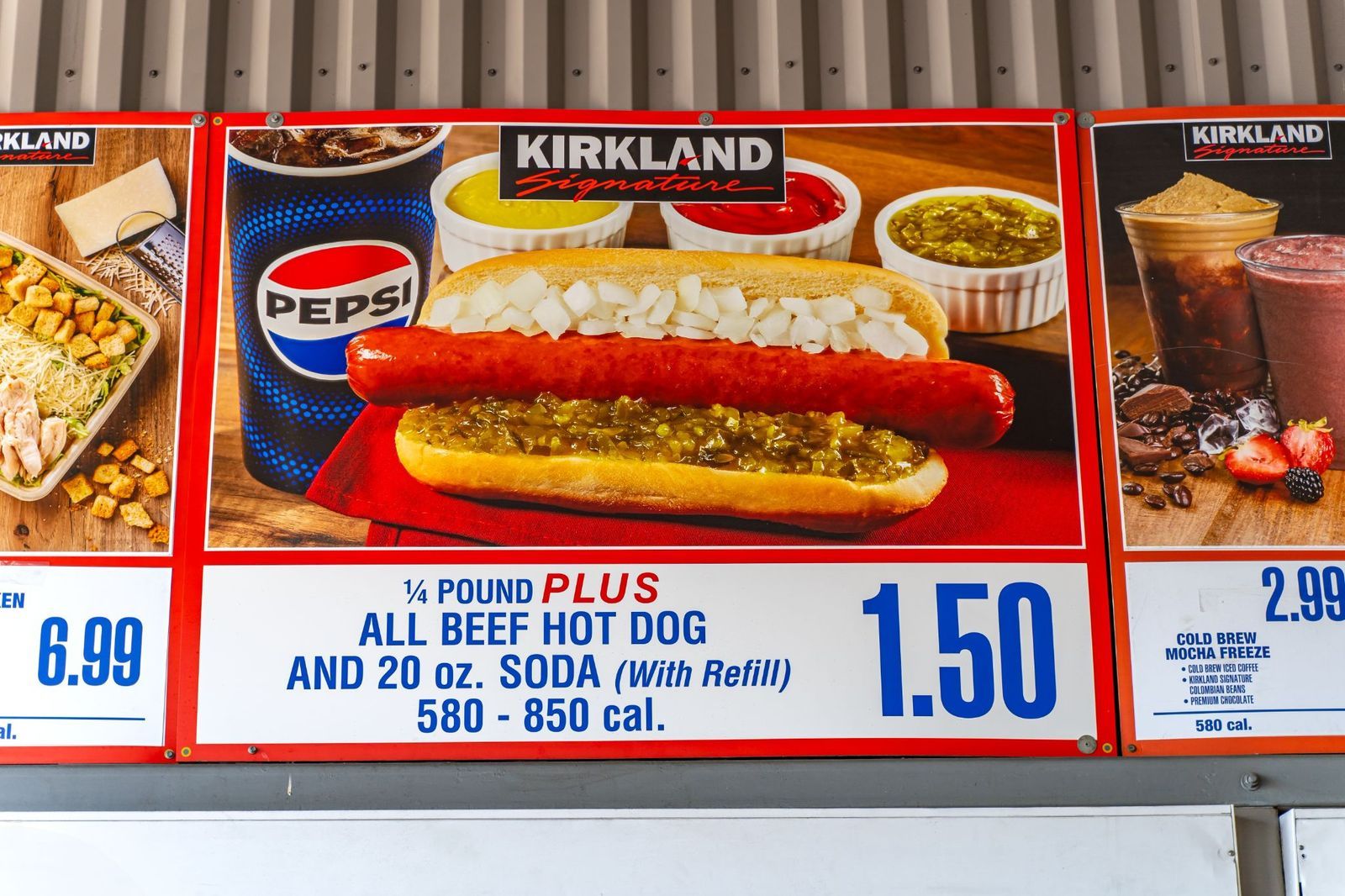
Since 1985, Costco has sold its hot dog and soda combo for just $1.50. Of course, nearly everything else in its stores has become more expensive over the years, except for this deal. So why does Costco keep the price so low?
In marketing, an unusually inexpensive product used to attract customers is called a "loss leader." The idea is to offer something so appealing that people feel they're getting a bargain, even if the business makes little or no money from that particular item. Keeping the same price for years makes Costco turn into a symbol of low prices. The combo reinforces the impression that the entire warehouse offers good value. It also gives shoppers something to look forward to during an ordinary shopping trip.
2 E.T. and Reese's Pieces: The movie that made a candy famous
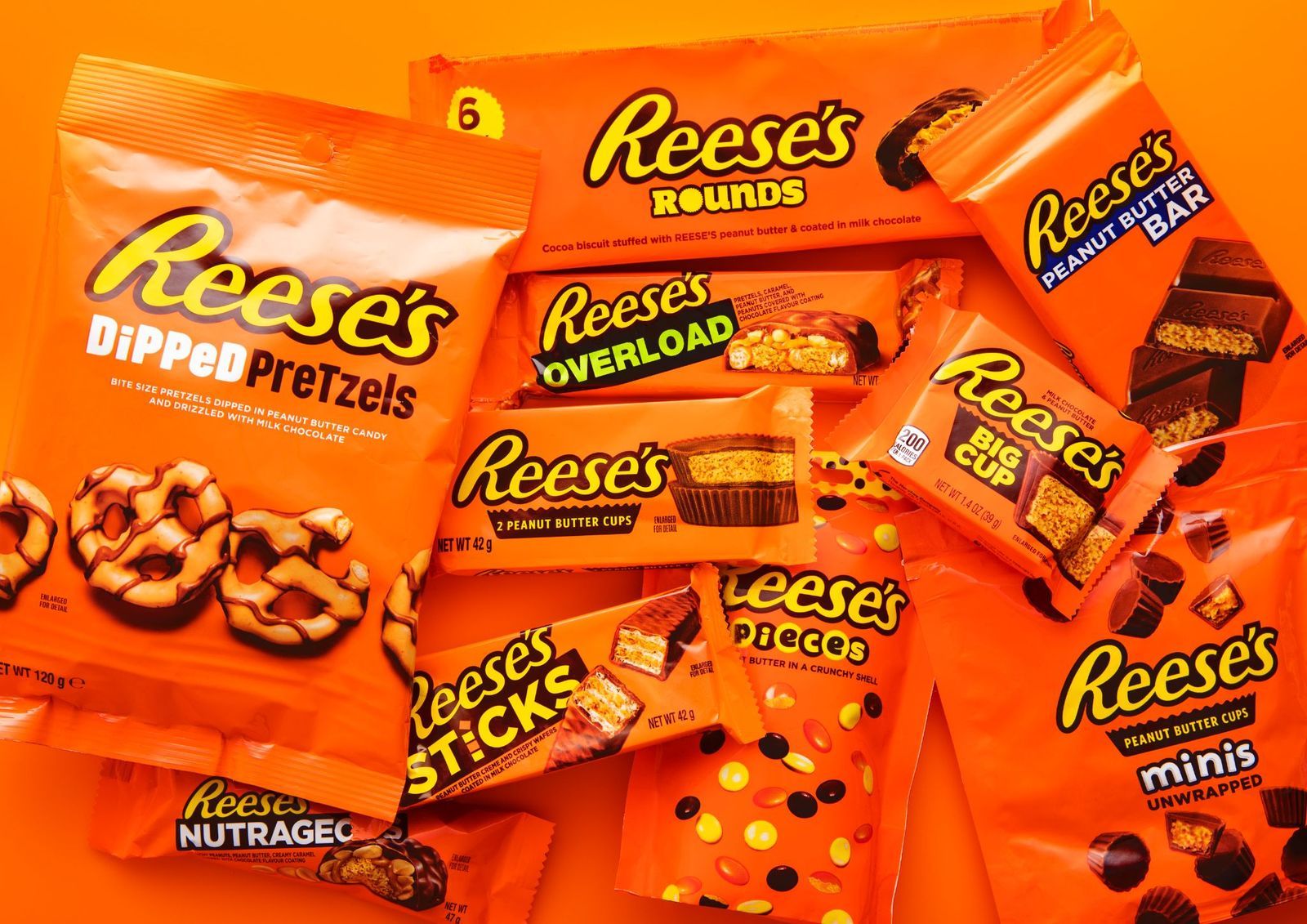
Remember the scene in E.T. the Extra-Terrestrial where Elliott uses a trail of colorful candies to lure the little alien into his house? Those were Reese's Pieces, and their appearance in the movie became one of the best-known examples of "product placement". Originally, the filmmakers reached out to M&M's, but that partnership didn’t happen. And Hershey, which introduced Reese's Pieces in 1978, saw it as a great opportunity to place the product in front of millions.
It’s about incorporating a recognizable brand into a movie or television program instead of showing it in a traditional commercial. In E.T., the candy wasn't simply there; it played a meaningful role in a touching scene between Elliott and the alien. As a result, customers began to feel affection for the product. After the film's release, Hershey reported Reese's Pieces sales increased by about 65 percent.
3 McDonald's Happy Meal: When the toy becomes the attraction
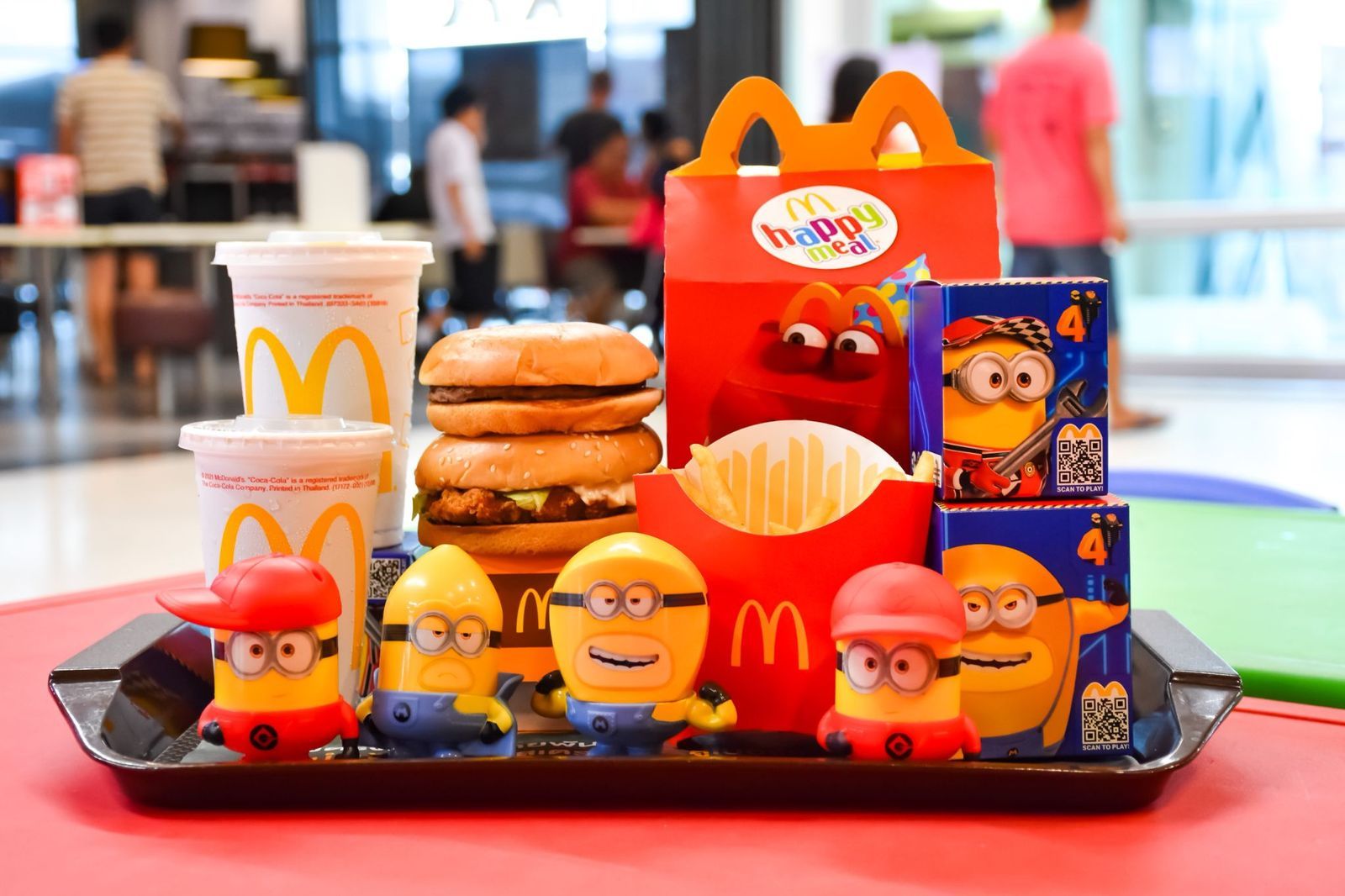
For generations of children, the best part of a trip to McDonald's wasn't the food itself, but finding out which toy came inside the Happy Meal. McDonald's introduced the Happy Meal nationwide in 1979 to make eating there feel like a special occasion for kids.
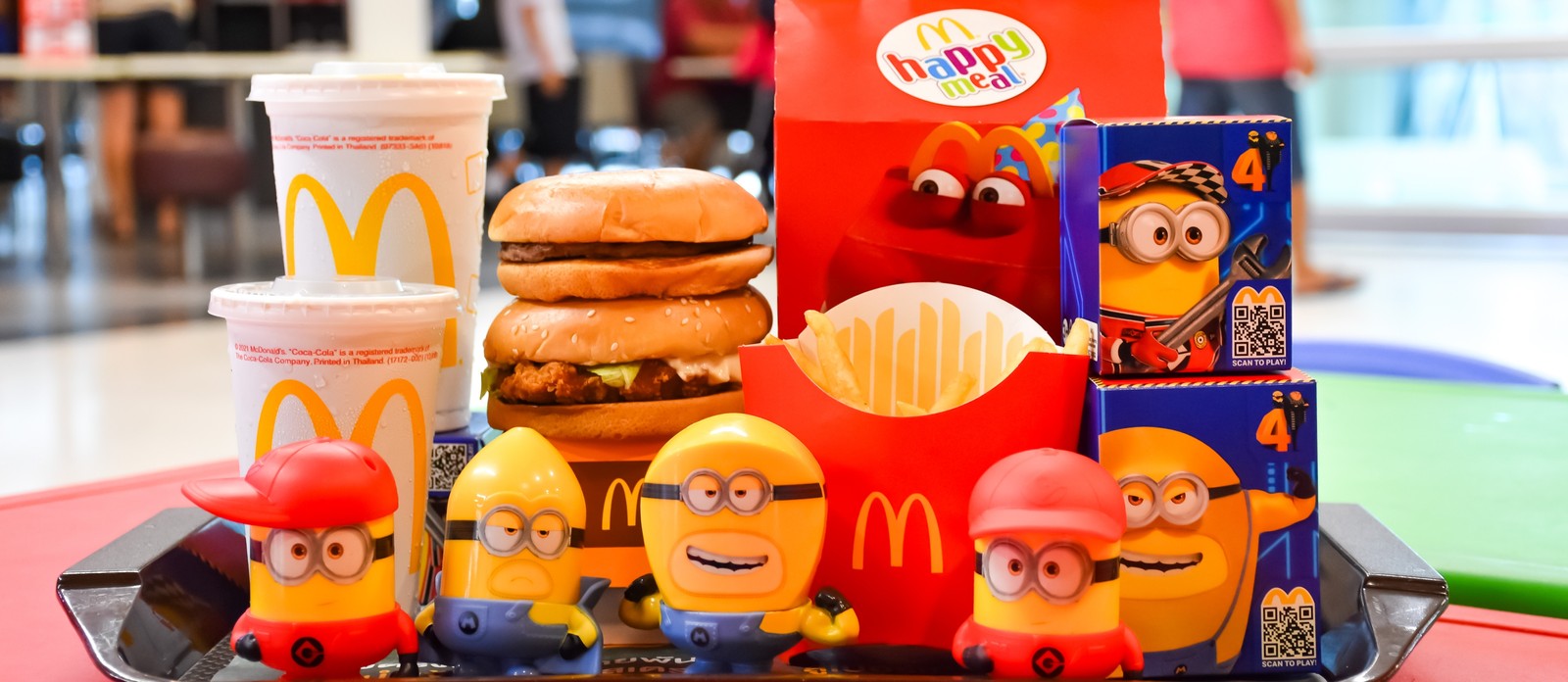
McDonald's began offering popular character toys from movies and TV, making the Happy Meal even more attractive. They combined the familiarity of a meal with the excitement of receiving a surprise . These promotions also encouraged collecting, since children could return for another character to complete their set. The colorful packaging also made the experience feel like opening a present. And because the toys change regularly, there’s always something new waiting inside that little box.
4 Coca-Cola's "Share a Coke": Why seeing your name makes a difference
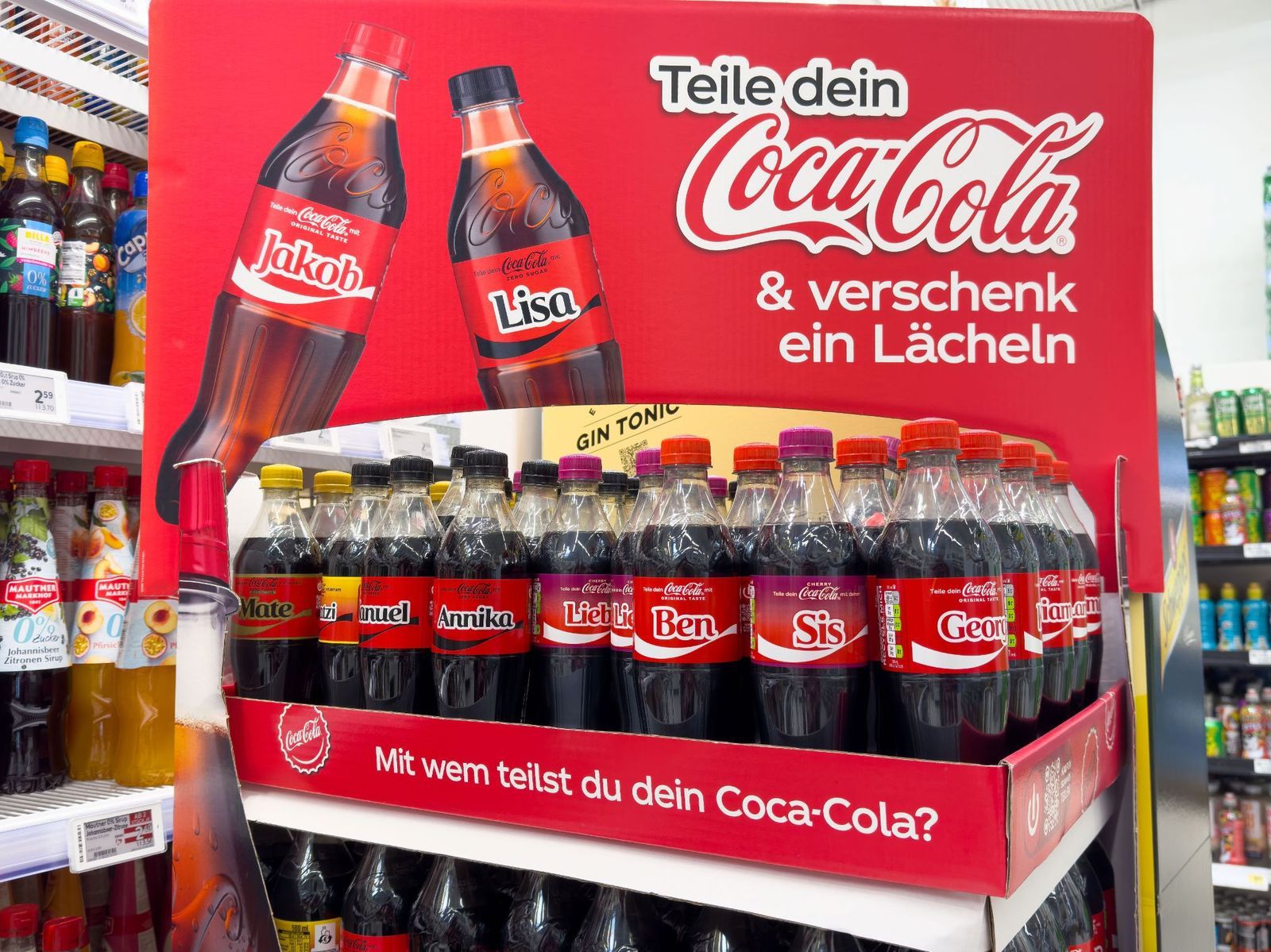
In 2011, Coca-Cola replaced its familiar logo on selected bottles with 150 popular first names, inviting customers to find their own or someone else's. Now picture yourself spotting your name on a Coca-Cola bottle. Even if you don’t feel thirsty, it would be difficult to leave it behind.
This strategy, called "personalization, " works by making a mass-produced item feel as though it was made especially for you. During this campaign, people started searching their names, taking pictures of the bottles, buying Cokes for friends and family, and even keeping them as souvenirs . It also made customers talk much more about Coca-Cola without the company having to start every conversation. Coca-Cola gave shoppers another reason to choose it.
5 Starbucks: The "third place"
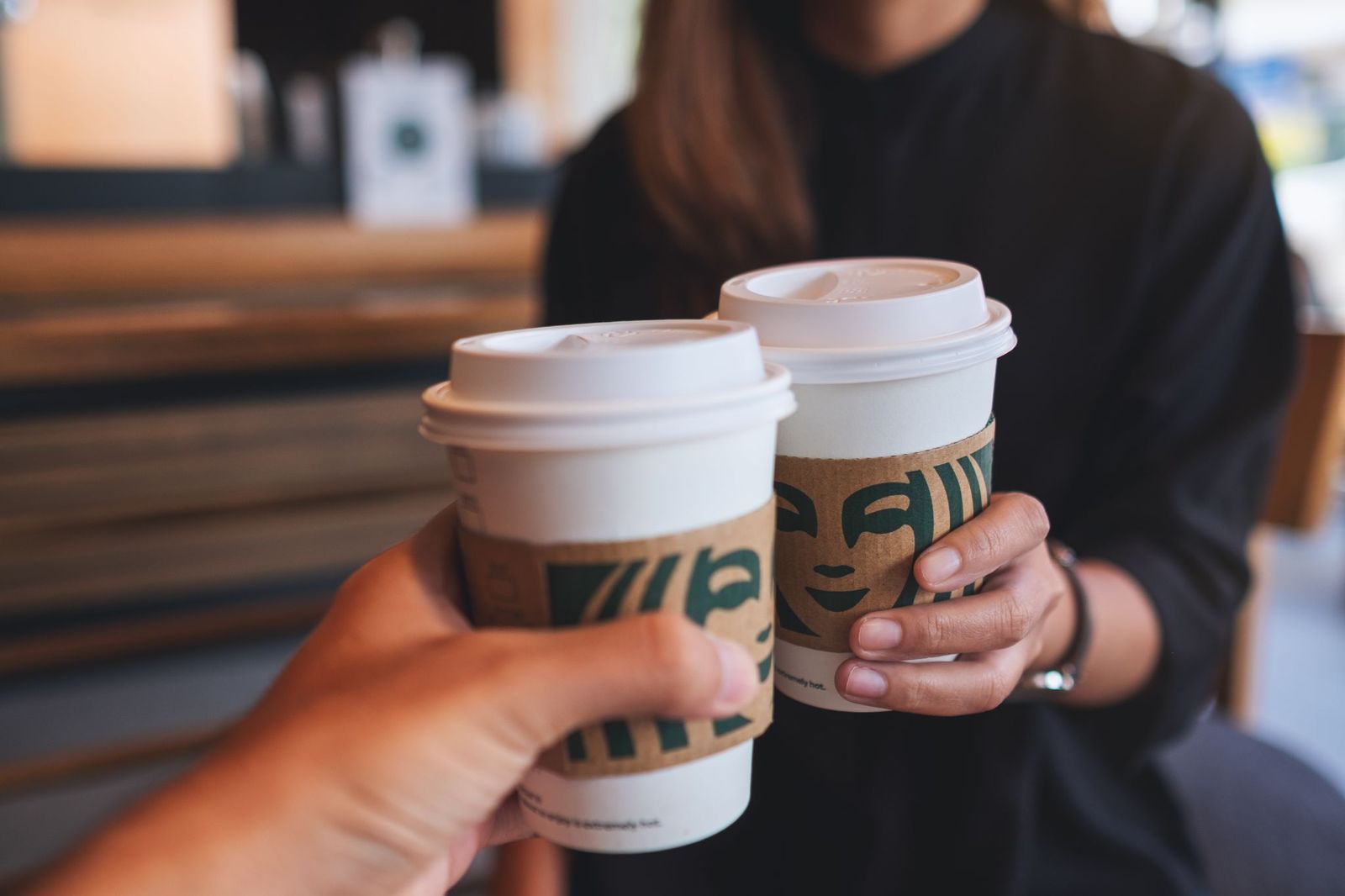
Starbucks eventually became that "third place," somewhere people could spend time besides their homes and workplaces. That concept helped Starbucks sell an experience, not just coffee. This is a form of "experiential marketing," where the atmosphere surrounding a product becomes part of its appeal.
The comfortable setting invites customers to meet a friend, work online, read a book, or simply enjoy some time to themselves. A cup of coffee might cost more than one at a convenience store, but that’s because Starbucks offers much more than the drink itself. And, by making its stores part of customers' daily routines, the company ensures they return.
6 Krispy Kreme's "Hot Now" light: The sign that makes you stop
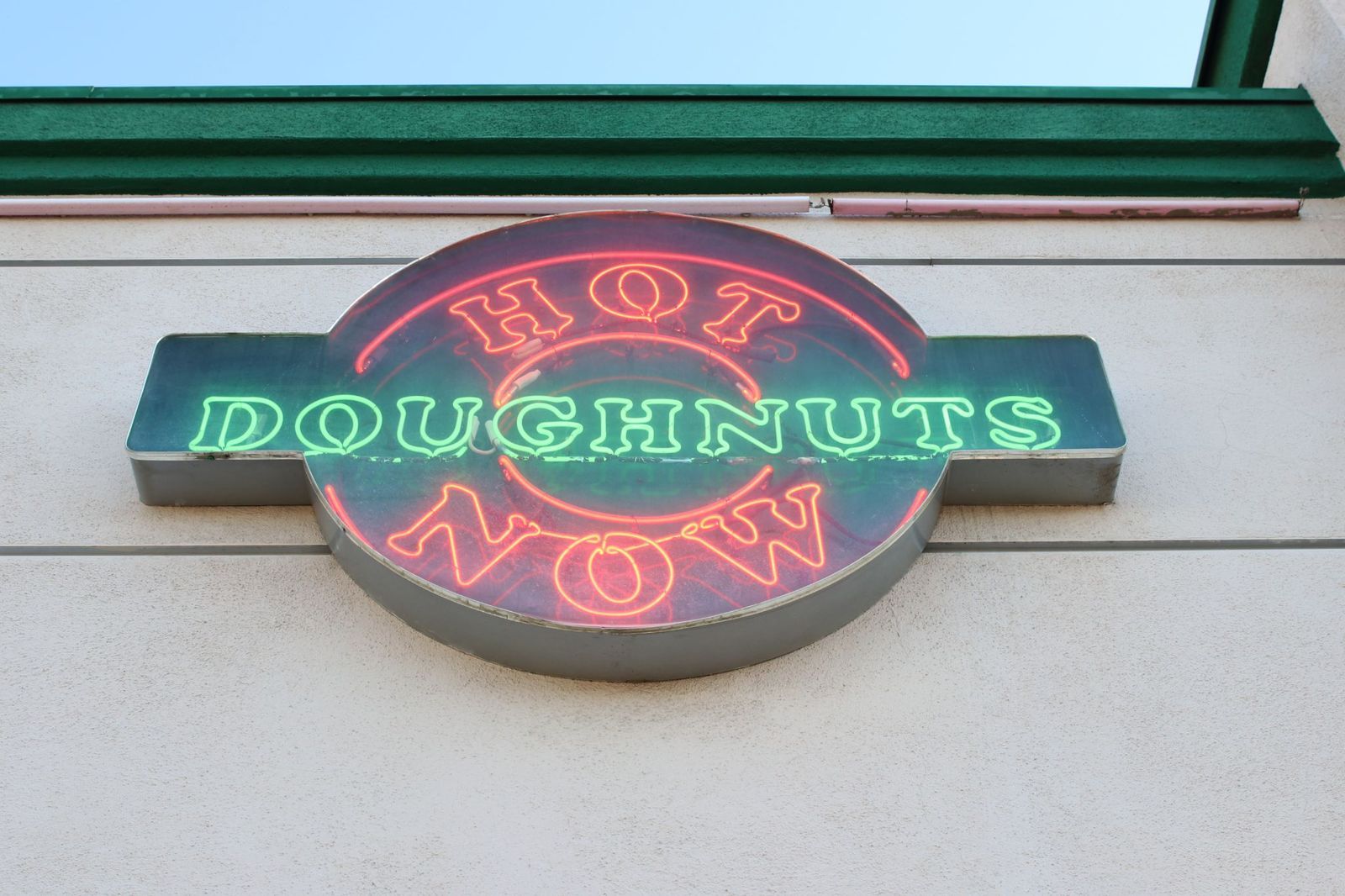
Krispy Kreme's famous red "Hot Now" light does more than announce freshly made doughnuts. It also creates urgency. How? Someone driving past a Krispy Kreme might decide to pull over rather than miss the chance to enjoy a warm doughnut. "There’re not so many chances, and I won’t skip this one," they might think.
This is called "scarcity." It makes something more appealing when it isn't always available. Customers know they can buy doughnuts whenever the store is open, but freshly made ones are something different. So now, people recognize the glowing red sign and associate it with the pleasure of eating something fresh. The brand doesn’t need to create a discount; it just lets people know when doughnuts were just made.
7 Amazon Prime: How an annual fee encourages more shopping
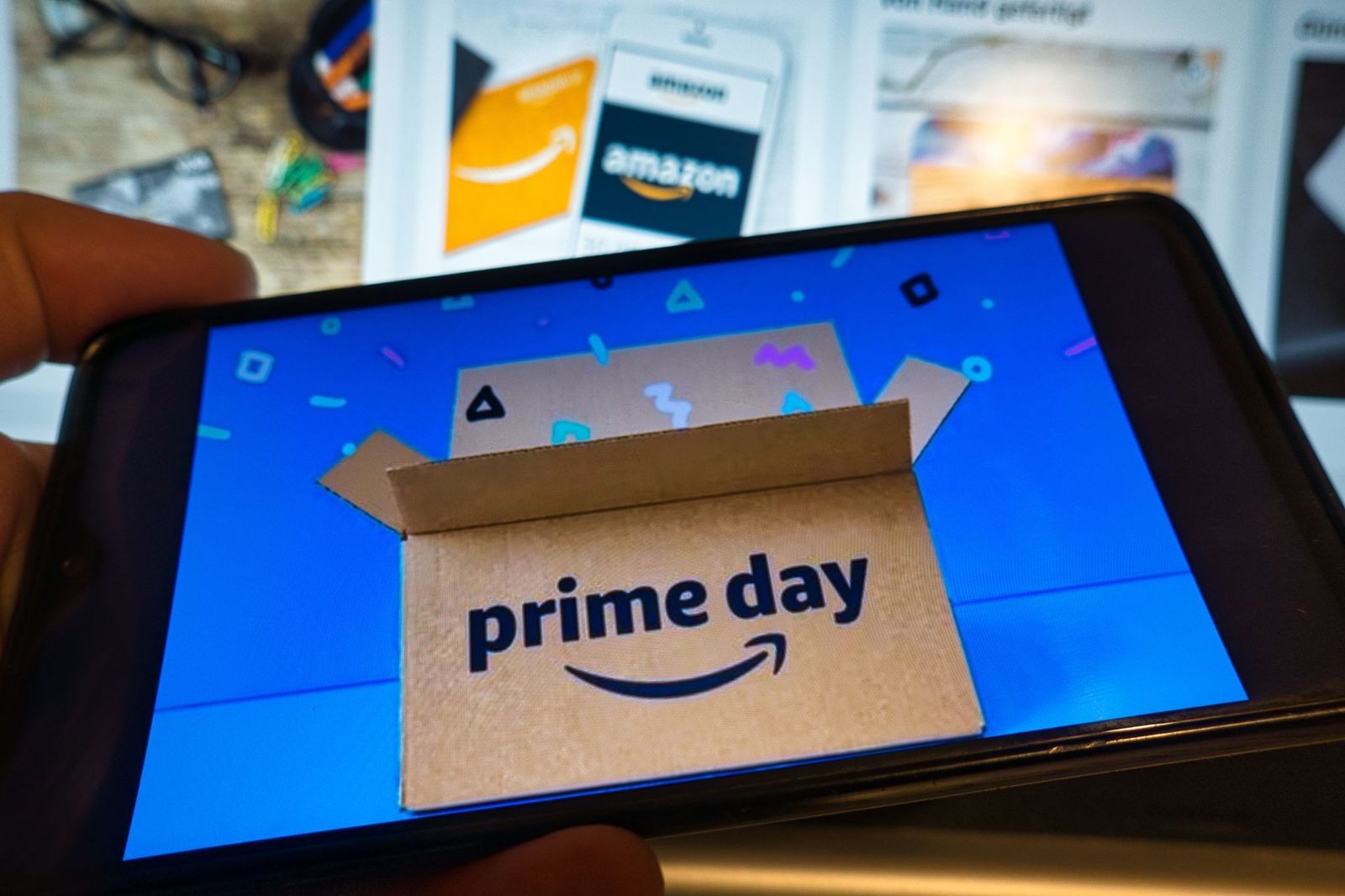
A few decades ago, online shoppers had to pay shipping charges on individual orders or spend a certain amount to qualify for free delivery . In 2005, Amazon introduced Prime, a membership program that offered unlimited two-day shipping on eligible products for $79 a year. But what seemed like a convenient delivery service was also a smart way to encourage regular shopping.
This strategy helped build " customer loyalty," encouraging shoppers to return to Amazon instead of choosing a competitor. Each new order makes the membership feel more worthwhile, and since there's no minimum product amount, even small purchases become easier to justify. Prime makes it easier to buy the things you want, but it can also create the urge to keep buying more.
8 Gillette: Buying the razor is only the beginning
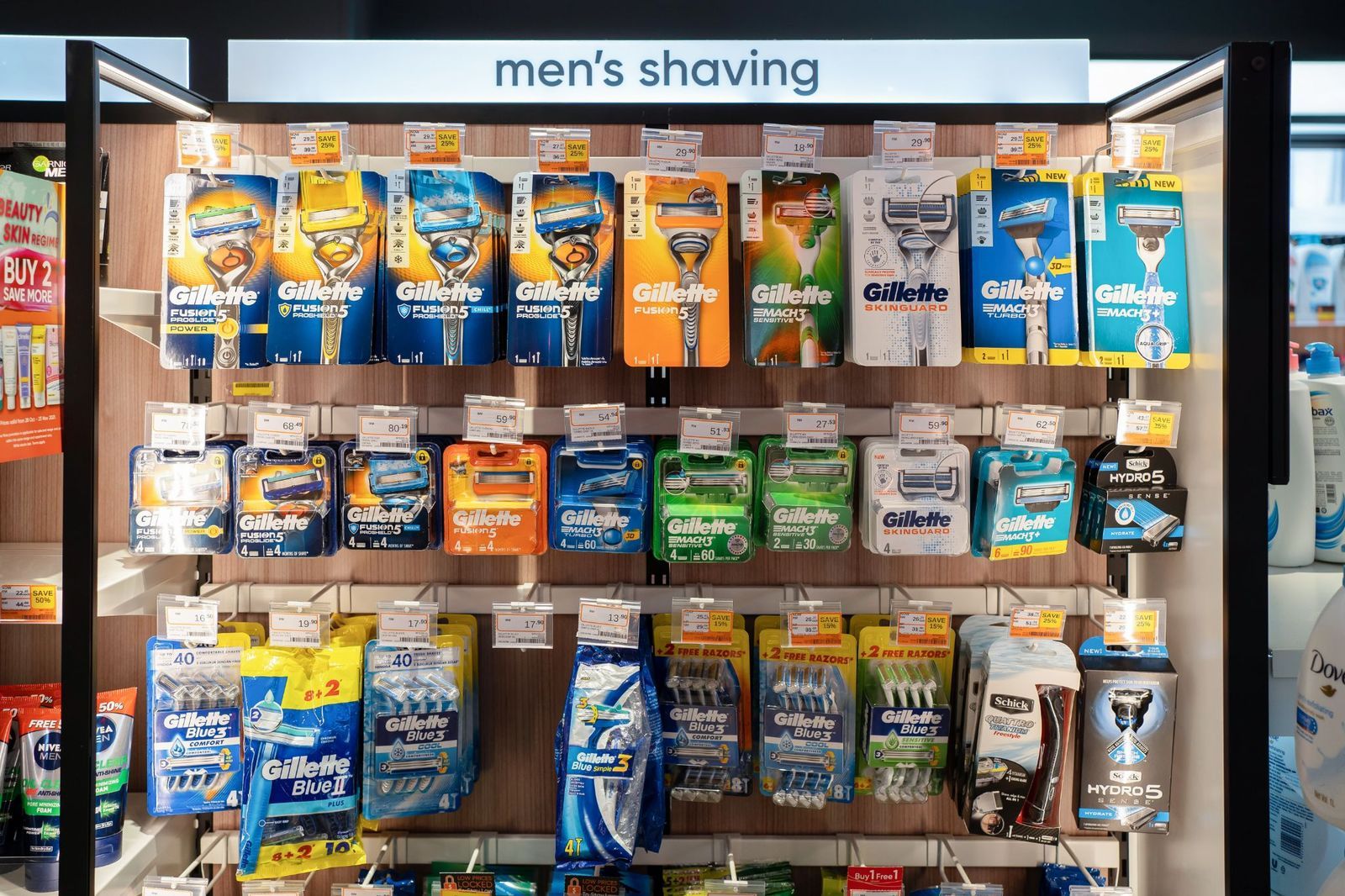
At the beginning of the 20th century, shaving meant using a blade that had to be sharpened. Until in 1903, American inventor King C. Gillette introduced a safety razor with replaceable blades. Now, customers could keep the same handle and simply buy new blades whenever the old ones became dull. This gave Gillette a clever business opportunity: instead of selling a razor once, the company kept selling replacement blades to the same customers.
This approach became known as the "razor-and-blades model." A company sells a product customers can use for years, and then makes money from the supplies they need. This model became even more effective when replacement blades started being designed to fit specific handles. Once customers found a razor they liked, they had a reason to keep buying the same brand forever.
9 Apple's unboxing experience: Why the box matters, too
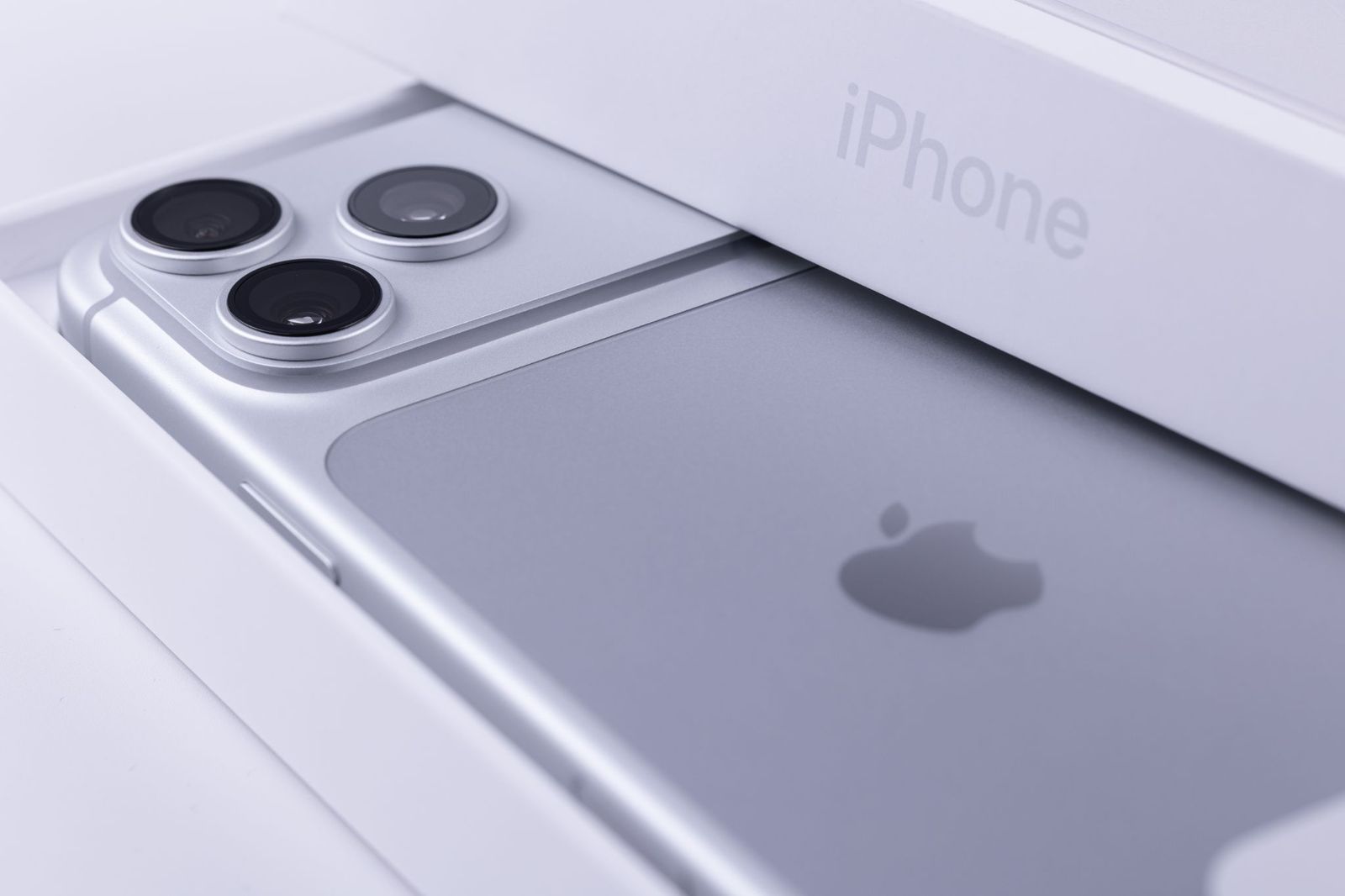
Apple's packaging is part of a marketing strategy known as "brand experience." The special moment begins when customers open the box. The neatly organized packaging also reinforces the impression that the product inside is super valuable, and that all its features are, too.
For many people, opening a new device has become an occasion worth photographing or recording. And those unboxing records give other shoppers a preview of the experience, keeping the product in the public eye.
10 Cinnabon: The smell that sells before you see the store
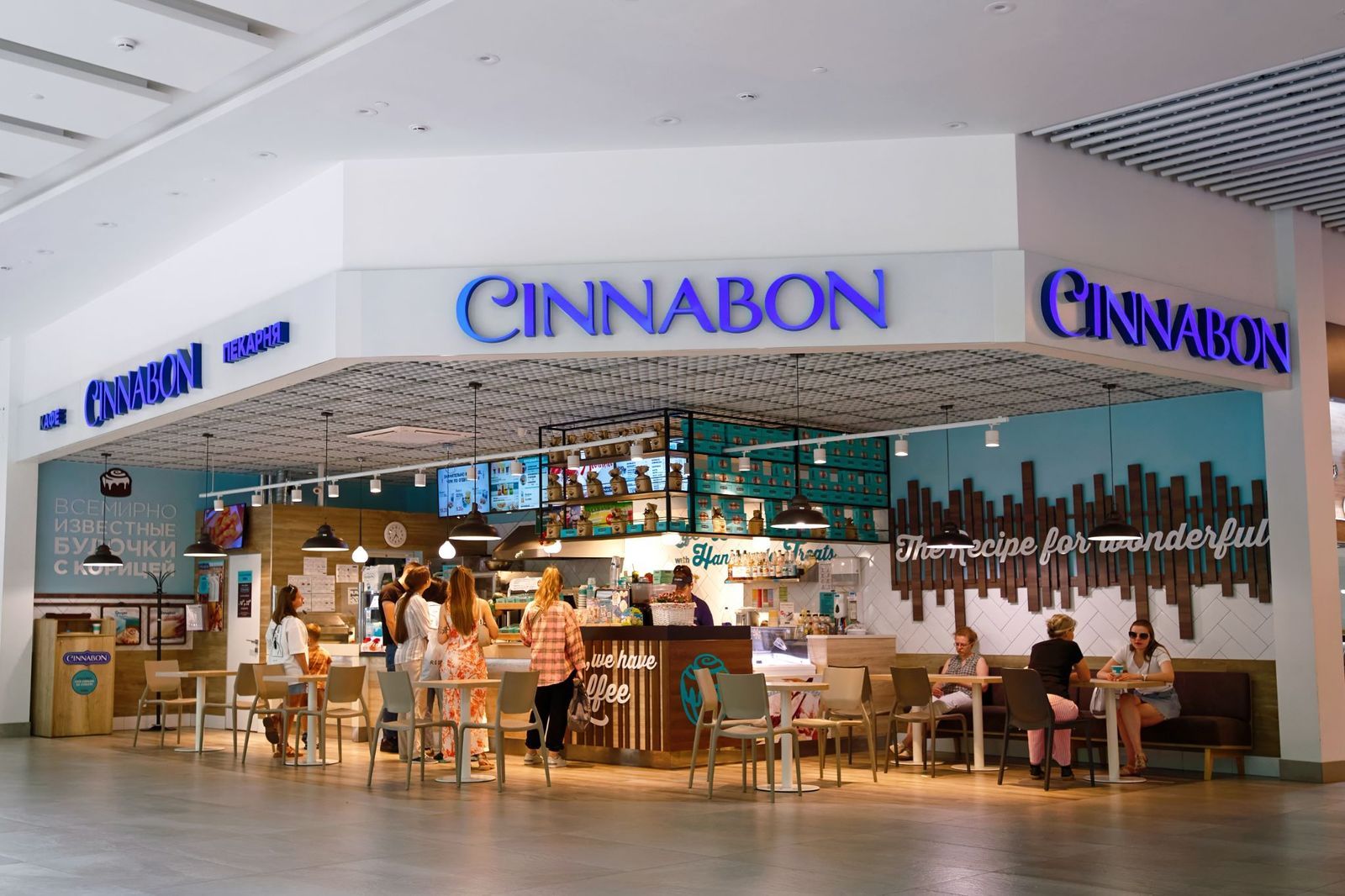
Maybe you weren't hungry until you smelled Cinnabon's recently baked cinnamon rolls. The company discovered that its strong, delicious smell could become one of its strongest advertisements.
The technique, called "scent marketing," takes advantage of the way familiar smells can trigger emotions and cravings. Cinnabon places ovens near the front of its stores and bakes fresh rolls at least every 30 minutes to maintain the aroma. And as many Cinnabon shops are inside malls and airports, the smell can reach people as they walk by. Customers don't even need to see an advertisement or know where the store is located before they start craving.